Do Long Walls Always Need Multiple Electrical Outlets?
TL;DR
Rooms with walls longer than twelve feet rarely require only one receptacle. Most electrical codes require outlets so that no point along a wall is more than six feet from a socket, and any wall section at least two feet long typically needs its own outlet. While these guidelines are rooted in ensuring safety and flexibility in living spaces, forward-thinking placement improves both day-to-day convenience and future home value.
Elevating Everyday Living with Thoughtful Outlet Layouts

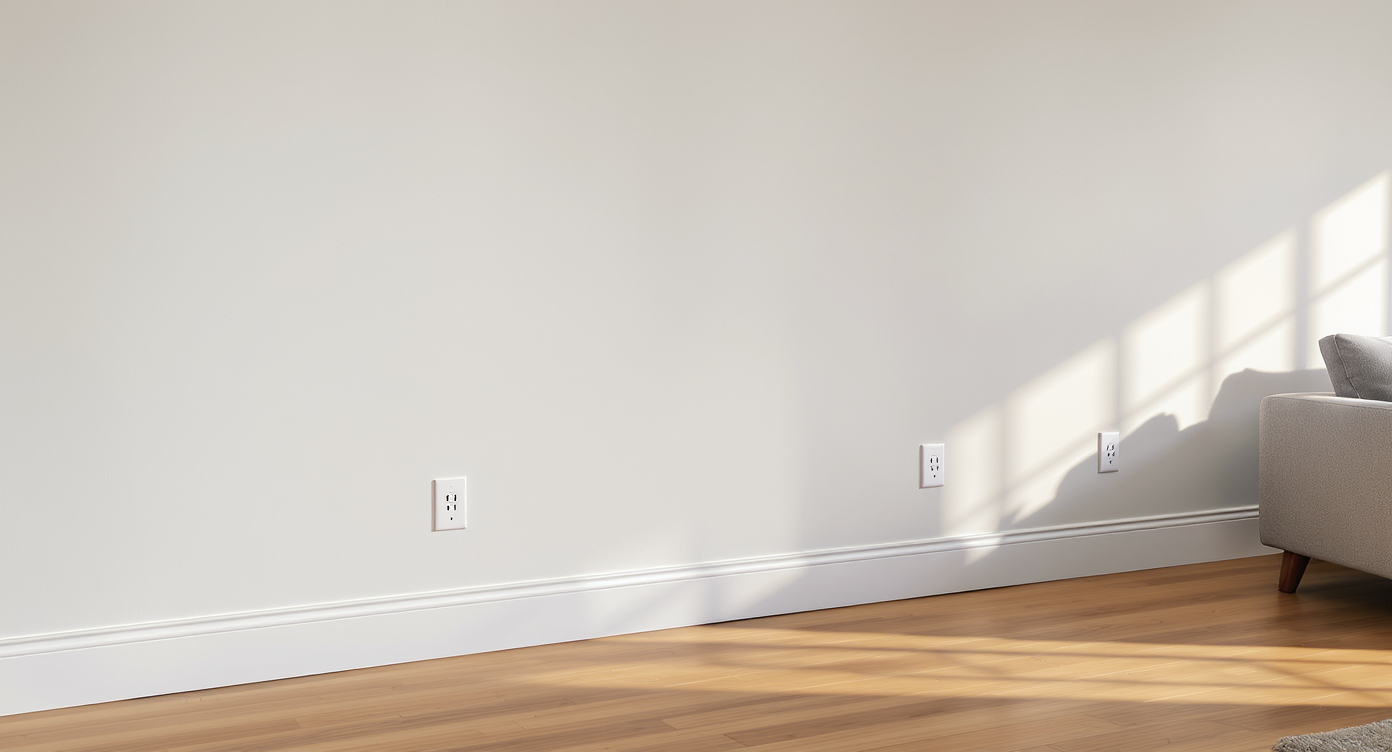
A modern living room shows a long wall with only a few outlets, highlighting the practical challenges of socket spacing and placement.
Ask any homeowner or designer about electrical outlets and most will agree—too few can quickly turn a beautiful room into a frustrating space. The way outlets are spaced and distributed influences everything from where you put lamps and appliances to how you charge gadgets. These relatively small details play an outsize role in comfort, safety, and the long-term value of our homes. Home improvement projects, especially those involving electrical upgrades or remodeling, often bring up questions about current code, best practices, and the fine balance between necessity and future-proofing. When it comes to long walls and room layouts, is there a magic number for how many outlets you need? Let’s explore the principles, tradeoffs, and opportunities that come with socket and switch placement in contemporary homes.
-
Understanding the Basics: Code, Convenience, and Common Sense
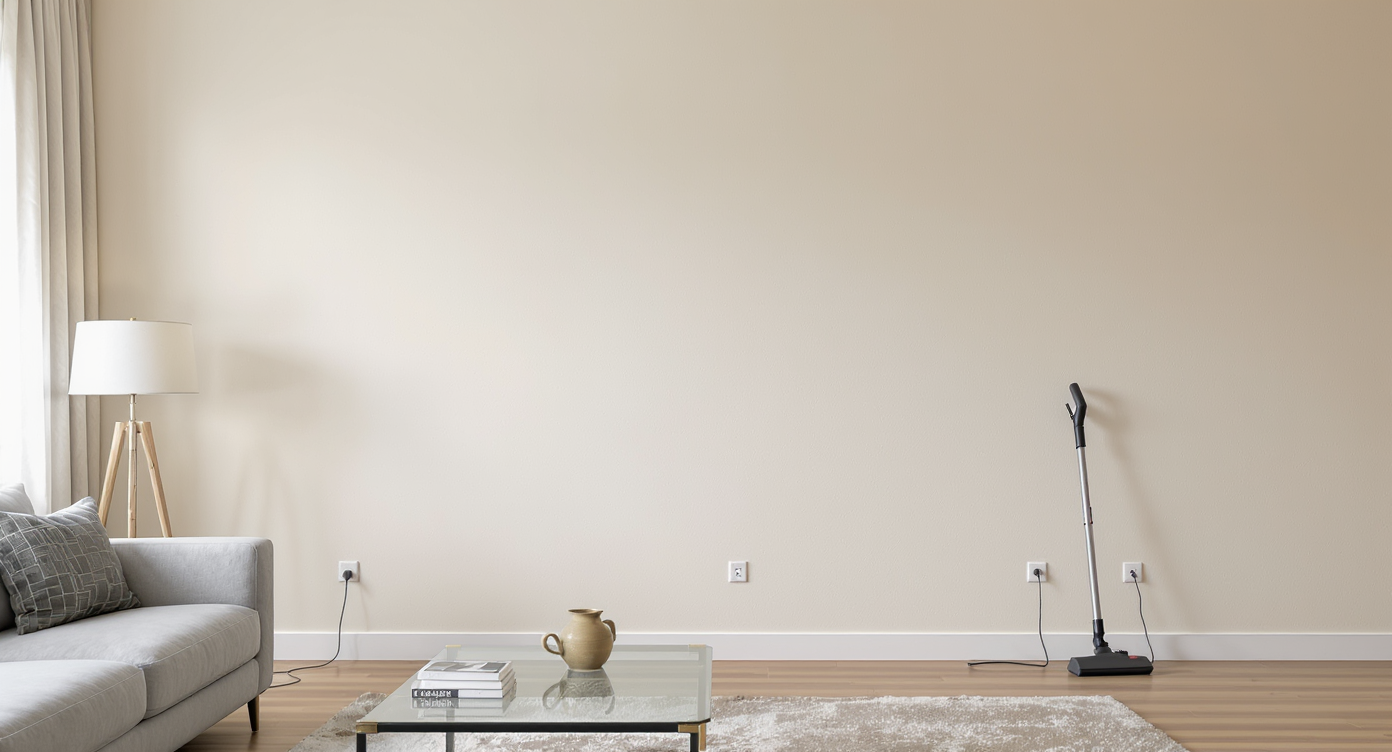
A modern living room wall demonstrates code-compliant socket spacing, ensuring no spot is beyond reach for lamps or small appliances.
Modern building codes define minimum requirements to ensure safety and usability in every residential space. In most areas, the rule is simple: No point along a wall should be more than six feet from an electrical outlet. Additionally, any segment of wall at least two feet wide is usually required to have at least one receptacle. This code-based spacing is designed around practicality—cords for lamps, vacuums, or devices rarely reach further than six feet. For a wall stretching over twelve feet, two outlets at minimum are almost always necessary, spaced to avoid leaving any unreachable spot. While these standards form a reliable baseline, they are not always the finish line. Everyday routines reveal how inadequate outlet placement can lead to a warren of extension cords or inconvenient furniture arrangements. Designers and contractors often suggest exceeding code when planning new or remodeled rooms. Upfront, the cost and effort to add a receptacle or two is modest, yet the payoff in flexibility lasts for decades.
Expert Insight
During a project in a mid-century home, the owner realized that placing outlets only at room corners left many cozy nooks without easy access to power. By adding a few extra sockets along each long wall, charging stations, reading lamps, and seasonal decorations found their place—making daily routines smoother and the space altogether more inviting.
-
When More Really Means More: Beyond the Minimum
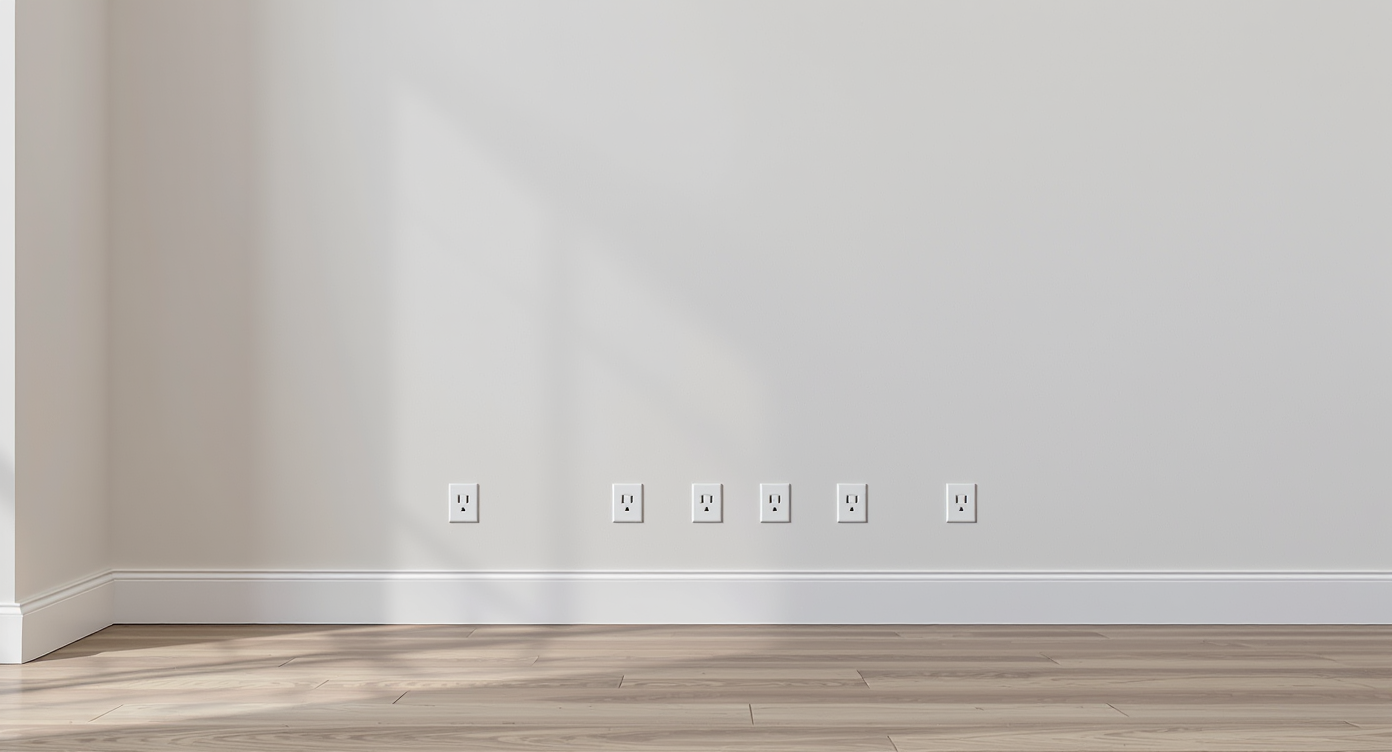
A thoughtfully planned living room wall, with conveniently placed outlets powering various devices for a fully lived-in setup.
Life has a habit of outgrowing even well-intentioned plans. A room built to minimum code may meet inspection, but as technology multiplies and families accumulate more devices, the limitations become clear. Chargers, smart speakers, humidifiers, and decorative lighting all compete for socket space beside the usual lamps and televisions. During the design or renovation phase, it makes sense to visualize how the room might function on a fully lived-in day. Imagine a family living room: one child plugged in with a tablet, another with a homework desk, adults unwinding nearby with a standing lamp and a charging phone. If the only outlets live at two distant ends of the wall or are clustered behind large furniture, you may soon regret not planning for additional receptacles. The best contemporary floor plans often reflect this reality, reserving switches and sockets for likely device zones and leaving flexibility for unexpected needs. This perspective aligns with broader remodeling strategies that prioritize visible, used features—similar to how DIY renovations with practical appeal tend to deliver better returns than purely aesthetic upgrades.
-
Integrating Outlet Placement Into Floor Plan Design
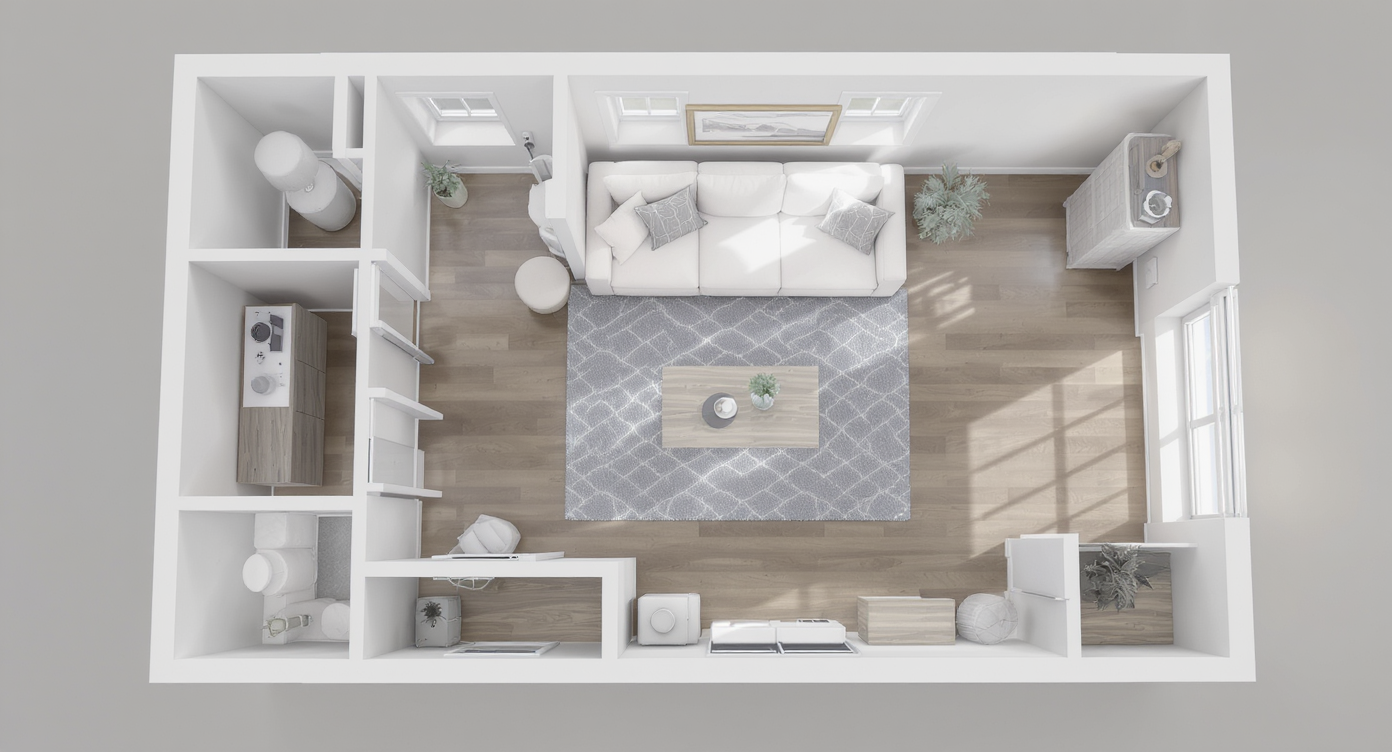
Intentional outlet placement along a long living room wall aligns with floor plan layout, ensuring power access where most needed.
Sockets and switch placement are deeply entwined with room and home floor plans. The intended furniture layout, window positions, and access points like doors or closets should all play a role in wiring decisions. For example, a long wall behind a planned sofa or media center may benefit from a row of outlets—perhaps even a four-gang configuration—to handle entertainment systems or charging stations. On the flip side, placing an outlet in tight spots behind doors or obstructed by cabinetry often makes little sense, even if code technically allows it. Forward-looking designers now approach socket placement as part of overall functionality. In children’s rooms, extra outlets at desk or play table height save headaches later. Kitchens and laundry zones, with their unique appliance demands, almost always benefit from more accessible outlets, a fact that has become evident in discussions about remodeling practical surfaces and features for everyday durability. The takeaway? View each room’s electrical plan as a living, adaptable layer of comfort, rather than an afterthought required for inspection.
-
Anecdote: The Never-Ending Hunt for More Sockets
A client once moved into a charming 1940s-era home, delighted with its craftsmanship but quickly frustrated by a decided lack of convenience—the living room featured only two outlets for nearly fifteen linear feet of wall. Within weeks, extension cords snaked across the original hardwood, tripping everyone and cluttering up the view. After a modest investment in additional outlets (easily installed while repainting), the difference was immediate. Lamps, chargers, and seasonal décor suddenly found their place, and the space both looked and functioned better. That small update became the client’s favorite change in the home, outlasting even larger cosmetic renovations.
-
Common Mistakes to Avoid
Relying solely on minimum code can leave busy households perpetually searching for another plug. Overlooking door swings, furniture placement, or closet cut-ins might result in an awkwardly placed socket that is never used. Skimping on outlet quality or grouping all sockets into one area can also limit flexibility and reduce safety. Just as important, adding too many outlets to a single circuit risks breaker trips—a balance of quantity and electrical load is crucial for effective upgrades.
-
Tips and Expert Insights
Electrical pros regularly recommend planning for lifestyle, not just inspection. During renovations, adding outlets while the walls are open is both more convenient and remarkably economical. Use higher-capacity gang boxes where devices tend to cluster, and don’t hesitate to consult an electrician when combining upgrades across circuits. When in doubt, aim for more receptacles, but pay attention to load balancing and quality components for safety and durability.
-
How to Use This in Your Next Designs
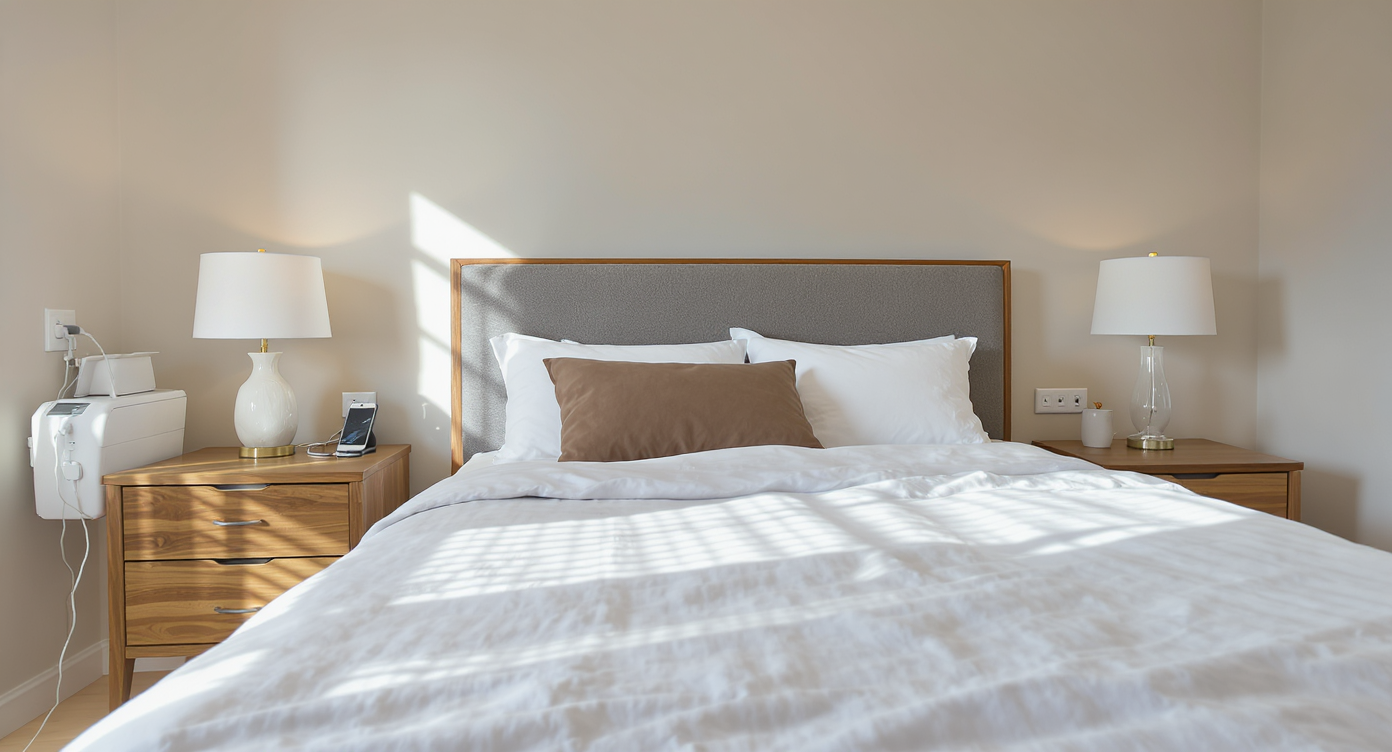
Bedroom showing individually placed outlets for each nightstand, a dedicated work-from-home desk with accessible sockets, and thoughtful outlet placement throughout the open space.
Coordinate socket and switch locations with your evolving furniture and lifestyle needs. For example, in a remodeled bedroom, outlets at either end of the bed spare you from tangled cords or awkward nightstand lamps. In work-from-home areas, prioritize accessible sockets for computers and printers. In open concepts, think about where people naturally gather and how their electronics will need power. Each project is a fresh opportunity to remove small annoyances and dramatically improve daily ease.
-
Visualization: Mapping Out Sockets in a Modern Living Room
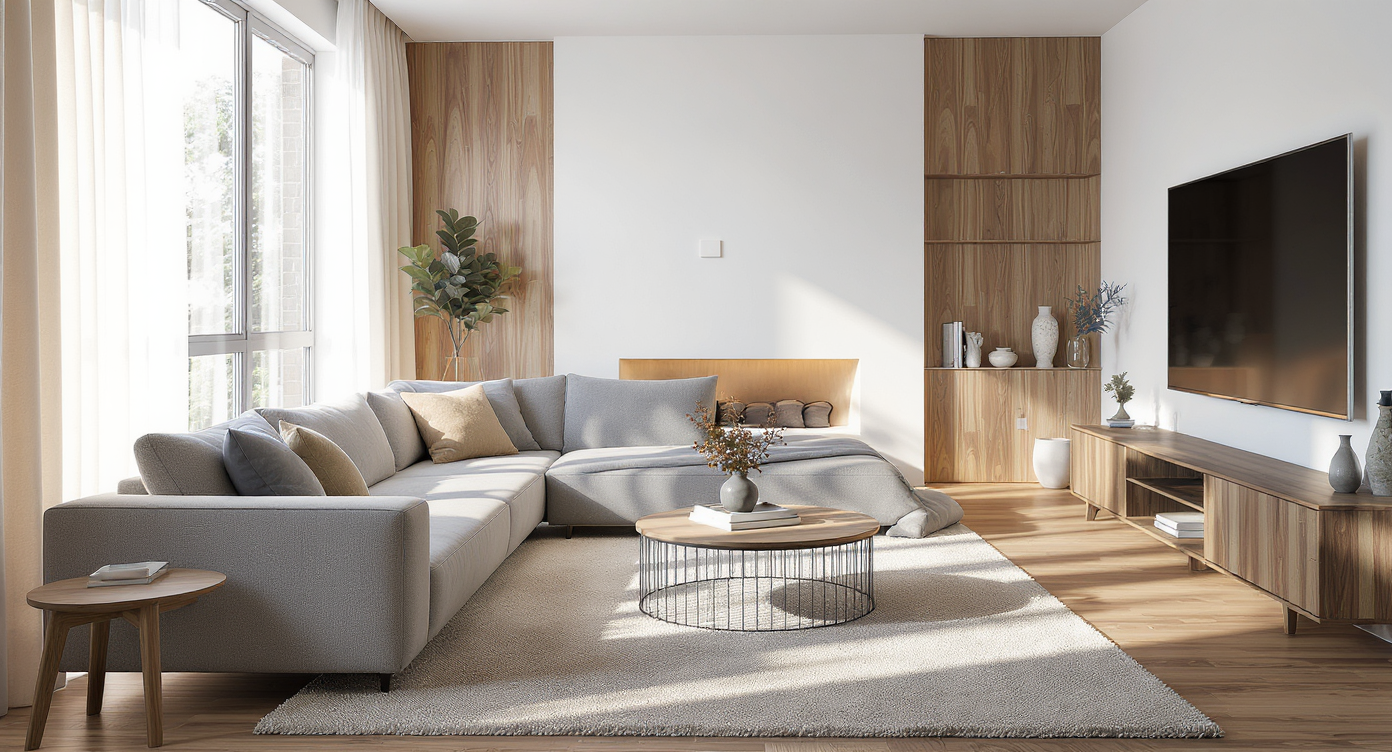
Thoughtfully spaced wall and floor electrical outlets support a tidy, functional modern living room layout without visible cords.
Picture a sun-filled family room on a weekend afternoon. A low-slung sectional faces the media center, children pile up with books and tablets, and a buffet cabinet hosts a seasonal lamp and sound system. Here, three double-gang outlets—cleverly spaced along the main wall—allow each area to function without unsightly cords. A few carefully placed floor outlets anchor the seating zone, while switches by each door allow easy lighting control. Every family member finds a place to plug in, underscoring how thoughtful outlet mapping supports comfort and style.
Visualization Scenario
Imagine planning a remodeled family room filled with varied activities. You map out seating arrangements, entertainment units, and a reading corner, then layer in outlet plans to serve every zone comfortably. With outlets tucked near each activity center—behind the media console, beside the sofa, at the window nook—electronics, lighting, and décor instantly feel more natural, uncrowded, and personal.
Outlet Spacing, Code, and Planning: Frequently Asked Questions
- Is there a universal rule for outlet spacing on all long walls?
- Most building codes specify that no point along a residential wall should be more than six feet from a socket, and each wall over two feet wide usually must have its own outlet. However, always check your local code before finalizing your electrical layout.
- Should I add more outlets than the minimum required?
- Designers and electricians generally encourage adding more outlets than code requires, especially during remodeling or new construction, to future-proof your space for evolving technology and furniture layouts.
- Are there rooms where more outlets make an especially big difference?
- Yes. Living rooms, kitchens, and home offices especially benefit from extra outlets, as these spaces host many gadgets, appliances, and chargers. Upgrades in these areas often add functionality and appeal for resale buyers.
- Can sockets be placed behind doors or inside closets?
- Building codes sometimes exclude the area behind a fully opened door as 'usable space.' However, closets can benefit from added outlets for lighting or small appliances—consider your needs and check with your inspector.
- Where can I visualize new designs before renovating?
- For interactive layout planning, including outlet and switch placement that adapts to your lifestyle, explore ReimagineHome.ai.
Design Your Future-Proof, Flexible Home
A home’s value and comfort lies in the details, and nowhere is this more evident than in strategic socket and switch planning. Walls longer than twelve feet demand at least two outlets to remain code compliant and genuinely useful, but savvy homeowners and designers know that exceeding minimums—when guided by practical need and daily routines—pays off in ease and satisfaction. Every upgrade to your layout is an investment in future comfort. For advanced visualization of electrical layouts tailored to your needs, visit ReimagineHome.ai.