9 Practical Factors to Weigh When Considering a Smaller Home for a Better Location

TL;DR
Choosing a smaller home in a prime location often means trading space and amenities for time, walkability, and potential long-term value. Evaluating layout changes, storage design, and lifestyle trade-offs is key to making a confident decision. The priorities that drive your happiness—such as commute, community, and daily convenience—should guide your move.
Considering a Move From Suburbs to City? Here’s What Matters Most

A city townhouse’s compact living space hints at daily convenience, contrasted with larger suburban homes glimpsed outside.
Moving from a larger house in a suburban area to a somewhat smaller, potentially older home closer to a city center is a decision packed with nuance. Homeowners in growing outer towns often debate whether sacrificing space or newer amenities is justified by gaining proximity, walkability, and shorter commutes. For those at the crossroads—wondering if a reduction in square footage or the loss of a garage can be balanced by location, daily convenience, and future possibilities—this list covers the core factors to help make a thoughtful, future-ready choice. Expect to see both lifestyle and practical considerations.
-
1. Quantity vs. Quality of Living Space
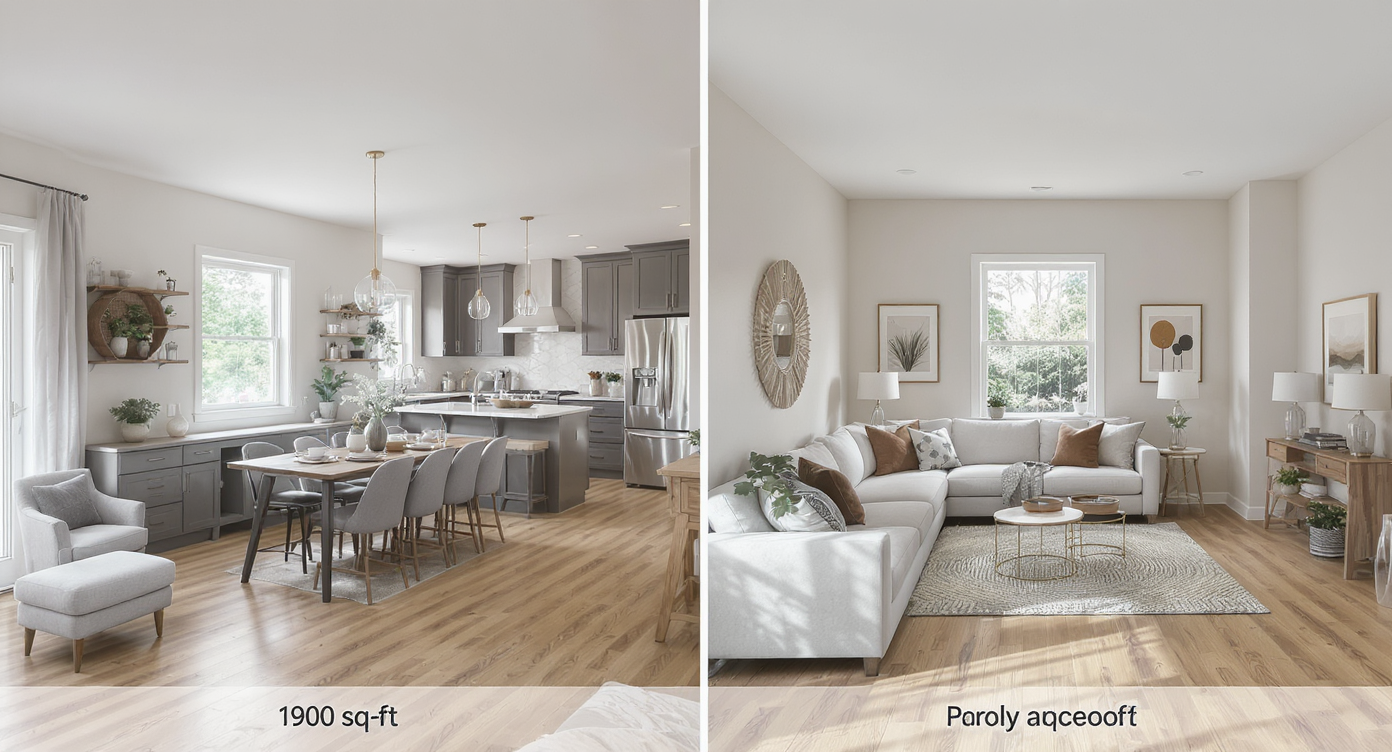
A well-planned 1900 sq ft open-layout home with built-in storage and open sightlines contrasts a larger yet less functional partitioned space.
A loss of 300 square feet rarely feels the same in every home. The impact depends heavily on layout changes and how that space is distributed. For some, this may mean losing a spare room or downsizing a dining area. Professionals often remind buyers that a well-designed 1900 sq ft home with a smart floor plan can feel more functional than a larger but poorly organized one. Consider whether spaces in the prospective home suit your routines: is there an opportunity to open up closed-off areas, repurpose a formal dining room, or creatively add built-in storage? Evaluating these details outweighs simply counting square feet.
-
2. The Real Value of Location and Commute Time

A modest city condo with easy access to nearby shops and parks illustrates the everyday benefits of a prime urban location.
Location remains one of the most cited determinants of long-term satisfaction and resale value. Many buyers who have moved closer to urban centers quickly recognize that a short commute transforms everyday life—freeing up time for family, rest, or personal growth. Data suggests the average annual cost of commuting (including time, car maintenance, and stress) can far exceed the incremental cost of a more central home. In neighborhoods with amenities nearby, even a modest property can ultimately be more enjoyable. As explored in our comparison of old and new construction homes, location often has a greater effect on value retention than property age or finish.
-
3. Garage, Storage, and Practical Trade-Offs
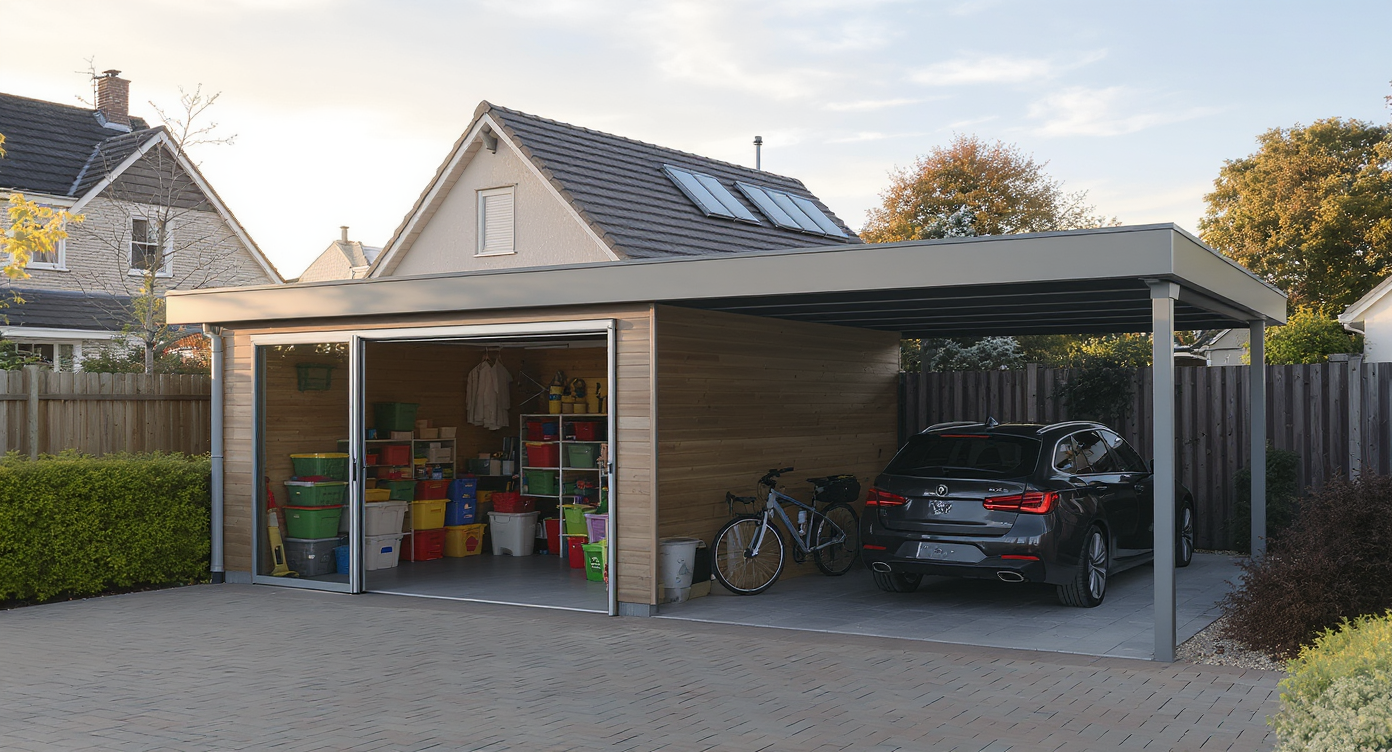
Garage alternatives: a modern shed, minimalist carport, and an overhang provide practical storage and vehicle shelter in a city lot.
Giving up a garage is a significant downside for many, but it isn’t always a deal breaker. The real question is how you use your current space: Do you need sheltered parking due to harsh winters, or is your garage mostly a storage room? Options like sheds, carports, and smart storage design can compensate for the loss—especially in milder climates. Professionals highlight that, if you have space on the lot, adding a garage later (pending zoning) is often feasible, though costs can be substantial. Keep in mind that city lots sometimes offer creative solutions such as leasing nearby garage space or building an overhang for shelter.
-
4. Navigating the Age and Condition of Older Homes
An older home’s character often comes with quirks and potential maintenance concerns. Buyers should weigh the likelihood of future repairs, especially with key systems like roofing, windows, and HVAC. However, houses that have been standing for decades tend to reveal their flaws early—they’ll either have evident issues or a proven history of resilience. Carefully review inspection reports and consider the quality of previous remodel projects, as these often signal how well the home has been maintained. A thorough professional inspection before committing is vital to understanding true costs over time.
-
5. Lot Size and Outdoor Potential

A rare quarter-acre lot in an urban setting, showing ample outdoor potential for gardening, expansion, or entertaining.
Upgrading to a better location sometimes means gaining not just a shorter commute, but also a more generous or usable lot. A larger lot opens possibilities for future expansion, landscaping, or the eventual addition of new structures like a garage or workshop. Outdoor space becomes especially valuable if you have pets, want to garden, or plan to entertain. In denser urban areas, a home with a quarter-acre lot is a rare find and could significantly contribute to long-term value. Assess your priorities—outdoor space may compensate for lost interior square footage.
-
6. School Districts and Resale Prospects
Even if school quality isn’t directly relevant to your household today, proximity to good schools typically improves future resale prospects. Real estate professionals consistently report that homes within high-performing districts tend to retain or climb in value faster. When weighing your move, investigate not just the current reputation, but also trends—sometimes gentrifying neighborhoods experience school improvements that accelerate property appreciation. As we noted in our analysis of resale value drivers, location factors like schools often top buyer wish lists.
-
7. Upfront and Long-Term Financial Calculus
The transition out of suburbia might involve a higher per-square-foot price, but the math often pencils out when factoring in quality of life, lower transportation costs, and growth potential of central locations. Also, major remodel projects and home improvements in desirable neighborhoods often retain more value. It’s critical to scrutinize not just sale and purchase prices, but taxes, anticipated maintenance, and insurance costs. Financial planning tools and decision matrices can clarify the real trade-offs and allow you to project future scenarios with confidence.
-
8. Personal Lifestyle, Values, and Evolving Needs
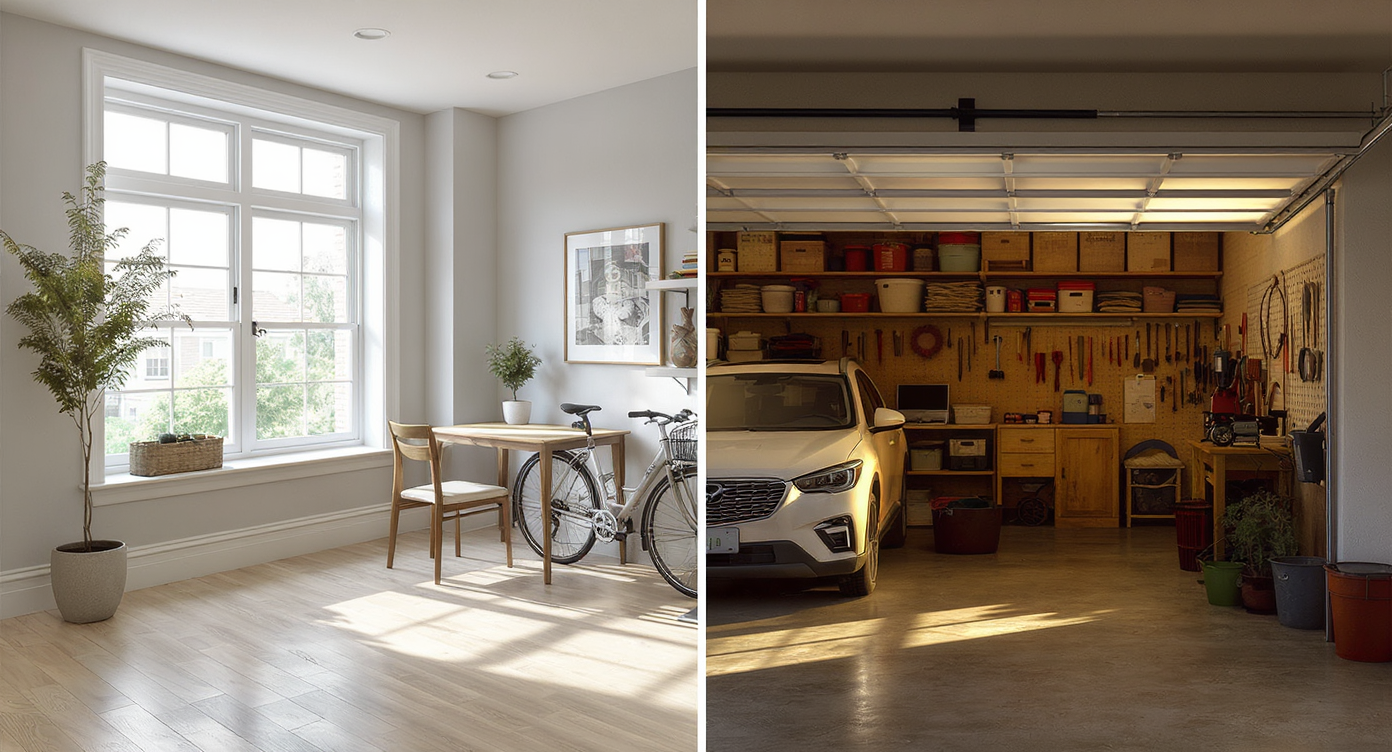
Contrasting environments: a compact, walkable city apartment versus a spacious suburban garage for hobbies and privacy.
Ultimately, home satisfaction is deeply personal. A walkable neighborhood brimming with cafes may sound idyllic for some, while others prioritize square footage for hosting gatherings or maintaining hobbies in a garage or shop. Consider your daily patterns: How much do you truly value proximity to nightlife, public transit, or recreation if your hobbies and social circle are nearby? Real-world scenarios suggest that priorities shift over time—a move closer in may support more spontaneous community engagement, while moving outward frequently provides privacy and room to grow.
-
9. Future Flexibility With Smart Planning and Tools
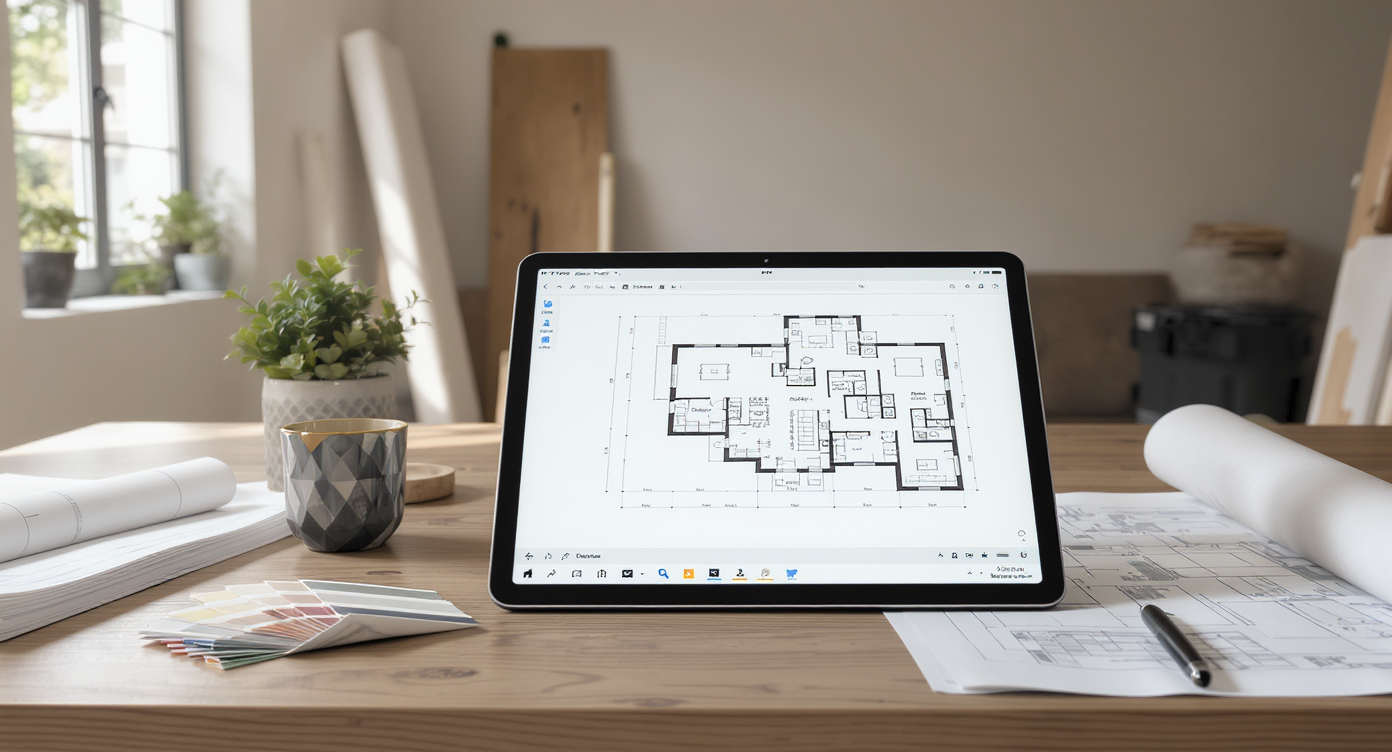
Realistic scene of a workspace set up for visualizing future renovations in a small home, using digital tools and real-world planning aids.
A move to a smaller or older home rarely has to be permanent. Evaluate the adaptability of a new property: Is there potential for future layout changes, garage additions, or even ADU construction? Digital planning platforms like REimagineHome.ai can help you visualize remodel projects, test layout options, or preview finishes before making a commitment. Flexibility to add or customize spaces means today’s “downgrade” could become tomorrow’s ideal home, tailored to your evolving life.
Frequently Asked Questions
Not necessarily. With careful planning, a smaller home with a smart layout can satisfy storage and lifestyle needs as well as a larger one. Platforms like REimagineHome.ai can help reimagine space for maximum efficiency.
What if I regret losing the garage?
While some miss a dedicated garage for hobbies or storage, alternatives such as carports, sheds, or future additions provide flexibility. Evaluate your actual usage and consider the feasibility and cost to add a garage later.
How do older homes compare to new builds for long-term ownership?
Older homes may require more active maintenance but frequently offer character, larger lots, and established neighborhoods. Review the property’s history and inspection thoroughly to understand the scope of upkeep.
Will choosing a better location always pay off at resale?
Houses in coveted locations generally hold their value well, especially near good schools or amenities. However, timing, market cycles, and quality of updates all influence eventual returns.
Making the Location Leap: What Really Matters
Choosing a home in a better location, even if it means sacrificing space or certain amenities, is a decision that must balance present needs with future plans. Think critically about your daily routines, storage design possibilities, and the potential for future upgrades. Digital tools such as REimagineHome.ai can streamline your planning and ensure your next move meets both lifestyle and practical requirements.