8 Eco-Friendly Home Design Ideas That Don’t Cost a Fortune
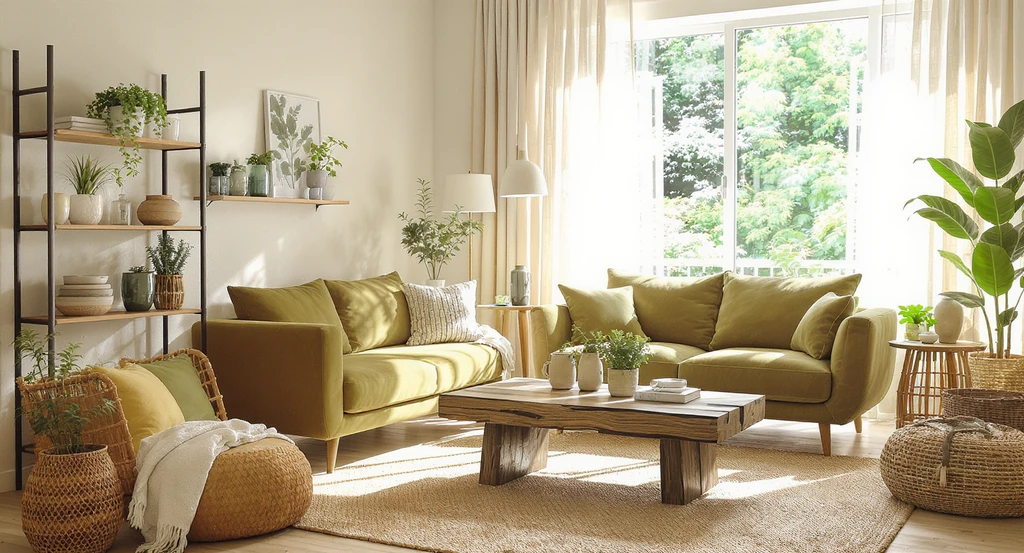
TL;DR
Eco-friendly home design can be affordable-think LED lighting, light wall colors, sealing windows, upcycled furniture, indoor plants, low-flow fixtures, window treatments, and decluttering. These simple steps reduce waste, lower bills, and help create a calmer, more sustainable living space for every budget.
Eco-Friendly Choices That Work for Real Homes and Budgets
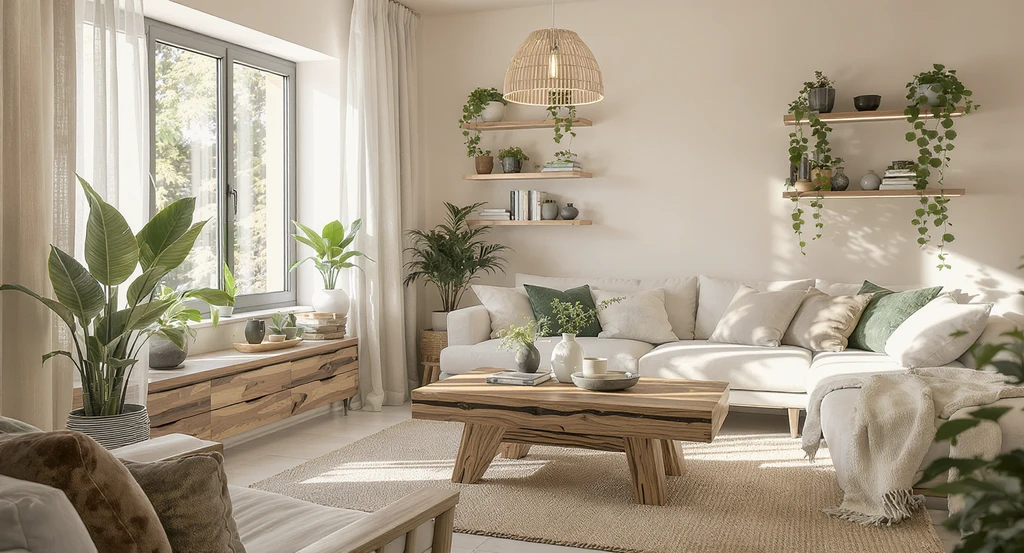
Smart eco decorating ideas—like upcycled furniture, efficient LED lighting, and natural fabrics—help create stylish, budget eco-friendly homes without costly renovations.
Using eco-friendly home design ideas doesn’t have to involve major renovations or high costs. The most effective changes often start with basic choices—energy-efficient lighting, better use of space, and practical materials. Small eco upgrades like LED lighting or second-hand finds can bring comfort, save on bills, and improve your home's air quality. This list focuses on high-impact improvements you can implement for a greener, more cost-effective home—no luxury investment required.
-
The REimagineHome AI Evaluation System
This list is structured by prioritizing affordable, high-yield home design actions that reduce environmental impact and operating expenses. Each idea balances cost, effort, and spatial utility, ensuring practical improvements for homeowners and renters who want to go green without regret. Decision categories include energy use, material sourcing, and day-to-day usability.
Expert Insight
A couple in a 1970s bungalow replaced a dozen incandescent bulbs with LEDs, installed second-hand dressers, and added two large indoor plants. Within a month, not only did their energy bills drop, but the living areas felt brighter and healthier, showing that eco-friendly changes need not be dramatic or expensive to make a real difference.
-
1. Use LED Lighting for Lower Energy Bills
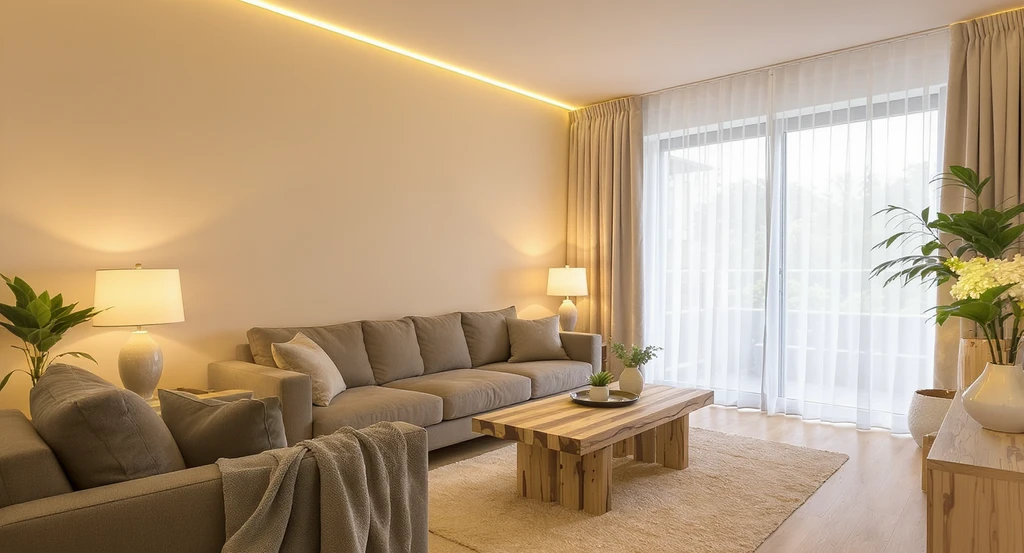
LED lighting in a small living room with upcycled furniture offers an eco decorating idea for energy savings and sustainable ambiance on a budget.
Switching out traditional bulbs for LED lighting delivers immediate returns: reduced power consumption, longer bulb lifespan, and lower replacement costs. LEDs cut energy bills without sacrificing ambiance—opt for warm, dimmable models for visual comfort. This works best in living rooms and high-use areas, but may require adjusting lamp shades to avoid glare. As discussed in our LED accent lighting guide, layering lighting improves both efficiency and comfort.
-
2. Choose Light Wall Colors to Brighten Your Space
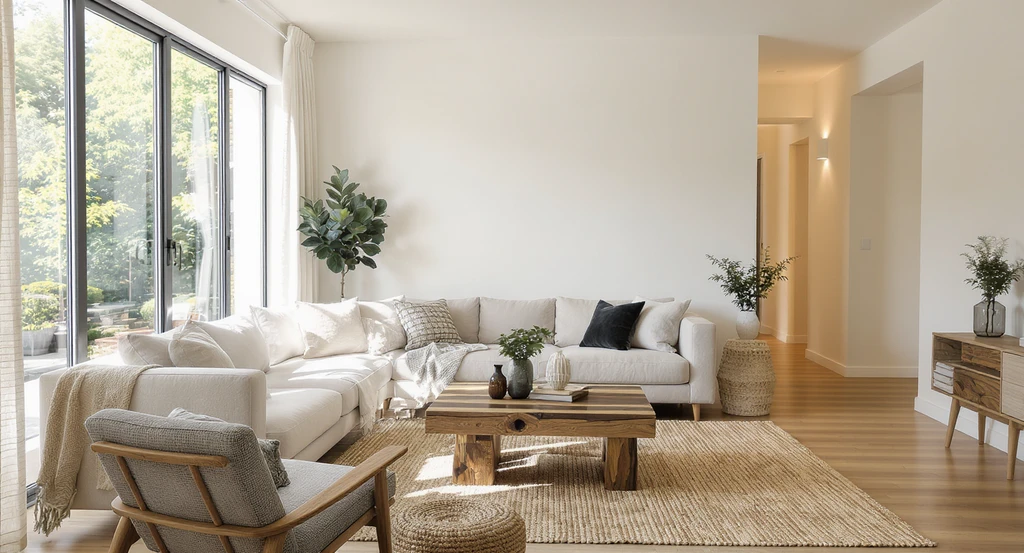
Choosing light wall colors amplifies natural light and complements budget eco-friendly furniture, creating a brighter, more sustainable home environment.
Light-colored walls amplify available sunlight, making rooms appear larger while reducing daytime artificial lighting needs. Reflective paint finishes further boost brightness in compact or shaded spaces. This approach is most effective where natural light is available; in windowless rooms, supplement with appropriate artificial lighting to avoid flatness. Our decorator tricks from the Southern Living Idea House emphasize how a unified, light color palette can create a harmonious, eco-friendly effect.
-
3. Seal Doors and Windows to Prevent Air Leaks
Drafts through unsealed gaps add up to significant energy loss, directly impacting your HVAC workload. Weather stripping and caulking are cost-effective steps to maintain temperature control. This solution is critical in climates with temperature swings, but can cause humidity build-up if not paired with proper ventilation. Proper sealing both lowers energy bills and reduces your carbon footprint year-round.
-
4. Buy Second-Hand or Upcycled Furniture
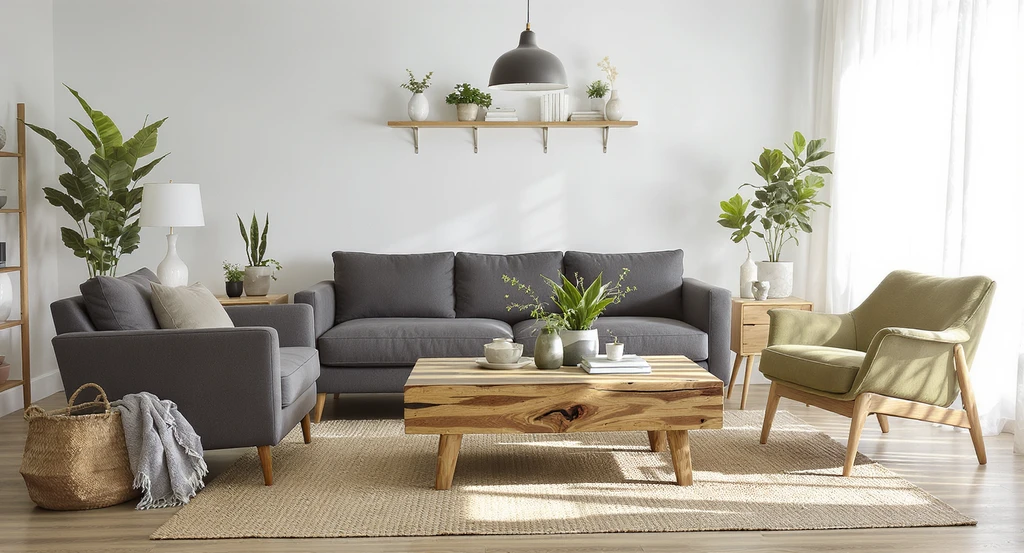
Budget eco-friendly furniture, like upcycled coffee tables and thrifted chairs, make small homes greener—choose structurally sound, stylish pieces for smart eco decorating.
Choosing vintage or upcycled furniture decreases demand for new resources, extends product life cycles, and adds personality. Thrifted or repurposed pieces infuse character and often cost less than mass-produced items. However, verify furniture is structurally sound and free from pests. Learn more about smart sourcing and stretching your budget in our affordable renovation tips.
-
5. Add Indoor Plants for Fresh Air
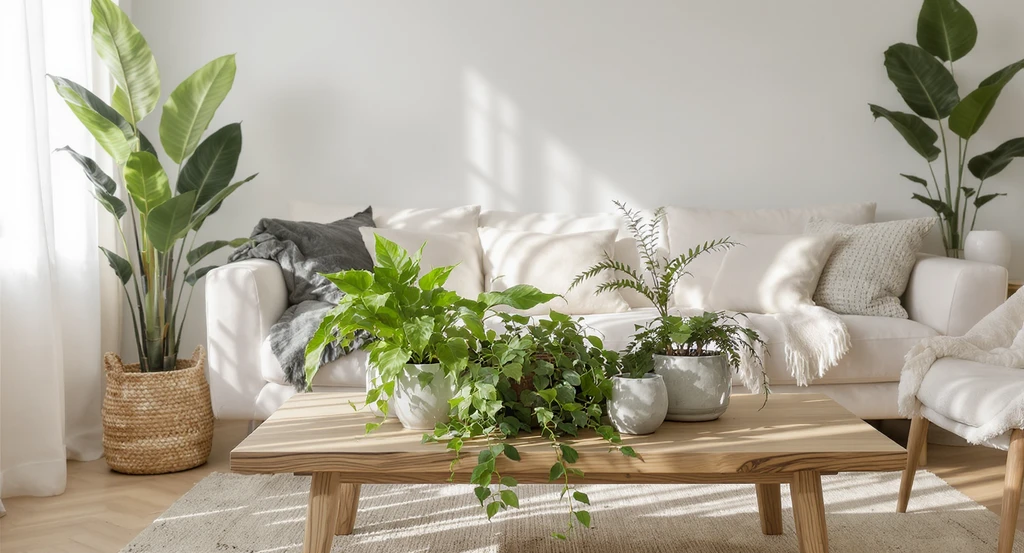
Incorporate eco-friendly furniture for small homes and upcycled plant containers to add indoor plants for fresh air, warmth, and improved air quality.
Plants filter indoor air pollutants, regulate humidity, and create a calming ambiance. Place low-maintenance varieties in well-lit areas for maximum benefit. Overcrowding plants or choosing species unsuited to your lighting conditions may lead to poor growth and maintenance issues. Plants also visually soften minimalist schemes, as we explored in our guide to warm minimalism.
-
6. Install Low-Flow Water Fixtures
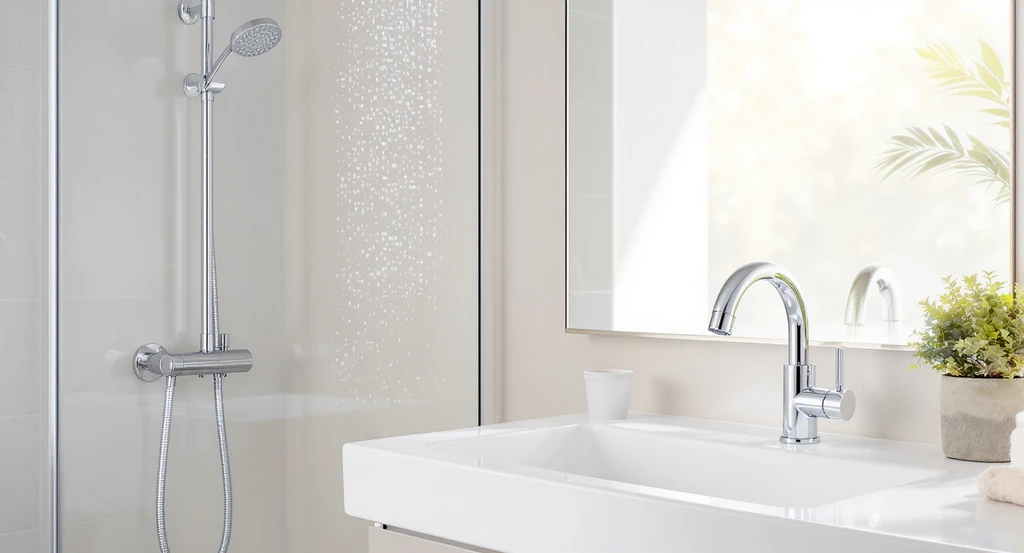
Install low-flow water fixtures like showerheads and faucets to cut water consumption and utility bills—an easy, affordable eco upgrade for any home.
Retrofit your bath and kitchen with low-flow faucets and showerheads to reduce water consumption and utility costs immediately. These upgrades are easy to install and provide conservation benefit without compromising shower pressure. Low-flow fixtures make the biggest difference in high-usage households; in regions with hard water, choose models designed to resist mineral build-up for long-term efficiency.
-
7. Use Curtains and Blinds to Control Temperature
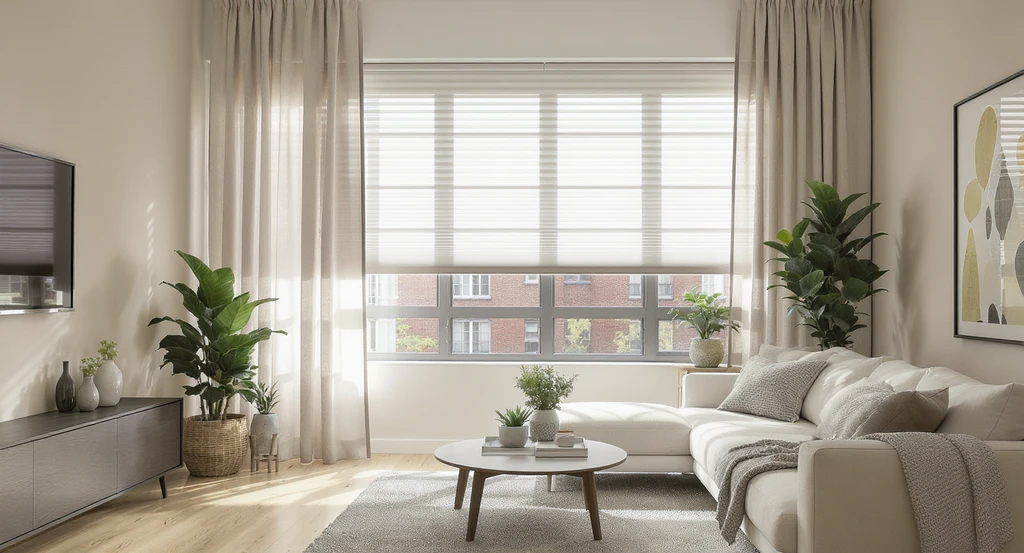
Thermal curtains and cellular blinds are eco-friendly window treatments that help maintain comfortable indoor temperatures while lowering energy costs.
Curtains and blinds act as thermal barriers, keeping interiors cooler in summer and warmer in winter. This reduces reliance on heating and cooling systems. Choose materials and colors suited for your climate—reflective and insulating options provide optimum control. Improper use can block daylight or trap humidity, so adjust treatments throughout the day for best results.
-
8. Declutter to Improve Space and Efficiency
A streamlined home reduces overconsumption and increases usable space, making cleaning and organizing more manageable. Decluttering helps you identify what you really need, reducing purchase regrets and material waste. This method works best when paired with smart storage solutions and consistent organization.
-
How Visualization Changes the Decision
Before visualization, homeowners often feel unsure how eco upgrades will alter the ambiance, flow, or comfort of familiar rooms. Visualization tools like REimagineHome AI allow you to preview changes—such as light wall colors or new furniture layouts—making it easier to see the real impact of sustainable choices. This reduces design regret, improves purchase confidence, and streamlines the path from idea to action. For those drafting eco-friendly plans, visual previews make trade-offs and spatial results far clearer than product lists or mood boards alone.
-
Definition: Eco-Friendly Home Design
Eco-friendly home design refers to making material and layout choices that minimize resource use, reduce waste, and improve indoor environmental quality. While often associated with expensive technology, true eco design focuses on systems—lighting, furnishings, insulation, and daily habits—that work together to lower your home’s environmental impact without sacrificing comfort or aesthetics.
-
Trade-Offs and Spatial Impact Discussion
Not every eco-friendly upgrade fits every home: LED bulbs need compatible fixtures, light walls work best with good natural daylight, and decluttering takes time and honest assessment. Balancing energy use, material health, and spatial flow helps avoid choices that later feel impractical. Consider the interplay between insulation (window treatments) and ventilation, or how second-hand furniture may reshape traffic patterns in compact spaces. Strategic eco choices improve both day-to-day comfort and future resale appeal—buyers increasingly consider sustainability as part of value assessment.
-
Practical Application: Making Sustainable Changes in Everyday Life
Begin with low-cost steps that offer immediate payback—such as LED lighting and sealing air leaks. Evaluate your daily routines to identify high-impact changes like water use or overconsumption. Layer eco-friendly strategies for maximum return. For more detailed cost-saving tactics, refer to our affordable renovation planning guide and consider mixing vintage and upcycled elements as showcased in the Southern Living Idea House decorator tips.
Visualization Scenario
Imagine hesitating to repaint your living room because you’re unsure a lighter shade will work with your existing floors and sofa. With REimagineHome AI, visualize your exact space with new wall colors and eco features—confirming what works, preventing costly missteps, and making sustainable changes with clarity.
Eco-Friendly Home Design FAQs
- What is the easiest eco-friendly change to start with?
- Switching to LED lighting or weather-stripping doors and windows are quick, low-cost first steps with immediate impact on energy usage and comfort.
- Can eco-friendly design improve home resale value?
- Yes, sustainable features like efficient lighting, proper insulation, and low-flow fixtures are attractive to buyers and can enhance resale value, especially in competitive markets.
- How do I keep eco-friendly choices budget-friendly?
- Focus on changes that cut ongoing costs, such as energy or water savings. Source quality pre-owned items and prioritize upgrades with high daily impact.
- Are plants truly helpful indoors or just decorative?
- Indoor plants actively improve air quality and humidity, benefiting physical wellbeing while also softening the look and feel of a room.
- How can I visualize eco-friendly upgrades before committing?
- Visualization tools like REimagineHome AI show you how changes (lighting, color, layout) will look and function, supporting confident and regret-free upgrades.
Conclusion: Small Steps, Big Impact
Eco-friendly home design doesn’t require a complete overhaul or excessive spending. Leveraging affordable upgrades like smarter lighting, upcycled furniture, or mindful decluttering reduces your household’s footprint and makes your home calmer and more welcoming. Start with what fits your budget and keep adapting as your needs evolve—each small step leads to a healthier, more resilient living space.