9 Editorial Insights on Designing a Study Room That Balances Work and Play
TL;DR
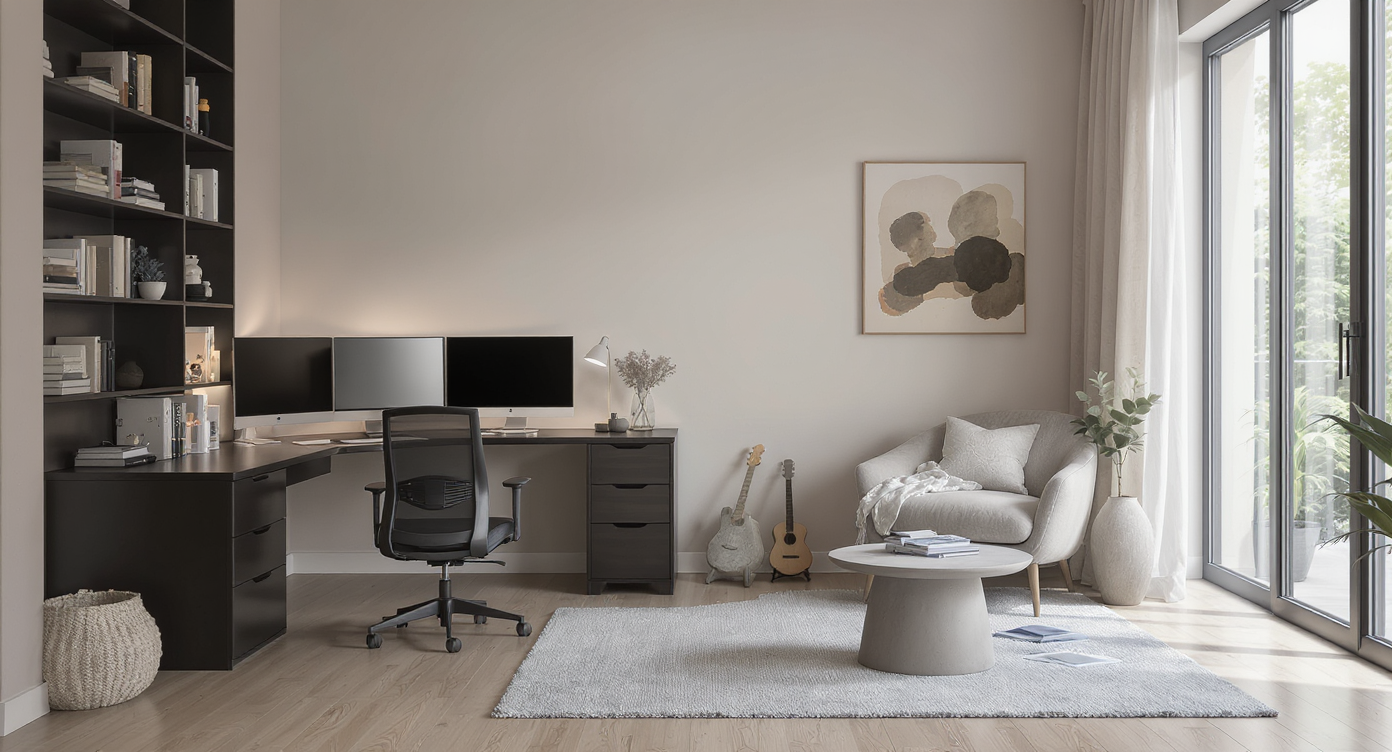
A contemporary study room must balance function, comfort, and personal flair. Combining gaming-ready tech and focused workspace, a well-designed study zone can promote productivity while expressing individuality. Smart lighting, clutter control, and ergonomic choices make the difference between distraction and daily flow.
Redefining What a Study Room Can Be
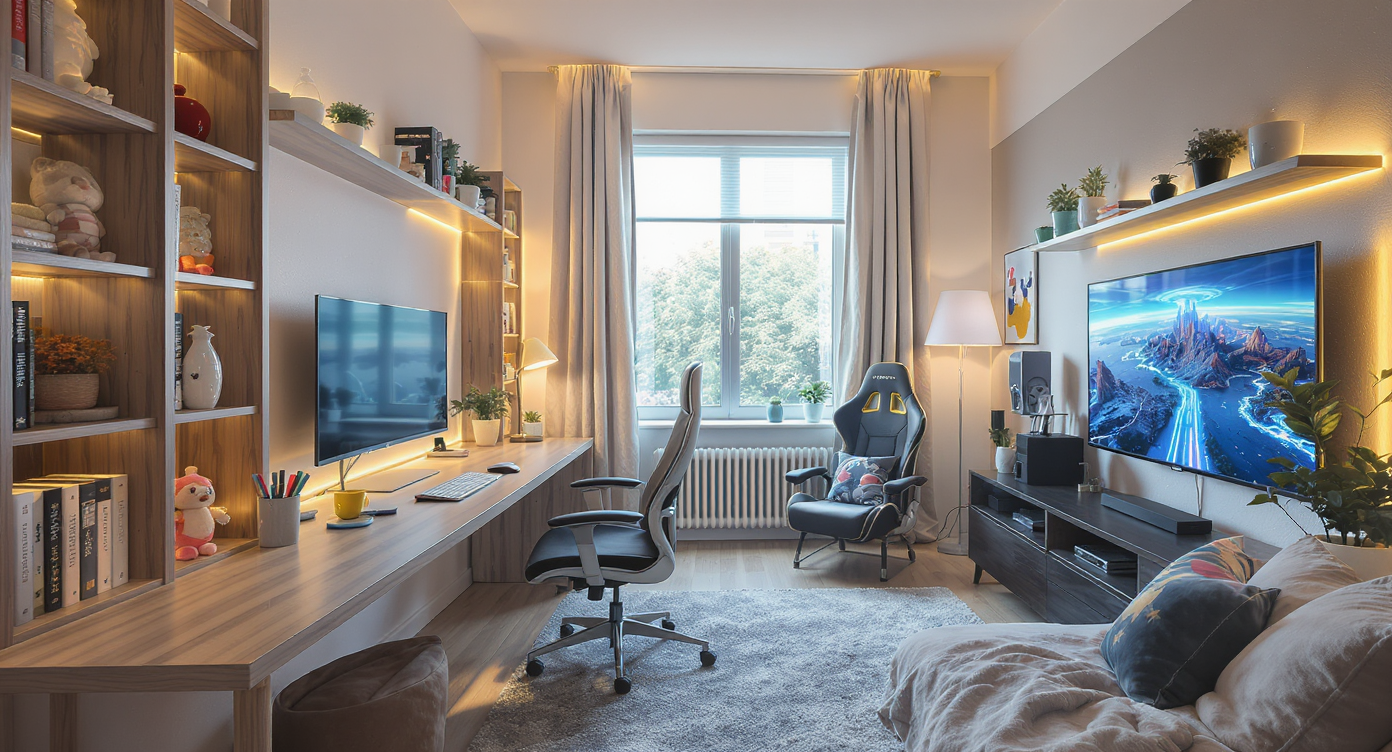
A hybrid study room featuring a minimalist desk for focused work beside a playful lounge area with LED accents and gaming setup.
A study room is no longer just about bookshelves and a tidy desk. Today, many people design spaces as hybrids—one part productive workstation and one part relaxing hideout. With the surge in remote learning and work-from-home routines, our expectations for these rooms continue to evolve. This shift is especially noticeable in setups that blur the boundaries between study and play. Large screens, colorful LED accent lighting, themed decor, and gaming chairs are as likely to appear as notepads and highlighters. By analyzing how people react to such spaces and drawing from design best practices, we can see how modern study rooms offer opportunities for both focus and self-expression.
-
1. The Blended Function: Study Meets Hobby Zone
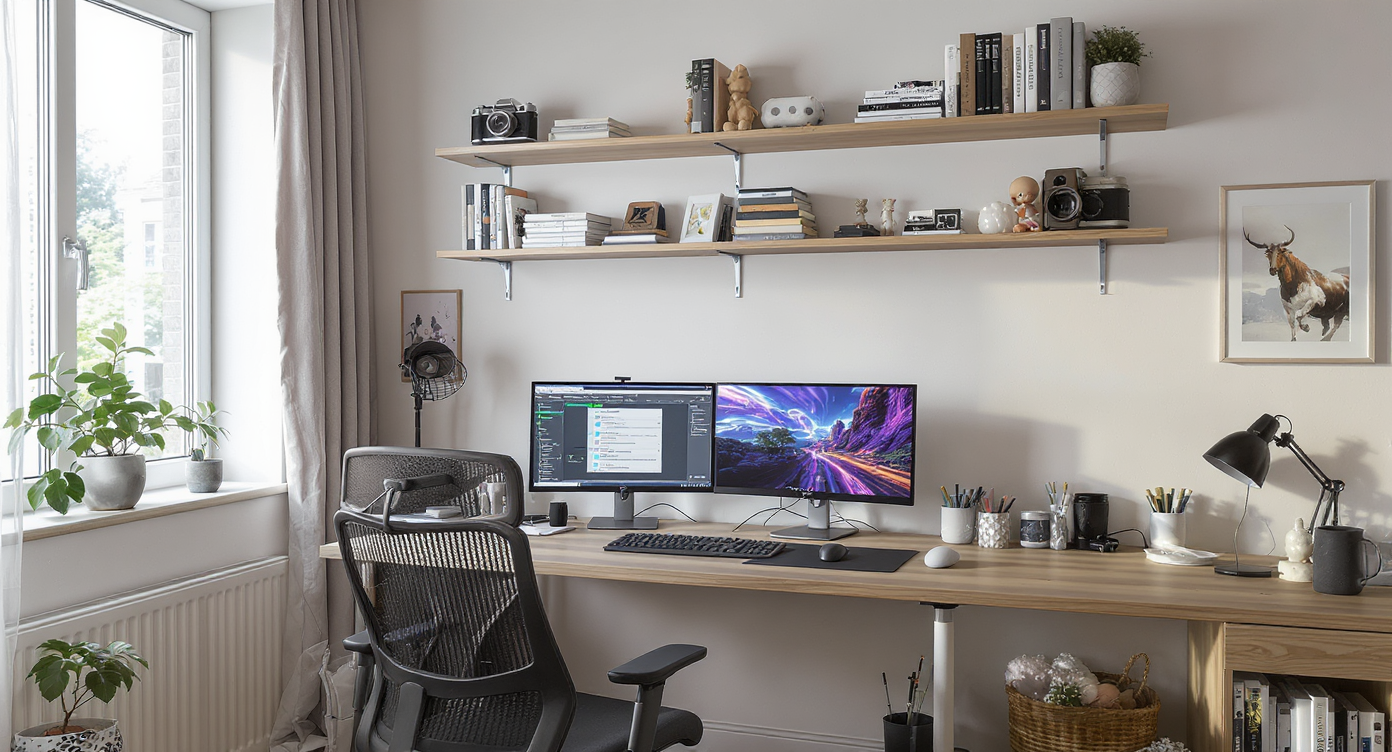
Editorial study space with dual-purpose desk: dual monitors, books, and collectible displays, blending work essentials and personal hobbies.
One of the most debated topics among designers is whether a study should strictly serve as a workspace or embrace multiple functions. Many modern homes blend educational and recreational features, like dual monitors for work and gaming or art displays next to bookshelves. Examples of this trend include rooms equipped with an ultrawide screen for both spreadsheets and immersive games, or collectors displaying memorabilia alongside study materials. The key is striking a balance—ensuring the primary purpose (study) remains central but not at the expense of personal enjoyment. This approach matches recommendations for home offices, where clearly defined zones encourage productivity and creativity. More ideas on optimizing such spaces can be found in our exploration of small-space home office solutions for work-from-home lifestyles.
-
2. Minimalism Versus Maximalism: Integration Matters
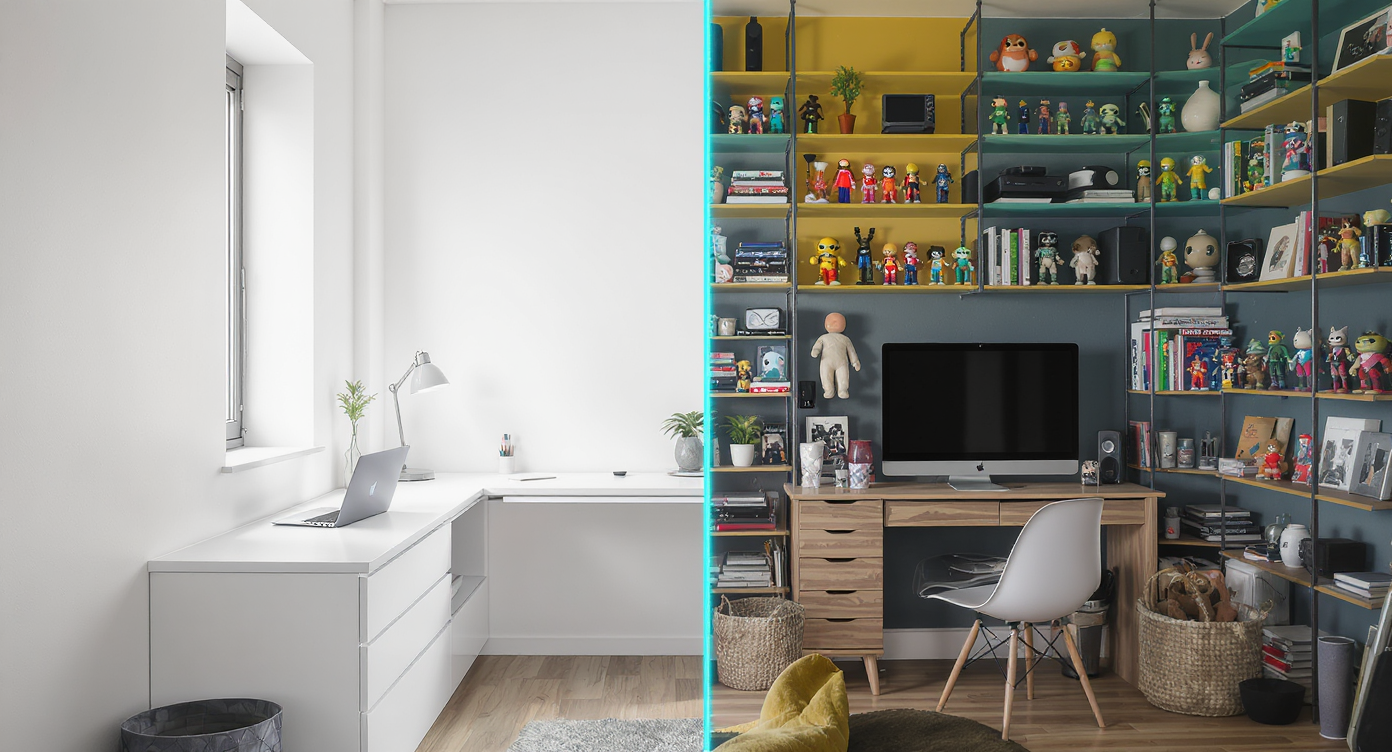
Editorial-quality study room balancing minimalist workspace with maximalist gaming and collectibles nook, exemplifying curated integration.
A major dividing line in current study room concepts is between minimalist and maximalist design philosophies. Minimalist rooms favor clean lines, hidden storage, and muted tones to encourage calm focus. Boho or maximalist spaces, on the other hand, display collectibles and vibrant hues, being unapologetically bold. When integrating gaming consoles, pop culture displays, or tech gadgets, placement becomes crucial so that the room feels curated instead of cluttered. Professionals recommend intentional vignettes and smart use of wall space, building personal narrative while avoiding visual noise. This careful balancing act is especially important for smaller rooms.
-
3. The Impact of Lighting: Productivity and Mood
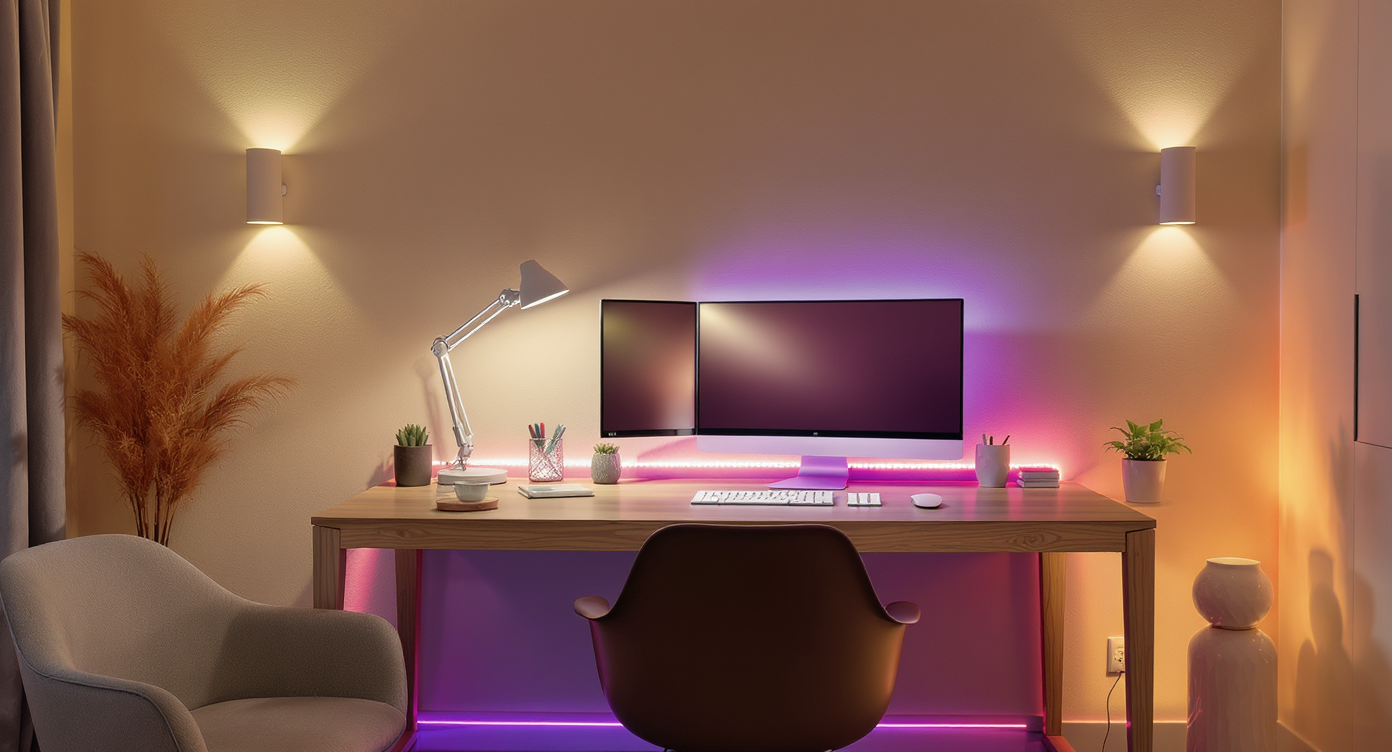
A modern study room setup shows layered lighting: soft ambient wall sconces, an ergonomic LED desk lamp, and subtle RGB LED accents for comfort.
Modern lighting schemes can make or break a study setup. Designers often layer ambient, task, and accent lighting to reduce eye strain and boost productivity. RGB LED strips under desks or behind monitors add personality but must be paired with warmer ambient sources to avoid harshness. Ergonomic lighting setups also matter for long stretches at the computer. According to our guide on using LED accent lighting without eye strain, diffused, flicker-free LEDs and proper angles ensure both style and long-term comfort.
-
4. Chair Selection: Ergonomics Versus Personal Comfort
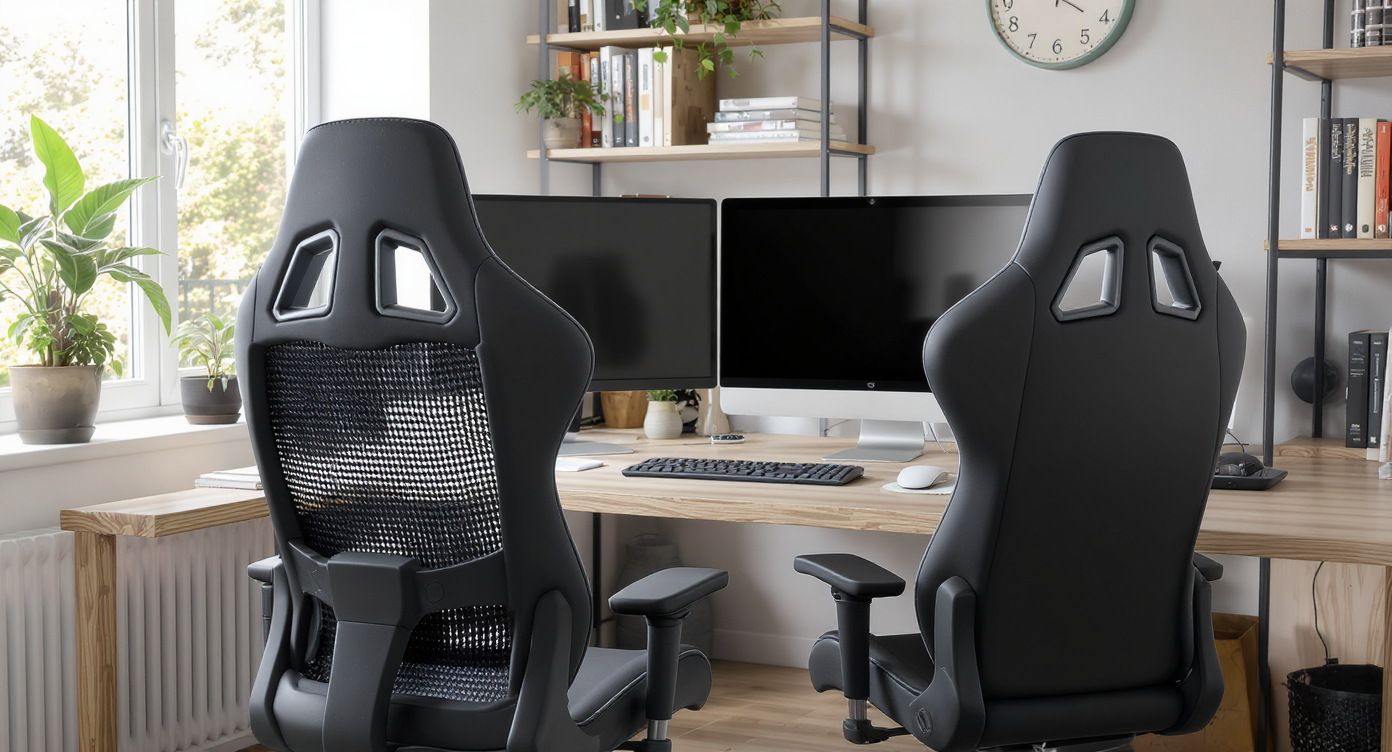
Side-by-side comparison of a gaming chair and a traditional ergonomic office chair in a realistic study room workspace.
The debate about gaming chairs versus traditional office chairs is ongoing in the design and tech communities. While ergonomic features like lumbar support and adjustable arms are vital for health, individual comfort still comes first. Some users swear by gaming chairs for long hours, while others only find relief in classic office models. Designers suggest trying several types and prioritizing support and adaptability over aesthetics. This philosophy underpins many tips shared in our breakdown of productive home office design.
-
5. Display Choices: Personal Stories With Purpose
Personalizing a study room often means displaying fandoms, collections, or achievements. Items like game controllers, VR headsets, or themed decor can spark joy without impeding function if given dedicated shelves or cases. Professionals in the field encourage curation: the room should tell a personal story, yet every display should have a reason for its placement. This keeps the decor from being overwhelming and ties into wider trends toward intentional design, as seen in the success of well-curated gallery walls or niche displays.
-
6. Managing Clutter: Systems Over Aesthetics
No matter how stylish or fun, a study room quickly loses its functional edge without strong clutter control. Experts champion systems—such as drawer organizers, cable management kits, and designated bins—over superficial neatness. Clarity of storage means work essentials stay accessible and distractions are minimized. For those struggling with piles of gadgets, a focus on hidden storage can be transformative. Learn more about smart, approachable clutter solutions in our compilation of DIY home decor ideas designers swear by for 2025.
-
7. Visual Distractions: How Much Is Too Much?
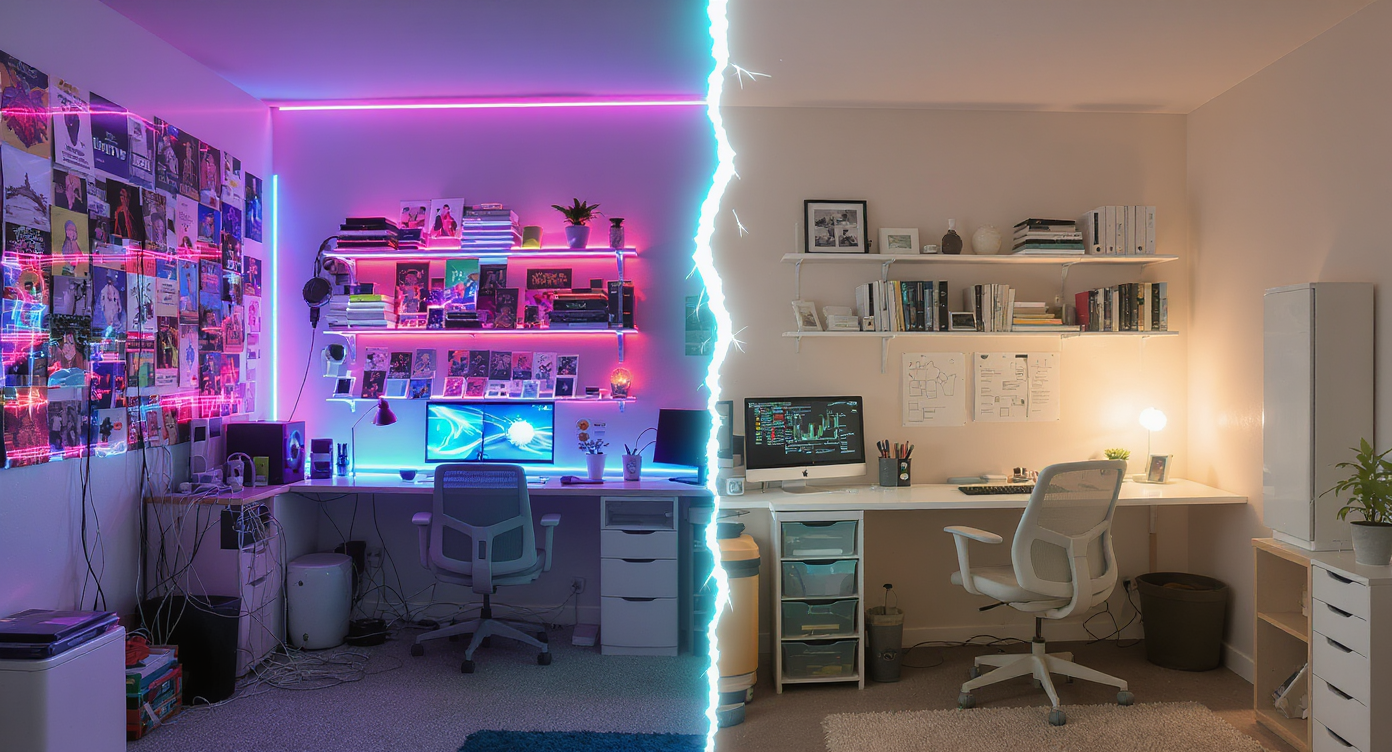
A study room divided between cluttered and minimalist styles highlights the influence of visual distractions on productivity and focus.
Some people thrive surrounded by inspiration, while others need blank walls to focus. Studies in productivity point to the psychological effect of visual clutter—too many colors, tech devices, or collectibles can decrease concentration. Designers recommend step-back evaluations, removing one or two items at a time until the space feels open yet personal. In hybrid gaming-study rooms, hiding cables and controlling the intensity of LED accents often restores balance, keeping the environment welcoming but not overwhelming.
-
8. Tech Integration: Modern, Minimal, or Overboard?
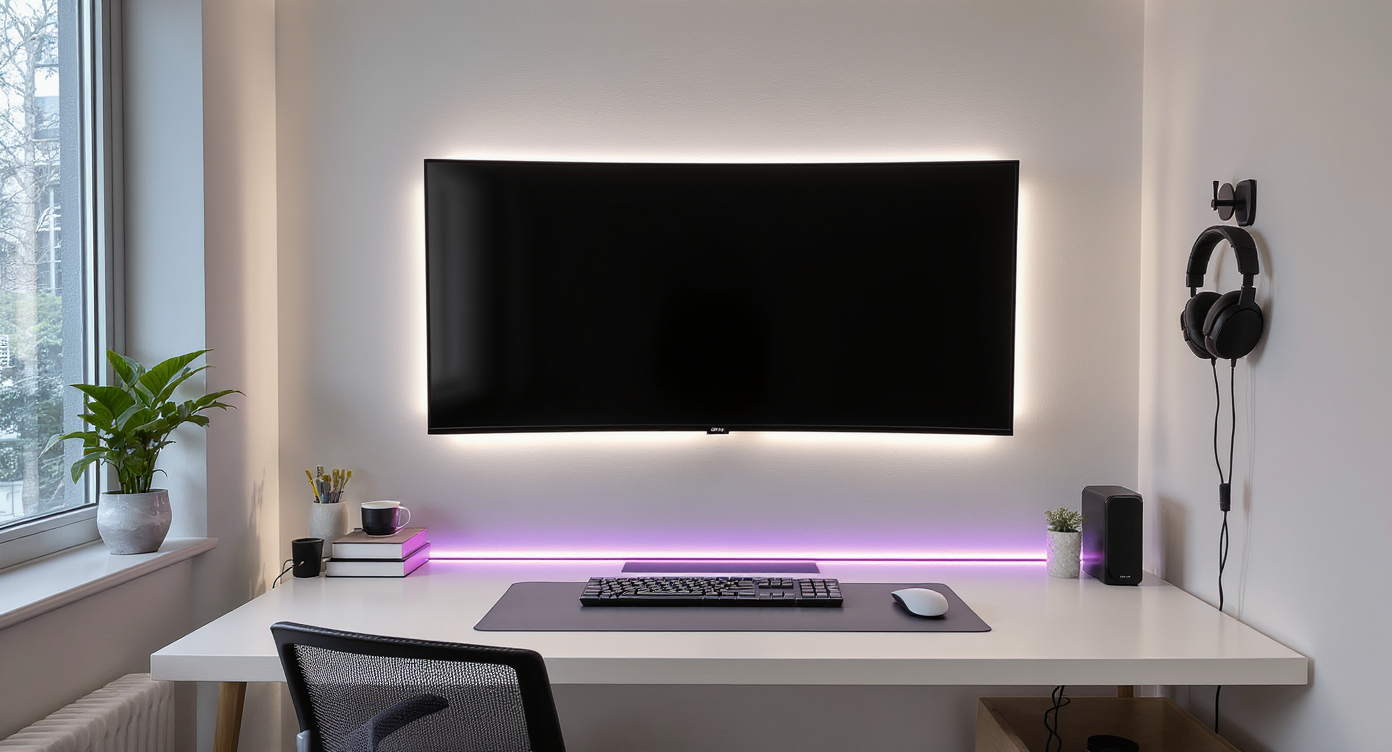
Modern study room with wall-mounted ultrawide monitor, minimalist wireless setup, ambient RGB lighting, and expertly managed cable organization.
Ultrawide monitors, sleek desktops, and statement RGB lighting are increasingly common features. Yet tech needs to serve the room’s overall purpose. Mounting monitors, tucking away headsets, and routing wires cleanly all help prevent the space from reading as purely recreational. The goal is a modern, minimalist feel that supports multitasking and reduces set-up fatigue—an approach that platforms like REimagineHome.ai make easier by visualizing layout experiments before a single hole is drilled.
-
9. Evolving Definitions: The Study, Redefined
The line between a study, gaming room, and creative studio has blurred. What matters now is utility: does the space support sustained work, healthy habits, and restorative breaks? Whether the style leans minimalist, boho, luxury, or somewhere entirely personal, today’s study rooms reflect a flexible mindset. What once might have seemed a distraction can, when thoughtfully integrated, increase satisfaction and motivation. Continuous refinement based on daily needs remains the smartest strategy.
FAQs About Modern Study Room Design
Focus on clear work zones, limit themed decor, and rely on streamlined tech setup to maintain a professional atmosphere.
What are the best lighting strategies for both focus and mood?
Layer ambient and task lighting with soft LEDs, referencing our advice on using LED accent lighting for well-being.
Is a gaming chair really less ergonomic than a traditional office chair?
Comfort is subjective—try several models and evaluate based on your body and daily routine. Ergonomics always matter most.
How do I plan the room’s layout before rearranging?
Leverage digital tools like REimagineHome.ai to visualize layouts and test furniture placement risk-free.
How do I keep collectibles from becoming clutter?
Dedicate display shelves or cases to feature your favorite items, keeping other surfaces open for work.
Key Takeaways for Blending Study and Play
Modern study rooms succeed when they are adaptable, organized, and rooted in the owner’s genuine interests. Integrating technology, maintaining clutter control, and choosing lighting carefully can yield a room that inspires focus as well as relaxation. Experience suggests platforms like REimagineHome.ai are invaluable for planning and visualizing ideas before committing to a design change. Ultimately, flexibility and intention are critical—after all, the best study room is the one you actually use.