Elevated Garden Beds: Durable Designs and Drainage That Lasts
TL;DR
Elevated garden beds offer a solution for homeowners fighting invasive tree roots or poor native soil. Key design choices—structural support, careful material selection, and smart layering for drainage and longevity—help create thriving, durable growing spaces. Prioritizing airflow, drainage, and barrier strategies ensures your raised bed remains productive and low-maintenance, even near aggressive root systems.
Why Elevated Garden Beds Hold Unique Appeal
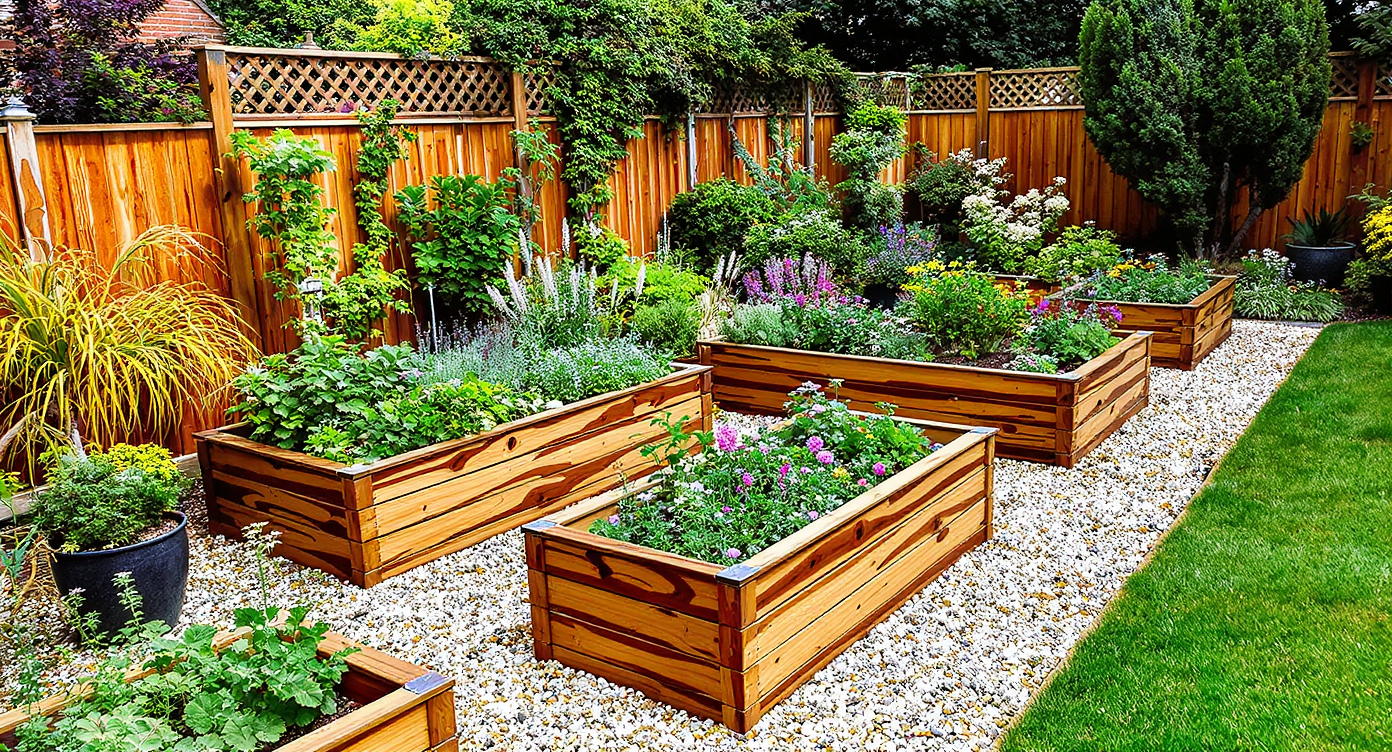
Elevated garden beds crafted from cedar and metal provide root protection, durability, and ideal drainage for healthy, long-lasting growth.
When property lines blur with the persistent advance of tree roots, gardening often requires creative thinking. Homeowners facing aggressive underground invaders or soggy, compacted soils frequently turn to elevated garden beds. These structures move the planting medium above the reach of roots and away from inhospitable subsoils, creating a controlled and productive environment for vegetables and ornamentals alike. The promise of an elevated garden bed lies in its potential to blend aesthetics, convenience, and horticultural success. Yet, as any gardener soon discovers, building a bed that truly stands the test of time involves more than simply picking out attractive boards and filling them with soil. The matter of how to separate plant roots from encroaching trees, how to promote lasting wood durability, and how to ensure that precious rainwater drains—not collects—becomes the heart of the project.
-
The Bed’s Foundation: Blocking Roots Without Blocking Growth
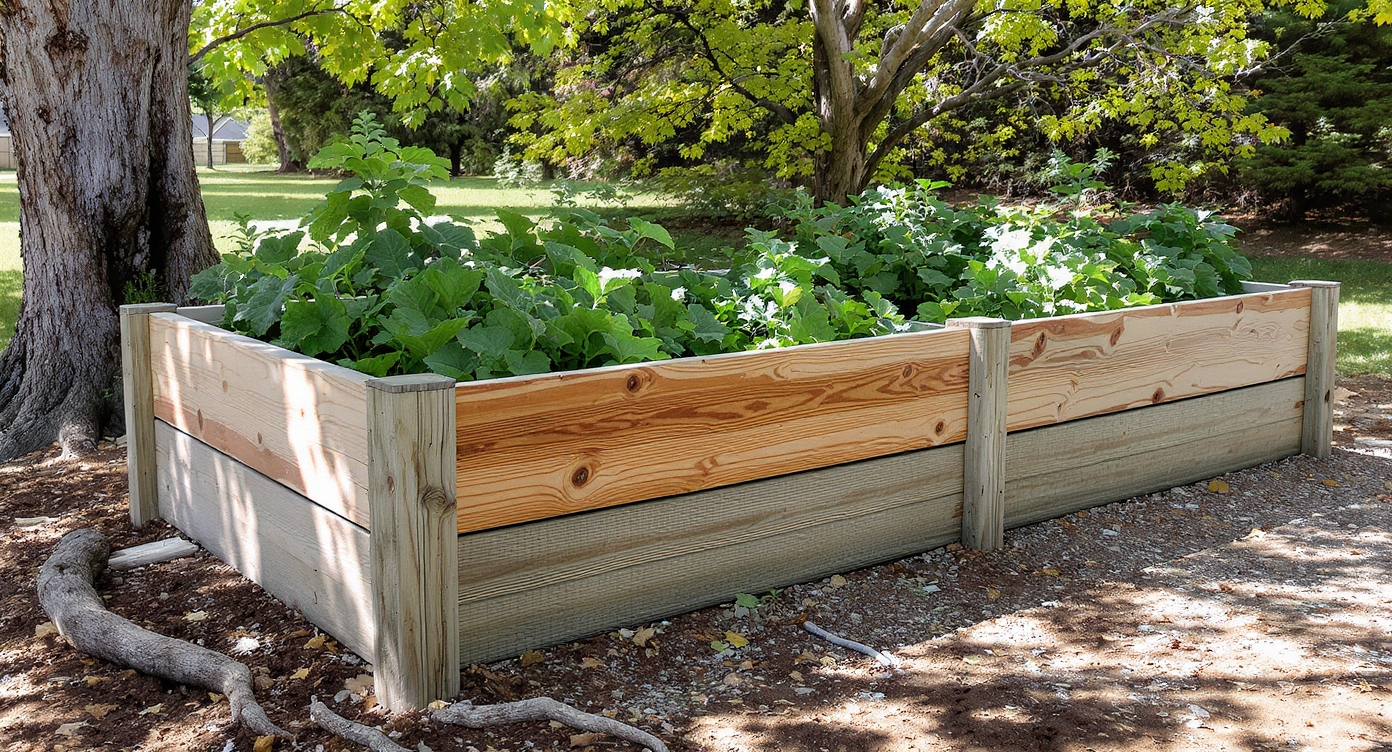
Multi-layered raised bed design blocks roots while ensuring drainage, ideal for gardens beneath mature, aggressive-rooted trees.
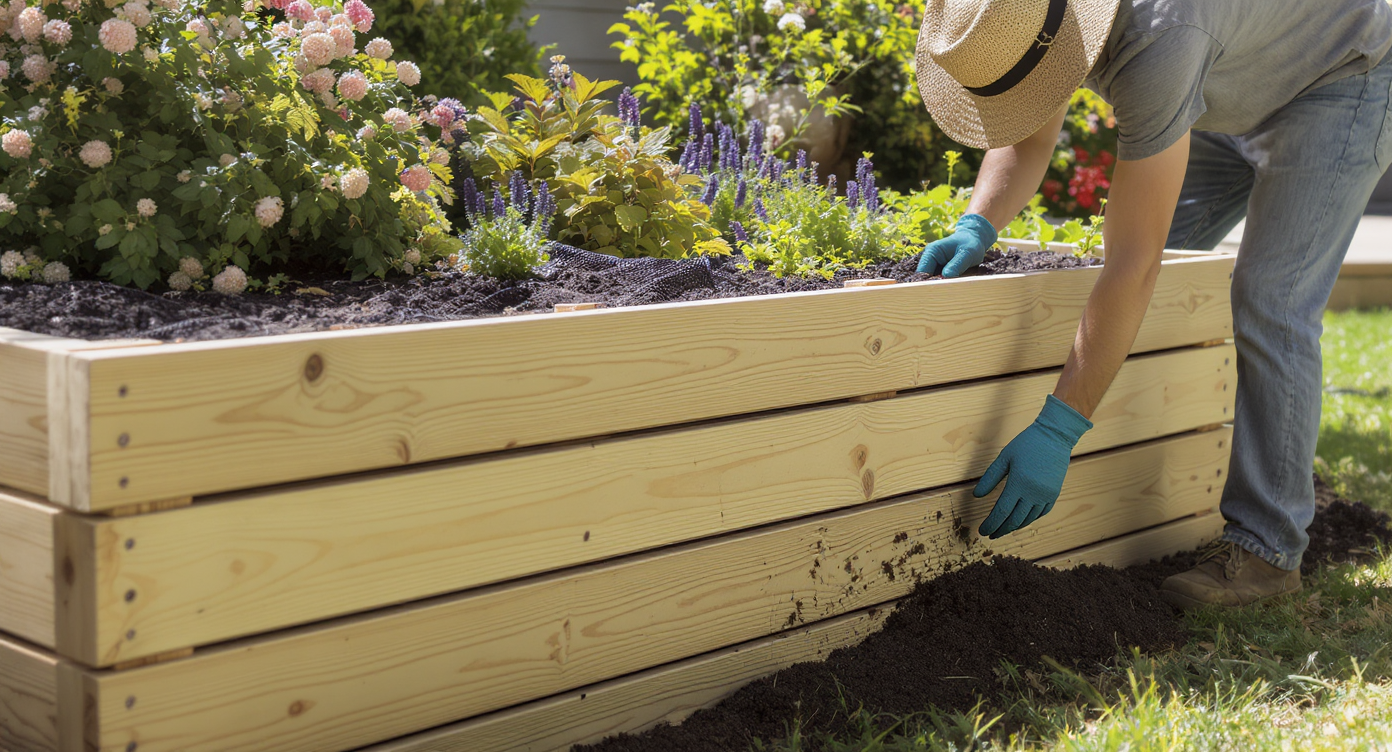
For those gardening beneath the canopy of mature trees, the concern is both immediate and long-term. Poplars and maples send out aggressive roots, easily finding moisture and nutrients wherever they can reach. In-ground beds rarely stop such roots, sometimes inviting them in as water and fertilizer collect. An elevated bed offers a unique form of defense, quite literally raising the stakes. Lifting the planting zone six to eight inches or more above grade with sturdy blocks or posts places a physical and air gap between bed and root zone. This separation proves especially vital where underlying competition for resources is ongoing. Still, even with adequate height, the choice of flooring remains crucial. Some gardeners opt for a fully enclosed wood base, but interior designers caution that any surface holding water against wood—no matter how well sealed—risks eventual decay. Instead, creating a floor with gaps between slats or using alternative materials like metal mesh often gives roots pause while granting water a pathway out. A thoughtful compromise involves layering—combining a gapped wood or mesh platform with a free-draining substrate above it. This approach lets excess water move away from plant roots while preventing opportunistic invaders from below. Mulch, gravel, and landscape fabric each play specific roles in this multi-layered defense.
Expert Insight
Last spring, a neighbor attempted her first elevated vegetable garden, determined to defeat the network of willow roots that plagued prior seasons. She assembled a cedar bed three feet high, using metal mesh at the bottom rather than a solid wood base. After layering in gravel and mulch, she noticed how even after heavy rains, the bed never puddled or sagged. By late summer, she was harvesting tomatoes and lettuce that had once been impossible to grow nearby, proving that a thoughtfully built elevated structure can truly transform a difficult yard.
-
Balancing Drainage and Durability
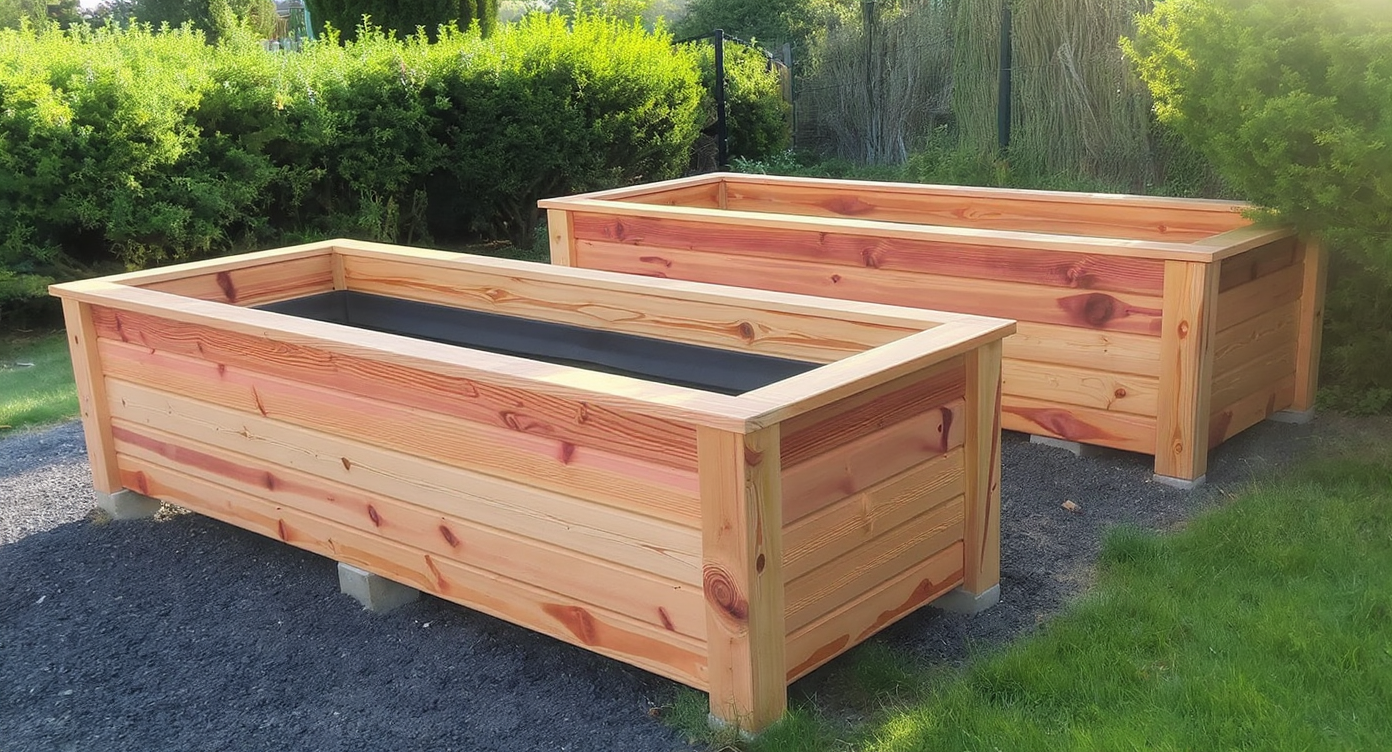
Smart construction with gravel and fabric layers helps raised beds stay durable and drain well—crucial for a healthy, long-lasting garden.
Once the question of root intrusion is managed, the next consideration is water. Vegetables and annuals prefer even moisture, but nothing sinks enthusiasm more quickly than standing puddles in spring or autumn. This is where engineering meets gardening. Designers often recommend that any constructed floor, whether of cedar, redwood, or composite, include ample gaps or drilled holes. For every square foot of base, multiple large diameter holes or spaced planks encourage water to escape freely. Over solid wood, a layer of coarse gravel several inches deep cushions impacts, supports airflow, and further promotes drainage away from both soil and wood. On top of the gravel, a high-quality landscape fabric prevents soil particles from clogging the spaces below, while still allowing water to percolate. As with any raised structure, materials matter. Cedar and redwood are top choices for rot resistance and longevity, especially if treated with a low-toxicity sealant. Plastic liners can help but often create more issues than they solve unless carefully vented and spaced from the wood. According to our overview of beginner raised-bed landscaping ideas, focusing on pathways, bed access, and thoughtful bed layers is often just as critical as the wood itself.
-
Practical Layering for Resilient Gardens
A cross-sectional look at layered garden bed construction—wood slats, gravel, fabric, soil, and mulch—for strong drainage and weed control.
Several practical layering strategies have gained popularity among gardeners seeking both simplicity and success. One proven technique involves a base of gapped wooden slats or wire mesh, topped with two to four inches of pea gravel or small river stones. This layer acts as a buffer, allowing moisture to drain away while remaining firm underfoot. Above the gravel sits a breathable, heavy-duty landscape fabric. This is essential for keeping soil contained and for discouraging weed seeds that may try to colonize from below. The actual garden soil, rich in compost and amendments as advised in our vegetable gardening tips shaping 2025 harvests, finishes the assembly. Deep mulching further discourages both evaporation and weed invasion from above. This approach, while more involved during installation, significantly boosts longevity and lowers ongoing maintenance. The gravel and fabric keep the organic content where it belongs, and routine checks for wood condition or root encroachment can extend a bed’s functional lifespan many seasons.
Visualization Scenario
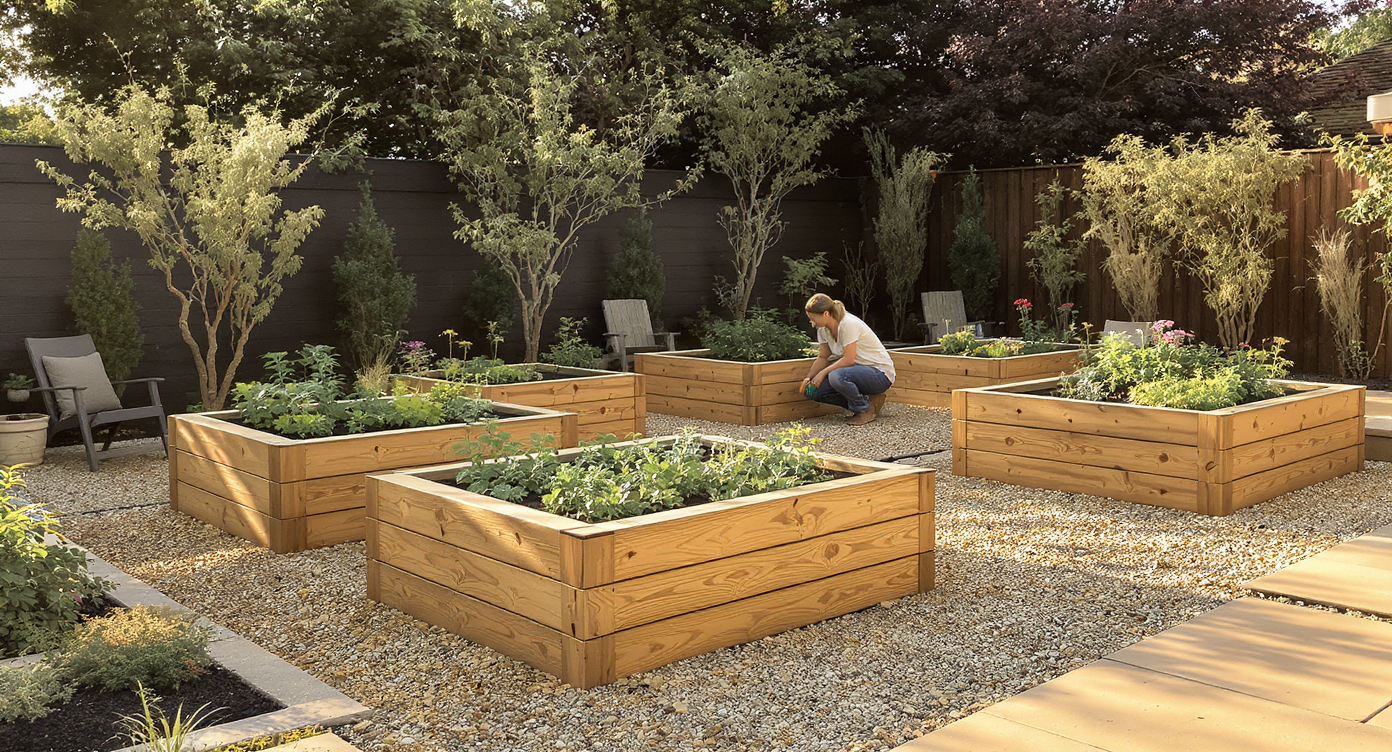
Picture yourself stepping out onto a tidy gravel path, bordered by wooden beds standing waist-high on crisp cinder block piers. Between each bed, mulch-covered walkways invite barefoot strolls, while climbing beans twine up trellises glinting in the late afternoon light. Reaching into one of the beds, you find perfectly loose, aerated soil beneath your hands—and not a single telltale tree root in sight. It is the kind of orderly, fertile oasis that keeps the outside world’s wildness in check, harvest after harvest.
Elevated Garden Bed FAQ 2026
- What is the ideal floor for an elevated garden bed?
- A floor constructed from rot-resistant wood slats with gaps, or sturdy metal mesh, provides physical separation from encroaching roots while supporting good drainage. Avoid fully solid floors unless you include generous drainage holes and a gravel layer above.
- Should I use plastic sheeting or landscape fabric?
- Landscape fabric is generally preferred over solid plastic, as it allows water to drain while preventing soil loss and weed growth. Plastic can trap moisture, potentially leading to rot unless vented and spaced well above the wood.
- How much drainage material is needed?
- A layer of two to four inches of pea gravel or river rocks above the floor base is typically sufficient to allow water to escape and cushion the soil layer. Pair this with a landscape fabric barrier to keep the soil in place.
- Will tree roots eventually penetrate my elevated bed?
- With a sufficient air gap and physical separation, elevated beds greatly reduce the likelihood of tree roots entering from below. Routine checks for root intrusion will further protect your planting space over time.
- Can I visualize my garden bed layout before building?
- Yes, platforms like ReimagineHome.ai allow you to plan raised bed placement, paths, and trellis additions before beginning construction.
Creating Gardens That Endure
Elevated garden beds are more than just a trend—they are a thoughtful response to the challenges of modern landscapes. Whether combating root competition or unreliable soils, the success of these gardens often lies in the details: robust material choices, strategic layering for moisture management, and a willingness to integrate flexible solutions as landscapes mature. For homeowners considering their own elevated structures, the careful balance of airflow, drainage, and long-term durability ensures the garden’s promise of abundance remains real for years to come. For visualizing your ideal layout, experimenting with bed sizes, paths, or trellis placement, consider ReimagineHome.ai as a tool to refine your garden design vision before you purchase a single board or load of soil.