Evaluating 3D Tour Options for Real Estate Listings in 2026

TL;DR
In 2026, immersive 3D tours have become a core part of real estate marketing, blending convenience with transparency for both buyers and sellers. Affordable subscription tools, compatibility with popular cameras, and options for interactive blueprints now allow agents and photographers to choose the best-fit solution based on volume, client expectations, and budget. Selecting the right approach means balancing image quality, cost, and ease of use while keeping disclosures honest.
The Shift to Immersive Real Estate Marketing

A real estate agent demonstrates a seamless 3D virtual tour on a tablet, highlighting how immersive visuals now shape homebuying in 2026.
Virtual staging for real estate listings and 3D tour technology have moved from luxury add-ons to essentials, fundamentally changing how buyers interact with online homes in 2026. Prospective clients expect to visualize the flow of a property before they ever step inside, while sellers see these tools as must-haves to stand out in a crowded digital market. Advances in AI-powered real estate listing visuals, such as seamless room transitions and interactive floor plans, empower agents and photographers with an unprecedented toolkit—but also raise new questions about which platform best meets their business needs. For photographers and small firms testing the waters, costs, hosting, and tool complexity quickly become central considerations. Selecting the best AI tools for real estate listings now means evaluating platforms that offer not just feature-rich visuals, but also flexible pricing and transparent, compliant representations of the property.
-
Between Innovation and Practicality: Choosing a 3D Tour Platform

A realtor assesses various 3D tour platforms at her digital workspace, weighing innovation and practicality for client listings.
The evolution of 3D tour platforms has unlocked a wide spectrum of tools, each with unique advantages. Legacy brands such as Matterport continue to offer advanced automation and polished experiences, allowing quick generation of dollhouse views and measurements, often with minimal manual intervention. Their subscriptions, however, can become expensive for low-volume users. As revealed in professional discussions, many agents pay for just a few months of hosting per property, bundling these costs into their pricing structure—a decision that works well when listings turn over quickly or when client volume justifies the investment. Rising platforms like Kuula and Metareal have gained popularity for their affordability and flexibility. Kuula’s user-friendly workflow allows quick uploads from 360 cameras like the Ricoh Z1, making it an attractive entry point for those seeking to minimize initial costs. Metareal, meanwhile, offers a balance between automation and control, providing blueprint generation and manual customization for clients who need detailed navigation or unique floor plans. Users can either build these models themselves or pay for expert assembly, diversifying options based on each job’s requirements. This diversity means professionals must weigh photo quality, features such as hotspot navigation, and the total cost of engaging clients over the entire listing lifecycle. The spectrum ranges from quick, subscription-based solutions to custom-assembled tours with embedded blueprints—so the right choice often depends on business scale and target clientele.
Expert Insight
During a recent home sale, a boutique real estate agent in an urban market noticed sluggish interest despite professional photography. Adding a virtual tour, constructed with a mid-tier 360 camera and a user-friendly platform, transformed online metrics almost overnight. Buyers spent more time exploring the listing, leading to double the number of scheduled showings in a single week. The agent built the cost into the marketing package by offering three months of tour hosting, with an option to renew. This flexible approach delivered real, measurable results.
-
Balancing Cost, Quality, and Client Expectations
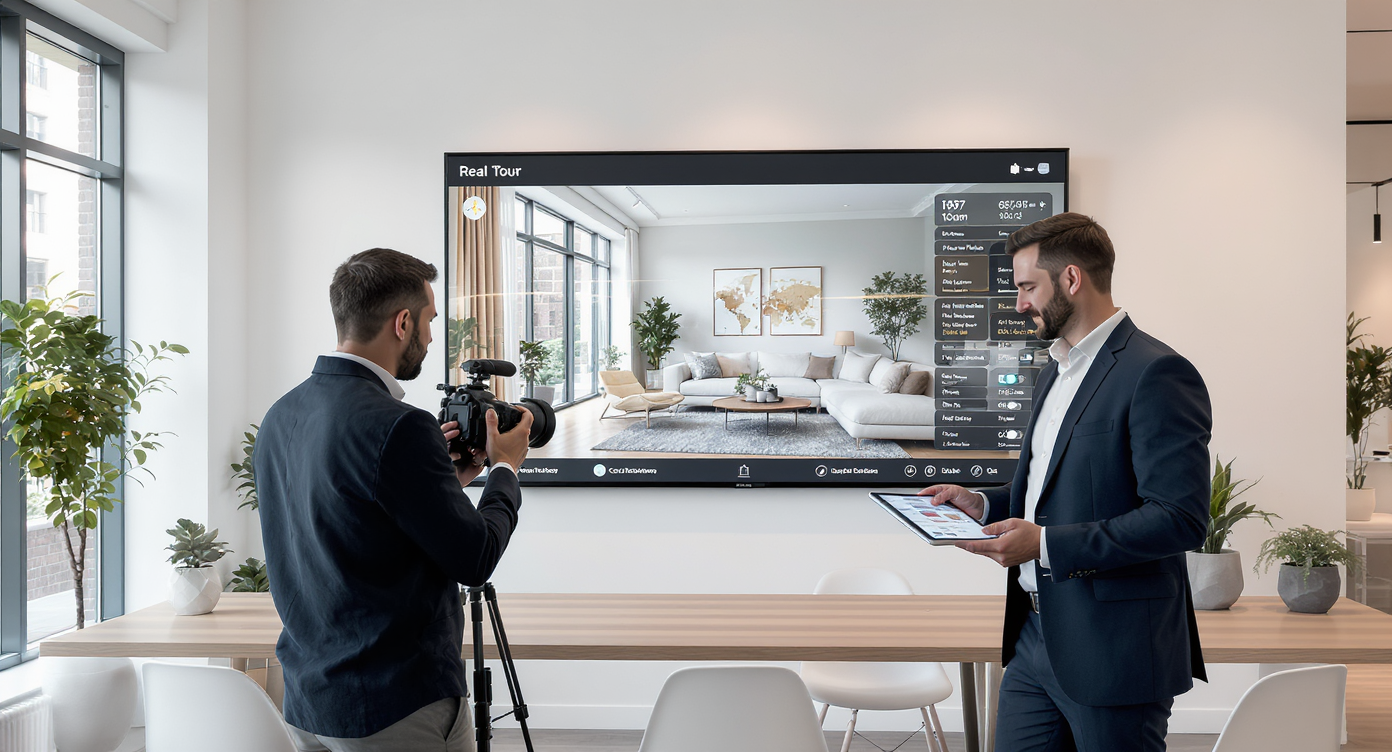
Balancing real-world service and virtual technology, agents use 3D tours with interactive features to meet client expectations and budget.
One of the recurring themes among real estate photographers is the challenge of keeping costs predictable when demand for 3D scans is irregular. Platforms that rely on monthly subscriptions can eat into margins if listings only occasionally require immersive tours. To address this, some professionals now bundle a defined hosting period (such as three months) into the service price, charging clients for additional extensions as needed. This arrangement not only simplifies billing, but also clarifies expectations for both parties. Quality remains a top concern. Photographers frequently debate whether to select established platforms for their automated output or newer tools for customization and price. Clients seeking virtual staging, for example, may prefer platforms supporting overlayed furniture and decor, while others request detailed blueprints derived from 3D data. According to industry trends, integrating interactive features—such as clickable navigation hotspots mapped directly to client-supplied floor plans—heightens user engagement. While some platforms promise full automation, others require hands-on assembly, and each model suits different workflows. Cost can vary widely depending on the level of support, frequency of listings, and whether add-on features such as AI-generated blueprints or custom navigation are provided. We explored how these tradeoffs manifest in both rental markets and traditional listings, with hybrid approaches (physical tidying, then virtual staging) now becoming mainstream for their speed and reach. Hybrid staging for rental properties highlights how this blend maximizes both online appeal and in-person showings.
-
Transparency, Compliance, and Building Buyer Trust

Split-screen visuals of original and virtually staged rooms highlight transparency and build trust in modern real estate marketing.
As immersive technologies shape property marketing, transparency has emerged as a core value. Guidelines increasingly recommend pairing every 3D or virtually staged photo with the original and labeling any digital enhancements directly on the image. This approach not only reassures buyers but aligns with MLS rules designed to prevent misleading representations. AI-powered real estate listing visuals now offer unprecedented realism, yet the temptation to edit or conceal permanent features can erode trust. Clear, honest disclosure of any staging or modifications, as well as accurate dimensions and layouts, helps prospective buyers make confident decisions. Legal and ethical guidelines for virtual staging emphasize keeping edits within the bounds of inspiration, not deception. Real estate professionals who adopt these principles—pairing edited with unedited visuals, verifying measurements through reputable platforms, and using accurate blueprints—benefit from credibility and smoother transactions. As more buyers come to expect authenticity, listings that transparently showcase both present conditions and potential uses increasingly win clicks and offers, as demonstrated by tailored virtual tours that reflect specific buyer personas. Personalized virtual staging helps transform generic listings into memorable experiences.
Visualization Scenario
Picture a prospective buyer scrolling on their phone late at night. Instead of static images, they tap into a seamless 3D tour, navigating room by room and zooming into points of interest. Each space is labeled clearly, and clickable hotspots let them jump between the living area, kitchen, and outdoor space, visualizing themselves hosting dinners or relaxing after work. Blueprints sit side by side with the virtual walkthrough, providing a sense of scale that static images simply cannot match.
Frequently Asked Questions
Affordable platforms like Kuula and Metareal are often chosen for their flexible pricing and feature sets. Metareal also allows for individual blueprint integration, while Kuula supports quick uploads with popular 360 cameras.
How long should 3D tours be hosted?
The industry standard is to include three to six months of hosting with most packages, with additional time available for extended listings. This model helps manage costs and clarifies service expectations.
Is it necessary to pair 3D tours with original photographs?
Transparency is the new norm. Experts recommend including both original and enhanced visuals side by side, clearly disclosing any edits, and labeling images to build buyer trust.
Are there legal risks with virtual staging?
Staging that conceals defects or changes permanent features can violate MLS guidelines and erode trust. Learn more about the legal and ethical limits of AI-edited listing photos.
Where can I find additional resources for virtual staging and 3D tour best practices?
Visit ReimagineHome.ai for expert insights and tool comparisons.
Making the Right 3D Tour Choice for Your Brand
Immersive, AI-enhanced 3D tours and virtual staging have become fundamental for marketing homes in 2026. The best AI tools for real estate listings now empower agents and photographers to deliver both fidelity and creative vision, provided that edits are disclosed and tangible property details remain honest. Establishing transparent practices, selecting tools that support your business model, and blending customization with compliance are essential steps in meeting market expectations. As technology advances, the distinction between informative visuals and overpromised fantasy becomes even more crucial. For professionals ready to refine their virtual marketing toolkit further, ReimagineHome.ai remains a trusted resource.