Unlocking Warmth: How Subtle Finishing Touches Elevate Modern Interiors
TL;DR
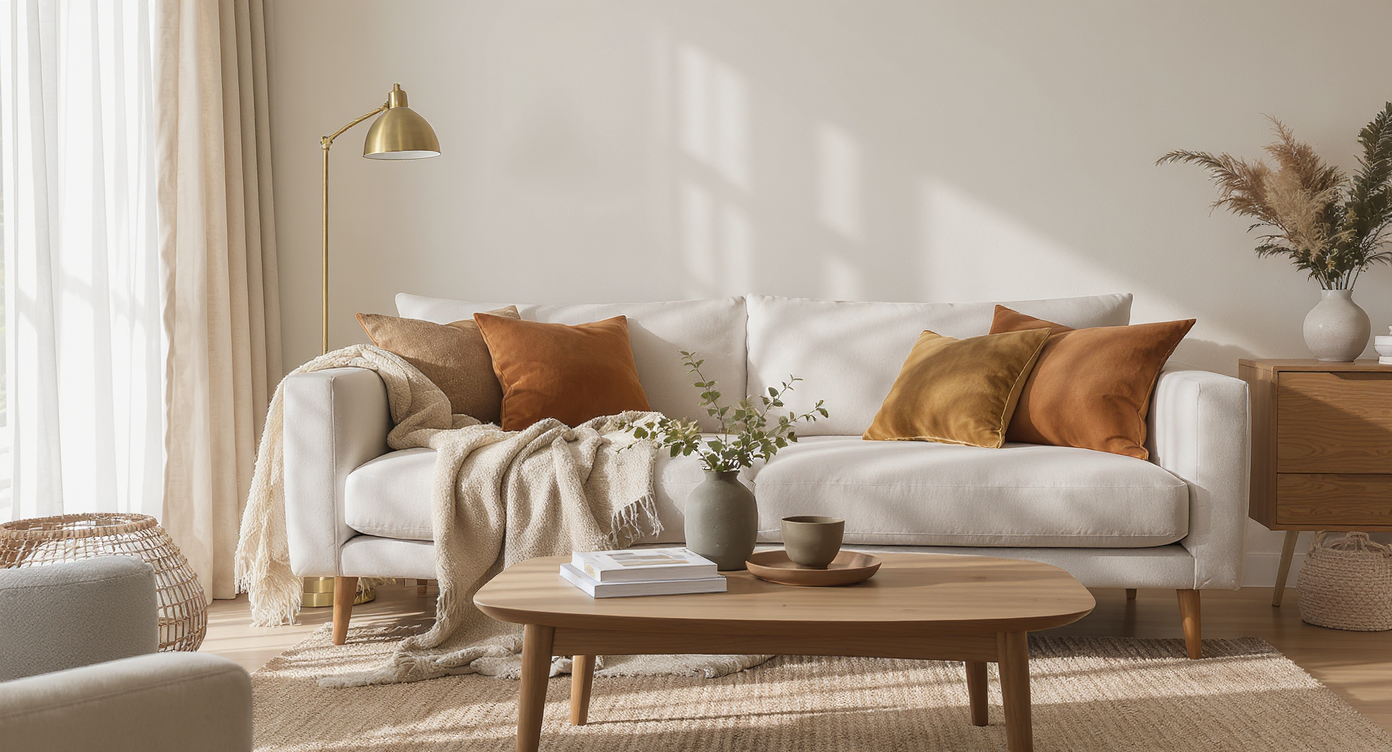
Even the most sophisticated interior can fall flat without the right finishing touches. Color, texture, strategic lighting, and well-chosen furnishings bring depth and personality to contemporary spaces. Thoughtful updates like art, layered lighting, or plants not only resolve disharmony but also help your home feel vibrant and complete.
Why Refined Spaces Can Still Feel Incomplete
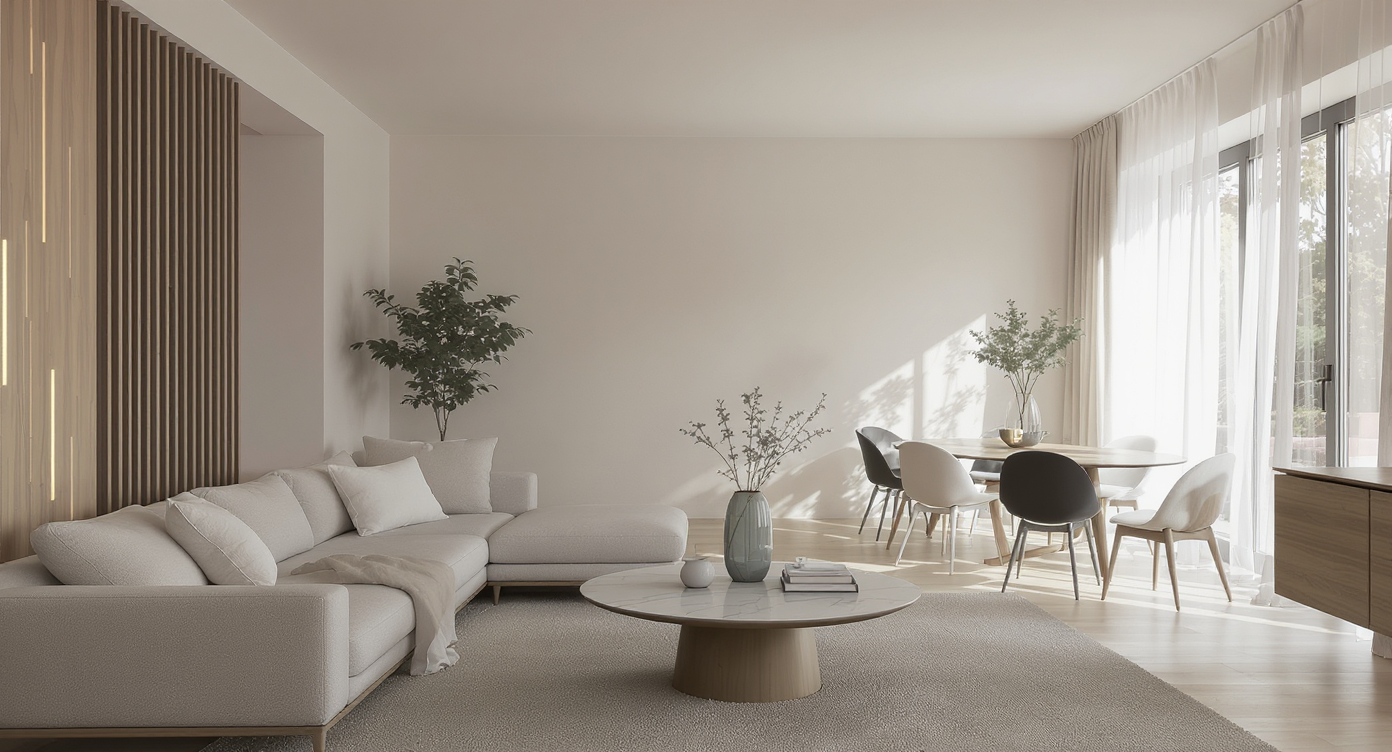
A thoughtfully designed open-plan living space feels sophisticated yet subtly unfinished, inviting small touches that bring warmth.
A thoughtfully designed interior promises sophistication with its clean lines, curated furniture, and natural light. Yet, there's a familiar sensation that lingers: a sense of emptiness or unfinished business. These are the rooms that prompt visitors (and residents) to suggest adding color, a bold light fixture, or perhaps a rug with pattern—anything to inject personality. As designers and homeowners increasingly favor open plans and neutral palettes, the margin for error shrinks. Suddenly, small misalignments in flooring, mismatched dining chairs, or underwhelming textiles stand out. If you find your home nearly perfect but still wanting, your next move lies in the details. The right finishing touches are less about overhauling the design and more about curating a feeling of warmth, cohesion, and individuality.
-
The Role of Color and Texture in Complete Decor
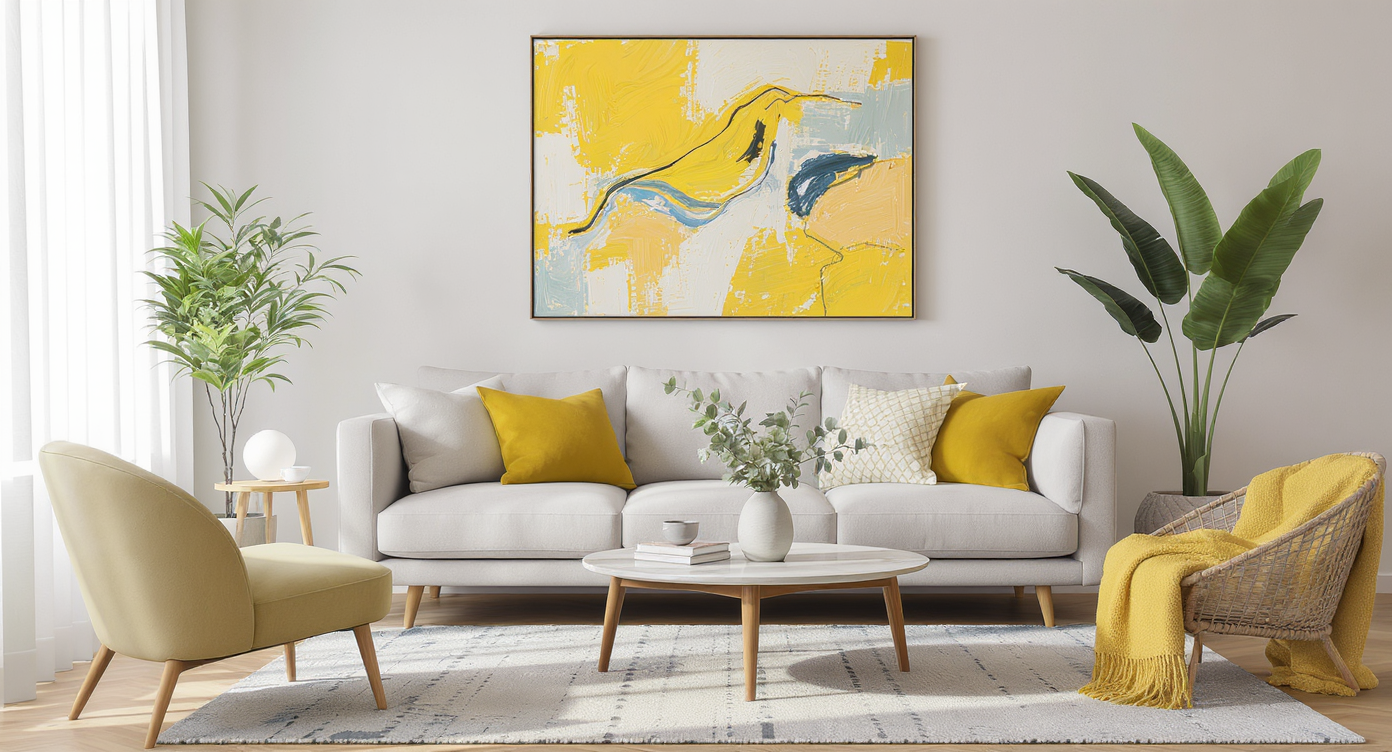
Balanced modern decor showcasing color and texture: bold mustard armchair, vibrant artwork, patterned rug, pillows, and greenery over neutral woods.
A space rich in natural woods and whites can provide a calming foundation, but too much restraint often leaves a room sterile. Designers often point to the subtle but essential role that color and texture play in making a home truly inviting. Bringing in a single mustard armchair or a vivid art piece can connect otherwise disconnected zones, subtly drawing attention to architectural features and creating a memorable identity. Strategically placed art—large enough to hold its own against tall ceilings or expansive walls—anchors the gaze and hints at a curated lifestyle. Layered, tactile textiles introduce comfort. Consider the difference between a beige rug matched exactly to the sofa versus a boldly patterned alternative that delineates space and adds vibrancy. Decorative pillows, throws in contrasting tones, and even the smart addition of lush green plants create focal points that feel intentional, not cluttered. According to recommendations on what your neutral space is missing, layering in a carefully selected rug or personal color cues from art or nature immediately brings depth and energy to any living area.
Expert Insight
One homeowner spent months perfecting a living space, only to realize guests consistently drifted toward the kitchen. After introducing a patterned rug and vibrant art in the living room, the space finally held its own: evening gatherings shifted back to the once-ignored area, and the client's favorite yellow armchair became the new conversational anchor.
-
Lighting and Its Influence on Mood and Functionality
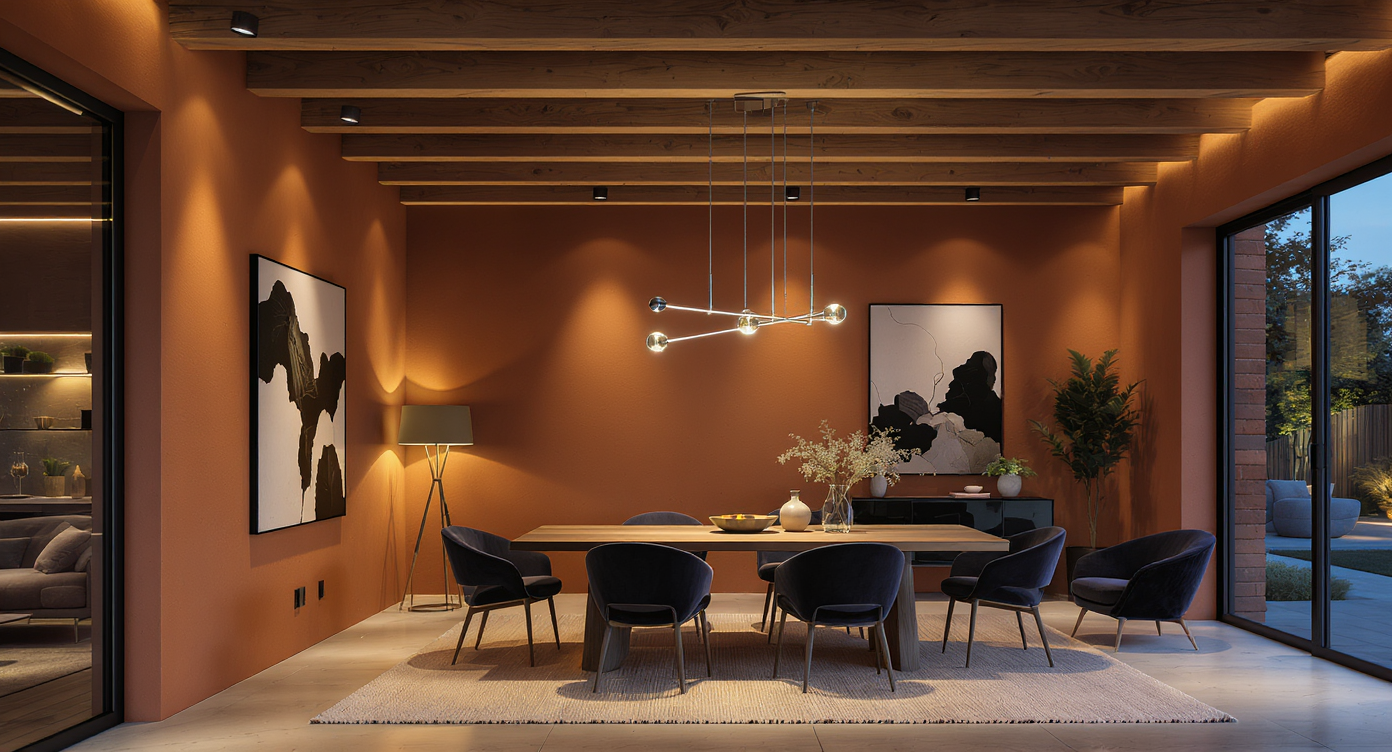
Layered lighting—elegant chandelier, discrete spotlights, and accent lamps—defines zones and highlights architectural details in a modern interior.
Lighting does more than illuminate; it shapes how colors play across a room and how space is experienced at different times of day. Layered lighting—incorporating overhead fixtures, floor lamps, and accent lights—can subtly zone an open plan or highlight architectural features such as timber beams or statement furnishings. Problems can arise from mixing too many competing styles or through an excess of visually busy fixtures. Swapping out a prominent chandelier for something that balances drama and simplicity, or updating beam-mounted lights to less intrusive, more organic forms, can dramatically change the room’s identity. Lighting on its own becomes a form of décor when cables, shapes, and finishes echo other design choices in the space. Designers suggest that layering lighting fixtures moves a dining area from basic to atmospheric, especially when paired with rich textures and statement art.
-
Furniture Selection, Scale, and Flow
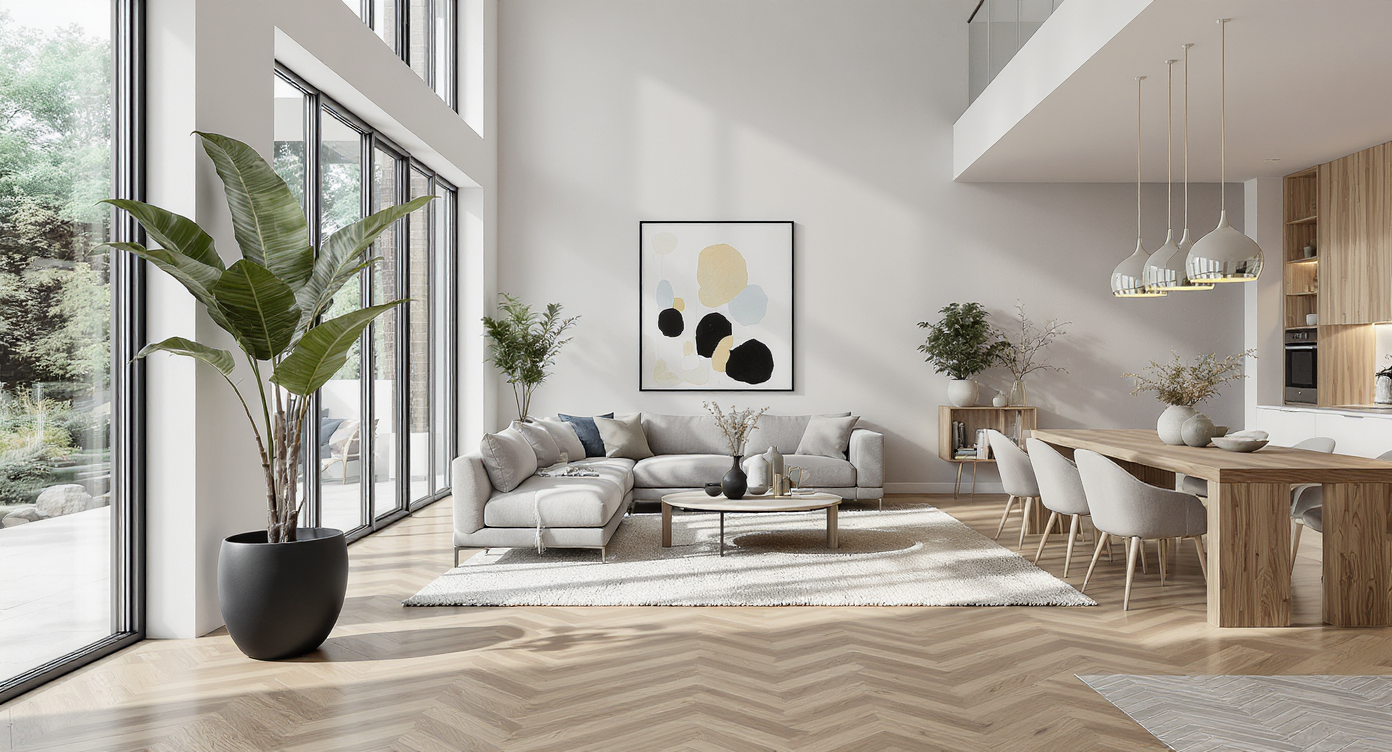
Cohesive living and dining zones with appropriate furniture scale, seamless flooring transitions, and balanced modern decor choices.
Furniture that reads beautifully on paper sometimes falters in reality, especially in open or tall rooms where scale becomes crucial. Dining chairs that nod to farmhouse style may appear homespun, but in a space surrounded by sleek contemporary lines, they can disrupt the visual harmony. The right choice creates not just a place to sit, but an anchor that defines the zone. Inconsistent flooring — where the kitchen transitions sharply into patterned tile or contrasting hardwood — might break the sense of flow. Continuing key surfaces throughout open zones is often advised for a seamless effect, but carefully chosen contrast can also spotlight functional areas or entry points. According to designers, oversized art or a single statement plant can provide much-needed visual heft, helping furnishings hold their own against architectural features. These insights align with observed tradeoffs in art, seating, and gallery-wall styling, where editing and scaling pieces ensures the room breathes while maintaining character.
-
Everyday Scenarios: How Small Tweaks Transform Living
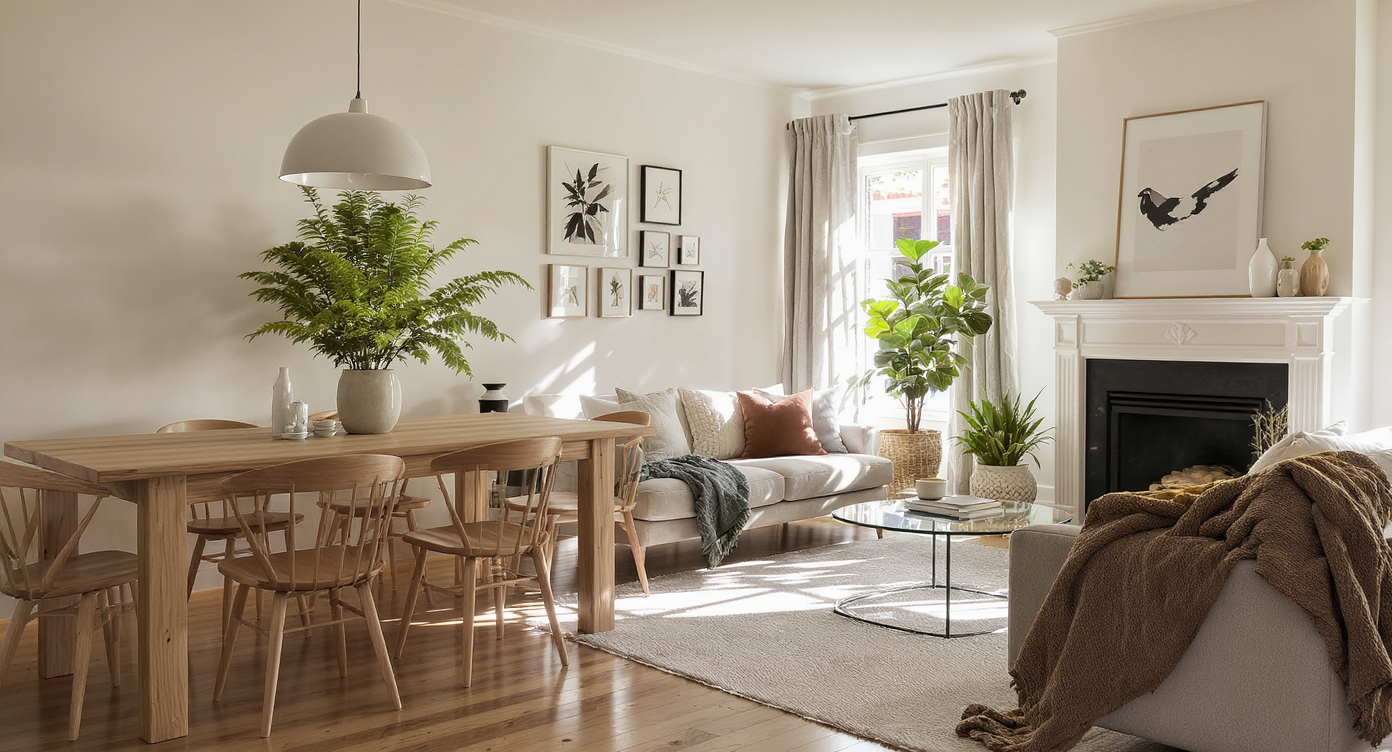
Subtle finishing touches—upholstered chairs, vibrant textiles, leafy greenery, and layered art—reinvigorate a modern home’s living and dining space.
When a family transitions from their first breakfast in a minimally furnished dining area to hosting a lively holiday meal, the room’s flexibility is tested. A quick swap from farmhouse chairs to upholstered, midcentury-inspired seating can set a different mood entirely. These changes need not be abrupt or extravagant: one weekend’s addition of colorful textiles and a modern pendant can recalibrate both function and charm. Imagine tackling mid-winter blues by introducing an oversized leafy plant near a sun-flooded corner, casting shadows across warm hardwood while layering in visual life. Or picture a quiet evening where a new, patterned rug brings instant contrast underneath the coffee table, drawing the eye to a lovingly chosen art print above the mantel. Each tweak—curtains swapped from sheer to lined, family photos clustered on a gallery wall—adds a personal layer that goes far beyond trend-following. Minimalists especially benefit from this approach. The risk of any pared-down space is a sense of incompleteness, but even those who crave calm can preview the impact of art, greenery, or statement pieces while maintaining visual clarity thanks to tools for finishing a minimal dining room without clutter.
Visualization Scenario
Picture walking into a spacious, light-filled living and dining area. Clean architectural lines bring intentional restraint, yet something is missing until you notice a series of deep green plants cascading from a central planter, an abstract canvas warming one wall, and chairs that echo the view’s autumn landscape. The lighting shifts from soft ambient to bright task-oriented as you move toward the kitchen—each element now purposeful, every corner inviting.
Frequently Asked Questions
Start by addressing the area that feels most "off"—for many, it's a lack of contrast, deficient lighting, or missing color. Swapping out a rug, introducing new artwork, or changing lighting often yields immediate transformation.
What is the best way to combine different lighting in a modern living area?
Layered lighting works best. Use overhead lighting for broad illumination, but add table or floor lamps for warmth and accent lights to create focal points in art or shelving.
Are plants and textiles really essential for comfort?
Absolutely. Both add softness, dimension, and life. Even a single large plant or well-chosen blanket can break monotony and soften architectural edges.
What if I want a minimalist vibe but worry about blandness?
Preview simple changes like art or planters with digital tools before committing. Minimal in volume does not have to mean minimal in soul, especially when you can test the impact virtually. For this, ReimagineHome.ai offers useful previews.
How do I maintain flow in open concept designs?
Maintain flow through continuity in flooring, repeating color accents, and avoiding abrupt changes in materials between zones. Cohesion can also be achieved with consistent trim, tactile surfaces, or select design motifs repeated throughout.
A Final Word: Personality Lies in the Details
The distinction between ordinary and extraordinary interiors is rarely found in grand gestures. Instead, it emerges from layering meaningful objects, playing with lighting, and attending to the subtle relationships among color, flow, and scale. Whether you are restoring a dining room’s energy through art, resolving a disconnect with new chairs, or harmonizing flooring, the finishing touches provide the nuance required to make a house truly feel like home. Preview changes, experiment freely, and seek out new perspectives using digital tools like ReimagineHome.ai to inform your process. In the end, the most inviting interiors are those that reflect not just style but the evolving story of those who live within them.