6 Staircase Wall Design Mistakes That Disrupt Home Balance, and How to Fix Them
TL;DR
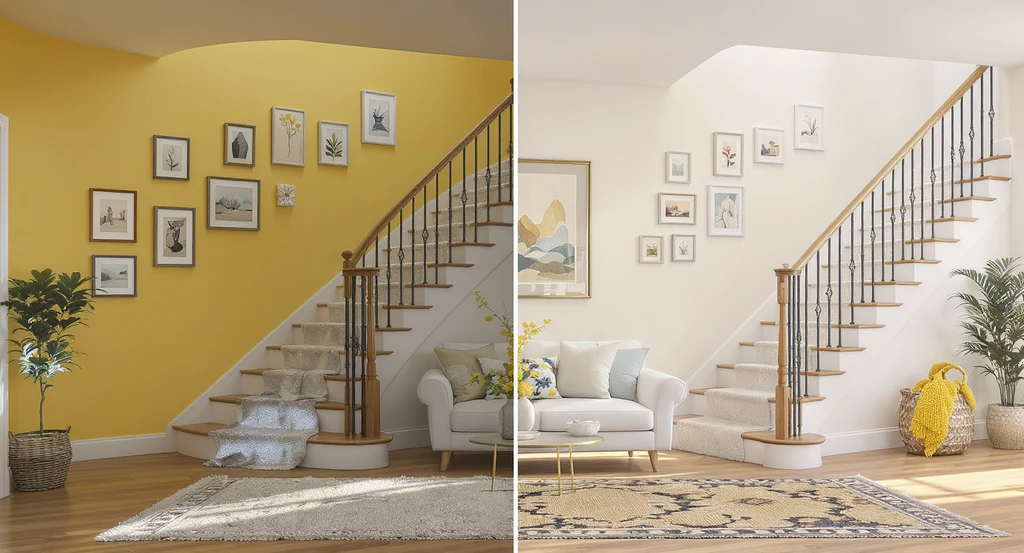
Staircase wall design is trending, but layout and scaling mistakes are easy to make. Avoid disorienting optical effects, fix moldings, and create a cohesive transition by following practical guidelines for smooth, balanced stairway walls.
Why Staircase Wall Design Demands Careful Planning
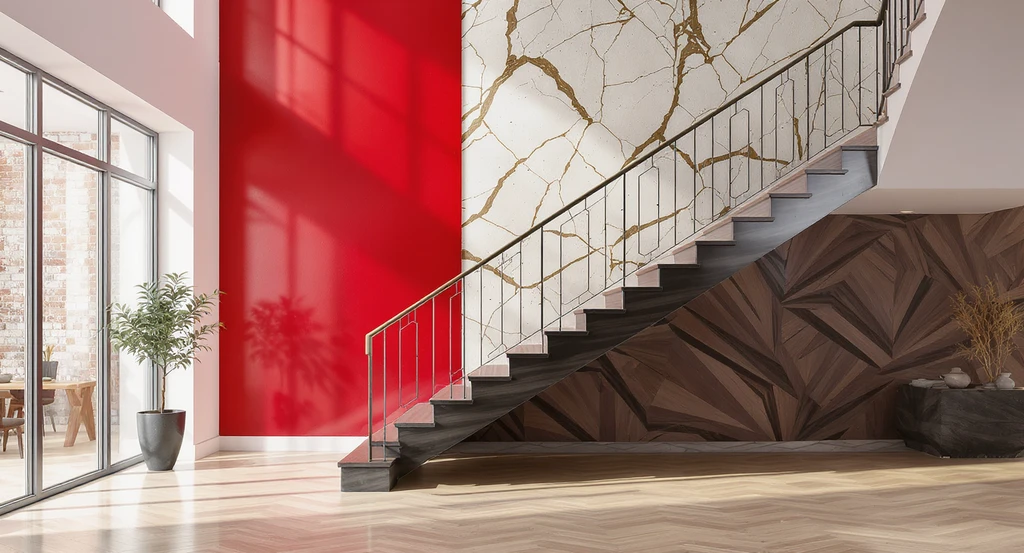
Staircase walls with uncoordinated murals, paint, and panels show awkward home spaces—ai interior design tool helps fix design mistakes and visualize makeovers.
Staircase walls are trending as statement zones in homes, often featuring murals, art, or modern paneling. But with so much attention, it’s easy to overlook the practical rules that keep these unique spaces visually balanced and safe. Social discussion, including recent Reddit debates, proves that mistakes here can create uncomfortable, even dizzying, results for anyone using the stairs. This guide explains the most common errors in staircase wall design, why they happen, and how to fix each one with clear spatial logic. These corrections will help you visualize and implement changes that truly improve your home’s flow.
-
01. Mismatched Moldings: The Peril of Ignoring Angle Alignment
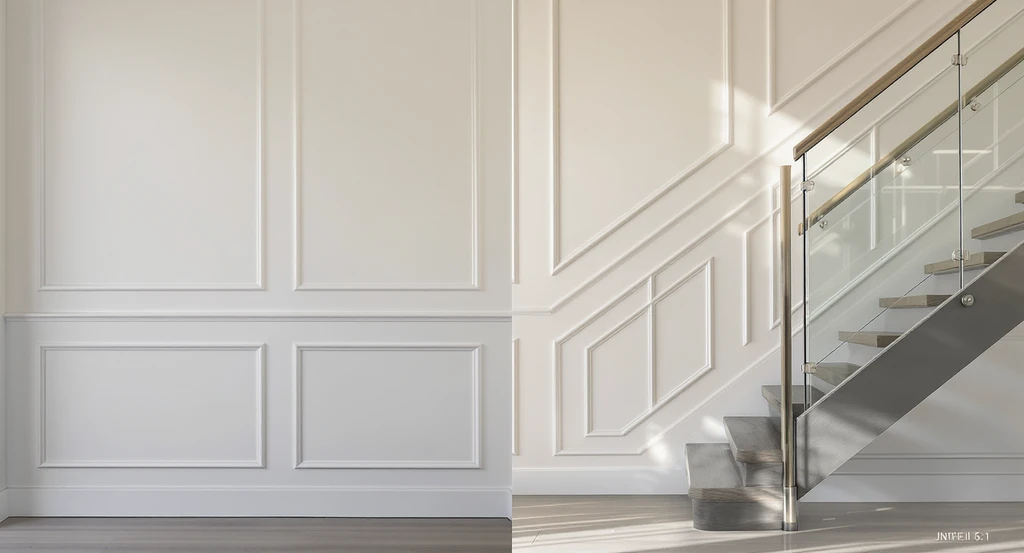
Misaligned molding on stairway walls can disrupt home balance. Using AI interior design tools for awkward spaces or stairway makeovers helps visualize and fix bad home design with precise, angle-aligned solutions.
One of the most common mistakes is installing wainscoting, molding, or panel frames horizontally or at the wrong angle relative to the stair pitch. When these elements run level with the floor instead of following the upward slope of the stairs, it creates an unsettling optical effect, often described as dizzying or like an 'optical disaster'.
This usually happens because homeowners use pre-made frames or standard wainscoting kits meant for flat walls, applying them directly to the staircase wall without adapting for the angle. To correct this, any trim or panel detail should maintain a parallel line to the angle of the stairs (the same pitch as the tread). Each piece must be custom-cut (often in a trapezoidal shape) to ensure a consistent visual relationship and reduce the feeling of imbalance for those walking up or down. For more on how thoughtful changes impact home value, see our breakdown of costly interior design mistakes.
-
02. Gallery Walls Gone Wrong: Disjointed Photo Arrangements
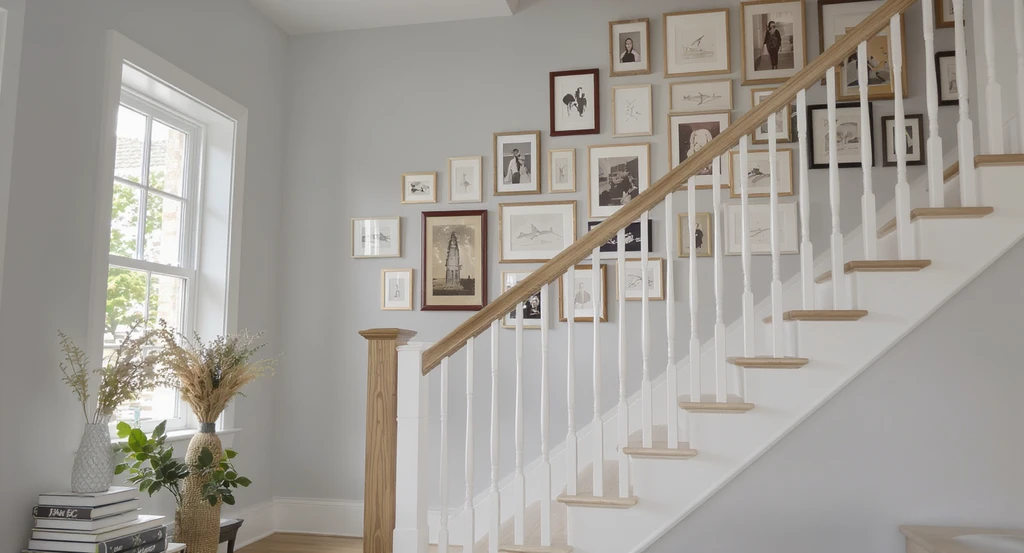
02. Gallery Walls Gone Wrong: Disjointed Photo Arrangements Image
Gallery walls on staircases look best when the arrangement follows the pitch of the stairs. Placing frames in strict rows or ignoring the staircase angle causes photos or artwork to appear as though they’re floating in confusing, off-balance positions, creating visual chaos.
This mistake happens when people use standard gallery wall templates or hang art by eye without a clear guideline. To fix it, create a single strong diagonal line (usually at handrail height) for the display to follow. Step back and check alignment from several sightlines, even from above and below the staircase, to make sure there’s visual flow. Proper spacing between each frame, both vertically and horizontally, matters for coherence. For DIYers, marking the desired path with painter’s tape before hanging pieces can prevent having to re-patch and repaint later, saving time and frustration, just as real estate insights on DIY upgrades recommend.
-
03. Statement Murals That Clash with Space and Light
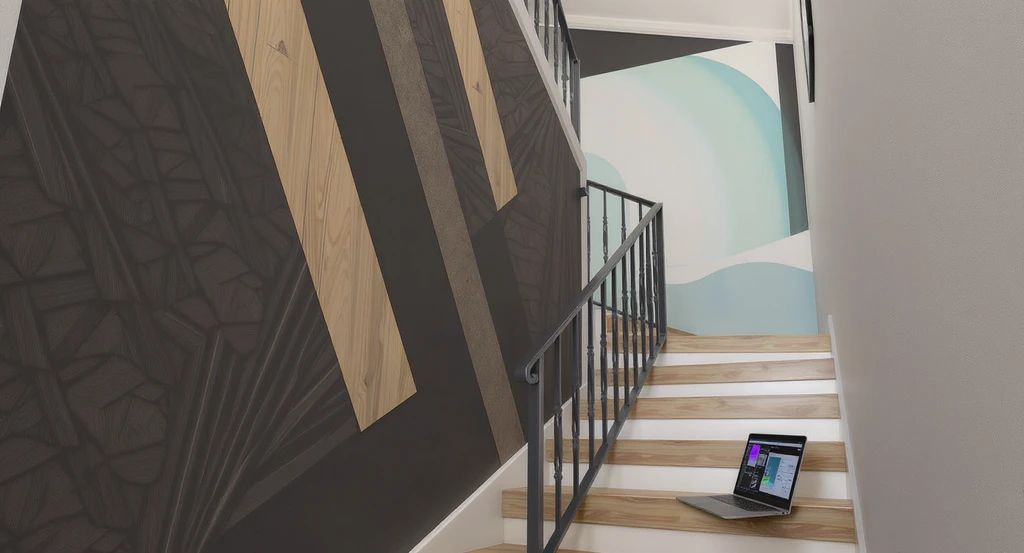
Using an ai interior design tool for awkward spaces, see how to fix bad home design with ai for staircases—AI-powered visualizations help pick wall murals and scale artwork to balance stairway makeovers.
Mural-painting or bold wall treatments can overwhelm a staircase if colors are too dark or if the scale isn’t matched to the transitional nature of the space. Murals that don’t consider the angle or lighting of the stairwell often make the area feel cramped or visually off-balance.
This problem arises when creative ambitions overtake practical layout thinking, or when murals are planned without a test visualization. To correct it, assess the natural and artificial light in the stair zone, staircases are often narrow or lack windows. Choose lighter tones or gradients that open up the space, and scale artwork elements so they travel smoothly up the angle of the stairs without abrupt breaks. Using preview tools, such as the stairway visualization feature from REimagineHome AI, allows you to see how different colors, images, and scaling will actually sit within your stairwell, reducing the chance of making the space feel boxed in or fatigued.
-
04. Overusing Heavy Textures or Materials
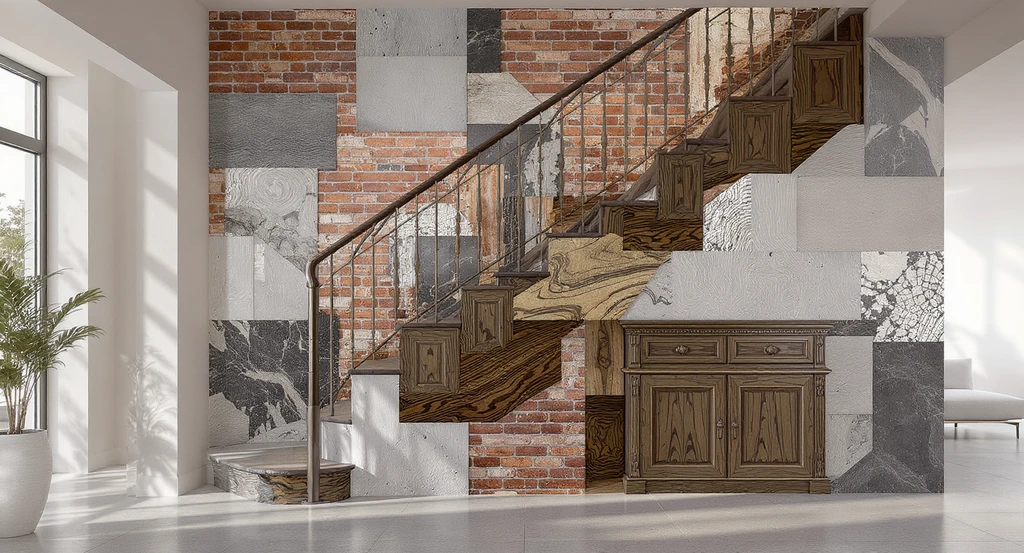
04. Overusing Heavy Textures or Materials Image
Materials like exposed brick, fluted panels, or deep wood cladding are on-trend for 2026, but installing them top-to-bottom can make a staircase feel compressed or dark, especially if natural light is minimal. Heavy materials add visual weight and, if not used with restraint, can dominate the transition zone.
This mistake often comes from copying social trends without considering the unique light and proportions of your own stairway. The fix: limit dense materials to a feature section (such as one side of the stair or the landing wall), paired with lighter paint elsewhere to keep things open. If using panels, ensure their vertical joins remain parallel to the staircase line, not the floor, for visual consistency. Balance is crucial to avoid crowding the narrow space. Step back to evaluate daylight at different times, or use visualization tools to test how materials distribute shadow and light before committing.
-
05. Incorrect Lighting: Forgetting Shadows, Glare, and Safety
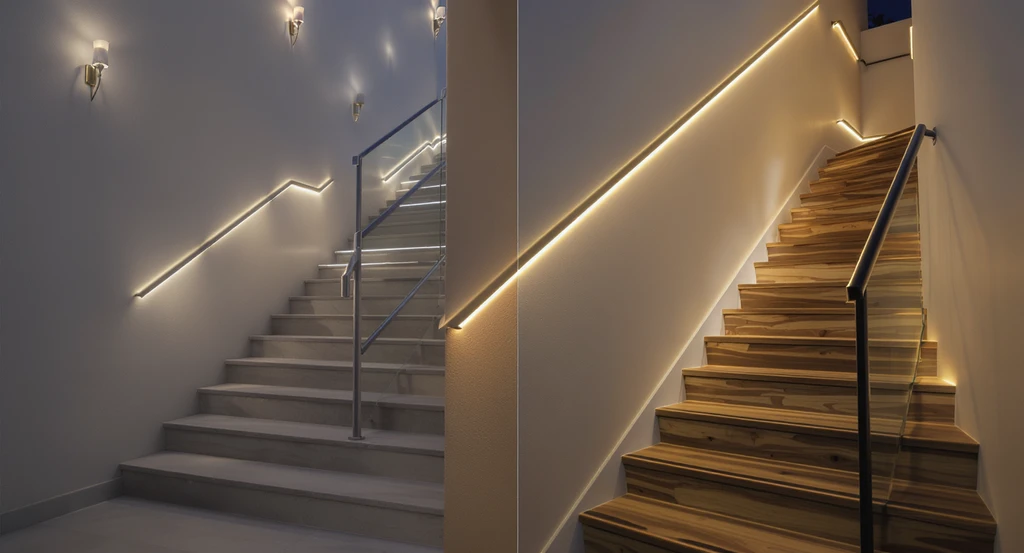
Poor staircase lighting creates glare and shadows, while an ai interior design tool for awkward spaces helps visualize effective, layered solutions—showing how to fix bad home design with ai for safer, more attractive stairways.
Integrated LED strips or decorative sconces are popular additions, but poor placement can lead to glare, inconsistent shadowing, or, worse, unsafe steps. Failing to account for the angle of stair risers and treads means light may cast unevenly, making certain steps look disorienting or even tripping hazards at night.
This generally happens when fixtures are installed without first testing their visual effect in low light. To correct it, use layered lighting: combine indirect uplighting (for wall wash) with focused tread lighting to gently define each step. Opt for continuous LED strips that run parallel to the tread angle, not chopped into short sections. Always check for dark spots or overly bright reflections before finalizing placement. For a step-by-step overview of safe lighting practices that prevent common home design errors, revisit our guide on avoiding design mistakes that decrease home value.
-
06. Neglecting Under-Stairs Niches and Connected Views
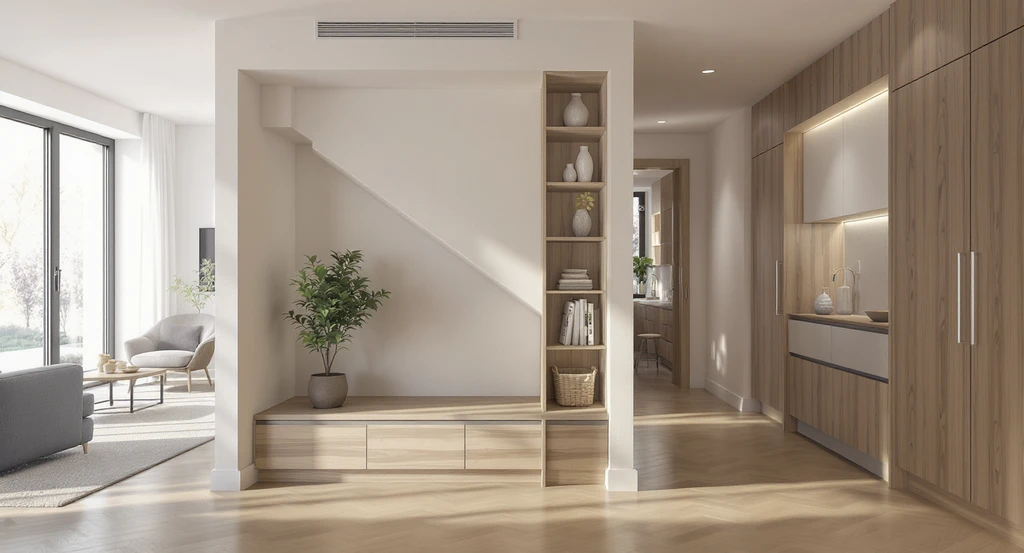
06. Neglecting Under-Stairs Niches and Connected Views Image
The space beneath or beside a staircase often holds hidden potential for shelving, seating, or display. But ignoring the sightlines, such as how this niche appears from living areas or entryways, can create an awkward disconnect where the under-stair space seems like a leftover corner rather than an integrated feature.
This often results from starting with standalone projects rather than holistic layout planning. Correction starts by considering connected views: walk between key rooms and check what you see through and past the stairwell. Keep scale in check, small shelves or seating should not block open walkways or natural light. If in doubt, use digital preview tools to assess how adjustments will look from multiple angles. For a detailed look at clever, real-world under-stairs solutions, explore our under-stairs space ideas guide.
Frequently Asked Questions
- What is the biggest visual mistake in staircase wall design?
Ignoring the stair pitch with features like moldings or frames. This disrupts flow and causes optical discomfort. - How should I plan lighting for a staircase wall?
Layer light sources, follow the stair angle, and preview illumination at night for safety and balance. - Can I use bold mural art on a staircase wall?
Yes, but scale it to suit the rising angle and adjust color intensity based on available light and wall size. - What do I do with the space under my stairs?
Plan with connected views in mind—integrate shelving or storage without compromising openness or walkway clearance. - Are DIY staircase updates advisable?
Simple fixes are worth trying, but for complex corrections, or when resale is a concern, see our advice on when to DIY for resale value.
Key Takeaways for Better Staircase Wall Design
Trendy staircase wall updates demand practical correction, not just decorative flair. Always align trim and features to the stair angle, scale artwork thoughtfully, use materials judiciously, ensure lighting is functional and soothing, and plan for connected sightlines throughout your home. Previewing layout changes digitally, especially on transitional walls, will help you avoid spatial discomfort and design regret.