7 Smart Lessons From a Front Porch Remodel After Disaster
TL;DR
A front porch remodel following unexpected damage offers practical takeaways for homeowners. These lessons address critical details from structural integrity to local code, material choices, and how innovative design can reshape curb appeal. Learning from real-world project results, any homeowner can approach their own before after similar home upgrades with more confidence.
What a Porch Remodel Teaches About More Than Just Repairs
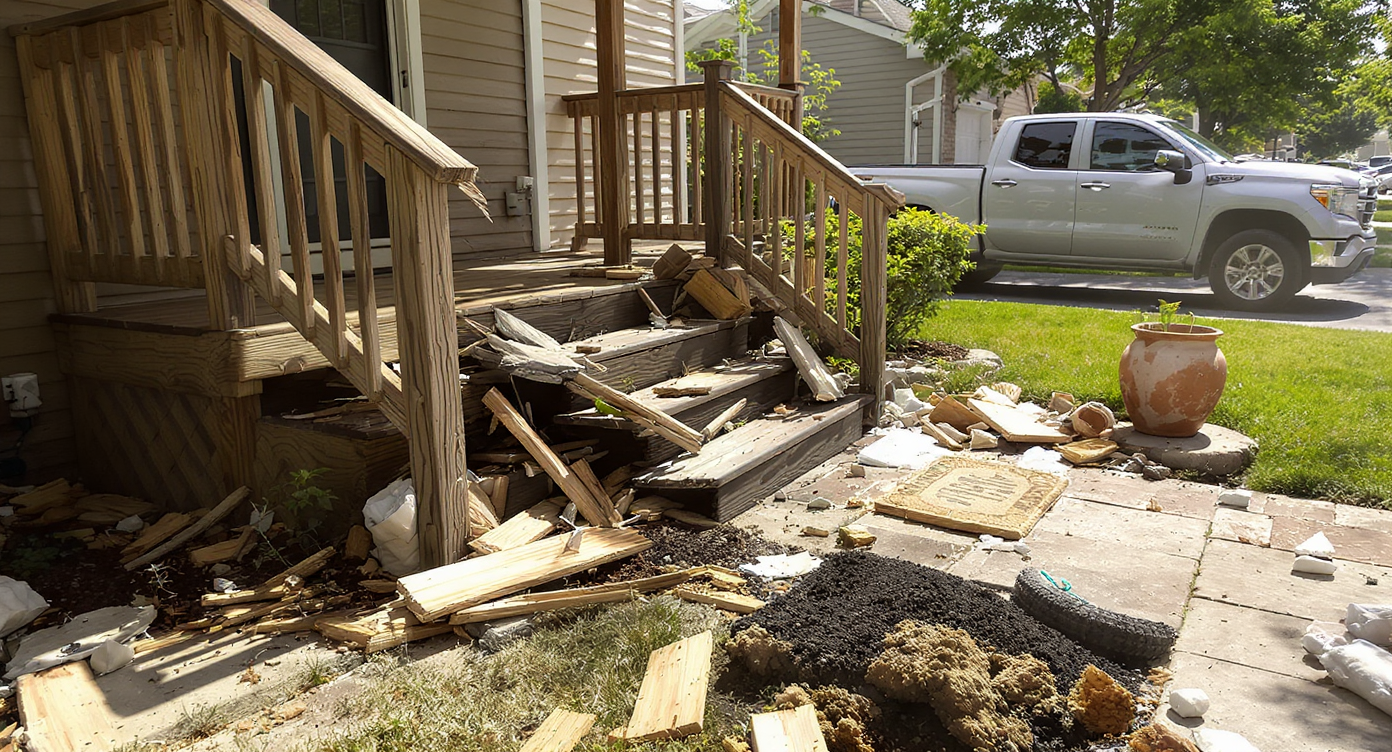
A damaged front porch with splintered railings and debris, showing the aftermath of a truck accident before repairs began.
Unexpected events sometimes force us to reimagine our homes. A truck accidentally rolling into a front porch may sound extreme, but the story reveals what so many remodel projects eventually require: reassessing needs, upgrading design, and addressing both old flaws and new realities. For homeowners facing repairs, maintenance, or planning to improve curb appeal, there is immense value in dissecting an actual before after similar home transformation. What follows are seven lessons gleaned directly from the process of rebuilding and upgrading a front porch after disaster. Designers and contractors often stress these principles, but seeing them applied in sequence—and learning what worked—can give any homeowner a playbook when a project goes from theoretical to urgent.
-
1. Rebuild With Structural Resilience in Mind
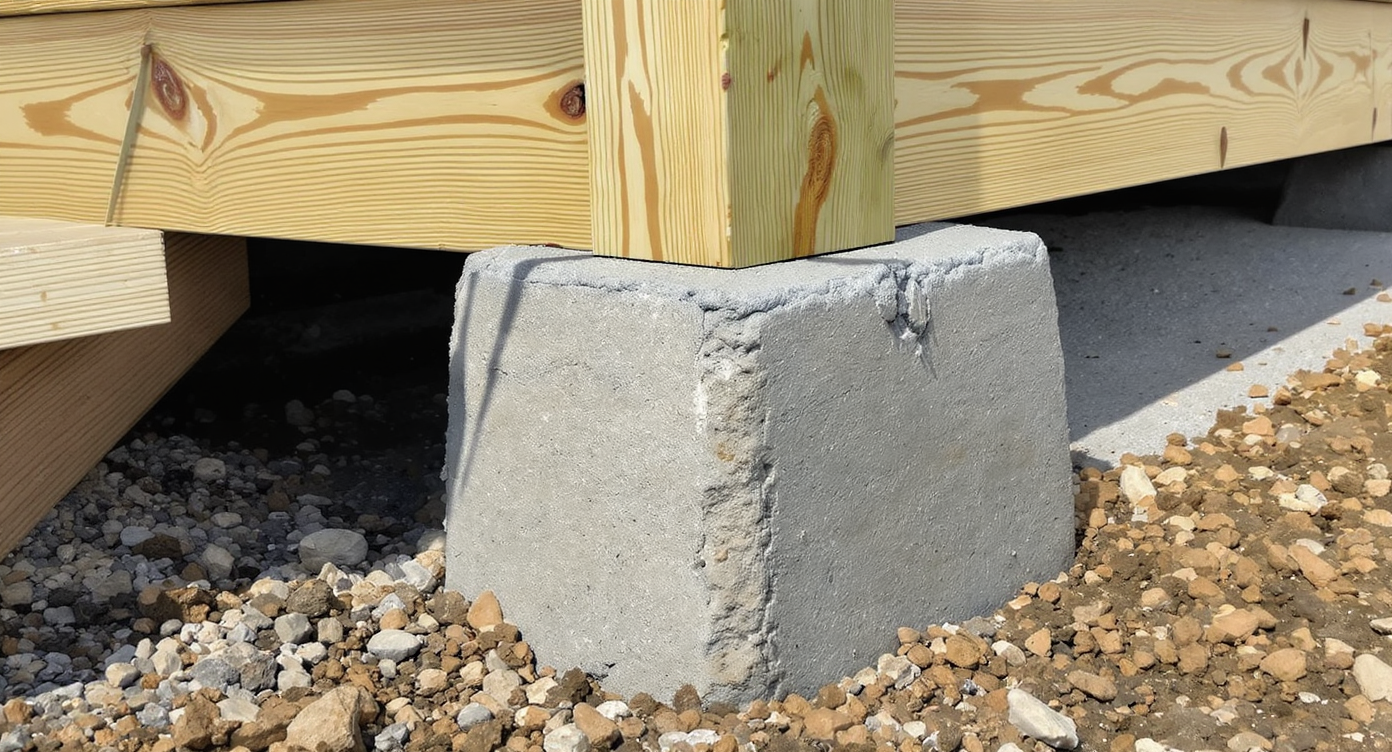
A front porch remodel features a support post secured deep into concrete, emphasizing robust structural upgrades for lasting safety and durability.
The original porch, built with shallow-set posts, fell victim not to a storm but to an errant vehicle—a sign that robust construction is non-negotiable for safety and longevity. Upgrading from 6-inch-deep posts to securing new support posts properly, often well below the frost line or at least to code minimums, is a smart starting point for any outdoor addition. Structural upgrades might feel invisible after completion, but they are the reason a porch can truly withstand everyday wear—or another unforeseen incident. According to our guide on modern front porch ideas, planning construction details to exceed baseline requirements can prevent costly setbacks.
-
2. Take the Opportunity to Upgrade the Design
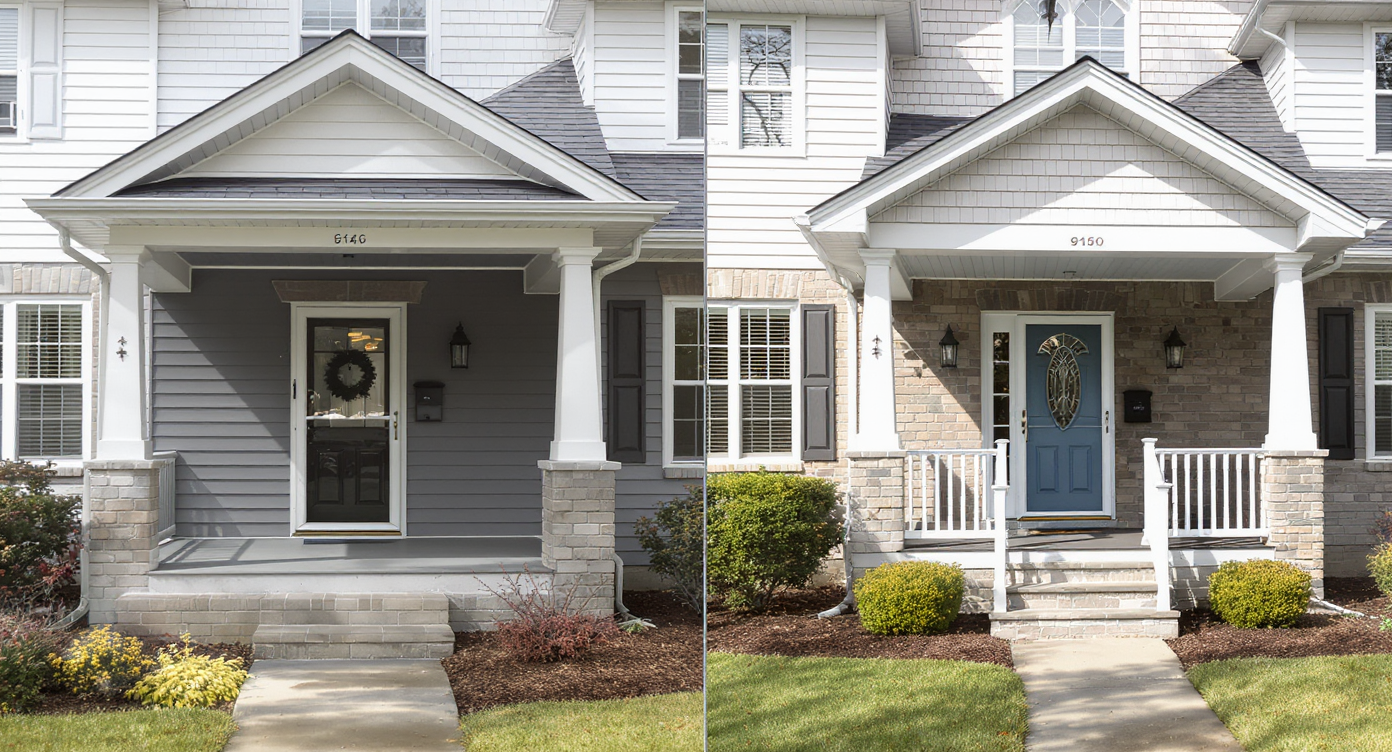
A front porch remodel doubles the size and adds a covered section, creating multiple zones for furniture and boosting curb appeal.
When reconstructing, the homeowner doubled the porch’s footprint—from a tight 10 by 10 feet to a much more inviting 20 by 12 feet. One half now enjoys a roof, enabling greater seasonal use. Expanding square footage does more than provide extra space for furniture; it allows for creative zoning, gatherings, and impactful first impressions. Designers frequently note that increasing the visual and practical scale of a porch drastically boosts curb appeal, which can influence not just personal enjoyment but also future resale potential.
-
3. Budget Savvy Moves Define What’s Possible
Operating with a budget of $4,700, prioritization became essential. Rather than reduce the size for a full roof cover, the rebuild balanced partially covered with open-air sections to maximize space within financial limits. Smart allocation—investing in sturdier framing while going basic on less critical details and leaving finish work for later—aligns with the most reliable remodel projects. Strategic spending, like adding one weatherproofed section now, can always allow for future enhancements as funds allow.
-
4. Material Choices Change the Look and Feel
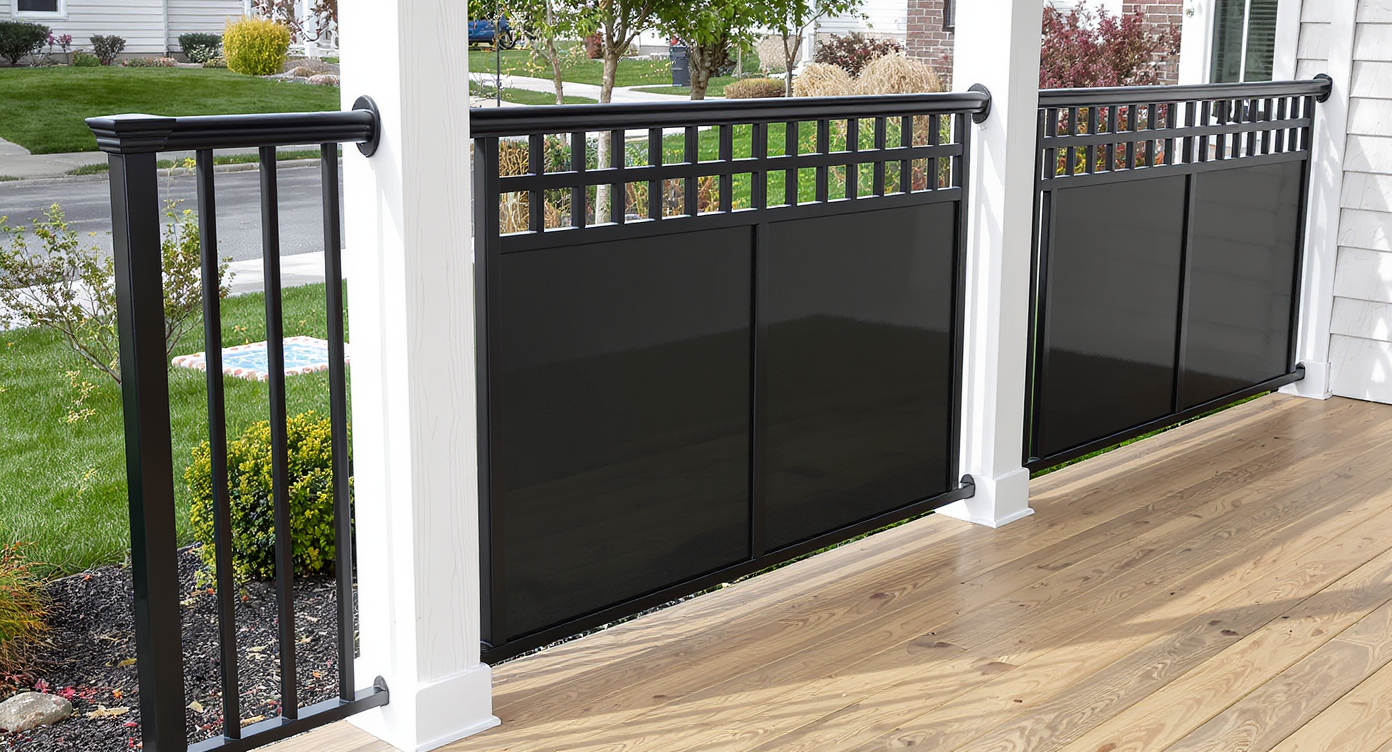
Goat panels replace traditional wood pickets on this porch railing, adding sturdy safety and transparent style with a modern touch.
A significant visual and functional upgrade came by swapping traditional wood pickets for goat panels in the railing. These sturdy, code-compliant panels (with four-inch openings) offer robust safety without sacrificing transparency or style. Finding such cost-effective alternatives can be a game-changer, whether you are designing a garden fence or a modern front porch. Contractors often recommend considering agricultural or industrial materials for residential features—they can be budget-friendly, durable, and add unexpected architectural interest. For a primer on railing and layout options, see our exploration of modern front porch ideas.
-
5. Don’t Overlook Drainage and Site Preparation
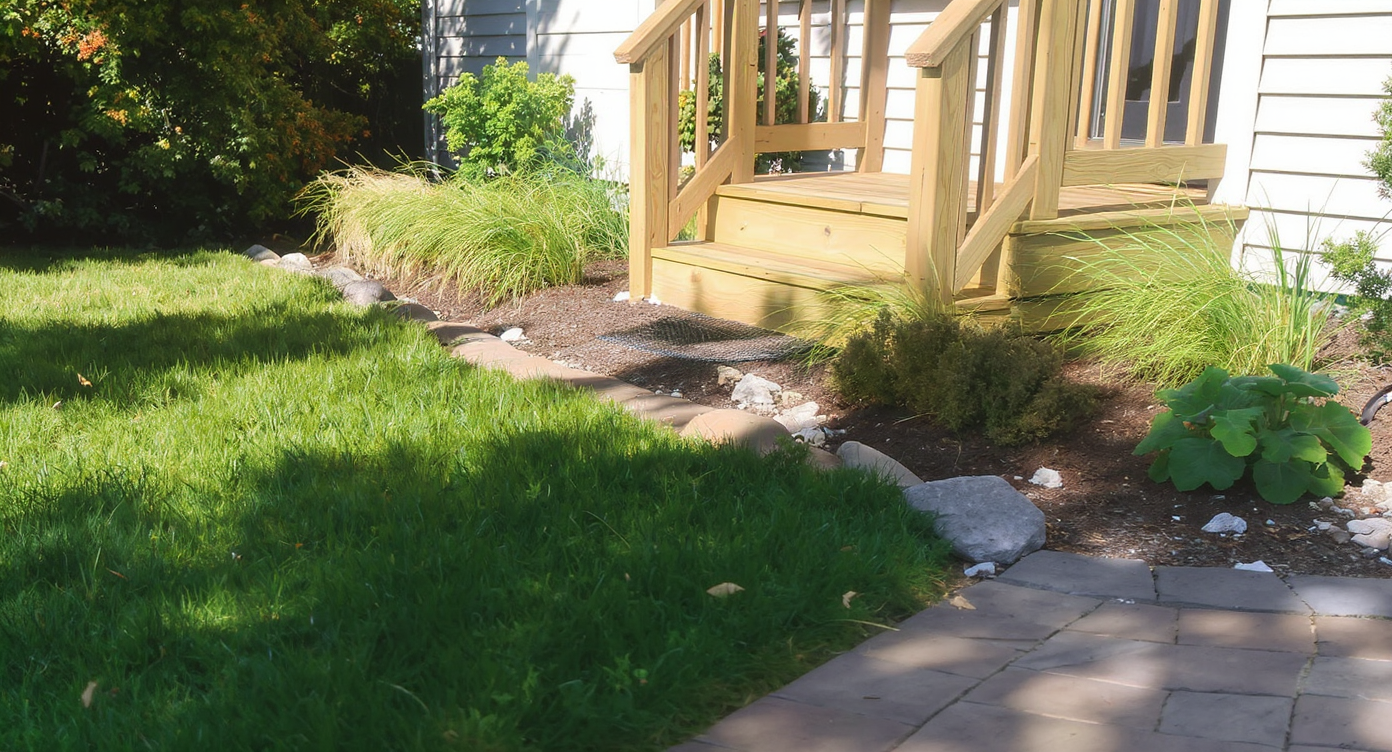
Proper site grading and a seeded walkway with effective drainage protect the porch and landscaping from water damage over time.
Addressing ground level and water flow is often an afterthought, yet it can determine the long-term health of any porch or deck. In the remodel, the gravel driveway was pulled back and replaced with a seeded walkway to direct foot traffic and reduce proximity to parked vehicles. Proper drainage ensures wood remains dry, footing stays secure, and landscaping can thrive. Site grading, waterproofing, and choosing the best underlying materials are just as crucial as the visible surface.
-
6. Factor in Local Codes, Attachments, and Mobile Home Specifics
Mobile and manufactured homes present unique challenges. Porch designs must address both local building codes and the realities of how these homes settle and move over time. In this case, the porch was primarily self-supporting and rarely attached—limiting potential stress on the home's structure. Designers often prefer this approach for mobile homes as it guards against shifting foundations and long-term warranty issues. More information about porch design decisions and how they affect durability can be found in our overview of enclosed vs open porch design.
-
7. Plan for Finishes and Maintenance Early
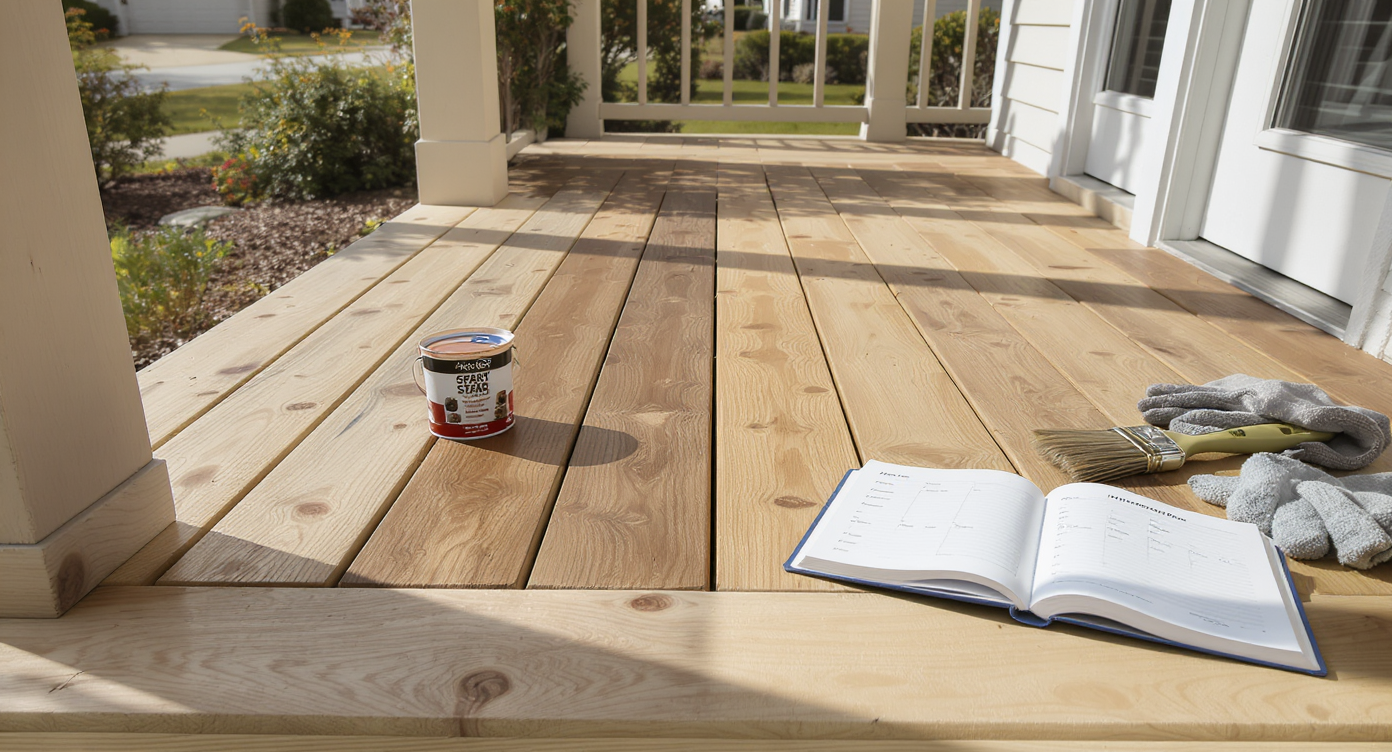
Porch boards split between untreated and stained finishes, highlighting the importance of early finish planning and regular upkeep.
Though staining was planned for later, the story highlights why finishes (like paint or stain) cannot be an afterthought. Untreated wood is vulnerable to weather, pests, and UV exposure. Choosing a stain that incorporates a pest-repelling additive is an example of thinking ahead, especially when wood-boring insects are a known problem. Homeowners find that scheduling regular maintenance or sealing plans during the initial build process saves labor and expense down the road. Visualizing these finishes using REimagineHome.ai or similar tools makes it easier to commit to choices confidently.
Frequently Asked Questions About Porch Remodels
Safety and longevity should come first. Use deeper footings, durable materials, and a layout that respects how the home may move over time, especially with mobile homes.
How do partial roof covers affect porch use and value?
Covering part of the porch provides shelter from direct sun and rain, increasing year-round usability without the cost of fully enclosing the structure. This can also enhance curb appeal in many cases, as explored in our discussion of enclosed vs open porch layouts.
Are nontraditional railings like goat panels a good idea?
When properly installed and code-compliant, nontraditional materials often deliver better value and unique visual interest. Always check your local regulations before choosing alternative railing styles.
Can AI planning tools improve porch remodel outcomes?
Absolutely. Platforms like REimagineHome.ai allow users to visualize designs, experiment with finishes, and optimize layouts before making major commitments.
How does site drainage affect the longevity of a porch?
Good drainage prevents wood rot, soil movement, and premature structural failure. Attention to grading and surface water management is nonnegotiable for outdoor structures.
Final Takeaways for Smarter Porch Remodels
Remodeling a front porch after an accident transforms more than just the structure. Each thoughtful decision—from foundation work to finish options—reveals opportunities for better function, style, and curb appeal. Homeowners benefit by approaching their own remodel projects as chances to rethink how design, materials, and long-term planning weave together for lasting value. For anyone starting out, leveraging visual planning resources like REimagineHome.ai streamlines the decision-making process and helps prevent costly missteps.