Why Accurate Frost Dates Matter for Confident Outdoor Planning
TL;DR
Knowing your region’s last and first frost dates unlocks more confident planting, layout, and outdoor structure decisions. Free climate-based tools that customize these dates for your exact location make it possible to design, sow, and build with fewer weather-related setbacks—supporting healthier gardens and more beautiful, functional spaces.
Understanding the Importance of Local Frost Dates
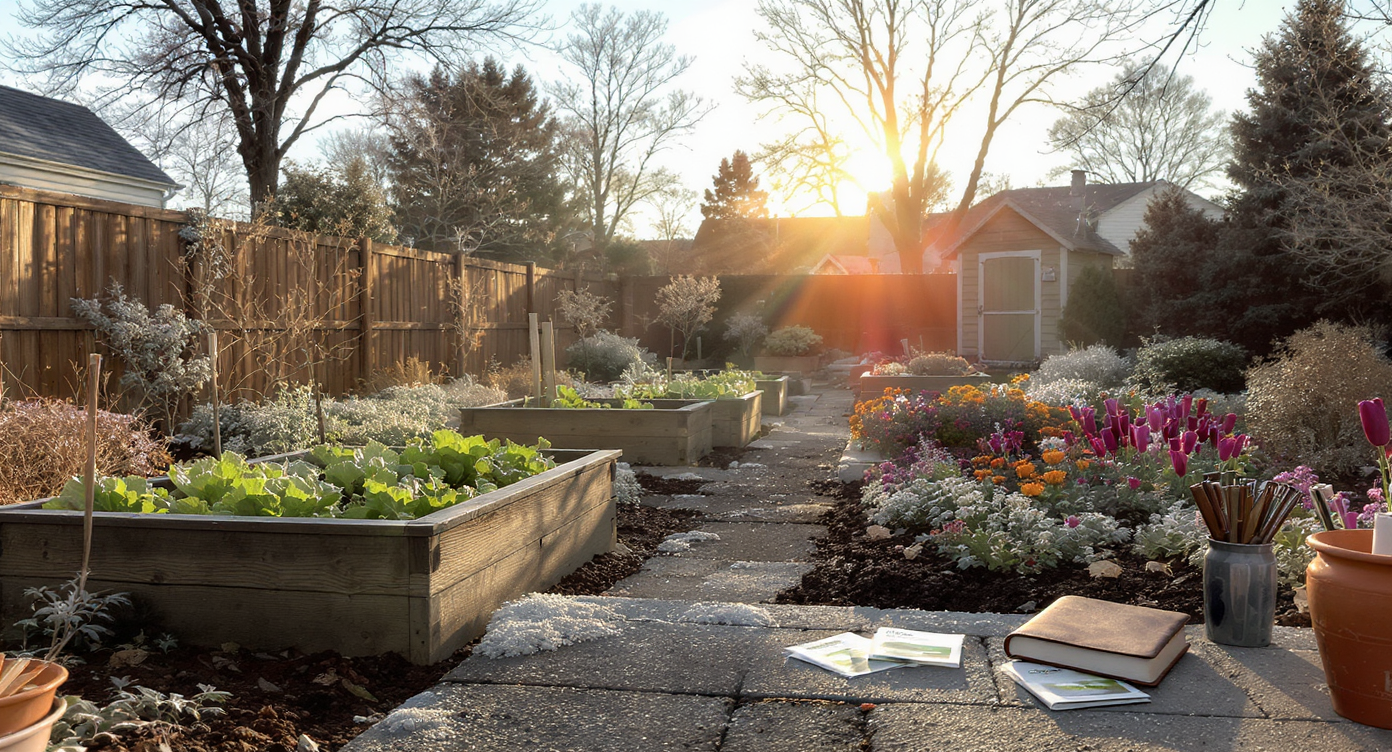
A crisp morning reveals a late frost on gardens and tools, illustrating the impact of unpredictable weather on outdoor planning.
Every gardener and outdoor designer has felt the sting of unexpected weather. Whether it’s a late-season frost spoiling freshly planted beds or a surprise cold snap setting back early blooms, local climate factors can turn an ambitious plan upside down. Now more than ever, with access to high-quality, no-cost tools, homeowners and hobbyists can check frost dates with impressive accuracy for nearly any corner of the world. Frost dates—specifically, the last frost in spring and first frost of autumn—define the soft boundaries of a garden’s growing season. By understanding these critical windows, designers and DIYers can time plantings, hardscape builds, and key maintenance for both beauty and resilience. The advent of frost date checkers, built on robust data, finally makes this insight accessible to everyone who cares about their landscape’s success.
-
Frost Dates: The Planning Foundation for Outdoor Design
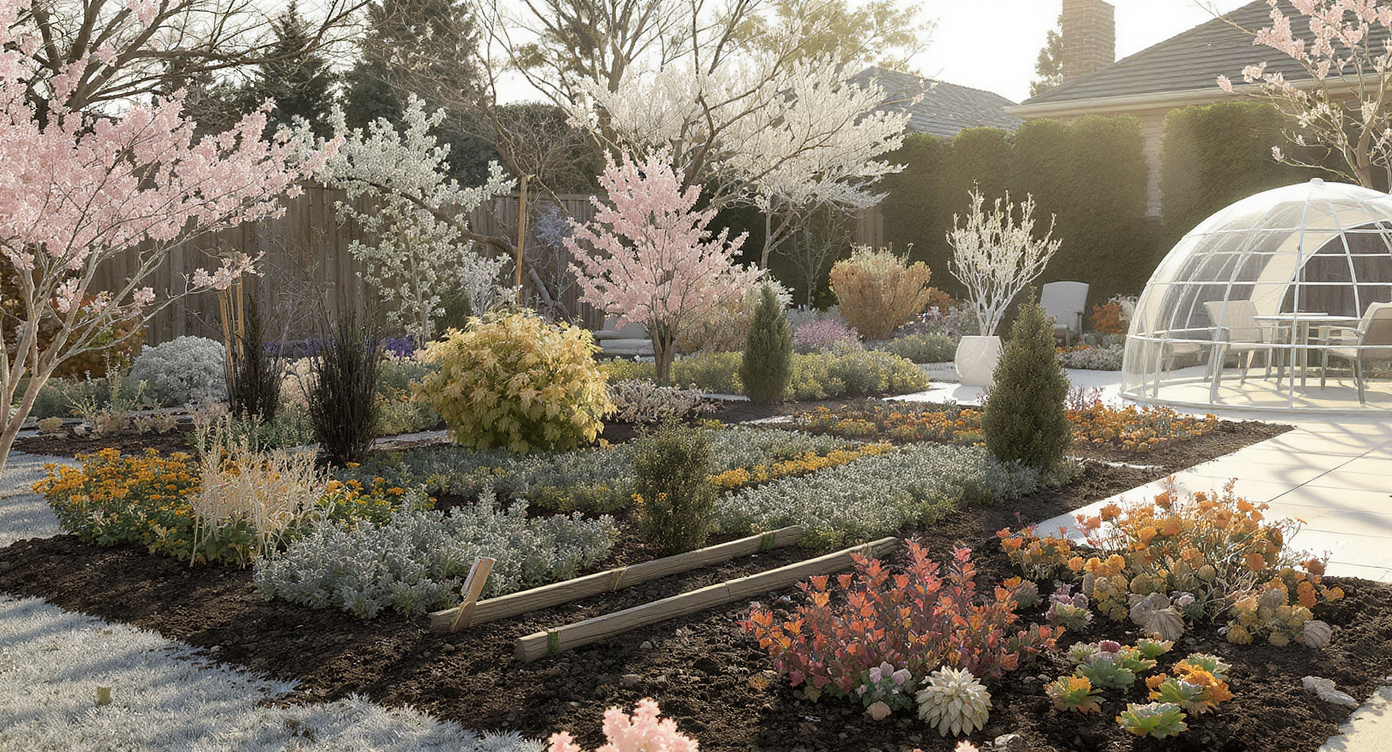
Real-world backyard scene illustrating how precise frost-date awareness enables safe planting and outdoor design in distinct microclimates.
Frost dates are more than just trivia for gardeners. They set the tempo for when lawns awaken, when borders burst into life, and when it’s safe to introduce tender annuals or launch outdoor improvement projects. For designers mapping out a new patio, vegetable patch, or perennial bed, understanding these dates often means the difference between thriving displays and seasons of frustration. Relying on broad or outdated regional averages can lead to costly mistakes. For instance, two towns just a few kilometers apart may have frost dates weeks apart due to elevation or proximity to large bodies of water. As explored when landscaping on a modest budget, timing earthworks, sowing, and planting to local frost patterns avoids wasted effort and ensures lasting curb appeal. Tools that pinpoint these dates for specific microclimates set new standards for confident, precise design.
Expert Insight
A landscape designer in southern Australia recently shared how pinpointing her region’s last frost with a free, location-specific tool allowed her to coordinate the installation of a new water feature and early perennial plantings. Rather than gambling on generalized regional averages, she confidently scheduled each stage, and despite an unexpected cold spell, her borders flourished and clients were thrilled.
-
Modern Tools Transforming Outdoor Planning
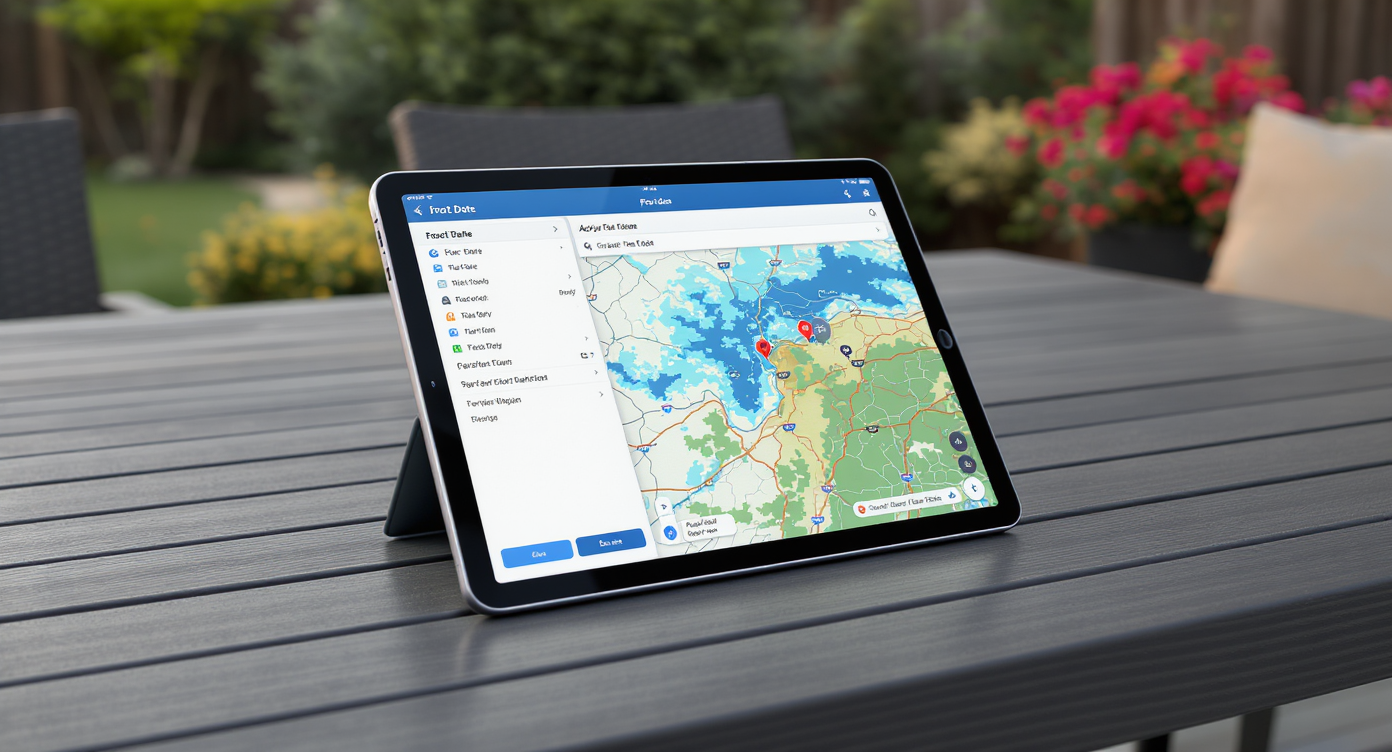
Modern digital frost date tools display custom data for backyard gardening, aiding accurate, climate-smart outdoor planning worldwide.
Not long ago, even seasoned homeowners had to rely on generic charts or ask around the neighborhood about when to plant tomatoes or lay a new lawn. Today's no-cost tools—leveraging global climate datasets—offer frost date predictions custom-tailored to your driveway or backyard. Features like map overlays, adjustable caution levels, and simple navigation put timely insights in everyone’s hands, regardless of gardening experience or region. Many users describe the relief of finally having a reference for locations not served by traditional UK or US-focused almanacs. From Australian backyards to small towns in Portugal, gardeners are finding tools that match the microclimate considerations they’ve always known were missing. For those seeking to grow high-calorie crops efficiently, knowing the true frost-free window forms the backbone of successful raised beds or compact survival plots.
-
Adapting Plans to Unique Climate Quirks
No tool will override the surprises nature can deliver, but understanding how local frost averages compare to typical weather is a step up for proactive designers. Some climates present wide swings—even a difference of weeks between two neighboring towns—which highlights the importance of cross-referencing predicted dates with on-the-ground experience. Gardeners in colder climates report that even with only a month-long safe window predicted, creative adaptations like horticultural fleece or portable cold frames help them extend the growing season. Uncovering these microclimate nuances means layout, hardscaping, and plant selection can be more ambitious or more cautious as needed. The flexibility of toggling between typical and cautious frost-date predictions enables both conservative planners and optimistic experimenters to make informed choices.
Visualization Scenario
Imagine a spring morning. You’re standing in your backyard reviewing plans for a new vegetable patch and a set of raised beds. By pulling up a no-cost online frost date checker, you select your precise coordinates and see the safe planting window for your yard. A few weeks before the last frost, you prep the soil and install path edging. As soon as your personalized date arrives, you plant out seedlings, knowing your layout and labor won’t go to waste. Ongoing confidence in the timing results in a thriving, productive space that aligns perfectly with your growing ambitions.
FAQ on Using Frost Dates for Better Garden and Outdoor Planning
Most no-cost tools now allow you to search for your town, drop a pin on an interactive map, or enter your address. These resources combine decades of climate data for reliable predictions.
Why do my local results sometimes differ from national guides?
Regional rounding can hide microclimate effects like elevation or bodies of water. Local tools factor in more precise data, which explains differences from older general charts.
How should I use typical vs. cautious frost dates?
Cautious dates give the safest window, minimizing risk to tender plants or new builds. Typical dates reflect average years and allow for longer, though sometimes riskier, activity.
Can frost dates help with more than just planting?
Absolutely. Timing outdoor construction, setting hardscape, or even choosing lawn care dates can all benefit from knowing your local frost-free window.
Where can I learn more about outdoor timing and design?
Comprehensive outdoor planning and intelligent tool use are at the core of ReimagineHome.ai—an excellent source for design and gardening inspiration.
Confident Outdoor Design Starts With Reliable Timing
In a world of unpredictable weather, using no-cost, data-driven tools to check localized frost dates is a quiet but significant advantage. Whether you’re sowing vegetables for the table, designing a lawn to last, or plotting out hardscape improvements, these resources give you the confidence to act at just the right time. Customizing your plans to your actual climate, not just an average, leads to healthier plants, fewer setbacks, and spaces that feel complete from the very start. For deeper insights, check out ReimagineHome.ai.