7 Expert Insights for Designing a Low-Maintenance Gravel and Flagstone Patio
TL;DR
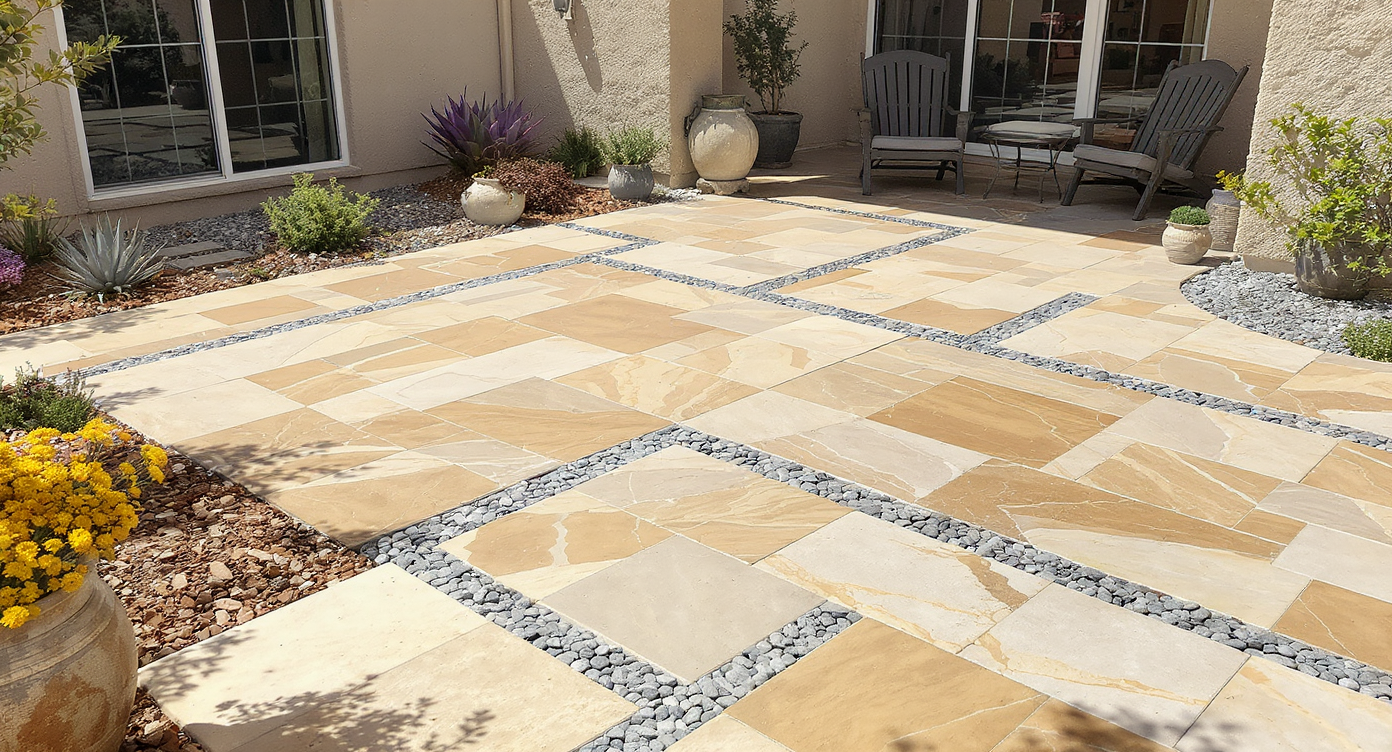
Building a gravel and flagstone patio over french drains can create a stunning, functional, and durable outdoor space with minimal long-term upkeep. A thoughtful material selection and the right installation approach are crucial for balancing aesthetics, drainage, and maintenance. These seven practical considerations help ensure your patio stands the test of time and stays easy to care for year after year.
Balancing Beauty and Practicality in Outdoor Hardscaping
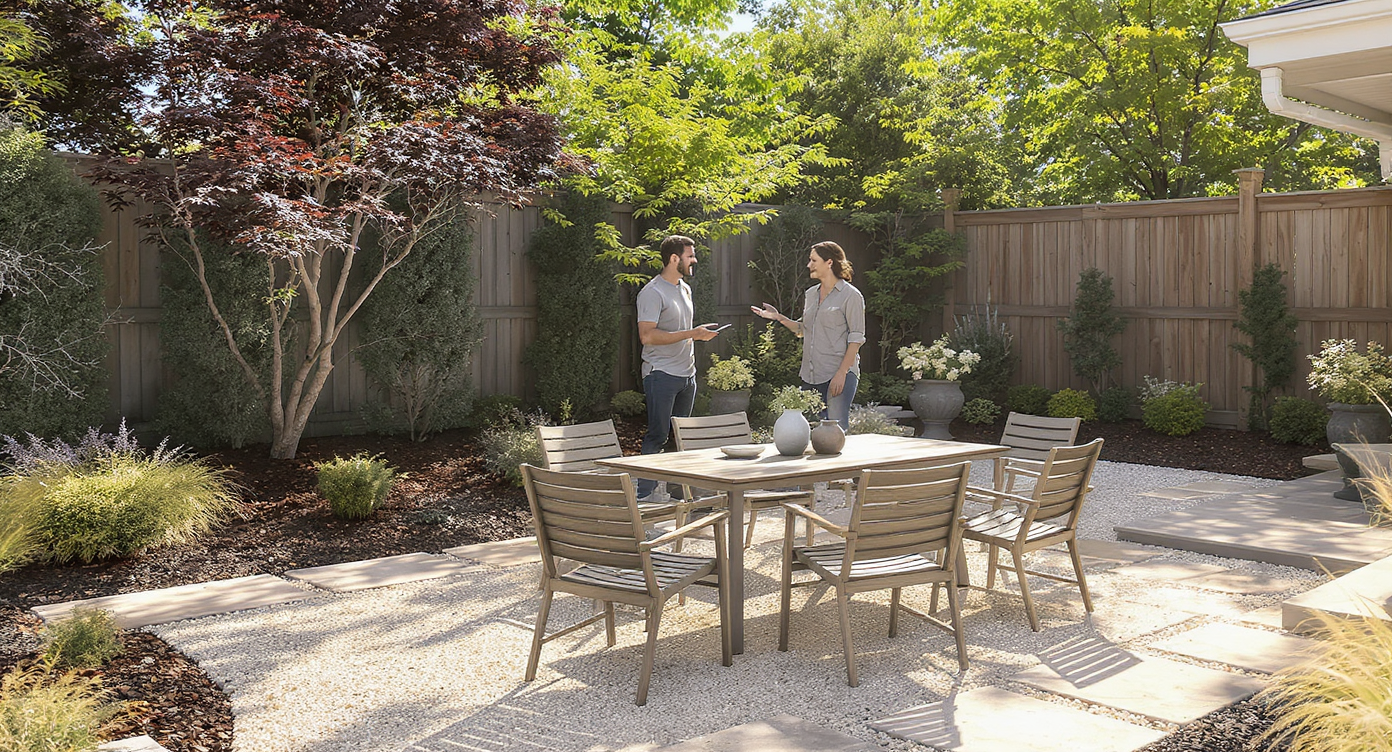
Expert patio planning blends flagstone and gravel for beauty and low maintenance, balancing water drainage and effortless outdoor living.
Creating a backyard retreat that looks inviting and stands up to the elements requires both planning and the right material choices. Homeowners considering a new gravel or flagstone patio often wrestle with concerns about drainage, maintenance, and the look underfoot. The challenge is to design a space that remains beautiful season after season while demanding as little upkeep as possible. Using permeable surfaces like gravel and flagstone is increasingly favored by those seeking sustainability, affordability, and effective water management. However, every decision—from how you manage runoff to which filler you choose for stone gaps—can impact the patio’s longevity, cleanliness, and day-to-day comfort. Here are seven key insights to help you make informed choices when mapping out your patio or path over drainage systems.
-
1. Start With a Drainage-First Mindset
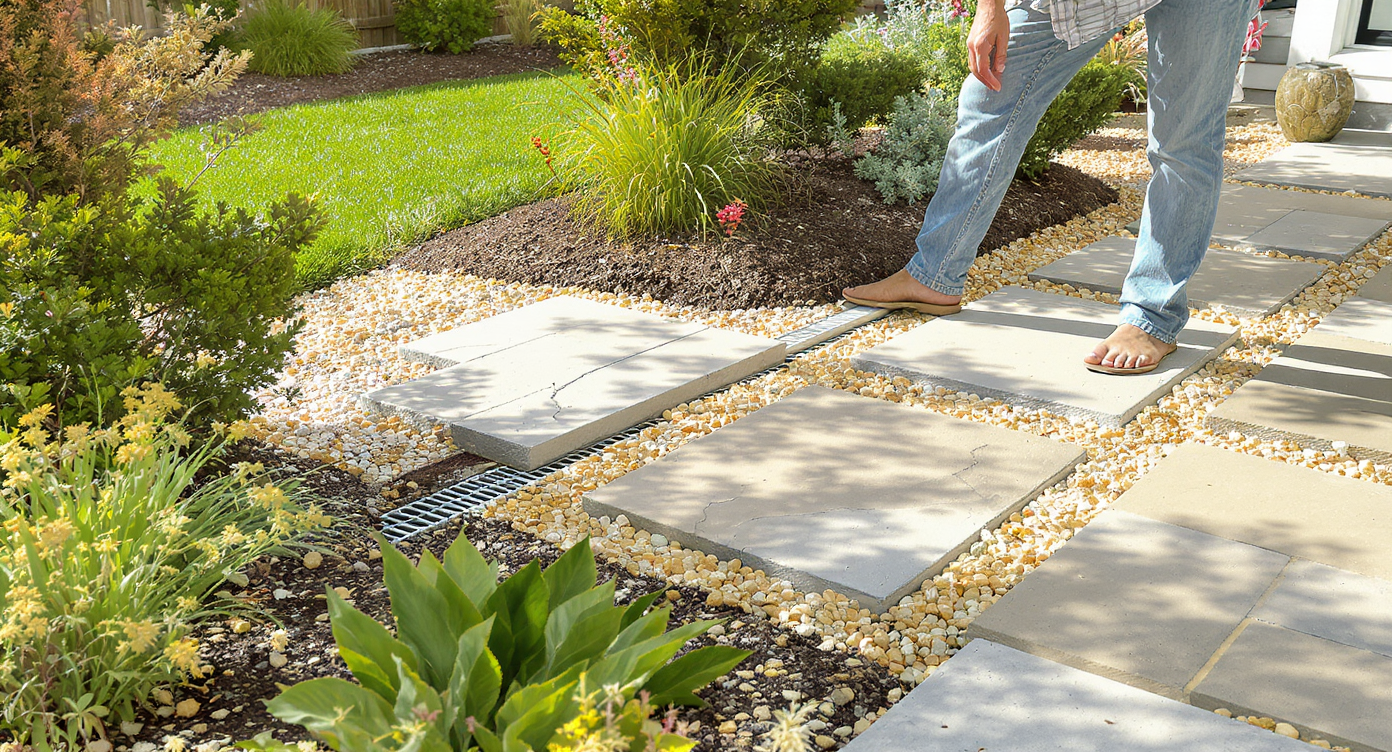
A professionally designed patio uses French drains and permeable materials to prevent water pooling, ideal for low-maintenance outdoor living.
Integrating french drains beneath hardscape elements is smart planning for homes prone to water pooling or saturated soils. Proper drainage not only preserves your patio investment but also prevents muddy messes and cracked surfaces, especially in regions with heavy rainfall. According to our guide on how to build a paver patio by hand, ensuring a stable, well-drained base is the bedrock of any long-lasting outdoor flooring project. French drains combined with permeable materials like gravel or spaced flagstones let water percolate instead of pooling, supporting both planting beds and your patio area.
-
2. Choose Gravel Types With Care
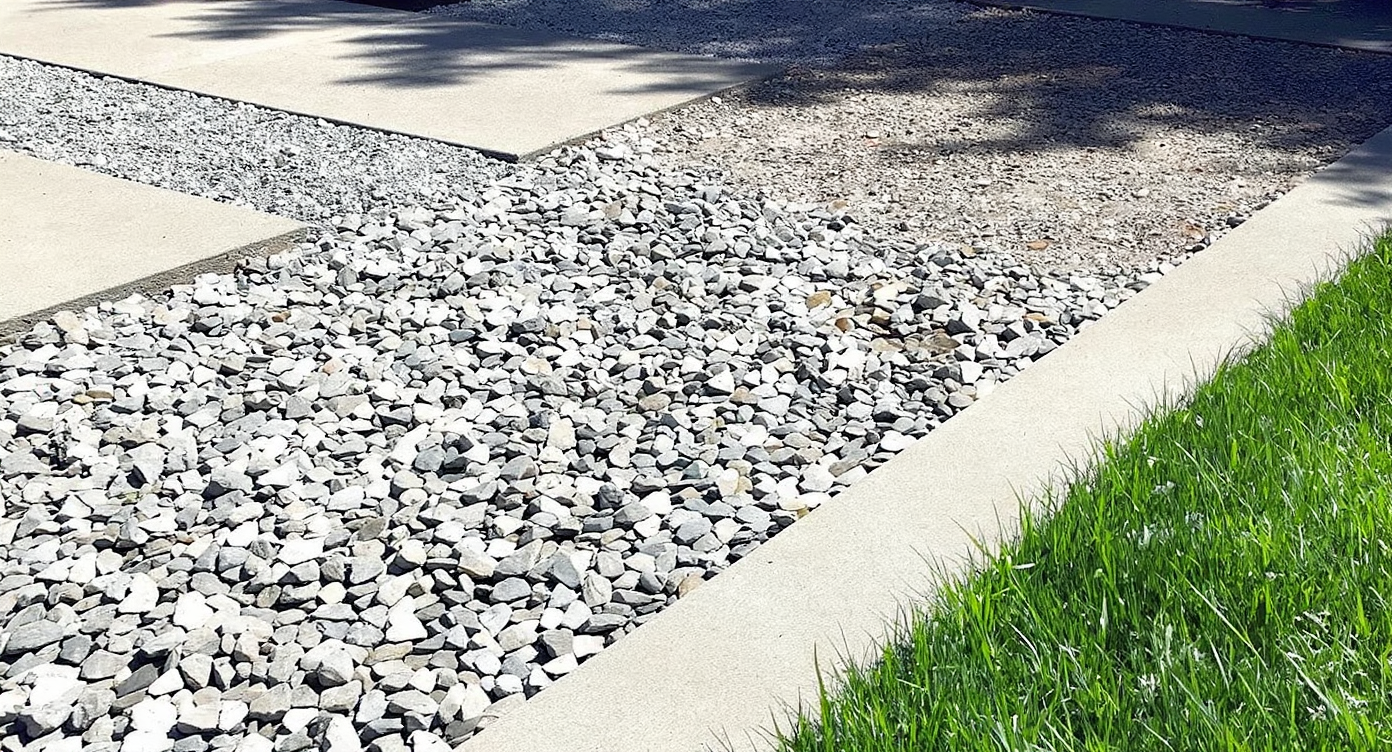
Comparing angular crushed granite and classic pea gravel along a patio, with a stone paver border keeping materials neat and contained.
All gravels are not created equal when it comes to patios and paths. Designers often note that larger angular gravel, such as three-eighths-inch crushed stone, compacts better and stays in place more than classic pea gravel. While finer materials like pea gravel or decomposed granite have appealing textures, they tend to migrate and can make their way indoors if the patio is near an entryway. For high-traffic spaces, opting for a self-binding gravel or angular crushed granite yields a firmer surface and less material tracked inside. A border of sturdier pavers or stone can help keep marginal gravels contained, especially where patios meet lawns or paths.
-
3. Flagstone Layouts Offer Stability and Style
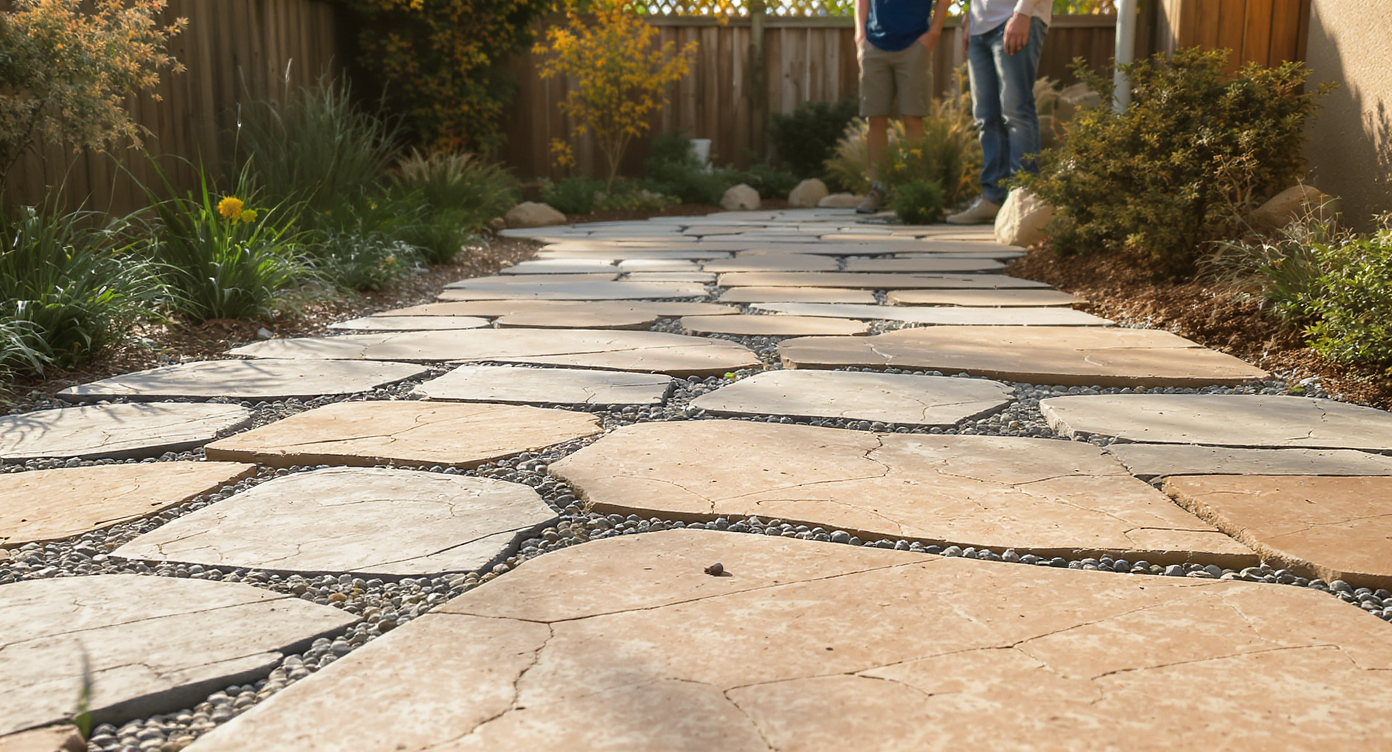
A dry-laid flagstone patio with crushed granite joints blends stability, drainage, and organic style beside native landscaping.
Flagstone remains a popular choice for its natural texture and ease of customization. Dry-laid flagstone over a compacted base allows for organic patterns and can accommodate subtle ground movement without cracks. Spacing flagstone slabs two to four inches apart and filling joints with a permeable aggregate like crushed granite supports both drainage and foot comfort. In areas with significant slope or drainage channels beneath, larger, flatter stones prevent rocking and reduce tripping. Using a random irregular layout softens straight lines and works especially well with native landscaping.
-
4. Mind the Joint Fillers
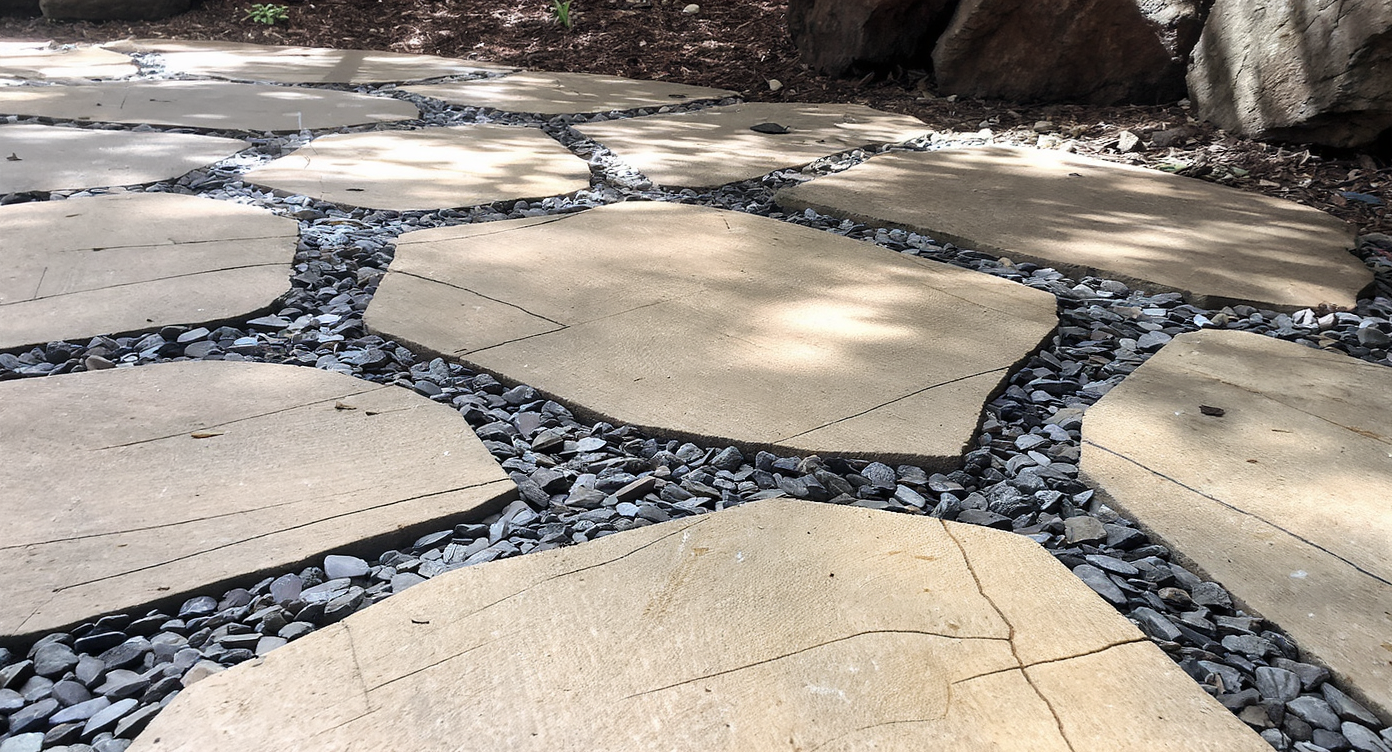
Exploring joint filler options—polymeric sand, crushed granite, and river rock—can impact permeable patio comfort and maintenance needs.
What goes between your flagstones matters as much as the stones themselves. Polymeric sand is popular for locking pavers, but for permeable patios over french drains, an open-graded gravel or crushed aggregate allows water to filter through and is less likely to host weeds or moss. River rock delivers a bolder texture but is less comfortable for bare feet than granite chips or smaller crushed stones. For those concerned about weed growth between stones, learn more about how to keep joints moss- and weed-free in the long term. Matching filler to your climate, intended use, and maintenance preferences is as important as your choice of stone.
-
5. Maintenance Realities for Permeable Materials
Even low-maintenance yards need periodic attention to look their best. Gravel paths can benefit from occasional raking to redistribute material, and flagstone patios may require joint filler top-ups over time. Leaves, seeds, and organic debris left to collect can encourage weeds, so regular sweeping goes a long way. For truly minimal effort, select materials and edges that prevent spillage and discourage weed roots from taking hold, as explored in our insights on creating a high-impact, low-maintenance yard. If you want to visualize end results with minimal guesswork, consider platforms like REimagineHome.ai that help you pre-plan materials and layout.
-
6. Edges, Borders, and Containment
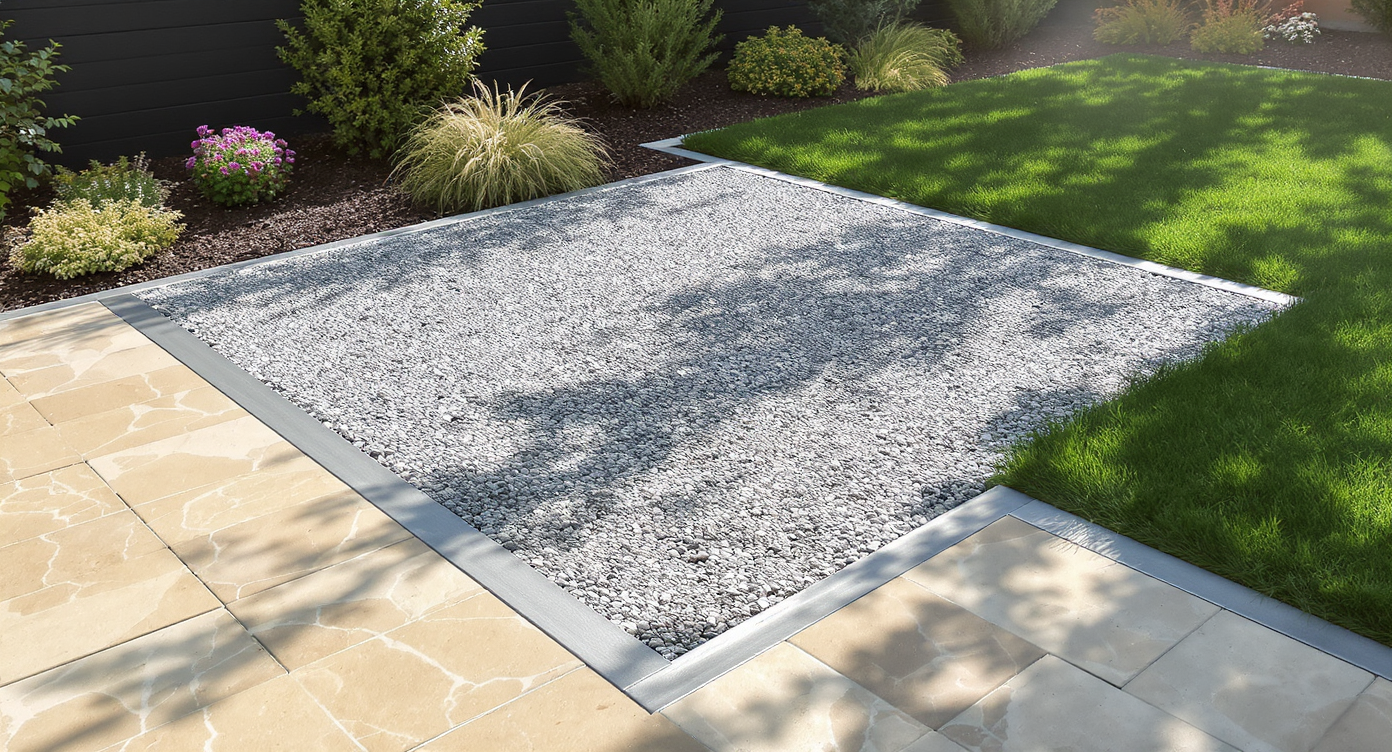
Defined steel edging creates tidy transitions between patio, lawn, and plantings, keeping gravel neatly contained for easy maintenance.
Smart edging is as functional as it is decorative. A defined border—be it steel, stone, or paver—prevents your loose gravel from spilling into surrounding garden beds and lawn. It also provides a finish that elevates the overall look of a gravel or flagstone patio. In hardscape design ai applications, strong edges are often used in ai landscaping for low maintenance yards because they maintain clean transitions between surfaces and reduce the labor intensive task of constantly sweeping stray gravel back into place.
-
7. Budgeting for Materials and Professional Input
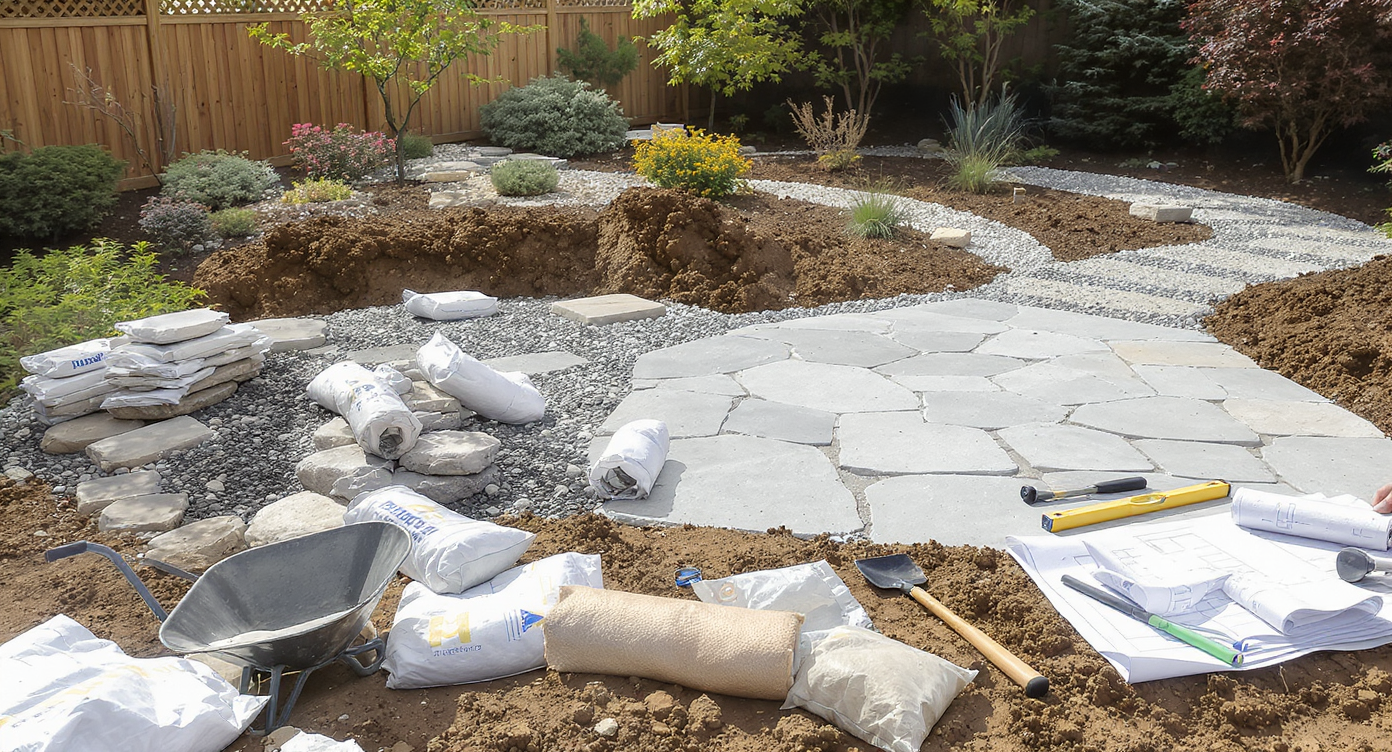
Reviewing materials and plans helps homeowners accurately budget gravel and flagstone patios and decide when to consult a pro.
Material choice and scale of project drive overall costs. While gravel is usually more budget-friendly than large-format stone, both may require foundation prep that impacts pricing. DIY approaches save on labor but increase the need for careful planning and the right tools. For those considering upgrades beyond basic gravel, costs can include base rock, geotextile fabric, or professional drainage work. For clarity on price differences and planning for a resilient build, see our analysis on what a paver patio and retaining wall really take to build. Experienced contractors can advise on the nuances of layering hardscape over drainage systems and help troubleshoot before you break ground.
Frequently Asked Questions About Gravel and Flagstone Patios
Gravel patios tend to allow water to percolate, avoid cracking, and require only occasional raking or top-ups, making them appealing for those who want hardscaping with less upkeep than poured concrete.
How do you keep weeds out of gravel or flagstone joints?
Persistent sweeping, the use of open-graded aggregate, and periodic refilling are effective. For further details, see our discussion of keeping paver joints weed-free.
Will installing french drains beneath my patio really help?
French drains can protect your patio from water damage, shifting, and muddiness by channeling water away before it collects under your hardscape.
What role can tools like REimagineHome.ai play in patio planning?
Platforms such as REimagineHome.ai are valuable for pre-visualizing materials, patterns, and layouts, letting you fine-tune design choices for function and upkeep.
Is gravel more affordable than flagstone for patios?
Generally yes, though project costs depend on chosen materials, subsurface prep, and whether professional help is used. Our review of 2025 hardscaping costs outlines typical price ranges for different installation types.
Key Takeaways for a Lasting, Low-Maintenance Patio
A thoughtful mix of material knowledge, drainage planning, and practical maintenance will set your gravel or flagstone patio up for years of beauty and performance. Matching your needs to the site's specific conditions ensures a surface that drains well, offers the right look, and keeps upkeep in check. Tools like REimagineHome.ai empower you to visualize, compare, and test design ideas before committing—helpful for designing both low-maintenance and high-style outdoor spaces.