9 Lessons Homeowners Learn the Hard Way From Furniture Store Regrets

TL;DR
Bad furniture experiences are rarely just about a single item. Homeowners share patterns of poor delivery, elusive warranties, and design regrets that can haunt your living space—and your wallet—for years. Here's what to learn and how to avoid the cycle of frustration and wasted effort.
Why Furniture Regrets Are So Common

A modern living room featuring newly delivered furniture with visible imperfections, messy unpacking, and complicated return paperwork.
Frustrations with furniture stores have become a frequent rite of passage for many homeowners. From subpar customer service to disappointing product quality, the wrong furniture decision can linger long after it enters your space. These experiences highlight a set of repeat pitfalls, including general design regrets and logistical headaches, that can undermine both comfort and investment. For those balancing aesthetics, practicality, and budget, a misstep in furnishing or renovating is more than inconvenient. Complicated returns, damaged goods, and poor communication during delivery quickly turn dreams of a refreshed home into ongoing stress. Drawing on real examples, these lessons aim to help homeowners navigate around the most common issues and avoid the regrets that so often follow.
-
1. Delivery Woes Are the Rule, Not the Exception

A large, just-delivered furniture box and scattered tools in a home entryway, with scratches on the wall and floor from a rushed delivery.
Homeowners routinely mention missed delivery windows, unprepared crews, and surprise drop-offs late at night. It is not uncommon for delivery teams to arrive hours outside the scheduled timeframe, sometimes forcing recipients to scramble with logistics or tools. These problems grow when delivery is outsourced to third-party companies, making accountability diffuse and resolution difficult. When damage occurs—like a cracked window or scratched wall—it often becomes a matter of prolonged dispute instead of prompt service. These logistic hassles can undermine the excitement of a new purchase, especially when buyers are left dealing with a maze of support contacts or a lack of response entirely.
-
2. Communication Breakdowns Lead to Long-Lasting Stress
Follow-up after a sale can be remarkably frustrating. Many homeowners describe months of unanswered calls, escalated claims that go nowhere, and endless promises of call-backs that never materialize. Support teams may be friendly during the sales process but become evasive as soon as problems arise. This hands-off approach extends to warranty claims and refunds, with some customers forced to accept lengthy interest-free payment plans or take legal action just to reach a resolution. As detailed in our resource on living room layout and furniture fit, the aftermath of a bad purchase can impact daily comfort as much as the furniture itself.
-
3. General Design Regrets Snowball Into Larger Issues
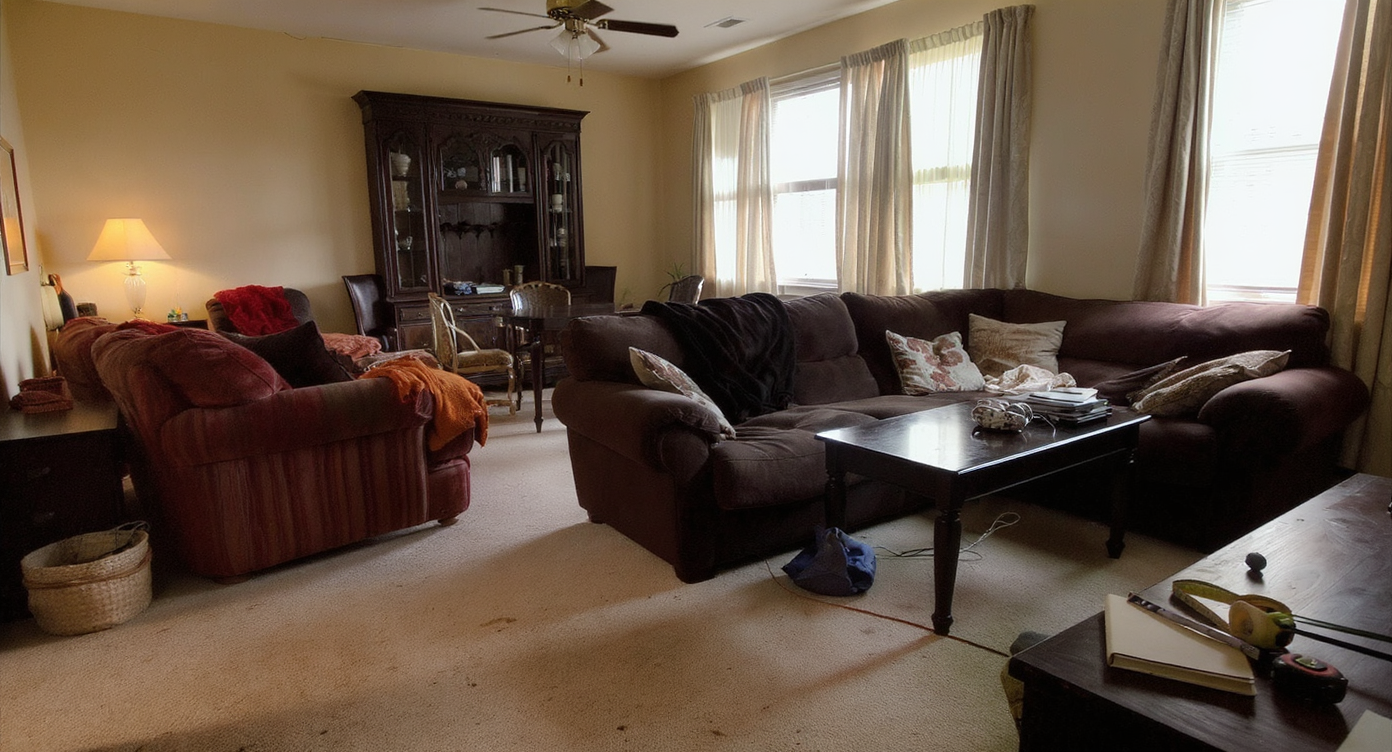
A poorly planned living and dining area, where oversized furniture disrupts flow and comfort—showcasing the consequences of misjudged scale.
Regrets start with the wrong choice, but poor planning often multiplies the consequences. Whether it is buying a sectional that overtakes the space or choosing a dining table that does not fit, misjudging size and flow can make an expensive investment feel instantly out of place. Inadequate measuring, overreliance on showroom display, and last-minute changes to layout can compound frustration. This not only affects comfort but also leads to logistical complications, such as returns or exchanges. Our furniture style guide explains why proper scale and room flow matter so much for lasting satisfaction.
-
4. Outsourced Logistics Can Threaten Home Value
It is increasingly standard for retailers to delegate delivery and installation to third parties, a choice that reduces oversight and can lead to a lack of accountability. Stories abound of delivery crews causing property damage—cracked windows, chipped walls, or dented floors without recourse. The challenge is compounded when communication barriers exist or teams arrive unequipped for basic tasks. Filing damage claims often results in protracted standoffs, as retailers and logistics providers point fingers at each other. Effective risk management now includes photographing spaces before and after, documenting every interaction, and considering companies with in-house, well-reviewed delivery networks.
-
5. Unclear Warranty Coverage and Awkward Claims
Plenty of furniture shoppers are seduced by the promise of comprehensive warranties. Yet, discover that coverage has confusing exclusions or is administered by opaque third-party providers. Homeowners report denied claims over technicalities—such as "failure of assembled joint"—or drawn-out waits for service calls that never occur. Some repairs end with a compromised fix or minimal compensation, leaving buyers to either accept store credit or make fixes themselves. The mismatch between expectation and reality makes reading the fine print and reviewing claim experiences essential homework before purchase.
-
6. Design and Furniture Quality Are Falling Short
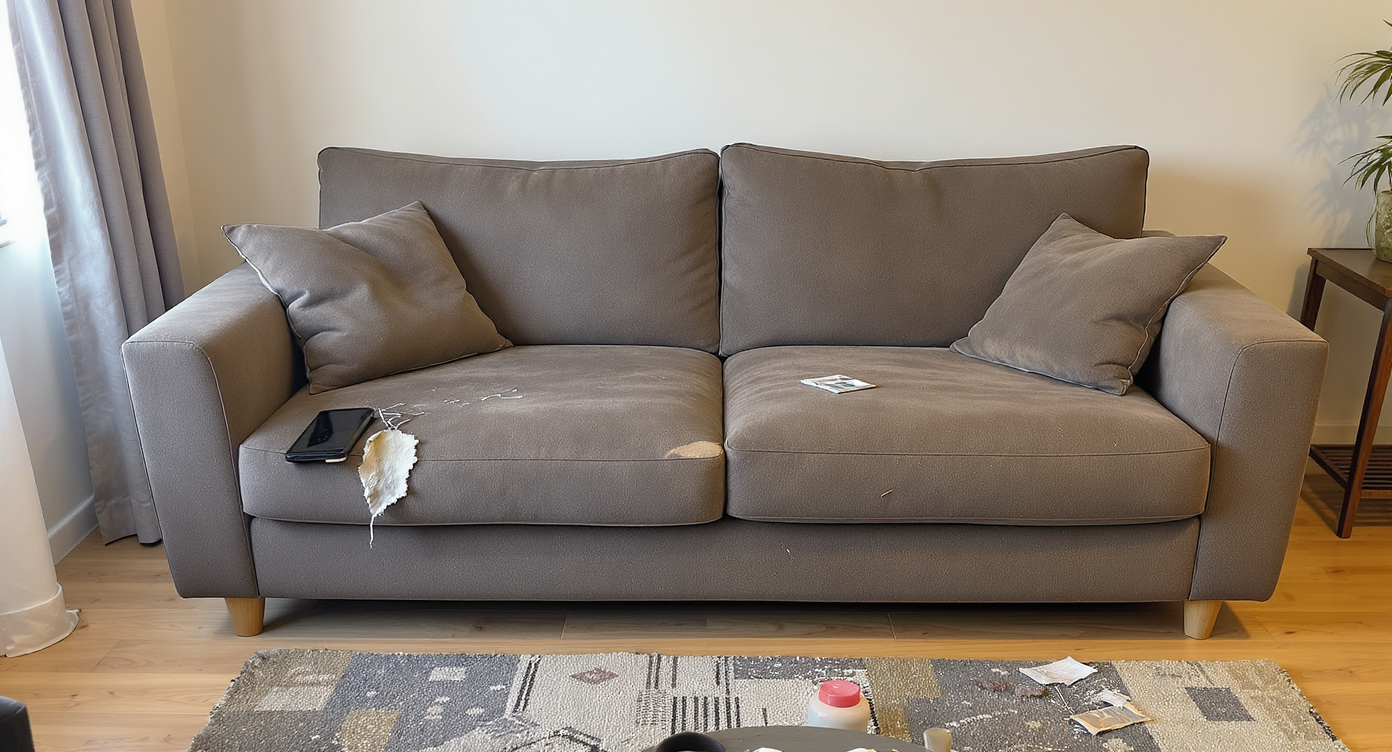
Visible wear on mid-priced furniture—sagging cushions, broken frames, and synthetic surfaces—highlights the pitfalls of declining quality.
A pattern emerges across homeowner accounts and industry observation: even mid-range price points no longer guarantee quality construction. Reports of cushions flattening within months, frames breaking under normal use, and synthetic finishes wearing poorly are common. Furniture built from particleboard or cheap materials but marketed at premium prices can fuel renovation regrets as rooms feel tired prematurely. As explored in our guide to furniture arrangement and flow, investing in better-made or thoughtfully sourced items—often from local retailers—repays itself with longevity.
-
7. High Pressure Sales Tactics Undermine Trust
Aggressive upselling, hovering sales staff, and inconsistent in-store and online pricing quickly erode confidence. Some shoppers experience bait-and-switch attempts, heavy-handed attempts to add unwanted items, or pressure to sign off on financing before fully understanding terms. These tactics make it difficult for buyers to feel in control, sometimes resulting in hasty or regretted decisions. Experienced shoppers suggest always verifying prices online and taking the time to compare offers from multiple retailers before committing.
-
8. Returns, Refunds, and Buyer's Remorse
Returning furniture can become its own ordeal. Complaints frequently involve unfavorable restocking fees, arbitrary return windows, and denial of refunds even when problems are documented. Shoppers are sometimes left with partial orders—like a footstool delivered but a sectional canceled—or must accept store credit for defective items instead of cash refunds. The burden of proof often falls on buyers, who must meticulously document timelines and defects. These cumbersome return policies are a structural part of why general design regrets linger and frequently evolve into broader renovation regrets.
-
9. Local Showrooms and Digital Tools Mitigate Regrets

A living room showroom integrates digital planning—real furniture and a tablet displaying a virtual layout help visualize choices before buying.
Considering locally owned retailers provides opportunities for customization, higher accountability, and community word-of-mouth. Homeowners express more durable satisfaction with stores that offer transparent warranty processes and face-to-face service. Testing out furniture arrangements with virtual tools like REimagineHome.ai lets you visualize how specific pieces will fit, helping prevent mistakes in both scale and design. Exploring a potential layout virtually is a step many wish they had taken prior to purchase. Using resources like the small living room layout guide can clarify what will work in your unique conditions, making the decision process more informed and less risky.
Frequently Asked Questions
Common causes include misjudging the scale of furniture relative to room size, unclear return policies, lack of transparency in warranties, and poor delivery coordination. Virtual planning and careful research can help to avoid these mistakes.
How can I tell if a sofa will actually fit my living room?
Accurate measurement of both your furniture and your room is crucial. Refer to resources like our sofa size vs. living room layout guide and consider digitally testing arrangements through tools such as REimagineHome.ai before making a commitment.
Are warranties on furniture worth it?
Warranties can be beneficial, but their value depends on what they cover and how claims are handled. Always read the fine print, inquire about specific exclusions, and look for reviews on claim experiences from other customers.
What should I do if my furniture delivery causes property damage?
Immediately document the damage with photos and written records. Notify both the retailer and delivery provider in writing as soon as possible. Escalate your claim and, if necessary, consider involving oversight organizations.
How can I prevent buyer’s remorse when furnishing a new space?
Take the time to plan your layout with digital tools, cross-check reviews, and compare quality assessments before making significant purchases. Leverage reputable guides and platforms like REimagineHome.ai to inform your decision.
Turning Experience Into Smarter Shopping
Homeowners' stories illustrate how easily general design regrets and practical frustrations become entrenched in our living spaces. Delivery surprises, vague warranties, and declining product quality are systemic, but better preparation can prevent costly missteps. By leveraging virtual planning tools like REimagineHome.ai, reviewing in-depth furniture arrangement advice, and prioritizing transparency from retailers, buyers can reclaim control and cultivate spaces that truly last.