7 Practical Glass Railing Guidelines for Safe, Modern Staircase Design
TL;DR
Glass railings offer safety and a modern look when properly engineered. Use laminated or tempered glass, correct thickness, approved mounting, and code-compliant heights for sturdy, safe results.
Introduction
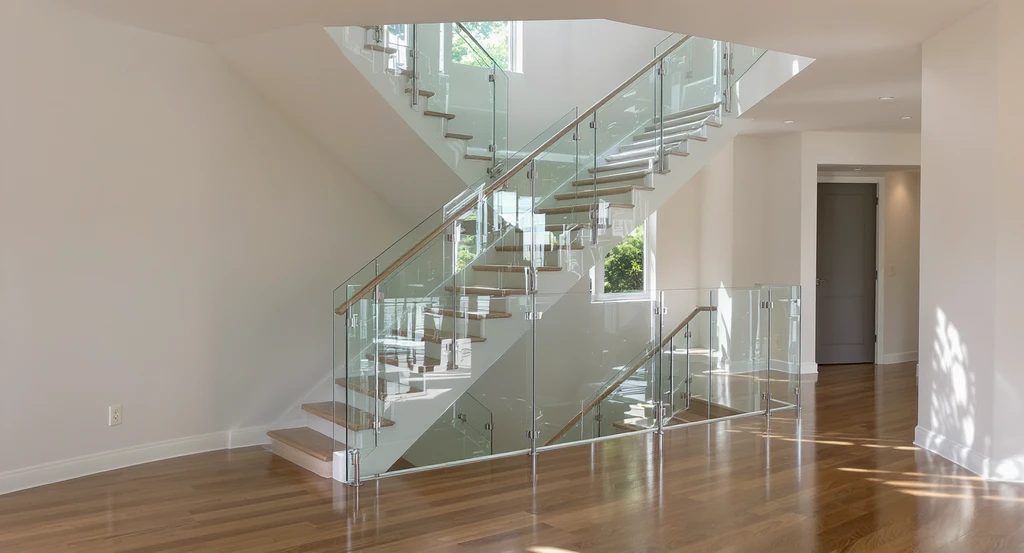
Explore ai visualization for glass railings with this modern staircase scene, illustrating best ai tools for interior glass railing design and how to evaluate glass railing safety with ai-powered home renovation insights.
Glass railings have surged in popularity for their ability to make interiors feel open and bright. But homeowners often wonder: are they truly practical, sturdy, and compliant with safety codes for daily use? This article reviews the most common mistakes in glass railing design, what causes these issues, and provides clear, technical corrections grounded in real architectural practice. Each tip is designed to help you visualize, plan, and execute glass railings that deliver both visual appeal and lasting safety.
-
01. Selecting the Wrong Glass Type Reduces Safety
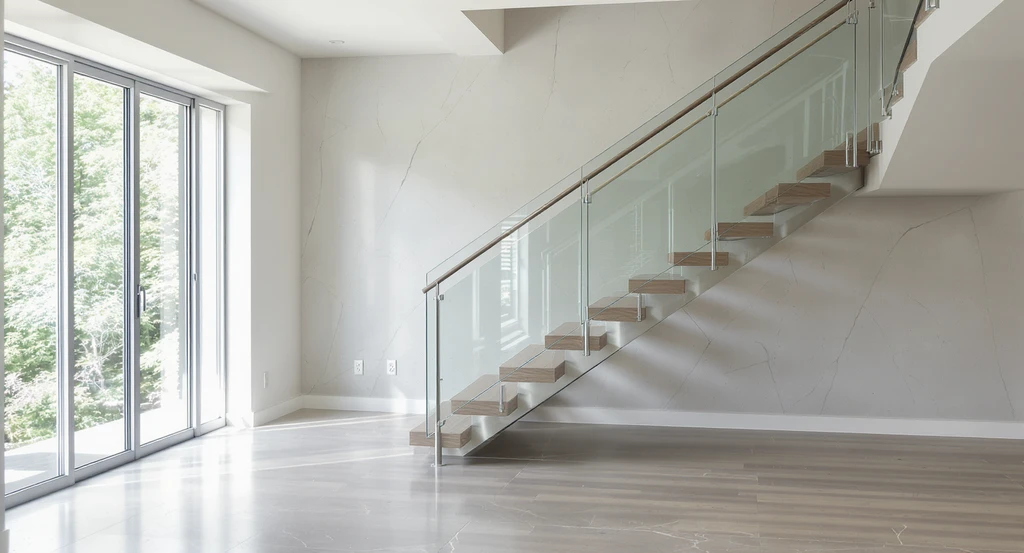
Evaluate glass railing safety with ai visualization: compare regular and tempered glass panels on a modern staircase, using best ai tools for interior glass railing design and virtual staging ai for home renovation with glass.
Many homeowners opt for standard glass panels, thinking all glass looks similar. This is a significant safety error, as regular glass is not engineered to withstand impacts or pressure.
Always use tempered or laminated safety glass. Tempered glass is much stronger than ordinary glass and breaks into small, less harmful pieces if shattered. Laminated glass has an internal film that holds broken pieces together, which is especially important for elevated spaces. This requirement is echoed by both code and industry, as also noted in our guide to basement stair railing safety.
-
02. Ignoring Glass Thickness Leads to Unsafe Installations
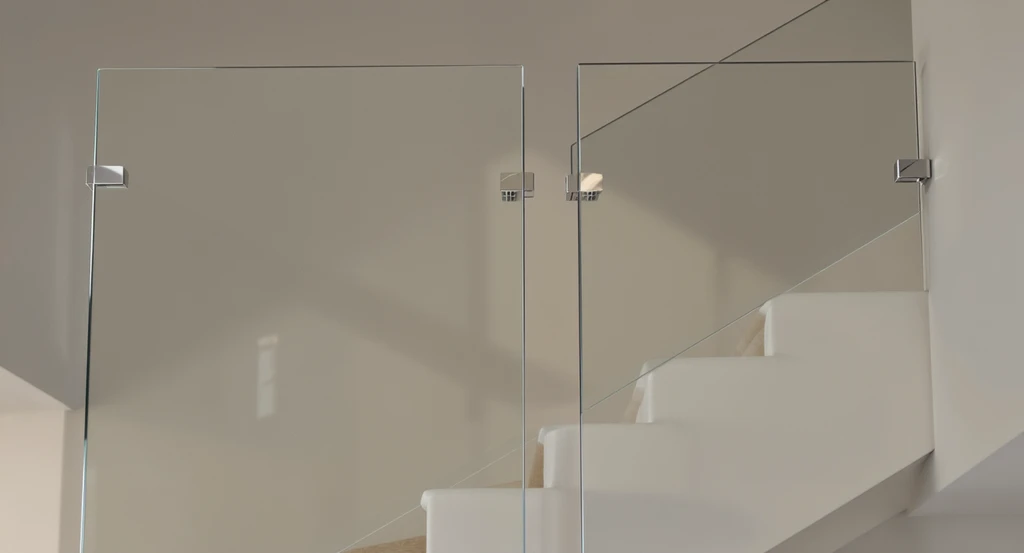
Ai visualization for glass railings demonstrates the critical difference between thin and safe glass panels on modern staircases. Use the best ai tools for interior glass railing design and virtual staging ai for modern staircases to identify proper glass thickness and evaluate glass railing safety.
Using panels that are too thin is a frequent mistake, often due to misunderstanding structural loads or trying to save cost. Inadequate thickness results in vulnerability to impact and flexing.
Follow these thickness guidelines:
- 10–12 mm for framed railings (interior)
- 12–16 mm for frameless or exterior installations
Always consult local building codes and structural requirements, balconies and exteriors usually need thicker, reinforced panels. Double-checking thickness ensures your railing resists everyday forces and accidental knocks.
-
03. Skipping Code-Compliant Height Compromises Protection
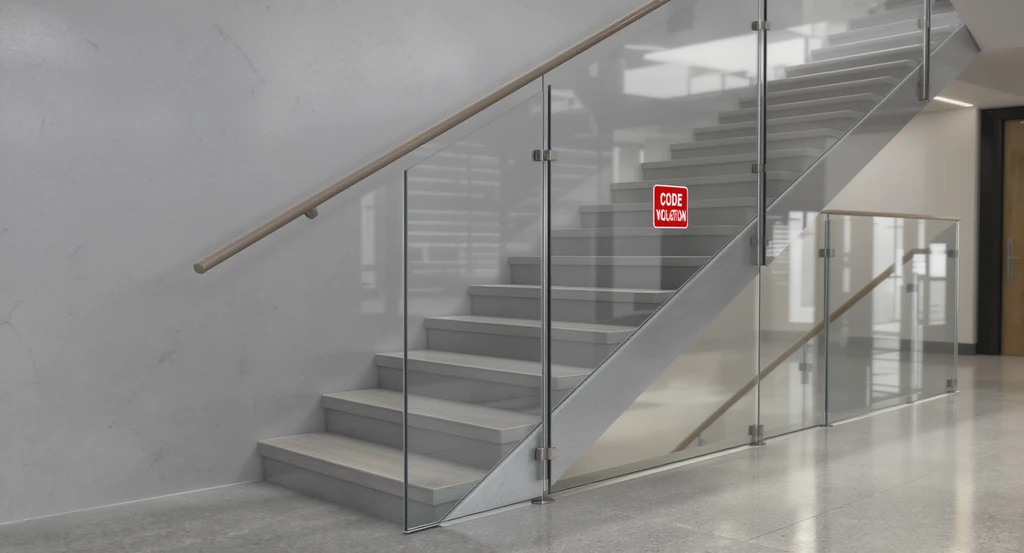
03. Skipping Code-Compliant Height Compromises Protection Image
Railing height is not just a visual decision. Installing railings below minimum code height leaves users exposed to fall risks, while excessively tall railings can look awkward or block sightlines.
The standard safety heights are:
- 36 inches for interior stair railings
- 42 inches for balconies or exterior decks
Measure from the tread nose (stairs) or walking surface (balconies) to the top edge of glass. Confirm all measurements before glass fabrication and installation.
-
04. Using the Wrong Mounting System Weakens the Structure
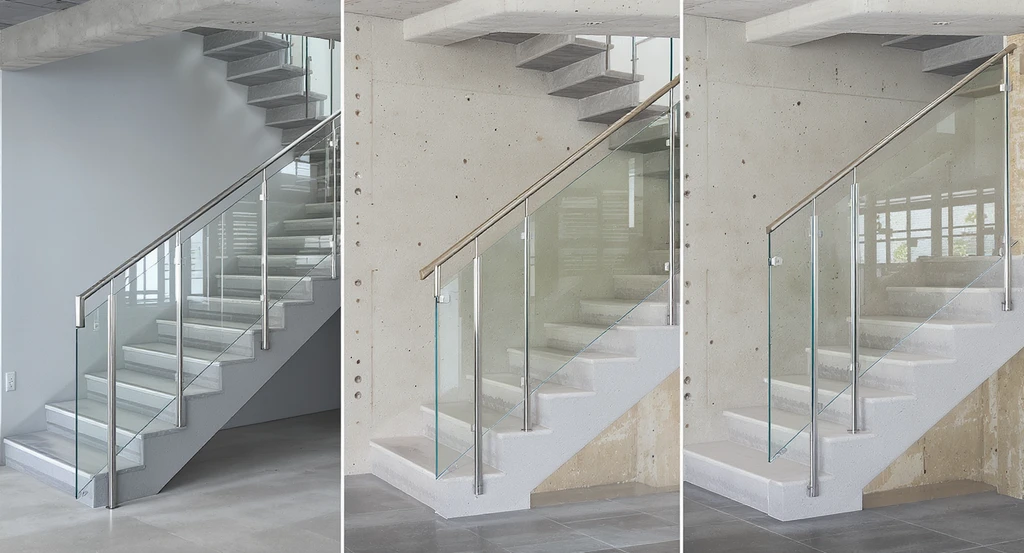
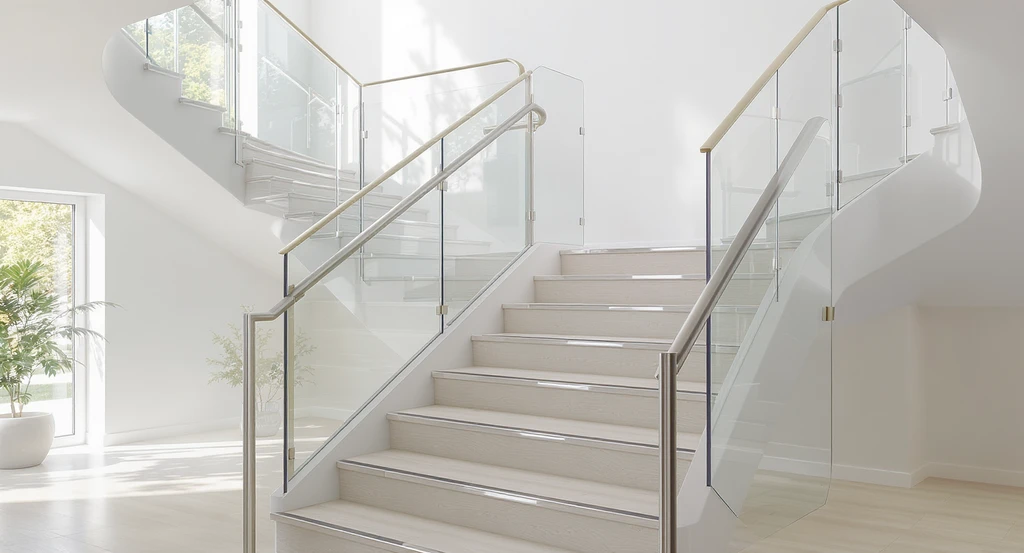
See how ai visualization for glass railings and the best ai tools for interior glass railing design help compare framing, semi-frameless, and frameless mounting systems—key for evaluating glass railing safety with ai-powered home renovation ideas.
Incorrect or insufficient mounting is a leading reason for glass railing failures. Homeowners may underestimate the hardware load or select mounts only for appearance, not for structural demands.
There are three primary systems:
- Framed mounts: Full metal perimeter, safest and most forgiving for small thickness variation.
- Semi-frameless: Metal posts or clips, requires accurate panel size and sturdy surface anchors.
- Frameless: No visible frame, panels anchored by base channels or standoffs, requires thick, heavy glass and high-precision installation.
Assess the support framing and substrate before ordering your mount system. Previewing options with REimagineHome AI (using a virtual staging feature) helps test visibility, safety, and hardware clearance before you drill or buy.
-
05. Overlooking Handrail Integration Reduces Ergonomics
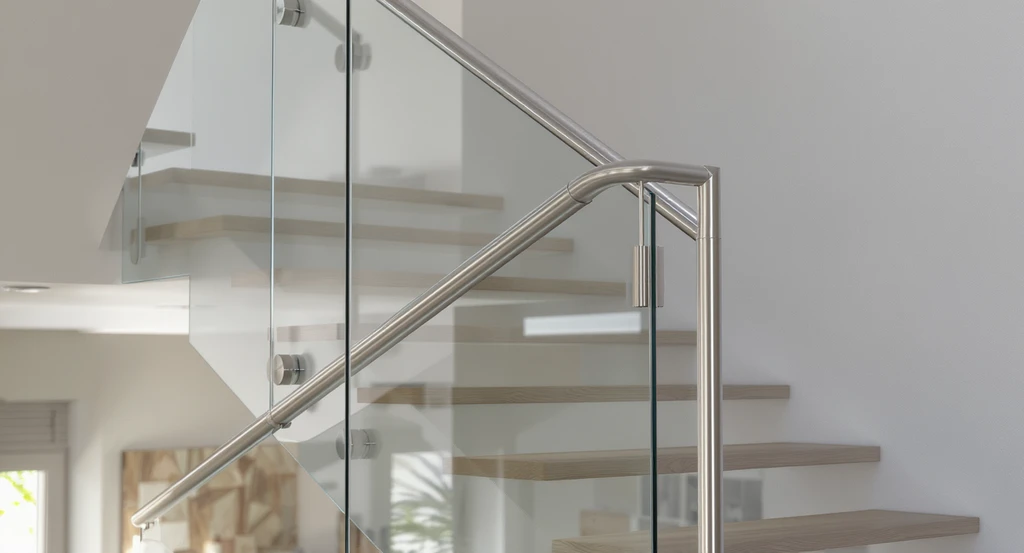
05. Overlooking Handrail Integration Reduces Ergonomics Image
Forgetting to add a functional handrail is a surprisingly common oversight, especially in minimalist designs. Many codes require a graspable handrail for any staircase, regardless of guard configuration.
Even if a glass panel forms the main guard, a separate handrail is needed for safety, especially for children, the elderly, or anyone needing support. The handrail should be continuous, follow the stair pitch, and be securely anchored, see more detailed rationale in our DIY railing guide. Ensure no interruptions along the length and that handrails are located at the correct grasping height; this prevents accidents and meets code requirements.
-
06. Ignoring Connected Views and Lighting Effects
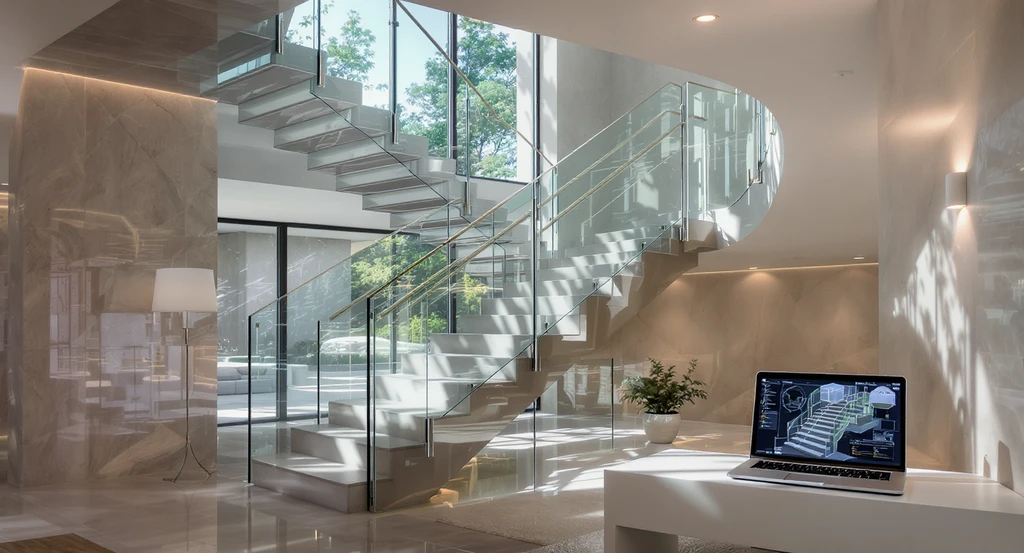
AI-powered virtual staging tools visualize glass railing design, demonstrating how to evaluate staircase lighting, safety, and seamless modern sightlines for home renovation.
Long, unbroken glass panels may create glare, shadow, or reflection issues. Skipping a lighting plan can leave stairways either too bright (if reflecting sunlight) or too dim (if blocking lamp placement).
Review how daylight and artificial light will interact with the glass. Test shadow lines and sightlines by plotting out where fixtures, windows, and the railing meet. Connected views between staircases, entryways, and living spaces should feel seamless, a concept sometimes missed when focusing only on the railing itself. Visualizing options with AI tools prior to installation helps avoid awkward lighting reflections and maximizes the impact of natural light, as outlined in our advice on planning a renovation sequence.
-
07. Underestimating Maintenance and Cleaning Challenges
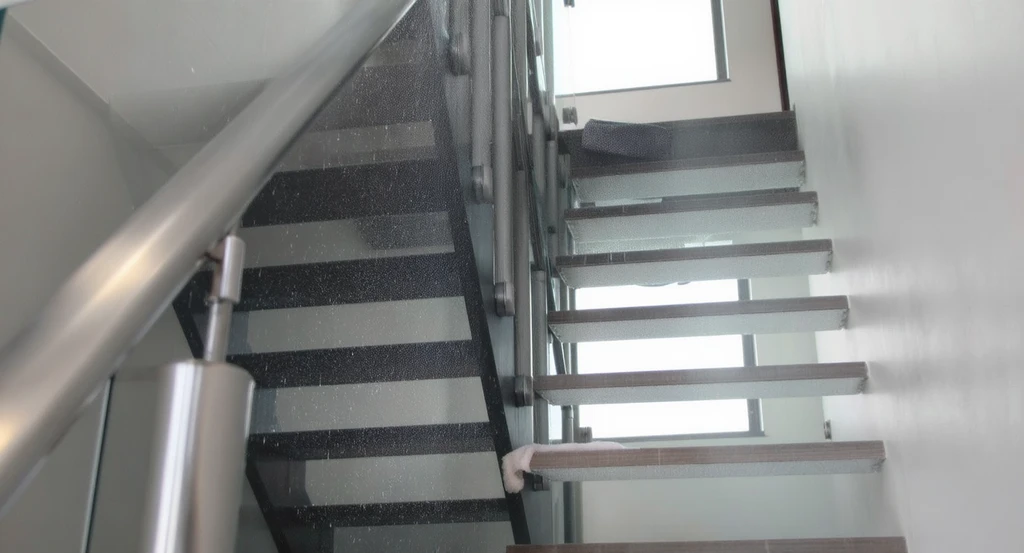
07. Underestimating Maintenance and Cleaning Challenges Image
Glass railings require more frequent cleaning than wood or metal, and fingerprints or water spots can quickly detract from the clear look.
To keep glass railings practical:
- Specify low-iron glass for better clarity and less tinting
- Apply a water-repellent or anti-smudge coating
- Use handrails or grips to limit direct hand contact with glass
- Design so cleaning is accessible, avoid hard-to-reach panel edges
Maintenance may be a concern, but planning ahead simplifies upkeep and preserves the optical benefits of glass.
Frequently Asked Questions
Are glass railings code-compliant for homes?
Yes, if installed to local building standards with approved glass and mounting systems.
Do glass railings always need a handrail?
For staircases, a graspable handrail is typically required. Walls, decks, or balcony glass guards may not need a separate rail—always check your code.
Are glass railings safe for kids and pets?
Tempered or laminated glass panels are highly resistant to breakage and designed to prevent falls or injury when sized and installed correctly.
Where can I see glass railing options before buying?
Use virtual staging tools to preview different railing types, mounting systems, and spacing before purchasing, as recommended in our DIY railing options guide.
Is it expensive to install glass railings?
Cost can be higher than wood or metal, especially for frameless systems, but advanced planning and correct sourcing can control budget—see our renovation planning guide for more tips.
Conclusion
Glass railings can be a practical and attractive solution when technical guidelines are respected. Focus on safety glass, correct thickness, code height, strong mounting, and easy cleaning for optimal results. Carefully preview hardware and layout decisions, ideally using AI visualization, before ordering materials or beginning installation. This structured approach ensures your glass railings deliver on both form and function.