Decoding Front Yard Design: Choosing Low-Maintenance Plants for Heat and Style
TL;DR
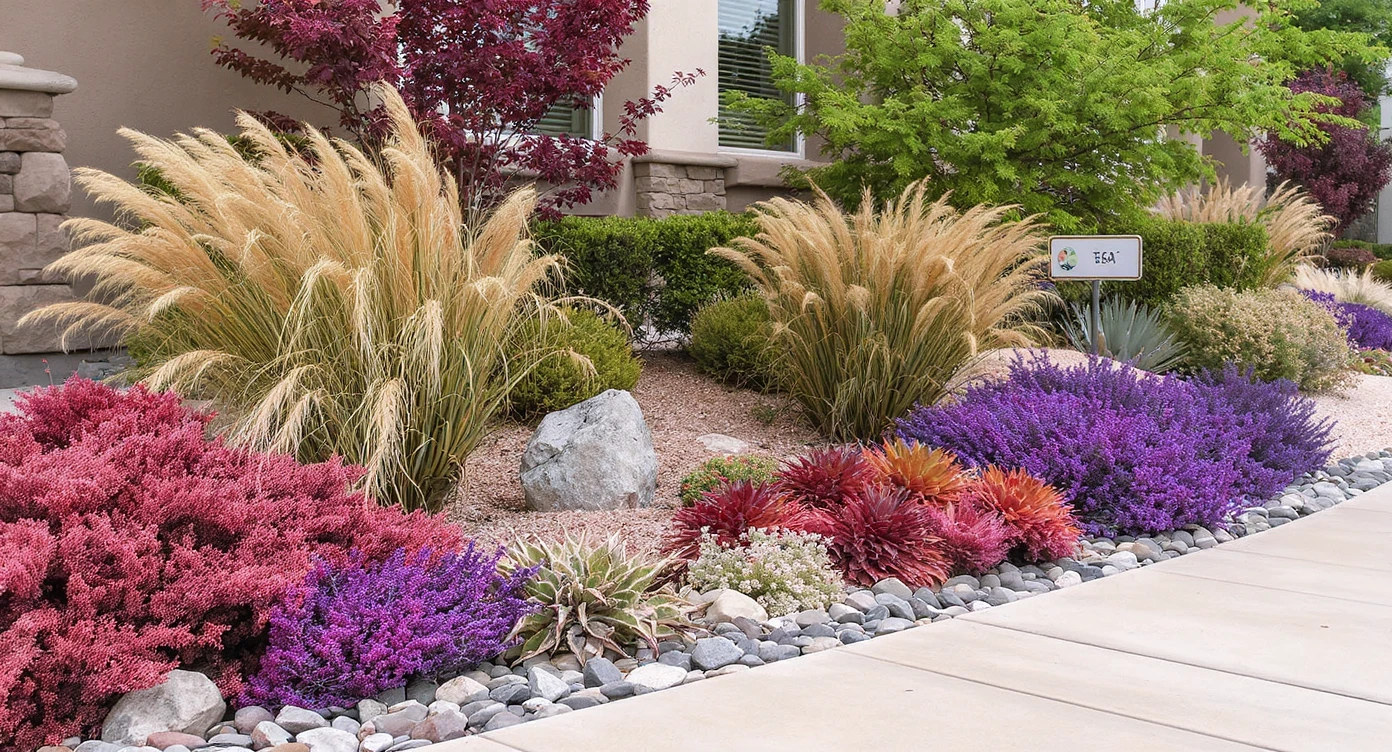
Selecting plants for a sunny, warm-climate landscape starts with durability and simplicity. Focusing on drought-tolerant species and layered beds offers both resilience and year-round beauty. When plant identification proves tricky, turning to landscape design principles and regional-favorite selections ensures low maintenance and lasting curb appeal.
When Plant IDs Only Go So Far
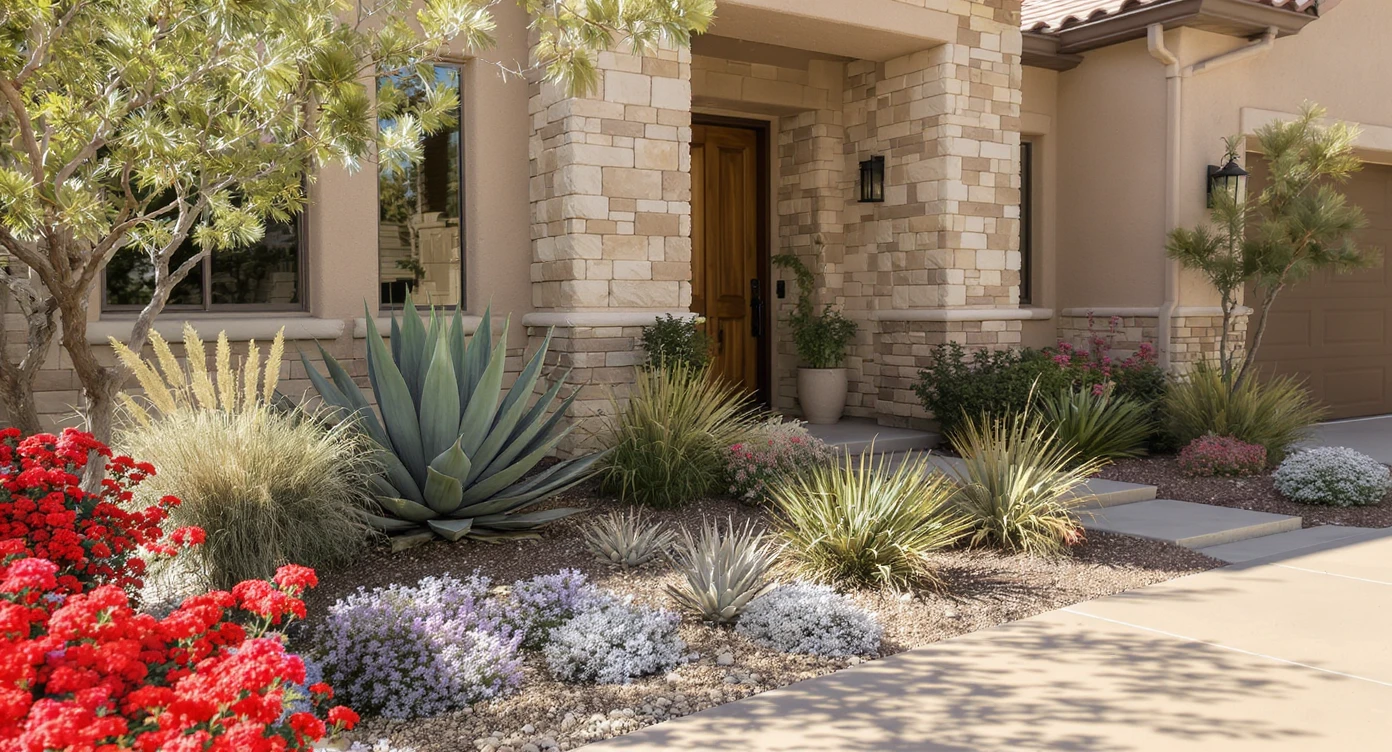
A stylish, low-maintenance front yard blends contemporary architecture with climate-smart plants for effortless curb appeal in warm regions.
Contemporary home exteriors in regions like central Texas often boast distinctive architectural lines paired with purposeful landscaping. Many homeowners, inspired by striking front yards in their neighborhoods, are tasked with adapting these looks to their own properties. Sometimes, deciphering the exact plants from a photo isn’t realistic—resolution, angle, and distance blur distinguishing features. Yet the desire for the same effortless style and practical upkeep remains. Rather than fixating on botanic technicalities, successful front yard design blends structure, texture, and smart plant selection that fits the climate. This approach works whether you’re renovating a limestone-and-brick façade, a stucco variation, or seeking an upgrade to builder-basic beds. The key is creating a welcoming, enduring arrival experience—without resorting to plant detective work.
-
Understanding Your Landscape’s Needs
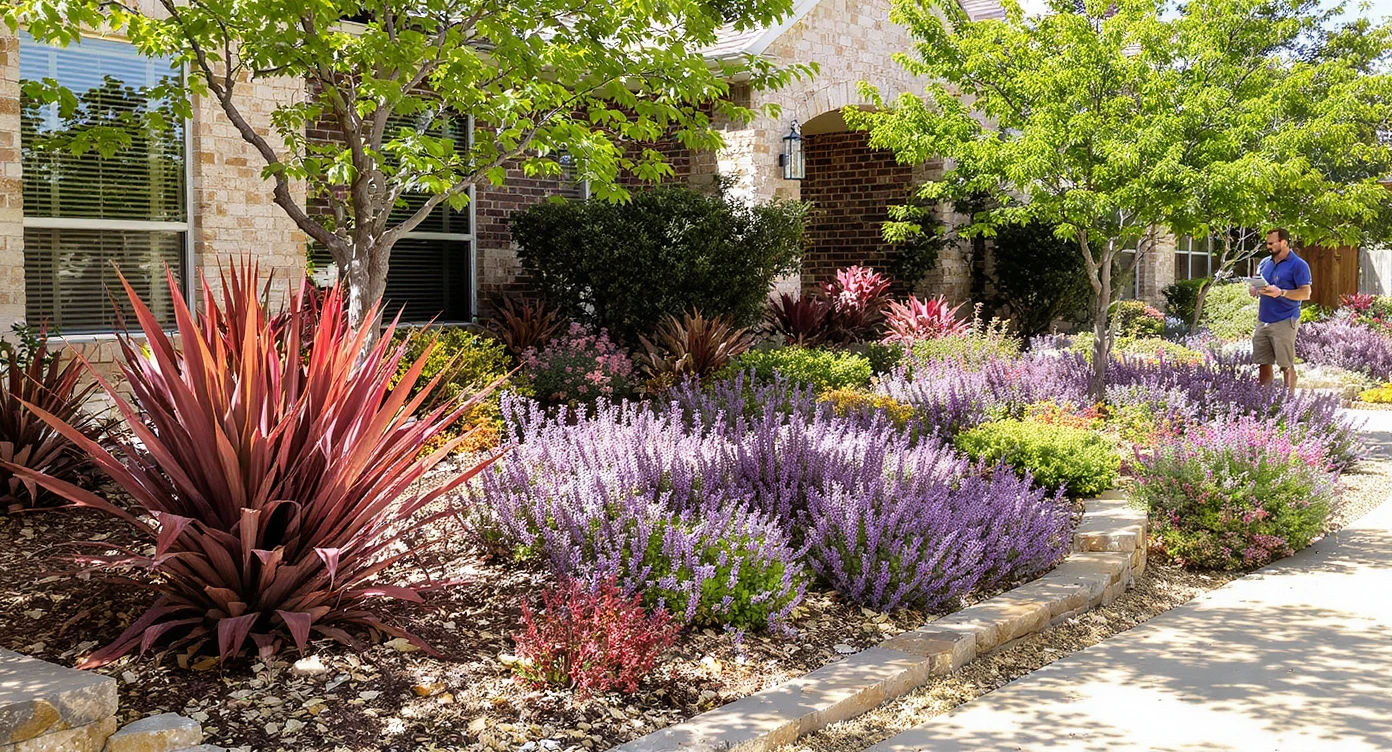
A Texas front yard designed for heat and style, using climate-adapted plants and practical hardscaping for lasting curb appeal.
Every beautiful yard starts with a clear-eyed assessment of tough local realities. In central Texas, heat, drought, and intense sun dominate. Selecting plants that naturally thrive under these conditions is essential, not just for ease, but for lasting curb appeal. Designers often recommend looking to climate-proven selections rather than specialty exotics. Palettes for heat-prone areas commonly feature species like red yucca, dwarf yaupon holly, salvia varieties such as Henry Duelberg sage, and autumn sage. These are resilient to temperature extremes and typically require less frequent irrigation once established. Sunset-facing yards that broil in afternoon heat demand especially tough specimens, while deep shade is rarely suited to most low-maintenance choices. Homeowners in newer developments sometimes inherit builder-installed monotony or less-adapted species—reimagining these with better suited plants and updated hardscaping creates a more inviting and practical exterior. As we explored in the real rules of low-maintenance landscaping, gardening and hardscaping, the right match between plant and place always outperforms sheer plant identification.
Expert Insight
A homeowner in Austin recently found herself inspired by a neighbor’s artful but unfussy flowerbeds. Initially frustrated by her inability to identify the plants from the curb, she turned to a simple strategy: observe the overall shapes and arrangements, then visit a local nursery for recommendations. Instead of matching every variety exactly, she wound up with a palette of red yucca, compact holly, and a burst of seasonal salvia—resulting in a yard that neighbors soon asked about for their own projects.
-
Focusing on Design Principles Over Perfect Identification
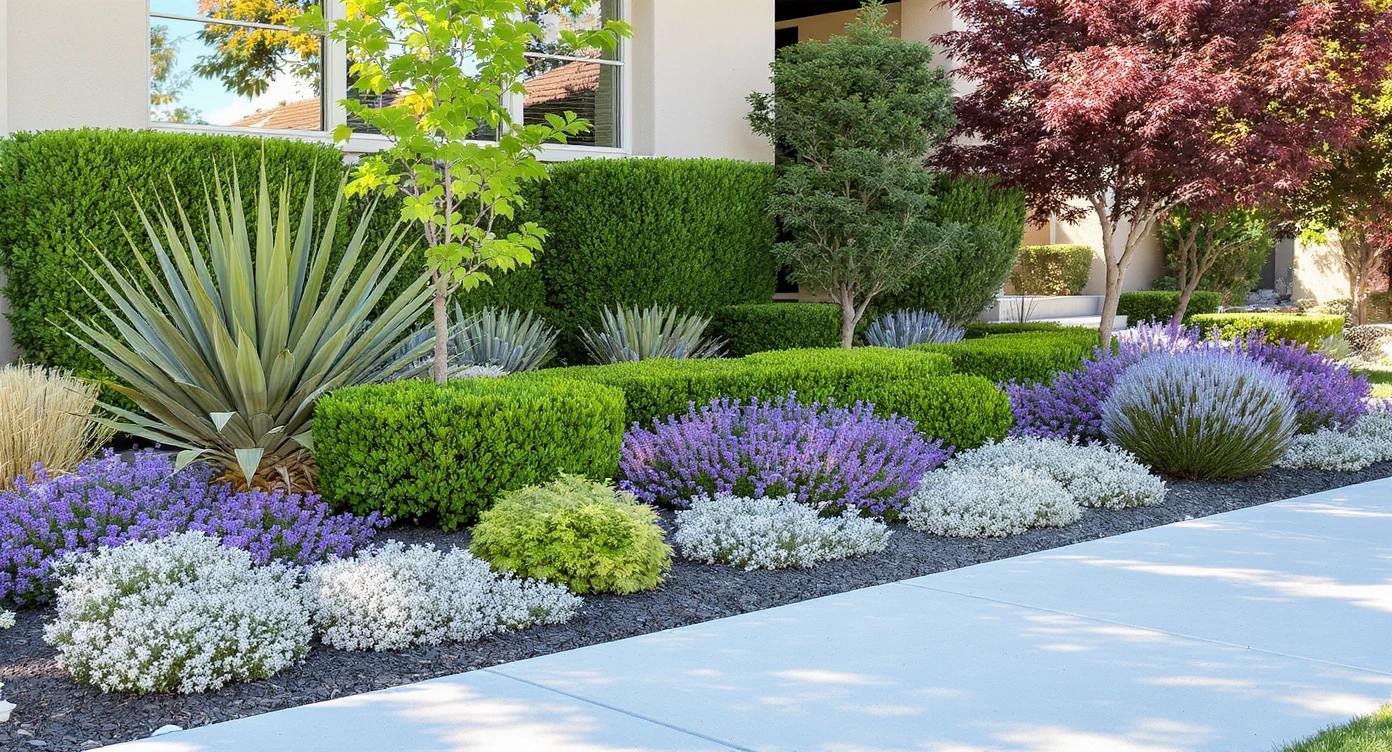
Repeating forms and contrasting shapes anchor this front yard, showing how design principles create curb appeal and low-maintenance style.
A drive through any modern neighborhood reveals the impact of considered planting. Even without knowing the Latin names, visually distinctive plants—beaked yucca, sky pencil holly, boxwoods—communicate intention. But translating inspiration to your own lot works best when you shift the goal from copying exact species to recreating the same feel. This process leans on core landscape principles: repetition for cohesion, contrast for interest, and massing for impact. For example, upright forms (like beaked yucca or vertical hollies) anchor bed corners while lower-growing ground covers soften hard lines. Rounded shrubs provide structure, and occasional blooming perennials add seasonal highlights. These choices echo what makes photo-inspiration settings look so polished. When the aim is low maintenance, layered beds with drought-tolerant selections set in simple patterns are especially effective. Mulched areas support weed suppression and moisture retention, as recommended in eco-friendly, low-maintenance landscaping ideas that actually work. This approach keeps weekend chores to a minimum and sets the stage for lasting enjoyment.
-
Flexible Plant Pairings for Modern Yards
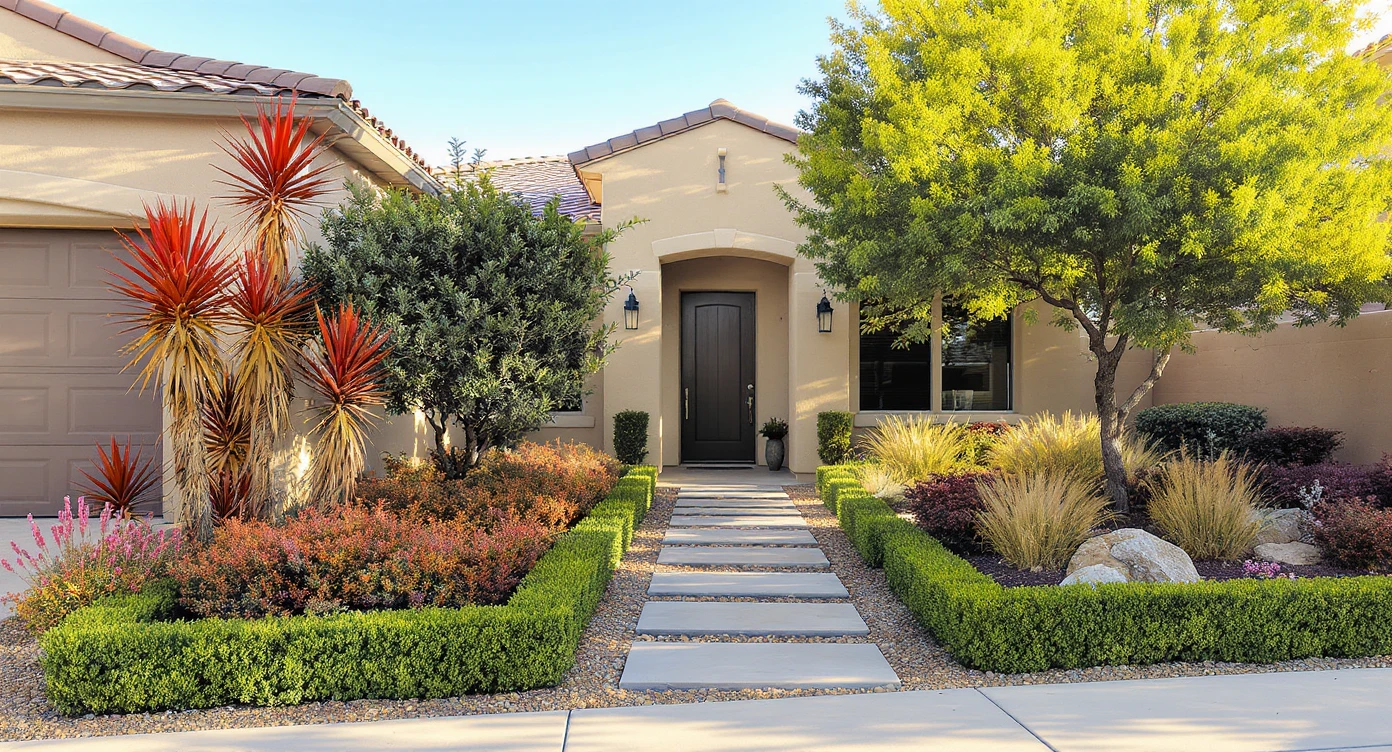
Layered low-maintenance plantings like red yucca, holly, and native grasses create a modern, adaptable front yard for warm climates.
Contemporary front yards thrive on versatility. Instead of insisting on exact plant matches, consider adaptable palettes. Red yucca, with its striking spires, pairs well with autumn sage’s bright blooms and dwarf yaupon holly’s dense green form. Adding a willow oak at the edge can offer filtered shade in time, while native grasses deliver movement and textural contrast. Where refined architecture calls for a streamlined look, boxwood or compact holly cultivars along entryways frame geometry with neatness. Mixing these region-appropriate selections creates year-round presence with just enough variation to avoid monotony. As described in 10 low-maintenance landscaping ideas shaping 2025 yards, simplicity often wins—minimizing plant varieties in each bed but using them in greater numbers for cohesion and impact. For those juggling personal taste and neighborhood guidelines, combining evergreen backbone plants with a seasonal accent (like agave or flowering sage) can please most HOA scrutiny while keeping future upkeep reasonable.
Visualization Scenario
Picture yourself pulling into your driveway under the late afternoon sun, greeted by layered beds of sculptural yucca, tidy mounds of native holly, and splashes of sage. The concrete path is framed with textured rocks and mulched beds. Even months after planting, these selections remain vibrant, requiring little more than a seasonal trim and the occasional spot of weeding. The architecture, whether limestone and brick or stucco, is accentuated by the simple clarity of the plant choices—a front yard that’s both inviting and effortless.
Frequently Asked Questions
Plants categorized as low-maintenance in central Texas typically withstand high heat and prolonged drought, require minimal supplemental irrigation once established, and are usually resistant to common pests. Yaupon holly, red yucca, sage varieties, and native ornamental grasses are consistent performers.
Can AI really recommend suitable landscaping plants?
Yes, AI platforms can suggest plants tailored to your region, sunlight, soil, and desired style, often drawing from large databases of climate-specific, proven options. These recommendations streamline the selection process and broaden ideas you might not have considered.
Is it ok to mix native and non-native plants in a drought-tolerant yard?
It is possible, but experts recommend that the majority of your selections should be native or well-adapted because they generally require less care and are more likely to thrive with minimal watering.
Should I prioritize hardscaping or planting for curb appeal?
Most designers recommend a balance. Hardscaping structures like stone edging or paths define the bones of the yard, while thoughtfully chosen plant groupings provide texture and seasonal change. Low-maintenance beds work best when both areas are planned together.
How can I experiment with layouts before committing?
Virtual design tools such as ReimagineHome.ai allow you to test plant arrangements, explore color schemes, and preview curb appeal enhancements before you start any digging.
Bringing Vision to Life—Beyond Plant Names
Effective landscaping for modern, sun-drenched homes doesn’t require perfect identification skills. By focusing on resilient, well-suited plants and adapting foundational design principles, any homeowner can replicate and even improve upon the curb appeal of their favorite inspiration photos. Texture, repetition, and native plant choices are the allies of a low-maintenance yard. For those eager to visualize potential layouts or curious about plant combinations before digging in, platforms like ReimagineHome.ai help transform your ideas into reality and set you on the path to a landscape as functional as it is eye-catching.