Hidden Inspiration: How Plant Nurseries Shape Outdoor Design Ideas
TL;DR
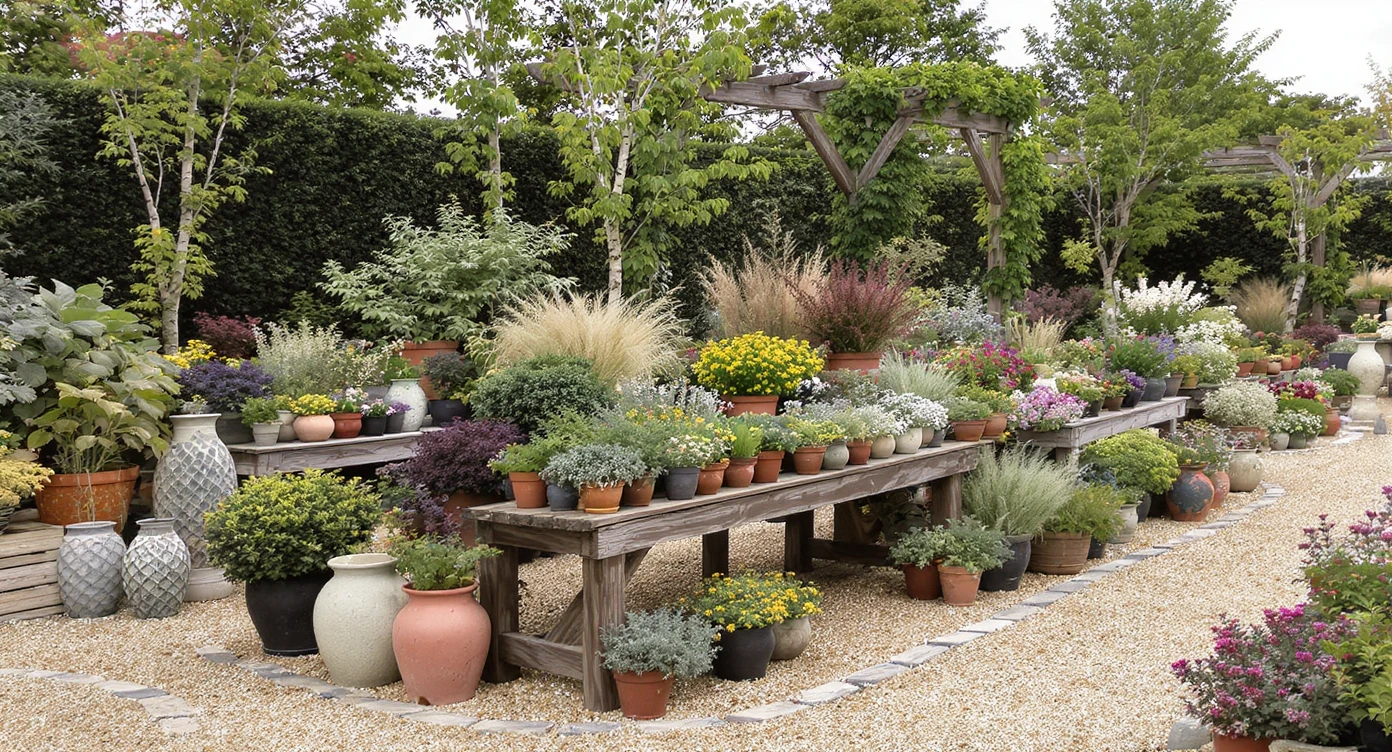
Exploring a local plant nursery is one of the most rewarding ways to spark fresh ideas for your overall outdoor design. Surrounded by thriving greenery and creative arrangements, visitors discover new possibilities for green spaces, learning firsthand how different species, display techniques, and design styles can come together at home.
Where Outdoor Design Takes Root
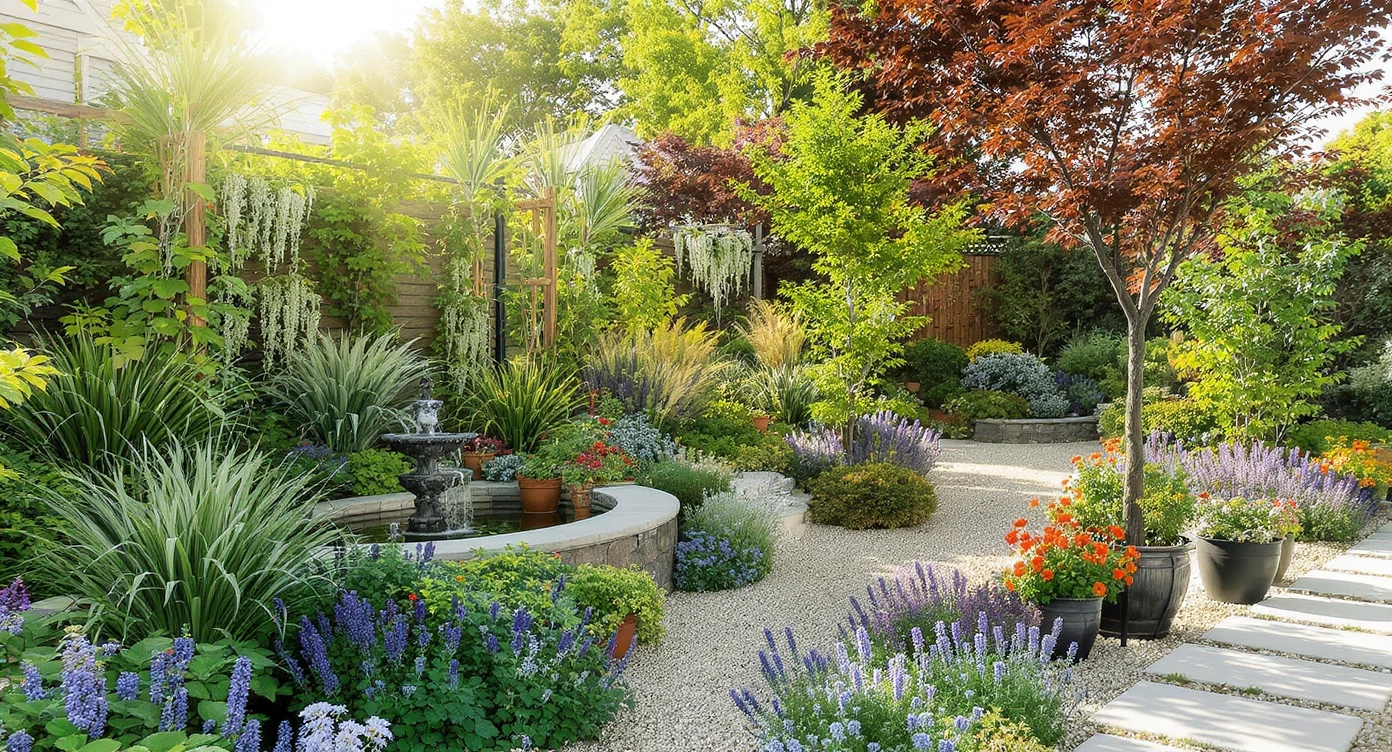
Wide-angle view of a curated plant nursery, showing winding paths, potted plants, vertical greenery, and sunlit patio arrangements.
Stepping into a thriving plant nursery opens the door to living inspiration. Whether you are an experienced landscape designer or simply nurturing dreams for your own green spaces, nurseries do more than showcase plant inventory. Instead, they offer immersive lessons in arrangement, color, and spatial planning. While some go home with armfuls of foliage, others leave with fresh ideas for transforming patios, balconies, or sun-dappled garden corners. Modern nurseries have evolved into curated experiences. Careful paths meander through native grasses, succulents cluster beside water features, and vertical displays catch the eye. For anyone asking how to refresh their outdoor design, a stroll among these living galleries can reframe the conversation entirely.
-
The Nursery as a Living Design Showroom

A nursery’s display features Elkhorn and Staghorn ferns on a vertical panel, wall plaques, and pots, demonstrating creative outdoor ideas.
Instead of flipping through magazines or scrolling social feeds, outdoor design enthusiasts often find their most compelling ideas in person. Nurseries present plants at their peak, surrounded by materials, textures, and color palettes that reflect practical, local possibilities. A shaded fern wall, for example, becomes a solution for underused patio corners. Elkhorn and Staghorn ferns, with their dramatic antlered shapes and textured shields, transform an ordinary fence or vertical panel into a conversation starter. The tactile experience of seeing plants thrive in unusual places—on square wall plaques or clustered among repurposed pots—introduces display methods not always obvious in catalog photos. Some nurseries specialize in rare or native species, giving visitors insight into what best complements drought-tolerant or wildlife-friendly settings. As observed in our feature on native landscaping for wildlife-friendly gardens, seeing such combinations up close empowers homeowners to imagine rewilded yards or pollinator havens at home.
Expert Insight
One brisk autumn morning, I found myself in a bustling neighborhood garden center. Pots overflowed with lemon balm and trailing lobelia, and a display of mounted staghorn ferns hung where late sunlight glimmered through greenhouse glass. Two friends debated container shapes for strawberries while a family mapped out their first wildlife garden. As I wandered, a staff member began misting the orchids and paused to offer advice on soil amendments. By the end of my visit, I had sketched ideas for a small water feature beneath my maple and snapped photos of creative trellis arrangements. It was less a shopping trip than a gallery tour, filled with moments of discovery and unexpected answers.
-
Learning From Arrangement and Context
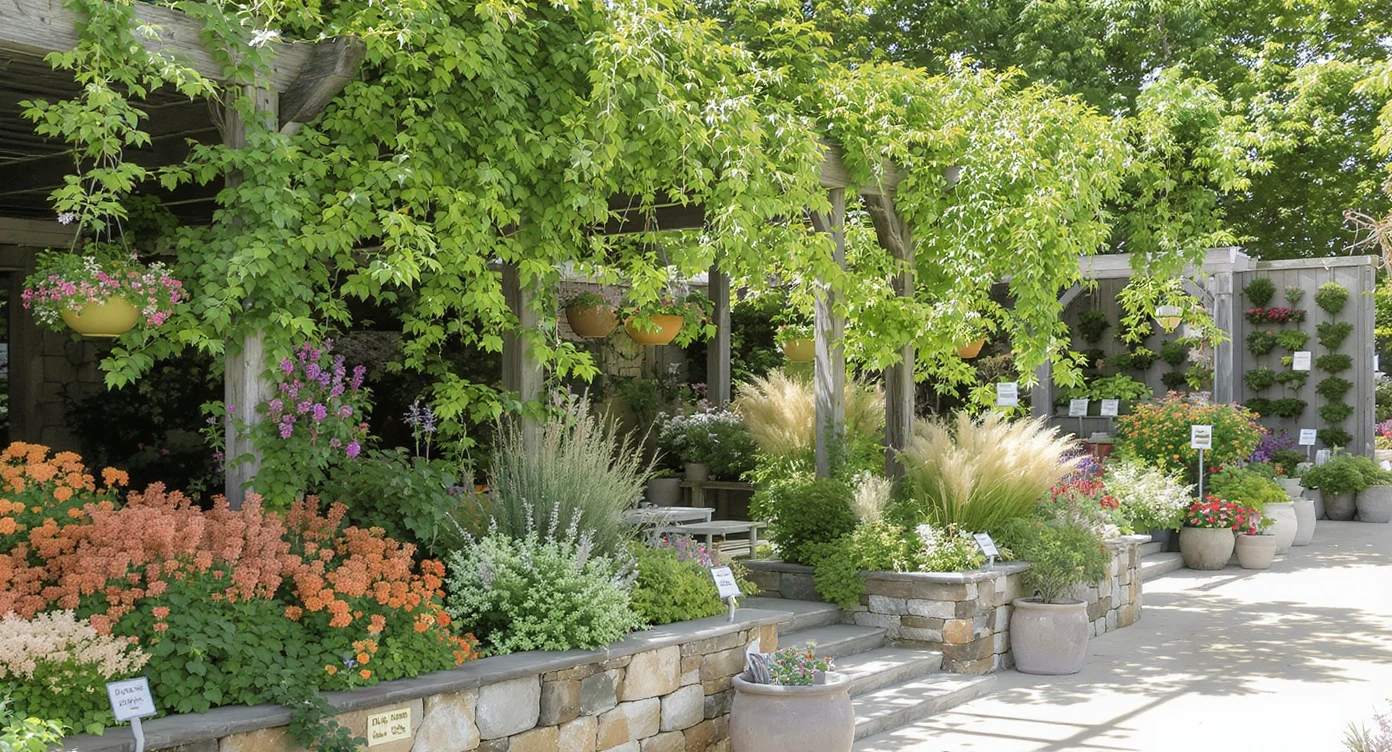
A nursery’s curated arrangements showcase sun and shade plants, creative containers, and space-defining beds to inspire practical outdoor designs.
The thoughtful curation found at nurseries removes the guesswork from plant pairings. Visitors can see how sun-loving and shade-partial species are grouped, which pots work for cascading foliage, or how color schemes unfold through the seasons. For suburban backyards or city balconies, these live demonstrations help clarify tricky decisions about soil types, irrigation needs, or container choices. Many garden centers double as learning environments, answering everyday design questions simply by example. Shaded pergolas draped with trailing vines illustrate ways to cool outdoor lounge areas. Stone-bordered beds or raised planters reveal how to define space without harsh edges. Those working with limited square footage can study miniature gardens for clever uses of verticality or modular elements, much like the terraced displays often seen at destination nurseries. Practical takeaways from these visits range from understanding the maturity scale of young plants to appreciating the value of native varieties, echoing best practices shared in our vegetable gardening and low-maintenance design advice.
-
Translating Nursery Inspiration Into Your Own Space
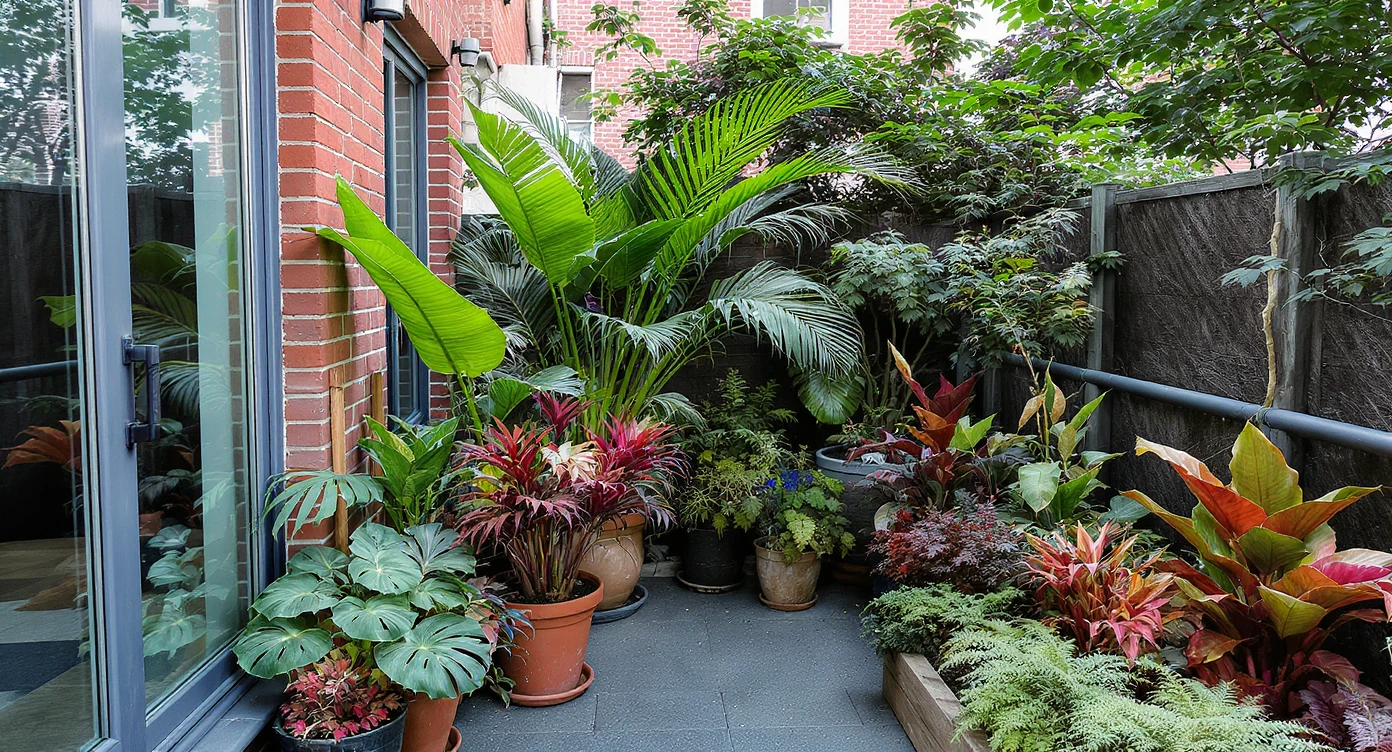
A balcony with clustered tropical pots and a shaded yard bed of ferns and grasses, each directly inspired by nursery displays.
Every nursery is a microcosm of larger landscape trends. Ideas gathered there quickly become the seeds for backyard renewal. For a city dweller, observing how tropicals flourish in clustered pots may reshape balcony design. Someone with a spacious yard might return home eager to construct shade-tolerant beds after seeing lush ferns and native grasses under mature trees. Nursery visits encourage experimentation. Planting combinations seen growing together provide confidence to replicate mixtures of succulents, annuals, and herbs in unexpected ways. Staff expertise further grounds these ideas, with practical suggestions for adapting displays to suit microclimates, soil variability, or personal preferences. Visitors often note how their own gardens evolve when they borrow focus from the nursery’s curated beds, paths, and focal points.
-
Anecdote: Wandering the Nursery With Fresh Eyes
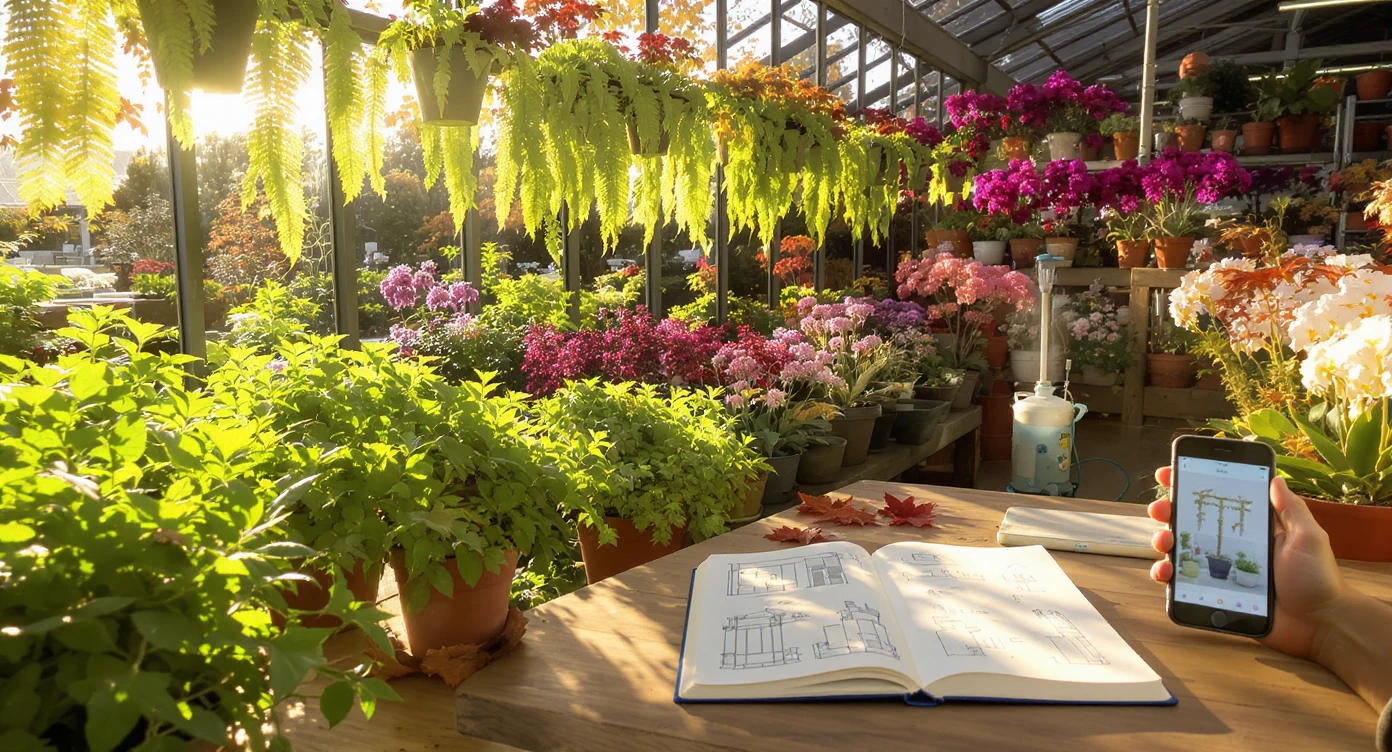
Bright greenhouse nursery with autumn sunlight on floral displays, staghorn ferns, gardening sketches, and trellises—capturing a moment of discovery.
One brisk autumn morning, I found myself in a bustling neighborhood garden center. Pots overflowed with lemon balm and trailing lobelia, and a display of mounted staghorn ferns hung where late sunlight glimmered through greenhouse glass. Two friends debated container shapes for strawberries while a family mapped out their first wildlife garden. As I wandered, a staff member began misting the orchids and paused to offer advice on soil amendments. By the end of my visit, I had sketched ideas for a small water feature beneath my maple and snapped photos of creative trellis arrangements. It was less a shopping trip than a gallery tour, filled with moments of discovery and unexpected answers.
-
Common Mistakes to Avoid
Bringing nursery inspiration home can sometimes lead to common design hurdles. It is tempting to focus solely on striking accent plants while overlooking the importance of overall balance and maintenance. For example, novices may cluster too many attention-grabbing species together, resulting in visual chaos rather than harmony. Another mistake is selecting plant varieties without considering the unique growing conditions of your own space. Nursery environments are meticulously controlled, so it is important to ask about sunlight, wind exposure, and irrigation when planning to recreate an arrangement. Lastly, impulse purchases of exotic or ultra-demanding plants can create more stress than joy if they do not suit your lifestyle or garden reality.
-
Tips and Expert Insights
Designers often recommend taking several photos or jotting notes as you move through a nursery. Observing which plants combine seamlessly, how staff have staged walkways, or what containers repeat across displays can provide actionable direction. Always ask staff about what thrives locally or what they view as upcoming green trends—these insights are especially relevant if sustainability or drought-resilience is a goal. According to our overview on wildlife-friendly landscaping and pollinator gardens, thinking ahead about ecosystem health while selecting plants pays off for years to come.
-
How to Use Nursery Inspiration in Your Next Designs
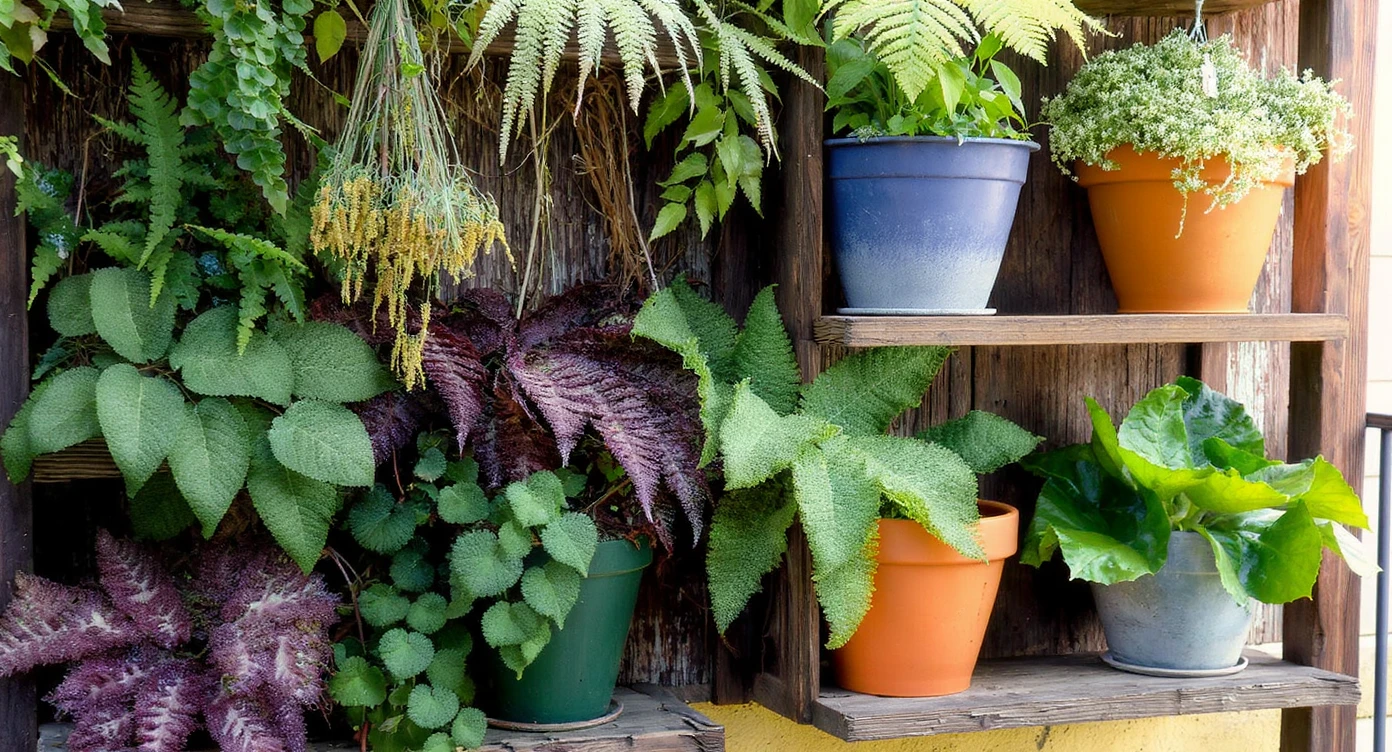
Layered container groupings of ferns, epiphytes, wildflowers, and vegetables show how nursery-inspired ideas can transform a shaded outdoor space.
Start by photographing arrangements that feel inviting or unexpected. Back home, map out key spots in your yard or balcony where these ideas might translate. Pay close attention to sun exposure and space constraints, then experiment with container shapes, mixed borders, or even vertical planting walls. Designers advise starting small; a single eye-catching grouping of ferns and epiphytes on a shaded wall can reshape the mood of an outdoor room without requiring a total overhaul. If practical, mix vegetables or native wildflowers amid ornamentals, as illustrated in modern sustainable landscapes. This layered approach ensures each addition from your nursery visit supports the larger vision—and the health—of your home’s outdoor environment.
-
Visualization: Bringing Nursery Moments Home
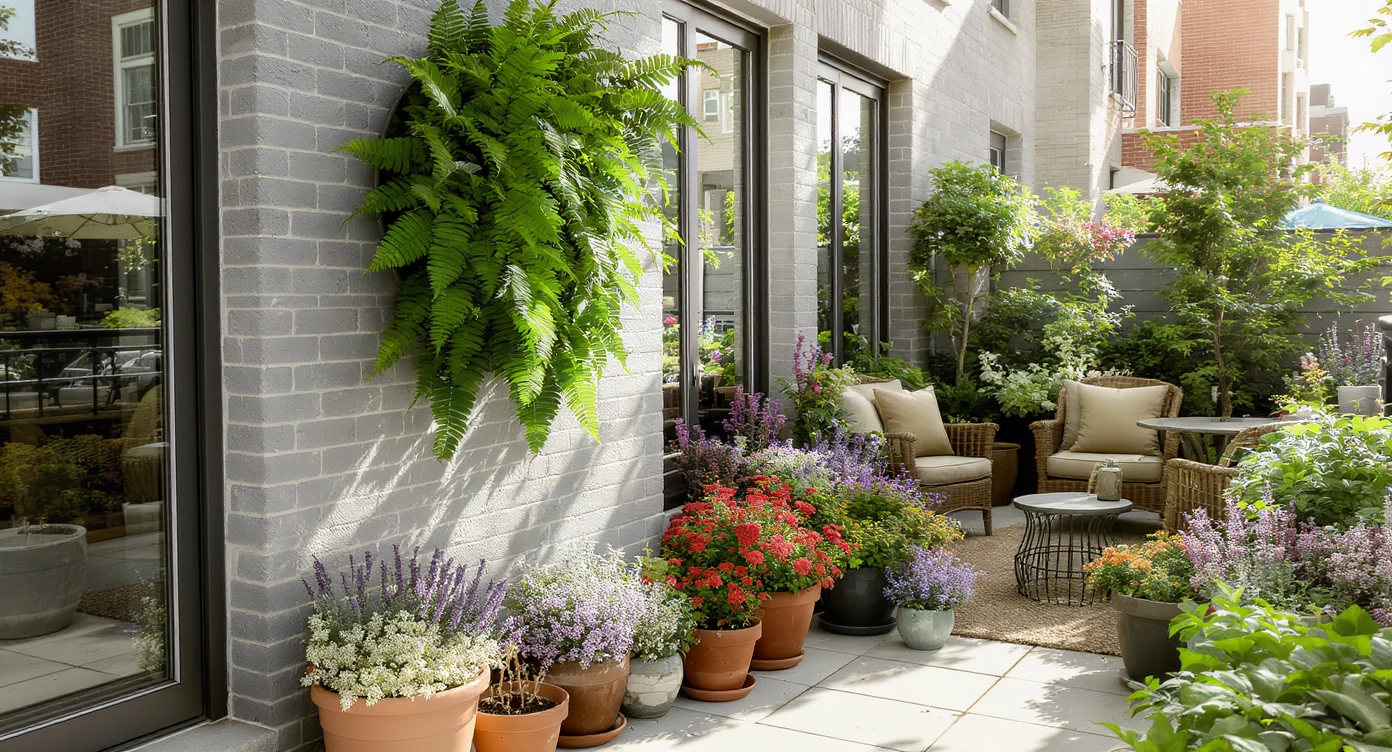
Fresh nursery finds shape a balcony’s corner with a wall-mounted fern and wildflowers, mirroring vibrant layouts glimpsed at plant displays.
Imagine returning from a nursery, arms full of fresh finds, and reimagining your balcony by anchoring a corner with a wall-mounted fern. Picture a city courtyard transformed with staggered pots of wildflowers inspired by displays you wandered just hours before. In a suburban backyard, envision a quiet seating area suddenly enlivened by the same tapestry of greens and textural layers that caught your eye on the nursery path. Each arrangement, no matter how small, is a tangible reminder that outdoor design starts with curiosity.
Visualization Scenario
Imagine returning from a nursery, arms full of fresh finds, and reimagining your balcony by anchoring a corner with a wall-mounted fern. Picture a city courtyard transformed with staggered pots of wildflowers inspired by displays you wandered just hours before. In a suburban backyard, envision a quiet seating area suddenly enlivened by the same tapestry of greens and textural layers that caught your eye on the nursery path. Each arrangement, no matter how small, is a tangible reminder that outdoor design starts with curiosity.
Frequently Asked Questions
Focus on plant groupings, display methods, and spatial arrangements that could translate to your own garden. Ask staff about recommended varieties for your conditions.
Can I copy nursery displays exactly at home?
While duplication is possible, adapting displays to your climate, lighting, and maintenance abilities ensures long-term success.
How do nurseries help with overall outdoor design?
Nurseries act as living showrooms, illustrating combinations, focal points, and the practical realities of plant care in different settings.
Are there digital tools to further visualize nursery-inspired designs?
Yes. For a tailored preview of how different plants and features might look in your actual space, try platforms like ReimagineHome.ai.
Why is observing native or wildlife-friendly varieties beneficial?
Native and pollinator-friendly plants support local ecosystems and are often better adapted to local climates, as highlighted in our feature on wildlife-friendly gardens.
Let Curiosity Lead Your Green Spaces
Plant nurseries offer more than plants within pots and trays—they provide dynamic blueprints for neighbors and novices alike. By approaching each visit as an opportunity to gather ideas, experiment, and learn, you give your outdoor spaces the chance to evolve organically. Home gardens shaped by inspiration, rather than impulse, thrive season after season. If you are seeking ways to visualize outdoor transformations before the first trowel touches the soil, online tools like ReimagineHome.ai can bridge inspiration with action and empower creative decisions.