7 Lessons from Modern Industrial Bedroom Design: What Works, What Challenges, and Where Luxury Meets Minimalism
TL;DR
Modern industrial bedrooms often blend minimalist layouts, bold lighting, and exposed materials, but they also invite distinct layout and comfort challenges. This list breaks down how these spaces succeed, where they struggle, and what design pros say about translating these concepts into livable luxury.
The Appeal and Pitfalls of Modern Industrial Bedrooms
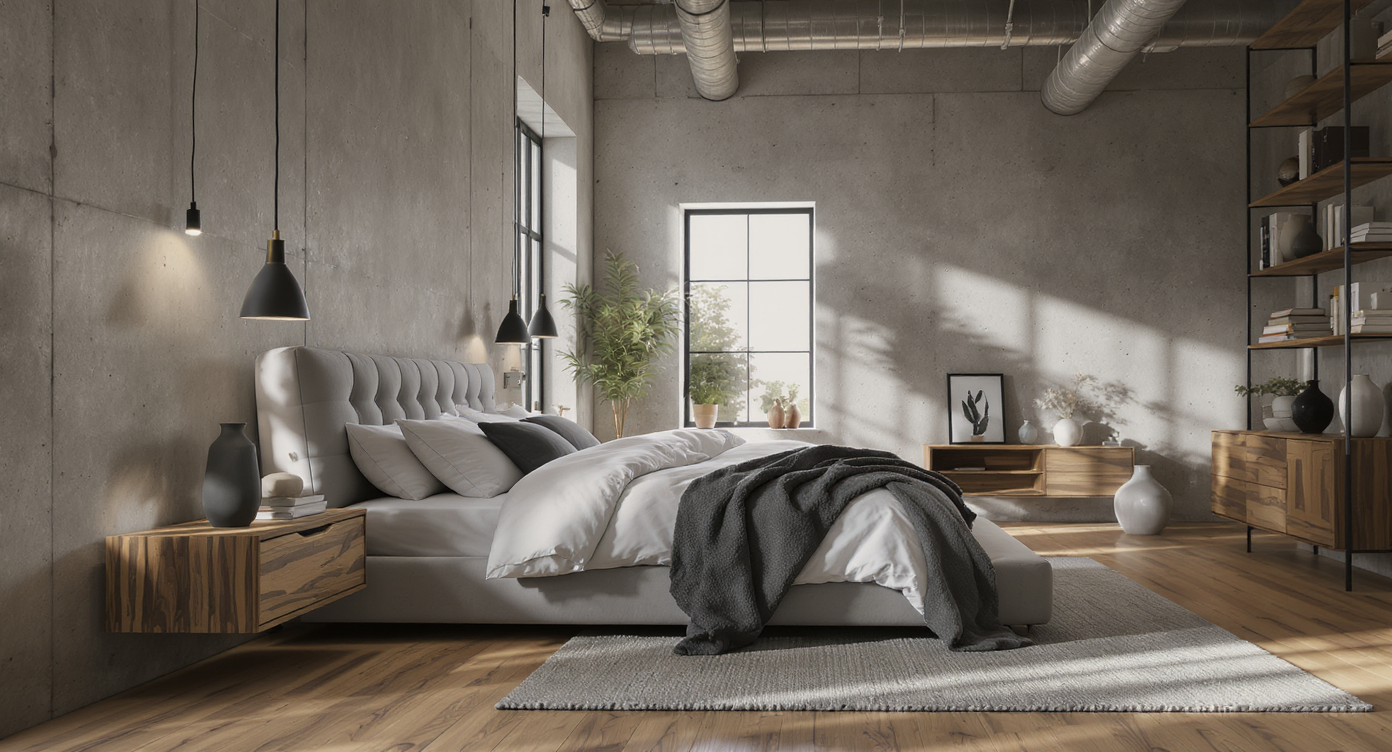
This photorealistic industrial bedroom shows how concrete, metal, and wood create a space that balances modern edge with minimalist comfort.
Modern industrial bedrooms intrigue with their blend of pared-down aesthetics and tactile finishes. The look favors raw materials, sharp edges, and open plans—yet it demands more than stacking concrete and metal. How these spaces are composed speaks volumes about style, function, and daily comfort. For homeowners, designers, and renters alike, understanding the nuanced successes and limitations of industrial bedroom concepts is essential, especially as minimalist and luxury trends merge. This guide unpacks the defining elements of modern industrial bedroom design: what catches the eye, what matters for liveability, and where you should pause before copying the look. Drawing on design trends and expert observations, each lesson highlights real-world considerations, offering actionable insight for lovers of contemporary, boho, and luxury spaces alike.
-
1. Striking Lighting Choices Define the Mood
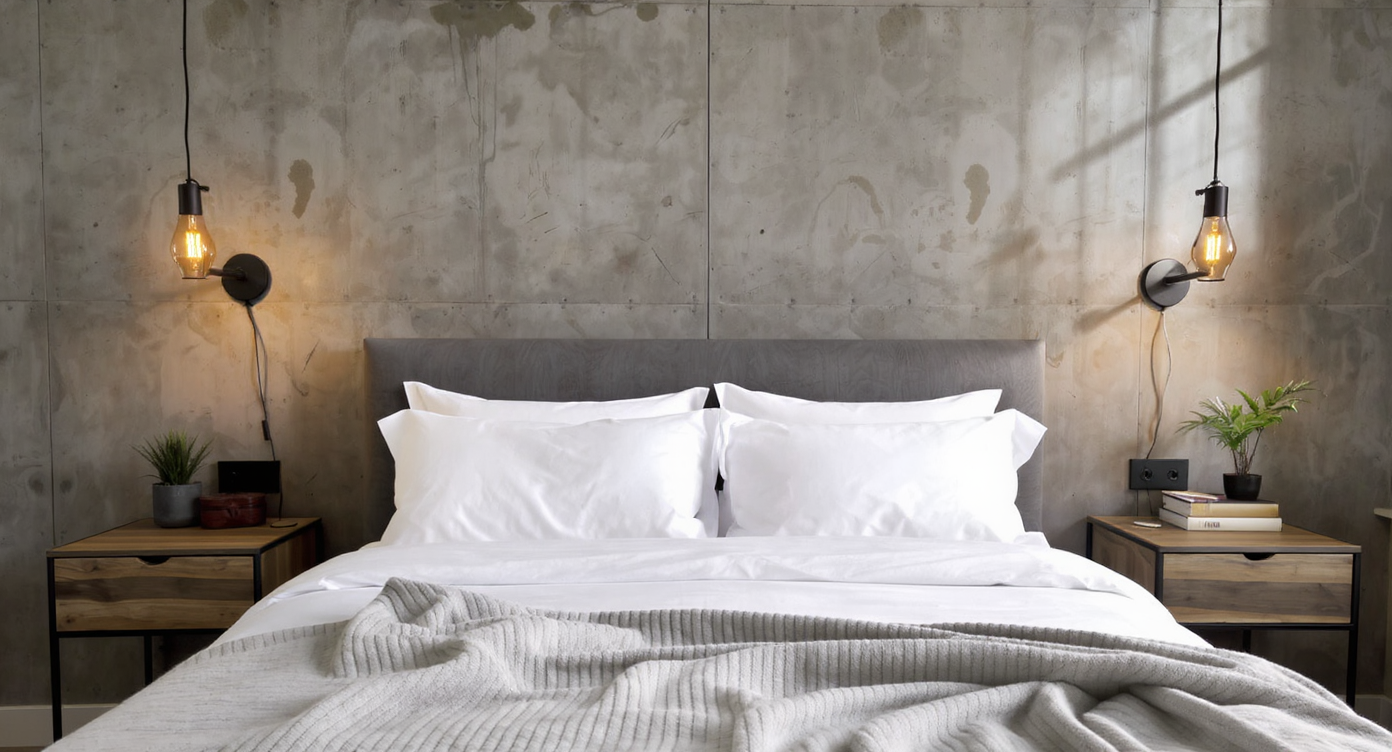
Industrial bedroom scene showing bold sculptural lighting, versatile dimmable sconces, and a harmonious balance of mood and functional design.
Industrial bedrooms often rely on sculptural lighting fixtures to command attention. Overhead pendants, minimalist sconces, and exposed bulbs shape both brightness and ambience. However, these statements can polarize; a light that is dramatically off-center or oversized—though intentional—can disrupt visual balance, as illustrated by reactions to bedrooms with asymmetrical installations. Designers frequently recommend aligning lighting with furniture or providing versatile sources such as dimmable sconces to maintain comfort. This becomes especially important in luxury and modern layouts, where flexible mood-setting supports both relaxation and utility.
-
2. Open Storage and Closet Concepts Split Opinion
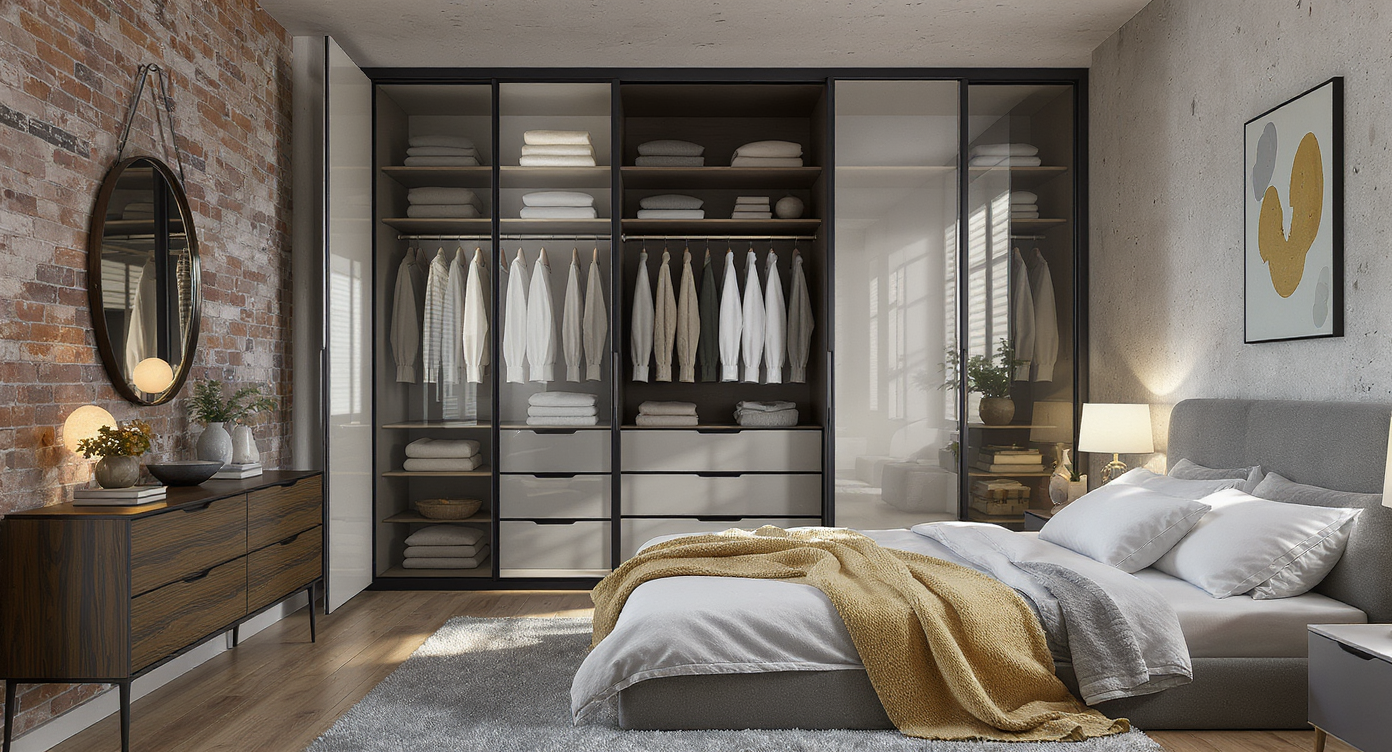
A modern industrial bedroom utilizing a partially screened open wardrobe, balancing open storage with organization and minimalist luxury.
A hallmark of contemporary industrial design is exposed wardrobes or open closet systems. While this approach channels urban loft aesthetics and maximizes perceived space, it also raises concerns about organization and privacy. Clothes left in view can create visual clutter and diminish the tranquil mood that boho and minimalist bedrooms often seek. To mitigate this, interior designers suggest partial enclosures or creative screens that obscure storage without sacrificing airiness. Insights from global bedroom trends show how carefully curated open storage can read as luxury with the right materials and discipline, but rarely suits everyone’s taste.
-
3. Material Palettes Balance Warmth and Edge
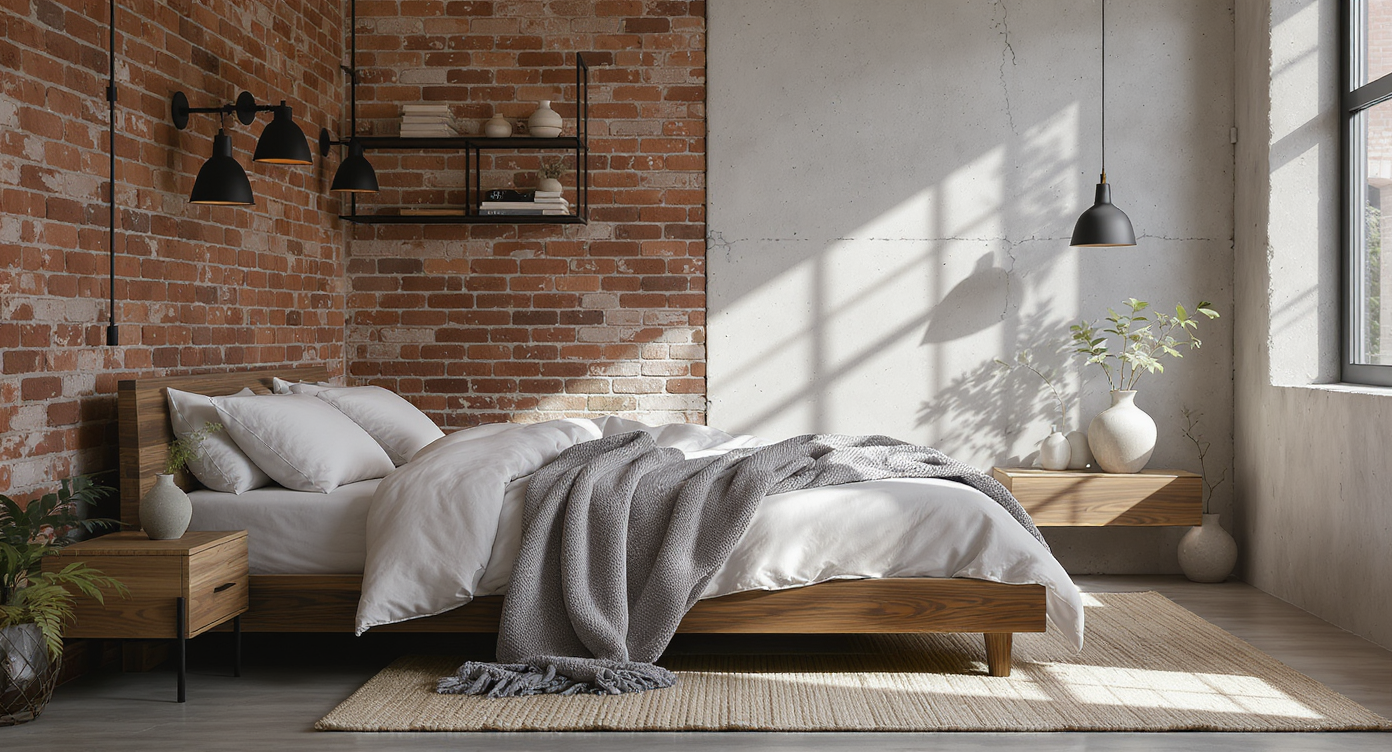
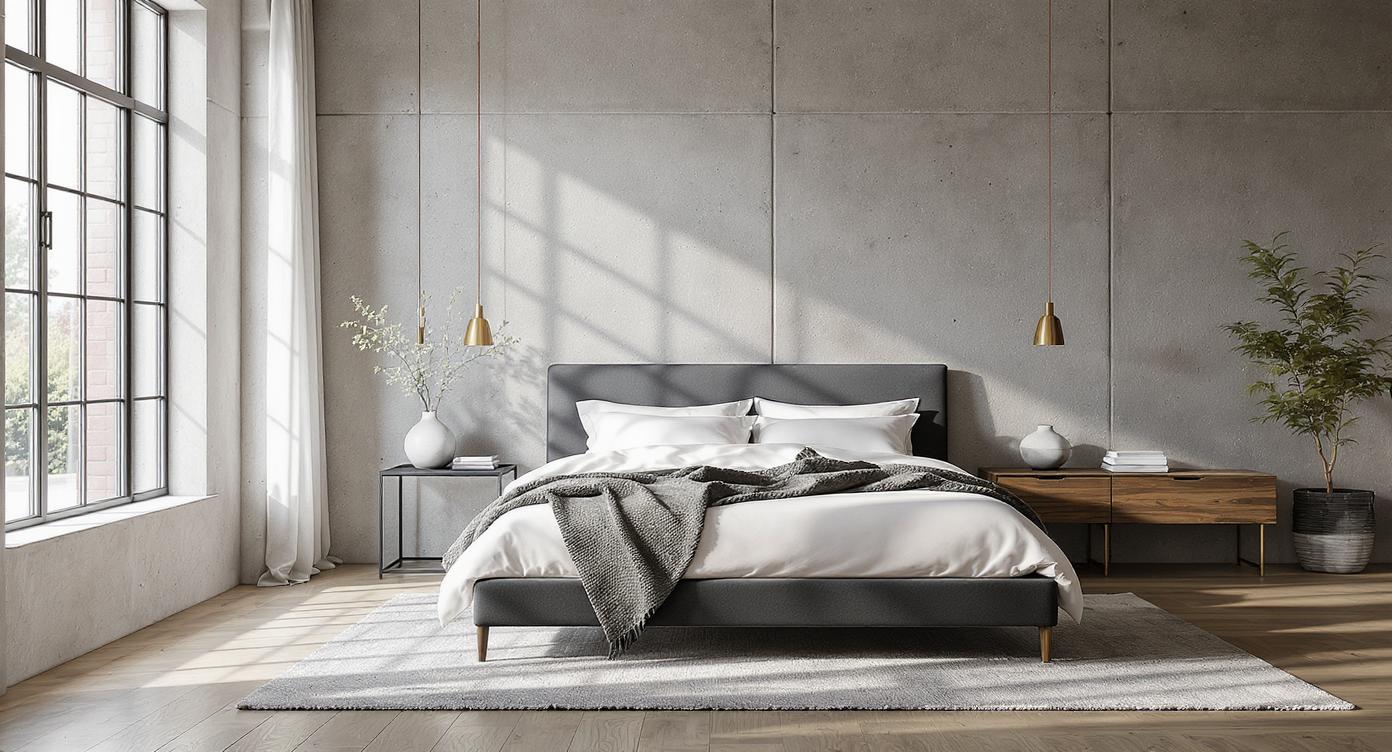
This bedroom scene layers rugged brick and concrete with wood, linen, and wool, illustrating the tactile balance of industrial warmth and edge.
Combining rough and refined textures is the heart of industrial style. Brick, unfinished concrete, and matte black accents are often paired with linen or wood elements for balance. Yet, as seen in feedback on certain cold, cell-like bedrooms, relying solely on hard surfaces can make a space feel unwelcoming. Layering organic materials—such as wool throws or wood furniture—adds needed softness. For a tactile, designer-approved effect, explore strategies for softening modern monochrome with natural fiber bedding or subtle Scandinavian layers.
-
4. Minimalist Layouts Maximize Openness but Can Risk Functionality
A minimalist approach underscores the industrial bedroom’s sense of freedom: fewer pieces, clear sightlines, and plenty of negative space. This can support a luxury atmosphere but sometimes neglects practical needs. For example, beds are often positioned center stage, but nightstands, seating, or task lighting may be minimized or omitted altogether. Practical modern bedrooms succeed by balancing open layout with well-planned surfaces and storage, ensuring daily routines aren’t compromised.
-
5. Color Strategy: Monochrome with Purpose
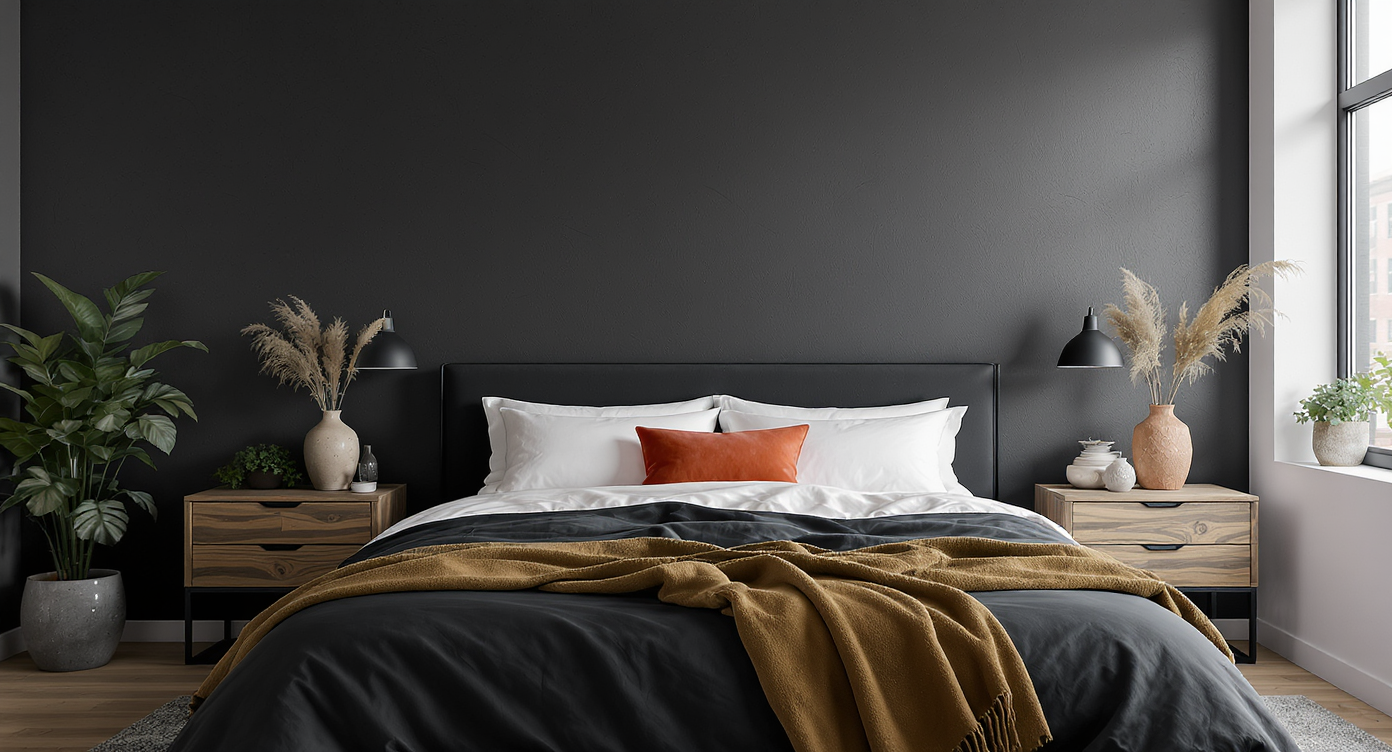
A monochrome industrial bedroom uses deep neutrals with subtle earthy accents, balancing drama, warmth, and cocooning comfort.
Many industrial-inspired bedrooms lean into a sooty, monochromatic palette of black, gray, and white. This can deliver a dramatic, cocooning vibe when layered thoughtfully. However, color without warmth can read as sterile or severe. Trendsetting designers increasingly pair deep neutrals with earthy hues or nature-inspired accents. The principle of mixing bold color with material drenching encourages experimentation—think a statement wall, richly hued linens, or textured paint. Visualizing these tweaks with tools like REimagineHome.ai helps homeowners trial color schemes before making permanent changes.
-
6. Luxury Is in the Details Not Just the Finishes
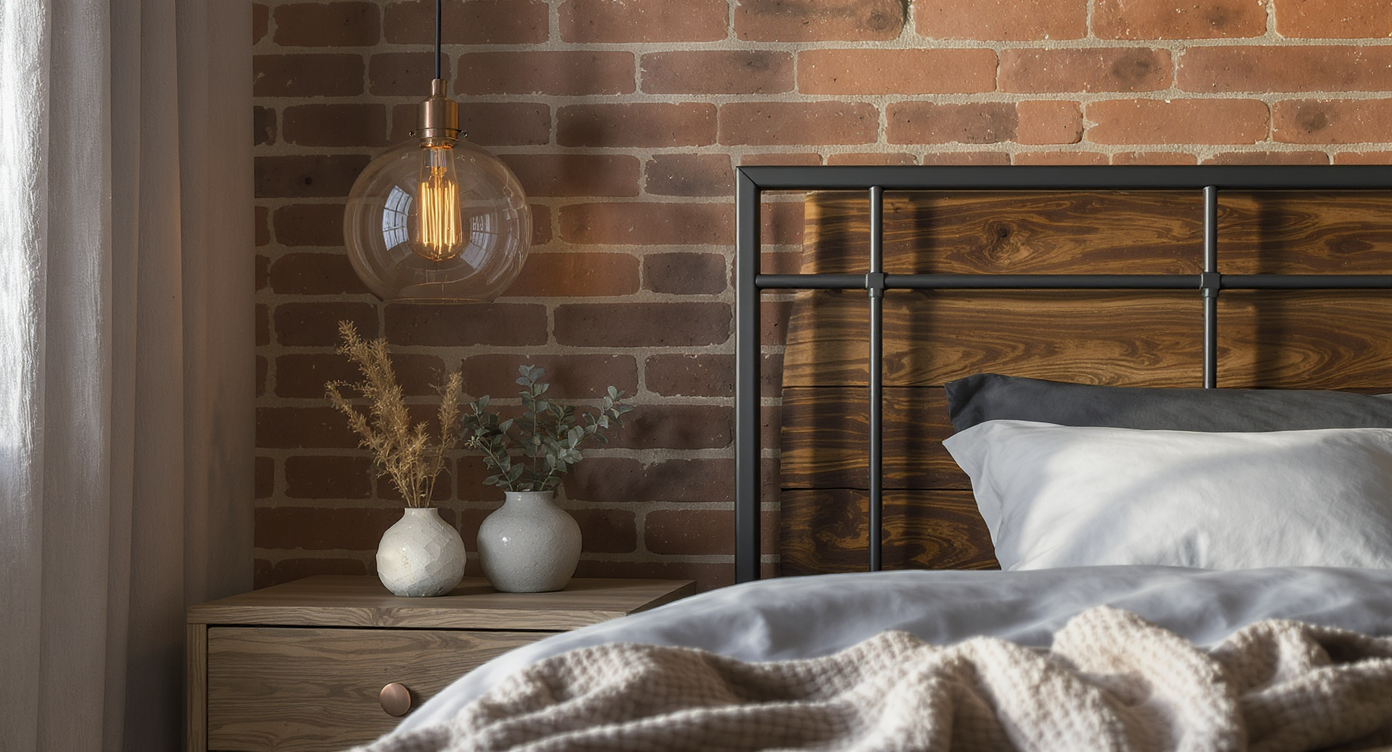
A modern industrial bedroom corner highlights luxury through custom hardware, artisanal textiles, copper accents, and a distinctive headboard.
True luxury in a modern bedroom is about considered details, not simply surface gloss. This might mean custom hardware, inventive uses of glass or copper, or a unique headboard that acts as art. For inspiration, design trend analyses show that a single, well-made piece can elevate the entire atmosphere. Whether using thrifted furniture with a luxurious upgrade or integrating an artisanal textile, small elements drive the feeling of elevated comfort.
-
7. Adaptability and Personalization Should Guide Every Decision
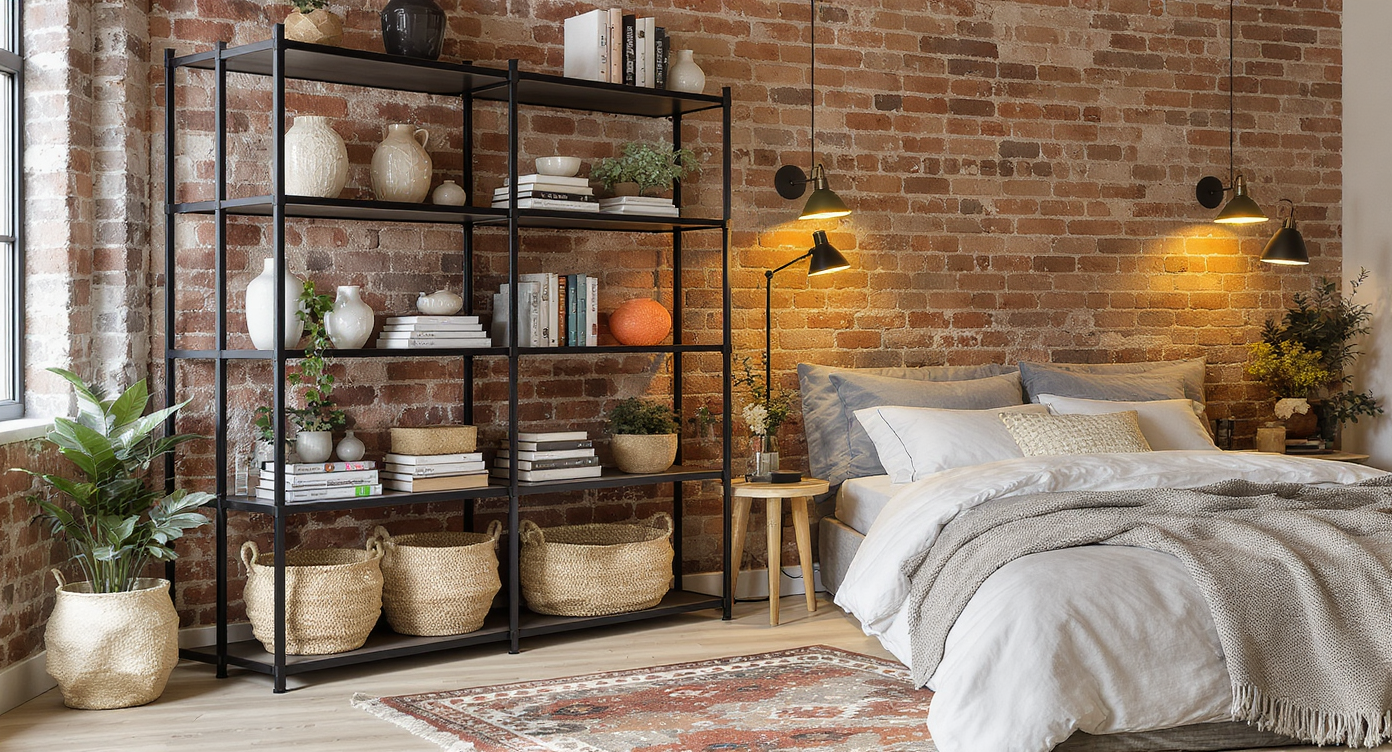
A highly adaptable industrial bedroom corner: modular shelves, layered lighting, and thrifted decor enable effortless personalization and comfort.
The strongest modern and industrial bedroom concepts are those that invite evolution. Many designers argue that rigid adherence to trend-driven layouts or open storage can turn a striking room into a personal mismatch. Instead, incorporating adaptable lighting, modular storage, and layers of personality allows the space to support changing needs. Drawing from thrifted and slow-collected style cues can soften the industrial edge and make a room uniquely yours—without losing sight of functionality or comfort.
Common Questions About Industrial Bedroom Design
Typical materials include exposed brick, concrete, dark metal finishes, reclaimed wood, and glass. Layering these with textiles helps avoid a cold atmosphere.
How can I introduce warmth into a minimalist, industrial bedroom?
Layer natural fiber rugs, wool throws, and wood or leather pieces. Natural light and soft finishes are also key—as seen in Scandinavian and Japandi influences.
Are open closets a practical choice?
Open closet systems can maximize space and look stylish but require organization. For many, partial enclosures or curtains strike a better balance between openness and tidiness.
How do I test different layouts or finishes?
Use visual planning tools like REimagineHome.ai to compare options for color, layout, and furniture arrangements before committing.
How can industrial design appeal to luxury tastes?
Focus on detail, craft, and one-of-a-kind features. Incorporate plush materials and unique textures for a bespoke, upscale result.
Final Thoughts on Livable Industrial Bedroom Concepts
Industrial bedrooms stand out for their bold material choices, minimalist layouts, and opportunities for personalization. However, replicating this style requires more than visual bravado—it demands balancing aesthetic intention with comfort, flexibility, and daily usability. By drawing on proven principles from modern, boho, and luxury design, as well as using platforms like REimagineHome.ai to plan smart updates, anyone can adapt the industrial look in a way that feels both current and genuinely livable.