7 Influential Interior Designers and Artists Who Reshaped Space Like Verner Panton
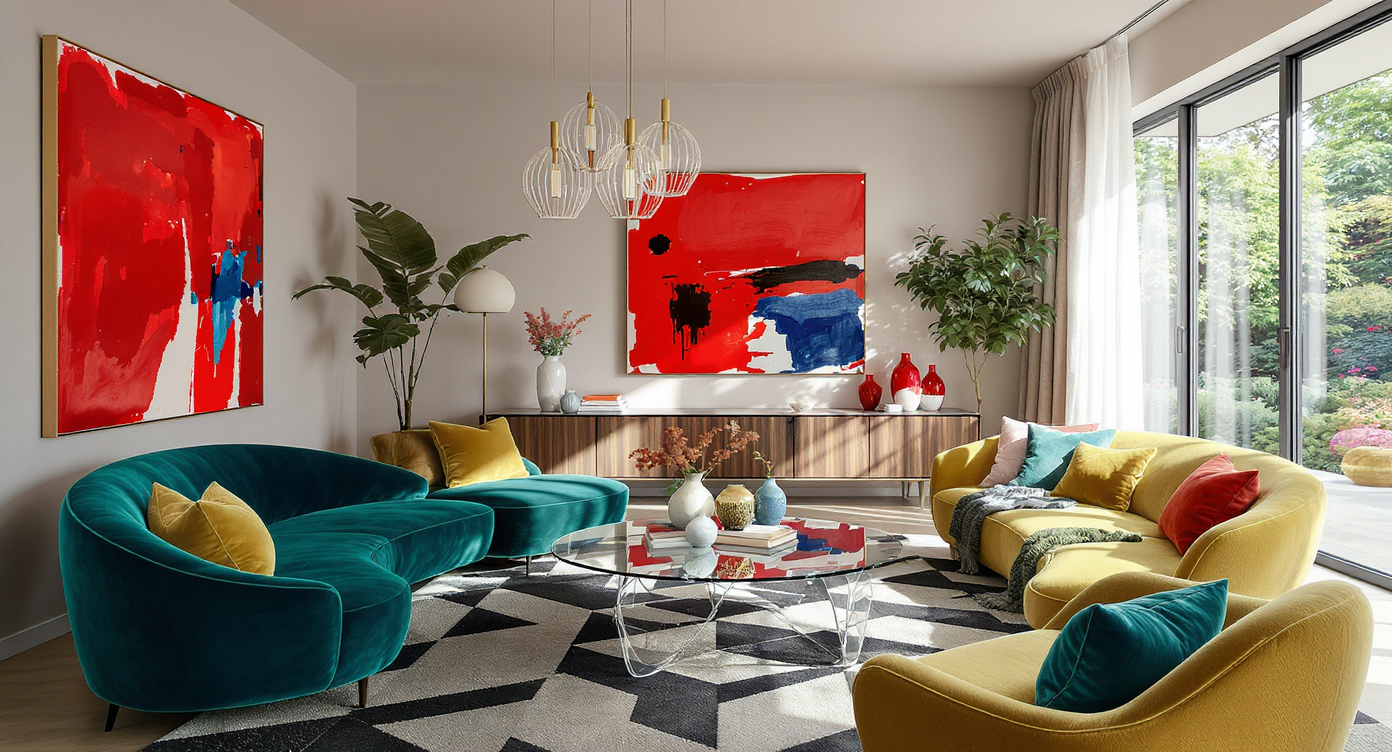
TL;DR
Visionary designers like Verner Panton have redefined what is possible in interior spaces by merging art, architecture, and technology. This list reveals seven influential figures and collectives who, across eras and styles, dared to see interiors not just as containers for decor but as immersive, experiential environments.
Why Visionary Approach Matters in Interior Design
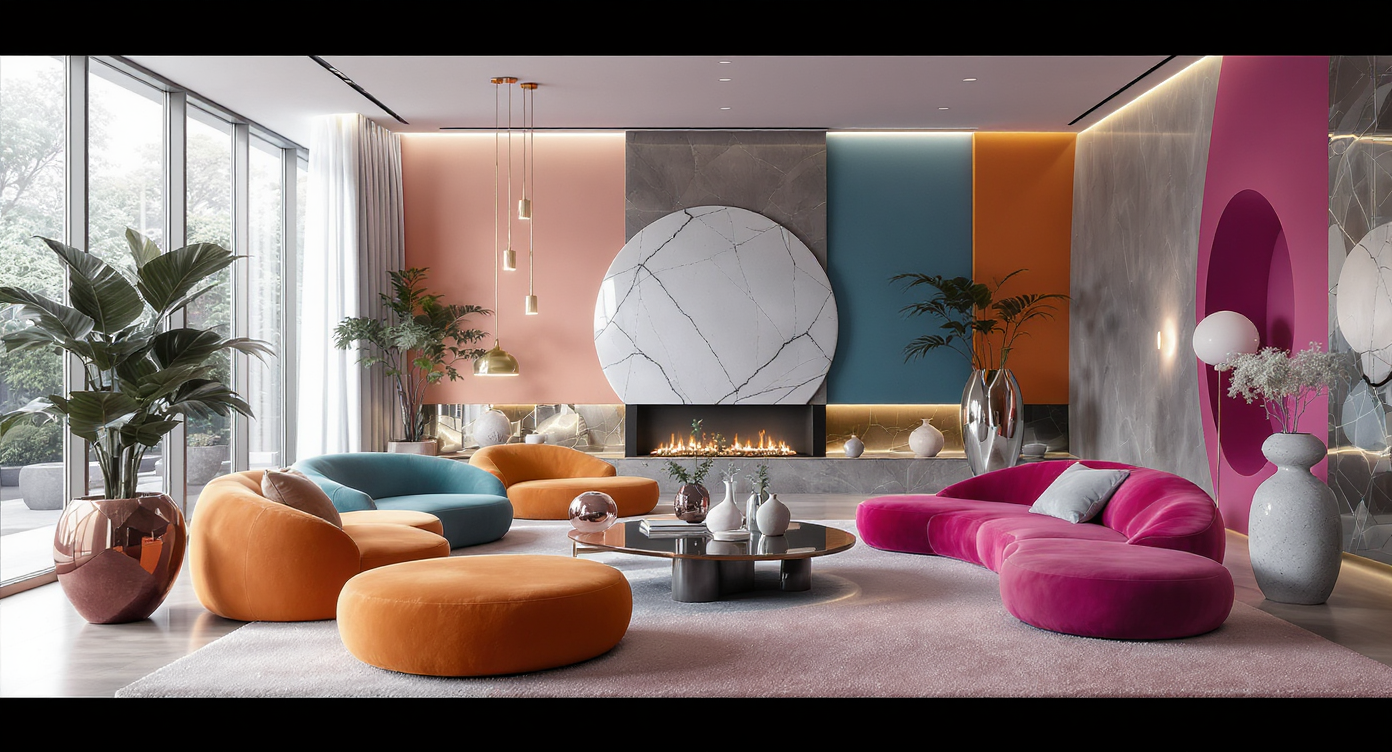
Innovative interior merges vivid modular furniture, immersive lighting, and artful elements—showcasing the transformative spirit of design visionaries.
Boundary-pushing interior designers and artists have repeatedly proven that transforming a room is about more than surface decoration. While Verner Panton’s work stands out for its psychedelic colors and all-encompassing geometries, he is not alone in his holistic approach to reshaping how we live, play, and work within four walls. The impact of such design goes beyond aesthetics, challenging conventions and inspiring new ways to interact with our environments. This roundup is for those who crave immersion and inventiveness over convention—design enthusiasts and professionals alike who look for inspiration and concepts that go far beyond putting furniture in a box. Here, we showcase creators whose projects continue to inform modern, minimalist, boho, and luxury trends while igniting the broader conversation on what interiors can achieve. Each reimagined space draws from more than one philosophy, often integrating technology, art, and psychology to create something truly transformative.
-
1. Verner Panton: Colorful Iconoclast and Space Shaper
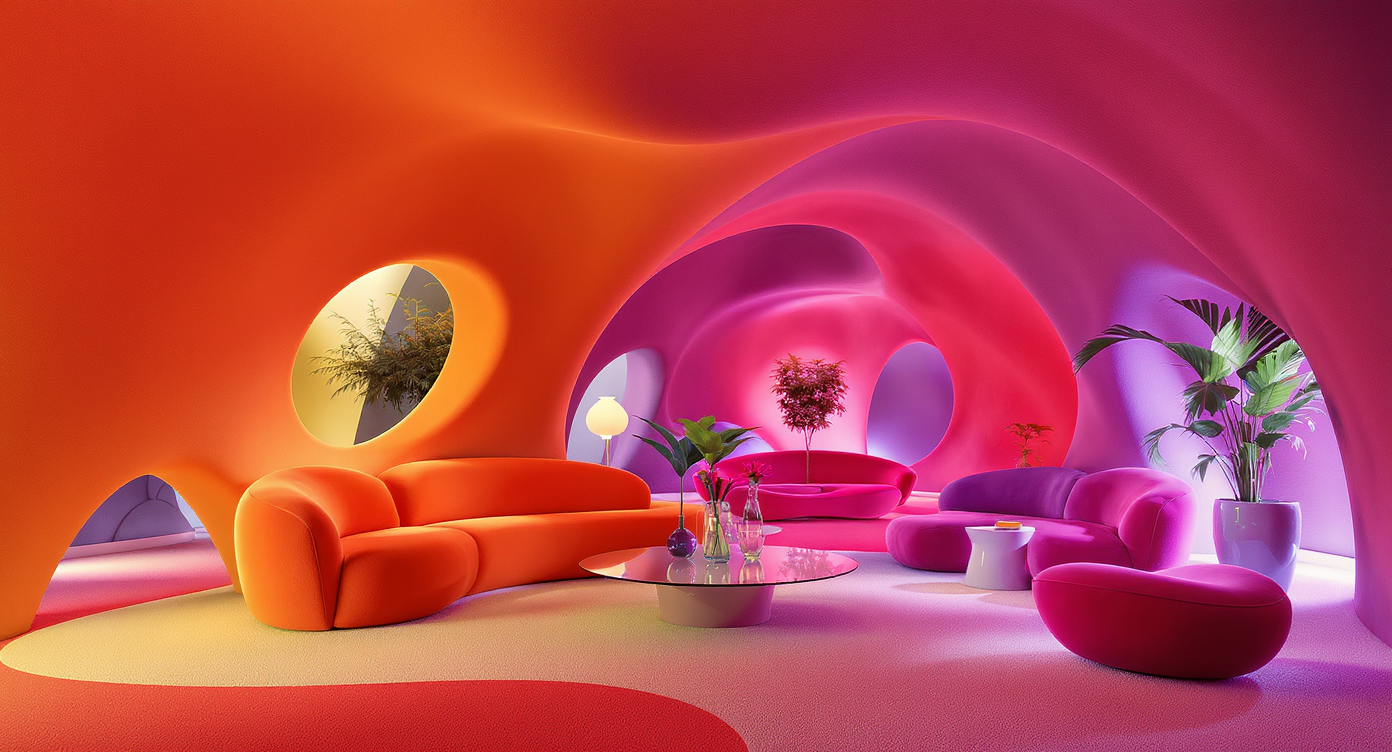
A hyperrealistic living space with continuous bold color drenching, immersive shapes, and unified lighting, channeling Verner Panton’s Visiona II vision.
Verner Panton’s influence in interior design is due to his radical, immersive use of color, form, and material. His signature schemes covered every surface—floors, ceilings, walls, and even lighting—in continuous swaths of bold color, eliminating the divide between furniture and architecture. Projects like the 1970 Visiona II installation turned rooms into experiential playgrounds with undulating shapes and atmospheric lighting. This approach was not mere decoration but a manipulation of spatial perception, establishing the benchmark for material drenching and expressive environments. According to our overview on quiet luxury and bold color trends, Panton’s influence is still evident in today’s bolder, enveloping interiors.
-
2. Karim Rashid: Contemporary King of Fluid Form
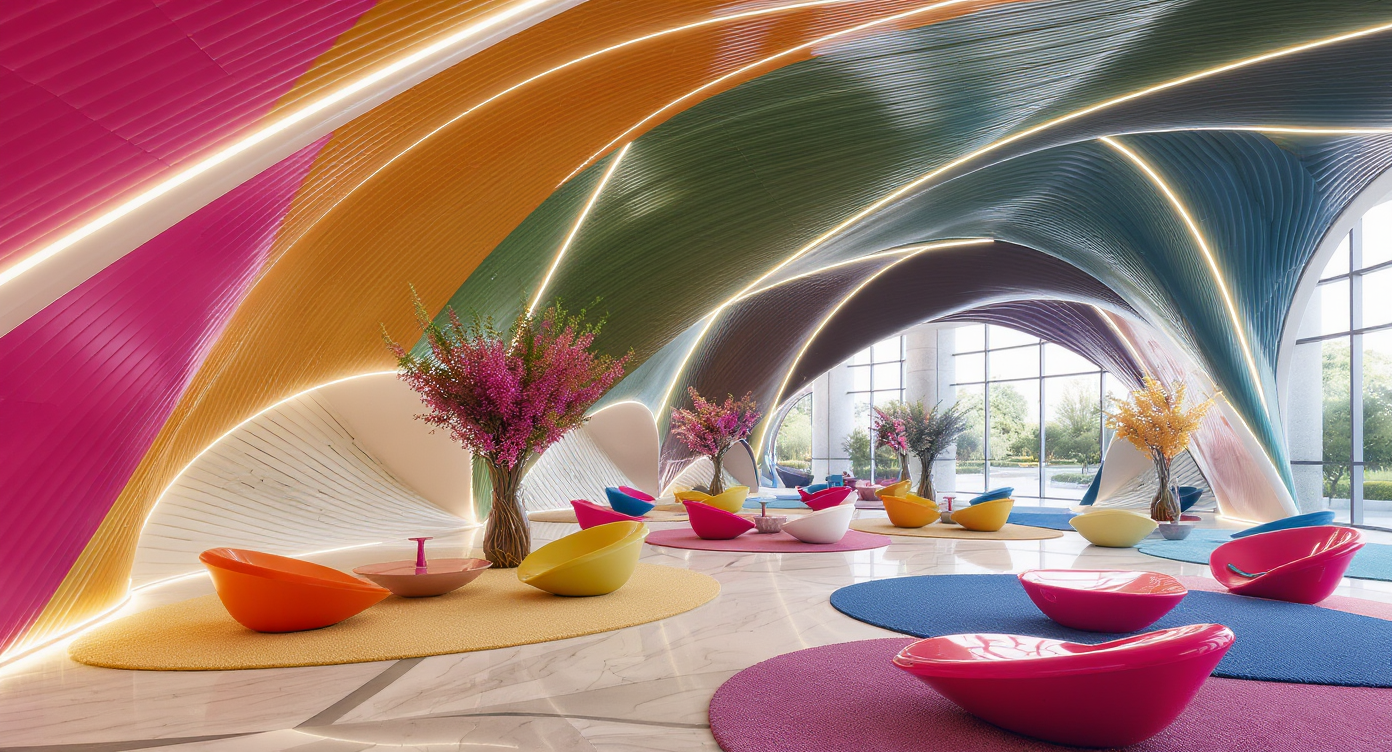
A Semiramis Hotel-inspired lobby with fluid walls, sculpted technicolor furniture, and glowing LED illumination, echoing Karim Rashid’s vision.
Karim Rashid is renowned for introducing organic geometry, technicolor palettes, and futuristic materials into residential and commercial spaces. His environments dissolve the traditional line between object and architecture. Rashid’s use of molded plastics, glowing LED illumination, and digital fabrication fosters a playful, sensorial modern feel that continues to influence trendy, visually magnetic spaces. His design for the Semiramis Hotel in Athens is a study in how vibrant color zones and curved forms can energize users, echoing the ongoing dialogue between minimalism and bold expression found in our midimalism trend analysis.
-
3. Zaha Hadid: Fluid Architecture in Interior Environments
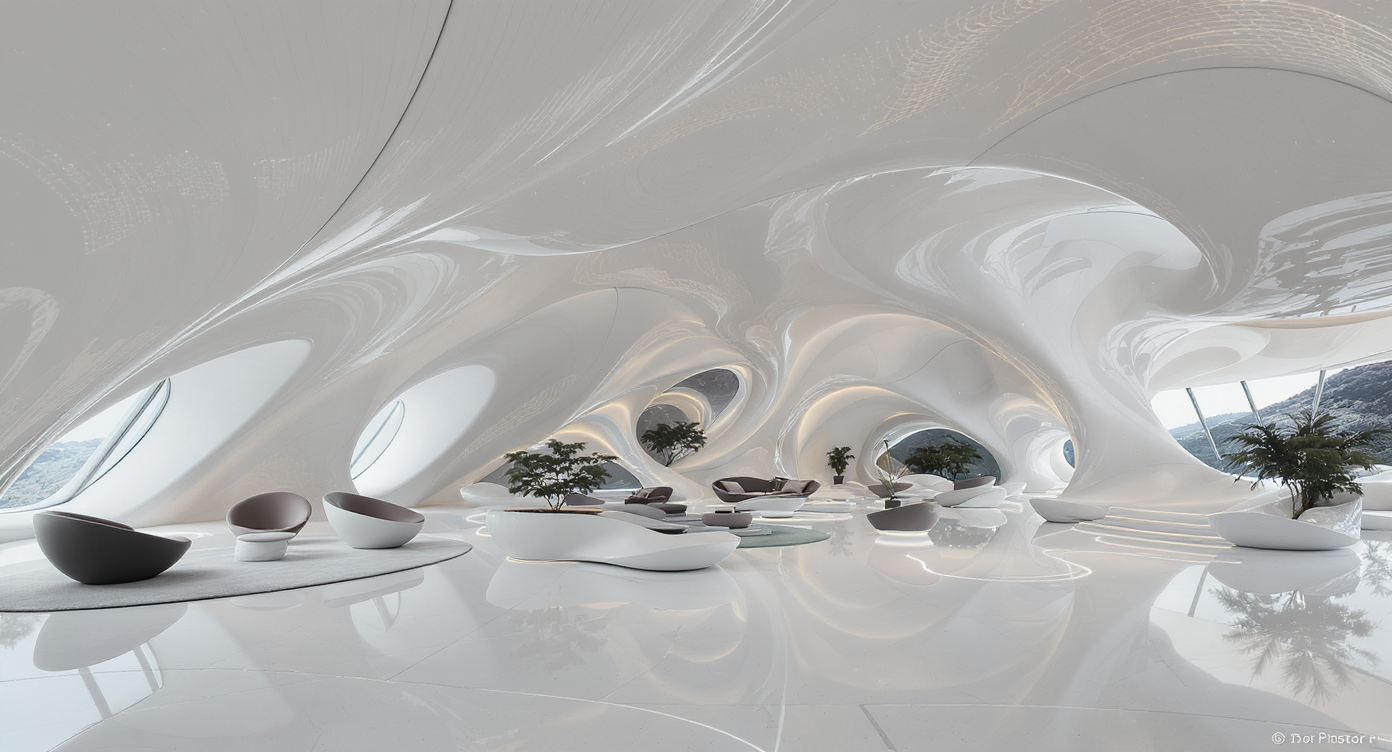
A Zaha Hadid-inspired interior showcases sweeping curves, glossy modular furniture, and seamless, kinetic architectural forms throughout the space.
Known primarily as an architect, Zaha Hadid’s interior spaces exemplify the concept of sculptural, dynamic environments that envelop users in movement. Her attention to sweeping curves, reflective surfaces, and non-linear layouts translates to interiors that feel kinetic and futuristic. From the MAXXI Museum to furniture collaborations, Hadid blurred the edges between furniture, walls, and ceilings, creating total works of art. Her projects inspire professionals experimenting with spatial flow, modularity, and blending architecture with interior design, as seen in today’s growing emphasis on comfort-forward yet innovative furniture.
-
4. Meow Wolf: Experiential Collectives Creating Immersion
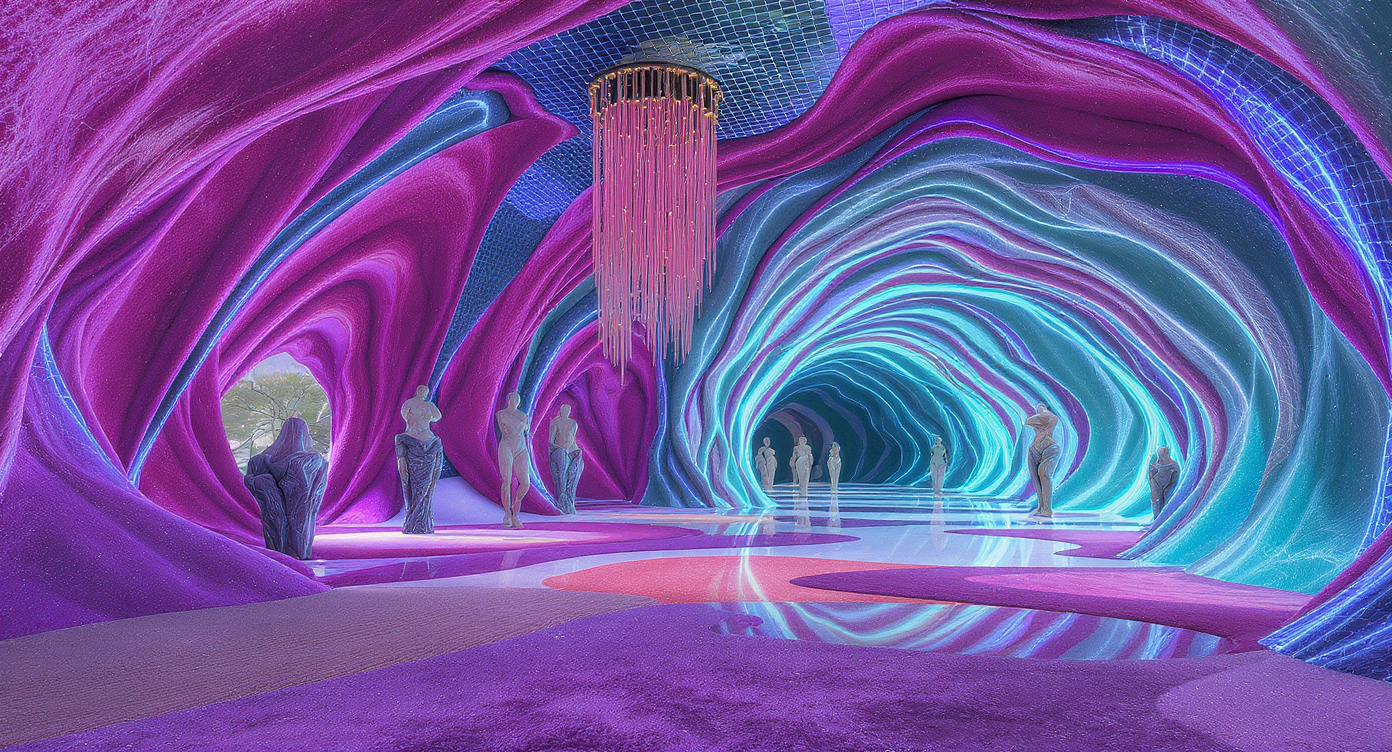
A real-world living space transformed into an immersive Meow Wolf-inspired environment with bold materials, vivid lighting, and tactile, interactive design.
Meow Wolf, a multidisciplinary collective, turns interiors into interactive art experiences where every inch is designed for exploration and discovery. Their permanent installations, such as House of Eternal Return in Santa Fe, transform ordinary buildings into surreal landscapes, employing light, sound, structure, and narrative. For design-forward homeowners, Meow Wolf demonstrates how bold materials and unexpected sensory play can create environments far beyond the conventional box. Their approach echoes the rise of immersive, boho-inspired, and modern trends discussed in our guide to mid-century boho aesthetics.
-
5. Patricia Urquiola: Hybrid Textures and Emotional Comfort
Patricia Urquiola’s interiors showcase the power of high-concept design tempered with inviting material choices and tactile finishes. Known for her innovative use of soft geometry, layered textiles, and transparent surfaces, Urquiola crafts spaces that are both visually complex and deeply comforting. Her layouts often break down barriers between functional zones, adapting luxury and minimalist principles for everyday living. Her relaxed yet innovative use of contrast and color is central to evolving interpretations of modern and luxury interiors.
-
6. Burning Man Artists: Temporary Cathedrals of Experience

An intricate wooden temple and luminous geometric pavilion at Burning Man, showcasing radical, communal, and temporary environmental design.
Large festival installations—especially those found at Burning Man—offer a unique form of environmental and experiential design. These temporary interiors are not bound by conventional rules. Instead, they showcase what happens when radical creativity, sculptural form, and communal purpose guide the transformation of space. From intricately carved wooden temples to glowing pavilions, these projects illustrate how spaces can be meaningfully altered for a collective emotional experience. This mode of creation continues to inspire those experimenting with unconventional layouts and ambitious visual transformations.
-
7. Gaetano Pesce: Playful Materiality and Organic Forms
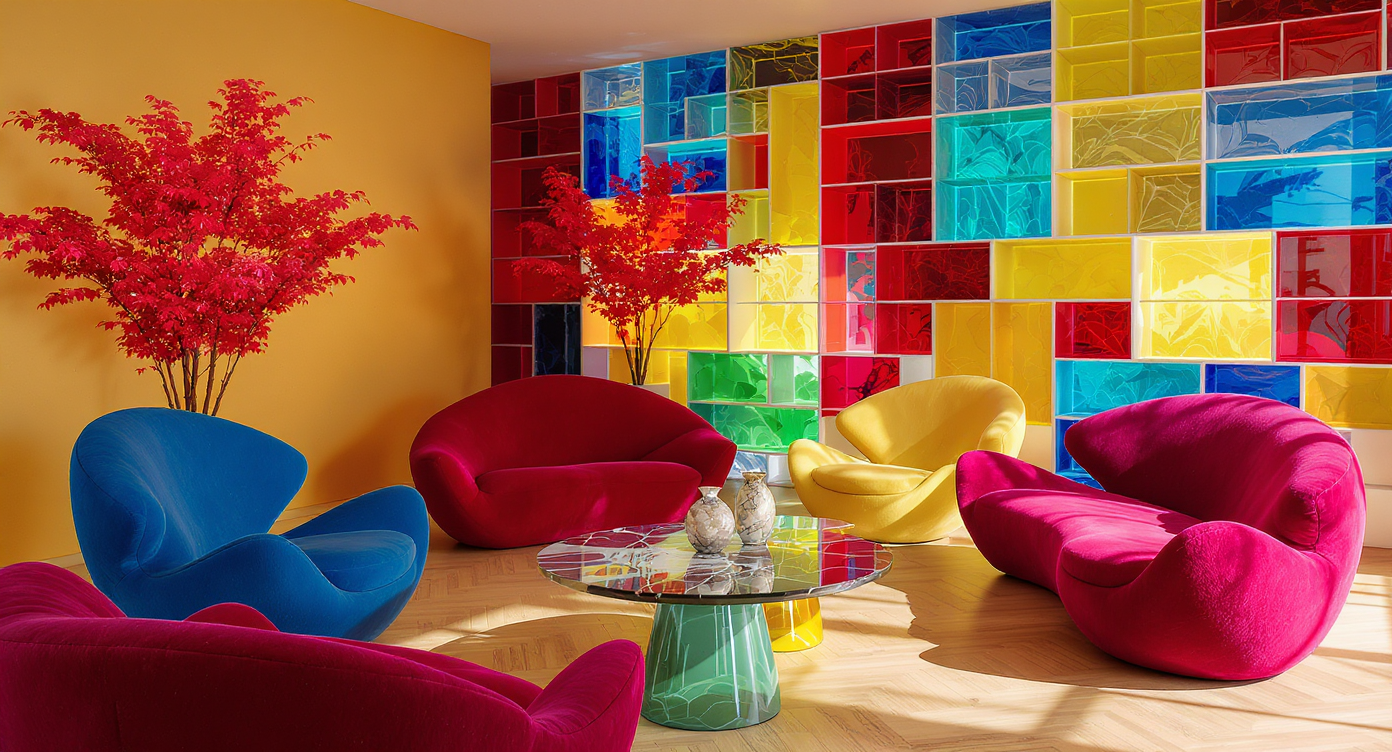
Editorial photo of playful, hand-shaped resin and upholstered furniture in bold colors, highlighting Gaetano Pesce’s distinctive design ethos.
Gaetano Pesce is lauded for his whimsical, anti-standard approach to interiors and furniture. Pesce’s resin works and upholstered pieces reject repetitiveness in favor of unique, handcrafted solutions that challenge the very notion of what defines furniture or space. His environments encourage designers to embrace unpredictability, material experimentation, and the idea that luxury can be found in spirited individuality. This attitude is aligned with the comfort-first, bold character central to today’s evolving furniture trends for modern interiors.
Frequently Asked Questions About Experiential Interior Design
Material drenching is the consistent use of a single color or material across multiple surfaces to unify a space, which intensifies the mood and can transform perception of scale and comfort. Visionaries like Verner Panton made this method famous.
How do designers create immersive environments today?
Many designers employ technology, lighting, and custom-built elements to engage all senses, often testing ideas virtually on platforms including REimagineHome.ai to see the effects before building.
Is there a difference between interior decoration and interior design?
Yes. Interior design focuses on space planning, structure, and user experience, while decoration is about adding aesthetic layers such as furniture, art, and accessories.
What makes an interior feel truly transformative?
Transformative interiors create a sense of immersion, stimulate emotion, and encourage users to interact or move through the space differently than a standard room layout would.
Can I experiment with immersive concepts in my own home?
Absolutely. Even small updates, like a unified color story or sculptural furniture, can dramatically alter mood and perception. Digital platforms now let you preview ideas before making major changes.
Redefining the Boundaries of Interior Imagination
These seven visionaries and collectives illustrate that immersive, original interior environments draw on a variety of approaches—bold color, material innovation, hybrid zones, and emotional storytelling. Their collective creativity reminds us that design is an evolving dialogue, not a static set of rules. Homeowners and design professionals can test these concepts, experiment with palettes, and even digitally visualize layout shifts on platforms like REimagineHome.ai before executing ambitious changes.