Will Shiplap Stand the Test of Time—or Age Your Home?
TL;DR
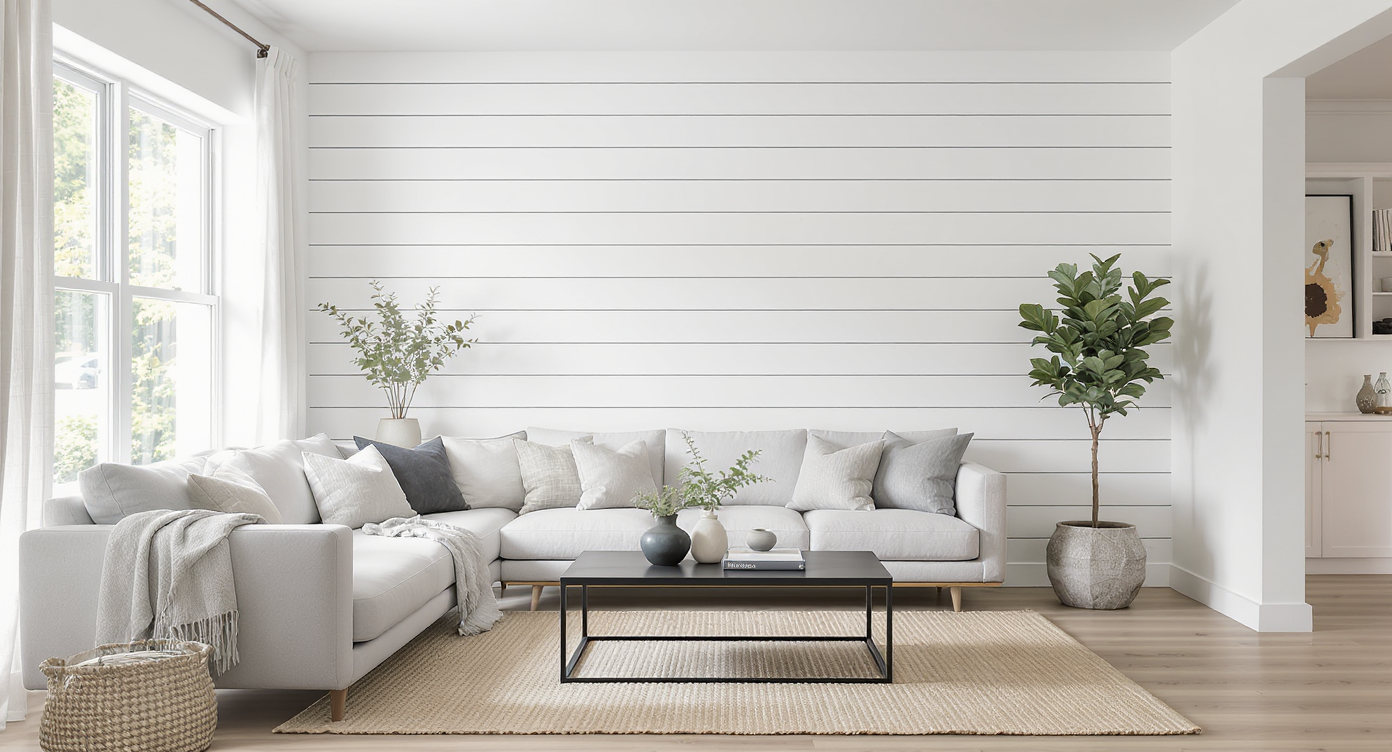
Shiplap’s current popularity is undeniable, but its staying power is complex. While it suits farmhouse-style homes and provides texture, it is also one of several trends that designers expect to fade quickly. Choosing materials that echo your home’s architecture and personal taste, while planning for change, helps balance the appeal of trends and the desire for longevity.
Introduction
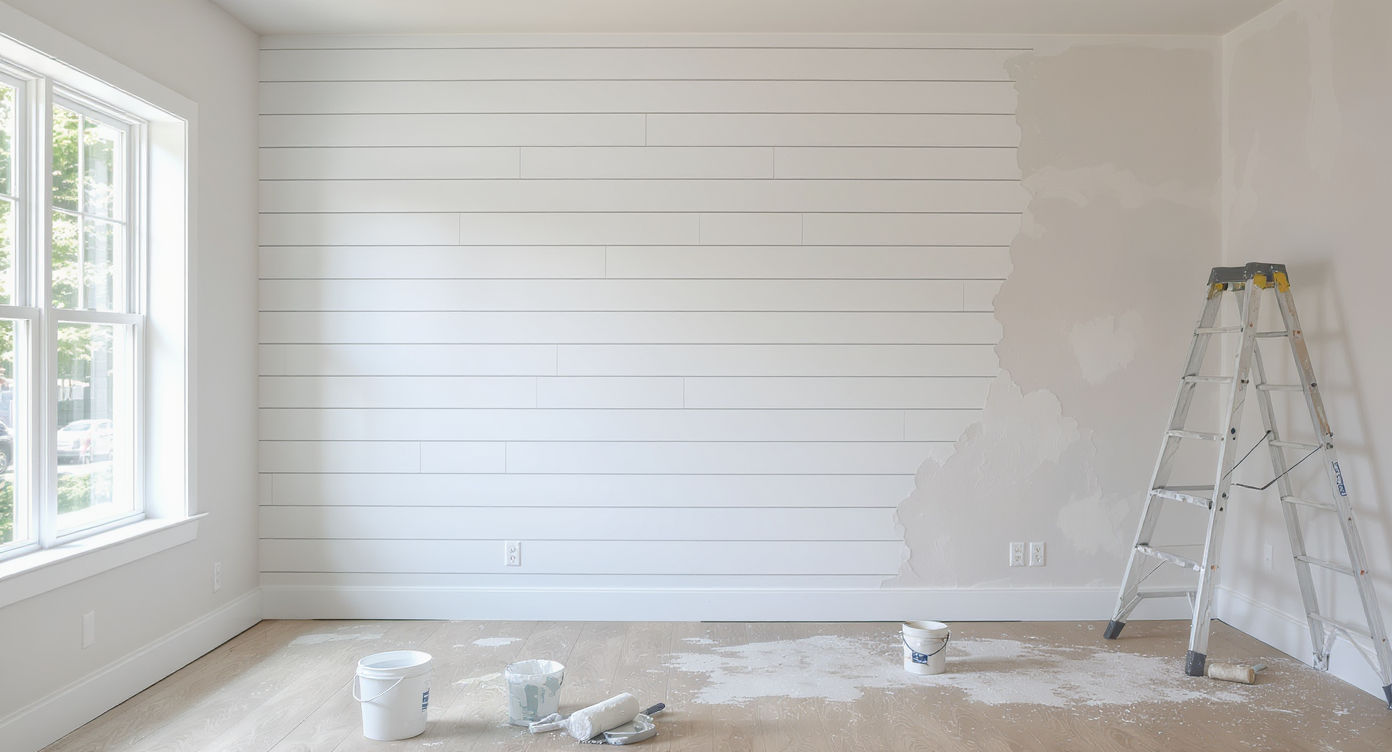
A modern living room renovation reveals a white shiplap accent wall beside unfinished drywall and tools, highlighting wall treatment choices.
Among the many decisions facing anyone about to overhaul a space, choosing the right wall treatment is deceptively consequential. Shiplap, once found mostly behind plaster and paint in old homes, has in recent years rocketed to Instagram stardom—thanks in no small part to the rise of modern farmhouse style. The big question though: when you opt for shiplap in a remodel, are you investing in timeless character, or betting on yesterday’s news?
For homeowners balancing resale hopes with personal taste, the debate around shiplap illustrates a constant challenge: which design features outlast the whims of a decade, and which quietly slip into “remember when?” territory. The answer is rarely absolute, but understanding how shiplap is perceived—as well as how it performs and changes over time—can guide smarter remodeling choices.
-
Shiplap’s Meteoric Rise—and Imminent Plateau
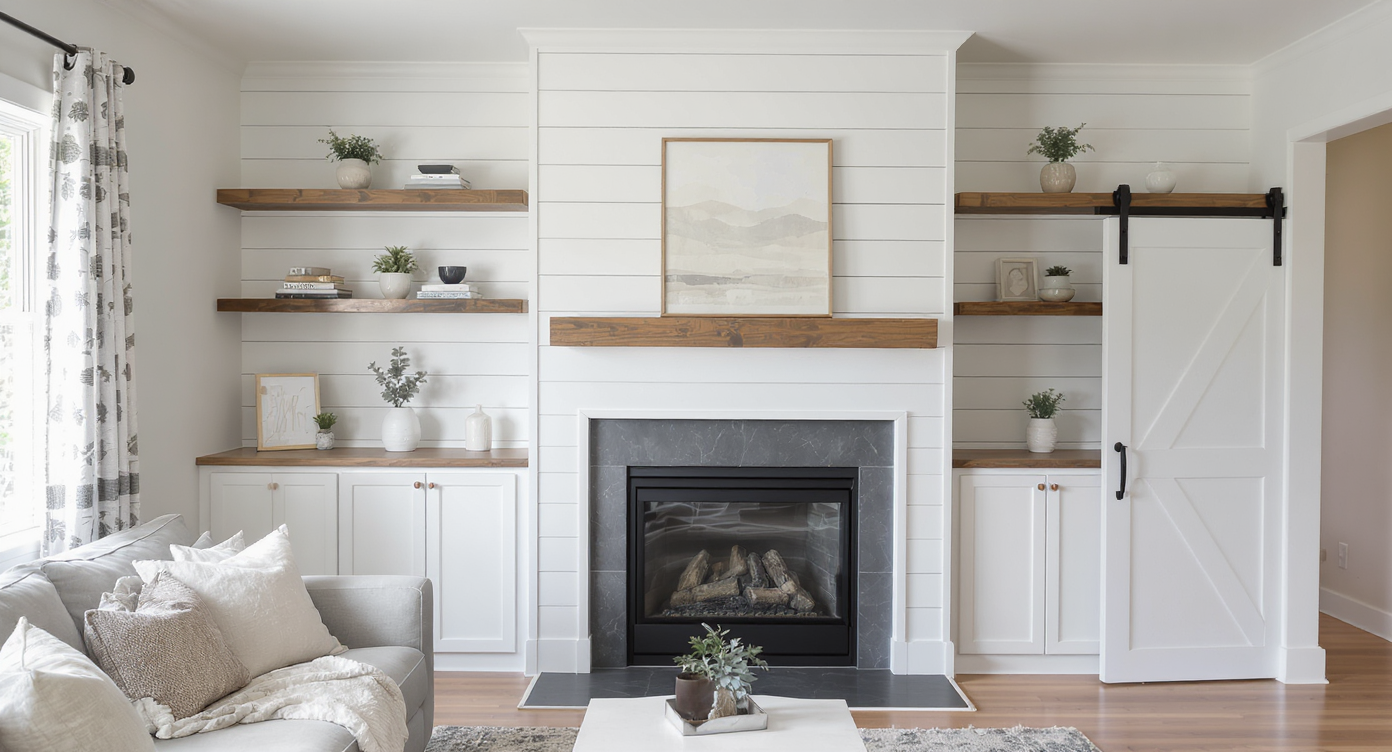
A realistic contemporary space with white shiplap walls, open shelving, and a sliding barn door—illustrating the rapid rise of this design trend.
Few wall treatments have become as instantly recognizable as shiplap in the last fifteen years. Television shows popularized it for its clean lines and rustic appeal, often paired with sliding barn doors and open shelving. Yet, this rapid rise flagged warning signs for designers and consumers alike. As recent trend forecasts reveal, the features that define an era can quickly brand a space as "very 2020s" when tastes move on.
Like other widespread trends, shiplap’s saturation is now prompting skepticism. Once adopted beyond its farmhouse roots—appearing in urban apartments and suburban new builds—its presence risks feeling more manufactured than historic. The design community observes that, as with shiplap’s predecessors (think: 1970s wood paneling), what feels fresh today can tip into overdone with ubiquity.
Expert Insight
During a recent walk-through of a family friend's 1950s home, a surprising detail emerged: behind a plain, painted wall, we found an untouched expanse of original shiplap, marked with the patina of decades past. The homeowners considered restoring it, debating whether to expose the historical wood or stick to their planned minimalist update. In the end, they left a single accent wall uncovered—offering a perfect blend of old character and current taste—with visitors consistently admiring the subtle nod to the home’s roots.
-
Fit Matters More Than Fad
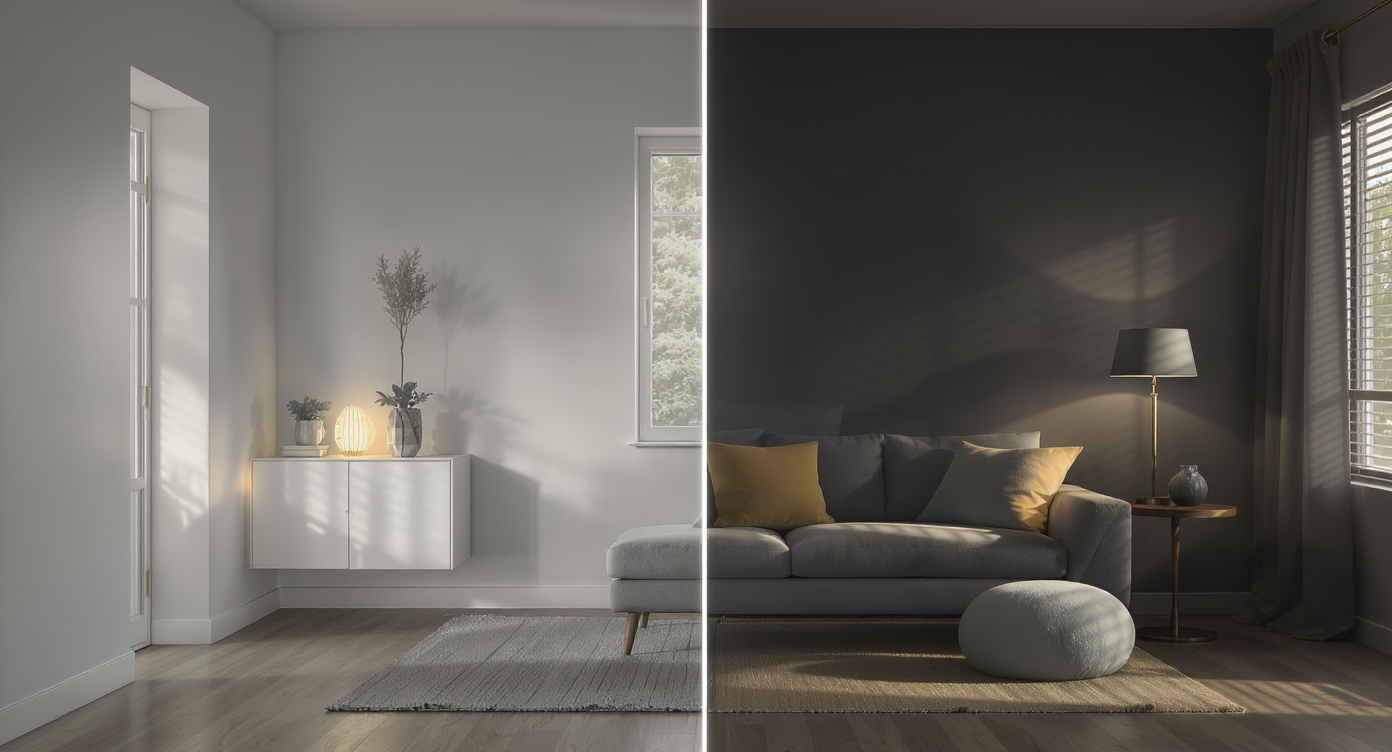
Side-by-side interiors reveal how original shiplap suits a farmhouse, while new shiplap can clash with modern urban spaces, stressing contextual fit.
No design element exists in a vacuum. Shiplap installed thoughtfully—paired with a cohesive architectural language and materials palette—reads as considered, not compulsory. Designers often recommend aligning wall treatments with a home’s style. An 1890s farmhouse in a rural setting may welcome a shiplap accent that nods to its roots, while the same application in a midcentury ranch or an urban loft risks feeling discordant.
One real-world scenario plays out when new homeowners discover original (or well-preserved) shiplap beneath drywall during a renovation. In cases where the bones of a house communicate its history, revealing and preserving shiplap can add genuine character. But layering new shiplap on modern drywall in a setting lacking rural or rustic cues can veer toward kitsch. The integrity of the installation—how it’s finished, painted, or coordinated with trim—determines whether it elevates or dates a room.
-
Timeless or Time-Limited? What the Data and Designers Say
The trend’s divisiveness is reflected not only in design forums, but also by widespread market observation. According to predictions for the trends likely to fade by 2030, shiplap walls will become shorthand for the late-2010s/early-2020s era—often replaced by subtler, warmer wall treatments and natural materials. While shiplap’s flexibility (it can be painted any color, cover one wall or an entire room) offers less risk than, say, all-pink bathrooms of decades past, there’s growing consensus that its overexposure is accelerating its decline.
Practically, shiplap’s removability is a plus. Unlike floor-to-ceiling tile or patterned wallpaper, a shiplap wall can be demoed and replaced with drywall in a weekend—a fact many homeowners have found comforting. Its textural simplicity also means that, if maintained well and in neutral hues, a single accent wall is less likely to offend future buyers versus more polarized fads. Yet, as explored in our review of the most overdone styles for 2025, smart, function-driven upgrades are replacing one-size-fits-all decor statements.
-
Beyond Trendwatching: Practical Considerations
Making a design decision is always a mix of head and heart. For those planning to stay in their homes for a decade or more, personal enjoyment takes precedence—most buyers overhaul spaces after a purchase regardless. For those eyeing a five-year sale or quick flip, the calculation changes; wall treatments that strongly date a house can become a point of negotiation, or even require removal before listing.
An often-overlooked aspect is maintenance. Shiplap installed in high-traffic areas collects dust in its seams, which becomes a consideration for households with allergies or for rooms like basements that may not see routine use. Color choice, placement, and scale matter more than ever—the impact of a single shiplap accent wall in a cozy, well-lit study differs dramatically from an entire lower-level installation that could risk a cavernous feel. While some homeowners keep vintage materials for nostalgia, others cover or remove them as tastes evolve.
Visualization Scenario
Picture a bright reading nook along a basement wall, where a crisp white shiplap accent stretches behind built-in shelves and a plush armchair. Here, light bounces off the wood’s gentle grooves, while the adjoining walls stay serene in pale green. The texture gives the nook a sense of invitation and dimension, harmonizing with carefully chosen modern décor and avoiding visual overload—a reminder of how shiplap, in moderation, can enrich rather than overwhelm a well-loved space.
Frequently Asked Questions
- Is shiplap still in style for 2026?
- Shiplap remains familiar in 2026 but is considered past its peak, especially outside true farmhouse or coastal homes. Its widespread use is seen as a marker of early 2020s trends, though a single, well-placed accent wall may still add value if matched to the broader home style.
- Can shiplap hurt resale value?
- Only if it clashes with the home’s architecture or dominates too many spaces. When thoughtfully applied and easy to remove, it rarely becomes a dealbreaker—but buyers may see extensive shiplap as an update waiting to happen.
- How hard is it to remove shiplap?
- Shiplap installed with nails (not adhesive) is straightforward to take down, making it a relatively low-risk decorative upgrade compared to tile or wallpaper. Most removals are weekend-friendly projects.
- What’s the best alternative if I like texture?
- Consider wainscoting, beadboard, or subtle textured wallpaper for a sense of depth with more lasting appeal. Testing options with visualizer tools, such as ReimagineHome.ai, can help you decide what fits your space best.
- Is it worth following remodeling trends?
- Prioritize your enjoyment and the house’s intrinsic style over what’s viral now. Trends fade quickly, but genuine design integrity and materials always hold appeal.
Designing for Today While Planning for Tomorrow
Shiplap ultimately lands at the intersection of popular style and enduring architecture, but is safest when treated as a supporting character rather than a headliner. Incorporating it where it genuinely resonates—in historic homes or as a subtle accent—lets you tap into texture and warmth without overshooting into trend-driven excess. The key is honest self-assessment: Will you love it for years, or does it scratch a temporary design itch?
This principle applies not just to shiplap but to every upgrade. As explored among design trends that may not age well, balancing timelessness with personality allows your home to evolve gracefully—one smart material choice at a time. If you crave clarity before committing, tools like ReimagineHome.ai can help you visualize—and rethink—your ideas in context.