7 Smart Lessons from DIY Landscape Lighting Projects
TL;DR
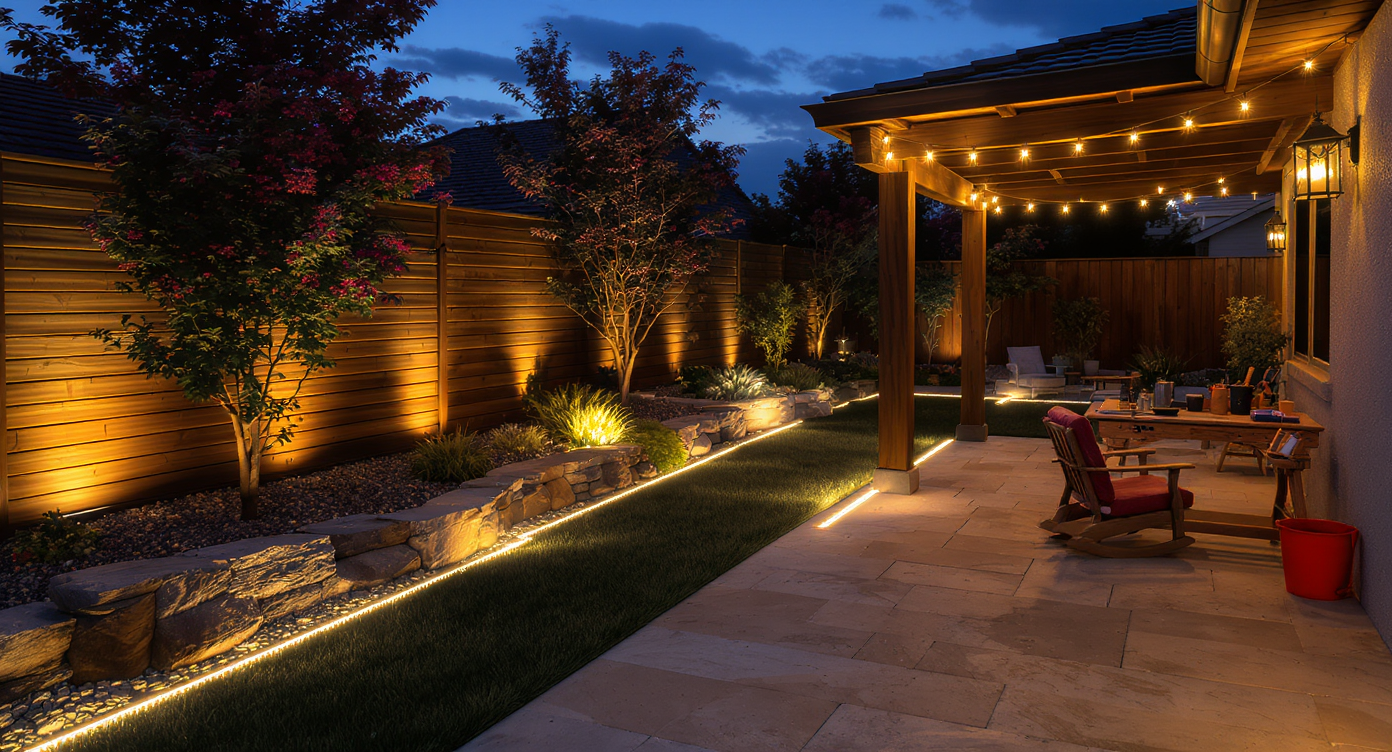
DIY landscape lighting offers budget-friendly creative control while addressing the limitations of store-bought options. Key lessons include repurposing materials, weather-proofing designs, planning wiring, and tailoring aesthetics. These strategies promote greater durability, more cohesive styling, and a customized nighttime garden ambiance.
Why DIY Landscape Lighting Is Having a Moment
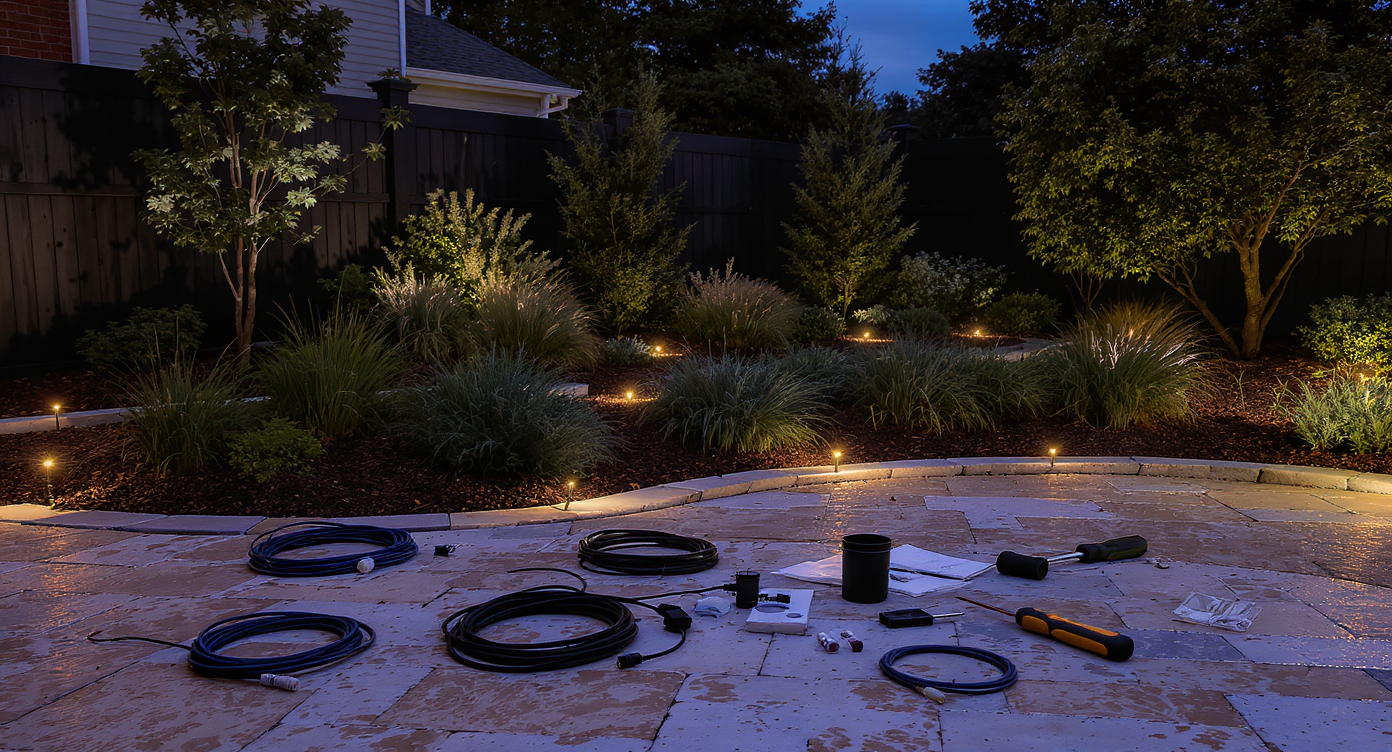
A hands-on backyard scene at dusk displays DIY outdoor lighting tools, components, and glowing fixtures for custom landscape illumination projects.
Landscape lighting has long stood at the intersection of utility and expression. While off-the-shelf options dominate home improvement aisles, an increasing number of homeowners are bypassing mass-produced plastic and embracing hands-on, cost-effective upgrades. The appeal is twofold: tailored designs that echo personal taste, and real savings compared to premium kits that rarely reflect unique outdoor needs. Inspired by real-world makers and supported by the evolving accessibility of home design tools, custom DIY lighting is more within reach than ever. Beyond aesthetic appeal, the lessons drawn from successful projects can help anyone considering a garden glow-up sidestep common pitfalls while achieving lasting curb appeal.
-
1. Repurposed Fixtures Offer Real Character
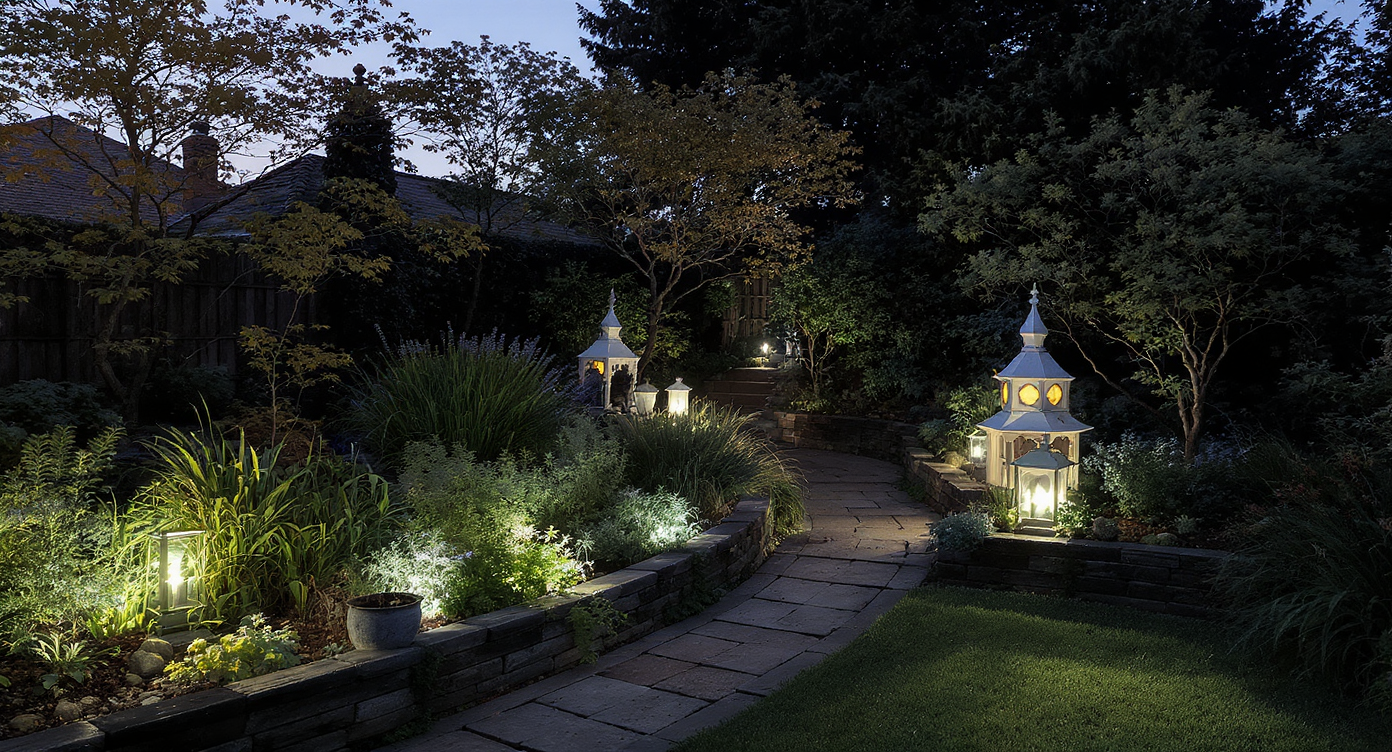
Repurposed bathroom sconces and pendant lights, now durable and stylish pathway lighting in a garden, showcase creative upcycling ingenuity.
The hunt for landscaping lights frequently ends in disappointment—plastic construction, hefty price tags, or uninspired designs. Many home creators have discovered that upcycling indoor fixtures, such as retired bathroom sconces or discarded pendant lights, injects a level of personality store-bought models simply cannot match. By stripping old hardware to its bones and rehousing essential wiring, it is possible to construct elegant, robust outdoor fixtures that draw from a broader aesthetic palette. According to our guide on 10 DIY Home Decor Ideas for 2025, repurposing not only minimizes waste but also makes room for truly custom results.
-
2. Creative Material Choices Build Durability
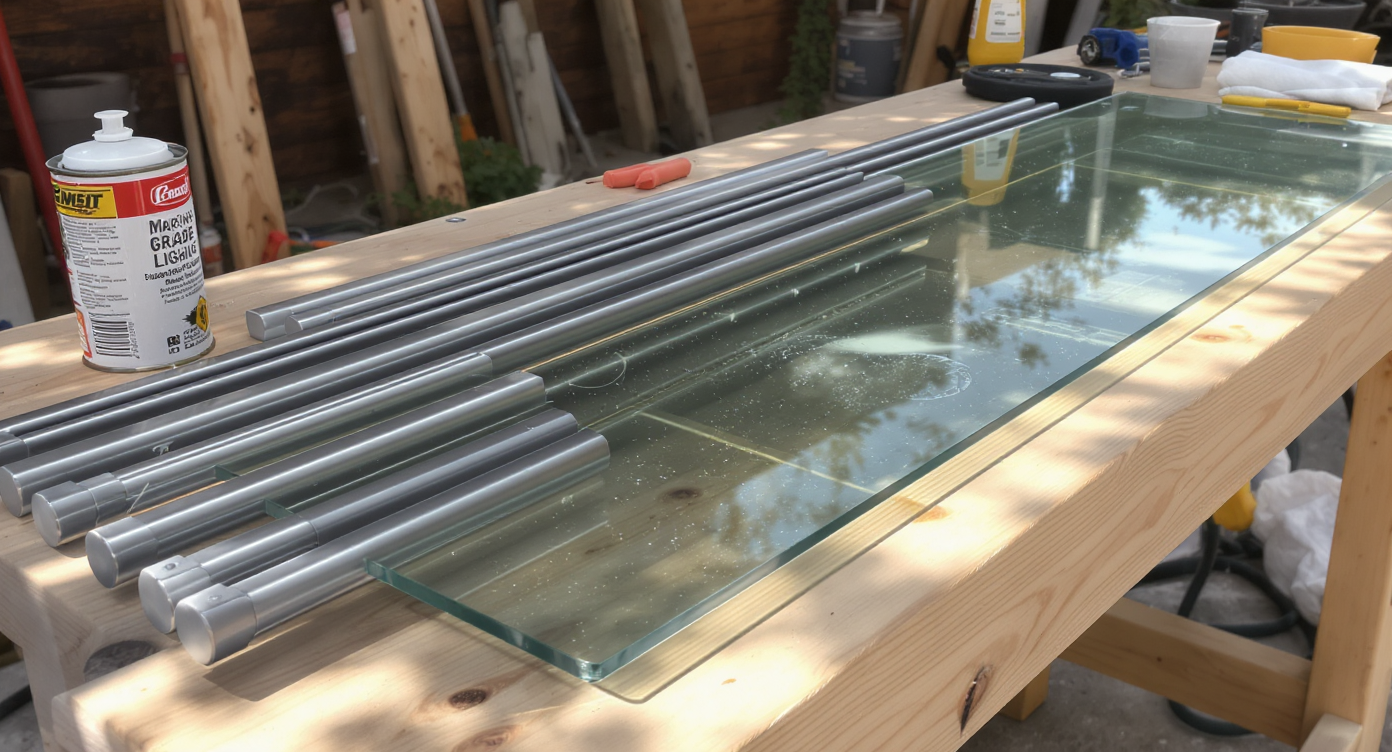
A realistic scene showing tough materials and protective finishes used for long-lasting, durable DIY outdoor lighting installations.
DIYers who want their installations to withstand the elements do more than apply a coat of spray paint. Rigid materials such as metal balusters, salvaged tempered glass, and weather-resistant seals form the backbone of long-lasting lights. Considerations around coatings, such as ceramic treatments borrowed from automotive detailing or marine-grade primers, can extend the life of exposed surfaces. Experienced makers recommend planning ahead for all-weather resilience, especially in climates prone to moisture or freezing cycles. In design practice, this upfront material investment consistently pays dividends in lower maintenance over time.
-
3. Wiring Demands Strategic Planning
Simple, low-voltage systems dominate the DIY landscape, but clever routing, moisture management, and safe connections are essential to a professional look and functionality. Using hollow metal posts to conceal wires keeps installations tidy and less prone to mechanical damage from landscaping equipment. Strategists often suggest running wiring through deep-set conduits and sealing all entry points with silicone or rubber grommets. For those less experienced with electrical work, it is especially wise to map out pathways and double-check all connections before final placement, as emphasized in resources on the easiest DIY home repairs that save real money.
-
4. Thoughtful Scale and Placement Shape Ambience
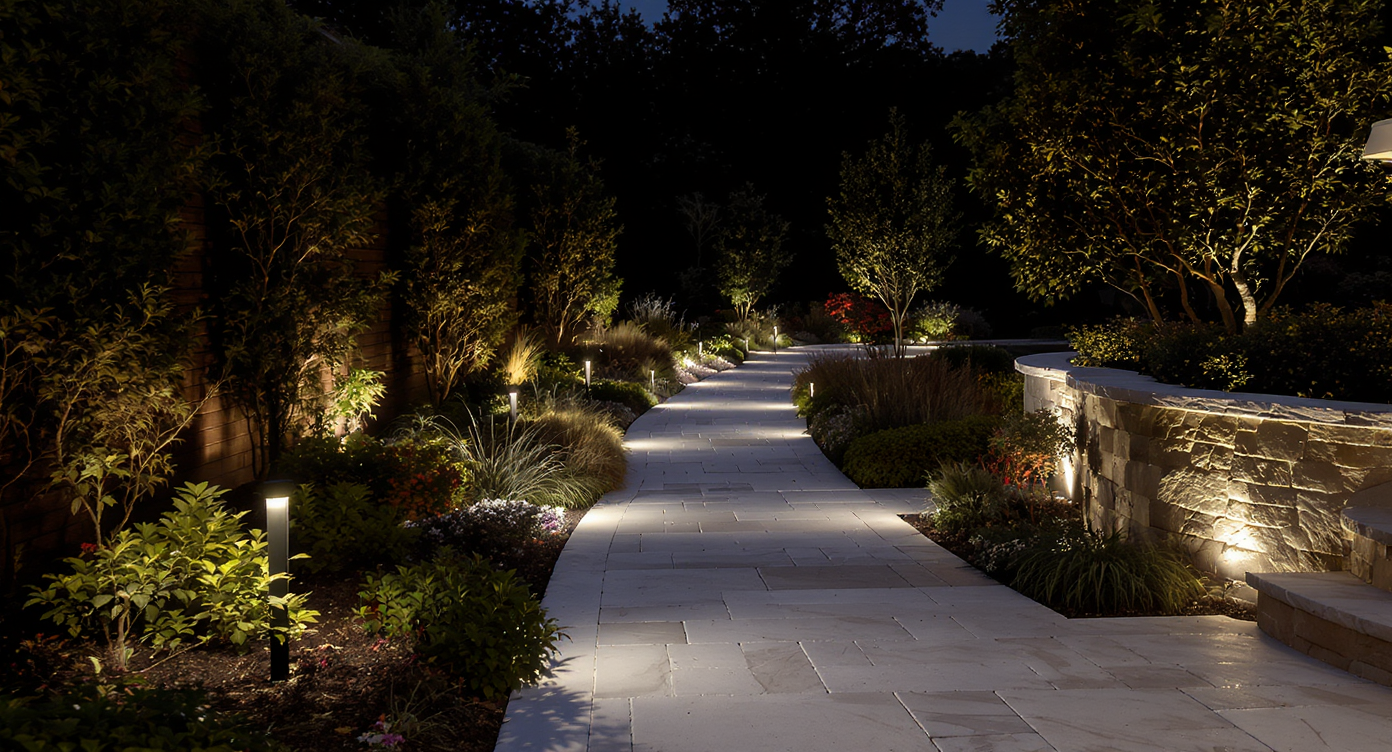
Layered landscape lighting demonstrates how thoughtful scale and precise placement create ambience while highlighting garden features.
Landscape lighting is not only about utility, but atmosphere. Whether using repurposed fixtures or built-from-scratch assemblies, the placement and height of each light are as crucial as its aesthetic. Pro designers frequently experiment with sightlines, shadow casting, and the natural flow between garden zones. Before breaking ground with any hardware, tools like REimagineHome.ai let you preview placements in a virtual environment, making it possible to balance visibility and subtlety with precision. As explored in the 2025 guide to outdoor patio and wall lighting, harnessing multiple fixture formats—such as path, spot, and ambient lights—adds depth and prevents flat, overlit spaces.
-
5. Budgeting Skillfully Amplifies Results
Frugal creators regularly demonstrate that style is not synonymous with high price tags. By foraging for used hardware, hunting online classifieds, and reusing old electrical components, stunning results are achievable for a fraction of retail costs. Small purchases such as hardware, wiring, mounting posts, and finish sprays can add up, so keeping a clear log of expenses and being opportunistic at salvage sales is key. Makers note their total costs are often under a quarter of professionally installed equivalents—proof that financial discipline and aesthetic ambition are not mutually exclusive.
-
6. Customization Allows for Unique Styles
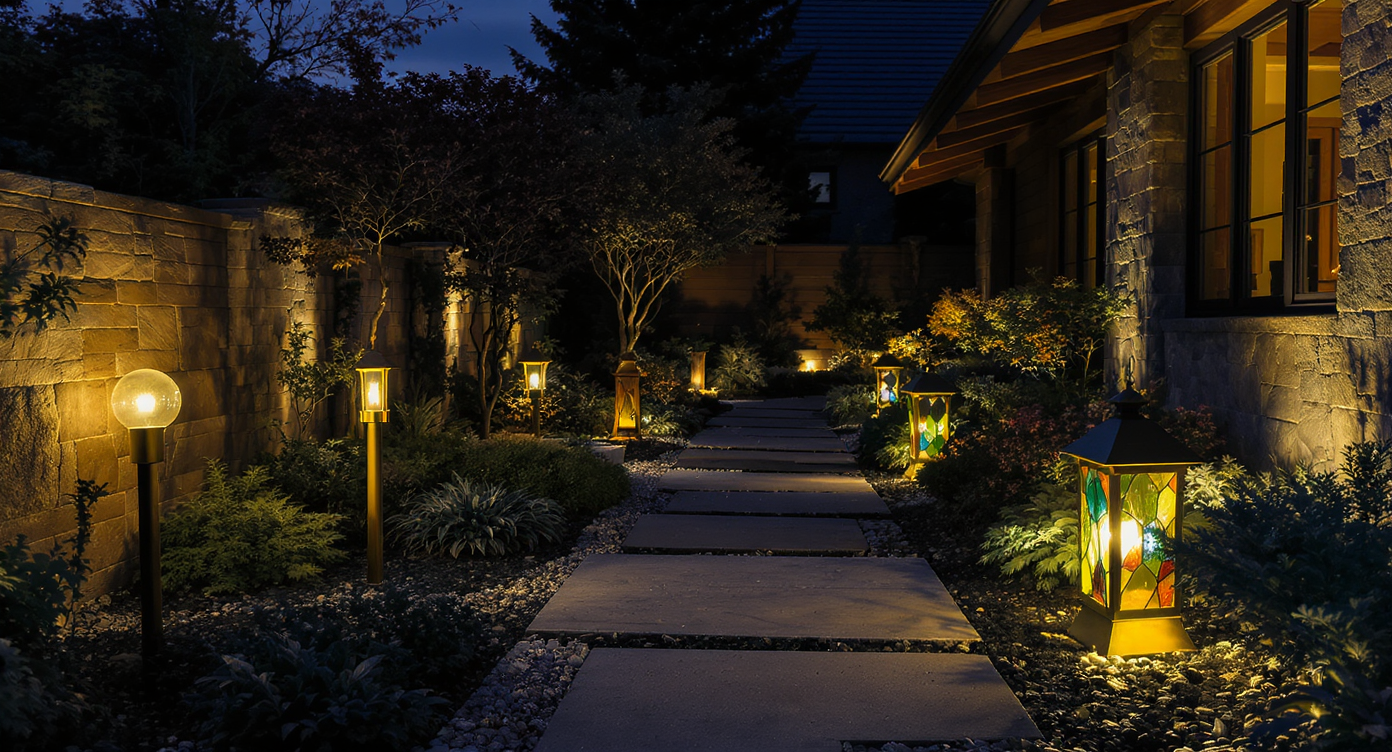
Custom landscape lights in unique styles—midcentury, craftsman, stained glass, and geometric—illuminate a stone garden path after dark.
DIY efforts shine brightest when they eschew generic trends in favor of individual expression. Some projects channel midcentury charm, others nod toward craftsman influences, while a bold few embrace stained glass or contrasting finishes. Feedback from the design community frequently praises distinctive approaches that blend unexpected materials, feature playful geometry, or adapt elements from disparate eras. Tailoring every element—from color to scale—permits a harmonious dialogue between home architecture and landscape. For further inspiration, the 2025 roundup of DIY home decor ideas highlights how tailor-made pieces can anchor an outdoor theme.
-
7. Learning from Challenges and Mistakes

A realistic outdoor worktable showing retrofitted lights, waterproofing supplies, and tool mess, illustrating DIY learning and troubleshooting.
Every successful outdoor lighting project is built on adaptation, experimentation, and candid review of missteps. Sourcing secondhand fixtures sometimes yields surprises in condition, and retrofitting components may require several iterations to achieve a watertight seal or a balanced mount. Community advice underscores being open to adjustments, whether through alternate adhesives, extra reinforcement, or weatherproofing tweaks from other DIY fields. By anticipating setbacks, designers can proactively test durability, iterate quickly, and land on long-lasting results that defy average expectations.
FAQ: DIY Landscape Lighting Insights
Sturdy metal sconces, glass shades, and weatherproofed pendants all offer excellent bones for outdoor adaptation.
How do I protect my DIY lights from weather damage?
Use rust-resistant primers, consider ceramic or automotive-grade coatings, and thoroughly seal all seams and wiring entry points.
Can I test lighting placement before installation?
Previewing layouts with photo-based visualization tools like REimagineHome.ai helps identify the most effective placement in advance.
What wiring tips should first-timers remember?
Plan wire routes around obstacles, use low-voltage systems for safety, and conceal wiring inside posts or conduits to prevent disruption.
Where can I learn about broader outdoor lighting principles?
Resources like the 2025 guide to outdoor patio and wall lighting offer strategic and design-oriented insights.
Key Takeaways for Your Own Lighting Project
DIY landscape lighting projects empower homeowners to create resilient, personality-driven solutions at a lower cost. Success lies in prioritizing material quality, planning the technical details, and giving yourself permission to innovate. Digital tools such as REimagineHome.ai enable detailed planning and visualization before committing labor or resources. With clear direction and experimental spirit, it is possible to elevate even the simplest outdoor spaces well beyond store-bought alternatives.