9 Essential Lessons from Young, Solo Cabin Living
TL;DR
A year of solo cabin living highlights the surprising benefits of compact homes, from creative storage design to developing resilience through seasonal challenges. This experience-driven guide distills practical lessons for anyone dreaming of an efficient, nature-connected lifestyle.
Living Small: Why Cabin Life Appeals Now
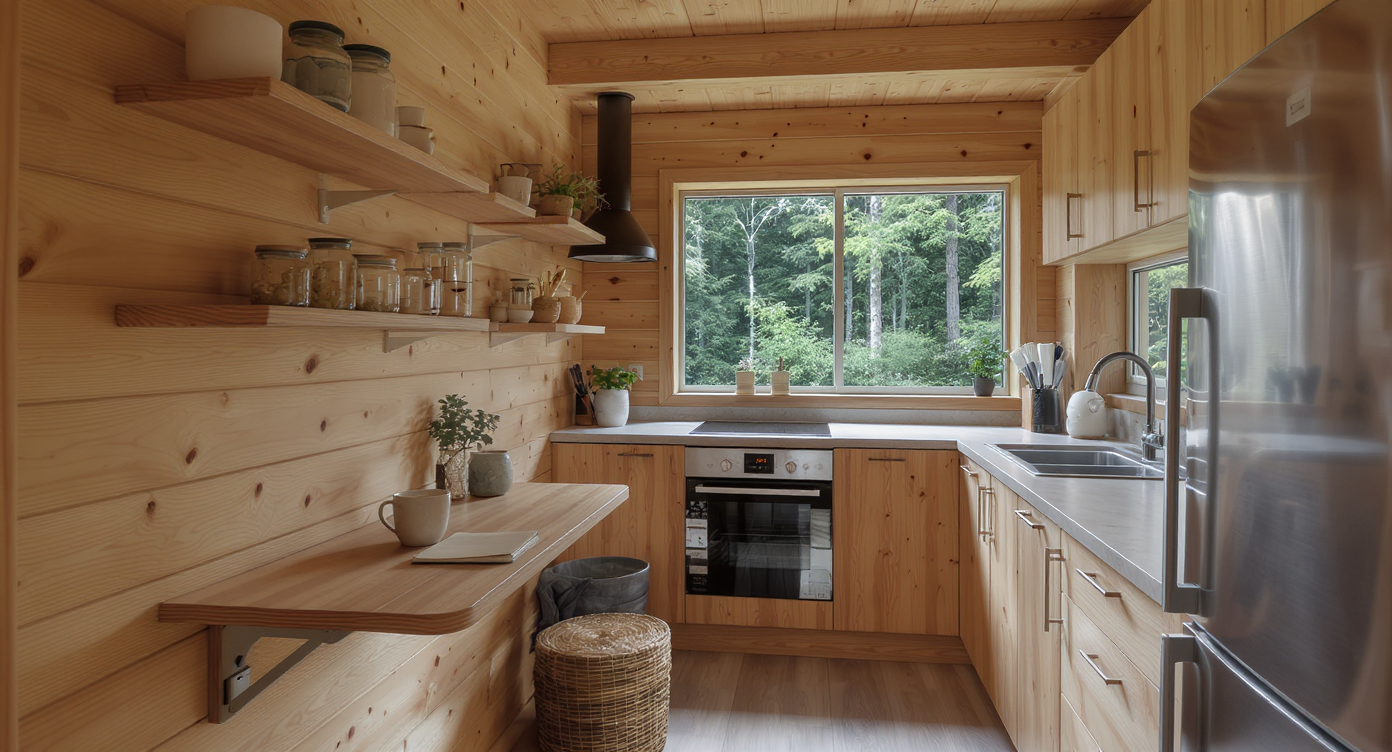
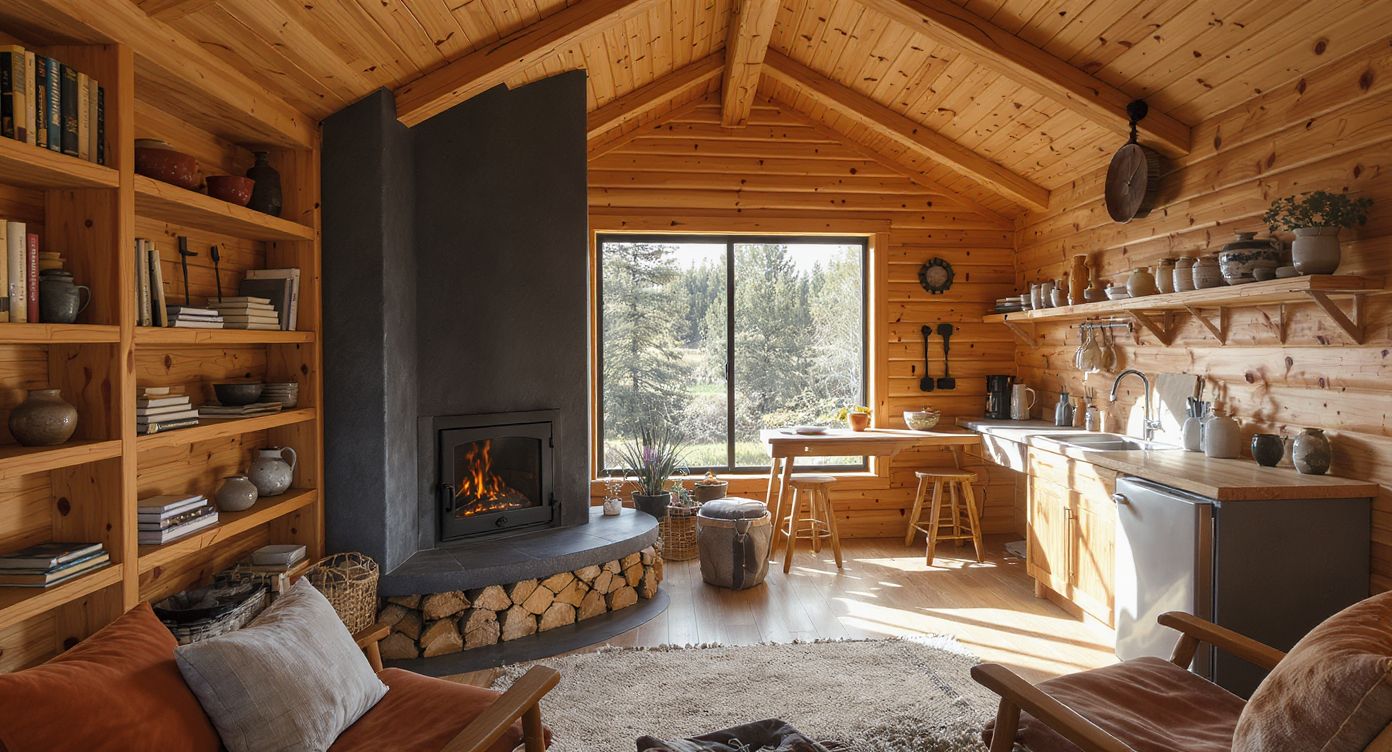
A small timber cabin interior demonstrates efficient design and connection to nature, ideal for young, solo micro-living in a forest setting.
Solo cabin living speaks to a growing demographic drawn to minimalist independence, small environmental footprints, and the peace of natural surroundings. In a time when many young adults are priced out of urban housing and seeking flexibility, the story of a 20-something building and inhabiting a compact home offers valuable context for rethinking traditional living spaces. This list breaks down hard-earned insights into making a compact home truly functional and enjoyable. Applying the lessons learned from a year in a custom-built cabin provides fresh ideas for anyone considering micro-living, detached spaces, or an unconventional approach to home design—especially those balancing cost, comfort, and a connection to nature.
-
1. Compact Homes Demand Smart Storage Design
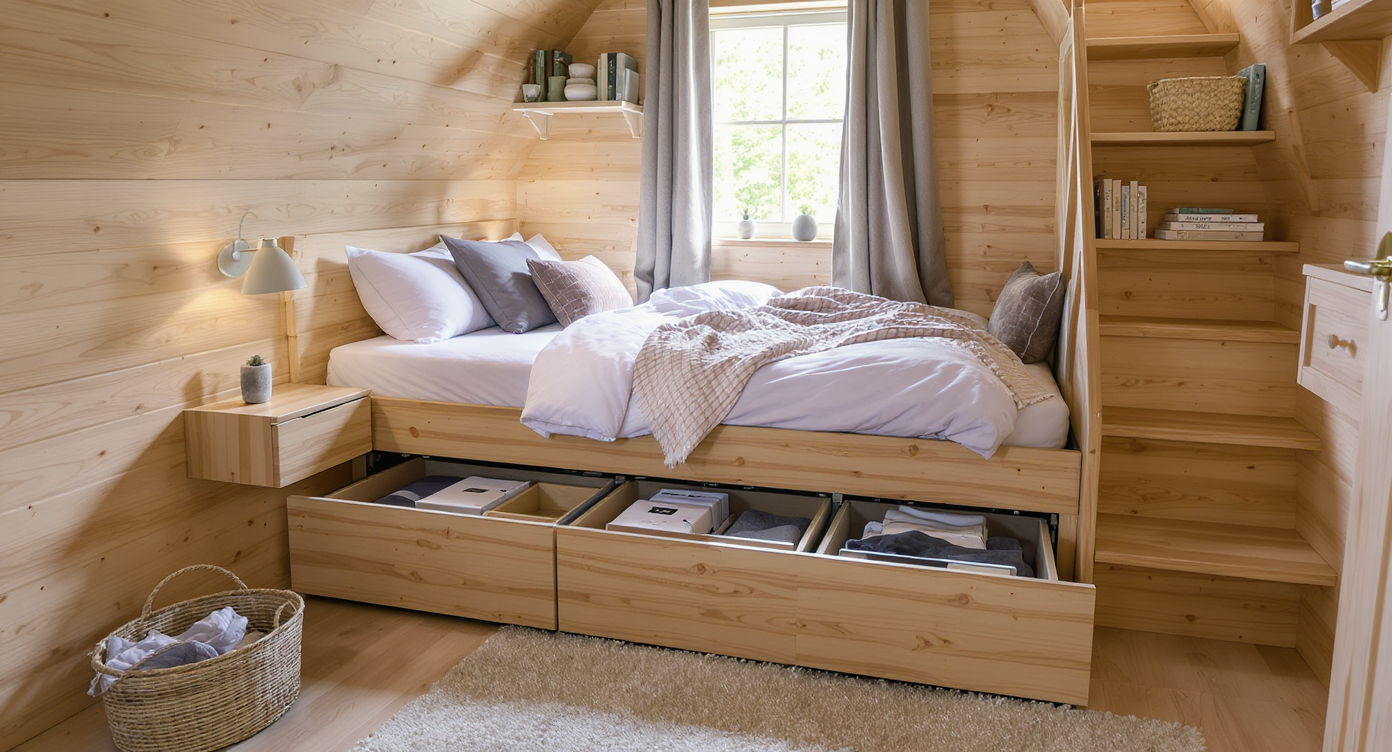
Smart storage solutions in a compact cabin: underbed drawers, floating nightstands, overhead shelves, and storage stairs maximize space.
One of the strongest themes from a year in a small cabin is the absolute need for storage solutions that serve multiple purposes. Elevating the bed off the floor, for instance, allows for hidden boxes and integrated dressers, as seen in many high-functioning compact layouts. Professionals often recommend going vertical: think shallow shelving above doors, floating nightstands, and storage stairs. Streamlining storage this way not only clears the floor but also supports a serene environment, similarly to strategies in our resource on maximizing storage in a 10x10 room that delves into built-in and underbed options.
-
2. Kitchen and Bath Separation Reshapes Daily Routines
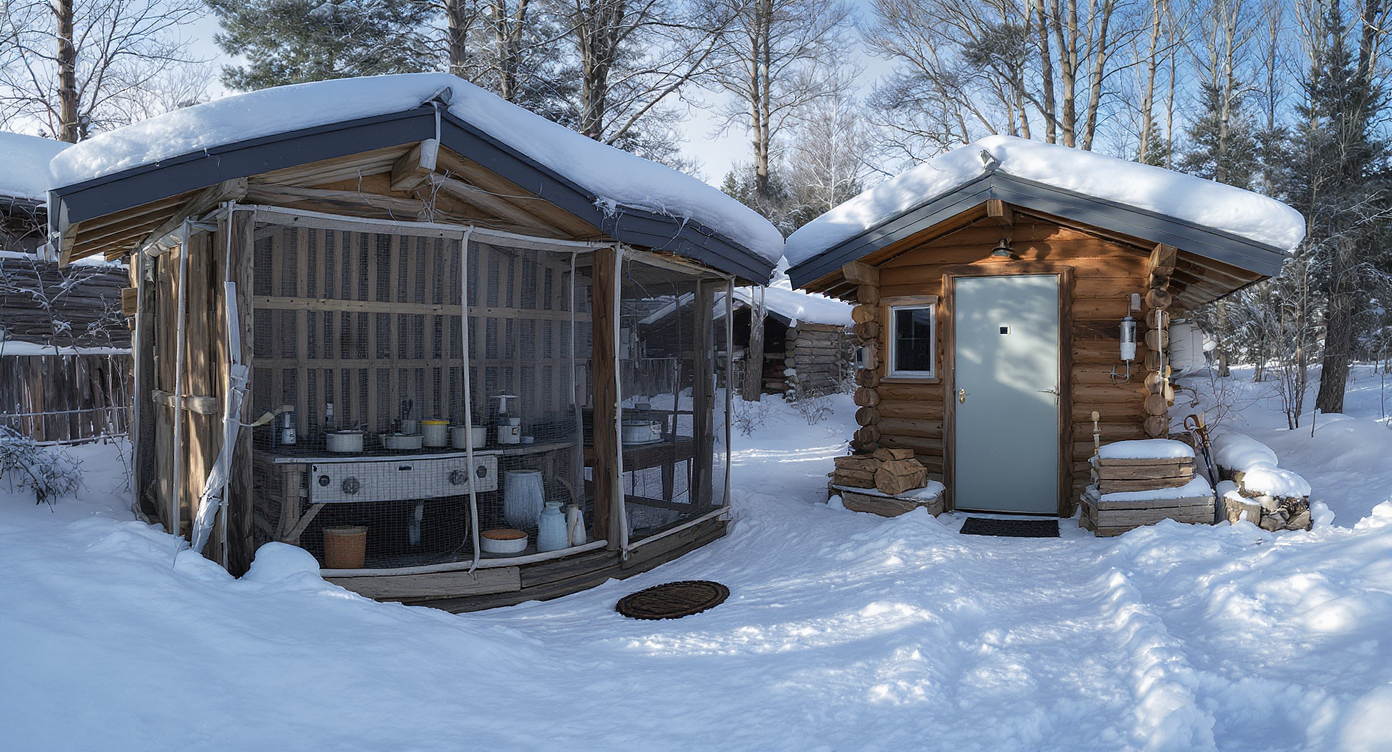
Winter scene: separate cabin kitchen and bath buildings connected by a snow-cleared path, illustrating daily routine adjustments.
Operating with detached kitchen and bathroom facilities is a radical adjustment for most people used to modern apartments. Cabin life requires covering short distances outdoors for everyday needs, particularly challenging during bad weather or winter months. While not ideal for everyone, this arrangement encourages intentionality: meal prep, hygiene routines, and even cleaning are rethought for efficiency. Many micro-home dwellers find such setups foster a deeper appreciation for even the smallest design conveniences. Resilience and adaptability become part of the daily rhythm, and creative solutions—like outdoor screened cooking—replace habitual comforts.
-
3. Climate Resilience Starts with Layered Comfort
Experiencing all four seasons in a compact home is a direct lesson in layered comfort. While insulation and a mini-split can maintain a stable internal temperature, floors often run cold in winter, and outdoor kitchens can lose appeal during storms. Layering soft furnishings on surfaces, using draft excluders, and integrating efficient heating sources provide psychological and physical warmth. This approach aligns with warm minimalist principles, explored more in depth in our feature on making a minimalist living room both serene and inviting that explains comfort-boosting details.
-
4. Proximity to Nature Changes Daily Perspective
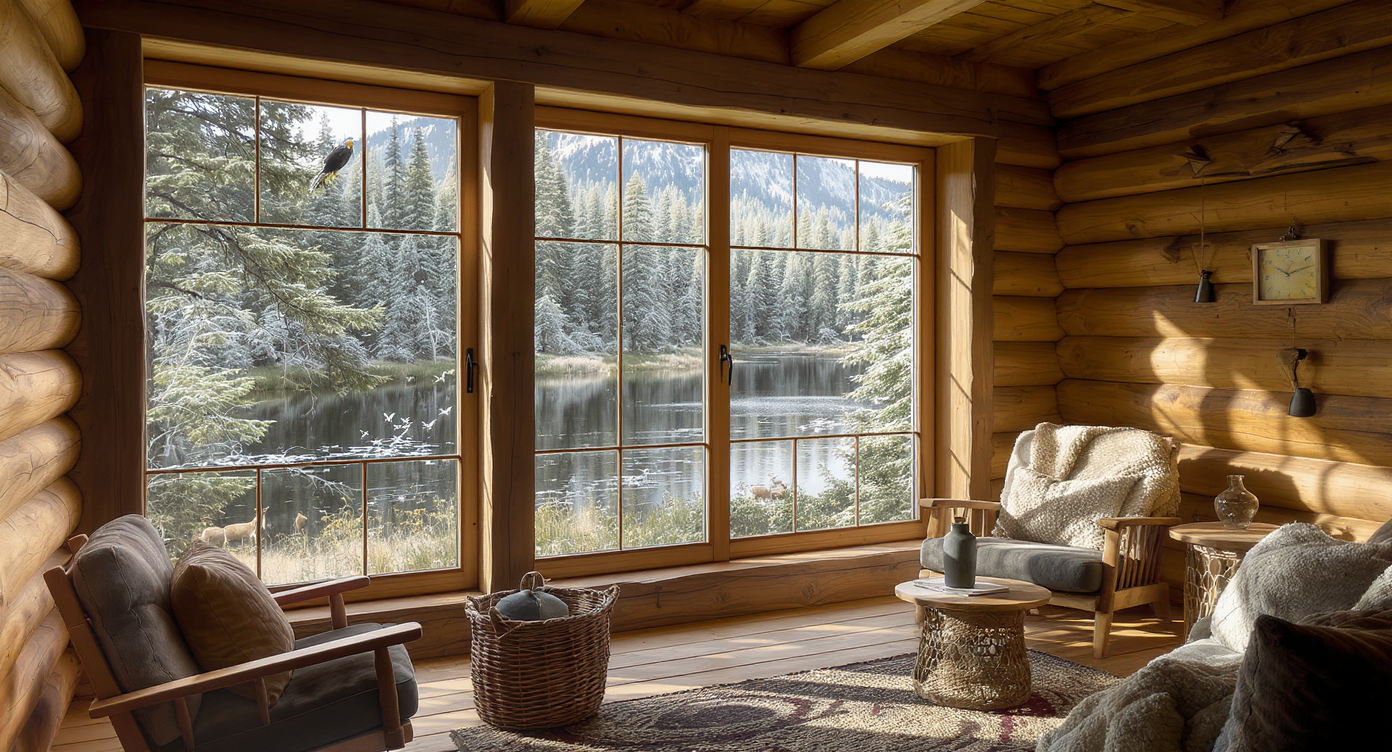
A lakeside cabin interior reveals daily encounters with wildlife, illustrating how proximity to nature fosters calm and inspiration.
A small, independent home set beside a lake or wooded area transforms the ordinary into something remarkable. Residents frequently witness wildlife right outside their window: eagles, deer, and migrating birds become part of the daily rhythm. Living with natural views and sounds reduces reliance on digital entertainment and fosters a sense of peace often absent in city environments. For many, this daily connection restores balance and boosts well-being, providing calm and inspiration even during solitary periods.
-
5. Community Matters More Than You Think
Contrary to the myth of complete isolation, sturdy community connections underpin most successful off-grid or semi-remote living arrangements. Sharing a larger property with others—be it relatives or neighbors in nearby cabins—means shared access to wells, groceries, or even internet. This support network can ease the challenges of solo living while enabling independence. Many young adults find this hybrid of autonomy and community ideal while transitioning into adulthood, offering both private space and a safety net.
-
6. Minimalism Is Not Just Aesthetic, It's Practical
Adopting a minimalist approach in a compact home is driven more by necessity than by trend. When every piece of furniture has to earn its place, the focus naturally shifts to quality, versatility, and emotional value. Curating a few cherished objects and streamlined surfaces avoids clutter, supports mental clarity, and enhances enjoyment of the space. This echoes observations in our guide to making minimalism feel alive which highlights the value of deliberate design choices.
-
7. DIY and Upcycling Fuel Compact Innovation
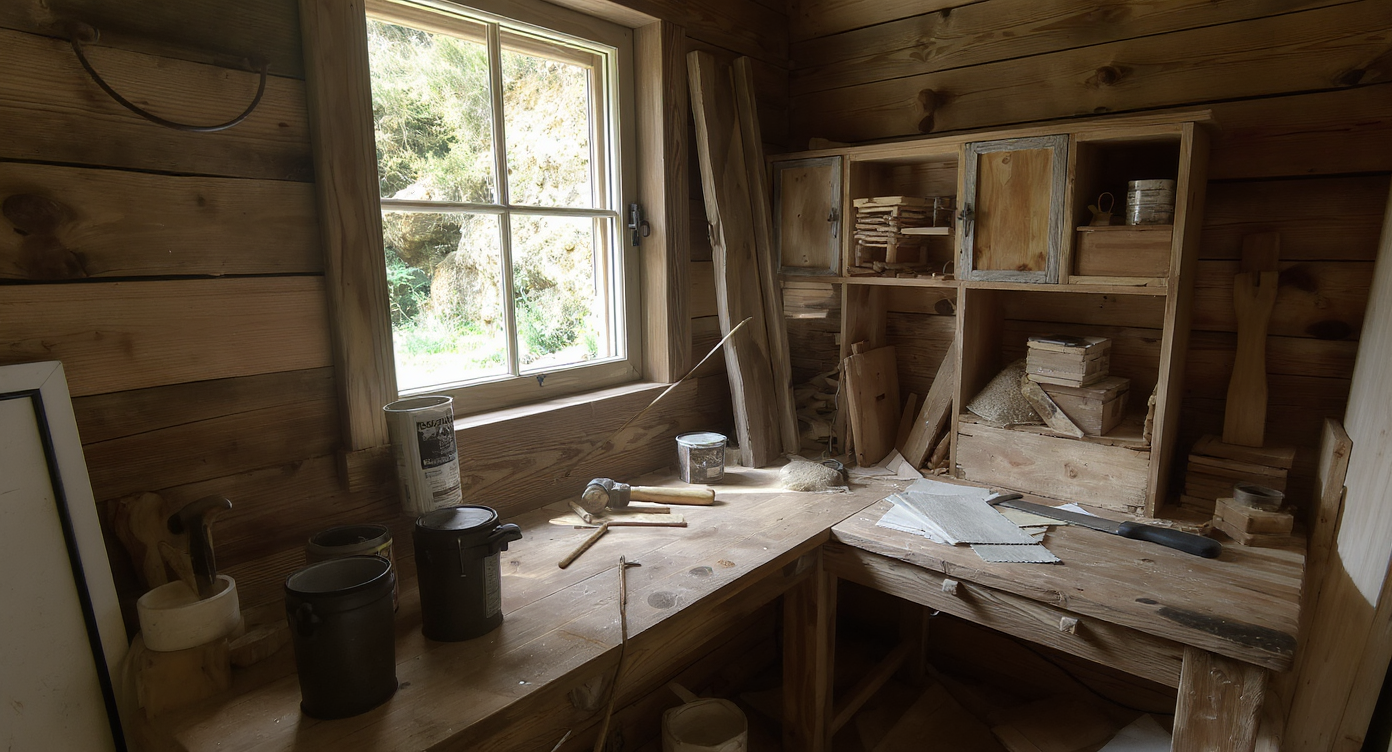
A resourceful cabin space built with reclaimed wood and upcycled furniture, showcasing practical DIY solutions and sustainable design.
Resourcefulness is both a necessity and a virtue in remote or budget-conscious homebuilding. Many cabins start with reclaimed structures, upcycled barn wood, or repurposed furnishings. Not relying on a strict plan but instead adapting existing materials cultivates an agile mindset. This blend of DIY and upcycling often leads to spaces with more character and lower environmental impact—moving beyond style into truly sustainable living.
-
8. Well-Considered Compact Layouts Enhance Lifestyle
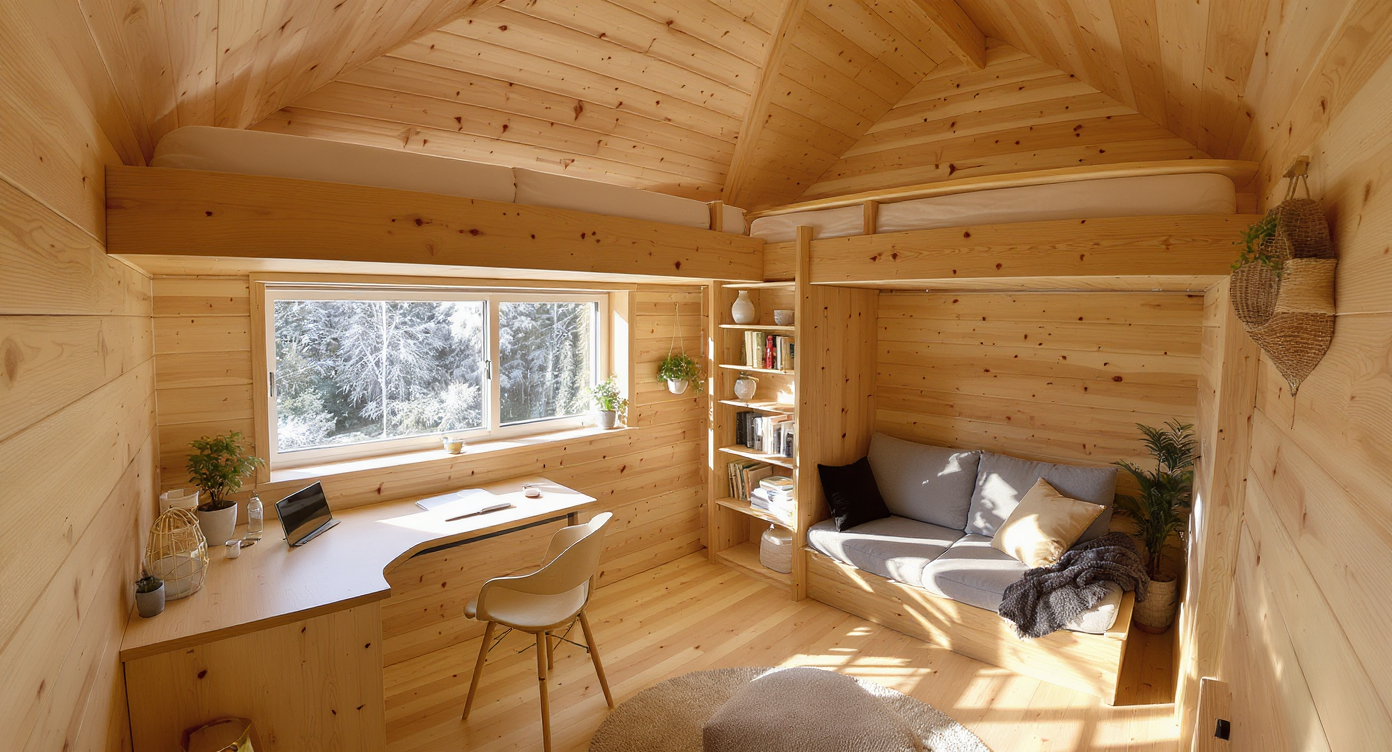
Realistic compact cabin layout: raised bed with storage, under-bed workspace, organized shelving, and a cozy lounge—efficient use of space.
Limited square footage makes layout decisions more important than ever. Placing the bed high frees up valuable floor space below, while thoughtful positioning of desks, shelving, and lounging zones can maximize both comfort and storage. Experimentation is key, and digital tools such as REimagineHome.ai allow users to visualize layout options and compare functionality before committing. This tactical approach leads to homes that are efficient, adaptable, and truly reflective of their occupants’ needs, as detailed in our rundown of 2025's best small bedroom tactics which showcase practical adjustments.
-
9. Independence Requires Resilience And Adaptation
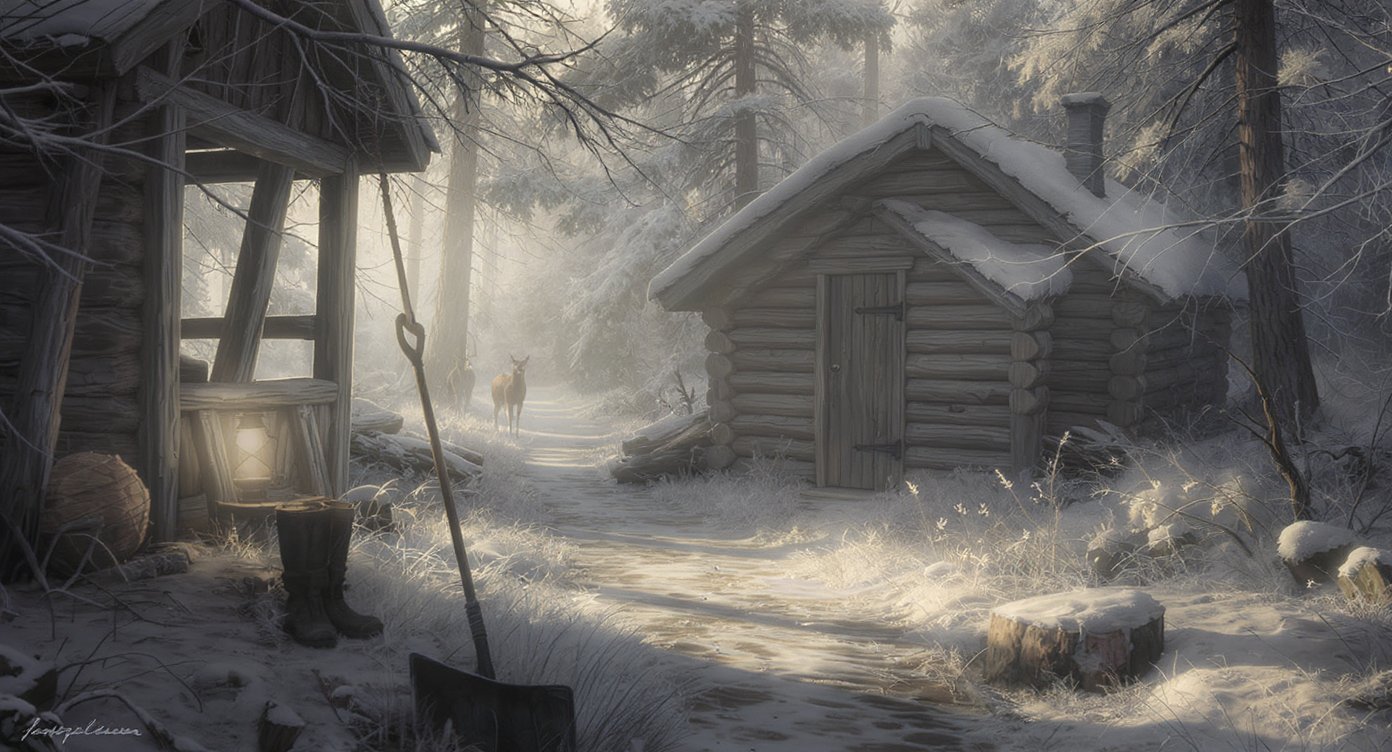
Frosty dawn outside a cabin shows boots, a shovel, firewood, and a lantern—an environment requiring resilience and daily resourcefulness.
While the rewards of living in a compact home are significant, the experience also demands flexibility and resilience. Unpredictable wildlife encounters, adjusting to shared resources, or facing cold walks to an outdoor bathroom each require problem-solving and a sense of humor. Ultimately, solo cabin life yields strong self-reliance and an ongoing ability to adapt—skills more valuable than ever for those forging their own path.
FAQs on Solo Compact Living and Design
Adapting to outdoor trips in all weather is the main challenge, especially during winter. Planning routines around the extra effort and using insulated paths or outdoor screens makes it more manageable.
Can a compact home feel as comfortable as a larger one?
Comfort in compact layouts is possible with thoughtful storage design, layered materials, and deliberate minimalism. Resources like our guide on warming minimalist spaces provide actionable tips.
Are digital tools useful for planning compact spaces?
Yes, platforms like REimagineHome.ai let you quickly test layouts and visualize storage design options before making permanent changes.
How important is community support in cabin or rural living?
Community support is often vital for shared resources and a sense of connection. Even strong independent spirits typically rely on some neighborly cooperation.
Does upcycling really make a difference in cabin construction?
Absolutely. Repurposing existing materials not only lowers costs but gives the space a unique story and minimizes environmental impact.
Key Takeaways for Compact Home Enthusiasts
Solo cabin living offers profound lessons for those considering compact homes and minimalist lifestyles. Whether maximizing storage, adapting to modular living, or simply sharpening resilience, the experience encourages clarity and broader context for modern home design. Digital planning tools such as REimagineHome.ai can help others test ideas and optimize their own small living spaces to blend comfort, practicality, and character.