7 Loft Room Design Mistakes That Ruin Comfort, And How to Fix Them
TL;DR
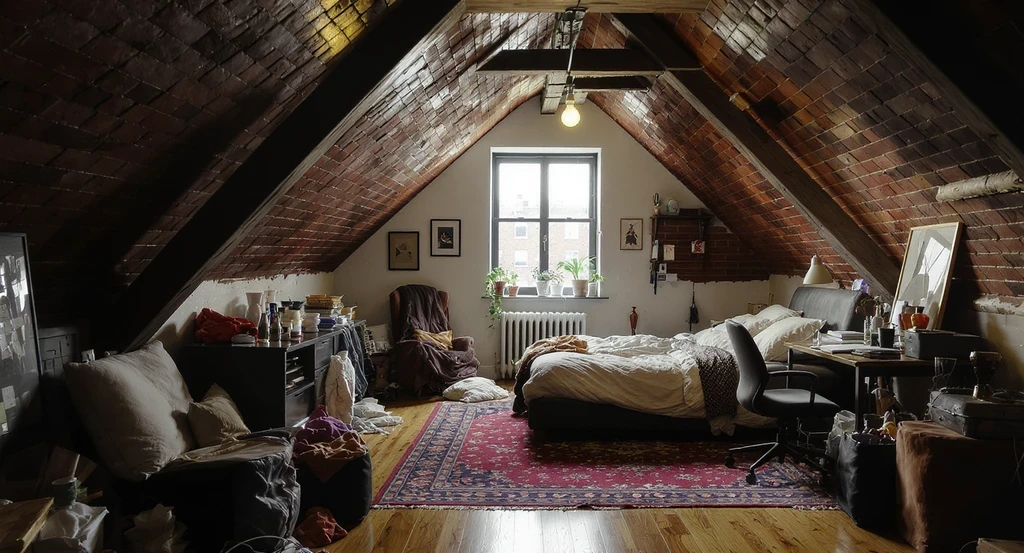
Loft rooms lose comfort quickly when layout rules are missed. Avoid poor zoning, off-scale furniture, blocked windows, and cluttered walkways with clear corrections. Simple spacing, layered lighting, and visual zoning principles help even small lofts feel open and inviting.
Why Loft Room Layouts Are Challenging
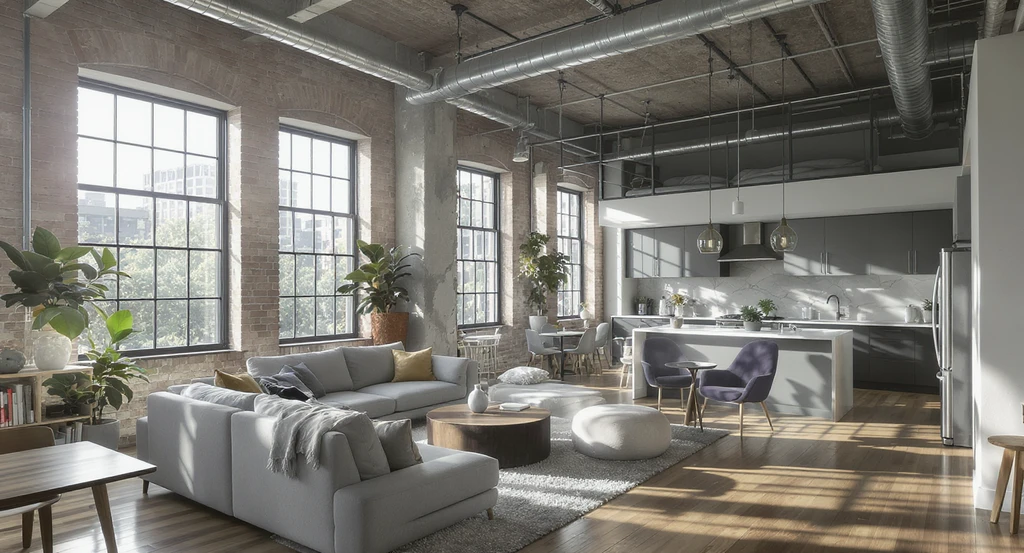
Common ai home design mistakes in loft apartments include poor zoning, blocked walkways, and ignored virtual staging tips—issues that ai home design for loft zoning can help solve.
Loft rooms combine open layouts, high ceilings, and flexible functions. However, these same features make them especially vulnerable to poor circulation, awkward furniture placement, and uncomfortable living if basic layout logic is overlooked. Without interior walls, lofts require more attention to furniture grouping, visual boundaries, and practical measurements.
Applying a few core layout rules helps avoid frequent mistakes so lofts feel both open and organized. Whether furnishing a new loft apartment or improving a rental studio, the layout corrections explained below will support comfort and visual balance in any flexible space.
- Main walkway clearance: 30–36 inches
- Minimum spacing between furniture: 24 inches
- Comfortable conversation distance: 6–10 feet
- Window obstruction limit: Keep at least 50% of window area clear
-
01. Treating the Loft as One Giant Room
01. Treating the Loft as One Giant Room Image
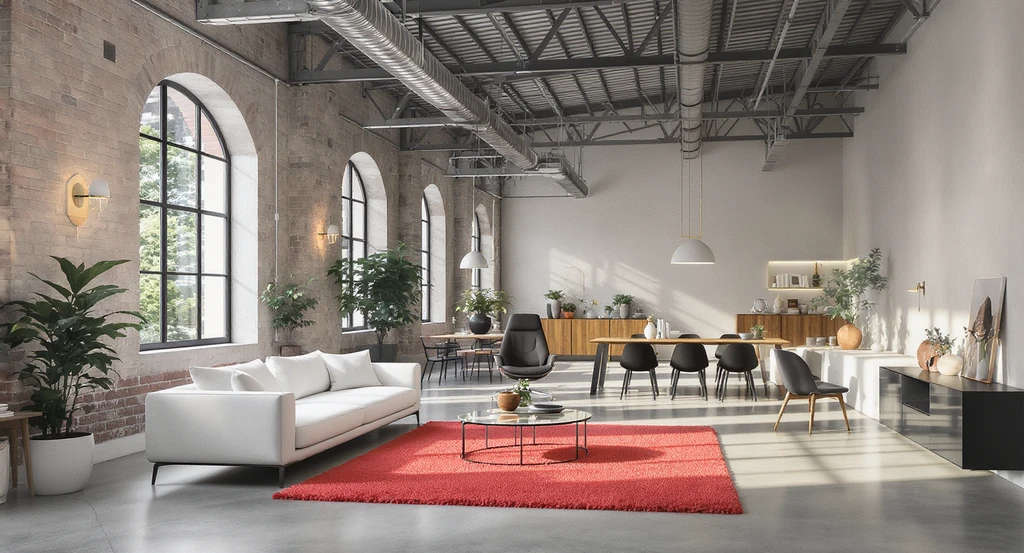
A frequent mistake is leaving the loft open without defined functional zones. This leads to spaces that feel chaotic, cluttered, or oddly empty, even with minimal furnishings.
This problem arises because lofts usually lack interior walls, making it tempting to use the open plan as one large, undifferentiated area. The solution is visual zoning: anchor sitting areas with rugs, use open shelving or low dividers for subtle boundaries, and shift lighting or furnishings to signal each functional zone. For example, position a rug and coffee table to define the living area, then add a bookshelf and task light for a workspace nearby. As detailed in our guide to furnishing a first loft apartment, previewing zones digitally before buying furniture can prevent a disorganized result.
The Loft Zoning Principle is a core planning guideline: create zones, living, working, dining, using furniture groupings, rugs, and lighting changes rather than permanent walls. This keeps the space open while making it feel organized and intentional.
- Place area rugs so major furniture front legs rest on them.
- Separate zones with open shelving or lighting shifts rather than solid barriers.
-
02. Using Furniture That Is Too Small for Loft Ceiling Height
02. Using Furniture That Is Too Small for Loft Ceiling Height Image
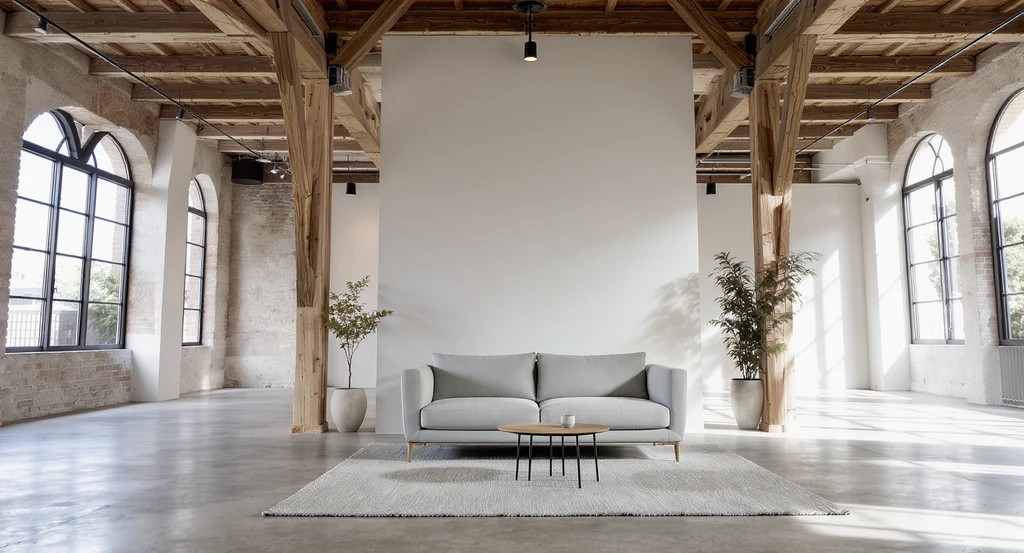
Filling a lofty, high-ceilinged room with only low furniture throws off visual balance and can make the space feel unfinished or empty overhead.
This often happens in rentals or first apartments where people hesitate to invest in large pieces. According to our sofa and furniture arrangement guide, introducing vertical elements, like tall shelving, upright lamps, or statement wall art, draws the eye upward and creates a sense of scale proportional to the room's height. Where budget and space allow, even a single tall bookcase or pendant fixture helps the room feel complete rather than clustered at floor level. This correction promotes visual connection from floor to ceiling, balancing the loft’s unique volume.
-
03. Ignoring the Room’s Focal Point
03. Ignoring the Room’s Focal Point Image
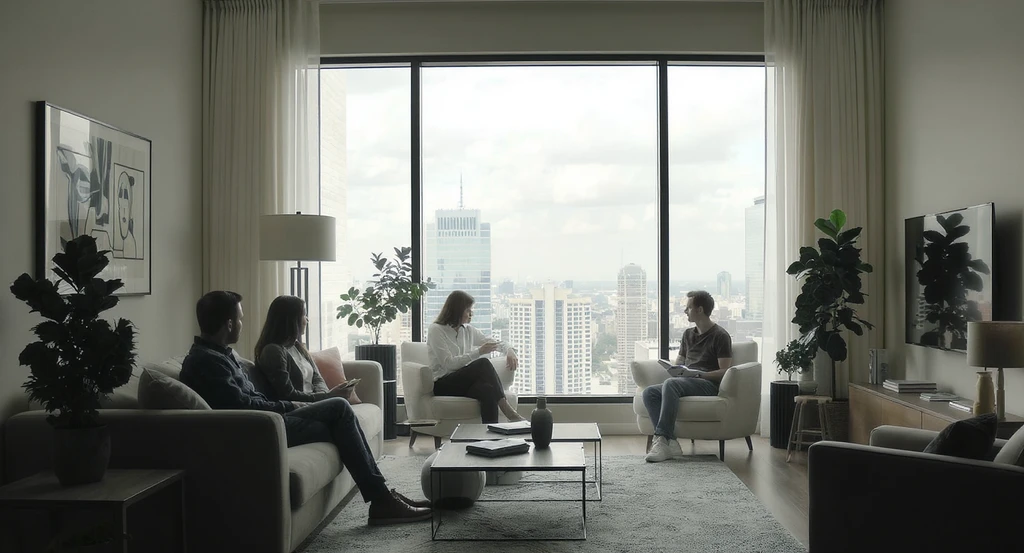
Many loft layouts miss having a strong visual anchor, which leaves seating and décor feeling scattered and disconnected.
This mistake happens when furniture is placed without first identifying a focal feature, such as a wide window, TV, or large artwork. Instead, start by locating the dominant feature and orienting main seating toward it. For example, set the sofa facing a large window and gather accent chairs around it for conversation. This approach grounds the design visually and makes it more welcoming. As recommended in our sofa size and arrangement resource, grouping seating within 6–10 feet maintains both openness and easy conversation.
- Choose your focal point before moving in large furniture.
- Arrange seating so conversation is comfortable but the view remains open.
-
04. Blocking Natural Light With Furniture
04. Blocking Natural Light With Furniture Image
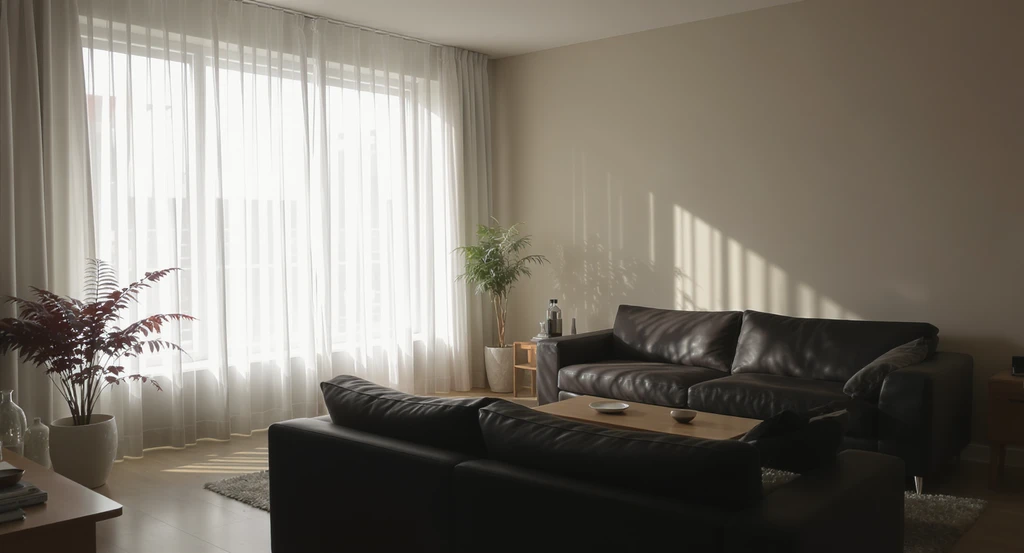
Placing tall wardrobes, cabinets, or shelving directly in front of loft windows is a classic layout error. This reduces daylight, which makes the space feel smaller and less inviting.
It often occurs when residents prioritize storage over window placement due to limited wall space. The key correction: never block more than half of a window’s area. Opt for lower or open shelving, or reposition bulkier cabinets away from glass to protect light flow and views. As we explored in our small-apartment layout guide, maximizing daylight is essential for keeping open plans feeling large and lively, especially in compact spaces.
-
05. Ignoring Circulation and Walkway Clearance
05. Ignoring Circulation and Walkway Clearance Image
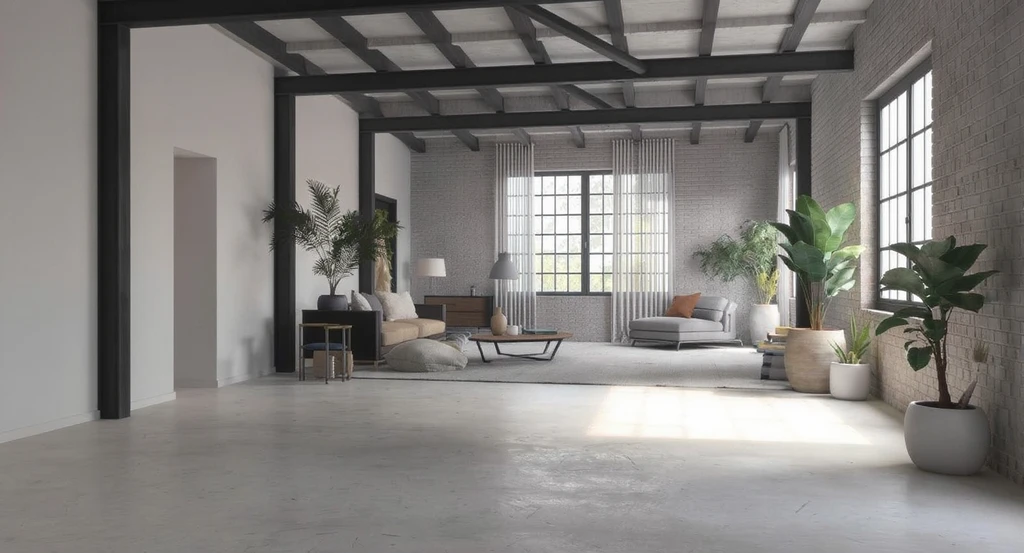
Lofts become difficult to use when furniture blocks natural walkways or crowds entry points and doors. Poor circulation disrupts daily activities and makes the space less accessible.
This usually happens when layouts are made by eye rather than by measurement. Prioritize easy movement with 30–36 inches of main walkway clearance and a minimum of 24 inches between key furniture pieces. Always map entry routes, windows, and kitchen access first, then check with a tape measure before finalizing arrangements. According to our guide to first loft layouts, planning circulation up front saves time and prevents costly rearrangements.
- Mark all door swings and window access before placing large furniture.
- Maintain open paths between rooms and zones.
-
06. Relying on a Single Lighting Source

06. Relying on a Single Lighting Source Image
One ceiling fixture is never enough for lofts with high ceilings and open zones. This mistake leaves some areas overlit while others remain shadowy or unusable at night.
It happens when lighting isn’t layered during initial planning. Designers use three core lighting layers: ambient (main overhead), task (desk or reading lamps), and accent (wall lights or LED strips). Combine these for flexible, even lighting suited to every activity. For practical advice on lighting placement and avoiding glare, see our guide to layered LED lighting in living areas and open-plan rooms.
-
07. Forgetting Comfort and Conversation Distance
07. Forgetting Comfort and Conversation Distance Image
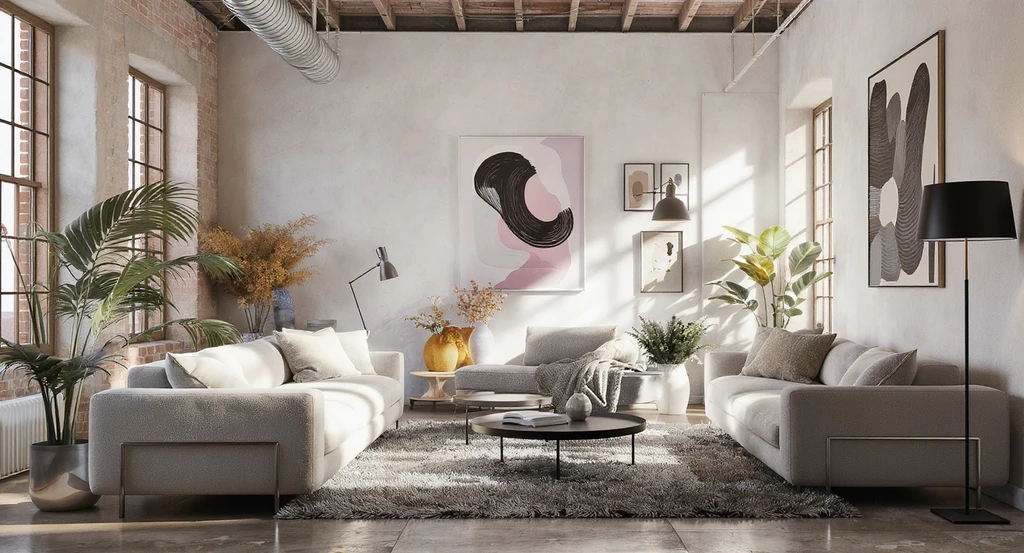
Spreading out furniture too widely might create visual balance but makes seating uncomfortable for conversation and relaxing.
To correct this, always follow the Conversation Distance Rule: keep sofas and chairs within 6–10 feet of each other. This helps maintain a social, cozy feeling even within an open plan. Adjust groupings gradually until seating areas feel connected and inviting, but not crowded. This method is especially useful for multi-use zones in compact lofts, as highlighted in our studio and loft layouts resource.
Frequently Asked Questions
- What is the main challenge in loft room design?
- Balancing open space with comfort and defined zones. Without clear layout planning, lofts can feel either empty or overcrowded.
- How can you divide a loft without adding walls?
- Use furniture groupings, area rugs, open shelving, and different lighting to visually separate zones.
- What lighting works best for lofts?
- Three-layer lighting: a mix of ceiling ambient fixtures, task lights, and accent fixtures creates flexibility and depth.
- How do you make a small loft feel cozy?
- Cluster seating around a focal point, layer in rugs and soft lighting, and define zones to create a sense of intimacy.
- How much open space should remain around furniture?
- Maintain 30–36 inches clear walkways and at least 24 inches between furniture pieces for comfort and easy movement.
Designing a Loft Room That Feels Both Open and Comfortable
Good loft design comes from balancing open space with clear structure. By zoning function areas, maintaining correct furniture scale, protecting window light, and layering walkways and lighting, you avoid the most common comfort issues. Remember the zoning, spacing, and lighting principles outlined above to unlock your loft’s full potential. Previewing layouts or testing changes with virtual tools before rearranging furniture can prevent unnecessary hassle and helps you get the best result on the first try.