Making Mood Boards That Inspire: Creating a Guest Room with Personality
TL;DR
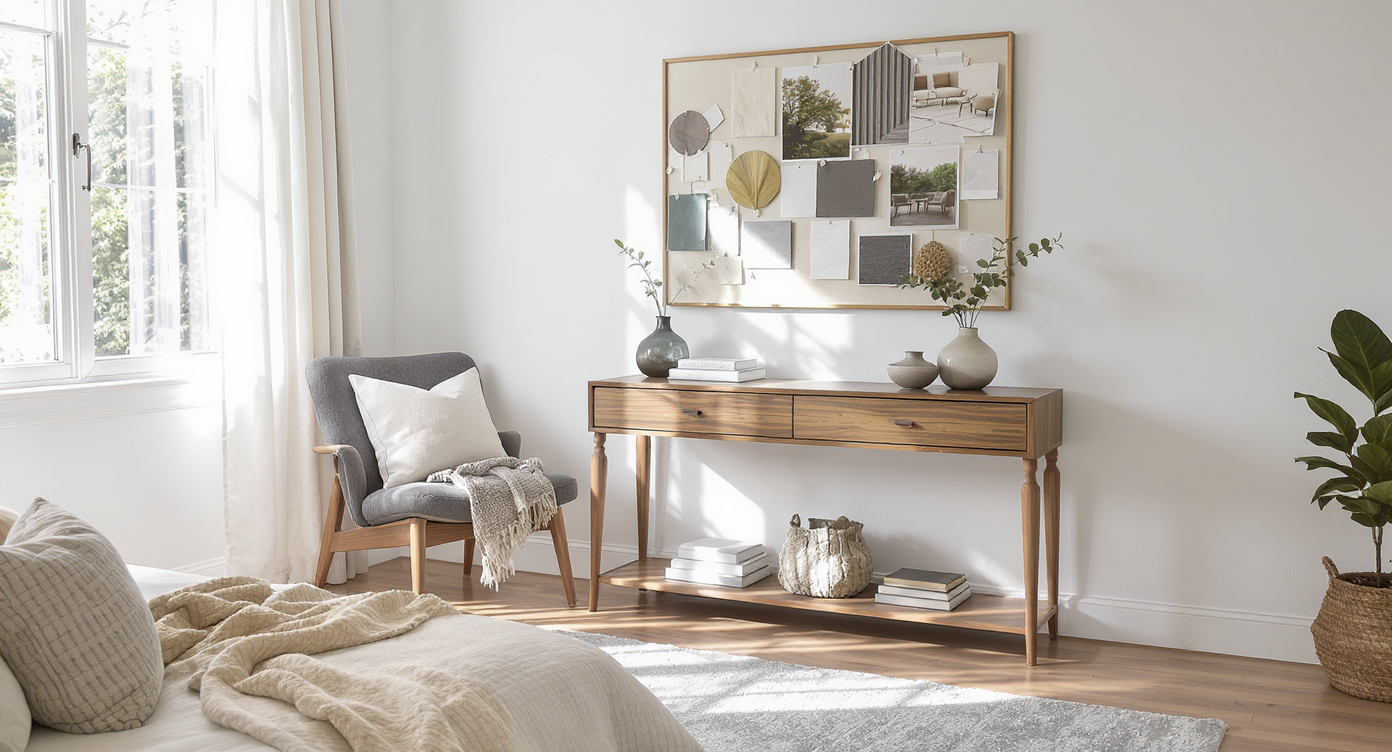
Mood boards are a powerful tool for defining bedroom concepts and mood-based design that balance function and comfort. By thoughtfully arranging colors, art, and textures, you can craft an inviting guest room that offers both style and ease. Starting with a clear inspiration piece and remaining open to evolving your board can make all the difference for cohesive results.
The Role of Mood Boards in Shaping Memorable Guest Rooms
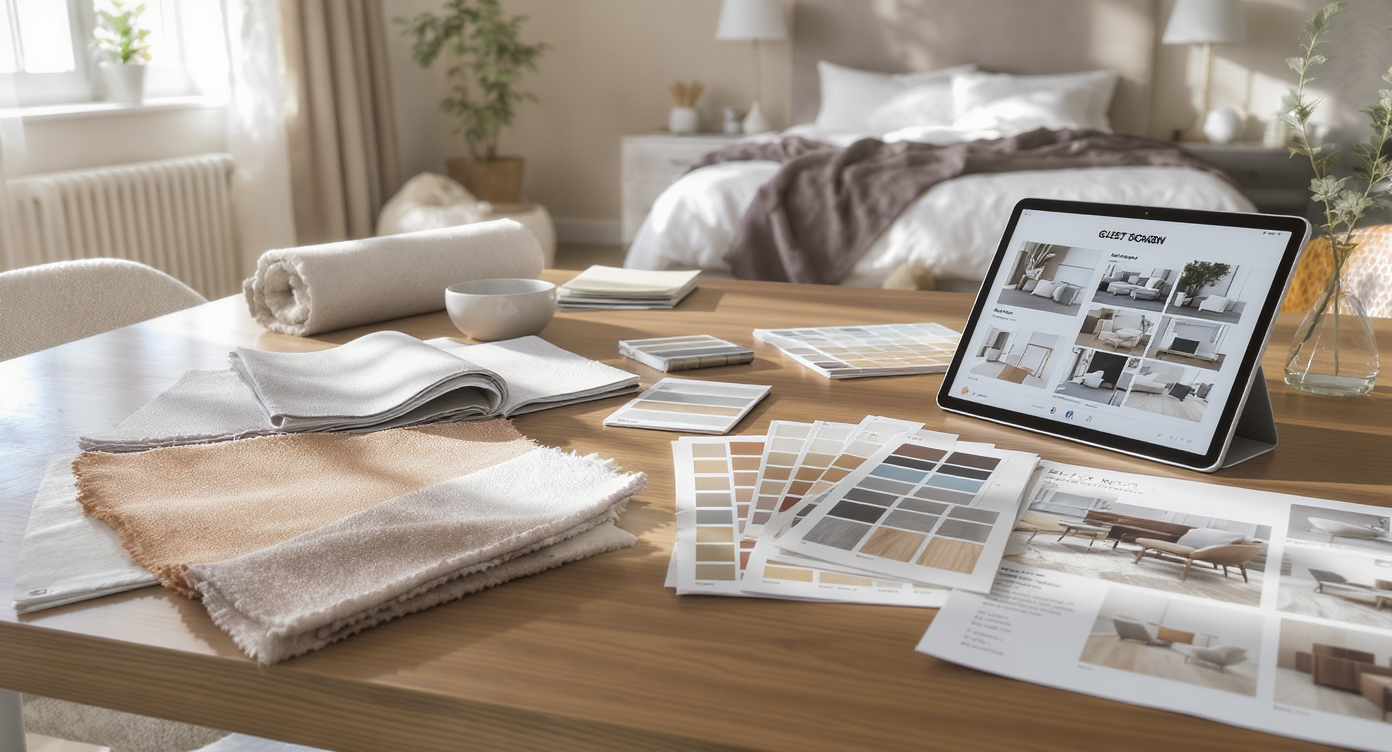
A design workspace with materials and a digital mood board lays the foundation for shaping a thoughtful and inviting guest room.
Creating a vibrant guest room begins long before you hang the curtains or unroll the rug. Mood boards, thoughtfully curated collections of color palettes, furniture options, textures, and art, offer clarity as you navigate all bedroom concepts. For hosts balancing comfort, personality, and functionality, a mood board sets the stage for every decision, from statement lighting to softer linens, ensuring your guest suite reflects both your vision and your guests’ needs. Many designers consider mood boards essential for any major design project. With digital tools and inspiration so accessible, even those new to decorating are finding joy in this process. Whether your approach is compass-guided by a beloved art print or fueled by imaginative color pairings, a strong mood board turns scattered ideas into a cohesive, functional guest room.
-
From Inspiration to Intention: Finding Your Guest Room’s Theme
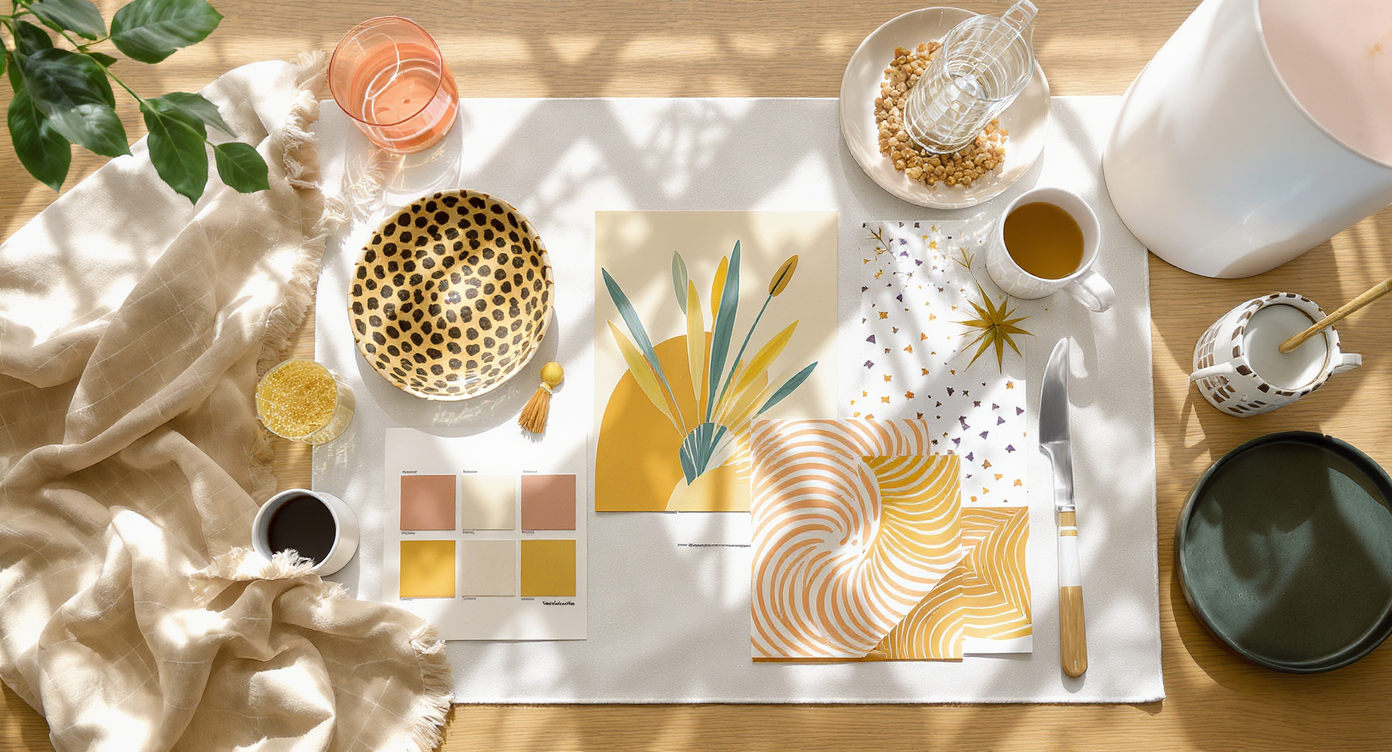
A guest room mood board anchored by a bold print and platter, surrounded by fabric swatches, wallpaper samples, and curated decor.
Every compelling mood board starts with a spark—an object, a piece of artwork, or even a cherished tray that sets the direction for the whole design. Often, one bold accessory or pattern becomes the anchor that guides subsequent choices. For example, some homeowners build a guest retreat around a vibrant cheetah art print, infusing the space with playful energy. Others might begin with a vintage platter collected on travels, using its palette of rich earth tones as a touchstone for color and texture throughout the room. The transition from scattered ideas to a focused plan often comes when you select an item that genuinely excites you. From there, you can layer in supporting elements—think linen selections that echo a print’s hues or lighting that matches the spirit of your chosen motif. Designers frequently recommend working with themes evocative of mood (calm, adventurous, whimsical) rather than adhering strictly to a style genre. This approach allows for more personal expression and flexibility, especially important in guest rooms that should feel both curated and welcoming. If you’re tackling this as a renter or with a tight budget, starting with temporary pieces such as peel-and-stick wallpaper or thrifted decor allows for easy updates as your taste evolves, as seen in ideas for renter-friendly DIY guest room upgrades.
Expert Insight
When one couple set out to design their guest room, they were initially overwhelmed by choices. After collecting fabrics, art prints, and throw pillows for months, they realized nothing quite fit together. It wasn’t until they created a digital mood board around their favorite woven tray that clarity struck. Gradually, other pieces fell into place, and the final room—layered, textured, and casually sophisticated—became the spot guests raved about during their stay.
-
Visual Balance: Achieving Harmony Through Color and Layout
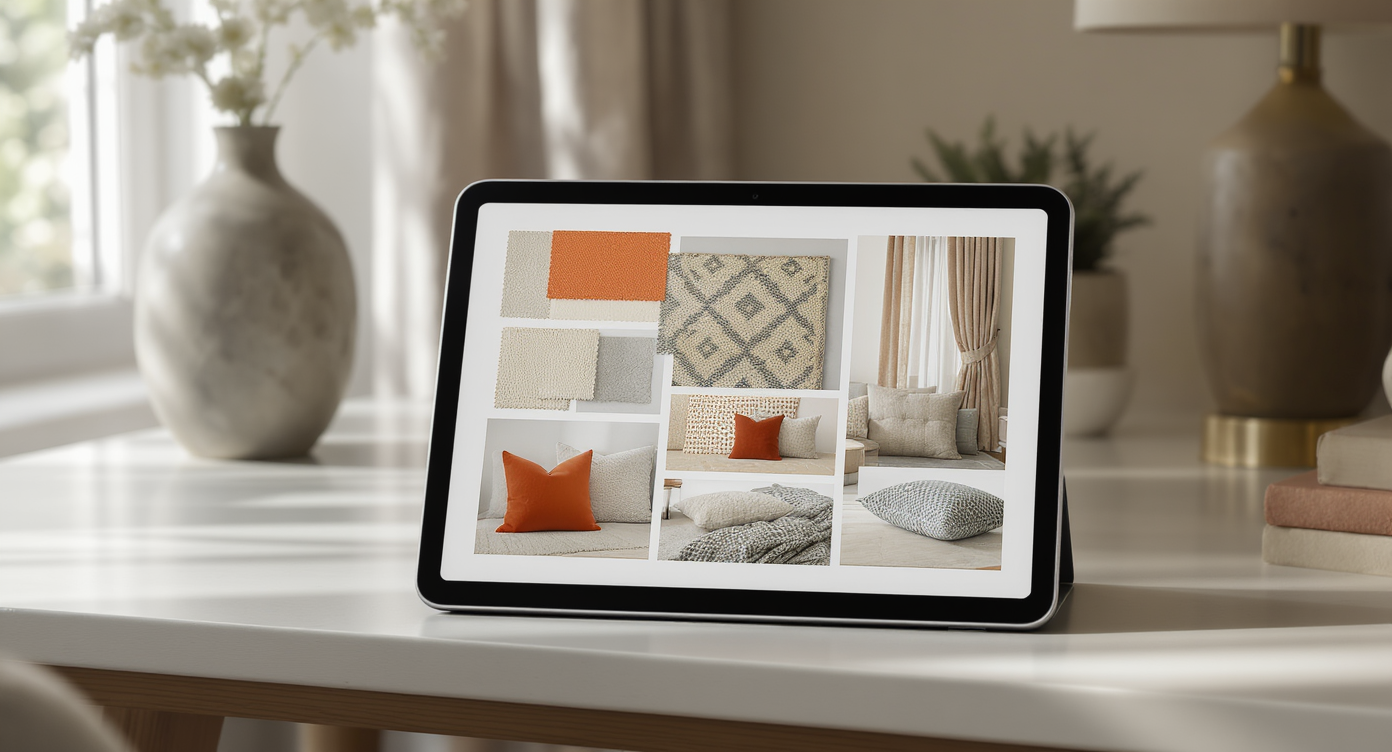
A digital mood board illustrates visual balance using evenly distributed guest room textures, colors, and accents for harmonious design.
Striking the right balance in a mood board is just as crucial as having the right elements. While vibrant artwork or statement lighting can bring personality, it’s the interplay between colors and textures that ensures the final space feels harmonious. Overcrowding a board with overlapping images or colors grouped on one side can cause visual imbalance, leading to a design that feels off-kilter in reality, as keen observation often reveals. A balanced mood board distributes accents evenly, mixing bold components like patterned rugs (which, in practice, may be partly obscured by the bed) with softer neutrals. Pairing warm tones from a statement piece with matching window treatments or pillows often helps achieve cohesion. On the practical front, digital design tools such as mood board apps and visualization software can make it easier to experiment with layouts before committing, echoing what interior experts suggest to avoid common pitfalls. If you find yourself unsure whether you’ve overdone color or pattern, step back and examine the board as a whole. Adjust placements so that each item has enough breathing room. This method is echoed in vintage-inspired strategies that prioritize collected, lived-in style over formulaic schemes, as outlined in curated thrifted bedroom decor approaches.
-
Functional Guest Rooms: Turning Inspiration into Experience
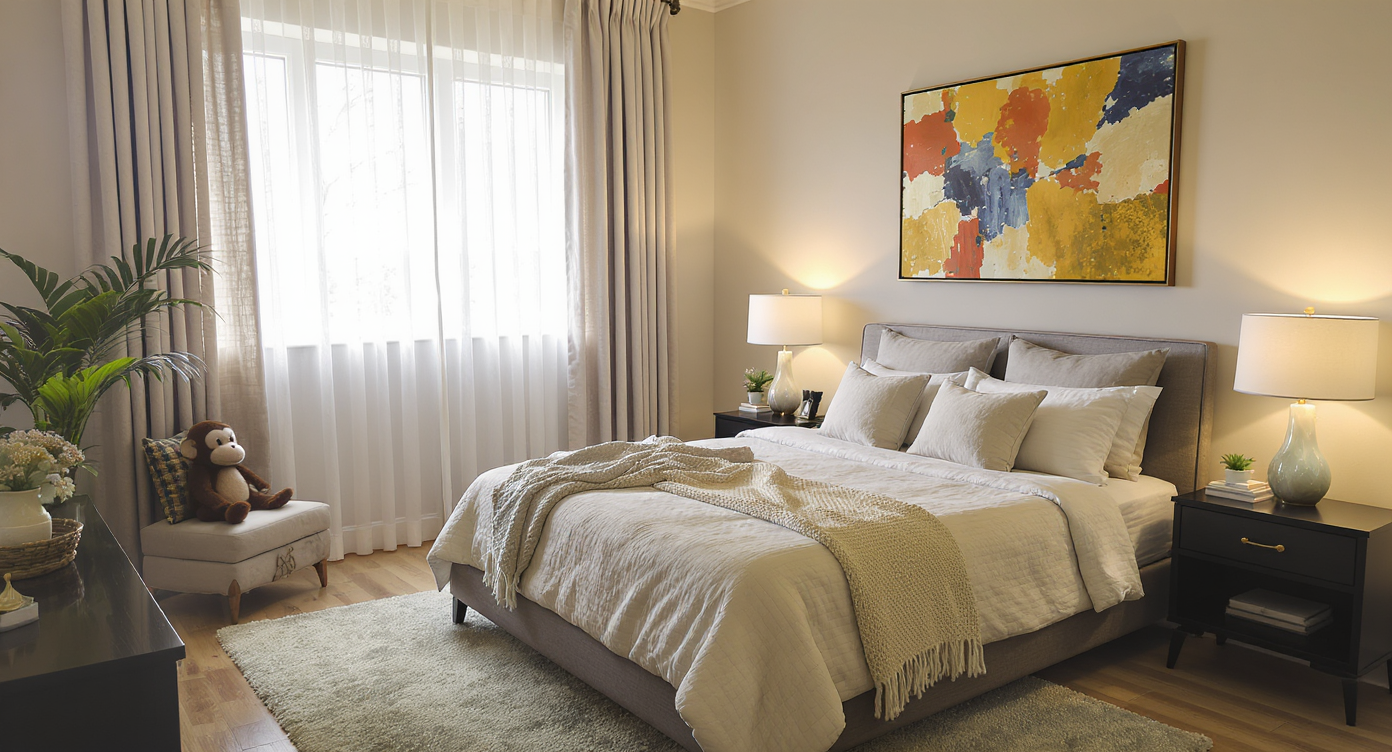
Functional guest room scene showing tactile bedding, whimsical lighting, defined luggage drop zone, art, and thoughtfully layered storage.
The most memorable guest rooms are both beautiful and easy to use. Mood-based design means considering not only the visual feeling but also how the space works for overnight guests. Achieving this often includes layering tactile features, such as plush linen throws or textured comforters, and introducing lighting that’s both whimsical and practical—a monkey-shaped lamp, for example, might delight while still providing necessary illumination. Successful mood boards also account for functional needs. For a guest room, this may include a clearly defined drop zone for luggage, sturdy side tables, and window treatments that provide privacy without overpowering the space. When planning textures and fabrics, opt for those that balance comfort and ease of care, making it simple for guests to settle in. Large art pieces can double as conversation starters and clever color cues, while area rugs ground the scheme and add warmth. Vertical zoning—integrating art and storage higher on walls—can be especially helpful in small spaces, an idea that aligns with emerging small guest room trends for 2025.
Visualization Scenario
Imagine uploading a photo of your spare bedroom into a visualization app and watching as the space transforms virtually. Earthy tones from your favorite tray echo through new window treatments, playful art appears above the bed, and soft linen bedding pulls the whole concept together. Within minutes, you can swap out textiles and try different light fixtures, seeing each change reflected instantly. This approach turns abstract inspiration into concrete design direction, ensuring your guest room captures the mood you envision.
Frequently Asked Questions
Start with a single inspiration piece that excites you. It could be a travel memory, a work of art, or a unique piece of furniture. Build your color and texture palette from this anchor piece for cohesion.
Can I make a guest room feel special if I rent and can’t paint?
Absolutely—temporary upgrades like removable wallpaper, stand-alone art, and layered textiles are ideal for renters. Explore renter-friendly guest room DIY solutions.
What is mood-based design?
Mood-based design prioritizes the feeling you want for a space. Instead of following rigid trends, think about whether your guest room should feel calming, adventurous, or whimsical, and layer elements accordingly.
How do I keep a small guest room functional?
Emphasize furnishings that serve more than one purpose, utilize vertical storage, and select lighter palettes to give a sense of openness. Learn more about compact bedroom design trends.
Can AI and digital tools really help plan a room?
Yes, emerging visualization platforms such as ReimagineHome.ai let you test layouts, styles, and palettes with your existing space, bridging the gap between inspiration and finished project.
Designing Guest Rooms That Feel Inviting and Unique
A thoughtful mood board is more than just a collection of favorite objects. It provides intention and direction, guiding the balance of inspiration and practicality. Take cues from vintage finds, modern digital visualization, and personal collections to ensure your guest room feels both curated and easy to update. Every adjustment, whether swapping artwork or softening linens, is a chance to refine your design vision. For those ready to visualize their ideas before committing, ReimagineHome.ai offers tools to see your concept come to life.