Evaluating Matterport and 3D Virtual Staging for Real Estate Listings

TL;DR
Matterport delivers industry-leading 3D virtual tours for real estate listings, but its proprietary ecosystem and changing cost structure prompt discussion. Many practitioners find virtual staging and AI-powered visuals to be more nimble and cost-effective for most listings, especially when transparency and buyer trust are priorities. Choosing the right technology depends on use-case, budget, and your clients’ expectations.
Introduction
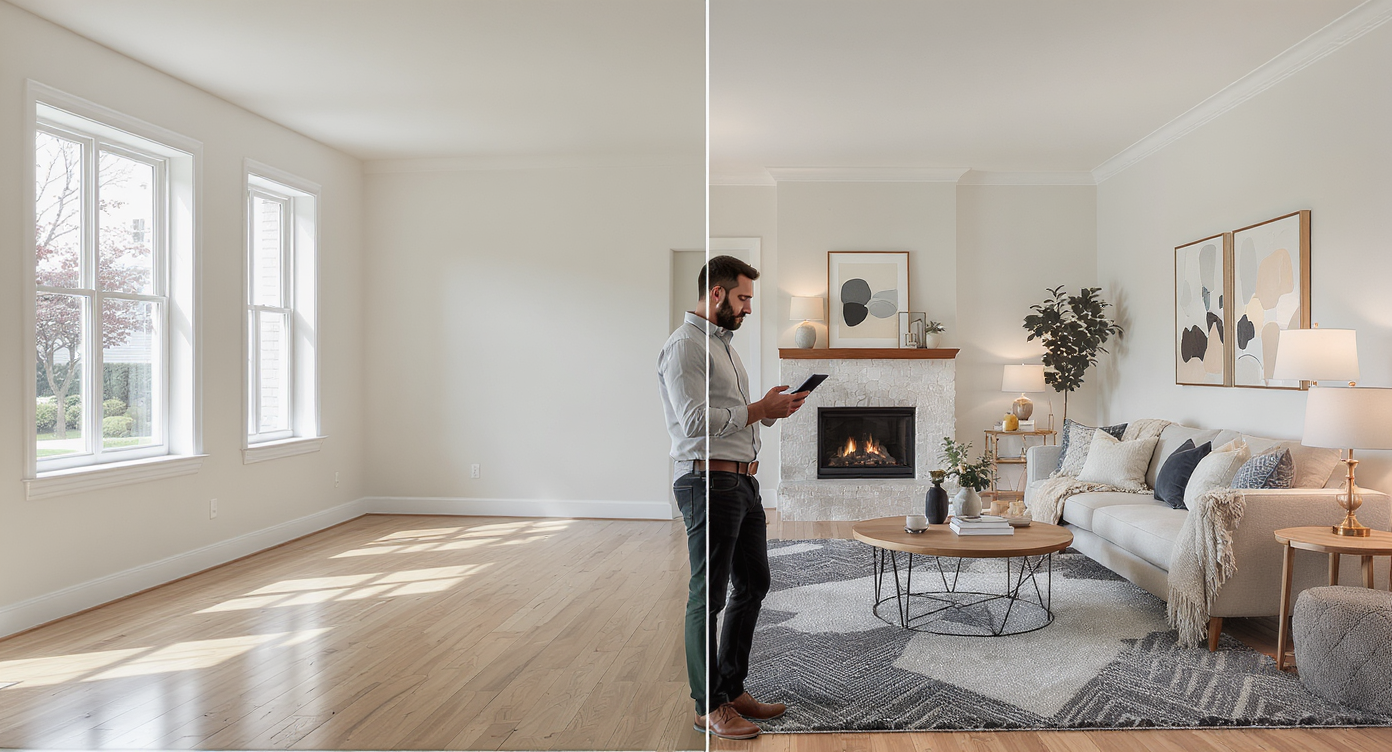
Side-by-side comparison of a real estate space empty and virtually staged, highlighting new digital tools for today’s property listings.
Over the past decade, how homes appear online has evolved rapidly. 3D room scans, AI-powered real estate listing visuals, and virtual staging for real estate listings now compete for the attention of buyers—and the trust of sellers. Matterport remains a leading name in immersive property tours, yet questions persist around pricing, software, camera compatibility, and workflow efficiency. As the market becomes more crowded and nuanced, real estate professionals must weigh the real-world tradeoffs of high-tech platforms versus flexible, accessible digital staging tools.
This editorial explores the experiences of photographers, agents, and designers navigating these choices in 2026. What does Matterport do best? Where do alternatives shine? How does AI visualization software for realtors fit alongside traditional 3D and virtual staging tools? Let’s examine the landscape, highlight lessons from the field, and surface what works in today’s increasingly visual property market.
-
Matterport’s Strengths and Real-World Limitations

A real estate agent demonstrates Matterport’s 3D camera in a modern office, illustrating the blend of innovation and workflow demands in property marketing.
Matterport’s core value has long rested in its ability to produce immersive, photo-realistic 3D tours with an intuitive user experience. For agents trying to market large, complex, or high-value listings—especially commercial or luxury properties—this technology can create a lasting impression online. Some photographers, especially those serving builder clients or managing hundreds of units, find that Matterport tours streamline their workflow, centralize media, and offer up-sell options like floor plans and video extractions. The platform has built-in support for multiple camera models, but works best with its proprietary Pro2 or Pro3 devices, which carry a premium.
Yet Matterport’s closed ecosystem is a frequent point of discussion. To stitch and host a tour, you must use their software and cloud platform. Subscription costs tie directly to live hosting for each property. For portfolio photographers and agencies, hosting and processing fees can add up, especially for long-term projects or when clients expect ongoing access to tours. Backward compatibility issues—such as support drops for older iOS and Android versions—sometimes force upgrades in hardware or disrupt established workflows.
While some users praise Matterport’s customer support and reliability, others express frustration over inconsistent service and perceived inflexibility. This divergence often reflects the scale and business model of the professional in question. High-volume users who build their workflow around Matterport tend to accept, or even celebrate, the platform’s structure. For smaller operators or those prioritizing device-agnostic software, the system can feel restrictive.
Expert Insight
After struggling with outdated hardware and mounting costs, a mid-sized agency in Austin decided to experiment. For their next multi-family listing, they combined a Ricoh Theta for a speedy 360 scan, then used AI-powered virtual staging for the community lounge and model units. Instead of a single, costly 3D platform, they presented a mix of interactive tours and visually rich images in their marketing campaign. The result: increased buyer engagement, shortened days on market, and lower overhead—while delivering a transparent digital experience that clients appreciated.
-
Alternatives: Ricoh, Insta360, and AI-Driven Staging Solutions
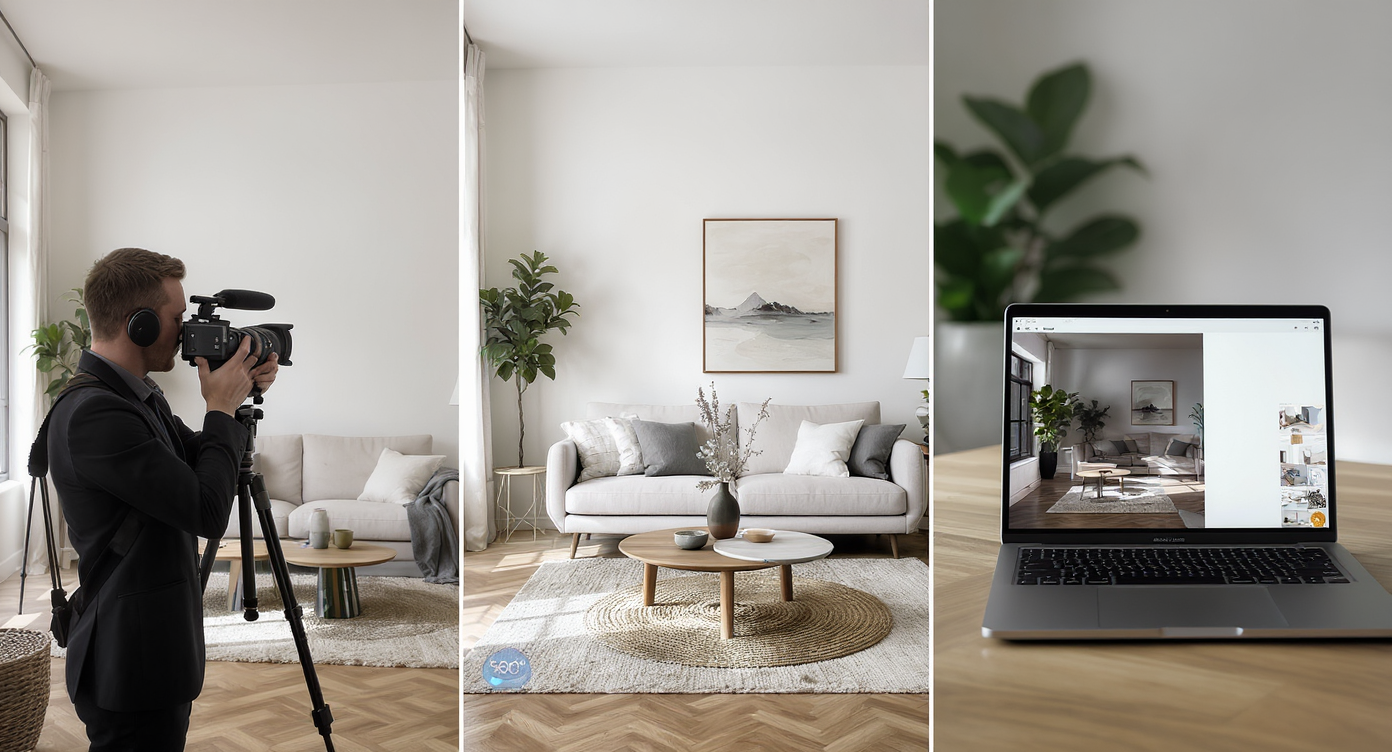
Innovative imaging tools—portable 3D cameras and AI staging—offer realtors flexible, realistic ways to present modern property interiors.
The real estate imaging landscape is broader than Matterport alone. Cameras like Ricoh Theta Z1 and Insta360 have made 3D scans possible at a fraction of the cost and with greater speed in the field. Many professionals appreciate that these devices, paired with non-proprietary platforms, can unlock flexible workflows and lower hosting expenses. Some opt for software such as CloudPano for quick, basic property scans—especially in residential real estate where time is critical and property owners are increasingly tech-savvy.
AI-powered visualization tools have further shifted the conversation. Virtual staging for real estate listings has become mainstream as buyers crave context, warmth, and realism in property images. AI staging tools not only generate photo-realistic furnishings but now adapt design style to match local trends and buyer demographics. For listings where physical or 3D tours are less practical, or where a property needs to be reimagined for renovations, these tools can reveal possibilities without permanent alteration. Transparency, of course, remains vital. As honest marketing and clear disclosure are essential, pairing staged or AI-edited images with originals maintains trust and avoids ethical pitfalls.
Some professionals now blend several approaches. A photographer might deliver a quick AI-staged photo set for MLS, provide a 360 tour for digital open houses, or offer a deep Matterport scan for large developments or client portfolios with ongoing needs. As always, client goals, local expectations, and ROI drive the strategy.
-
Cost Structures, Workflow, and the Evolving Role of Virtual Staging
Budget and workflow efficiency are central to any decision on real estate visualization. Matterport’s subscription-based cost model—while predictable for high-volume users—gives some pause, particularly as device support and platform options shift. Users report monthly fees per live listing, extra costs for downloadable media, and the potential for legacy plan changes over time. In contrast, alternatives sometimes charge by scan or offer pay-as-you-go models, meaning the economics can vary widely depending on use case.
Virtual staging, increasingly powered by AI visualization software for realtors, offers a frictionless entry point for agents seeking to enhance empty spaces. Instead of investing in cameras and recurring plans, agents can now order rapid digital transformations for vacant or outdated properties. This makes staging accessible for listings at every price point, and for locations where in-person visits are less practical.
Real-world workflow often dictates choice. For example, a photographer taking on forty listings a month might justify Matterport’s subscription and invest in a Pro3 to capture both interiors and outdoor amenities. Others, who stage only a handful of properties monthly, find nimbleness with off-the-shelf 360 cameras and AI-powered services. As virtual staging benefits and limitations become better understood, professionals blend digital and physical solutions for practical advantage.
Ultimately, the best outcome for sellers and buyers centers on transparency, quality of representation, and efficient delivery. Clients increasingly expect a well-rounded suite of visuals—high-quality images, floor plans, 3D walkthroughs, and transparent communication about how each was created.
-
Anecdote: Balancing Tools and Transparency in a 2026 Listing

A real estate agent demonstrates a home’s real and virtually staged areas, highlighting the value of transparency in digital home marketing for 2026.
Consider a real-world scenario from the spring of 2026: An agent preparing a 3,500 square foot family home for sale opts for a mixed-media approach. Working with a photographer, the home is captured using a Ricoh Theta for a quick 360 tour and Matterport Pro3 for detailed areas such as the kitchen and multi-level living spaces. Meanwhile, AI-powered virtual staging is used to transform two vacant bedrooms, tailoring styles to match buyer preferences identified by recent neighborhood trends. The final listing presents buyers a main 3D walkthrough, source images, and a suite of staged visuals clearly marked as conceptual. Feedback is immediate—prospects report that they can envision not just the space, but the life they might lead there. Inventory moves quickly, and both seller and agent note that transparent digital staging drove engagement without overselling the home’s current state.
-
Common Mistakes to Avoid
One critical misstep is presenting virtually staged or AI-augmented photos without disclosure. Buyers should always know when an image is digitally altered. Over-promising with perfected visuals or hiding flaws risks damaging both trust and reputation, as highlighted in this look at what's legal and misleading in virtual staging. Another error is relying solely on either high-end 3D tours or basic photography, when a hybrid provides the best context. Lastly, mismatching investment to listing needs—using the most expensive solution for low-value homes, or insufficient tools for luxury listings—can undermine ROI and service quality.
-
Tips and Expert Insights
Designers and experienced photographers recommend aligning technology choices with listing value and local buyer expectations. For standard homes, well-executed virtual staging—paired with accurate, empty-room photos—often drives stronger engagement and faster sales, as shown in this comparison of virtual staging and empty photos. For premium listings, or when showcasing amenities like pools or outdoor kitchens, advanced 3D tours add competitive edge. Building clear client communication into every project sets expectations and highlights the advantages of digital enhancements without overstepping trust.
-
How to Use This in Your Next Designs
When preparing your next listing, assess both the property and the audience. Small to mid-tier homes may benefit most from AI-powered virtual staging and efficient 360 walkthroughs. Boutique properties, rentals, or renovation projects might call for a combination of floor plans, 3D tours, and staged images to convey potential. Always label edits, pair staged and original images, and use floor plans to provide context. For those integrating new tools, learning from peers’ practical workflows and adjusting based on client needs can drive the strongest outcome.
-
Visualization: The Hybrid Listing Experience in Action

Hybrid listings in 2026 combine immersive 3D walkthroughs and virtual staging, building trust and sparking buyer imagination at every step.
Picture guiding a prospective buyer through a listing online. They enter via an immersive 3D walkthrough that immediately communicates layout and scale, then branch into virtually staged bedrooms highlighting various design possibilities. A click reveals the original room, fostering openness. Floor plans and 360 panoramas help buyers orient themselves and imagine how their own furniture would fit. The transparent use of AI-powered visuals—each marked and paired with source images—nurtures buyer trust, resulting in faster decisions and more robust offers. This hybrid listing experience is now the new normal for successful agents in 2026.
Visualization Scenario
Imagine launching a new property online: a quick 360 tour or digital twin gives buyers a feel for flow, then virtually staged living and bedroom scenarios unlock emotional appeal. Every staged image is paired with originals, and floor plans help orient spatial relationships. The agent follows up with a video call, sharing both raw and enhanced visuals to answer questions in real time. This seamless blend of technology and transparency helps buyers gain confidence, speeding up the path from first viewing to offer.
Frequently Asked Questions
- Can I use other software with a Matterport camera?
- No, Matterport cameras require their own software for creating and hosting 3D tours. This closed ecosystem is a core part of their offering and influences both workflow efficiency and ongoing costs.
- How accurate are 3D tours and scans for renovations?
- Matterport and similar platforms provide reliable measurements for general planning and marketing. For precision renovation work, such as cabinetry or tiling, experts still recommend onsite verification.
- What are best practices for virtual staging in real estate?
- Pair virtually staged images with originals, label edits clearly, and ensure edits are limited to furnishings or decor, never permanent features. These practices reinforce trust and avoid misleading buyers, as explored on ReimagineHome.ai.
- Does virtual staging help homes sell faster?
- Thoughtful staging—virtual or physical—has been shown to increase engagement and reduce days on market in balanced and slow markets, as supported by practical results in listing performance.
- Is Matterport the best option for real estate listings in 2026?
- Matterport excels for immersive, high-value presentation, especially in luxury and commercial real estate. Alternatives, including AI-powered staging tools, deliver strong results for everyday residential listings. The best choice blends cost, transparency, and client needs.
Key Takeaways: Blending Tools for Trust and Impact
The evolution of property marketing in 2026 is less about finding a single perfect tool and more about combining resources to deliver the clearest, most compelling story. Whether leveraging Matterport for immersive 3D tours, adopting more flexible AI visualization software for realtors, or combining traditional and virtual staging, the goal remains the same: engaging buyers, supporting sellers, and fostering trust. By aligning technology choices with listing goals, remaining transparent about edits, and staying tuned into buyer preferences, agents and photographers position themselves—and their clients—to thrive. For further insights and tools to help visualize and market real estate with impact, explore ReimagineHome.ai.