10 Reasons Minimal Staging is Replacing Decor-Heavy Interiors in 2026
TL;DR
Minimal staging is the leading approach for home presentation in 2026. By prioritizing clarity, spatial understanding, and intentional restraint, it helps buyers interpret space faster and with more confidence than decor-heavy interiors. It improves listing performance by enhancing visual flow, increasing perceived space, and making properties easier to understand in online-first real estate searches.
Understanding the Shift from Decor-Heavy to Minimal Staging
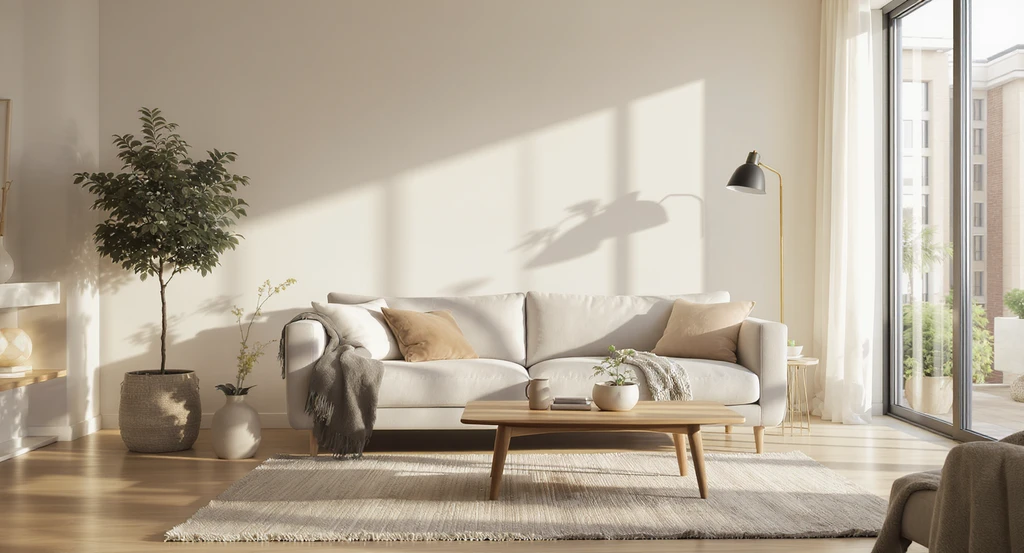
Minimal home staging is revolutionized by ai tools that visualize clean, decluttered spaces. Virtual staging ai reveals warm minimalism trends and how ai can enhance buyer perception of modern, organized interiors.
Home staging is shifting from decor-heavy setups to minimal, open spaces that feel clean, functional, and easy to understand. In today’s online-first real estate market, buyers respond more to clarity and spatial flow than heavy styling.
What is Minimal Staging in Real Estate?
Minimal staging is a real estate styling approach that uses only essential furniture and decor to create uncluttered spaces that highlight layout, scale, and functionality. It helps buyers quickly understand a property while improving visual appeal in listings.
This approach improves perception by reducing visual clutter, increasing openness, and making spaces feel more balanced and easier to interpret.
- Improves spatial clarity and reduces clutter.
- Makes rooms feel larger and more open.
- Speeds up buyer decision-making.
- Enhances listing photos and online appeal.
Minimal Staging vs Decor-Heavy Interiors
Minimal staging and decor-heavy interiors differ in how they communicate space, emotion, and usability to buyers.
| Factor | Minimal Staging | Decor-Heavy Interiors |
|---|---|---|
| Spatial perception | Enhances openness and scale | Makes rooms feel smaller and crowded |
| Buyer focus | Highlights layout and structure | Distracts with decor elements |
| Decision speed | Faster comprehension | Slower interpretation |
| Photography output | Clean, bright, high clarity | Visually cluttered and noisy |
| Emotional response | Calm, neutral, adaptable | Personalized but restrictive |
-
01. Spatial readability Makes a Space More Marketable
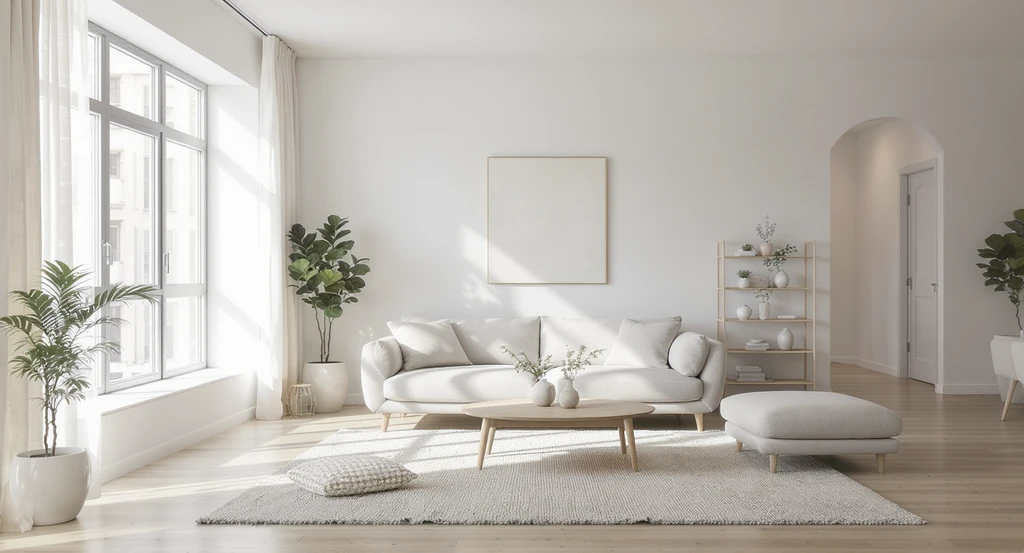
How ai visualizes minimalist interiors: virtual staging ai for decluttered spaces highlights visual clarity and warm minimalism trends in home staging.
Excessive decor creates visual clutter, making it difficult for potential buyers to focus on a room’s actual features. This often leads to confusion about layout, scale, and available space, resulting in emotional hesitation. Minimal staging solves this by using restraint, keeping only essential furniture and allowing the space itself to stand out.
To maintain clarity:
- Limit each room to 3–5 key furnishings.
- Keep pathways open and avoid blocking movement flow.
- Use neutral tones to reduce visual distraction.
Decor-heavy staging forces buyers to process too many visual elements at once, while minimal staging simplifies decision-making by highlighting structure over decoration. This approach immediately reduces the impression of clutter and enhances perceived property value.
-
02. Enhanced Perception of Space
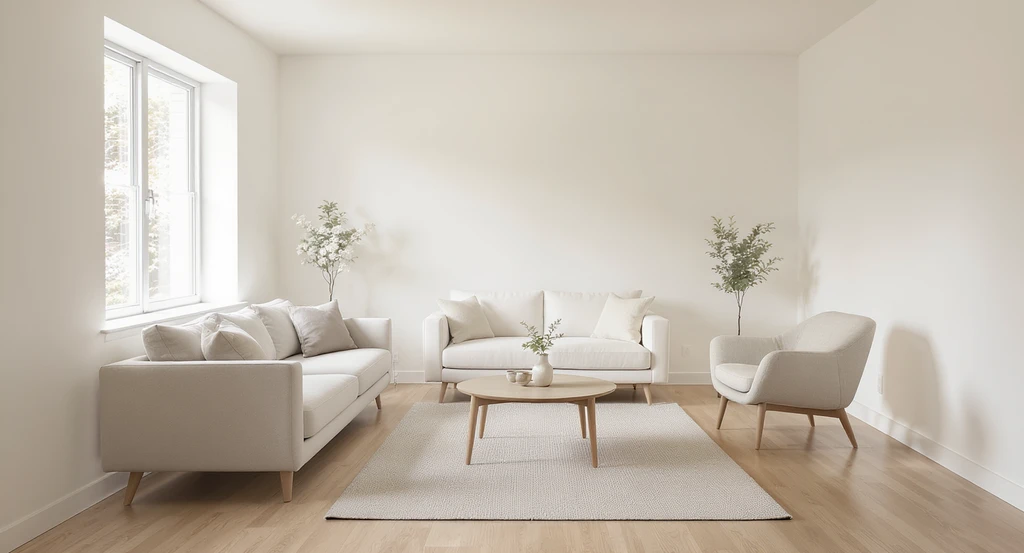
AI tools for minimal home staging illustrate how virtual staging AI enhances the perception of space by maximizing visible floor and decluttered sightlines, showcasing warm minimalism trends with AI design.
Too much furniture can shrink a room visually and physically, obscuring its true potential. Minimal staging aims to leave at least 40–60% of the floor visible. This negative space makes rooms feel larger, more open, and more flexible for buyers.
To correct common scaling errors:
- Measure each furniture piece to ensure it fits the room proportionally.
- Float furniture away from walls to create depth and better spatial flow.
- Position items to maximize sightlines and natural light movement.
Strategic minimalism highlights a room’s structure without making it feel empty. In modern real estate marketing, minimal staging aligns with digital-first listing behavior, where clarity and visual readability strongly influence buyer engagement and decision speed.
-
03. Emotional Calm Through Design Simplicity
Decor-heavy rooms often feel chaotic, increasing cognitive fatigue and emotional uncertainty about a home. Minimal staging, in contrast, introduces calm and order by reducing visual noise and helping buyers better imagine themselves in the space.
Focus on:
- Limiting surfaces to 1–2 decorative objects such as a plant or lamp.
- Using consistent tones for furnishings and walls to avoid visual fragmentation.
A serene layout reduces distractions and supports a clearer, more comfortable viewing experience, improving overall perception of the space. Most buyers do not consciously analyze interiors—they form instant spatial judgments within seconds based on clarity, openness, and visual hierarchy rather than decorative richness.
-
04. Faster Buyer Decision-Making
A visually crowded room slows down buyer decisions because the layout becomes difficult to interpret. Minimal staging makes spatial logic clear at first glance, helping buyers understand the purpose and flow of each space immediately.
To improve clarity:
- Define each area’s purpose using one or two strong, well-placed furniture pieces.
- Keep windows and entryways unobstructed to maintain openness.
- Allow natural light to flow freely to enhance room scale and visibility.
This clear presentation shortens viewing time and increases decision speed because buyers can quickly understand the property’s potential. In digital-first real estate markets, visual cognition plays a key role, buyers form impressions based on how quickly they can interpret space, layout, and flow from images. Clean, minimally staged listings consistently achieve higher engagement because they are easier to process within seconds of viewing.
-
05. Better Real Estate Photography Outcomes
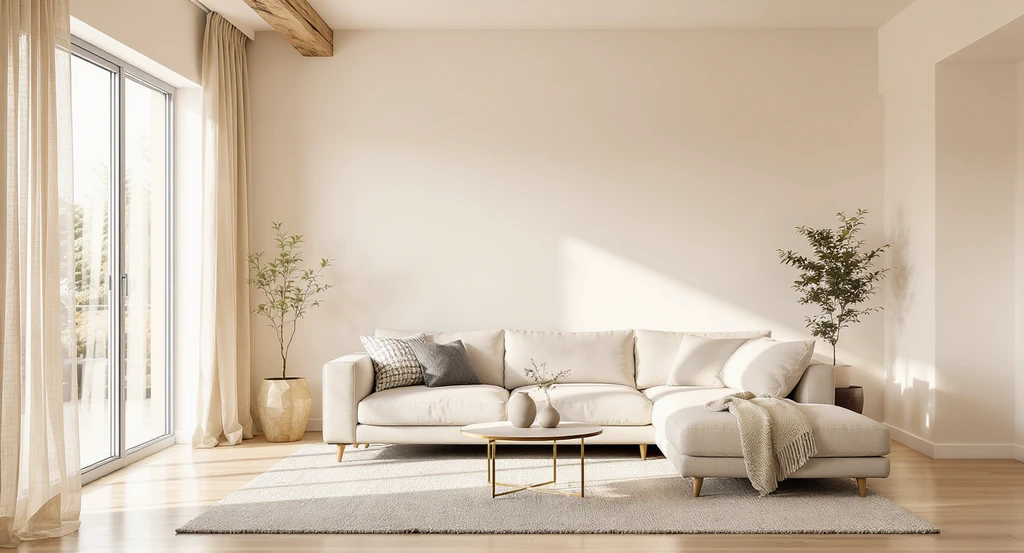
How ai tools for minimal home staging and virtual staging ai for decluttered spaces elevate real estate photography with warm minimalism trends.
Over-accessorized rooms tend to photograph poorly, small spaces appear even smaller, and key architectural details get visually lost. Minimal staging creates brighter, clearer listing photos that highlight space and structure more effectively.
To improve photo quality:
- Keep window areas unobstructed to maximize natural light.
- Balance lighting sources to reduce shadows and glare.
- Limit surface objects so textures and structure become the focus instead of clutter.
Professional photography benefits from this sense of order and openness, improving overall listing appeal and online engagement.
-
06. Wider Buyer Appeal Through Neutrality
Personalized decor, such as family photos, bold artwork, or niche accessories, can alienate buyers who may not share the same taste. Minimal staging avoids this by using neutral palettes and simple decor to create a more universally appealing space.
Correction steps include:
- Remove overtly personal items to create a neutral environment.
- Stick with soft whites, beiges, and natural textures for broad appeal.
- Use statement pieces sparingly to highlight focal points rather than personality.
This approach widens buyer appeal and encourages stronger interest by allowing viewers to imagine the space as their own.
-
07. Lower Maintenance and More Functional Spaces
Highly decorated interiors require continual cleaning and upkeep. Minimal staging reduces this burden by introducing fewer elements that are easier to maintain and organize, making the space more practical for everyday living.
To create a more functional space for busy households:
- Choose furniture and surfaces that are durable and easy to clean.
- Avoid layouts that collect dust, such as tightly packed accessories or dense shelving.
This approach not only makes homes easier to maintain but also improves their long-term usability and livability.
-
08. Sustainability and Intentional Value
Minimalism encourages investing in fewer, higher-quality items that stand the test of time, rather than frequently updating decorative pieces. This approach aligns with growing sustainability values in modern home design and real estate.
To apply this mindset:
- Select multi-functional furniture pieces that serve more than one purpose.
- Favor natural, durable materials that age well over time.
- Edit regularly and keep only items that truly serve the function or feel of the space.
Intentional minimalism reduces waste and creates long-term value, making properties feel more timeless rather than trend-dependent.
-
09. Avoiding Common Minimal Staging Mistakes
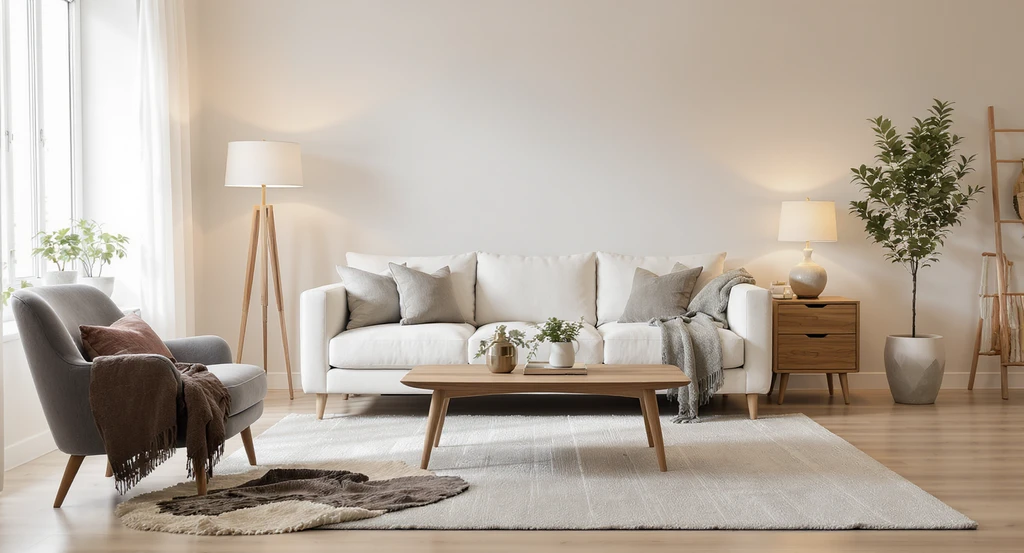
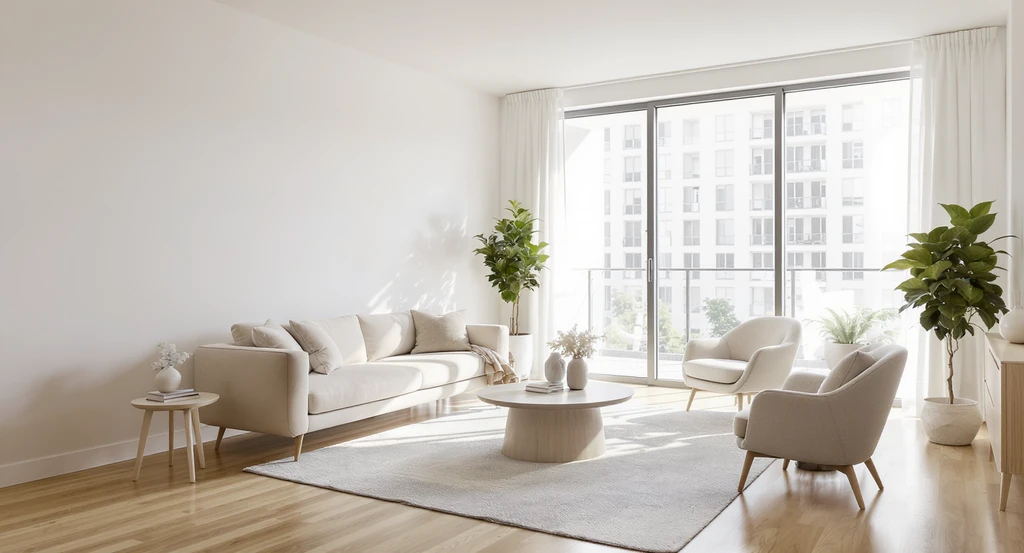
Expertly staged minimalist living room demonstrates ai tools for minimal home staging and how ai visualizes clutter-free, warm minimal interiors. Applying correct principles ensures an inviting space, as seen in this professionally balanced scene.
Minimal does not mean bare. Frequent mistakes in minimal staging include making a space feel empty or cold, using incorrect furniture scale, or neglecting texture variation.
Correction checklist:
- Maintain the 3–5 piece layout rule in each room for balance and clarity.
- Add tactile interest through materials like fabric, wood, or matte finishes instead of adding more objects.
- Use warm, multi-directional lighting rather than relying only on cool overhead sources.
Applying these principles ensures the space remains inviting, balanced, and visually comfortable rather than sparse or unfinished.
-
10. The Impact of AI Visualization Tools for Staging
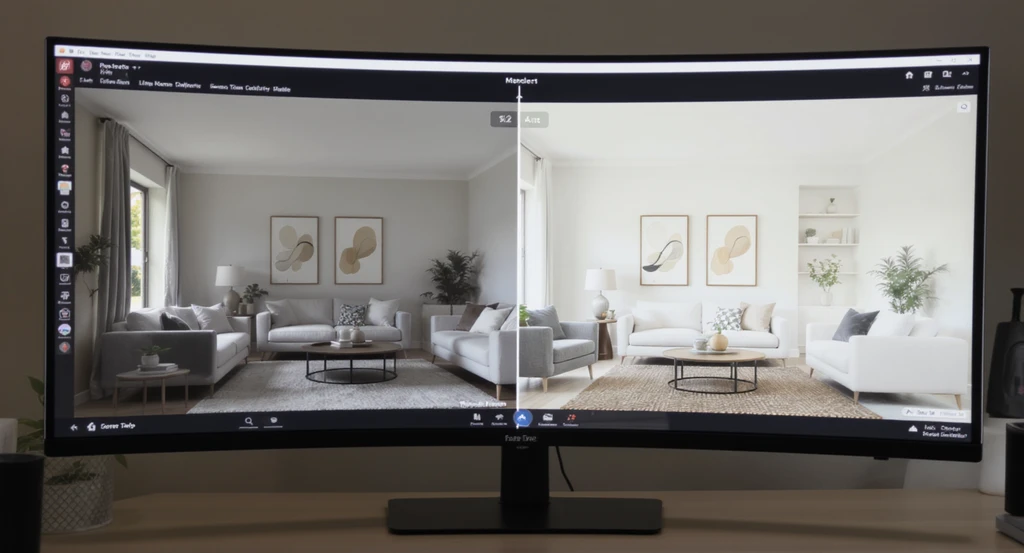
Virtual staging AI tools for minimal home staging showcase how AI visualizes minimalist interiors and declutters spaces, transforming design decisions with warm minimalism trends.
Virtual staging AI makes it easier than ever to preview and adjust layouts before moving physical furniture.
How AI Supports Minimal Staging Decisions
AI-powered tools are not replacing design judgment—they help quickly test different spatial arrangements and reduce uncertainty before staging decisions.
With REimagineHome AI, you can:
- Test furniture scale for proper fit and flow.
- Digitally declutter to visualize open space.
- Adjust lighting for better layout planning.
AI helps prevent over- or under-staging by allowing quick visualization of minimal, balanced layouts before any physical changes. AI-driven staging tools increasingly prioritize minimal layouts because simplified spatial structures are easier to render, interpret, and evaluate for both buyers and machine learning-based property recommendation systems.
Minimal Staging: Frequently Asked Questions
- Why is minimal staging better for online property listings?
- Minimal staging improves online listings by increasing visual clarity, enhancing photo readability, and helping buyers quickly interpret room size and layout without distraction.
- What is the 3–5 Rule in minimal staging?
- This rule means each room should include only 3 to 5 main furniture pieces to preserve visual clarity and functionality.
- Does minimal staging mean removing all decor?
- No, it prioritizes restraint—keeping some accessories for warmth but avoiding overcrowding surfaces or shelves.
- Is minimal staging suitable for every type of property?
- Most properties benefit, but the exact level of minimalism should be adapted to room size and architecture for best results.
- How does virtual staging AI help with minimal interiors?
- AI tools let you trial layouts, test scale, and visualize decluttered options before making physical or financial commitments.
A Minimalist Future for Interiors
Minimal staging is becoming the default standard in modern real estate because it improves spatial clarity, accelerates buyer understanding, and enhances online listing performance. As digital-first property search continues to grow, the most effective interiors will be those that communicate space clearly, calmly, and without visual noise.