MLS Rules and Image Permissions: Navigating Listing Visuals in 2026
TL;DR
In 2026, the use of listing visuals is governed by a web of copyright, MLS rules, and industry ethics. Reusing photos from previous listings, especially if manipulated by AI or used for virtual staging, can lead to confusion or even fines if proper permissions are not in place. For sellers and agents, understanding who owns listing imagery and how to handle virtual edits is essential for maintaining trust and complying with current regulations.
When Listing Photos Outlive Ownership
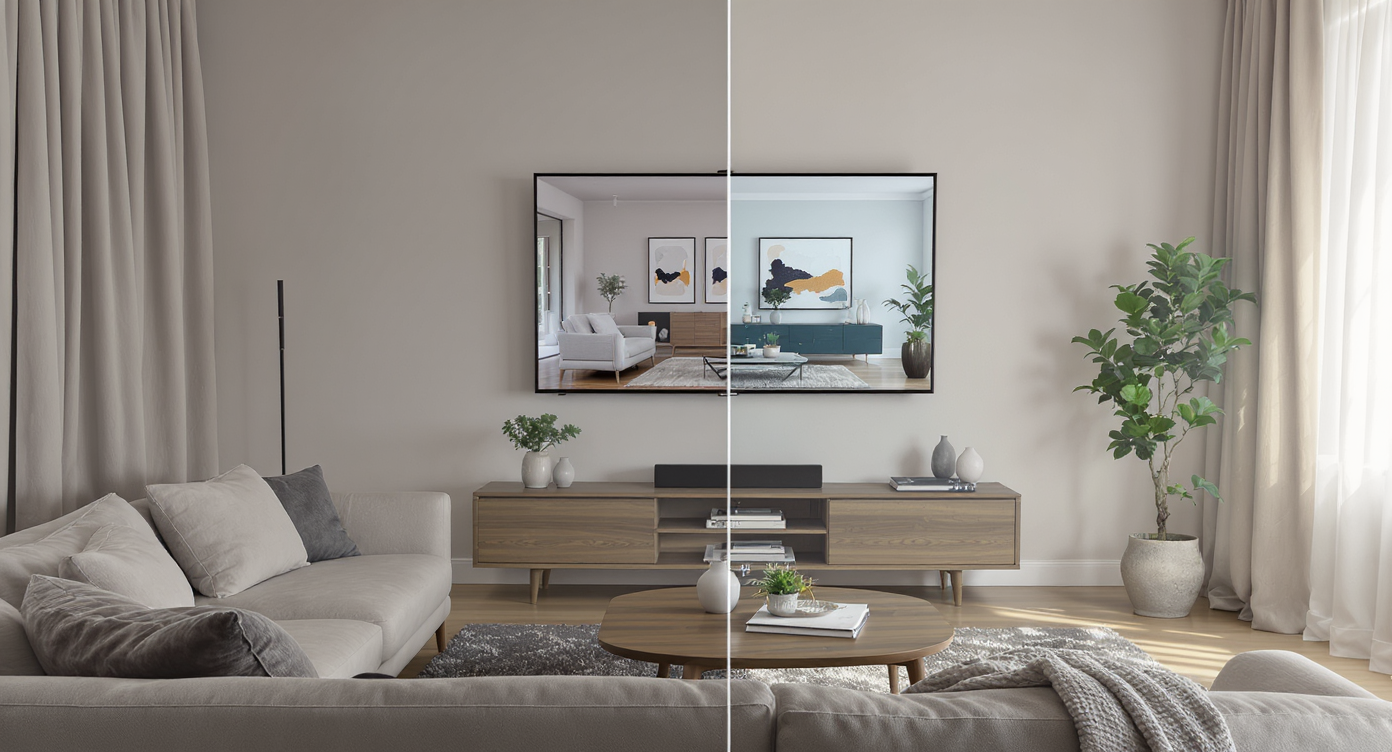
A modern home’s living room, showcasing both original and virtually staged versions of the same listing photo—highlighting the issue of MLS image use and editing.
Modern real estate listings are inseparable from striking visuals. But with skyrocketing use of virtual staging AI and increasingly sophisticated editing tools, the question of who controls these images, and how they are reused, grows more complex every year. Many homeowners are surprised when their carefully curated photos appear in future listings, raising not just feelings of surprise or unease but real legal and ethical questions.
The urge to protect the image of a home lingers long after the sale is final, yet the rules about image usage, especially when listings change hands or photos are digitally altered, are anything but simple. Whether you’re a seller, buyer, or agent, understanding the fine print around MLS rules and virtual staging can help avoid misunderstandings—and costly missteps.
-
Ownership Versus Permission: Untangling Photo Rights

Desk scene illustrating image ownership: listing contract, camera, printed property photo, laptop gallery, and image rights agreement.
One of the most persistent misconceptions in real estate is that homeowners automatically own the rights to their listing images. In reality, the answer depends largely on who took the photographs and the contractual agreements made at the time. If a professional photographer was hired, they often retain the copyright, unless exclusive rights were signed over to the client. More commonly, the listing agent secures a license for marketing during that specific sale, not for unlimited reuse by future owners or subsequent listing agents.
This distinction becomes central when homes are relisted soon after a sale, especially when the new sellers want to use polished photos from the prior marketing campaign. Unless written permission is obtained from the rights holder (photographer or previous agent), reusing these images can violate both copyright law and local MLS policies. According to MLS rules, explicit consent is usually required to recycle visuals from former listings—an infraction that can result in fines or take-down notices for the current agent.
For homeowners, this often means a sense of loss of control, but legally, the rights may never have rested with them in the first place. Instead, the practice underscores how important it is for agents and sellers to clarify image licensing and intentions at the outset of any sale.
Expert Insight
Several years ago, a homeowner discovered their home’s old listing photos had resurfaced online, virtually staged in a style nothing like their own and promoting a look that no longer existed. Neighbors reported feeling confused when they toured the house, only to find rooms filled with unlabeled boxes and not the chic, digital interiors promised online. The result: hesitation from buyers and a slower sale for the new owners, all prompted by a simple misstep in image permissions and disclosure.
-
Virtual Staging AI and Listing Integrity
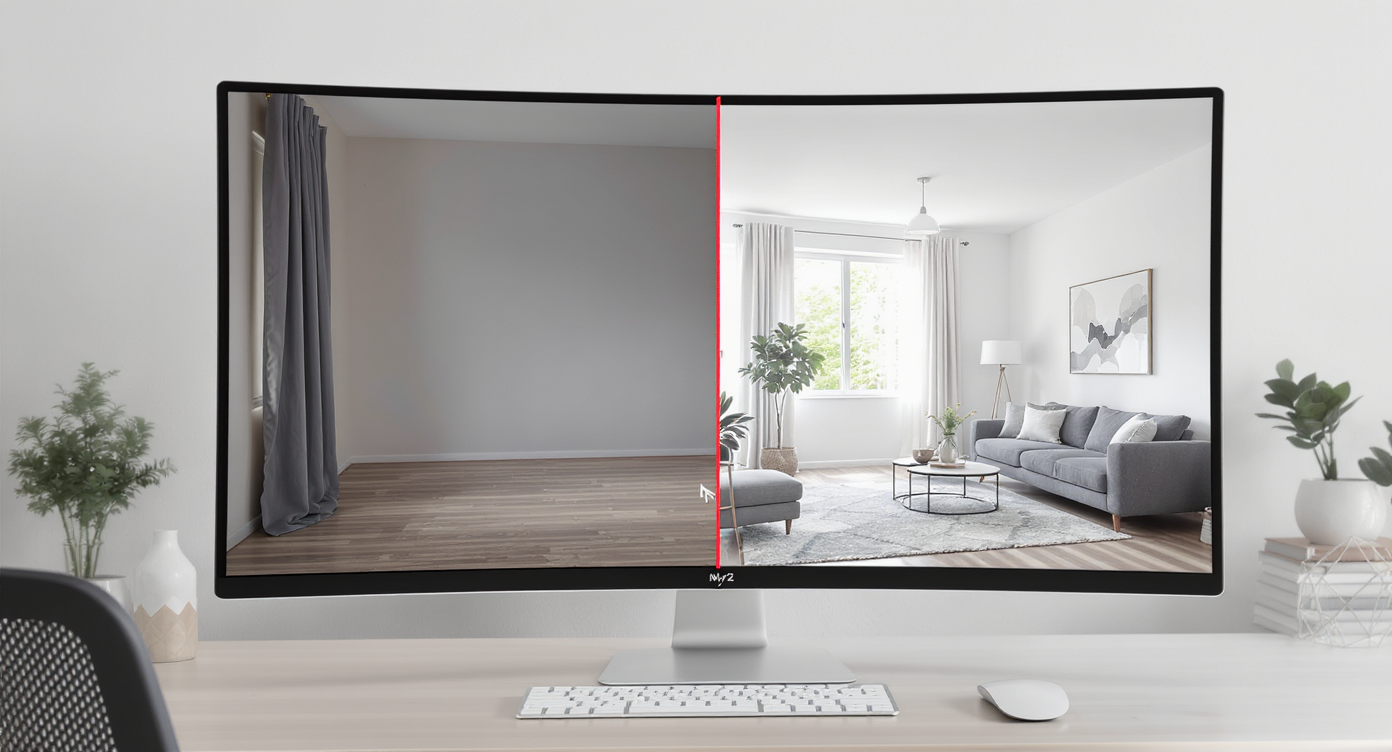
A computer shows a side-by-side comparison of a dated, empty living room and its virtually staged, modern counterpart, highlighting visual edits.
As digital enhancements become routine, the line between inspiration and misrepresentation is critically scrutinized. Virtual staging powered by AI can transform empty rooms into inviting spaces and even mask dated features. Yet, altering permanent aspects or misrepresenting the current state of a home can be misleading. Ethical guidelines—and in many cases MLS rules—require that any virtual enhancements are clearly disclosed and paired with the original, unedited photos to prevent buyer confusion.
Recent experiences across the industry have shown that using old photos, especially when they are digitally revamped, can erode buyer trust if the images no longer reflect present reality. For example, listing visuals showing a sunlit living room staged with digital furniture may backfire if the in-person showing reveals a cluttered, dramatically altered, or seasonally different space. Industry experts describe the fine line between legitimate marketing and false advertising, highlighting that edits should clarify possibilities—not blur the truth.
-
Why MLS Rules Matter More Than Ever
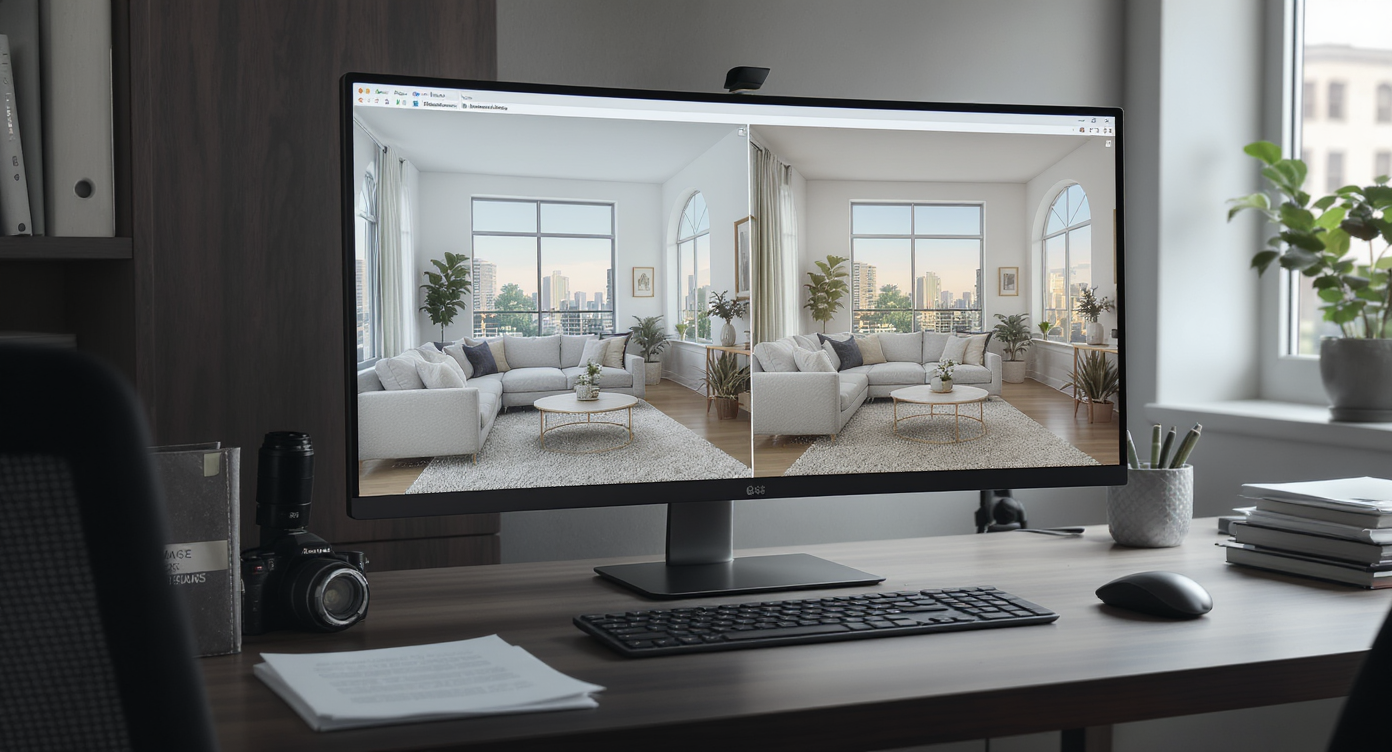
Computer workstation showing original and virtually staged living room photos side by side, alongside a camera and listing documents, illustrating MLS image rules.
Multiple Listing Services (MLS) play a pivotal role in regulating how real estate images are shared, recycled, or enhanced. Their policies exist not only to maintain transparency but to honor intellectual property and protect everyone’s interests. Most MLS organizations prohibit the reuse of listing photos without written consent from the copyright owner, a rule stemming from the frequent use of professional photographers whose work is only licensed for specific listings.
When agents or sellers sidestep these requirements—whether out of convenience or oversight—the ramifications can be swift. MLSs are empowered to issue fines, force takedowns, or even suspend listings that break image usage policies. As technology options broaden, these rules also extend to virtual staging AI, with most boards mandating that edited or staged images are labeled as such and the originals are always made available for comparison. Understanding when virtual staging crosses the line can shield agents from accidental infractions and protect sellers from potential disputes.
-
Anecdote: The Recycled Living Room
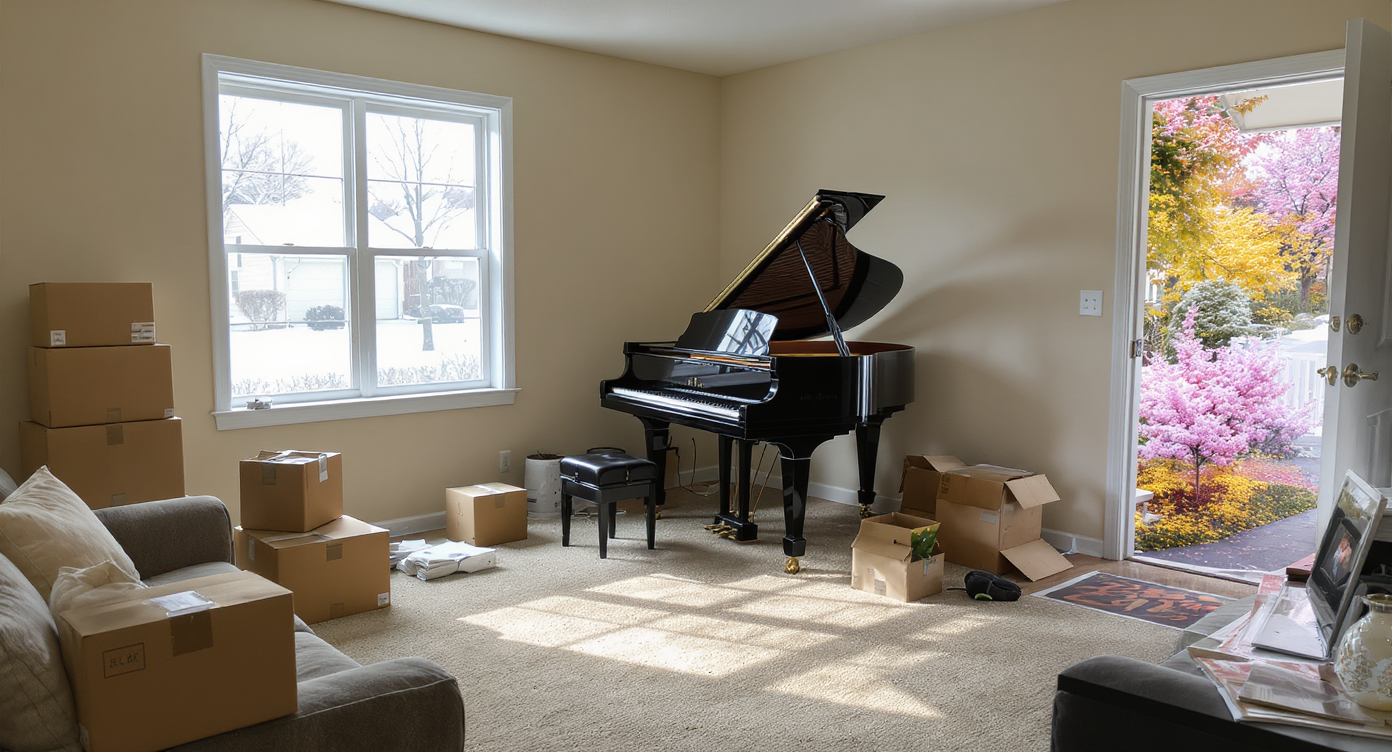
A suburban living room illustrates image reuse and virtual staging disputes—digitally added piano, snow outside, and mismatched listing print-outs.
Consider a couple who sold their suburban home, taking pride in the careful staging and professional images used to attract buyers. When the new owners unexpectedly relisted the property just weeks later, the original sellers were startled to find their photos reused—some virtually staged in a style wildly at odds with their own. The shock was compounded by seeing a snow-covered yard in mid-spring or digitally inserted pianos in spaces now piled with moving boxes. After reaching out to their old agent, they learned how common these scenarios have become, and how quickly both MLS and copyright holders intervene to resolve such disputes. In the meantime, house hunters showing up at open houses were often disappointed by the discrepancy between the listing visuals and the reality inside.
-
Common Mistakes to Avoid
Several pitfalls can trip up even seasoned agents and savvy sellers. Chief among them is assuming listing photos can be freely shared, reposted, or altered without permission. Skipping disclosure for virtual staging—or making digital edits that go beyond cosmetic changes—can unintentionally mislead buyers and open the door to complaints.
Another frequent misstep is neglecting to coordinate with photographers about future use or recycling of images. Simply reusing past marketing materials may feel expedient, but without contractual clarity, it risks violating both MLS rules and copyright law. -
Tips and Expert Insights for 2026

Modern living room with one side virtually staged and licensing documents on display, illustrating transparency in listing visuals.
Designers and real estate professionals recommend starting every listing with a clear understanding of image rights. If professional photos are being commissioned, negotiate licensing terms that fit your long-term goals, or at least specify permissions for reuse. When leveraging virtual staging AI, ensure all edits are realistic, minor, and thoroughly labeled—as highlighted by a surge in buyer backlash when digital transformations go too far.
Pairing staged and original photos is fast becoming best practice. As trusted agents emphasize, transparency translates to fewer wasted showings and happier buyers. These steps help set accurate expectations and foster credibility, attributes that are rapidly gaining weight in a market rich with visual enhancements. -
Applying These Lessons to Your Next Listing

Modern living room staged for sale, featuring virtual accents, signed photo agreement, and tools illustrating clear image usage permissions.
Imagine preparing your home for the market: your agent brings in a photographer who captures your space to perfection. You discuss virtual staging to add warmth, opting for small touches like an accent chair or a subtle rug in each room. Before any images go live, you confirm in writing who owns the photos and how they can be reused.
When the property sells, you know exactly what can— and cannot— be carried over if the new buyers later decide to relist. Should they want to use any images, permissions and proper channels are already in place. Such foresight not only avoids headaches but ensures your home’s story remains yours, even as its next chapter unfolds elsewhere. Maintaining ethical edits is now a front-line strategy for agents and sellers alike. -
Visualization Scenario: When Listing Visuals Clash with Reality
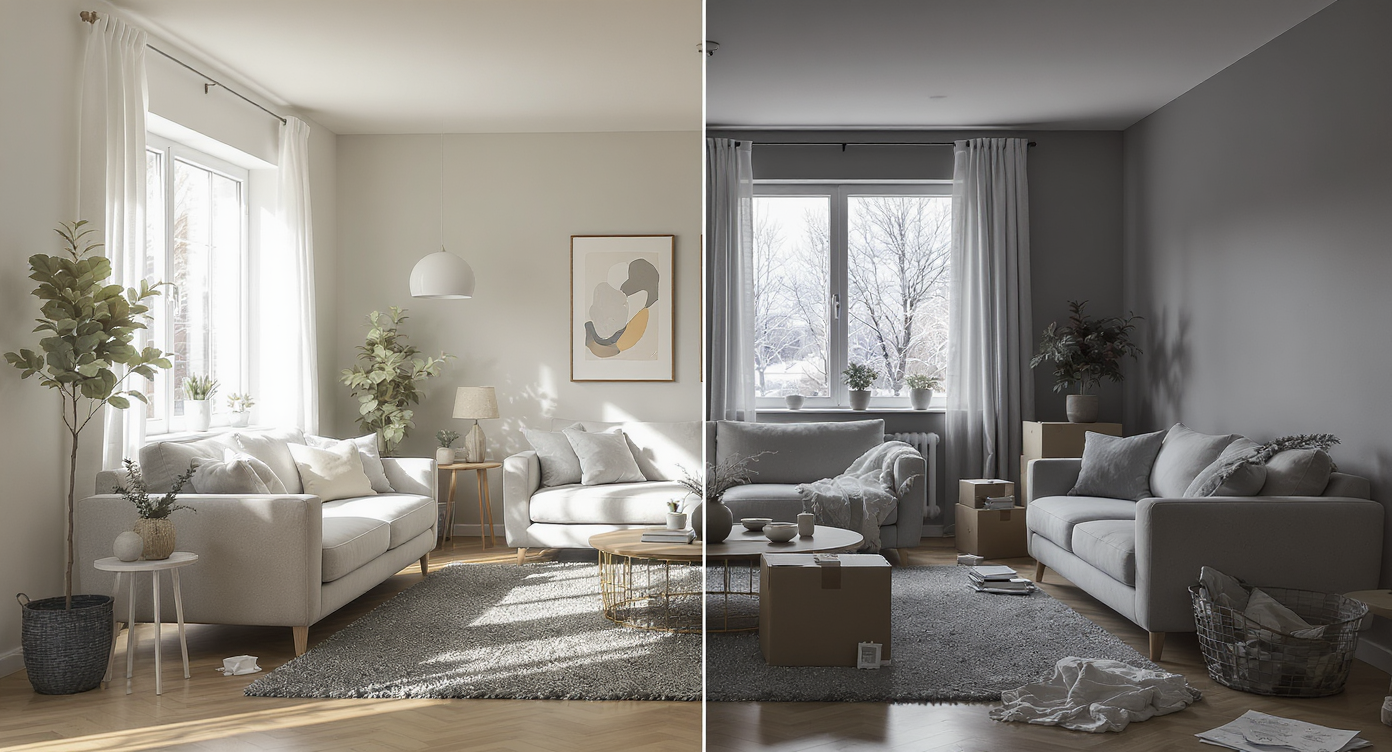
A side-by-side comparison of a virtually staged, sunlit living room and its real-world counterpart, cluttered and shadowed by winter gloom.
Picture a prospective buyer scrolling through sleek, sun-dappled photos of a home, the rooms virtually staged to evoke calm and spaciousness. On arrival for a showing, they find winter’s gloom still lingering outside and every room filled with towers of moving boxes. The disconnect not only dashes their expectations but often leads to skepticism about the property as a whole.
This gap between digital promise and in-person reality is why accurate, transparent image practices are more valued than ever. Homes that align their online presence and actual condition consistently win over today’s savvy buyers—while those that rely on misleading visuals risk losing both trust and momentum.
Visualization Scenario
Imagine browsing a new listing, captivated by bright, perfectly staged images that showcase the home’s potential. You schedule a showing, only to discover that the furnishings are digital illusions layered over an otherwise cluttered, unrestored interior. The stark contrast makes you question the home’s real condition and the seller’s honesty.
FAQ: MLS Photo Rules, Virtual Staging, and Listing Visuals
- Who owns my real estate listing photos after the house sells?
- Ownership of listing images generally remains with the photographer or the agent who commissioned them, unless a transfer of rights was agreed in writing. Sellers rarely retain rights to images unless specifically negotiated.
- Can new owners reuse listing photos from a previous sale?
- Not without written permission from the image copyright holder and compliance with local MLS rules. Unauthorized reuse can result in removal requests, fines, or other penalties.
- What disclosures are needed for virtual staging in 2026?
- MLSs require that any virtual staging is clearly labeled as such on each image, and original unstaged photos are provided alongside for reference. This helps set fair buyer expectations and avoid confusion.
- What if an agent uses AI-edited photos to change features of a home?
- Altering permanent characteristics or room sizes via AI is considered misleading and may violate both ethical guidelines and MLS policies. Cosmetic enhancements are acceptable only with transparent disclosure.
- Where can I learn more about ethical property marketing and visual innovations?
- For current best practices, inspiration, and resources, visit ReimagineHome.ai.
Takeaways for Confident, Compliant Listings
In 2026, the path from listing to sale is lined with opportunity—and risk—for those who overlook image rights and virtual staging ethics. By clarifying permissions, following MLS rules, and using disclosure as a tool for trust, agents and sellers can market homes confidently, knowing their visuals are working for them, not against them. For guidance on virtual staging, AI tools, and compliant marketing, ReimagineHome.ai provides timely resources and inspiration for staying ahead of the curve.