7 Ways to Master 'Moody Maximalism' in Your Home Decor
TL;DR
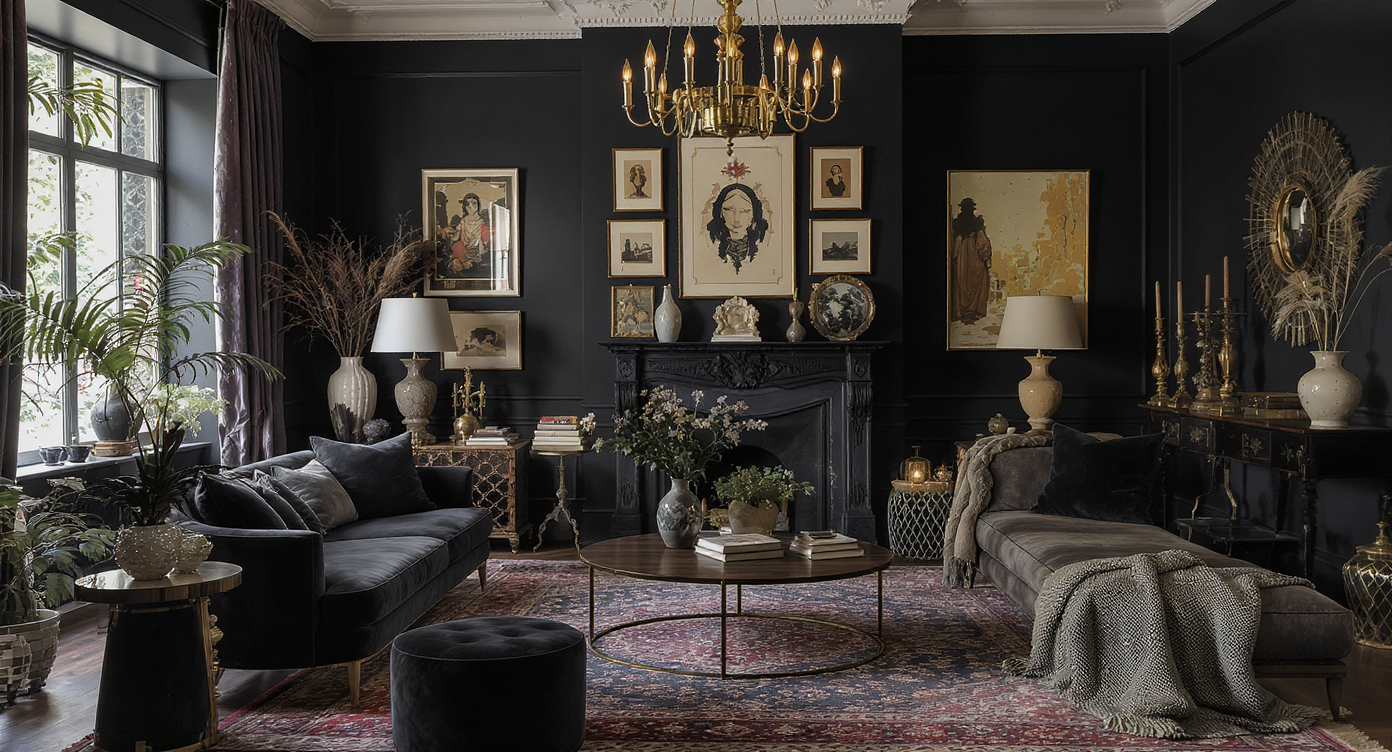
Moody maximalism embraces bold design elements like gothic influences, vintage oddities, animal prints, and dark color palettes. By balancing modern and antique styles, this design creates a dramatic yet inviting space. Explore how to implement mood lighting, rich textures, and vibrant patterns seamlessly within your home to achieve a stunning effect.
Introduction to Moody Maximalism
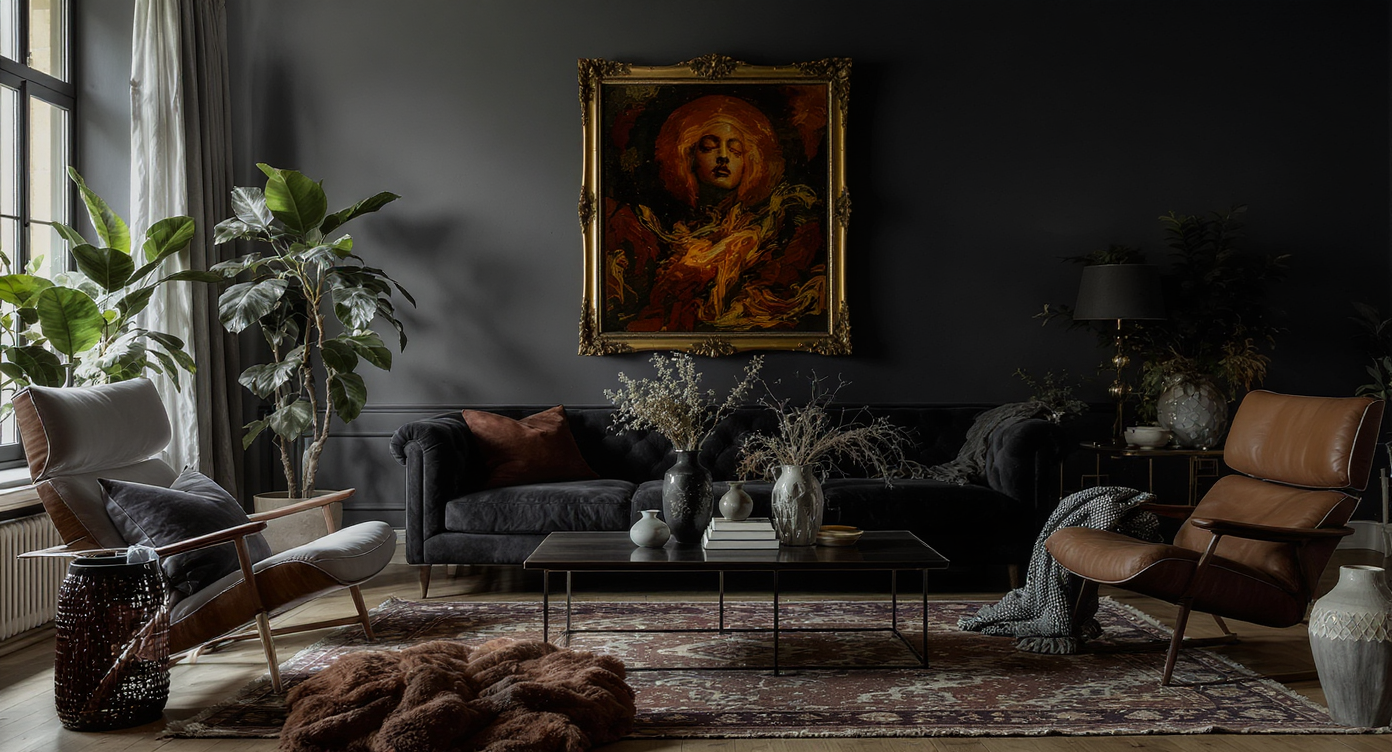
Moody maximalism merges vintage and modern elements to create a bold yet inviting atmosphere.
Moody maximalism is not just a style but an attitude—a daring yet inviting blend of gothic, vintage, and bold design elements. It takes cues from an eclectic array of sources, including Victorian aesthetics, dark academia, and even touches of bohemian charm. This style thrives on the interplay of rich textures, deep color palettes, and an unapologetic use of space to tell a bold story. If you're drawn to the lush textures of velvet, the intrigue of antique oddities, or the drama of dark, moody colors, moody maximalism could be the answer to your design dreams. By strategically combining modern and antique styles within your home, you can create a space that feels both curated and inviting.
-
01. Embrace the Drama With Dark Color Palettes
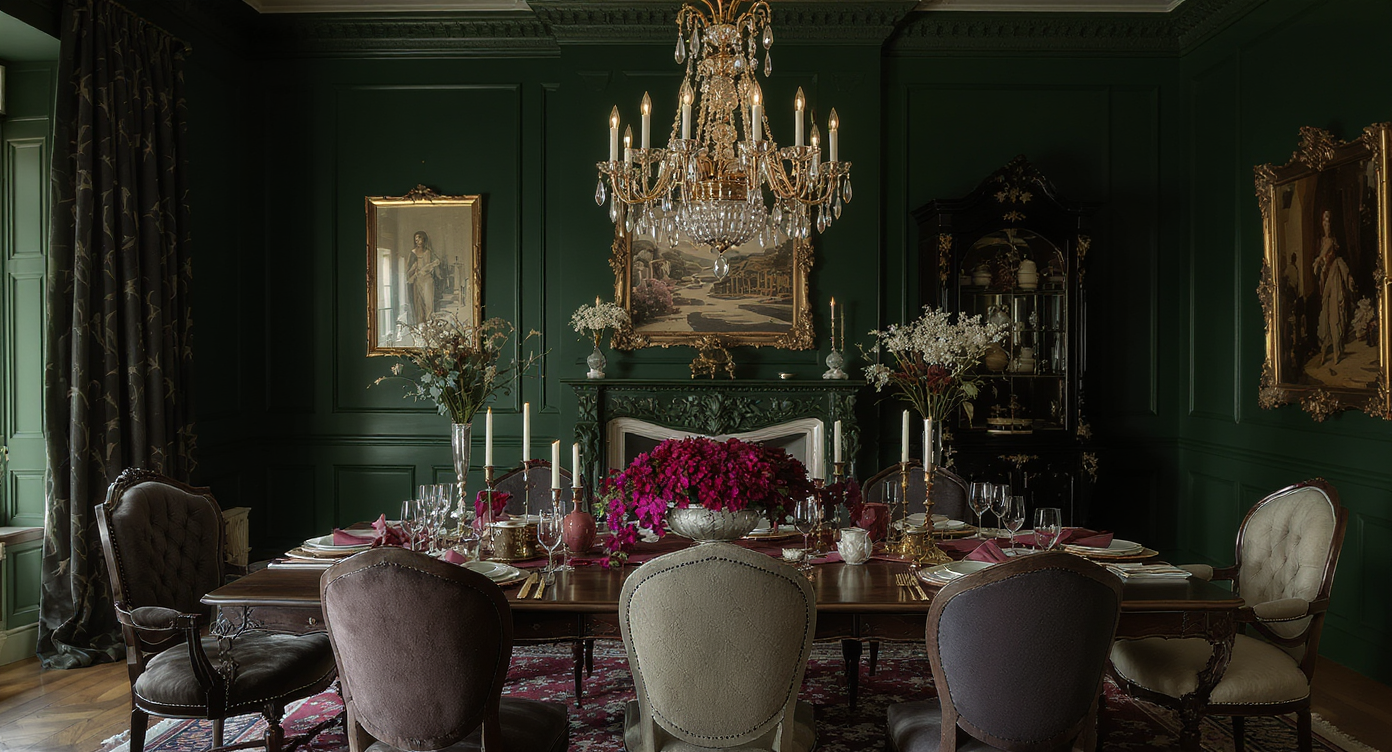
Embrace the drama with deep color palettes that enhance the elegance of your space.
Dark colors serve as the backbone of moody maximalism, with deep hues like charcoal, forest green, and burgundy creating a room's foundation. Using these colors wisely can evoke a sense of intimacy and sophistication, particularly when applied with matte or limewash finishes. Designers recommend using these tones in spaces where you linger, such as bedrooms or reading corners, where they can enhance the cozy, enveloping nature of the setting. This approach works in harmony with your space, producing a profound atmosphere that invites relaxation and reflection. As we explored in our guide to 2025 design trends, dark colors add not just visual weight but emotional depth.
-
02. Mix Vintage and Modern Elements
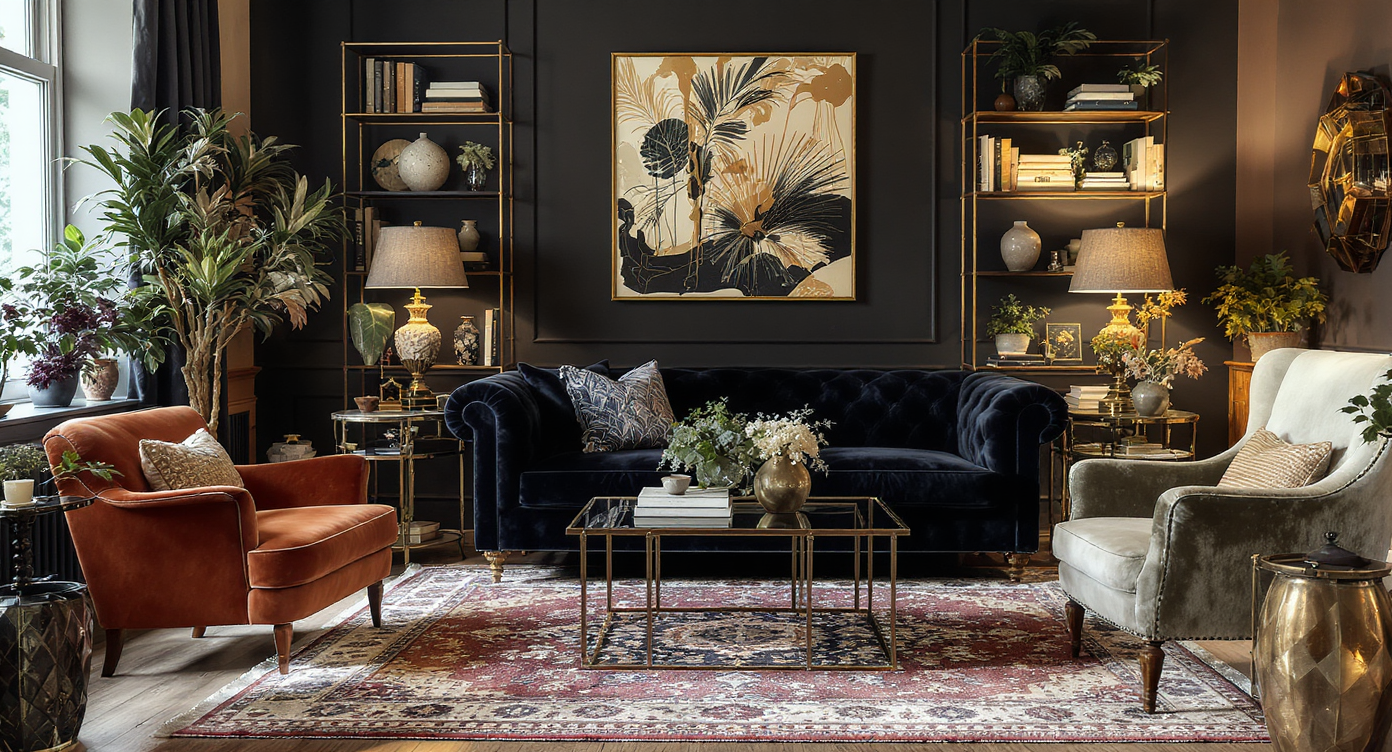
Mix vintage and modern elements for a seamless blend in moody maximalist design.
The beauty of moody maximalism lies in its ability to blend different time periods seamlessly. Incorporating vintage pieces such as an antique velvet armchair or a distressed leather sofa can add character and historical depth. Modern elements like sleek metal lighting fixtures or a minimalist coffee table keep the space grounded and current. This style is all about layering—the right combination can transform any room into a sanctuary that feels both curated and spontaneous. As we learned in our piece on mixing vintage with modern decor, balance is key to ensuring your room feels collected, rather than cluttered.
-
03. Use Animal Prints for Dynamic Patterns
Animal prints are a staple in moody maximalist design, offering a playful yet sophisticated touch. These patterns can brighten a room and provide an unexpected twist that complements darker hues. Consider incorporating animal prints through statement pieces such as a rug or artwork, or use them as accent details on pillows and throws. The goal is not to overwhelm but to introduce bold patterns that animate the space.
Learn more about integrating bold patterns effectively into modern spaces. -
04. Incorporate Gothic and Victorian Influences
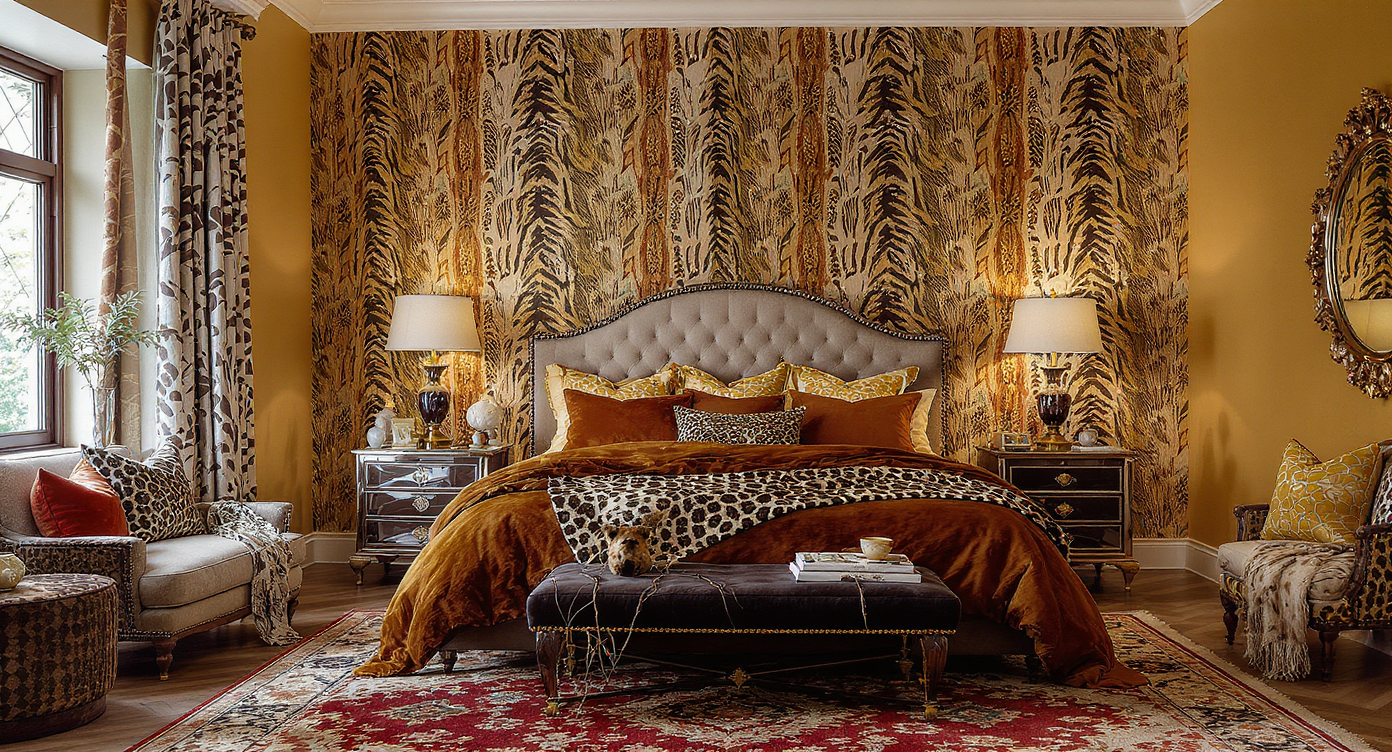
Use animal prints to add dynamic patterns that elevate your moody maximalist style.
Gothic and Victorian influences bring an air of mystery and richness to moody maximalism. Features such as ornate mirrors, heavy drapery, and carved wooden furniture can lend an old-world elegance to your interior. These elements work beautifully when contrasted with modern, minimalist lines, creating a tension that is both visually interesting and deeply resonant. The interplay of these styles results in a room that feels dramatic yet lived-in, appealing to lovers of both history and modern design.
-
05. Layer Textures for a Tactile Experience
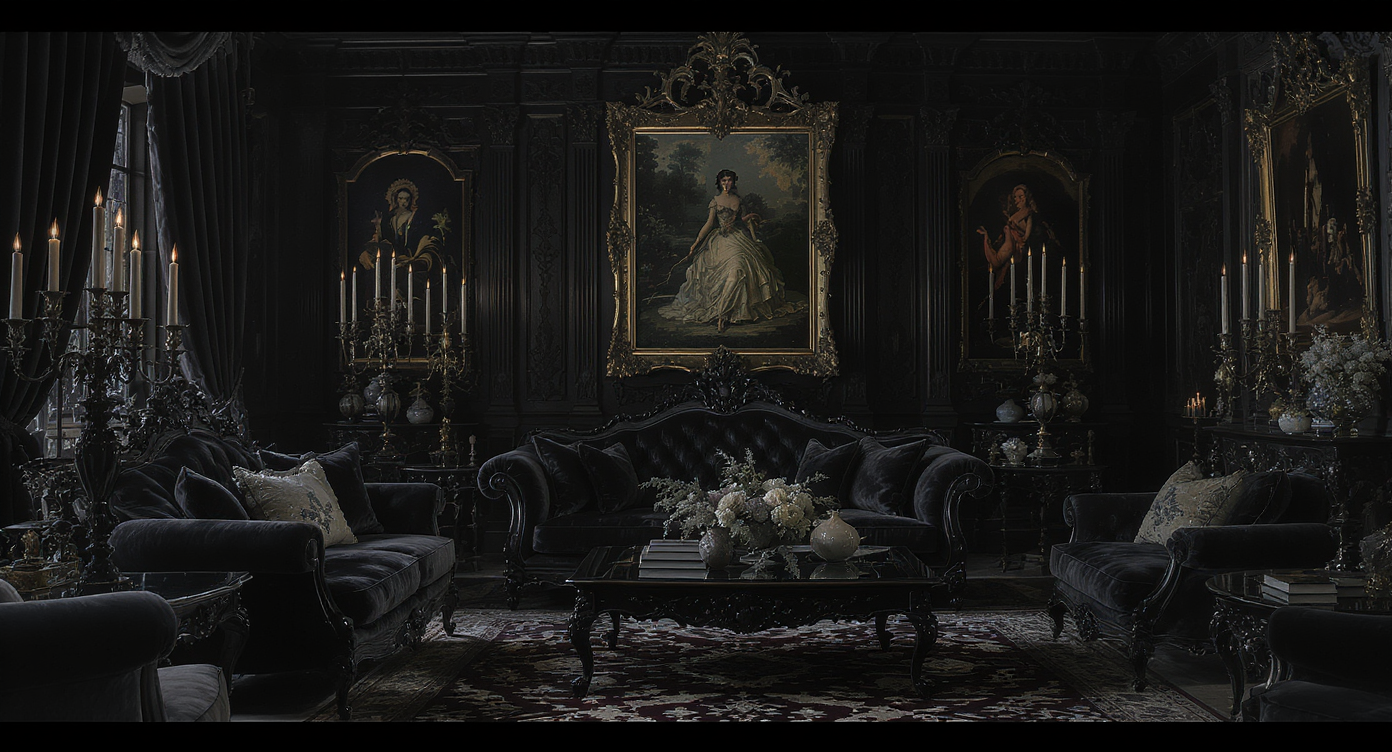
Incorporate gothic and Victorian elements for a luxurious touch that embodies moody maximalism.
In moody maximalism, texture is as important as color and pattern. Rich tactile experiences are created through combinations of materials like velvet, wool, leather, and metal. By tactically layering these elements, a sense of depth and complexity can transform even the most basic of spaces into something luxurious and inviting. Pay attention to the finishes—oiled woods, unlacquered brass, or aged metals can add warmth without gloss, maintaining a room's cozy and welcoming ambiance. For a touch of creative flair, consider adding vintage textiles. Our listicles suggest experimenting with various fabrics for maximum impact.
-
06. Curate Oddities for a Personal Touch
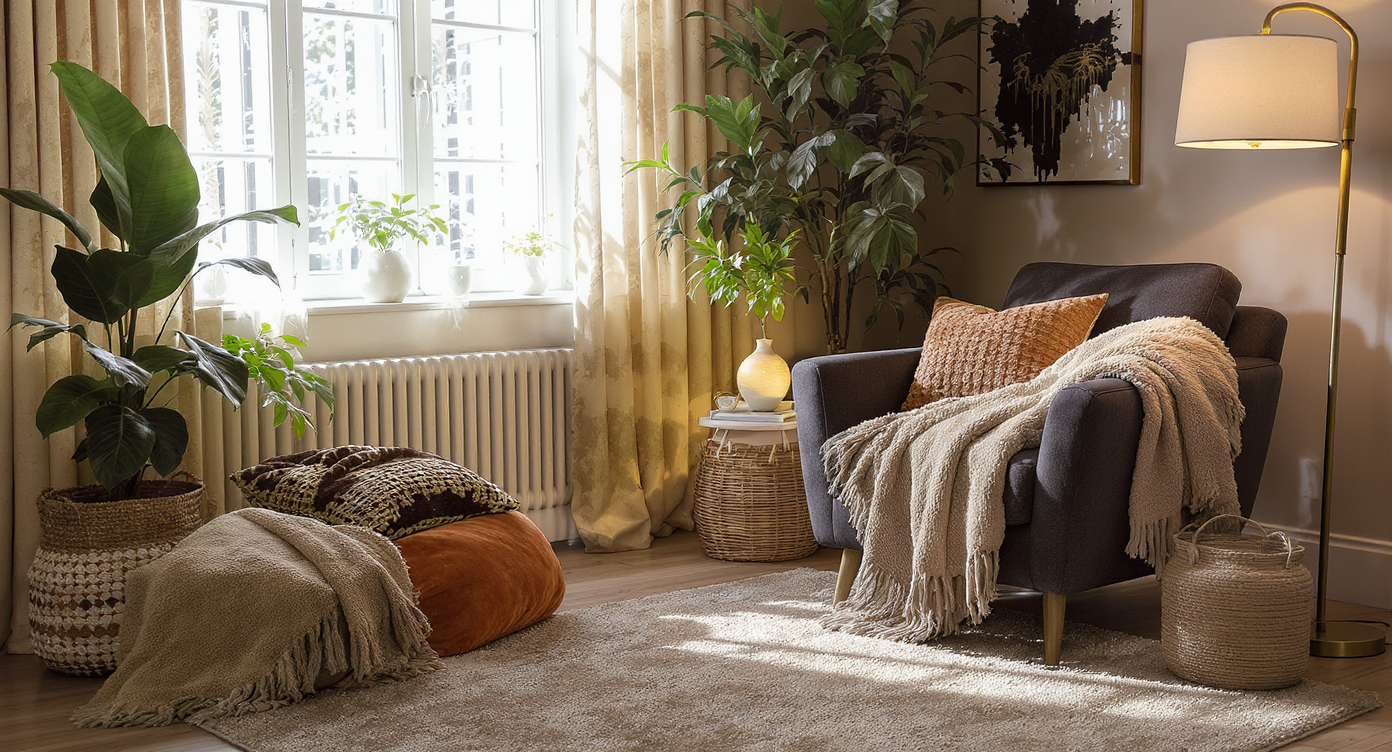
Layer textures for a tactile experience that enhances the cozy vibe of moody maximalism.
Curating oddities such as antique globes, taxidermy, or vintage art pieces allows for the infusion of personality and curiosity into a room. These unique items serve as conversation starters and invite guests to explore every corner of your space. When styled thoughtfully, they can bring harmony and enhance the eclectic nature of moody maximalism. However, restraint is crucial to avoid veering into chaotic territory. Allow your most prized pieces to take center stage, rotating different items in and out based on the season or occasion.
-
07. Create Mood Lighting That Transforms Spaces
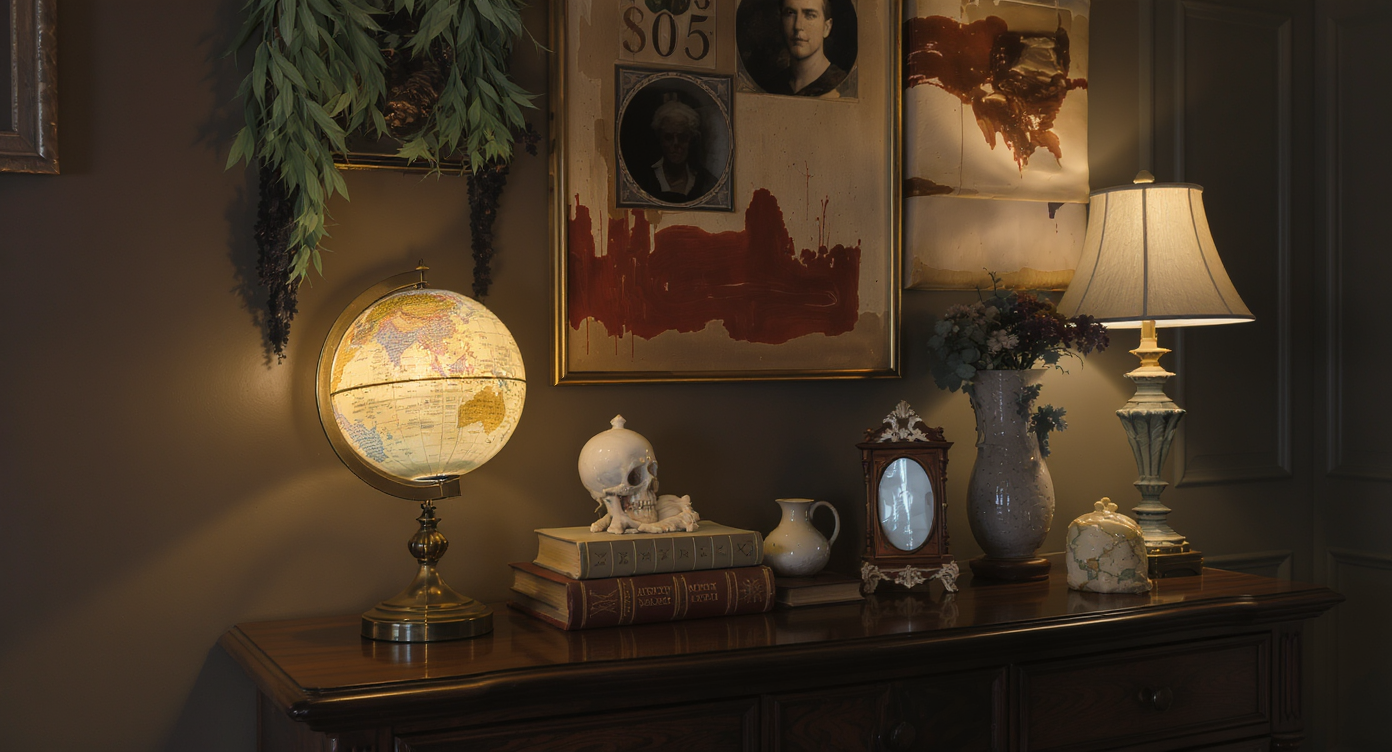
Curate oddities to infuse personal touches that define your unique moody maximalist style.
Lighting is essential in moody maximalism to highlight textures and patterns without overpowering them. Warm, shaded lamps and candlelight effect fixtures can improve ambiance and illuminate key features while maintaining the space's intimate atmosphere. Consider using dimmers to adjust lighting levels according to your needs or moods. This layered approach to lighting enhances the rich textures and adds depth, ensuring your maximalist design is always presented in the best light. Our exploration of lighting in color trends reveals how different light forms interact with moody tones.
FAQ: Mastering Moody Maximalism
Moody maximalism is a design style characterized by richly layered colors, diverse patterns, and an eclectic blend of antique and modern elements to create a dramatic yet inviting space.
How can I incorporate dark colors into my living room without making it seem small?
Balance dark walls with lighter textiles, like curtains or sofas, and ensure your room has layered lighting to prevent a cave-like feel. Use accent mirrors to reflect light and open up the space.
Are animal prints a necessary component of moody maximalism?
While not necessary, animal prints can add a dynamic and playful element to the style, providing a contrast to the heavier, more somber tones typical of moody maximalism.
How do I prevent my moody maximalist room from looking cluttered?
Focus on a color scheme that ties every element together and select key pieces that reflect your personality. A curated, intentional approach avoids the pitfall of chaos.
Can I use moody maximalism in small spaces?
Yes, by carefully balancing light and dark elements and making strategic use of lighting, even compact areas can accommodate the moody maximalist style effectively.
Conclusion: Crafting the Perfect Moody Maximalist Space
Moody maximalism is an invitation to explore the dualities of modern and vintage aesthetics, infusing each room with a rich tapestry of colors, patterns, and textures. By thoughtfully combining elements from different styles and eras, you can create a home that feels like an extension of your personality—bold, dramatic, and unapologetically unique. Remember that balance is key, whether you're combining patterns or introducing new textures and colors. Consistency in your approach ensures a cohesive and welcoming atmosphere. Use these strategies to transform your living spaces into beautiful, moody sanctuaries where every detail invites deeper exploration.