7 Practical Moves for Non-Landscapers Wanting a Healthier, Low-Maintenance Yard
TL;DR
New homeowners without landscaping expertise can still achieve a healthy, attractive, and low-maintenance yard. By understanding drainage, embracing native plants, and using tech like AI landscaping tools, you can prevent common pitfalls and minimize future regrets. These steps demystify the process and help you turn a problematic property into a functional, appealing outdoor space.
Why New Homeowners Struggle with Their Yards
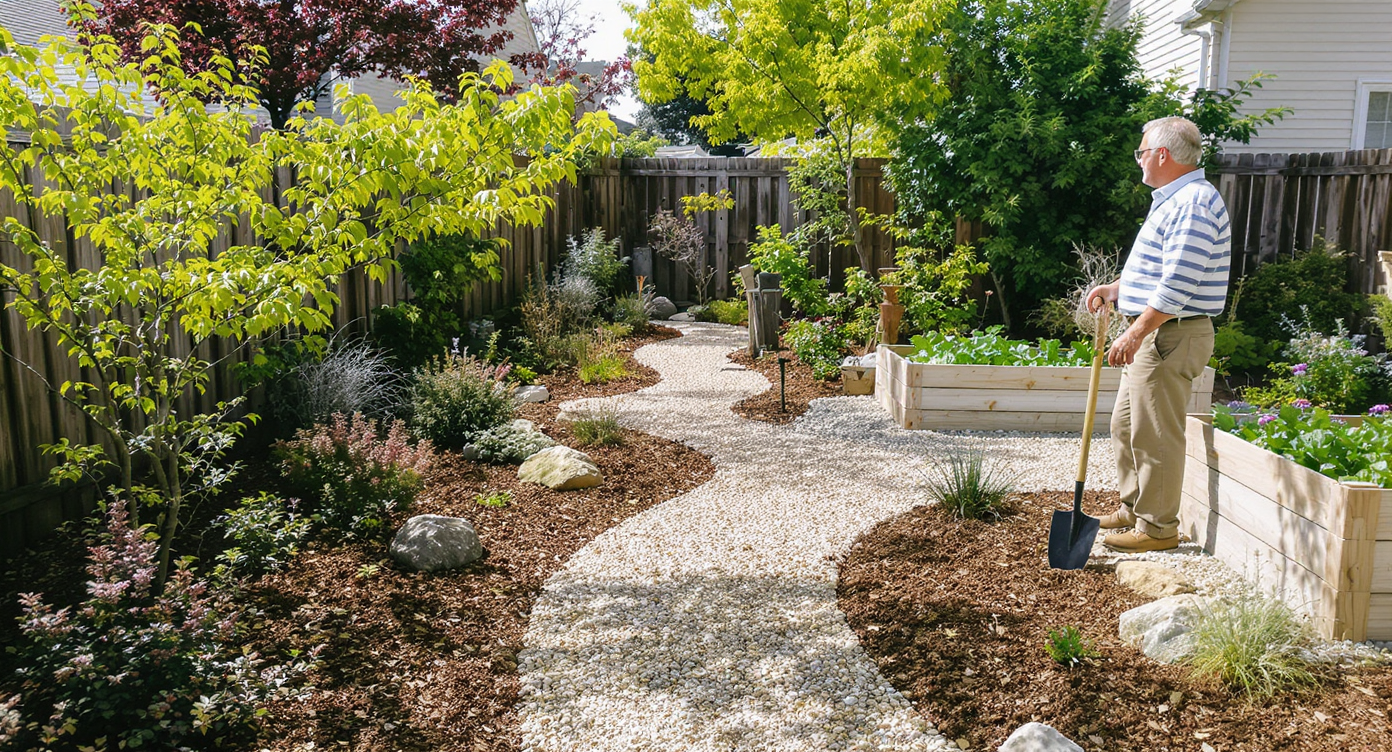
This inviting backyard highlights simple, effective landscaping moves—native plants, mulch, and smart water features for effortless curb appeal.
Every year, countless homeowners inherit yards they neither chose nor love. Often, the house itself wins out over the lot and, as a result, concerns like poor drainage, erosion, and uninspiring landscaping get put off until nature forces action. This list is for anyone feeling outmatched by their outdoor space—especially those who lack experience, a big budget, or the time for trial and error. With changing weather patterns, increased drought, and the desire for wildlife-friendly gardens, being proactive about landscaping design can make any lot more resilient and enjoyable. By leveraging approachable methods and tech innovations, you can avoid costly missteps and landscape remorse. Here are seven actionable strategies that will set up any non-landscaper for success.
-
1. Take Stock of Water Flow Before You Build or Plant
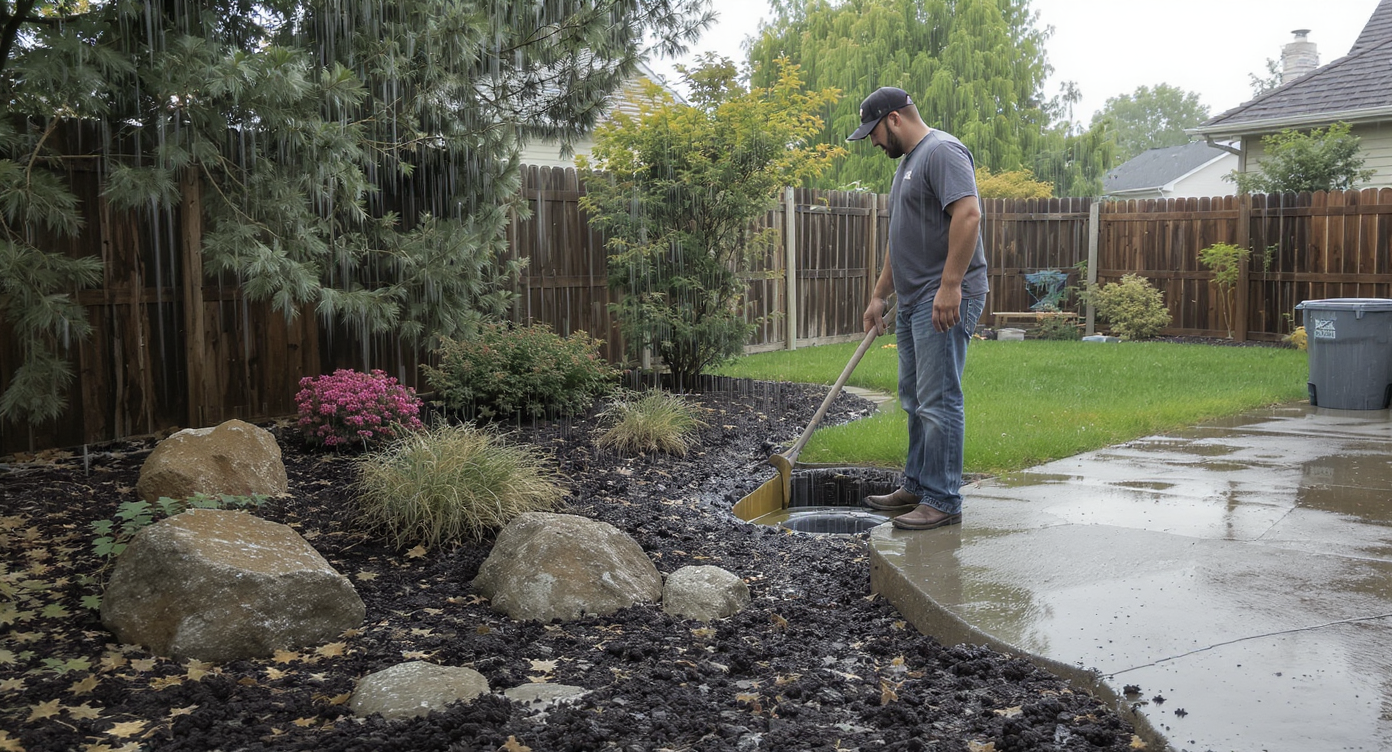
Observing how water moves and pools in your yard is the vital first step to creating a low-maintenance, healthy landscape.
Understanding how water moves across your property is the essential first step. Observe the yard during or right after a good rain to spot areas where water collects, forms ruts, or disappears too quickly. Awaiting the first big storm is not always practical, but even a hose test can reveal drainage trouble spots. Over time, pooling water accelerates soil loss, damages foundations, and drowns plants. Homeowners often benefit from mapping slopes and walkways before any major landscape changes, as detailed in our approach to smart design and hardscaping. Small soil berms or strategic grading sometimes solve water issues less invasively than installing a French drain system, saving cost and disruption.
-
2. Use Swales and Rain Gardens for Natural Drainage
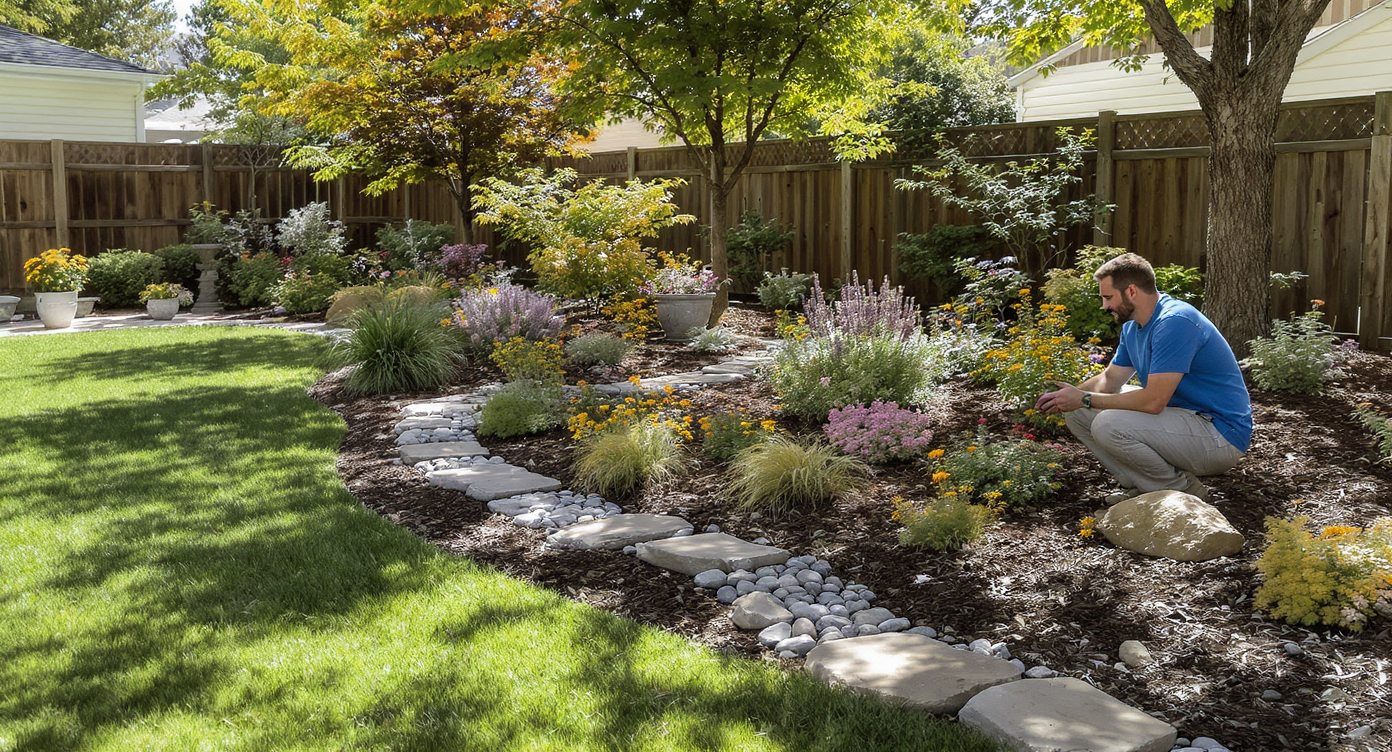
Swales and rain gardens guide excess water, reduce lawn problems, and support healthy low-maintenance landscapes with native plants.
Swales are shallow, gently sloped channels that move runoff away from vulnerable zones and into areas intended to absorb it. Rain gardens—planted depressions—collect water and let it slowly infiltrate, filtering pollutants and protecting nearby structures. These strategies are low-tech yet highly effective, especially compared to expensive subsurface drains. If you live in a region with heavy rainfall or clay soil, swales and rain gardens make a measurable difference in erosion and waterlogged lawn issues. They fit seamlessly with native landscaping, reinforcing soil health and biodiversity, and as we explored in our wildlife-friendly garden guide, contribute positively to your local ecosystem.
-
3. Replace Lawn with Native Plant Beds for Lasting Impact
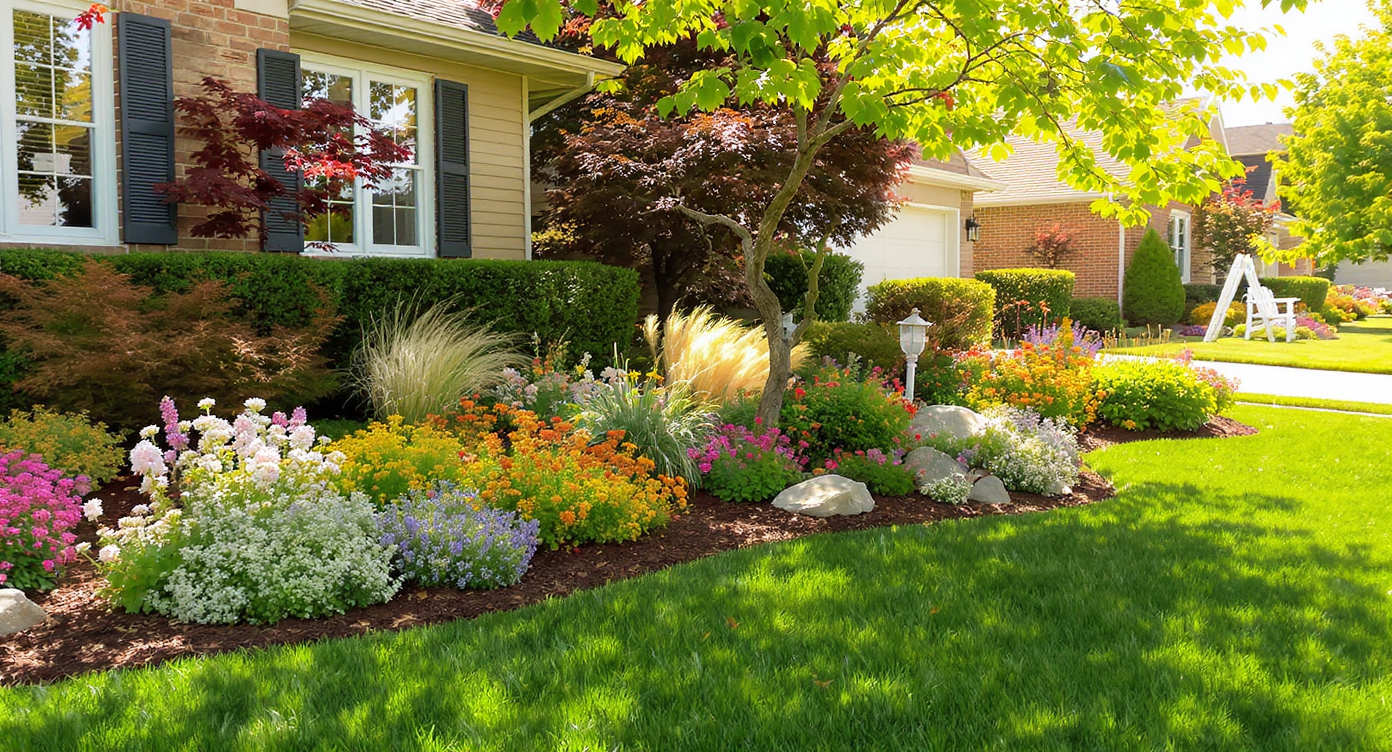
Replacing thirsty grass with native plant beds transforms curb appeal and makes yard care easier and more eco-friendly for homeowners.
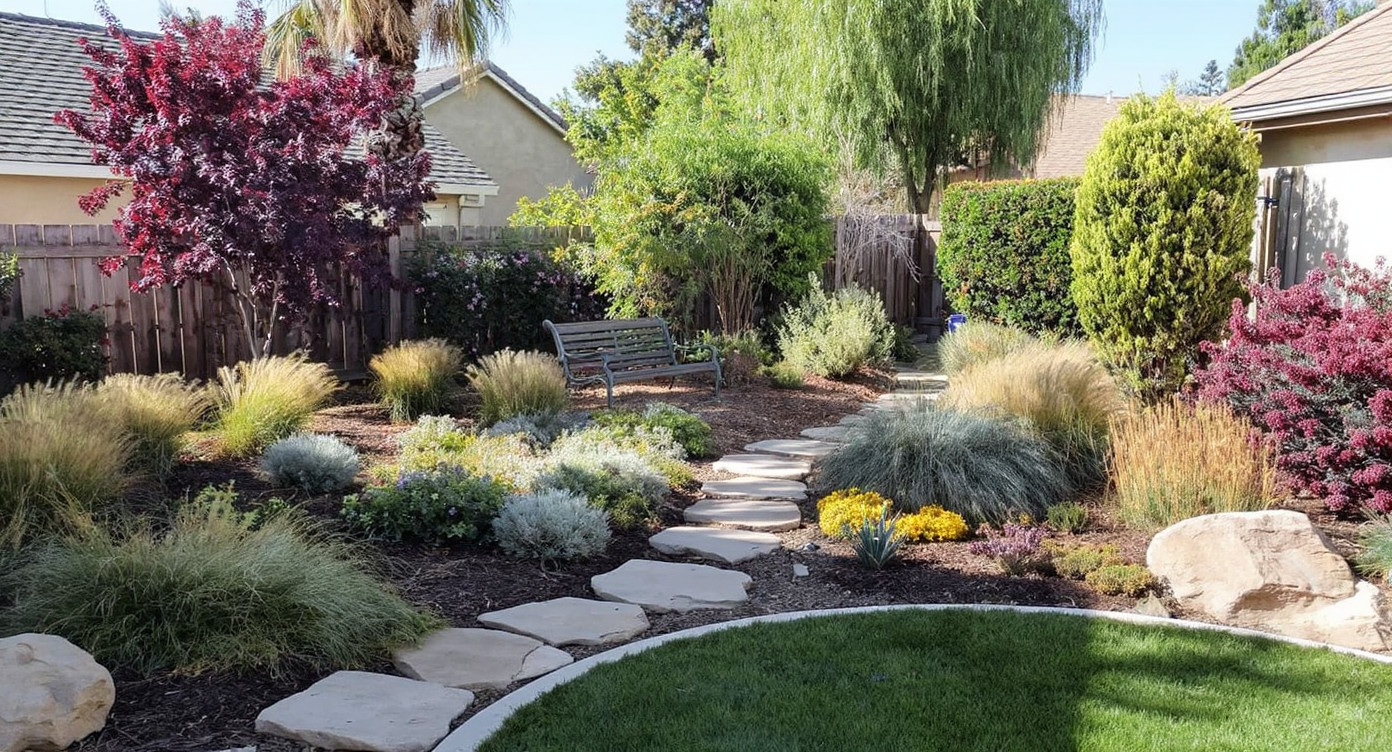
Grassy lawns are large, thirsty, and offer little habitat value, often requiring constant mowing and chemicals. By converting part or all of your lawn to native plant beds, you not only boost curb appeal but also reduce maintenance and build a landscape resilient to local pests and climate extremes. Native plants thrive in your soil with little irrigation once established, and their deep roots improve both drainage and erosion control. Our discussion of no-lawn front yards outlines techniques for protecting, restoring, and celebrating these alternatives, which benefit everything from soil health to local pollinators.
-
4. Start Small—Pilot Planting Helps You Learn
Many first-time homeowners hope for instant results but quickly discover that landscaping is best done incrementally. Begin with a manageable section of your yard and observe how plants and soils respond before expanding to larger changes. This approach saves money and helps you avoid large-scale landscaping regrets that come from poor plant placement or unexpected drainage problems. Small pilot beds also let you test maintenance requirements, irrigation placement, and sun/shade patterns without risk. If something does not work, only a small area needs adjusting.
-
5. Use AI Landscaping Tools to Preview Ideas Before You Dig
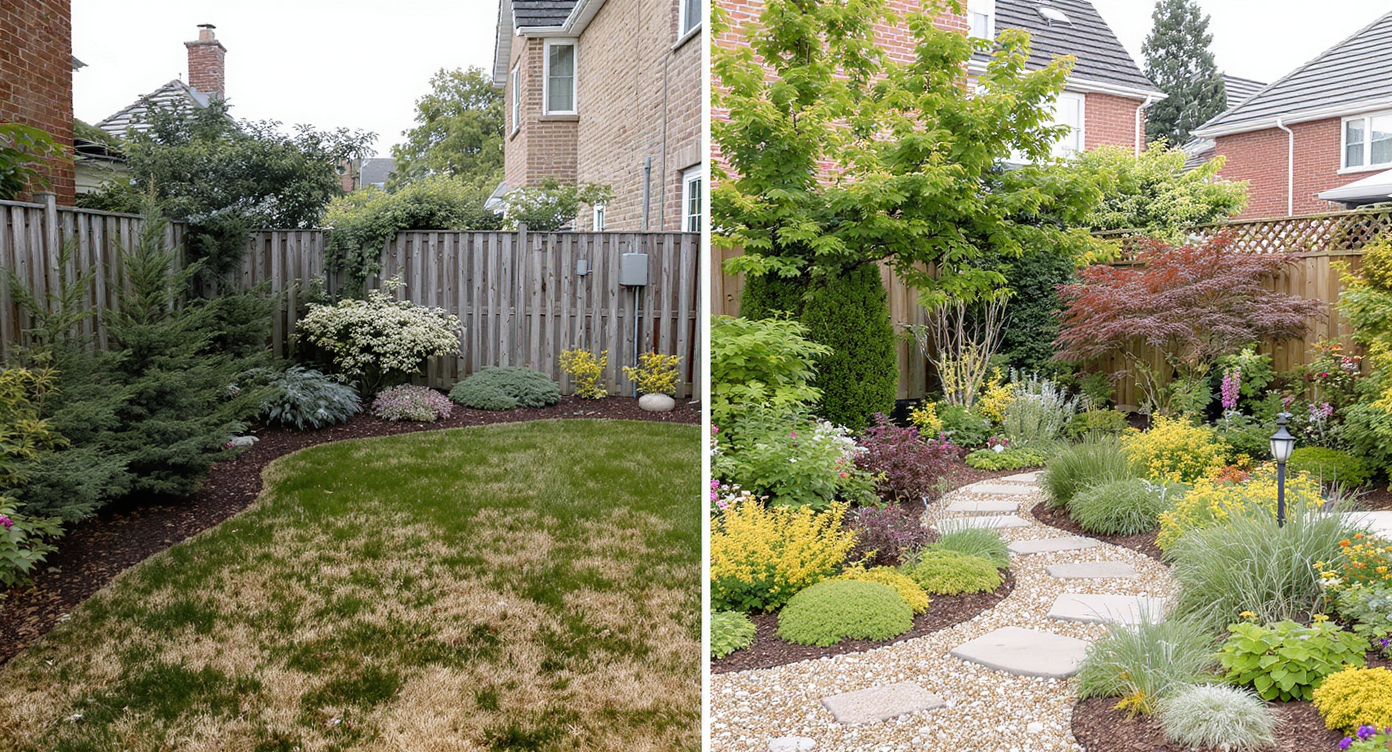
Previewing landscaping changes with AI tools lets homeowners see realistic designs for plant groupings and hardscape options before they dig.
Visualizing a makeover can be challenging if you do not have a designer’s eye. Modern platforms enable homeowners to upload a yard photo and receive a realistic landscape mockup. These AI landscaping tools from yard photo are particularly helpful for testing plant groupings, hardscape paths, or drainage changes before committing to shovel and soil. AI landscaping with plant recommendations leverages regional data to suggest appropriate species, helping you place the right plant in the right spot. As seen in our guide to photo-perfect landscape design, this previsualization minimizes impulse mistakes and lets you compare several styles without hiring a professional. Explore more at REimagineHome.ai.
-
6. Connect With Local Resources for Custom Advice
It pays to learn the specifics of your local soil, weather, and native flora. Cooperative extension offices, native plant societies, and regional nurseries offer hands-on tips you cannot always find online. They may also identify highly invasive plants or offer species lists tailored to your area. For example, a homeowner in Alabama might obtain timely suggestions from local experts familiar with the state’s unique environmental challenges and opportunities. Tapping into these knowledge bases saves time, reduces planting errors, and sometimes unlocks rebates or cost-sharing programs for eco-friendly yards.
-
7. Protect Your Investment: Prepare for Unplanned Setbacks
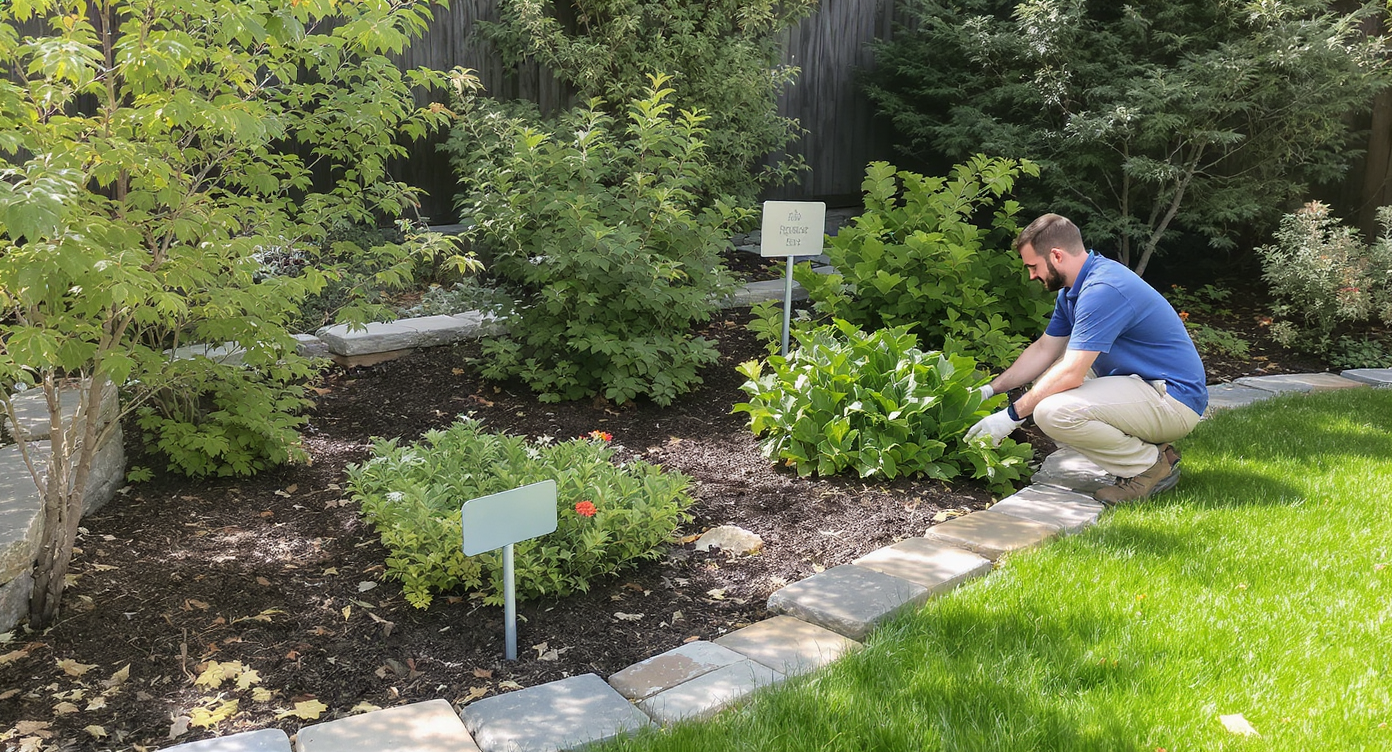
Protecting new landscape beds with clear boundaries and quick checks after storms keeps your yard healthy and resilient all season.
Even well-intentioned plantings and new landscapes experience setbacks—from an accidental mow to unexpected storms. Protect new beds with clear boundaries and sign markers so they are not mistaken for unkempt grass or weeds. Routine checks after extreme weather and quick action to address any garden loss are crucial. Should damage occur, focus first on root recovery and reseeding with resilient native species, as described in our steps to restore a native garden after a mishap. Over time, these simple habits guarantee your landscaping efforts can withstand both accidents and nature’s surprises.
Questions Homeowners Ask About Yard Makeovers
Skipping site analysis and jumping straight into planting or hardscaping, which can result in poor drainage, wasted money, and long-term landscape regrets.
How does an AI landscaping tool from yard photo help?
It provides a visual preview of potential designs, helps you select the right plants for your zone, and lets you compare options before starting work, minimizing costly errors. REimagineHome.ai offers this functionality.
Are French drains always necessary for drainage problems?
No. Many properties can benefit from surface solutions like swales, rain gardens, or even simple regrading, depending on the soil and slope.
What if my new garden gets mowed by mistake?
Follow steps that focus on recovering roots and reseeding, as discussed in our recommendations for restoring native gardens after accidental mowing.
How do I avoid landscaping regrets?
Start small, get expert advice, test your plans visually, and prioritize local, resilient plants.
Key Takeaways for Non-Landscapers Building Better Yards
Turning a disliked or challenging lot into an asset does not require a landscaping degree or endless weekends of work. By learning to read your site, using the right modern tools, and choosing native plants, you create a low-maintenance outdoor space you can be proud of. Proactivity and small, mindful changes will help you avoid future landscaping regrets—explore all your options with visual tools at REimagineHome.ai before making lasting decisions.