Decoding the Modern Home Buying Frenzy: What Works and What to Watch Out For
TL;DR
In today’s competitive real estate market, buyers confront crowded open houses and multiple offer standoffs. While bold moves sometimes pay off, common-sense measures and long-term planning save buyers from costly regrets. Emerging trends like waived inspections or over-the-top offers grab headlines but understanding the realities of remodel projects, old house renovation, and affordable design keeps buyers grounded.
Navigating the Wild Ride of Today’s Housing Market
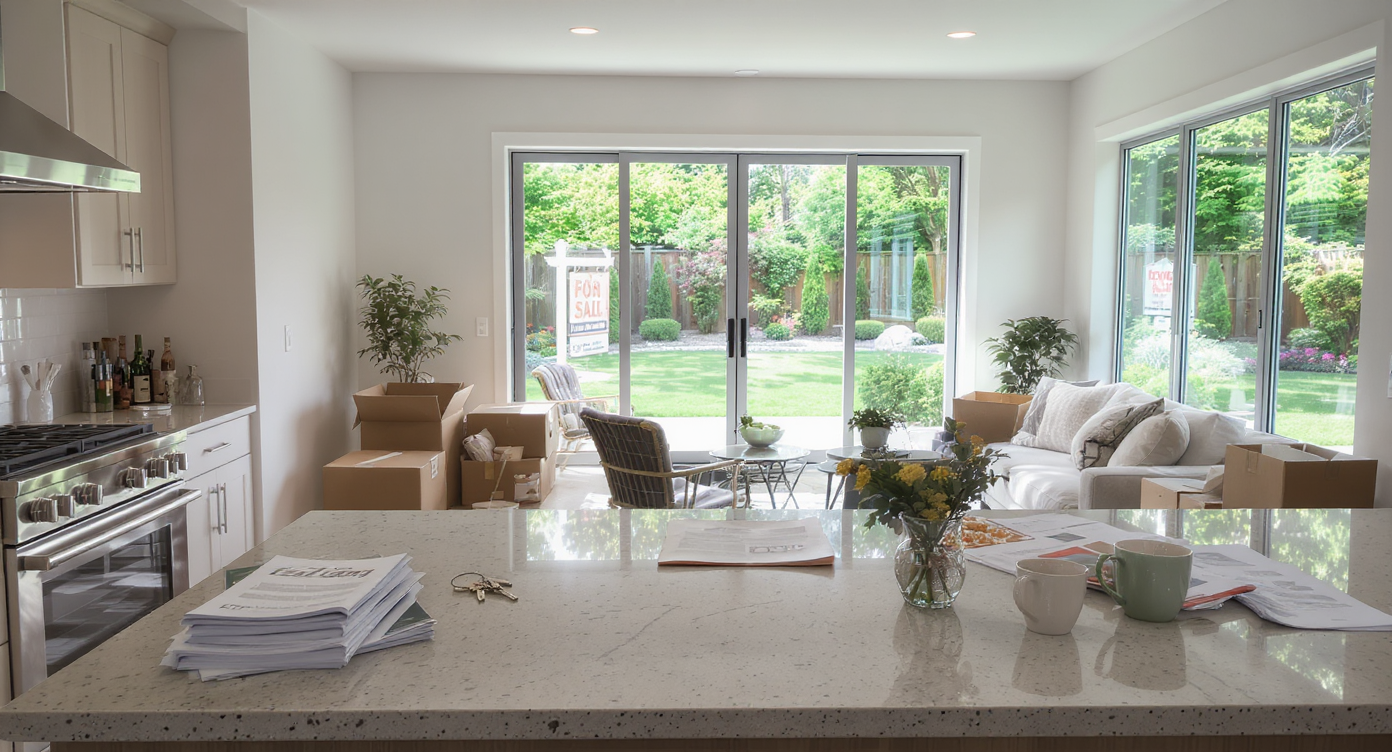
A modern home interior staged for an open house, featuring real estate brochures, moving boxes, and hints of active negotiations.
Entering the real estate market in 2026 often feels more like a test of endurance than a straightforward transaction. Listings appear and vanish within days, open houses resemble bustling events, and buyers find themselves weighing just how much risk to tolerate for a chance at homeownership. Stories of frenzied bidding wars and sky-high offers have become nearly ubiquitous, but beneath the viral anecdotes lie important lessons for navigating the process wisely. Buyers frequently share tales—sometimes sincere, sometimes tongue-in-cheek—of outbidding dozens, stretching budgets, or waiving every inspection just to land a beloved property. These stories echo a deeper truth about the lengths some feel pressured to go. Yet, separating exaggeration from intentional strategy is critical. The most successful homebuyers balance ambition with realism, especially when considering remodel projects or old house renovation. Affordable design is still achievable, provided you know when to move boldly and when to pause for perspective.
-
When Bidding Wars Blur the Lines of Logic
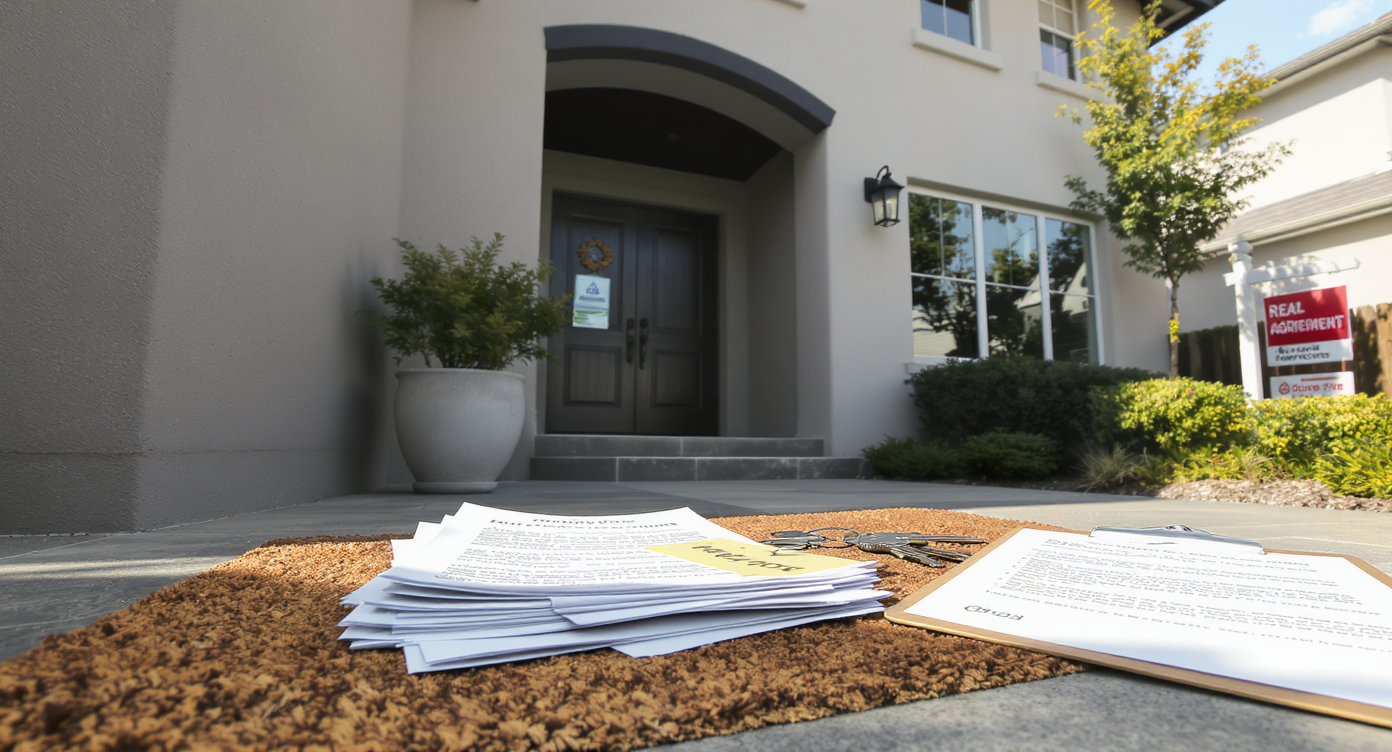
Stacks of escalating home offer documents and inspection reports illustrate how bidding wars can lead buyers to overlook red flags.
Rising competition in sought-after neighborhoods has led to practices that, even five years ago, would have sounded extreme. In some markets, offers dozens of thousands above the next-highest sale aren’t unusual. It is no longer shocking to see buyers stretch well beyond the asking price in hopes of standing out—sometimes even agreeing to ‘rent-back’ periods that let sellers remain after closing. However, stretching for a house should follow careful consideration, not just impulse. Real-world examples abound where buyers, fearing they’d miss out forever, skipped standard checks or ignored obvious red flags like significant structural issues. While some manage successful outcomes, others discover later that enthusiasm blinded them to hidden costs—both emotional and financial.
Expert Insight
A couple searching for a home in a popular city went through eight offers before finally landing a 1940s bungalow. They loved the original hardwood floors and vintage crown molding but quickly realized even carefully maintained homes require vigilance—sagging beams and high-maintenance window panes meant frequent attention. Undeterred, they took on each project with enthusiasm, sharing tips with other buyers at neighborhood events over the years.
-
Old Homes, Renovation Realities, and the Allure of Character
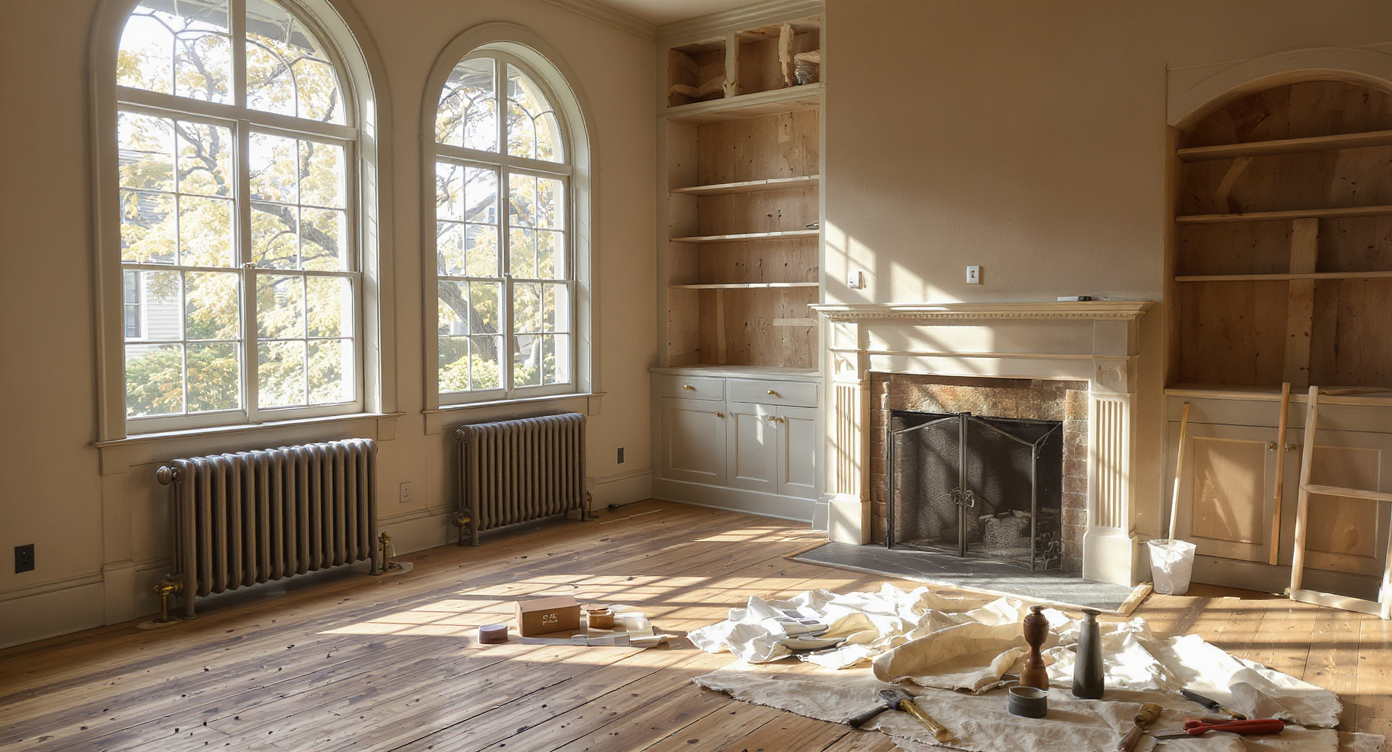
A lovingly updated 1930s bungalow interior reveals restored features, lingering repairs, and modern upgrades thoughtfully blended with original charm.
The romance of a charming 1930s bungalow or a farmhouse on acreage often draws buyers away from new construction and into the world of remodel projects. Old house renovation, while filled with potential, comes with surprises. Slanted floors or outdated systems may not faze veteran renovators, but for first-time buyers, they can introduce unforeseen stress and expense. The reality is that older homes offer character and often larger plots, yet require a careful eye during walk-throughs—especially if inspections are hurried or waived. Affordable design doesn’t mean disregarding necessary repairs. Creative solutions abound: refreshing original windows, repurposing vintage hardware, or integrating modern amenities without diluting classic charm. Successful renovators strike a balance, investing in timeless updates while respecting the structure’s limitations and history. Understanding both the joys and pitfalls of this approach is essential, as discussed in our analysis of old vs new construction homes.
-
Smart Offers Versus Desperate Gambles: Where to Draw the Line
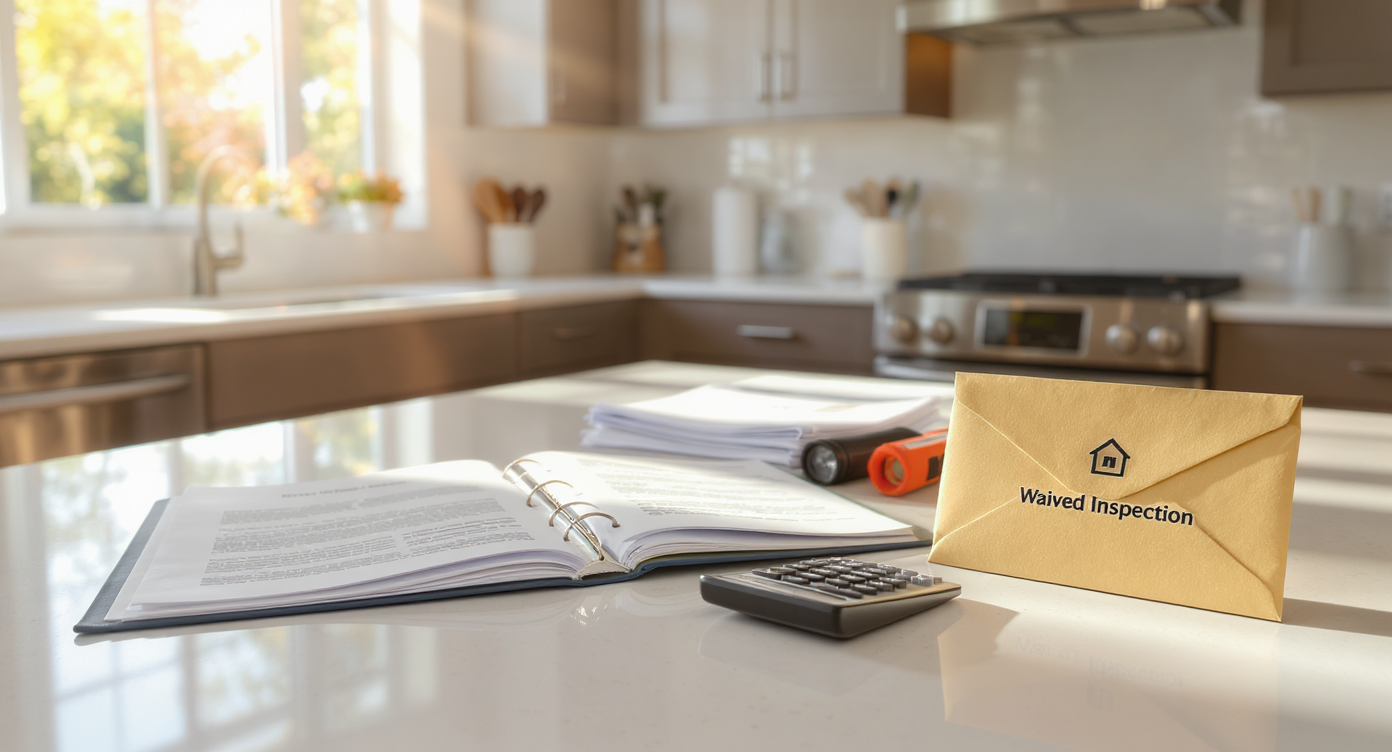
Real-world tools and documents used in making informed home offers, contrasting careful diligence with riskier, rushed decisions.
Not all bold tactics are created equal. In the current climate, some buyers remove contract contingencies to stay competitive. Waiving an inspection, for example, can shave weeks off the process or make an offer more attractive, but it also exposes buyers to significant risk. If a hidden issue emerges post-closing, the repair costs fall squarely on the new owner’s shoulders. Prudent buyers temper enthusiasm with caution. They use data on recent comparable sales, weigh true value, and maintain buffers in their budgets for closing costs or inevitable surprises. Recognizing which strategies are calculated risks and which verge on desperation distinguishes seasoned homebuyers from those at the mercy of market hysteria. Insights into common pitfalls, such as those found in first-time buyer mistakes, help steer decisions back toward reason.
-
The Emotional Side of Winning (and Losing) a Dream Home
Beyond data and dollars, emotion often takes the driver’s seat in real estate. After months of searching, many buyers worry about missing a rare opportunity and may find themselves rationalizing risks, whether that means pledging over-budget or fast-tracking a remodel. The hope of future appreciation encourages boldness, yet market corrections or costly surprises remind everyone that even the most lovable home is still an investment. Buyers who endure multiple missed offers, long negotiations, and late-night strategy sessions face a journey not just measured by square footage but personal resilience. Celebrations feel especially sweet after repeated setbacks, yet managing expectations—and anticipating the realities of homeownership—keep optimism grounded. Consider learning from those who’ve bought in turbulent times by exploring effective approaches to planning your first home purchase.
Visualization Scenario
Picture standing in a sunlit living room, original trim gleaming after a weekend restoration. The sound of hammers and laughter fills the hallway as you and your partner tackle another affordable design update. Children’s voices drift from the backyard, where gardens and play areas merge seamlessly into a mature landscape. The work is steady, yet the rewards unfold daily as old materials meet modern comforts.
Frequently Asked Questions
Waiving contingencies, misjudging budgets, and rushing decisions without a plan are common. Being proactive, informed, and realistic keeps you ahead.
Is old house renovation a good way to get affordable design?
Many buyers find value in older homes with great structures, but hidden issues like outdated wiring or uneven floors require a careful inspection and honest cost assessment.
How can buyers protect themselves from overpaying?
Using recent sales data, setting strict upper limits, and refusing to bow to pressure are central safeguards. Professional inspections and realistic appraisals help too.
Do I really need an inspection?
Yes, especially for older homes. Inspections highlight foundation, electrical, and major system concerns, allowing buyers to factor repairs into negotiations.
Where can I get more design inspiration or renovation guidance?
Resources like ReimagineHome.ai provide expert tools and visualizations for every step of the process.
Bringing Sanity and Strategy Back to Home Buying
The rush to buy, the temptation to outbid, and the dream of transforming a vintage gem are all integral parts of today’s home buying landscape. Success comes to those who acknowledge both the passion and pitfalls involved. Whether pursuing a remodel project or seeking affordable design in a competitive market, patience remains a buyer’s true ally. For those looking for extra guidance, platforms such as ReimagineHome.ai offer invaluable perspective for the journey ahead.