Making Small Nurseries Shine: Staging for Impact in Real Estate Photos
TL;DR
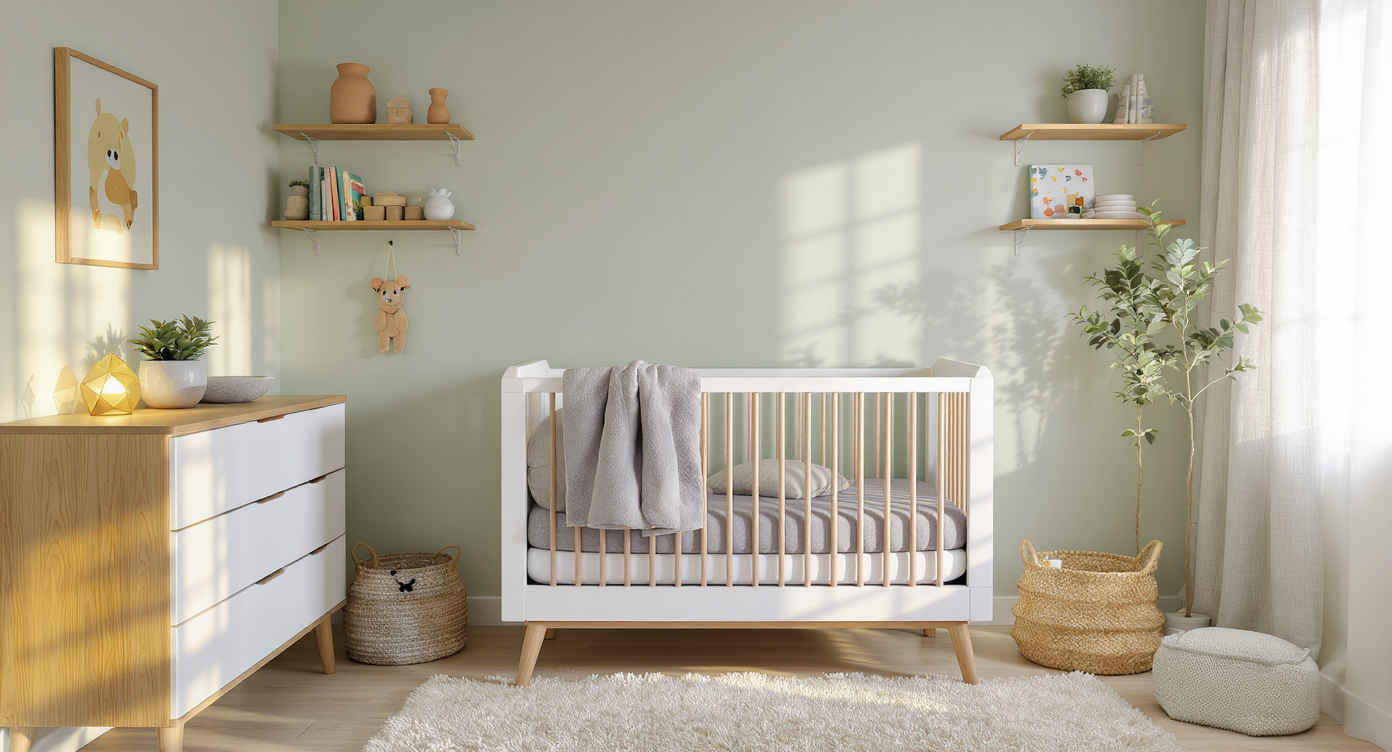
Staged nurseries for real estate photos work best with purposeful furniture placement, minimal clutter, and soft, inviting touches. Clear personal items, maximize space visually, and use neutral colors for a universal appeal. Small adjustments—like centering the crib or balancing the dresser—create a welcoming environment that photographs beautifully and resonates with buyers browsing listings.
Why Nursery Staging Matters—Even in a Compact Space
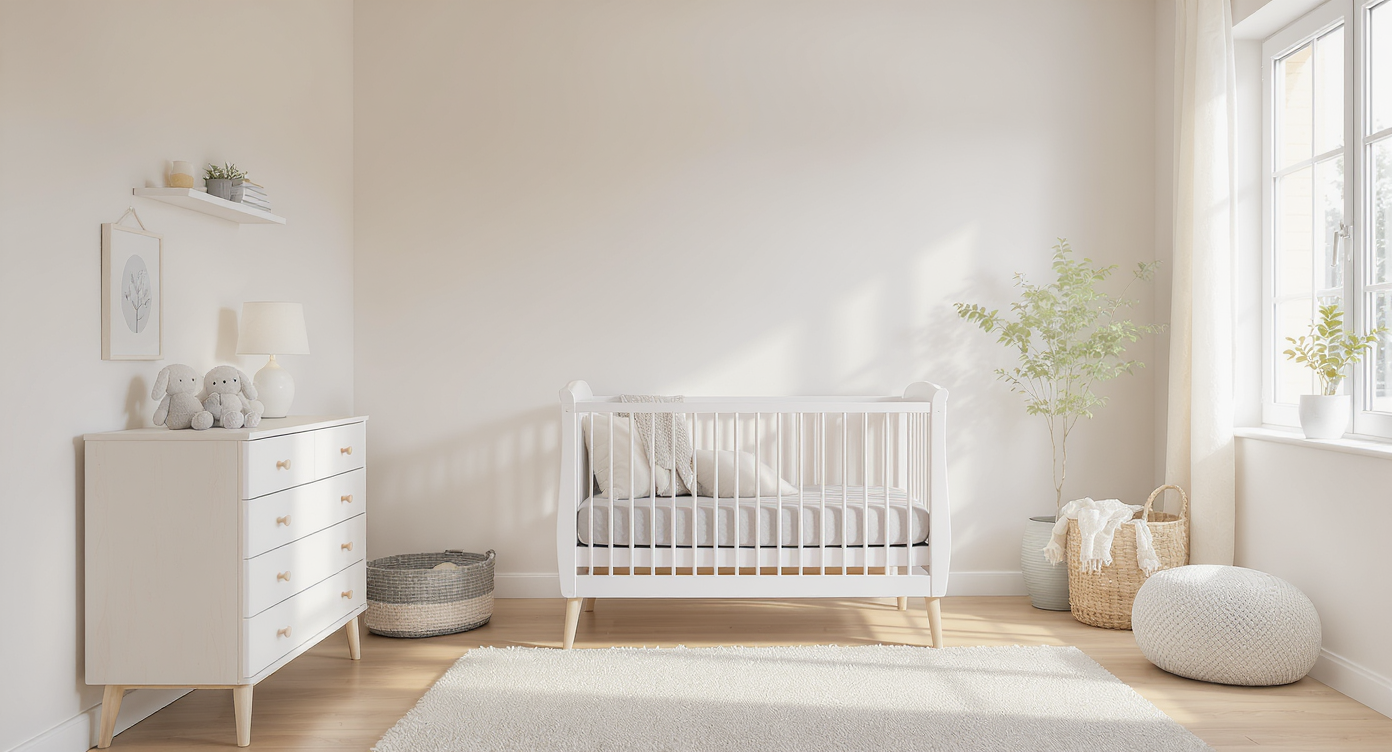
A perfectly staged small nursery maximizes light, space, and warmth to create an inviting, universally appealing listing photo.
When preparing a home for sale, the nursery often draws unexpected attention from prospective buyers. Whether they’re envisioning future family plans or appreciating a multipurpose room, a thoughtfully staged nursery can influence both the ambiance and appeal of a listing. Sellers face the unique challenge of making a small, functional nursery feel bright and spacious in photos—a far cry from the reality new parents sometimes inherit at 3am. Room size, clutter, or quirky accents can all shift the narrative buyers tell themselves as they scroll online. The goal is clarity and warmth. In practice, that means emphasizing flow, balanced furniture, and universal charm, turning a niche space into a broader asset for the whole home. Buyers may not have a baby—or even want one—but a serene, uncluttered nursery signals care and adaptability throughout the house. These staging principles work especially well for compact bedrooms, where every decision is reflected back in listing visuals.
-
Furniture Placement Sets the Tone
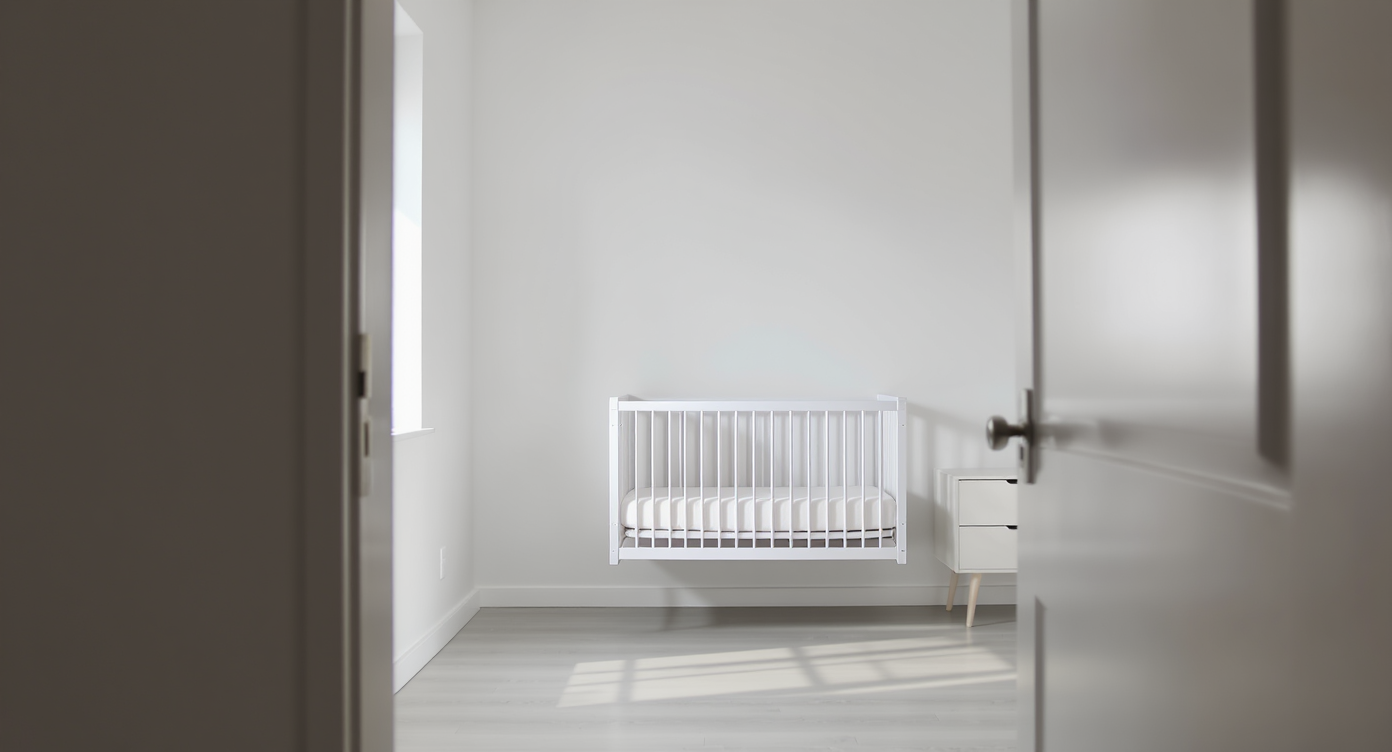
Furniture in a compact nursery: a crib centered on the main wall and a dresser floating from the side wall, maximizing visual space.
A cramped nursery can feel even smaller in photos if furniture crowds one side or blocks natural pathways. Designers often suggest centering the crib on the most visible wall, moving it away from windows or doors to create a sense of openness and safety. This serves a dual purpose: it avoids the practical worries of drafts or hazards and visually expands the space, allowing the eye to travel uninterrupted. If the room is truly compact, resist the temptation to angle the crib or place large items against every wall, as this fragments the footprint. When staging, opt for a dresser instead of a bulky changing table, and anchor it to a wall that doesn’t interfere with the crib’s prominence. Many home stagers agree that having furniture “float” slightly—meaning leaving a few inches between the piece and the wall—can make the room breathe in photos. This method echoes the advice found in small bedroom layouts, where adaptable positioning upscales tight quarters. In listings, even a foot of visual space means more room to dream.
Expert Insight
A family in a city condo recently faced the challenge of staging their narrow nursery. Initially, they held onto sentimental items, from vintage mobiles to their child’s artwork. But after a friend’s honest feedback, they boxed these treasures away, chose a neutral wall color, centered the crib, and swapped out dark drapes for simple white sheers. When their listing went live, showing an uncluttered, sun-washed space, agents reported a notable uptick in showings and positive feedback—a testament to the power of a few intentional changes.
-
Decluttering and Neutral Touches Win Buyers
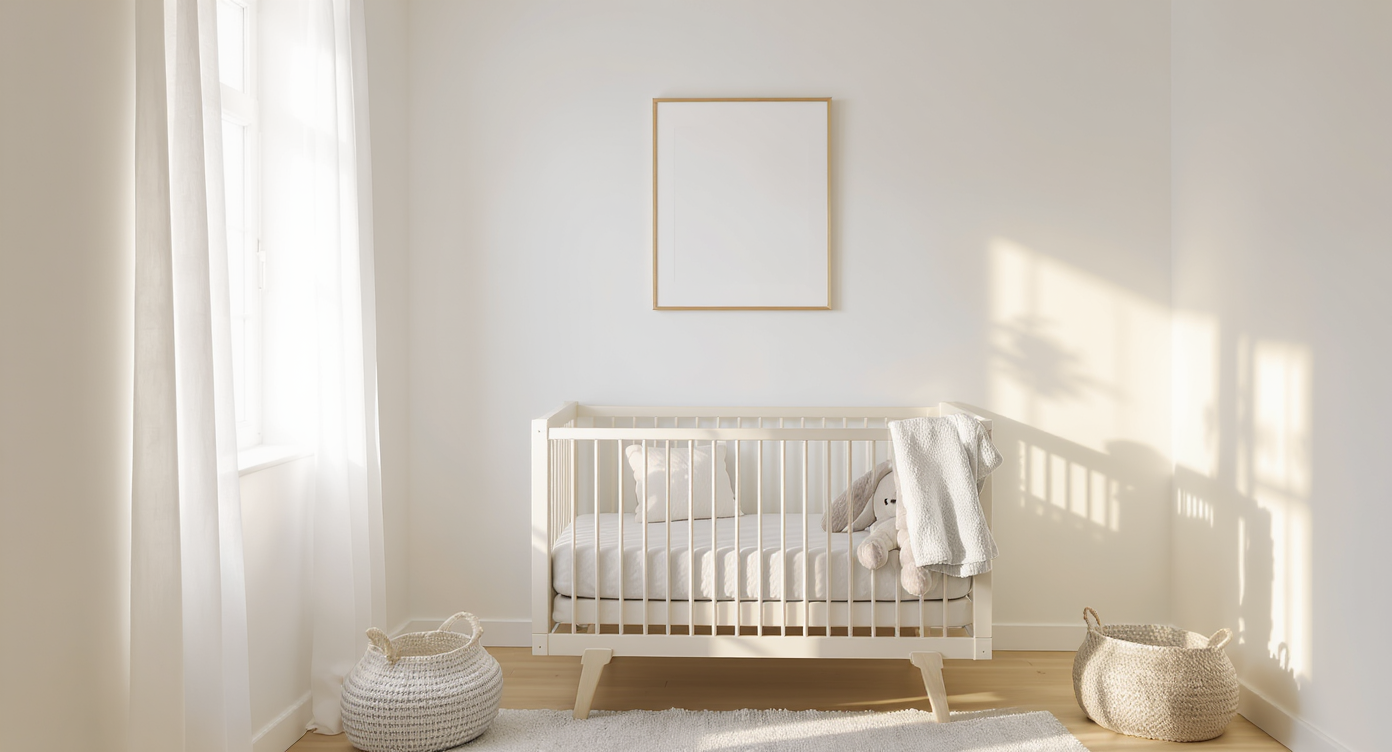
A freshly staged nursery with neutral walls, minimal décor, and pale window treatments highlights how decluttering creates a versatile space.
Personal mementos, whimsical art, and crowded shelves delight some, but for staging, restraint is powerful. In the nursery, remove loud or highly personal décor—playful or sentimental as it may be—so buyers can project their own ideas onto the space. If a room features a beloved, quirky accent (say, a statement sculpture or unique hanging mobile), these often make ideal travel companions rather than listing features. The lesson drawn from many successful sales is to let one or two subtle decorative objects remain, like a charming plush toy or a modest framed print, keeping the rest of the décor pared back. Fresh wall paint in soft shades—think warm whites, gentle grays, or muted creams—offers a neutral stage for imagination, slightly brightening the boxiest of rooms. Bedding and window treatments should also lean light and minimal. White or pale curtains diffuse sunlight and obscure less-than-ideal outside views without feeling heavy. According to our piece on bedroom staging psychology, unifying color themes calms the eye in photos, letting your home’s architecture take the spotlight.
-
Creating Flow to Maximize Listing Visuals
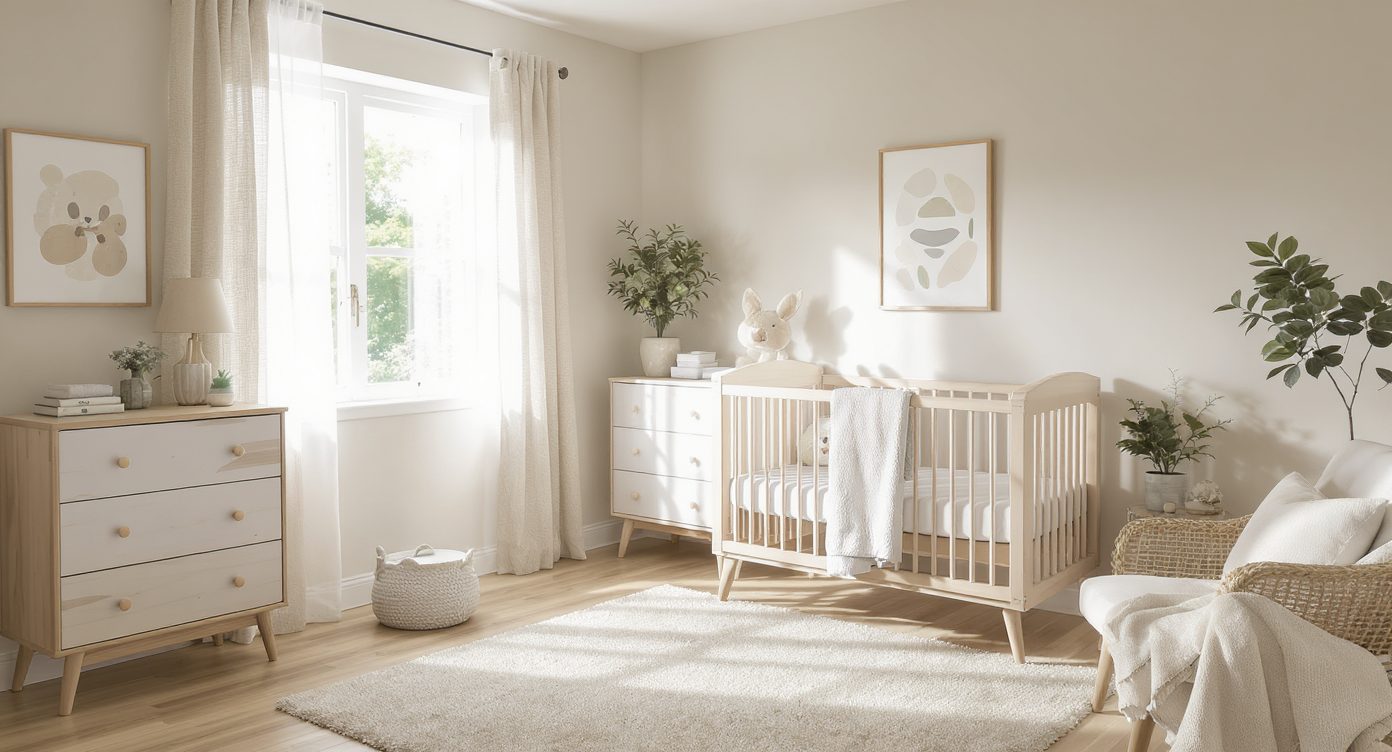
A carefully staged small nursery with central rug, crib in natural light, minimal dresser, and single wall art, emphasizing flow and function.
Staging flow matters most when a small nursery needs to photograph as balanced and functional. Arrange rugs so that they sit at the center, creating a soft landing for movement but avoiding having them disappear beneath furniture legs. Place the focus furniture—usually the crib—where it can be framed by natural light. If there’s a closet or door that interrupts wall space, that area can hold a neatly pared-down dresser or a single decorative chair. Hanging just one piece of art above the dresser adds vertical interest without crowding the space. Too many accessories quickly overwhelm small rooms in listing photos. For compact bedrooms, especially, each item should have a purpose, a rule echoed by those who specialize in combining nursery utility with guest room needs. Staging for listing photos rewards symmetry, simple sightlines, and a minimal palette. The result is a welcoming, clearly defined space that reassures buyers—no matter their stage of life.
-
Anecdote: A Nursery’s Quick Turnaround
One homeowner prepping for a summer sale set out to stage her nursery for online photos. Her first instinct was to showcase her favorite accent—a whimsical plush sculpture that had long been the room’s mascot. However, after viewing early photos and taking feedback from friends and her realtor, she realized the item—lovable as it was—drew focus away from the room itself. By removing the accent, centering the crib on the main wall, and clearing dresser surfaces, she transformed the space. The new photos, bright and simple, attracted more views and in-person showings than she’d expected—illustrating how minor staging tweaks can have an outsized impact on buyer perception.
-
Common Mistakes to Avoid
It can be tempting to fill a nursery with every cute memento, but for staging, less really is more. Filling walls with art or surrounding the crib with toys may personalize the space, but crowded rooms shrink in photos. Leaving personal or highly unique items in view can distract buyers or even dominate a home’s impression online. Large furniture pressed against every available wall also saps the room’s energy and interrupts natural flow. Window treatments that are too dark or cluttered weigh down the space, and forgetting to diffuse an unappealing view invites negative focus. For sellers, ignoring these pitfalls can inadvertently emphasize a room’s limitations rather than its versatility. For budget-conscious staging, you can find practical insights in our feature about cost-sensitive home staging.
-
Expert Insights: The Power of Universal Appeal
Stagers and real estate professionals consistently find that the most memorable nurseries in listing photos are those with a sense of calm and readiness. Subtle visual cues—like a centered crib, sheer curtains that brighten, and surfaces ready for a new family—help buyers imagine possibility. Even in markets where bidding wars are common, staged rooms with a universal look tend to get more traction. A few tasteful toys, a single themed pillow, or a framed piece with soft color elevate the emotional response without skewing the room too niche. As noted in small bedroom design for 2025, clever visual tricks encourage buyers to focus on potential, not constraints.
-
How to Use These Principles in Your Next Design
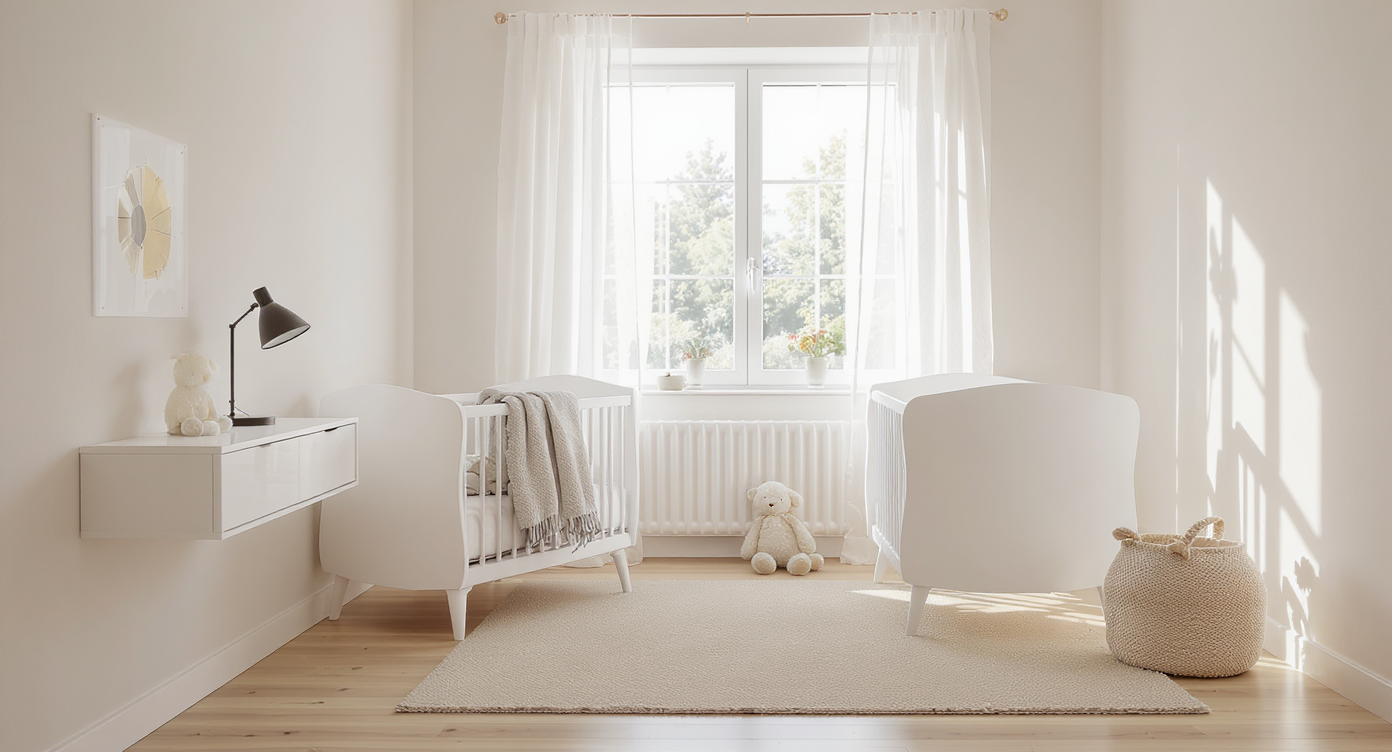
A compact nursery staged with minimal, neutral furnishings for maximum visual impact and adaptability in real estate photography.
Whether you’re staging a nursery, a guest room, or any compact bedroom, the basics remain the same. Start by clearing out clutter and assessing the flow—do walkways feel welcoming, or is furniture creating blockades? Use lighting—both natural and soft lamps—to create warmth. Reserve statement pieces for future homes or personal spaces, and opt for a palette that sits quietly in the background, inviting anyone to imagine their own story here. Practical mini-scenarios can help: Picture a young couple touring a listing, moved by a sunlit, soothing nursery with nothing but a crib, neutral rug, and a single plush lamb. Or imagine a buyer with no children at all, instantly seeing how easily the staged nursery transforms into a meditation nook or home office.
-
Visualizing the Ideal Staged Nursery Photo
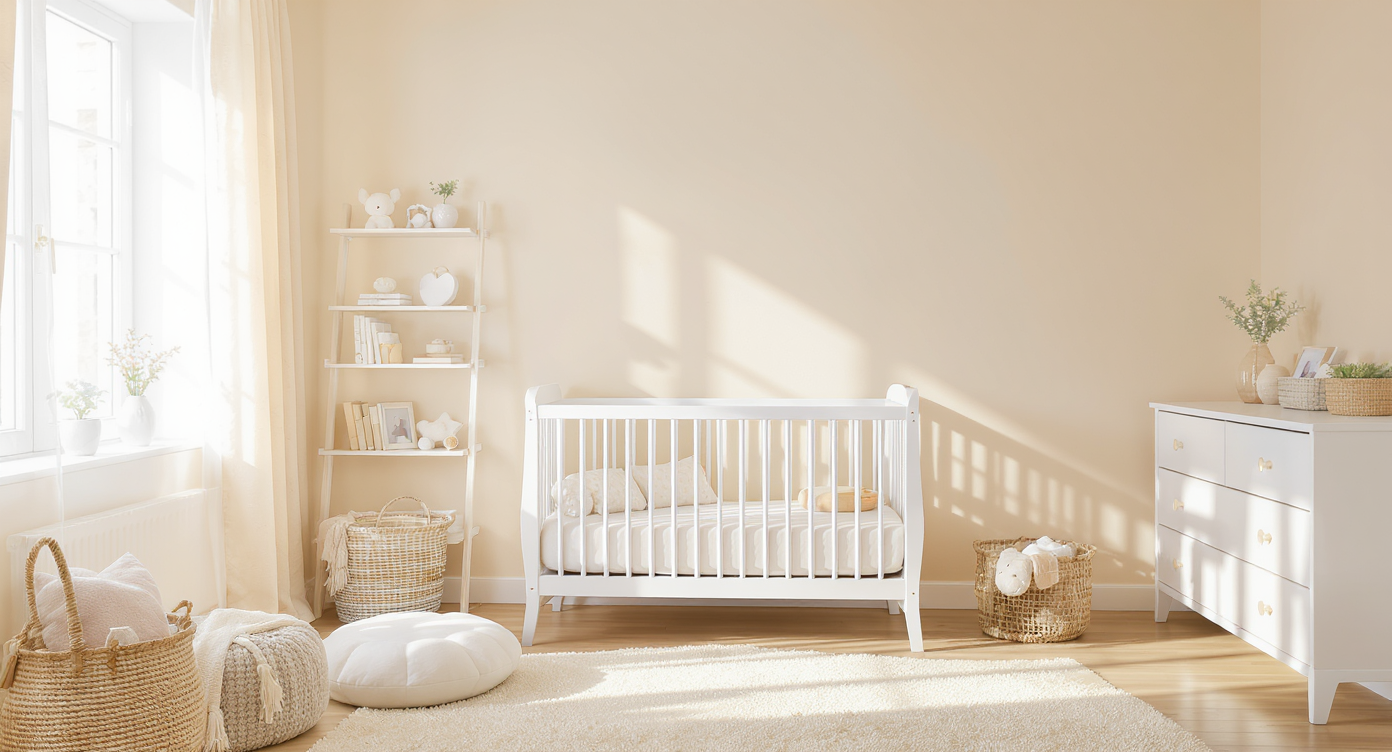
A carefully staged nursery featuring soft light, uncluttered decor, and a centered layout—perfect for showcasing space in listing photos.
Picture stepping into a freshly staged room with pale walls, sunlight softened by gauzy curtains, and a crib centered against the longest wall. The rug is pulled into view, a subtle print or plush material anchoring the space. The only decorations—a single framed print above the low dresser and a small plant—offer hints of character without crowding. Listing photos capture every corner clearly, free of clutter or “conversation pieces,” letting potential buyers mentally move right in.
Visualization Scenario
Imagine a prospective buyer browsing online photos. In one nursery, heavy window treatments and off-center furniture make it hard to envision daily routines, and clutter draws attention away from the room’s potential. In another, natural light streams through pale curtains, a neatly centered crib becomes the inviting focal point, and the soft rug adds comfort beneath foot. The difference is instant: the second nursery feels serene and welcoming, prompting buyers to linger and consider the house as a whole.
Nursery Staging FAQ
Soft, neutral hues such as warm white, pale gray, or gentle beige help the room appear larger and more inviting in real estate photos.
Can statement art or unique décor stay in nursery listing photos?
For broadest appeal, it’s best to remove highly personal or unusual pieces. Opt for subtle prints or small, charming toys.
How do I maximize space in a small nursery?
Center main furniture like the crib, keep floor pathways clear, and use light window treatments to boost natural light.
Should toys be displayed in a staged nursery?
One or two plush toys can add warmth, but avoid overfilling the crib or surfaces—buyers prefer rooms that feel open and adaptable.
Where can I try different nursery layouts virtually?
You can experiment and visualize nursery arrangements instantly at ReimagineHome.ai.
Clean, Calm, and Ready to Sell
A well-staged nursery, even in the smallest room, demonstrates a home’s adaptability and attention to detail. By prioritizing furniture flow, gentle palettes, and minimal accessories, sellers can maximize listing impact and spark the imagination of every buyer who tours online. With these techniques—and inspired by broader staging strategies from across the home—you can ensure your nursery feels aspirational, never cramped, every time. For more design and staging insights, visit ReimagineHome.ai.