6 Small Space Litter Box Integration Mistakes, and How to Fix Them for Pet-Friendly Homes
TL;DR
Integrated litter box nooks for cats are often a late afterthought in small laundry or bath renovations. Learn why awkward placements, ventilation oversights, and poor enclosure choices undermine layout flow, and how simple structural changes, practical material swaps, and clear design steps can create truly pet-friendly spaces, as supported by real homeowners.
Why Litter Box Spots Get Overlooked in Home Design
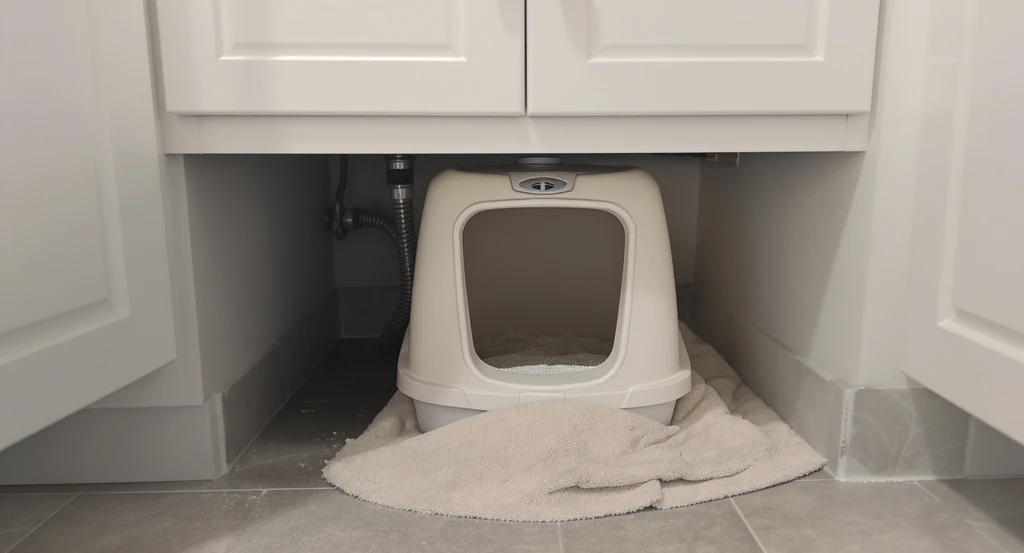
Using ai home design for pet-friendly spaces, this editorial image highlights common mistakes when integrating a litter box in small areas. Ai generated small space cat solutions and the best ai renovation tools for multi-pet homes help homeowners visualize and fix layout errors before renovating.
Even as pet ownership rises, most home layouts still ignore the daily needs of cats, especially during small laundry, bath, or closet renovations. The result is a frustrating search for a spot that doesn’t block access, look out of place, or introduce odor and cleaning problems. The root cause often isn’t bad intentions but overlooked layout logic: cabinetry with fixed doors, low vanities that block usable floor, and humid laundry environments that quickly damage standard hidden enclosures. By reviewing the most common small space litter box integration errors, you can plan for realistic improvements, ensuring both cats and humans have space that works, not just space that is left over. If you’re balancing multiple pets, building visual previews with tools like REimagineHome AI can help you check clearances and identify flow issues before you make permanent changes.
-
01. Underestimating Clearance and Box Size Needs
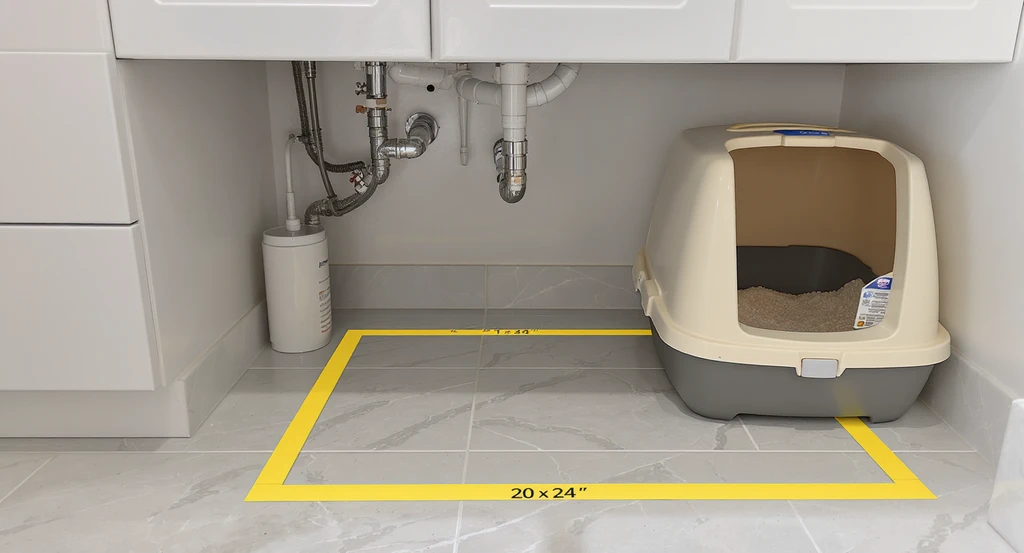
How to visualize pet nooks using ai: Use tape to mark the minimum clearance for a cat litter box before placement in small spaces for better ai home design for pet-friendly spaces.
The most frequent mistake is tucking the litter box into the nearest bit of leftover floor without checking actual clearance for both the box and the cat. Many under-vanity or closet spaces offer only 18–24 inches, and most standard boxes, especially for large or senior cats, need at least 20 x 24 inches of open floor plus entry space. If there’s anything sticking out (like plumbing or low drawers), the result is cramped quarters where cats may refuse to use the box or create messes. Correction logic: Always measure the precise width, depth, and height required for your cat’s litter box, including entry/exit maneuvering. For multi-cat homes, plan for at least one box per cat plus one. Consider placing boxes in separate locations on each level to aid accessibility and comfort, as reinforced by cat behavior experts and many Reddit users in home design forums. Test scale and fitting by marking out the space with painter's tape before committing to alterations.
-
02. Relying on Unsuitable Materials in Humid Spaces
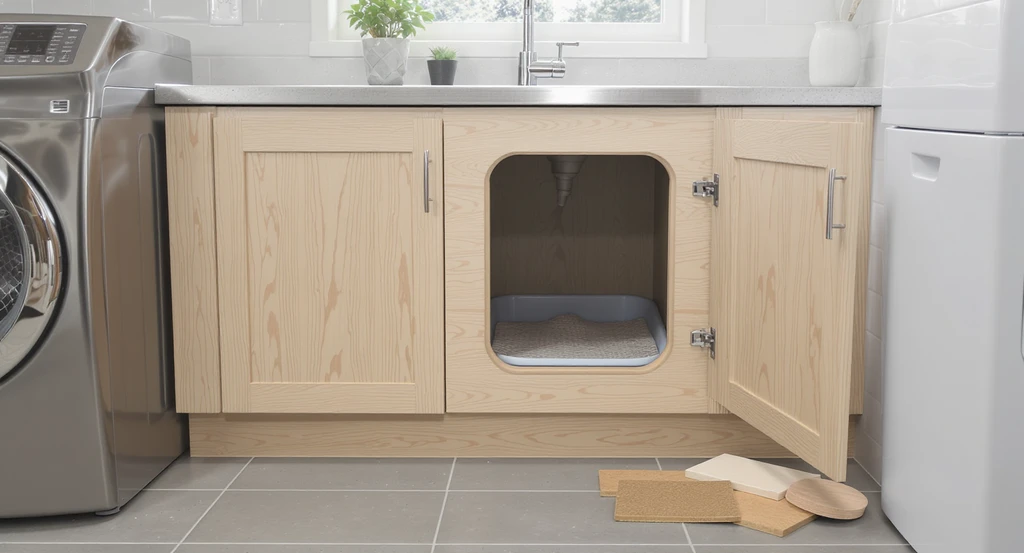
Ai generated small space cat solutions for humid laundry rooms: compare plywood with marine-grade finish, melamine, and MDF for litter box enclosures. See how to visualize pet nooks using ai home design for pet-friendly spaces and best ai renovation tools for multi-pet homes.
Many built-in litter box furniture options use MDF or particle board, which swells and degrades in damp laundry rooms or bathrooms. This is especially problematic beneath sinks or in spaces with uneven ventilation. Even slight spills or condensation can result in lasting odors, warping, or breakage, a point tested by multiple DIYers who tried modifying cheap cabinets and later faced odor retention issues. Correction logic: Prioritize plywood with marine-grade finishes, melamine over ply, or even HDPE or stainless steel inserts for any enclosed solution. Seal all interior seams and base with a waterproof coating (as one homeowner did with truck bed liner spray). Place an easily removed washable tray or puppy pads under the box as an extra barrier. For in-depth review of DIY-friendly, water-resistant flooring considerations that support easy clean-up, see our advice on choosing and installing pet-friendly floors.
-
03. Neglecting Ventilation and Odor Management
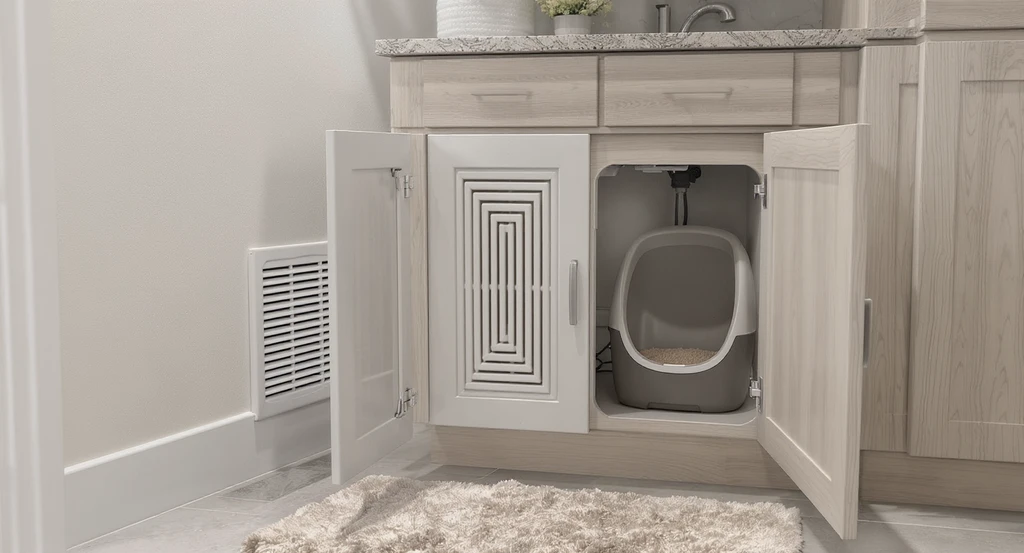
This ai home design for pet-friendly spaces illustrates how to visualize pet nooks using ai and ai generated small space cat solutions with a ventilated litter box enclosure that addresses odor in compact settings.
Enclosing the litter box in any space, closet, cabinet, or under stairs, without suitable ventilation leads to concentrated odors and lingering moisture, especially in compact rooms. Simply adding a door or panel without airflow can make the smell worse inside and adjacent areas, and can discourage cats from using the box. Correction logic: When adapting or building an enclosure, include a vent grille, passive airflow slats, or even a compact, low-noise fan (PC or bathroom vent styles work) that draws air out. Some homeowners use simple motion-activated lights and fans to reduce disturbance and increase cat comfort. If the enclosure is adjacent to an exterior wall, consider an exhaust duct. Regular maintenance is still required, but airflow eases long-term odor and dust issues that are aggravated by tight layouts.
-
04. Designing for Humans, Not Cat Behavior
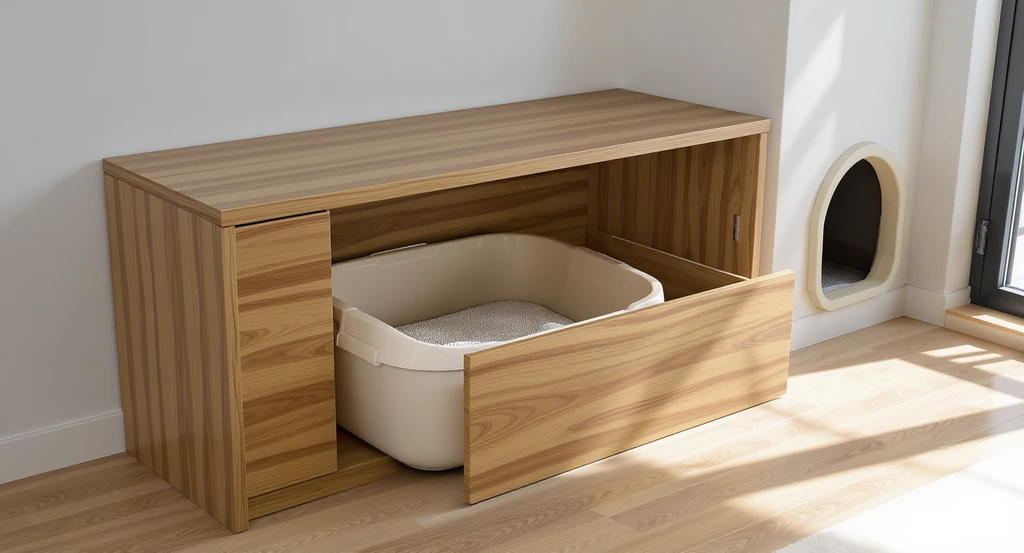
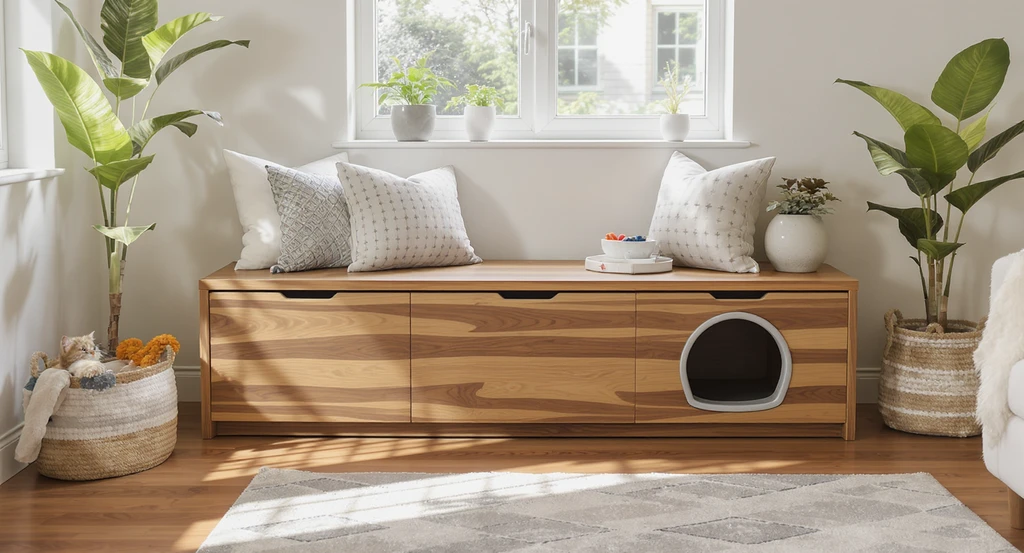
A balanced approach to litter box integration: side-entry bench and open utility nook illustrate ai home design for pet-friendly spaces and ai generated small space cat solutions, helping visualize the best setups for multi-pet homes.
A common oversight is prioritizing concealment or matchy cabinetry over the basic needs of cats. Boxes that are too small, have only one entry or are awkward to access, or are deeply hidden may not get used, leading to accidents or cat avoidance. Multiple entries or open-top designs are usually recommended for feline comfort and safety. Correction logic: Before committing to a hidden or integrated solution, check that the box is large enough, open-topped, and has room for the cat to turn around. If opting for vertical cabinets or tilt-out bins, add an internal step or shelf so cats can comfortably reach the box, and avoid making the opening so small or hidden that the cat feels trapped. For most cats, a balance of modest concealment and openness, such as a side-entry bench, closet with a cutout, or open utility nook, produces better results, as echoed by both designers and cat-owning architects in forums.
-
05. Overlooking Multi-Purpose and Removable Solutions
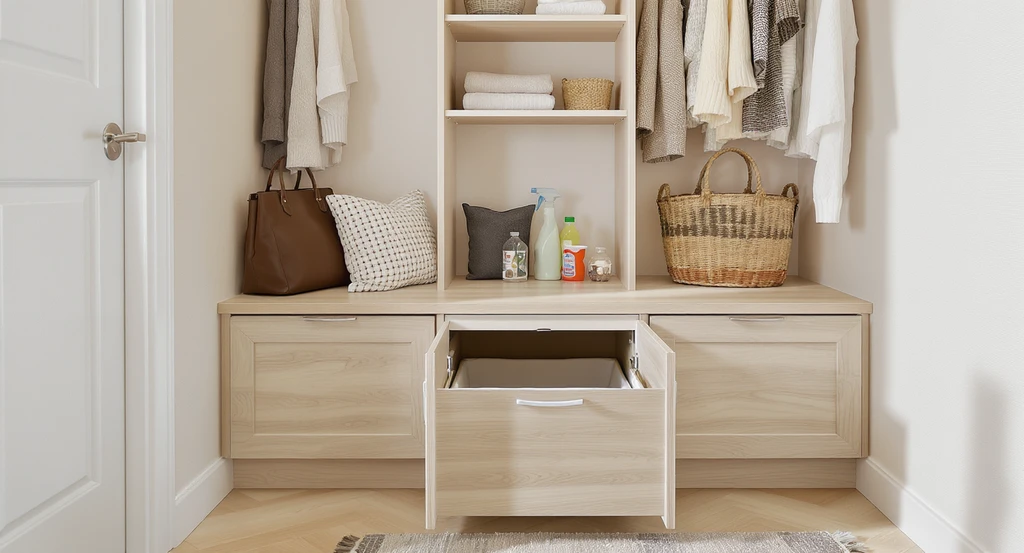
Discover how to visualize pet nooks using ai: this space-saving setup uses ai home design for pet-friendly spaces, featuring ai generated small space cat solutions like a removable bench litter box and multi-purpose storage.
Trying to custom-build a permanent litter nook often sacrifices valuable storage or flexibility for other users. Many owners later regret losing a linen closet or under-sink cabinet, or realize that the box location blocks appliances or cleaning access. Correction logic: Use freestanding furniture pieces that can be repurposed, such as a bench with a removable liner, tilt-out base cabinets, or an open closet with repositionable shelves. Always check that the box can be pulled out entirely for deep cleaning, doors with removable panels or magnetic catches are more practical than fixed cutouts. Multi-tasking solutions (like laundry hamper enclosures or dual-use benches) provide flexibility as household needs change. For inspiration on integrating flexible, DIY-friendly solutions, see our overview of designer-recommended home decor ideas that blend everyday function with style.
-
06. Skipping Layout Visualization and Flow Check
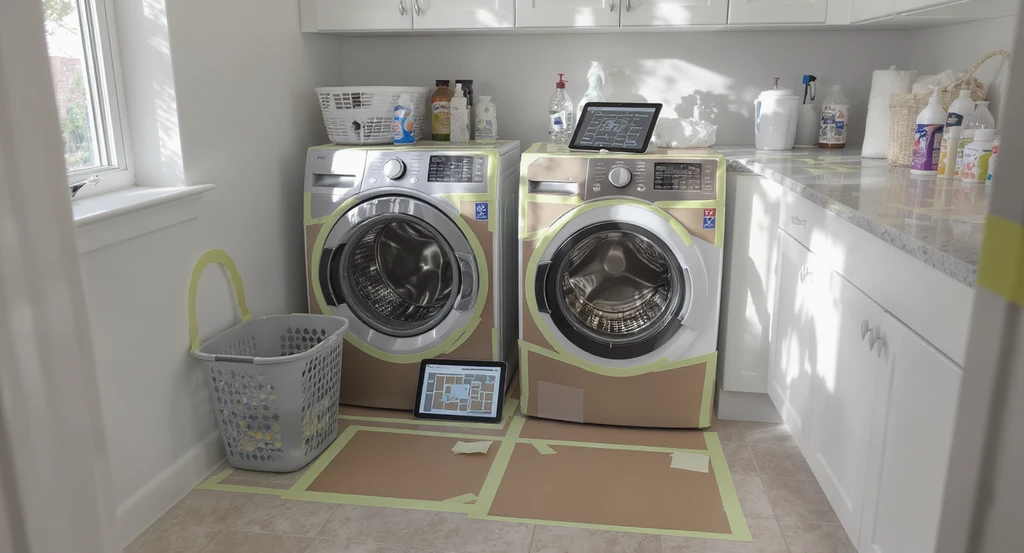
Previewing your small space litter box layout with painter’s tape and virtual staging, as shown, is a top ai home design tactic for pet-friendly spaces. Use ai generated small space cat solutions and best ai renovation tools for multi-pet homes to avoid functional pitfalls.
Some of the worst small space litter box fails come from making changes without previewing how the box, doors, appliances, and regular foot traffic will interact. A box that blocks the dryer, requires acrobatics to clean, or is placed directly in line with a main entry path quickly becomes a frustration. Correction logic: Mock up your layout with painter's tape or cardboard, and try walking through the space with laundry baskets or cleaning tools. If you have access, use REimagineHome AI or virtual staging tools to preview furniture and pet nook locations in a 3D or top-down view. This allows you to spot issues such as blocked door swings, insufficient clearance, or awkward traffic patterns, before any cabinetry is cut or installed. As highlighted in our guide to planning renovations on a budget, starting with clear layout visualization prevents costly or frustrating mistakes.
FAQ: Smart Litter Box Planning for Small Space + Multi-Pet Homes
- What’s the minimum space I need for a hidden litter box?
- Allow at least 20” x 24” of floor space, plus extra room on two sides for entry and cleaning. More is needed for large or elderly cats.
- Can I use a regular cabinet for a litter enclosure?
- Only if it has water-resistant materials and is not subject to daily humidity. Always seal seams, add a washable liner, and provide ventilation to prevent odors.
- How can I reduce odor in a linen closet or cabinet nook?
- Install a vent grille or small fan for airflow. Avoid storing fabric or linens near the box, as they will pick up odors and dust.
- Should I pick an open or covered litter box?
- Experts and many cat owners recommend open-top, uncovered boxes—cats prefer clear exits and less trapped odor. Covered boxes can work if they are very roomy and well-ventilated.
- How does previewing the layout help?
- Visualizing with painter’s tape or a staging tool prevents conflicts with door swings, appliance access, and gives a true sense of flow—avoiding common layout regrets.
Key Takeaways for Realistic, Cat-Friendly Layouts
Thoughtful litter box integration isn’t about hiding pets, it’s about honest layout planning for all members of the household. Avoid cramped, enclosed, or poorly ventilated setups and focus on simple, flexible solutions that fit both daily use and cleaning needs. Always measure, test, and visualize before any permanent changes, and choose practical, durable materials over trendy but impractical furniture. With careful layout checks and a willingness to repurpose spaces creatively, even small homes can remain both beautiful and pet-friendly.