Decoding Water & Space Issues: Smarter Approaches to Plant Hydration at Home
TL;DR
Home gardeners struggle with water and space issues, often over- or underwatering houseplants tucked away in overlooked corners. A thoughtful hydration routine, informed by simple technology and design-minded habits, can keep green spaces thriving with minimal fuss. Learn how knowing your plants’ needs and using moisture meters or visual cues rejuvenates indoor gardening in today’s busy homes.
Why Hydration Habits Matter in Home Gardening
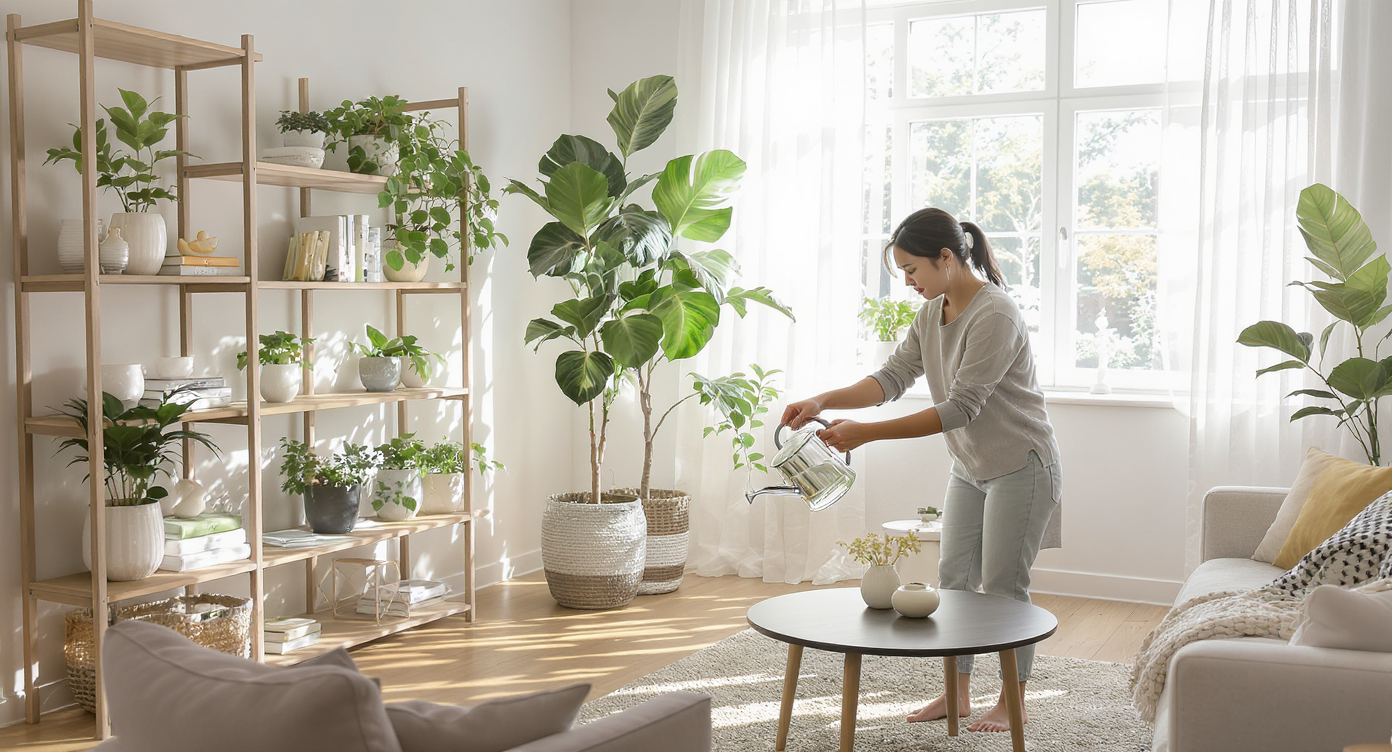
Smart hydration tools and thoughtful placement bring vitality to indoor plants, making home greenery care intuitive and inviting.
Consistent hydration is at the heart of healthy houseplants, yet busy routines and forgotten corners often lead to neglect or excess watering. Many homeowners begin with optimism, only to discover wilting leaves or root rot in overlooked pots. These struggles are often rooted not just in forgetfulness but in the complex interplay between indoor space, light, soil, and evolving plant needs. As our living spaces fill with more greenery, practical systems and tools are reshaping how we manage even the smallest urban jungles. Understanding what your plant truly requires—and how to provide it efficiently—can transform an indoor plant collection from a source of guilt to a daily delight. New home gardeners and seasoned indoor plant fans alike are turning to clever reminders and basic hydration monitors, helping ensure every plant gets the water it needs, exactly when it needs it.
-
Bringing Order to the Chaos of Indoor Plant Care
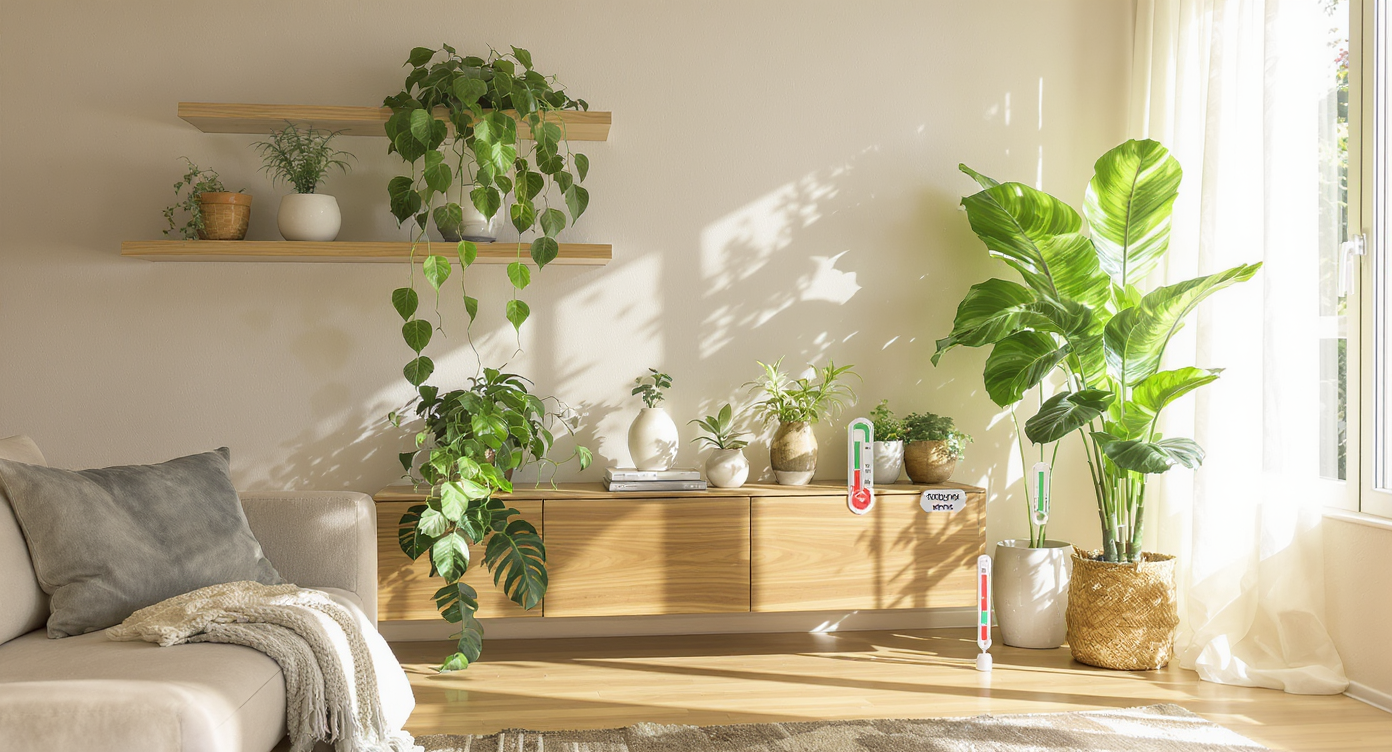
Visual cues like color-coded moisture meters help bring order to indoor plant care, reducing stress and preventing accidental neglect.
Few things highlight the unpredictability of indoor gardening more than the moment you spot a drooping pothos or a shriveled succulent behind the living room sofa. Those neglected plants in dim, less-trafficked areas are especially prone to inconsistent care. Busy households—with competing priorities and fragmented schedules—rarely allow for daily inspection of every green corner. This is where low-tech solutions like visual reminders or entry-level hydration meters step in. Devices that use simple color-coded cues serve as quick visual alerts, helping you notice when a plant’s soil dries out. Such cues reduce guesswork and the stress of complex plant care schedules, offering peace of mind to anyone who wants greenery without the risk of accidental neglect.
Expert Insight
Recently, a friend noticed his usually vibrant monstera developing brown edges despite regular watering. After moving it from a drafty hallway to a sunlit kitchen and adjusting the frequency with a basic moisture meter, the leaves bounced back within weeks. He marvels at how a small change in location—and a low-tech tool—transformed his approach to plant care.
-
Fine-Tuning for Space and Water Issues
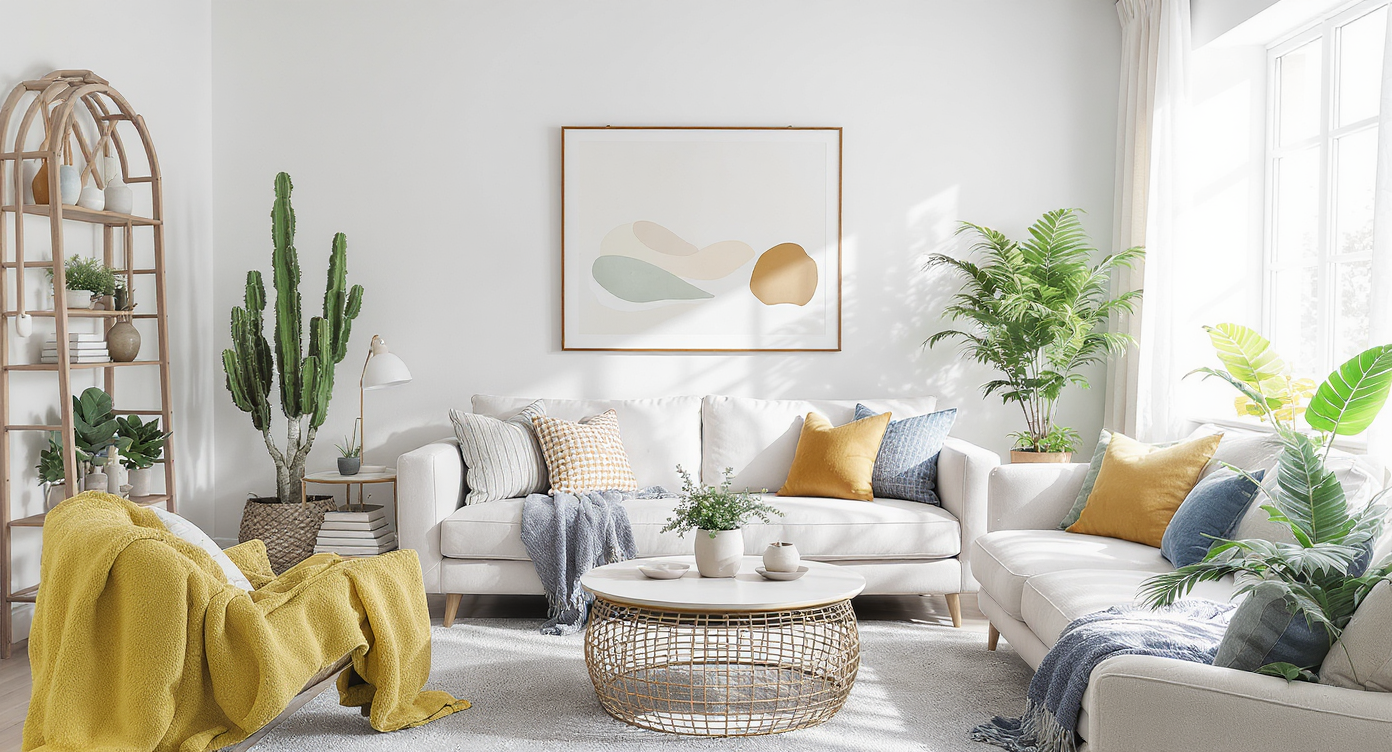
Tailoring plant care—manual soil checks and digital meters help adjust watering routines for different species and indoor microclimates.
Even with reminders in place, the challenges of water and space issues persist, especially as collections expand or new plant types are introduced. Each plant species—and even each corner of your home—has unique demands for light, airflow, and moisture retention. Soil type, pot size, and proximity to windows can dramatically shift how quickly a plant drinks up its water. Attempting to apply a one-size-fits-all approach often leads to either parched roots or sodden compost. Experts advocate for basic calibration: a brief period of observation to understand each plant’s rhythm alongside periodic checks with a manual or electronic moisture meter. These tools can be adjusted to reflect the needs of cacti, tropical foliage, or trailing vines. Some gardeners find they can skip high-tech gadgets entirely by learning to use their senses: testing soil with a finger or tracking how long it takes certain pots to dry between waterings. The core idea is to develop routines that suit your own routines and the unique microclimates across your home.
-
Designing for Successful Green Spaces
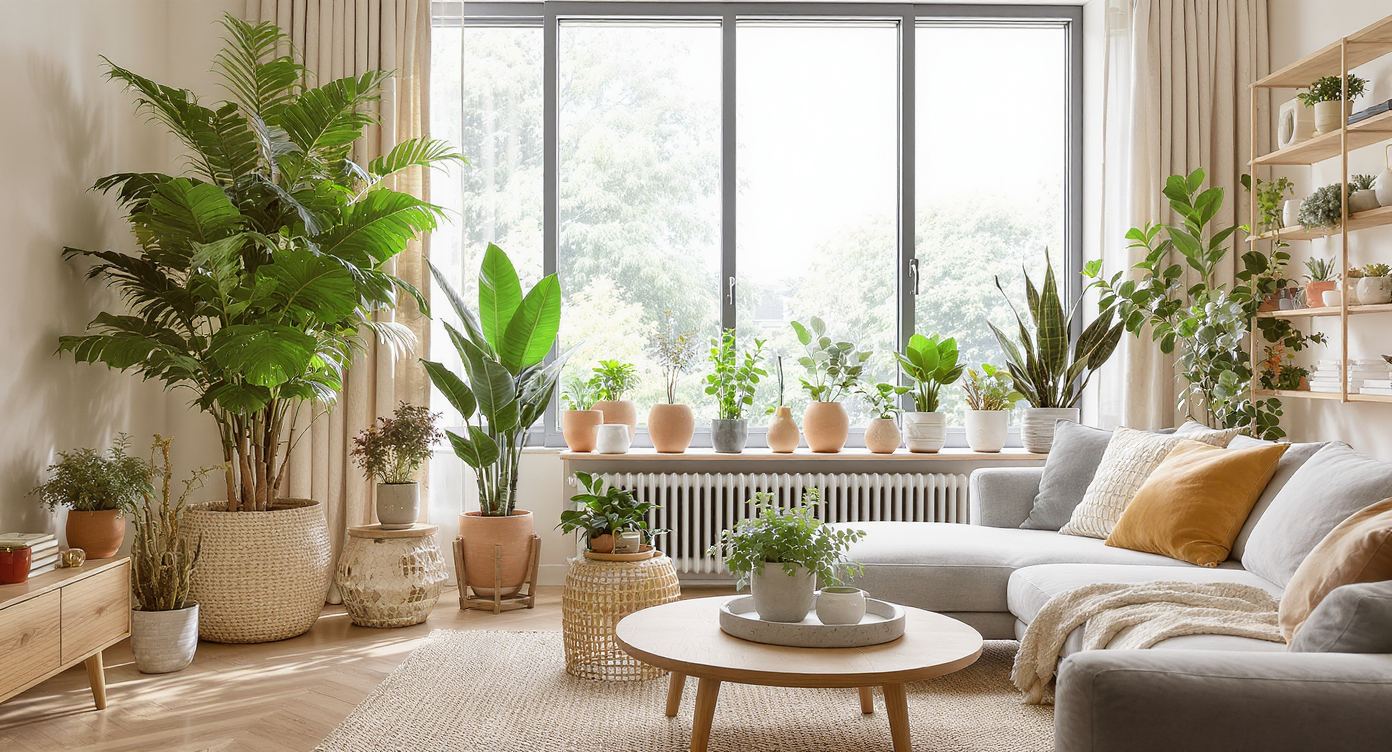
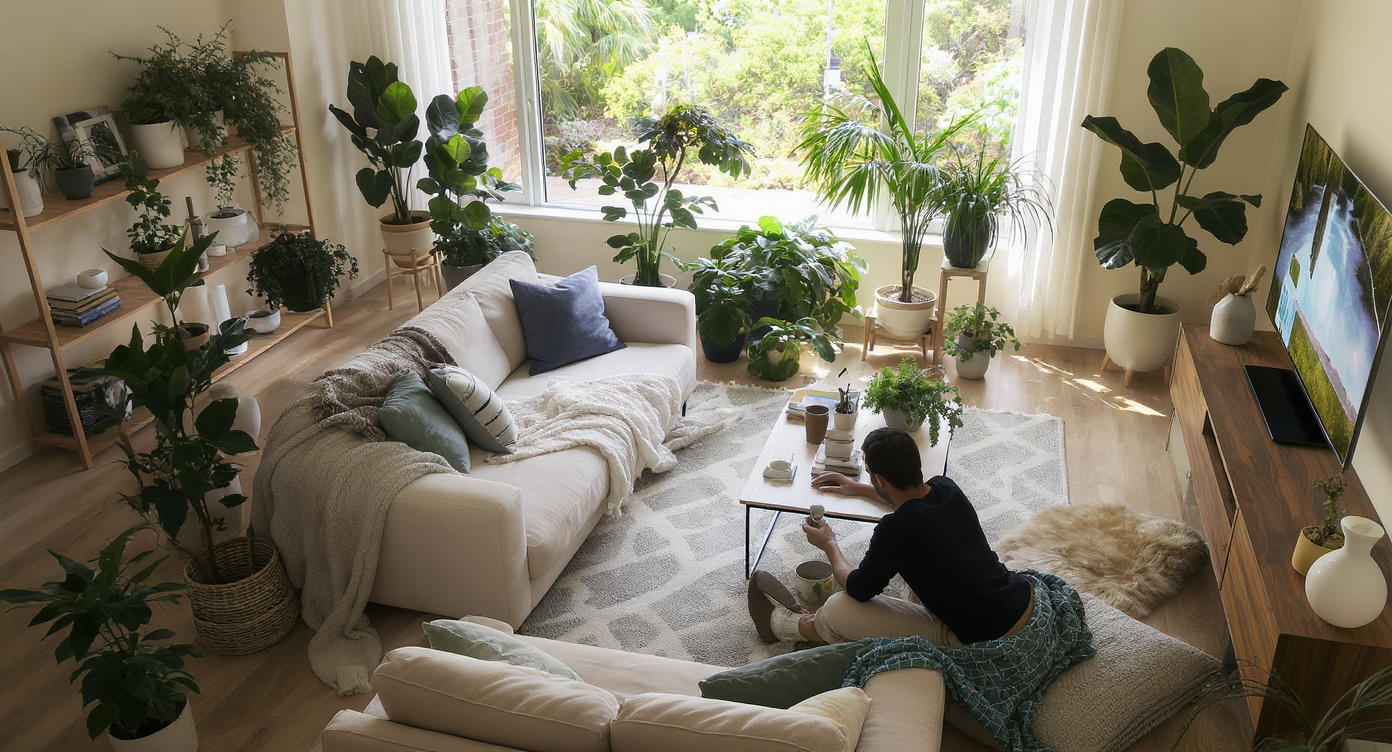
Grouping plants with similar watering needs by windows and away from heat sources supports healthier, thriving indoor greenscapes.
Making peace with the rhythm of your green spaces means designing hydration habits that are as sustainable as the plants themselves. Grouping plants with similar watering schedules makes maintenance easier, while placing thirstier species in more visible areas helps reduce accidental neglect. Consider how nearby radiators, shaded nooks, and even air conditioning vents influence how quickly pots lose moisture. Integrating visual cues—like coordinated planters or shared saucers—supports a watering routine attuned to the actual needs of your collection. Designers often suggest setting up low-maintenance layouts, with hardscaping features or drought-tolerant species in rooms that tend to be out of sight. The same philosophy informs today’s low-maintenance landscaping trends, where simplicity and practicality reign. A thoughtful approach not only preserves plant health but builds daily moments of joy into your space.
-
Adapting Plant Care with Technology
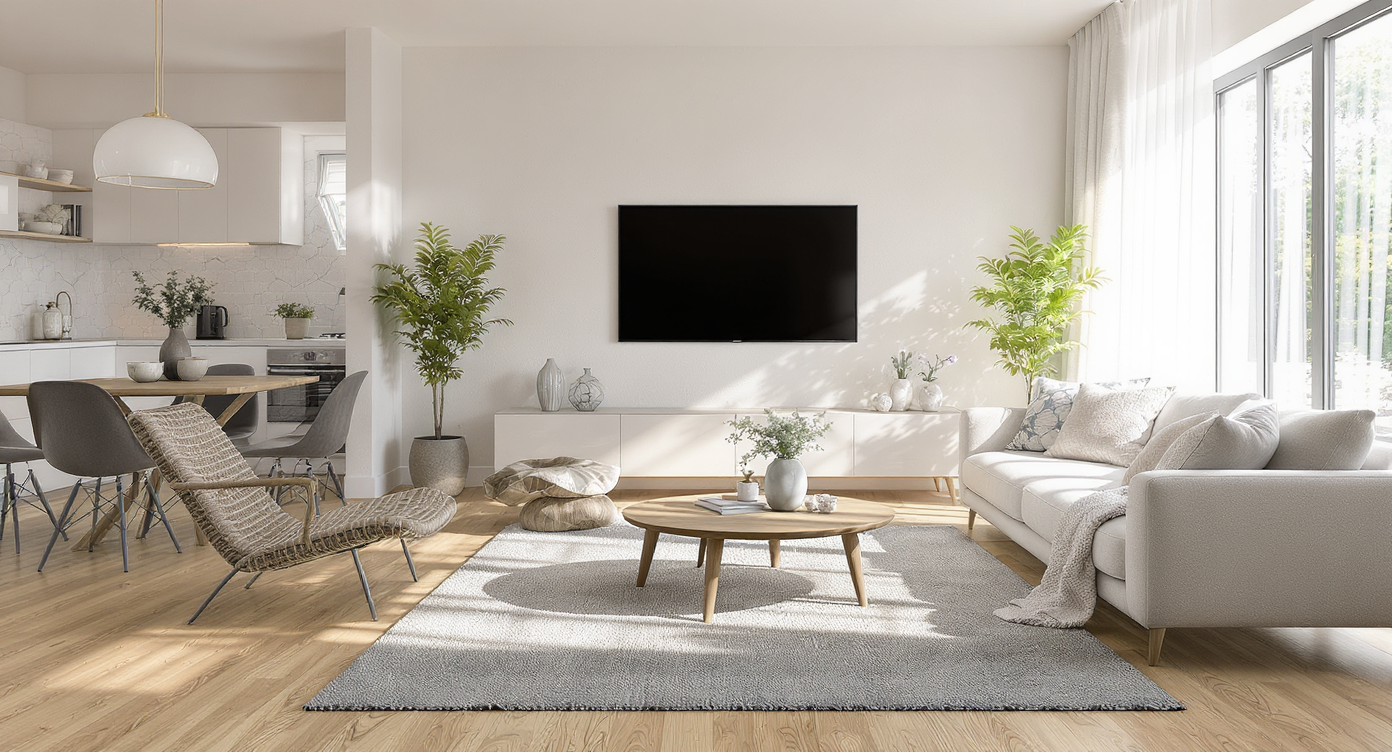
Smart tools like soil moisture meters and irrigation spikes make plant care effortless, blending seamlessly into daily home routines.
Technology is changing the face of home gardening. Inexpensive soil moisture meters, programmable reminders, and smart irrigation spikes offer new ways to simplify plant care, particularly for those who juggle a busy household or frequent travel. Many of these solutions are as practical for a single potted fern as they are for a living wall or balcony garden. By setting hydration alerts or using visual moisture indicators, gardeners edge closer to a set-and-forget system that still honors the uniqueness of each plant’s needs. While the technology is useful, it’s the habit-building—the integration of plant care into your home’s daily flow—that brings lasting success. When urban dwellers rely on gadgets and visual cues, they are echoing principles that inform the real rules of low-maintenance planting and hardscaping both outdoors and in. The ultimate win is a home where hydration happens seamlessly, supporting a flourishing indoor oasis.
Visualization Scenario
Picture waking up in a studio apartment with greenery framing your windowsill and trailing from high shelves. A glance reveals a color dot on a hydrometer blinking red beneath one pot, guiding your morning coffee ritual to include a quick watering stop. By grouping similar plants together and noticing each planter’s cues, you turn the tasks of tending your indoor garden into a seamless part of daily living.
Home Plant Care FAQ
Insert a finger an inch or two into the soil. If it feels dry, watering is likely needed. Tools like moisture meters provide a more precise reading.
What’s the best way to group plants for easy care?
Keep plants needing similar amounts of water together and place the most demanding near your most used spaces. This encourages routine checks and prevents neglect.
Do all indoor plants need high-tech hydration tools?
No, technology is convenient but not essential. Many people rely on simple practices like monitoring soil by touch or visual cues from leaf health.
How often should indoor plants be watered?
It depends on species, potting mix, and environment. Some thrive with weekly attention, while others need less frequent watering. Observe each plant’s particular needs.
Where can I find more home gardening design ideas?
Try digital home platforms like ReimagineHome.ai for inspiration and planning support.
Smart Spaces, Healthy Plants
Finding lasting hydration habits for your houseplants is about more than reminders or occasional deep watering. It’s the thoughtful pairing of smart observation, occasional tech support, and design intelligence that helps your green spaces thrive. By tailoring your approach—whether you lean on a simple moisture meter, well-placed planters, or daily routines—you ensure that beauty and vitality are always within reach, no matter how busy your schedule. For more tools to envision and manage home environments, explore ReimagineHome.ai.