Material Choices for Planter Boxes: What Home Gardeners Need to Know
TL;DR
Selecting stain, wood treatments, and liners for planter boxes isn't just about looks—it impacts plant health, longevity, and environmental safety. Choose breathable liners, avoid treating inner surfaces with harsh chemicals, and plan for smart drainage to create thriving raised beds that last for seasons to come.
Why Material Matters for Raised Planters
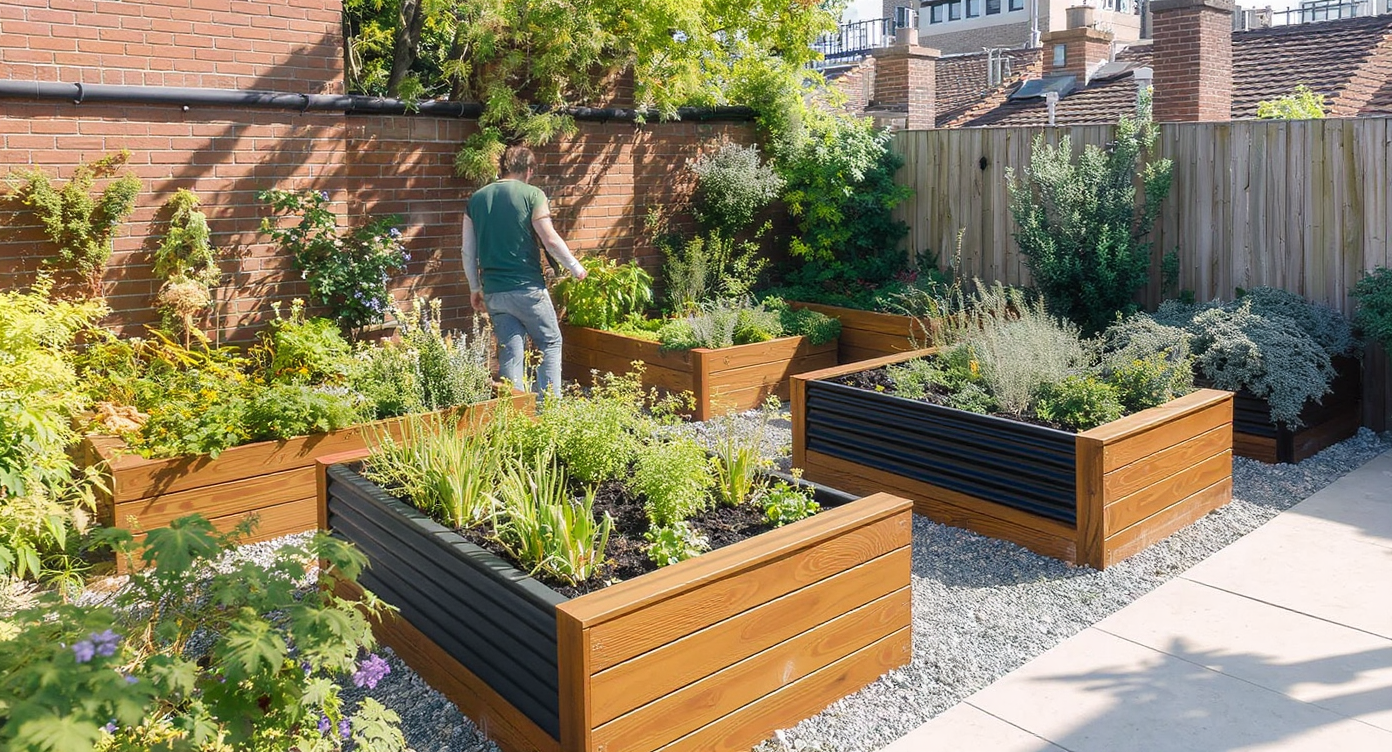
Mixing materials in raised beds ensures both beauty and lasting performance when designing an inviting, productive home garden space.
The finishing steps of a raised garden bed often spark questions that go well beyond aesthetics. Homeowners and novice gardeners alike wonder how to secure longevity for their planter boxes and protect plant health at the same time. The choice of wood stain, liner, and drainage design shapes not only how a raised bed weathers the elements but also how it nurtures roots and supports vibrant growth. Raised beds are now a staple of urban patios, suburban yards, and even compact balconies, offering control over soil quality and visual impact. Yet, material selection for interiors and exteriors frequently stumps even experienced DIYers. In 2026, fresh information and eco-conscious priorities encourage everyone to rethink these building blocks. Whether you are enhancing a landscape or nurturing your first tomato plant, understanding the implications of every material in contact with your soil is crucial.
-
The Chemistry Behind Planter Stains and Liners
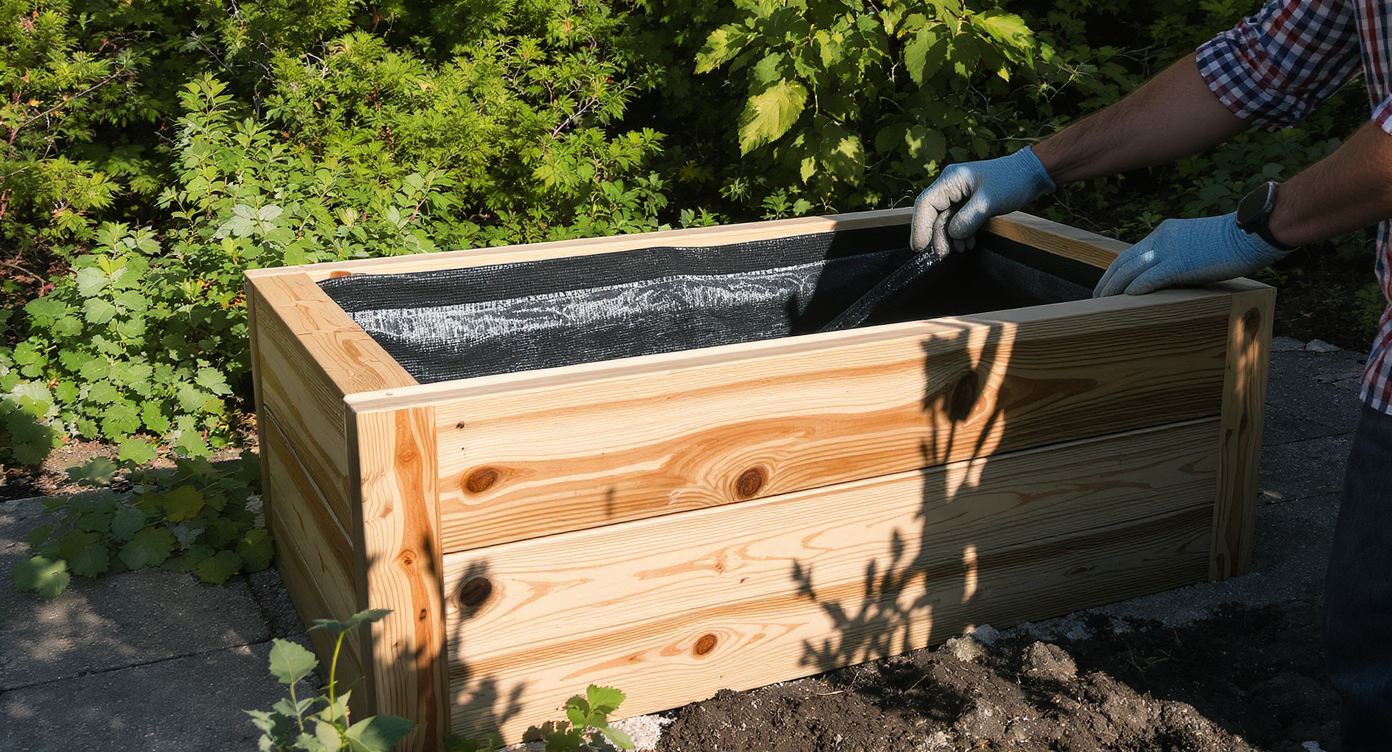
Choosing between landscape fabric and plastic liners affects planter drainage and root health—key for safe, lasting edible gardens.
Choosing how to finish a planter box involves questions about both appearance and plant safety. Wood stains and pressure-treated lumber can contain compounds that prolong outdoor durability, yet many of these are not plant-friendly if they leach into the soil. Research shows that water-based exterior stains applied only on the outer wood surfaces provide color and weather defense while reducing risks to edible crops. On the inside, lining materials are more than an afterthought. Landscape fabric is a popular choice, thanks to its flexibility and breathability. Unlike plastic, high-quality landscape fabric lets water drain while restricting soil from washing out, creating the stable conditions roots need. Still, some gardeners lean toward heavy plastic liners with holes punched for drainage, hoping for maximum barrier protection. However, the plastic route keeps excess moisture trapped, potentially leading to rot or anaerobic soil conditions if not carefully designed. A breathable membrane is typically recommended when growing food plants, as these fabrics support natural drainage and air exchange.
Expert Insight
Just last season, a neighbor built two raised beds from old fence boards—one lined with breathable fabric and the other with leftover plastic sheeting. By the end of summer, he noticed the fabric-lined box drained better and yielded healthier greens. Though both approaches were resourceful, breathable barriers clearly made for an easier harvest in his experience.
-
Drainage, Longevity, and the Risk of Leaching
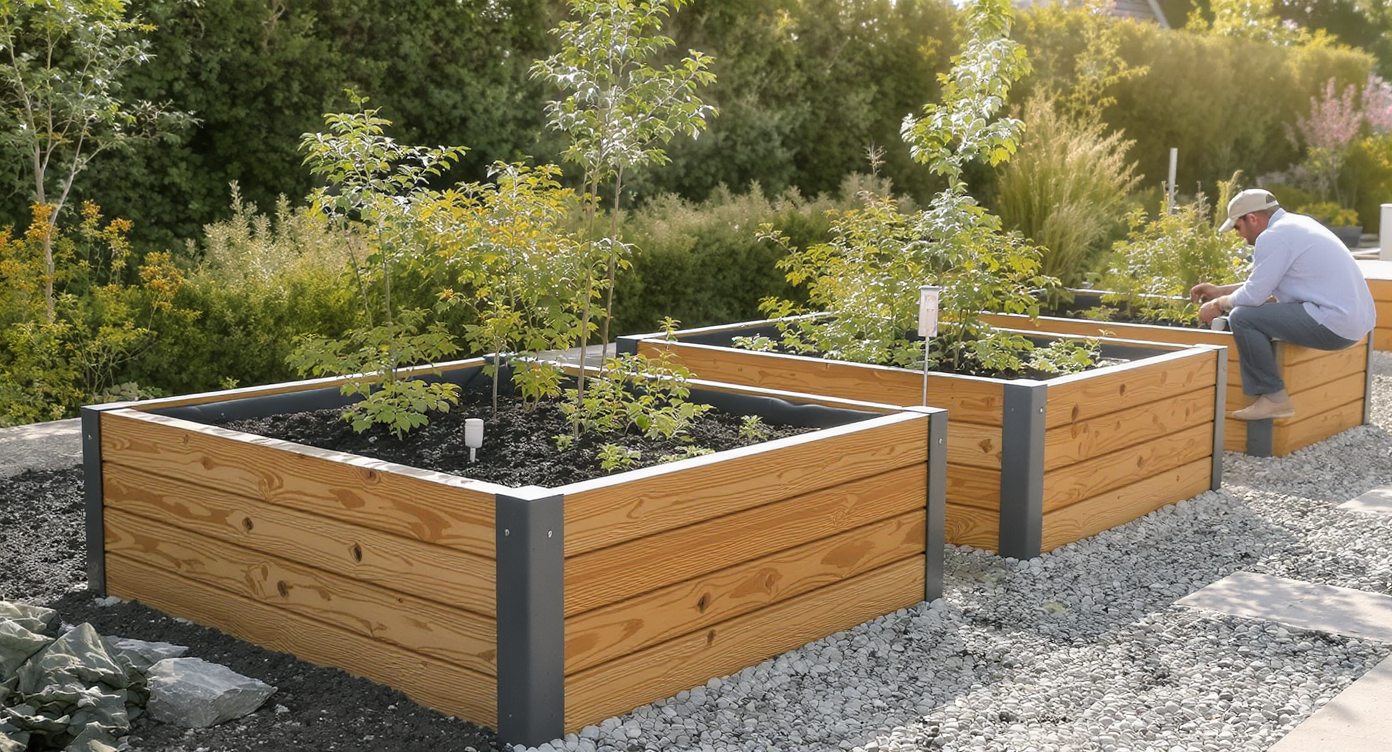
Modern raised beds featuring exterior-stained wood, interior liners, and dedicated drainage demonstrate safe, long-lasting garden design.
Efficient drainage in a raised bed is not optional—it's the quiet hero behind vigorous plants and stable soils. Modern raised bed designs often slope their bases slightly and incorporate dedicated drainage pipes. This approach mirrors many of the beginner raised-bed landscaping layouts, combining clearly defined walkways, contained soil, and precise water management. The choice of liner directly influences both the box's longevity and potential risks from stains or preservatives. When stains are used only on exterior faces, the odds of harmful migration into the soil drop sharply. Internal liners, such as landscape fabric, create a permeable barrier that minimizes soil contact with treated or stained wood. For gardeners who want the ultimate layer of caution—especially when edibles are involved—it makes sense to keep all stains off the interior and opt for a robust, food-safe barrier inside.
-
Real-Life Raised Bed Scenarios
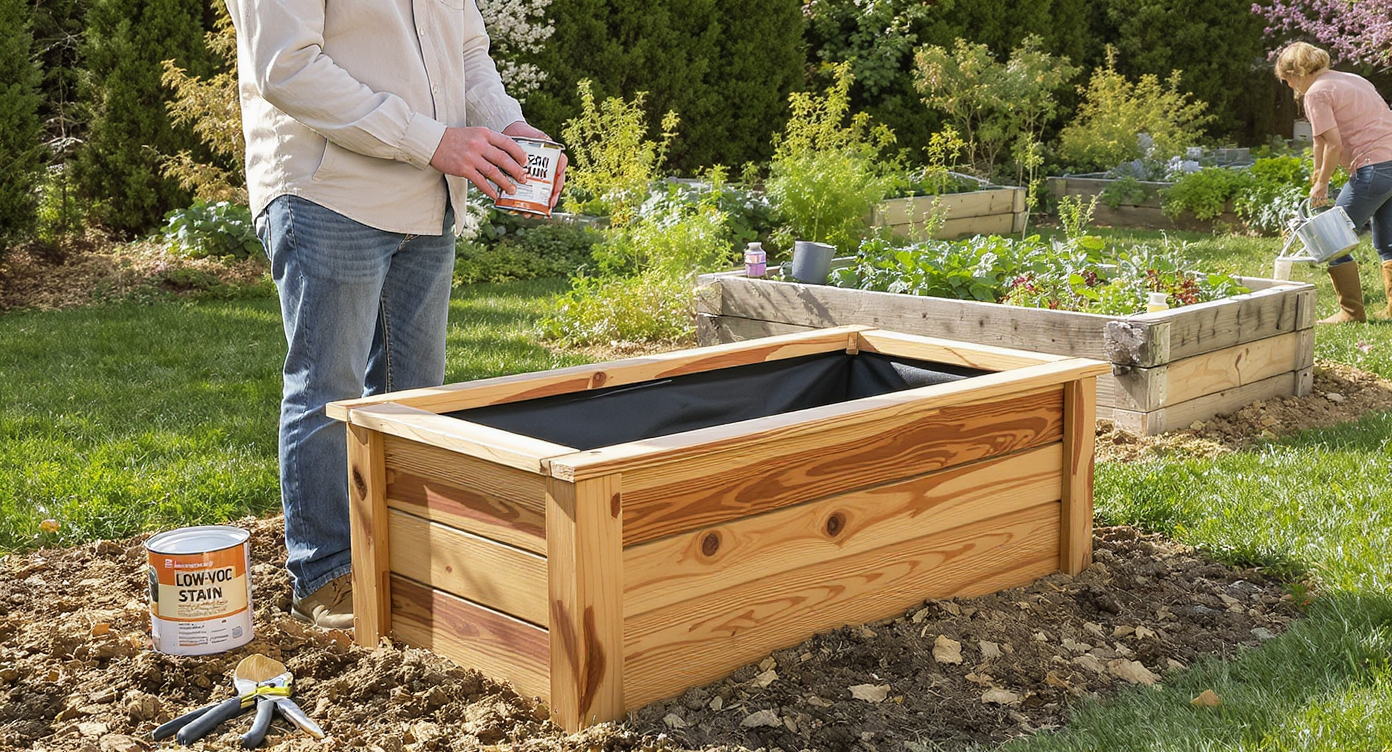
Real-life raised bed scenarios: homeowners balance safety, sustainability, and material choices for healthier, chemical-free gardens.
On a spring morning, a homeowner stands next to their new cedar bed, can of low-VOC stain in hand, reading the label for safe application instructions. They decide to apply color to only the visible outer faces, leaving the inner wood raw and untouched. By fitting a landscape fabric liner, they balance the goal of extending the wood's life while keeping the soil safe for salad greens. Elsewhere, an avid gardener with a larger vegetable patch uses recycled planks and skips all chemical treatments entirely. This approach demands a bit more maintenance, but yields peace of mind and the satisfaction of growing food in a chemical-free environment. Both of these examples reflect a shift in priorities. In 2026, homeowners prize sustainability and transparency, preferring to know exactly what is supporting their herbs or tomatoes underneath the soil surface.
-
Common Mistakes to Avoid
A frequent misstep is staining or sealing all surfaces, including those that will touch soil directly. This increases the risk of chemical leachate, especially as years pass and coatings break down. Another common error is using waterproof plastic inside without sufficient drainage holes, which can cause water to pool in pockets, suffocating roots and promoting rot. Neglecting to plan for drainage entirely can turn even the most beautiful bed into a mucky, compacted mess by late summer. Avoiding these pitfalls starts with aiming for balance—protecting wood where it faces the elements, keeping soil protection a priority inside, and always supplying a way for excess moisture to exit cleanly.
-
Tips and Insights from Designers and Gardeners
Designers often suggest using locally sourced woods such as cedar or redwood, which naturally resist decay and require minimal treatment. For those who must use treated pine or similar lumber, the consensus is clear: keep all stains, sealants, or chemicals away from interior panels, focusing only on the external portions exposed to weather. Gardeners highlight the value of double-layering: a sturdy exterior finish to guard against ultraviolet rays and rain, coupled with an interior breathable liner to defend against soil-borne moisture. This layered approach safeguards both structure and root zone, supporting soil health and happy plants season after season. Finally, it's wise to inspect the bed yearly for worn barrier fabric or evidence of rot, making spot repairs instead of overhauling the whole box. Many of these strategies echo principles from vegetable gardening best practices: investing in healthy soil, minimizing synthetic interventions, and observing how water flows through the garden landscape. For more practical planting ideas, learn more about small daily acts of care in vegetable gardens.
-
How to Use This in Your Next Designs
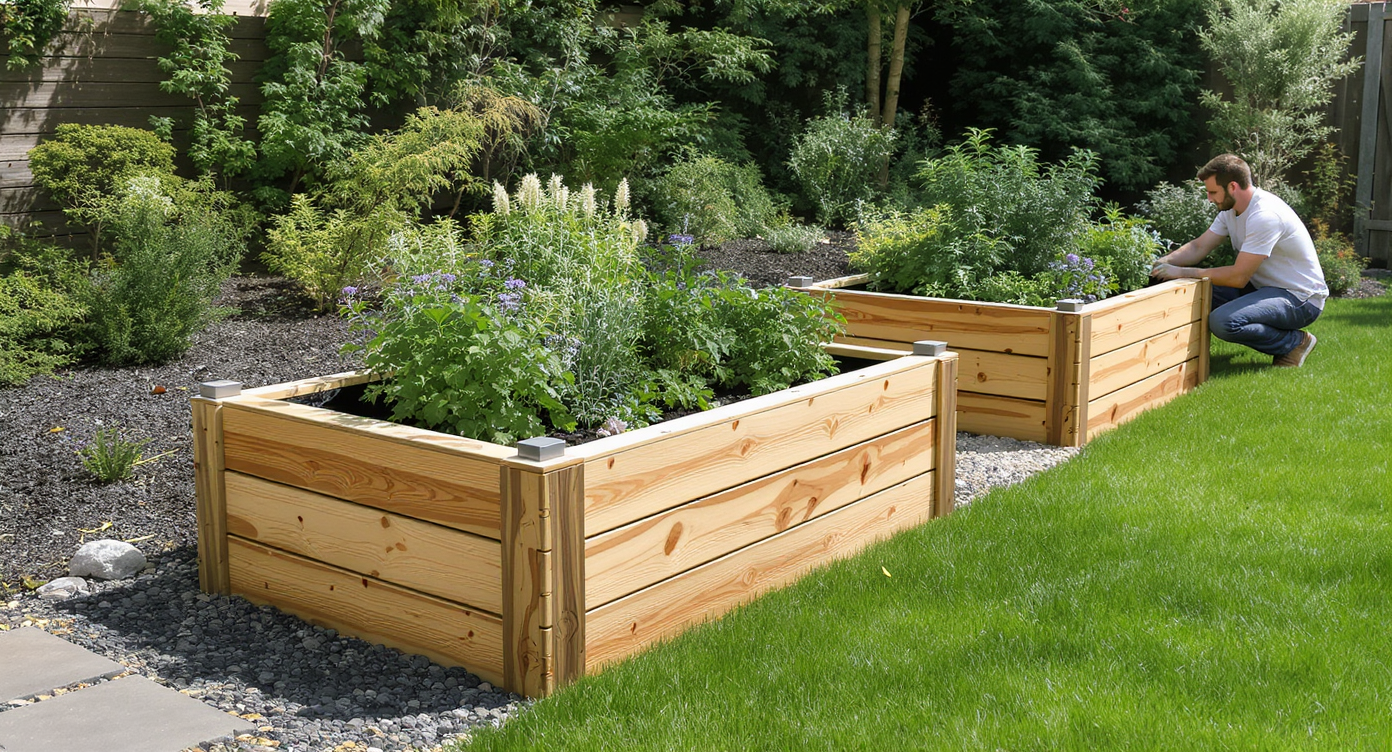
Incorporate responsibly sourced timber, geotextile liners, and smart drainage to ensure functional, beautiful planter boxes for years.
Incorporate these lessons early on in landscape or garden planning. Start by selecting the best-available, responsibly sourced timber. Reserve stains and outdoor wood preservatives for exterior faces. For the interior, consider a commercial-grade landscape fabric or a geotextile membrane. This not only reduces the risk of leaching but also allows for drainage and airflow. Raise up your beds with a gentle slope and make sure every liner has enough perforations for water to escape. With small tweaks like these, and a yearly check-up for worn-out barriers, your planter boxes will be functional and beautiful year after year.
Visualization Scenario
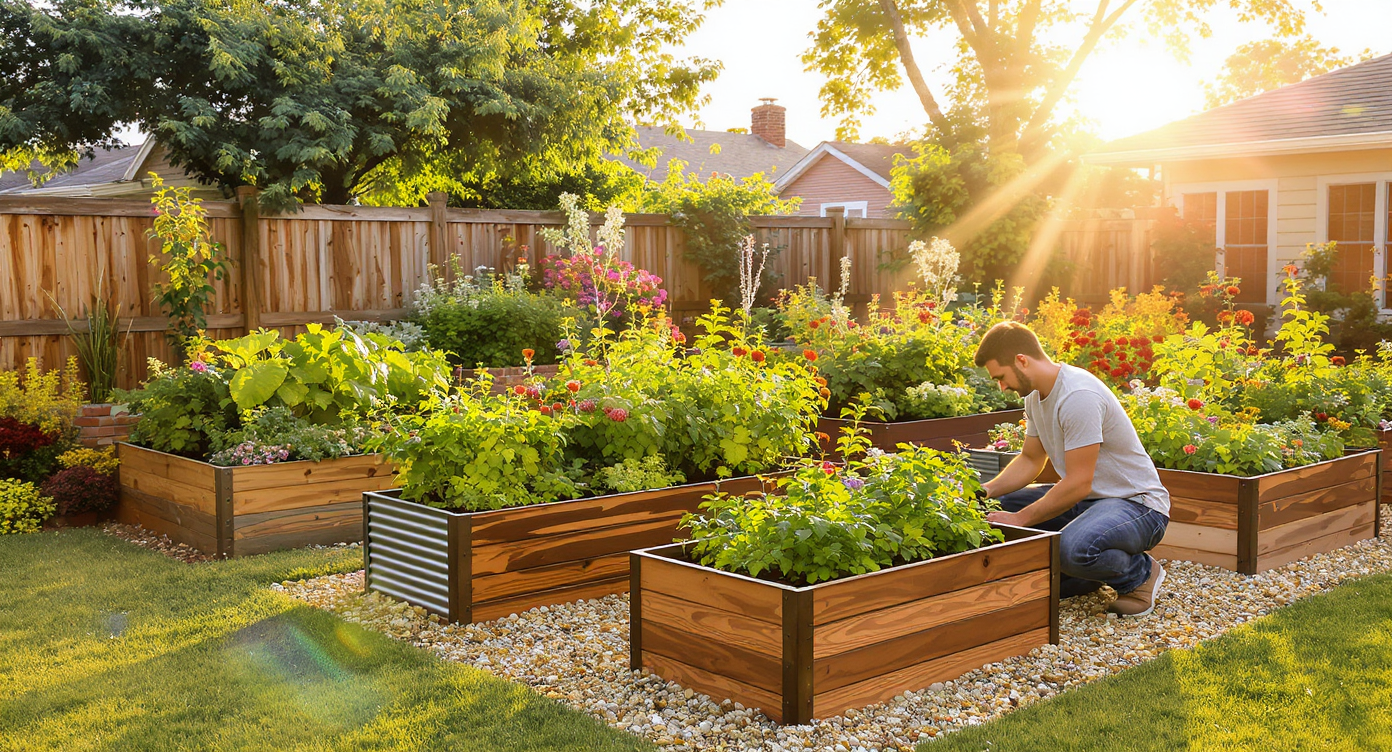
Picture stepping into your backyard early on a crisp morning. Rows of raised beds—some clad in warm-toned, honed cedar, others painted a subtle slate gray—circle a meandering gravel path. Each box is fitted with a carefully chosen liner beneath a blanket of mulch. By mid-July, stalks of kale and ripening tomatoes fill every corner, the lushness owed in part to the hidden work of thoughtful material choices below the surface.
Frequently Asked Questions About Planter Materials
Most experts recommend avoiding stains or sealants on interior panels, as they may leach chemicals into the soil and affect plant health.
What is the best way to line a planter box?
Breathable landscape fabric or geotextile liner is best. These allow water to drain and air to circulate, reducing rot risk without trapping moisture.
Is plastic a good alternative for line protection?
Plastic can work if it is food-safe and holes are added for drainage. However, it is less breathable, and over time, it breaks down.
How often should you replace liners or inspect planters?
Check liners annually for wear, tears, or trapped water. Replace when necessary to maintain soil and plant health.
For more raised bed landscaping inspiration and layout ideas, visit ReimagineHome.ai.
Ensuring Your Raised Beds Last and Nurture
Smart material choices in raised planter boxes make the difference between a short-lived structure and one that enhances your home landscape for many years. Thoughtful stain selection, strategic use of liners, and proper drainage planning provide a foundation that supports soil life and protects plant roots. When you balance appearance and durability with a concern for what goes into your soil, you can relax and enjoy fresh harvests—knowing your garden is safe and resilient. For more design tools and inspiration, visit ReimagineHome.ai.