7 Simple Ways to Prevent Electrical Mix-Ups at Home
TL;DR
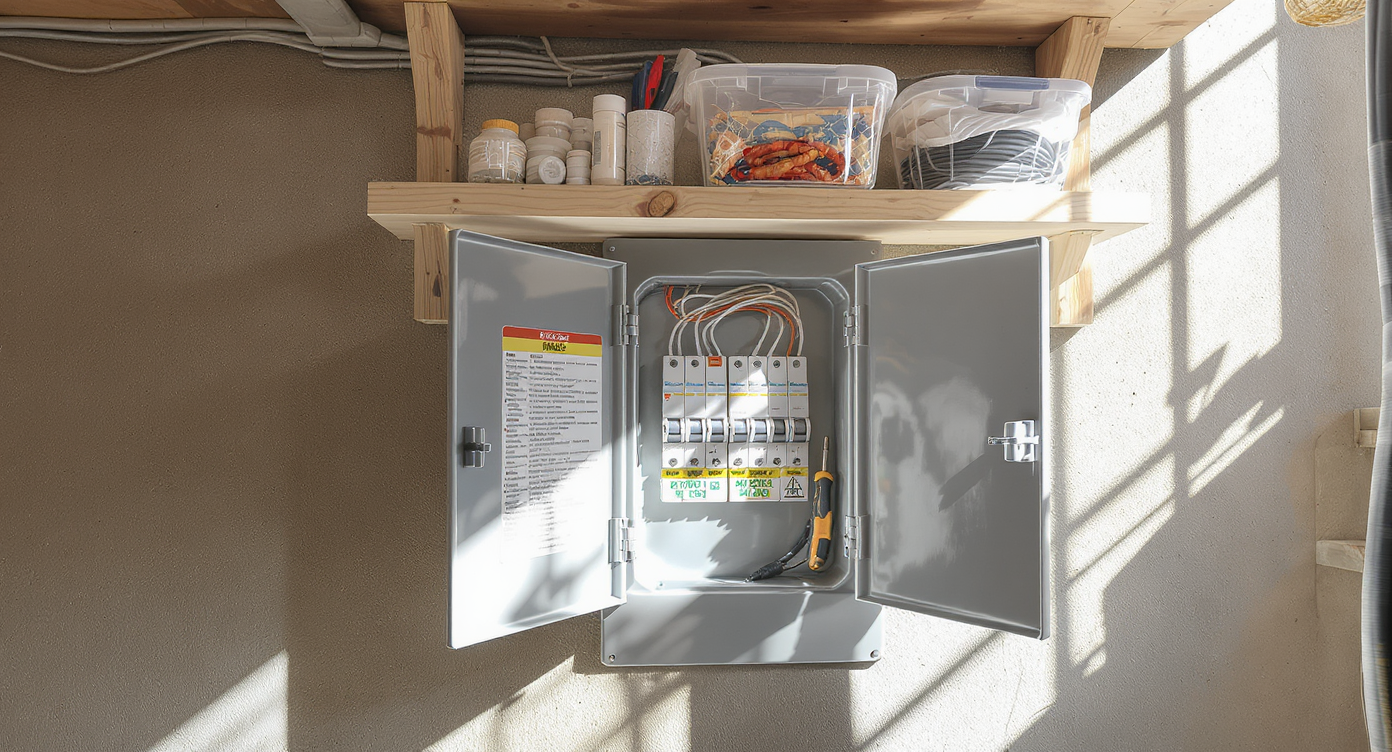
Homeowners often encounter electrical confusion, especially in older houses. Clear circuit and outlet labeling, along with thoughtful storage design for switch and receptacle plates, prevents wasted time and costly mistakes. Adopting these seven practical approaches means smoother DIY repairs and a safer home for years to come.
Why Unraveling Home Electrical Systems Matters
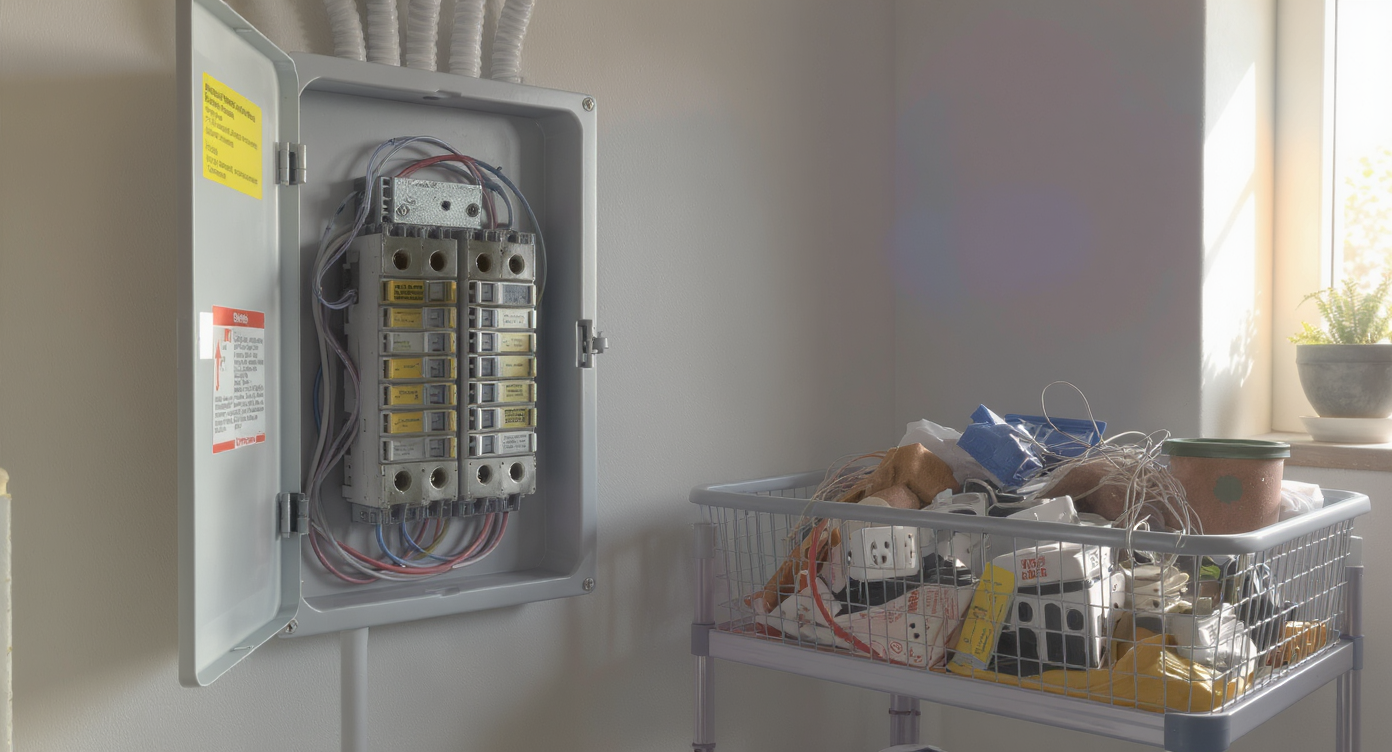
Poorly labeled breakers and mixed electrical parts highlight the confusion homeowners face when managing home wiring systems.
Anyone who has replaced a switch or outlet plate knows the scramble: which breaker controls this outlet, and why is the kitchen circuit running through the living room? Many homes carry decades of accumulated changes, often with breaker boxes poorly labeled and wiring logic that has become obscured. This makes even basic fixes difficult, potentially dangerous, and time-consuming. For homeowners undertaking everything from minor repairs to full renovations, careful organization behind the walls guarantees safer projects and less frustration. By proactively labeling, mapping, and storing vital electrical information, you sidestep the notorious trial-and-error cycle and help future-proof your property. These practical tips also form the backbone of a successful do-it-yourself workflow, as discussed in many resources such as our DIY home repairs guide.
-
1. Label the Backs of Outlet and Switch Plates
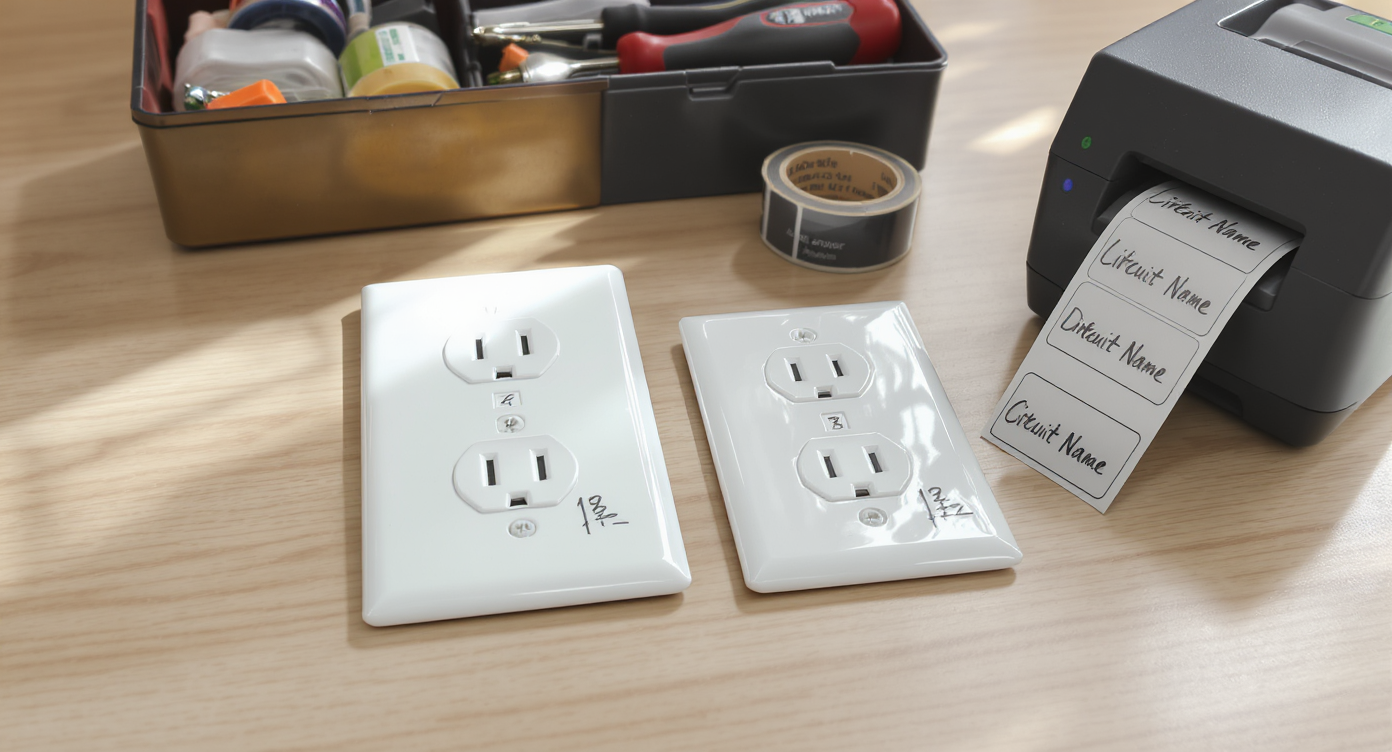
Outlet and switch plates placed face-down display handwritten circuit labels, demonstrating clear and safe electrical identification at home.
One of the most overlooked, yet crucial, steps in managing home electrical systems is labeling the backs of sockets & switches plates. A simple tool like a permanent marker or label printer allows you to record the circuit name or breaker number directly on each plate. This step transforms routine troubleshooting and any future replacement, especially when previous labeling is ambiguous or missing. If you have ever hesitated while attempting a repair because you were unsure which breaker to switch off, this small effort will pay dividends. Professional electricians and savvy DIYers routinely use this method as it instantly eliminates guesswork, particularly in older homes where breaker-to-room mapping can defy logic. Keeping your labeling consistent not only helps you, but any future homeowner will thank you.
-
2. Map Out Circuits With Simple Diagrams
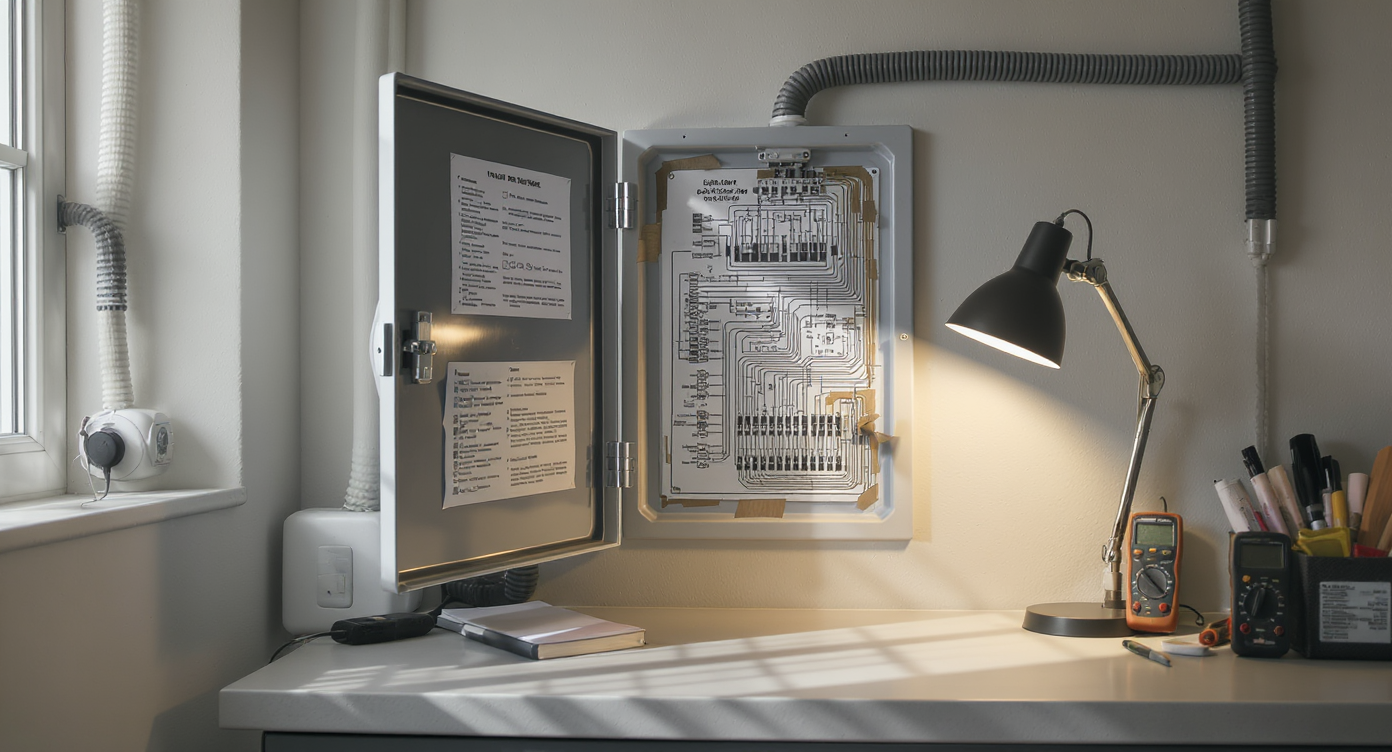
An organized utility room with an open electrical panel displays a taped diagram, while tools and a lamp highlight the circuit-mapping process.
Creating a clear, room-by-room diagram that shows which outlets and switches are controlled by each breaker is invaluable. Some homeowners tape this diagram inside the electrical panel door, while others keep a digital or printed version in their home documents folder. This process often becomes essential in older houses, where additions and modifications may have left electrical plans scrambled. By methodically plugging in a device like a lamp or radio, then flipping breakers to track which outlets lose power, you can document your system's quirks. Including notes about any doubled circuits or shared grounds further clarifies the layout. According to housing professionals, dedicating a few hours to this exercise will be rewarded every time you need to isolate a problem or safely make repairs.
-
3. Use Storage Design Strategies to Avoid Plate Mix-Ups
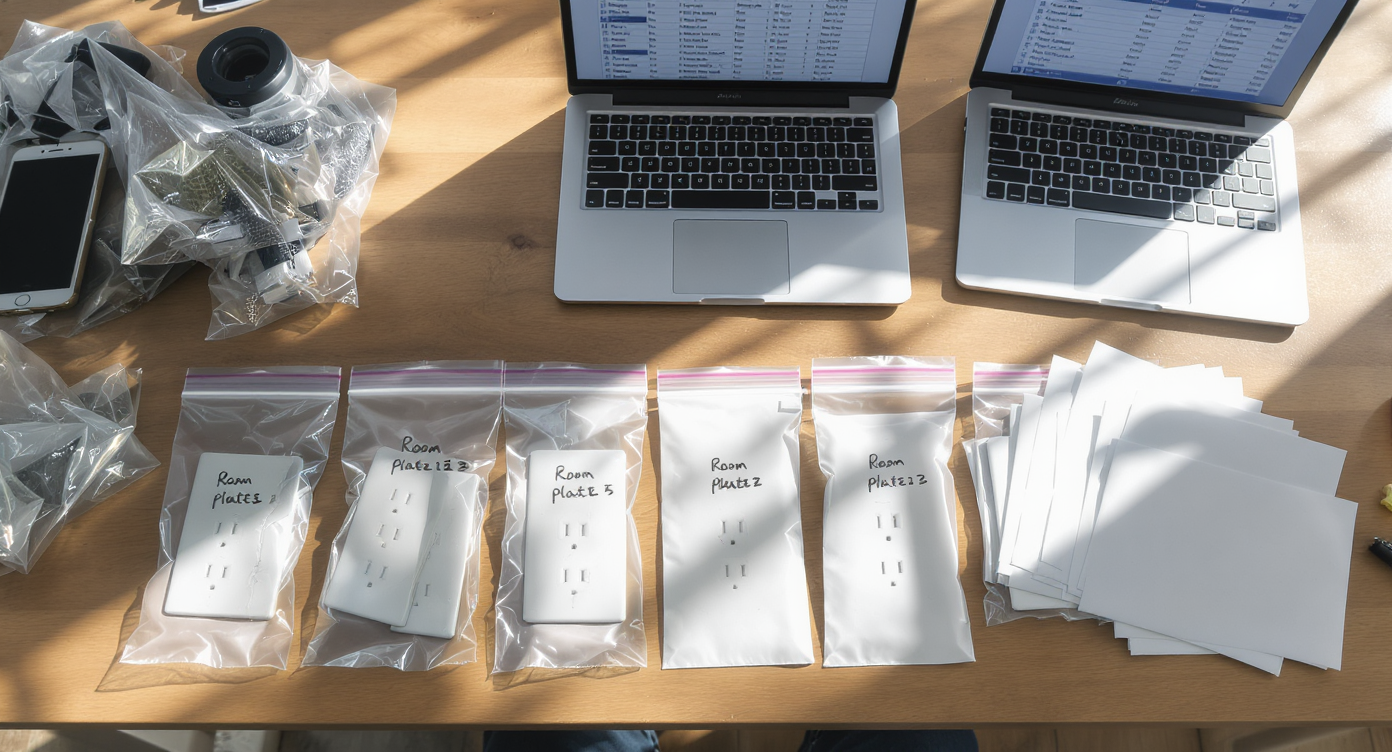
Storing outlet and switch plates in labeled bags or envelopes, tracked digitally, prevents mix-ups during home maintenance or renovation.
Well-organized storage plays an unexpected role in avoiding errors during home maintenance. When painting or renovating, homeowners often remove multiple outlet and switch plates at once. Tossing them all into a single bag can make it nearly impossible to match up labeled backs with corresponding fixtures later. Instead, professionals suggest storing each plate in a small, labeled envelope or bag—per room or per wall—to preserve their identification. For larger projects, keeping a running spreadsheet of removed plates and their designations provides an added layer of security. This habit is particularly important if contractors or painters will reinstall covers, as mix-ups at that stage can permanently confuse labeling systems.
-
4. Add Redundant Labels to Sockets and Interior Boxes
While marking the back of plates is helpful, adding a small identifier to the sockets & switches themselves—such as a discreet number or code hidden by the cover—ensures that labeling survives even if the plates are mixed up or replaced. Use a fine-tip permanent marker or adhesive label placed on a hidden surface. This redundancy supports resilient storage design and is critical when multiple covers are removed at once. Experienced renovators note that having both visible and hidden marks protects against confusion during large-scale painting or rewiring projects. It also aids anyone who inherits your system down the line.
-
5. Invest in Basic Circuit Tracing Tools for Fast Identification
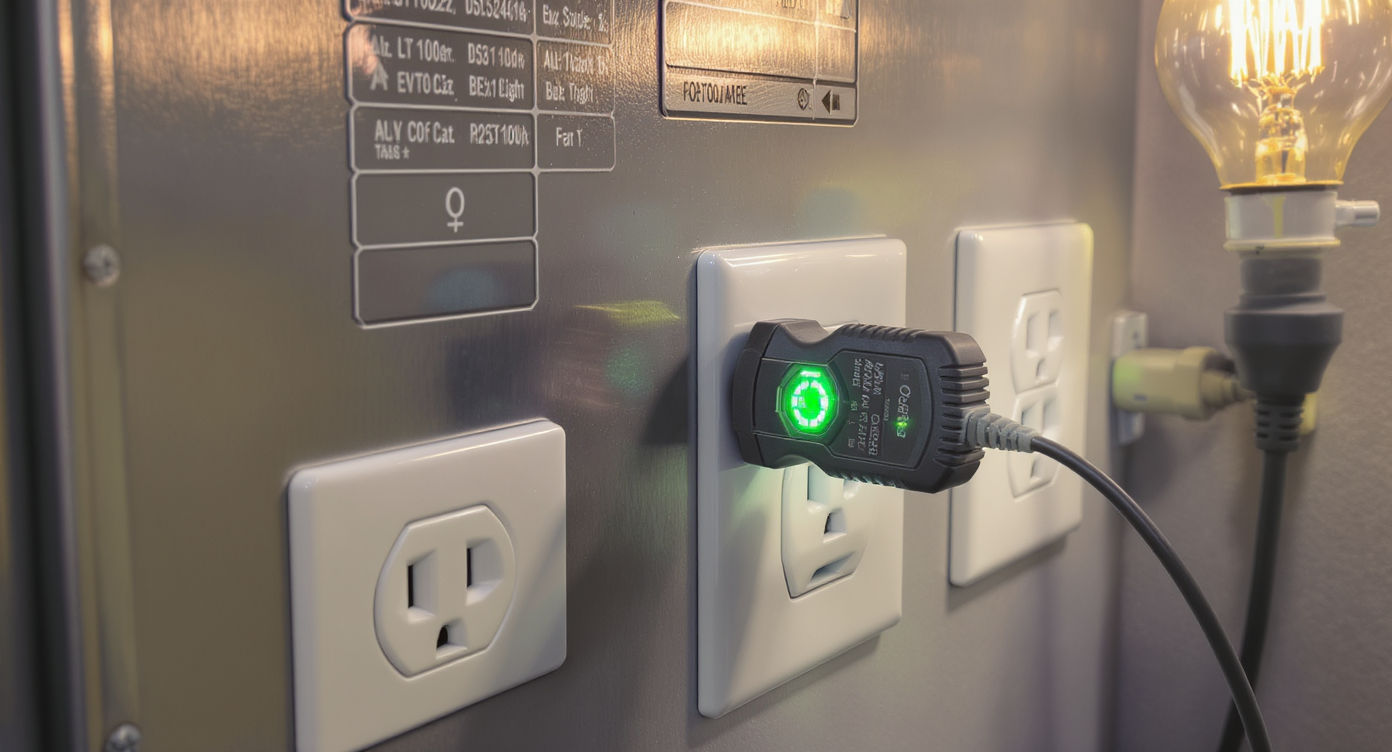
A plug-in circuit tracer device helps quickly identify breakers, shown alongside a labeled panel and a lamp used for manual testing.
Diagnosing which breaker controls a particular outlet does not have to rely on trial and error. Simple tools like plug-in circuit tracers, available for under $30, can speed up identification without the need for a partner or constant trips to the breaker box. These devices send a signal through the circuit, allowing the user to locate the corresponding breaker effortlessly. For those on a budget, the old standby of a running vacuum, radio, or lamp serves as a simple signal—turn off breakers until the device goes silent. Combining circuit tracing tools with robust labeling ensures troubleshooting is efficient and safe, especially before any DIY repair like the ones suggested in weekend-friendly tasks.
-
6. Update Labels After Every Major Change
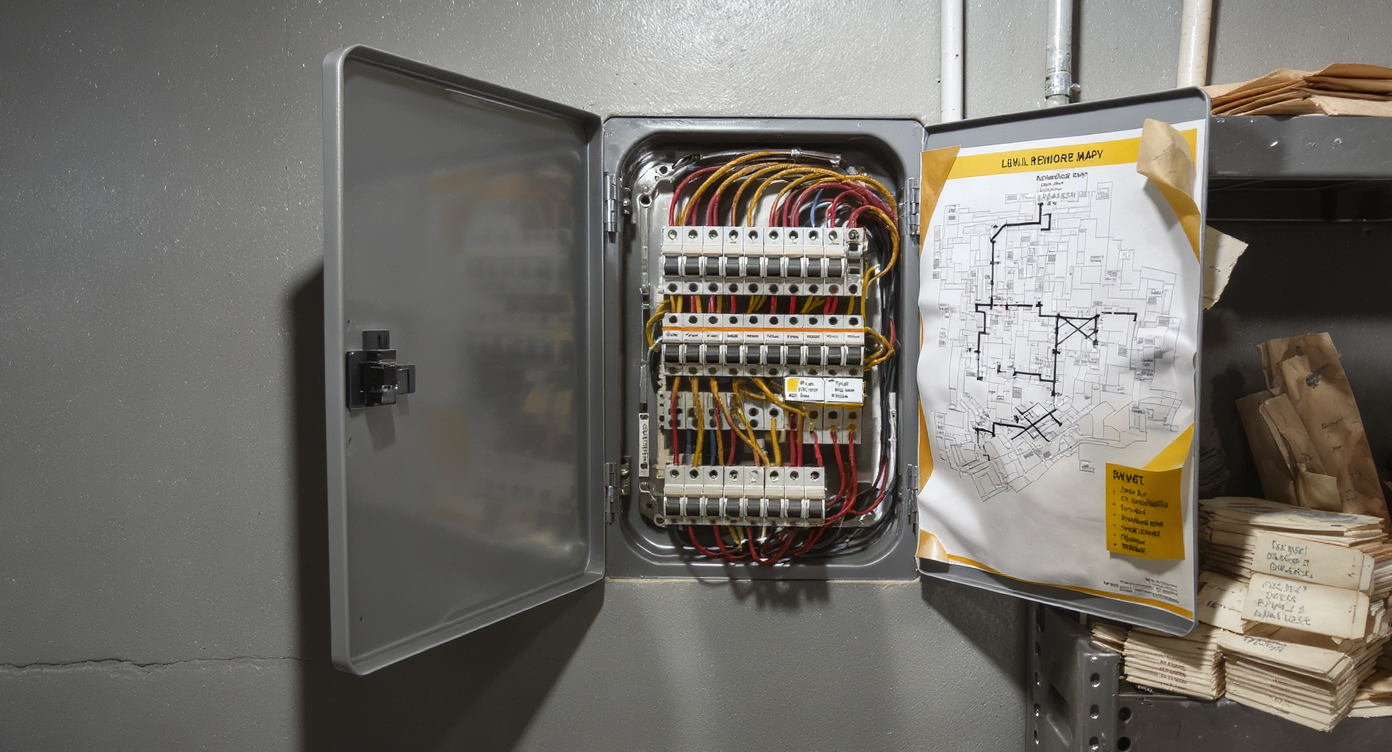
Example of a freshly relabeled electrical panel and map, showing how to keep circuit labels accurate after wiring or layout changes.
Whenever upgrades or modifications to wiring, storage design, or panel locations occur, revisit your labeling system. Forgetting to relabel new circuits or remove references to obsolete ones is a common source of confusion in home electrical work. Housing professionals stress that current, clear maps and labels add value at resale, since buyers and inspectors will immediately see evidence of thoughtful maintenance. This is especially wise if you plan to DIY major changes, as real estate agents note, because any hidden errors could undermine your investment or slow down a sale. Consistency also helps prevent code violations, faulty work, and unnecessary risk.
-
7. Make Circuit Organization Part of Routine Maintenance
Circuit labeling should not be a one-time task. Seasoned homeowners fold it into their regular maintenance cycles—checking labels each spring, especially after painting, renovations, or when adding new devices. This habit ensures that critical information does not fade or get lost over time due to paint, wear, or accidental plate swaps. Small maintenance rituals like this have a high payoff in reducing errors and costs. As highlighted in our overview of affordable renovation planning, simple, proactive habits prevent large repair bills later.
Electrical Circuit Organization FAQ
Use a plug-in device such as a vacuum or lamp to test power while toggling breakers. For increased accuracy, circuit tracing tools or non-contact testers are widely used by professionals.
What should I do if I lose track of which wall plate goes where during a renovation?
Store each switch or outlet plate in separate, labeled bags or envelopes per room. Redundant labels on both plates and sockets themselves help prevent confusion.
Will labeling and organizing my electrical circuits really add resale value?
According to best practices highlighted by real estate professionals, homes with organized and transparent electrical systems are more attractive to buyers, appraisers, and inspectors.
Can digital planning tools help with electrical layout changes?
Platforms like REimagineHome.ai allow homeowners to visualize design and storage changes, making it easier to plan electrical modifications before investing in permanent upgrades.
Reliable Labeling: The Invisible Guardian of Home Repairs
Homes large and small benefit from smart, consistent circuit management. With clearly labeled sockets & switches, robust storage design for plate covers, and an updated map at your breaker, future repairs stay safe for everyone. When planning or previewing major layout changes or finish upgrades, consider using REimagineHome.ai to visualize options before making permanent changes. Practical attention to these invisible details not only helps avoid errors but also adds measurable value and peace of mind for years to come.