Navigating Boundary and Tree Concerns in Mountain Neighborhoods
TL;DR
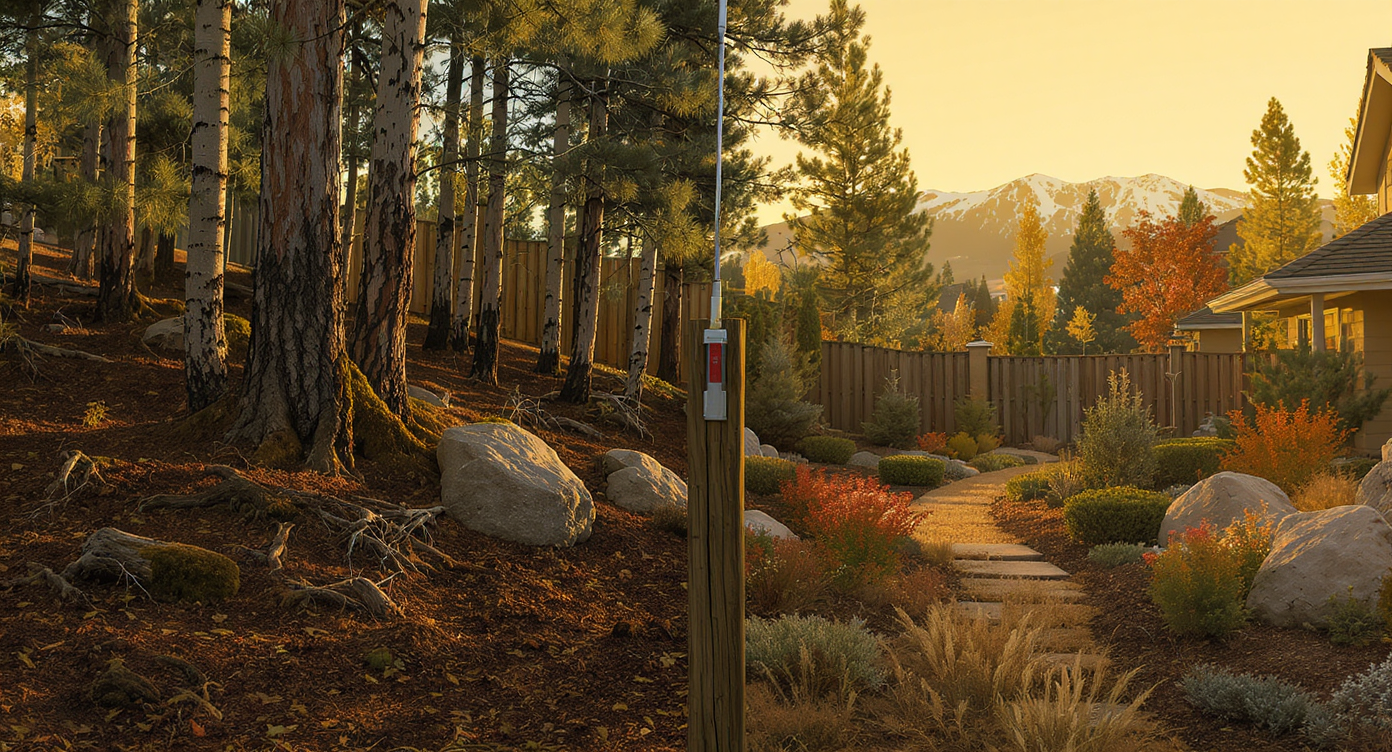
Mountain community homeowners often face challenges when new development pressures threaten established property boundaries and mature trees. Understanding how to safeguard land and preserve shared natural assets requires assertive communication, local regulations, clear documentation, and thoughtful landscape design choices. These steps can protect home value, community harmony, and the local ecosystem.
Preserving Peace and Place in Wooded Communities
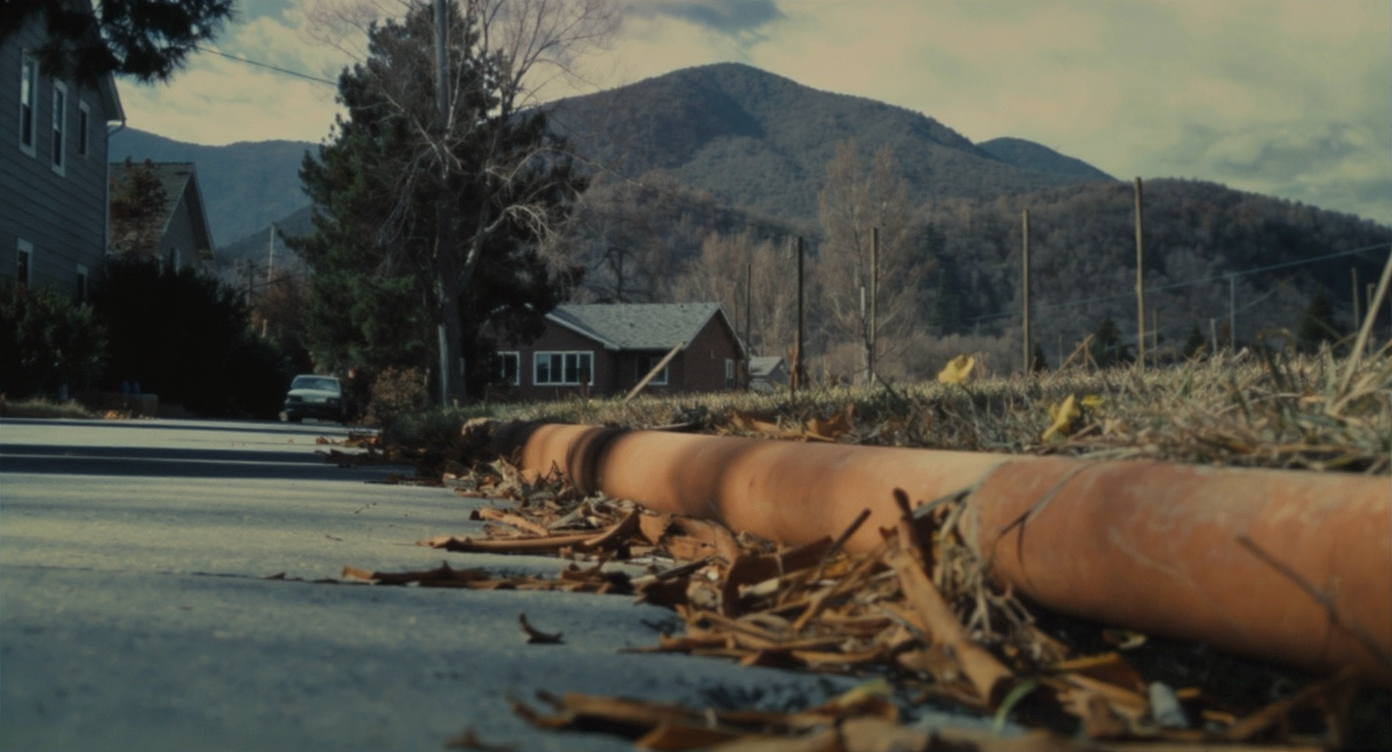
A mountain home’s wooded property edge, where mature trees, a fence, and signs of new development create subtle boundary tensions.
Life on a wooded acre in a mountainous neighborhood offers serenity and scenes that change with the seasons. Yet, when new development approaches your property line, peace is replaced by worry—especially when boundaries blur and towering trees are at risk. In these rare, but consequential, moments every homeowner becomes both protector and curator, responsible not only for their land’s limits but also its ecological health and neighborhood character. The stakes are practical and emotional: a misread property line or hasty clearing can set off disputes, disrupt wildlife corridors, and alter an entire community’s landscape. Understanding how to approach such situations thoughtfully is essential for any current or future land steward.
-
The High Value of Clear Boundaries
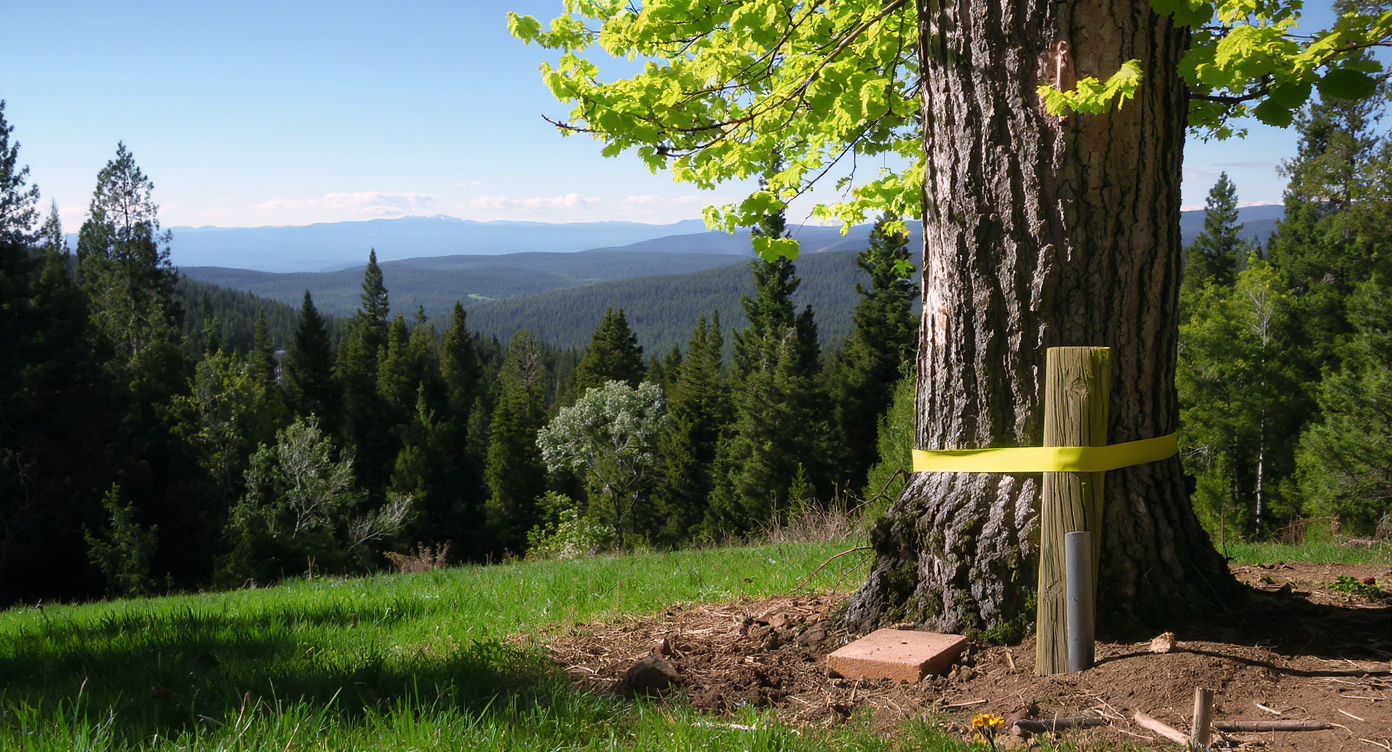
Permanent boundary markers establish a clear property line where maintained land meets mountain woodland, helping prevent disputes and guiding land use.
Property boundaries do more than separate parcels; they represent years of investment, legal rights, and a sense of place. In neighborhoods designed around natural beauty, a single tree can define privacy, frame vistas, and provide habitat for wildlife. When a new neighbor proposes to buy part of a lot, or shifts survey markers to better suit their construction plans, clarity on boundaries instantly becomes the heart of the conversation. During these times, it is critical to reestablish markers using recent survey data and, whenever possible, to engage professionals for verification. Many communities now require surveys with tamperproof or permanent markers, which reduce ambiguity and help contractors avoid costly mistakes. For residents in regulated developments, architectural guidelines often reinforce these technical boundaries, stipulating reviews before any substantial tree removal or land alteration begins.
Expert Insight
A neighbor in a mountain enclave turned a tense property boundary situation into an opportunity for collaboration. Instead of escalating the conflict, she walked the disputed line with both the new owner and a community board member, referencing her original survey. Jointly marking trees that would stay and discussing shared drainage concerns, the neighbors agreed on a plan that balanced the new build with the preservation of habitat. What could have started as a dispute ended in a friendly garden exchange and a deeper connection.
-
Mature Trees: Ecological Anchors and Community Assets
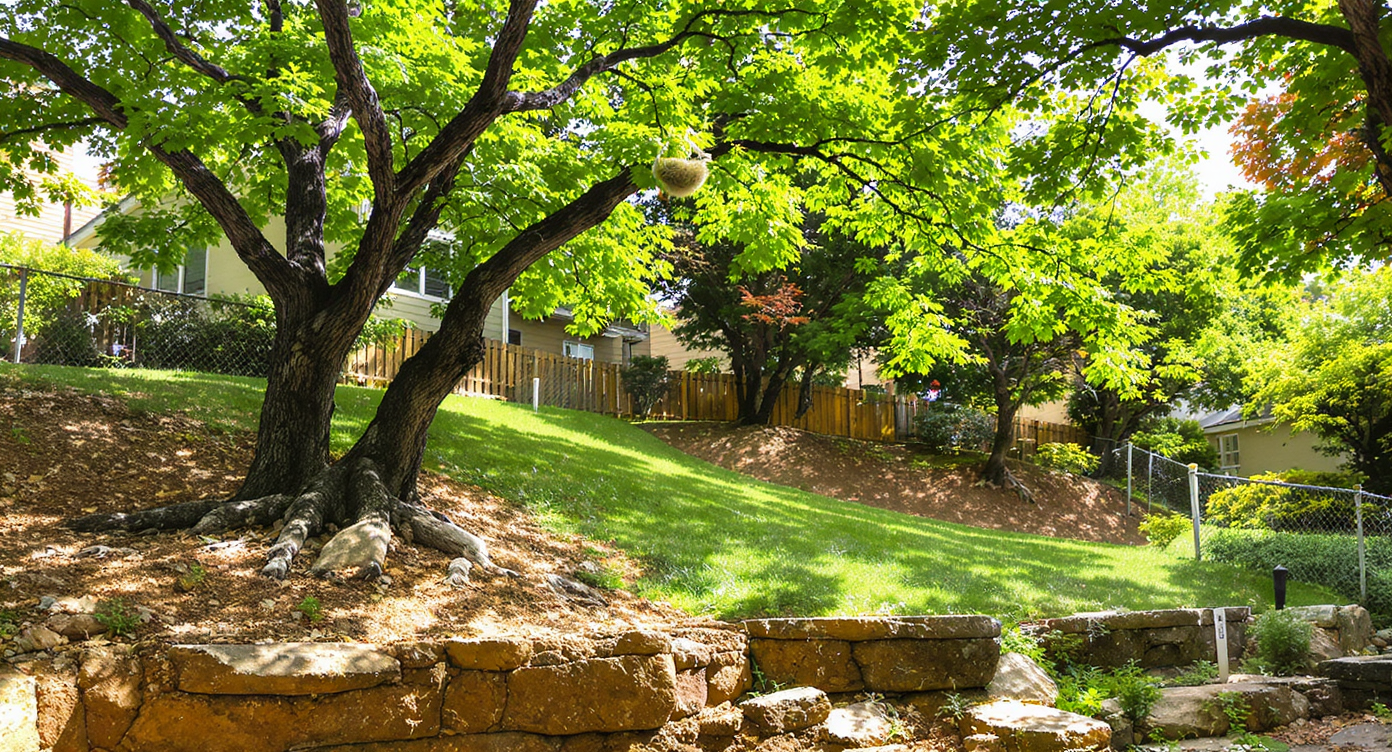
Mature oaks and maples anchor a mountain neighborhood, their roots preventing erosion and canopies supporting local wildlife habitats.
Beyond shade and scenic framing, established trees form a vital part of local ecosystems. Their roots prevent erosion on sloped terrain, their canopies moderate stormwater runoff, and they serve as homes for countless species. Removing a stand of mature oaks or maples in a single season is not simply a visual change; it can transform microclimates and alter the flow of water across several properties. Communities increasingly recognize these functions, as emphasized in guidance on wildlife‑friendly backyard design strategies and nature-first yard planning. When trees feel threatened—whether by accidental marker movement or proposals for extensive clearing—documenting their locations, species, and approximate value with the help of an arborist can discourage hasty removal and provide a basis for restoration if disputes turn legal. Homeowners across the country are discovering that fully grown trees, particularly those with ecological history, may be worth tens of thousands of dollars if replacement is required.
-
Community Guidelines and the Power of Oversight
Many wooded neighborhoods, especially those nestled in hills and valleys, have developed detailed architectural or landscaping boards to balance privacy, ecological care, and home improvements. These guidelines often stipulate that homeowners must schedule walk-throughs for any major tree removal or grading project. This group adds a crucial layer of local oversight, protecting all residents from abrupt change while encouraging thoughtful stewardship. For example, before clearing land or installing large hardscape features like a drive or pool, it is common to require board approval and, in some cases, ecological assessments or tree replacement plans. These community checks are effective only if boundaries are visible and activity is documented. Board members, while often knowledgeable, are not professional surveyors, so it is wise for property owners to provide legible documentation or updated survey records. Streamlining this process benefits everyone: it strengthens communal trust, supports enforcement of standards, and reduces the likelihood of irreversible mistakes.
-
Designing Defensible and Harmonious Boundaries
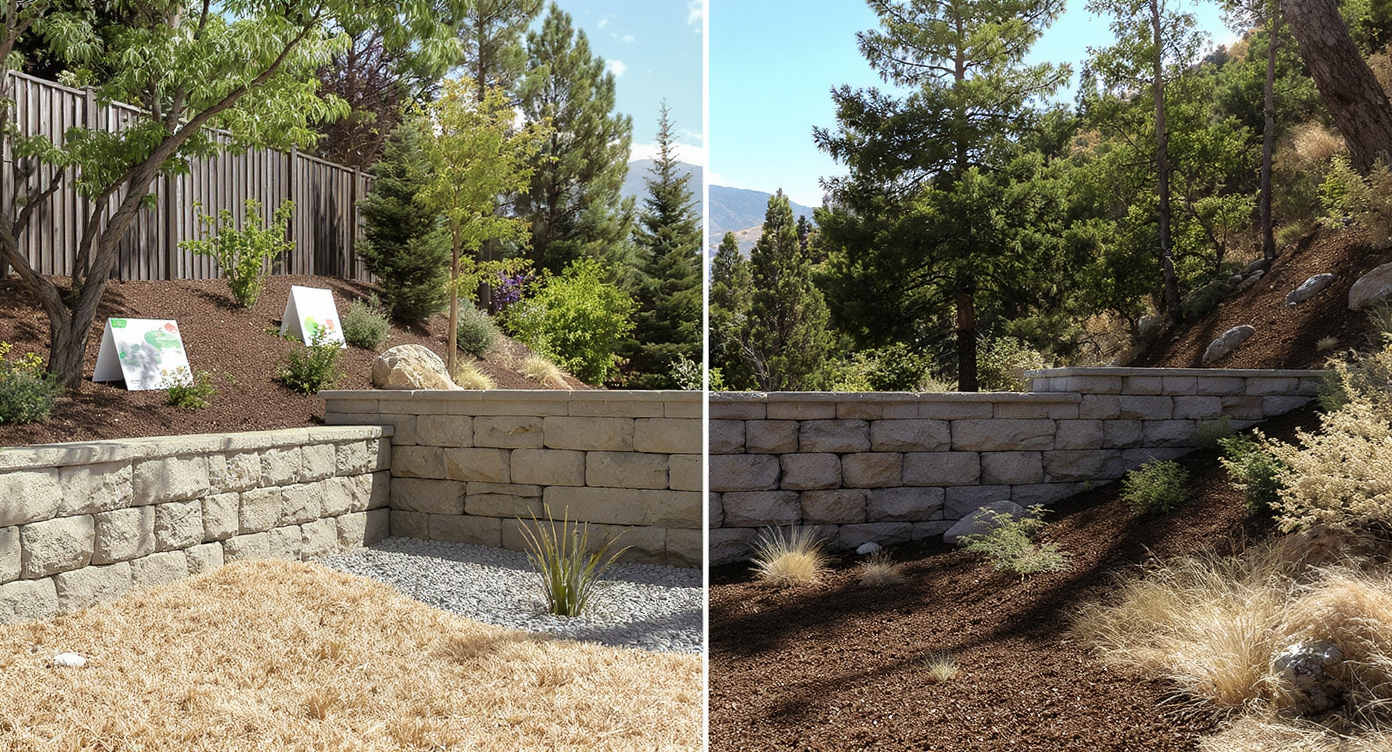
A harmonious mountain landscape boundary featuring native shrubs, a low boulder edge, and a small retaining wall for slope support and water control.
Landscape design plays a subtle yet vital role in clarifying ownership while minimizing friction. Low physical barriers—like a row of native shrubs, a discrete line of boulders, or flower beds—signal property edges without isolating neighbors. In mountainous environments, practical solutions such as well-planned retaining walls using affordable materials offer both definition and support for slopes, while also helping manage water runoff. Homeowners can take inspiration from visual tools that allow them to preview potential boundary plantings or minor fencing prior to installation, so the chosen materials and styles don’t disrupt the area’s natural rhythm. Documentation and ongoing communication are crucial, with photographs, maps, and even temporary signage providing visible reminders for both construction teams and passersby. When designed with intention, these landscape features turn tense dividing lines into attractive, shared transitions.
-
Anecdote: When Proactive Effort Pays Off
A couple settled in a wooded mountain neighborhood recalls their anxiety when survey markers appeared days before new construction began nearby. Rather than wait and hope for the best, they quickly checked their original survey, restaked the boundaries, and decorated the line with a series of no-trespassing signs and garden tape. The neighborhood board was notified and responded with a site visit, while their builder was asked to walk the property. The result: construction crews respected the visible markers, neighborly communication remained cordial, and a small pollinator garden on the border became a shared conversation starter instead of a battleground.
-
Common Mistakes to Avoid
Too often, homeowners ignore early warning signs—such as a neighbor’s survey stakes creeping into their property—out of a desire to avoid drama. Passivity may feel polite, but silence can be interpreted as permission. Another common error is delaying documentation, especially photographic records and written notices to neighbors and community boards. A third pitfall involves neglecting the ecological or financial value of mature trees; failure to assess their worth in advance may complicate compensation if loss occurs. According to advice on hardscaping and tree care best practices, failing to understand how roots, drainage, and landscape modifications cross from one parcel to the next can unintentionally damage both trees and relationships.
-
Expert Insights and Practical Approaches
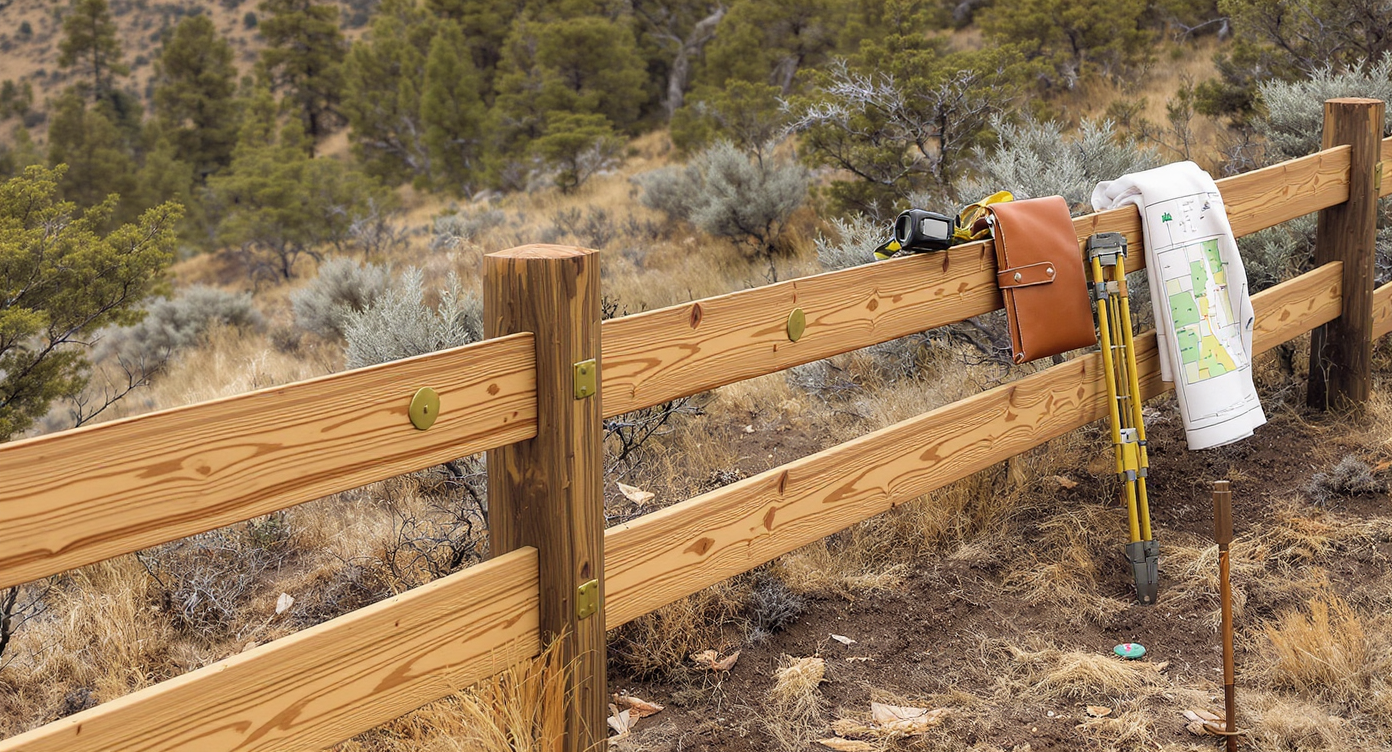
A realistic mountain neighborhood boundary showing a tasteful fence, native shrubs, visible signage, and surveyor’s tools for property planning.
Designers often suggest combining purposeful landscape boundaries—like select plantings or sturdy yet elegant fencing—with visible signage and regular communication. Before tensions escalate, a certified letter outlining expectations and property rights can set a constructive tone. Bringing in a surveyor, arborist, or landscape architect to assess the property provides not only physical evidence but also reassurance to all involved parties. For those embarking on new projects, using site visualizations and planning tools, as described in landscape planning resources, improves homeowner confidence and helps anticipate design impacts, both visual and environmental.
-
Application: Bringing These Lessons to Your Next Project
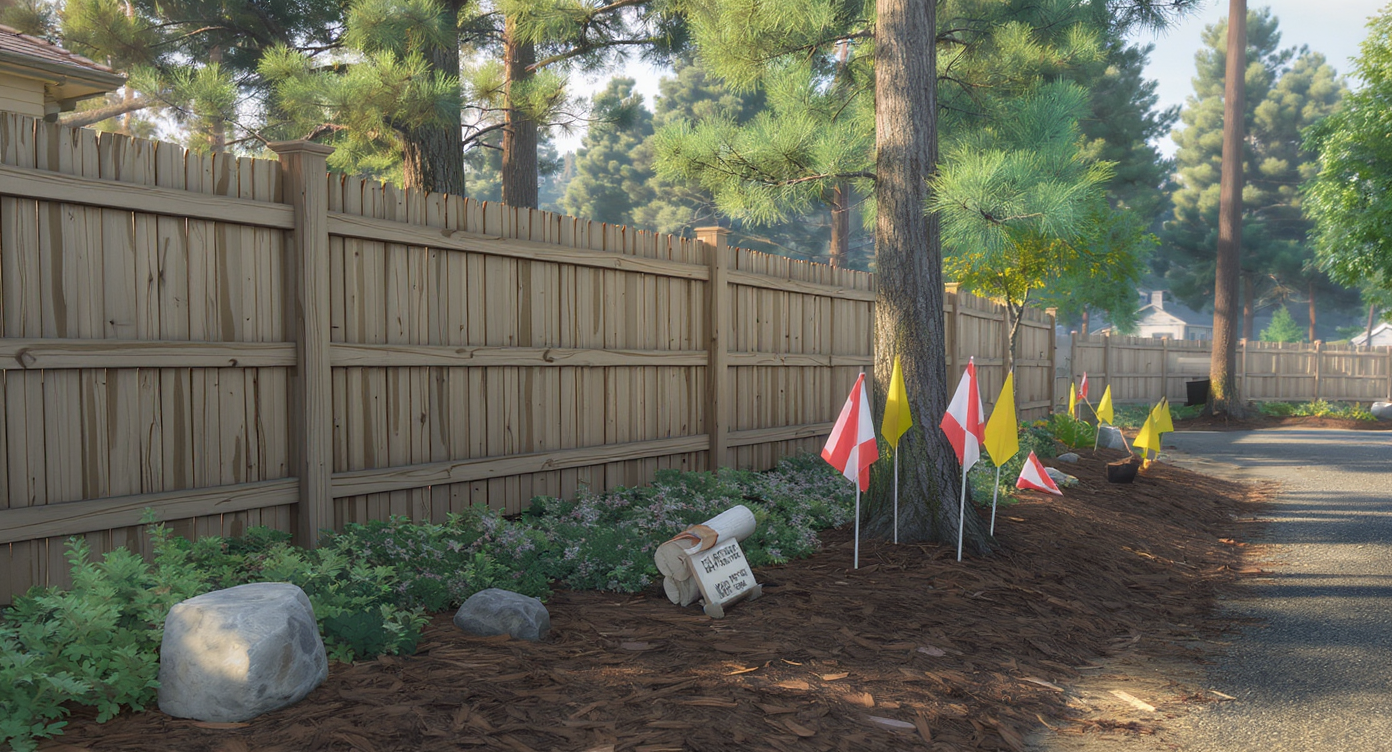
A mountain property boundary features stone markers, native plantings, and survey flags, promoting clarity and collaborative site planning.
Whether marking boundaries in anticipation of a neighbor’s build, or seeking to preserve community woodlands, homeowners can blend diligence and neighborliness. Begin each new project by reviewing existing surveys and, if necessary, commissioning updated boundary work. Enhance visibility with subtle boundary plantings or hardscape features and communicate intentions with posted signs, written notices, and photographic evidence. Before any trees are trimmed or removed, assess their replacement cost and ecological value. Engaging community boards early and thinking through site planning can transform potential conflicts into collaborative efforts, turning private boundaries into opportunities for shared stewardship and creative design.
Visualization Scenario
Picture yourself standing at the edge of your wooded lot, survey map and mallet in hand. You string bright survey tape around the trunks of old trees, their canopy full of birdsong, while discreet garden beds trace the official boundary. Along the line, a mix of wildflowers and small boulders catches the eye, quietly declaring the edge of your sanctuary. The board stops by, walking the proposed changes, and you track their visit with a few photos stored for your records. When contractors arrive, the unmistakable markers ensure all work stays on the correct parcel, turning a point of contention into a clear, attractive transition.
Frequently Asked Questions
Start by locating any existing surveys or documentation, then, if in doubt, hire a professional surveyor to mark or remark your boundaries with permanent markers. Use visible signage and, as needed, install temporary or natural barriers.
What should I do if a neighbor places stakes or markers on my property?
Promptly remove unauthorized markers, politely notify the neighbor, and document all actions. Communicate your concerns to your community board or association, and maintain ongoing photographic records.
Are there legal consequences if someone removes or damages my mature trees?
In many states, unauthorized removal of trees can lead to substantial fines, including requirements for triple damages or replacement costs. An assessment from an arborist and documented evidence can support your position if legal action becomes necessary.
How does landscape design help prevent property disputes?
Visible, attractive boundaries—such as plant beds, low fencing, or retaining walls—provide cues for both neighbors and contractors. Pairing design with documented communication increases the likelihood that property lines will be understood and respected.
Where can I find tools to visualize boundary and landscape ideas?
Homeowners seeking to preview changes or test designs before committing can use visualization platforms like ReimagineHome.ai, which translates on-site photos into proposed layouts and helps anticipate the impact of new elements on the existing landscape.
Safeguarding Land, Trees, and Trust with Vision and Action
In mountain neighborhoods where tight-knit communities and thriving woodlands intersect, the most successful homeowners approach change with intention and clarity. Marking boundaries, documenting features, and engaging in direct, courteous communication help prevent misunderstandings and protect cherished trees. With an eye for both landscape harmony and regulatory requirements, it is possible to balance personal ownership, ecological respect, and the evolving needs of growing communities. Relying on advice from local resources, experienced professionals, and smart visualization tools such as ReimagineHome.ai can turn disputes into opportunities for creative, lasting solutions.