11 Questions Every Buyer Should Ask Before Taking on a "Money Pit" Home
TL;DR
Before buying an older home with visible issues, buyers should carefully question inspection findings, anticipate repair costs for major components like roofs and basements, and seek multiple expert opinions. Negotiating with sellers, understanding lender and insurance requirements, and knowing when DIY vs pro repairs are appropriate can help prevent costly mistakes and avoid falling into a true money pit.
Smart Homebuying Starts with the Right Questions
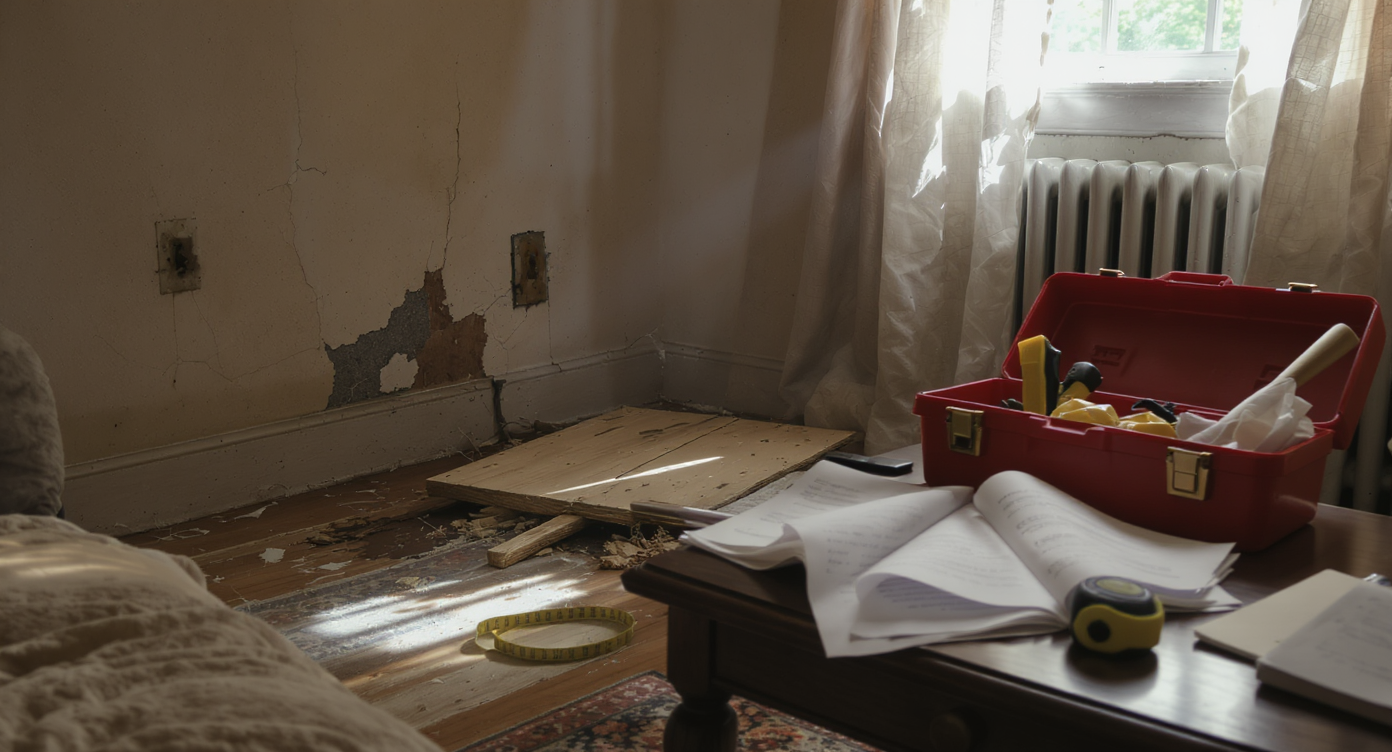
A detailed view of an older home’s living room mid-inspection, highlighting visible repairs, inspection tools, and real signs of potential issues.
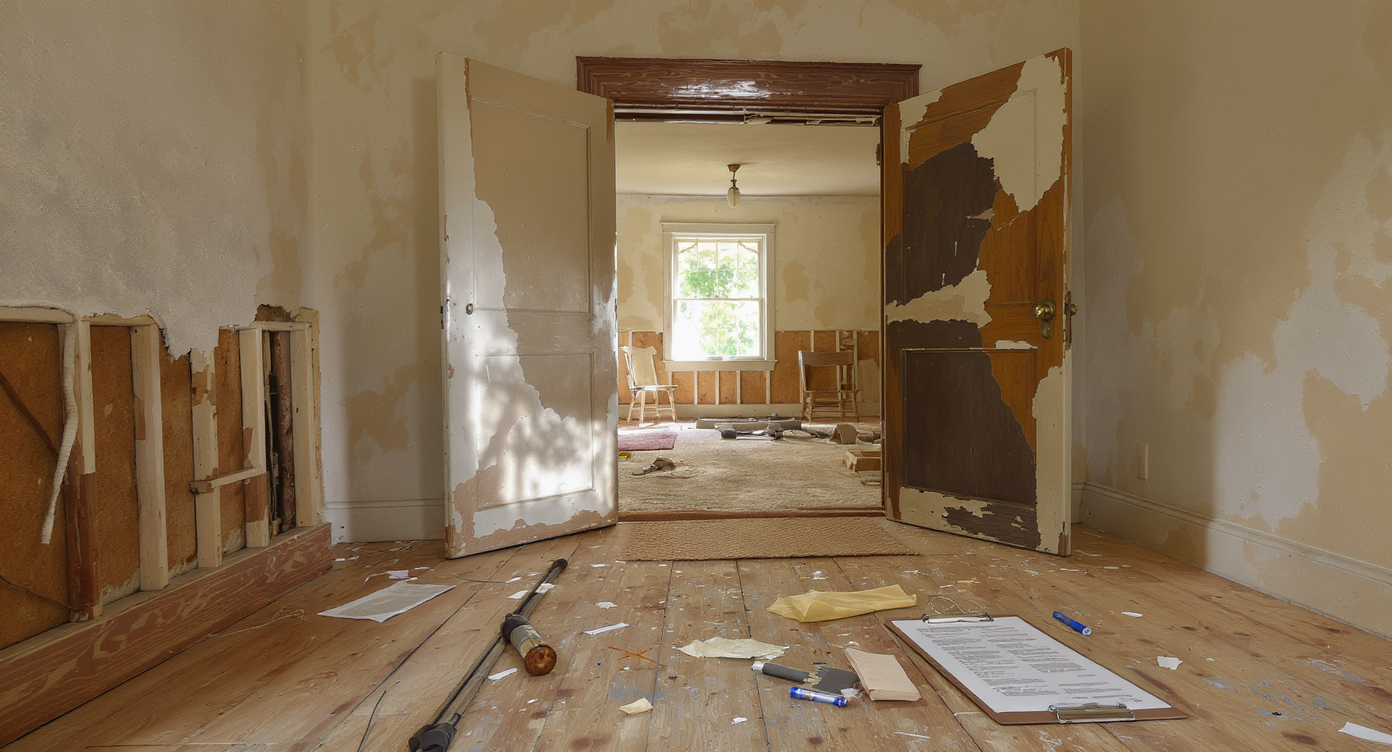
Choosing a house is always a leap of faith, but skepticism is healthy—especially when experienced family members warn it could be a money pit. From inspection uncertainties to questions about repairs and resale value, homebuyers should know which concerns to investigate and when expert advice really matters. Failing to ask the right questions or relying on incomplete information can lead to expensive mistakes, affecting finances, comfort, and long-term happiness in the home. This guide is for first-time buyers, DIY enthusiasts, and anyone facing big decisions about older homes that might need significant updates. Whether negotiating seller credits or deciding how to tackle repairs, working through the right questions can clarify what you’re truly buying—and how to protect yourself from avoidable errors and surprise costs. Here are the 11 most critical questions every buyer should ask before moving forward with a house that inspires more doubt than confidence.
-
1. Are Inspection Reports the Whole Story?
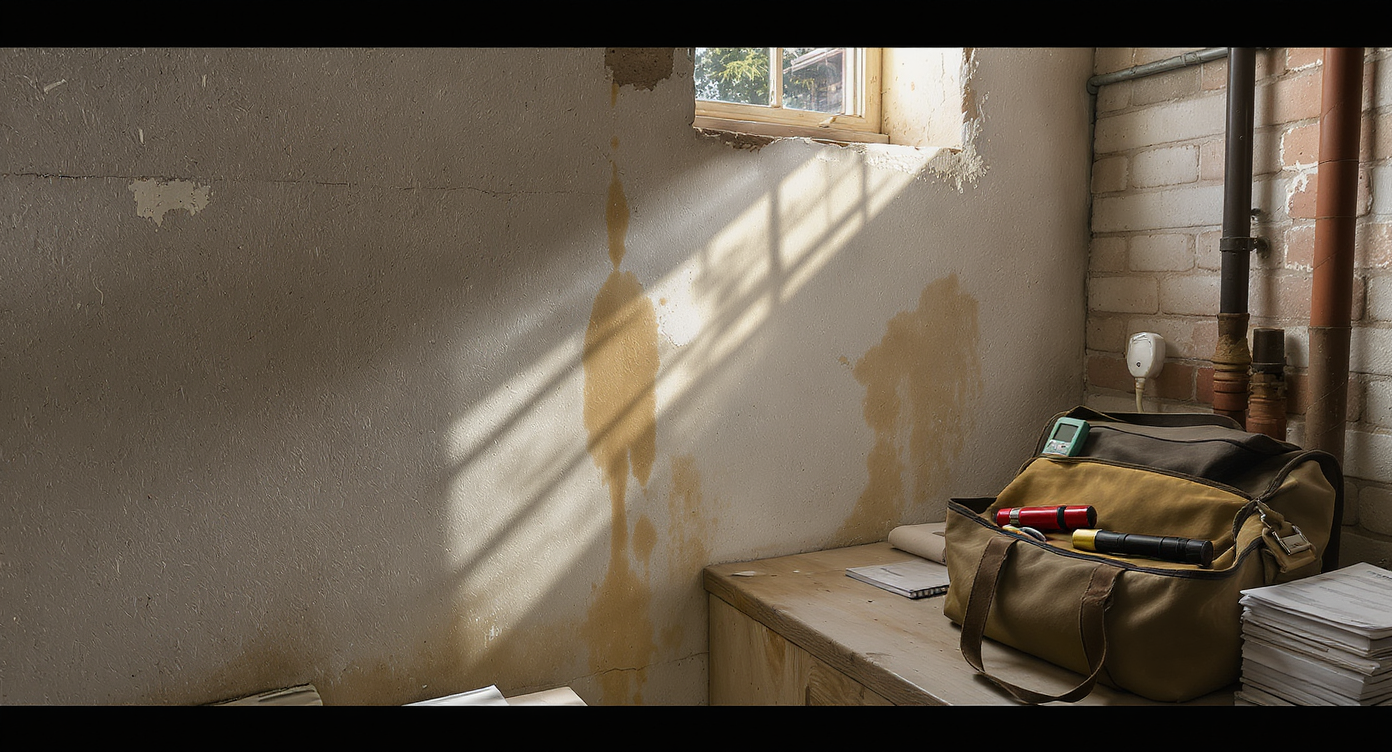
Basement scene with moisture stains and unused detection tools, illustrating how inspection reports can miss hidden water or structural issues.
Inspection reports are an important baseline, but their scope is inherently limited. Inspectors typically spot visible or surface-level problems, but many structural or water issues go undetected without specialist equipment or testing. For example, as we explored in our advice for first-time home buyers, even reputable pros might miss early signs of roof failure or basement moisture if conditions are dry on the day of inspection. Be present for the inspection, ask specific questions, and if the report hints at bigger problems, always seek additional specialist opinions.
-
2. Is the Roof an Immediate Dealbreaker—or a Negotiation Tool?
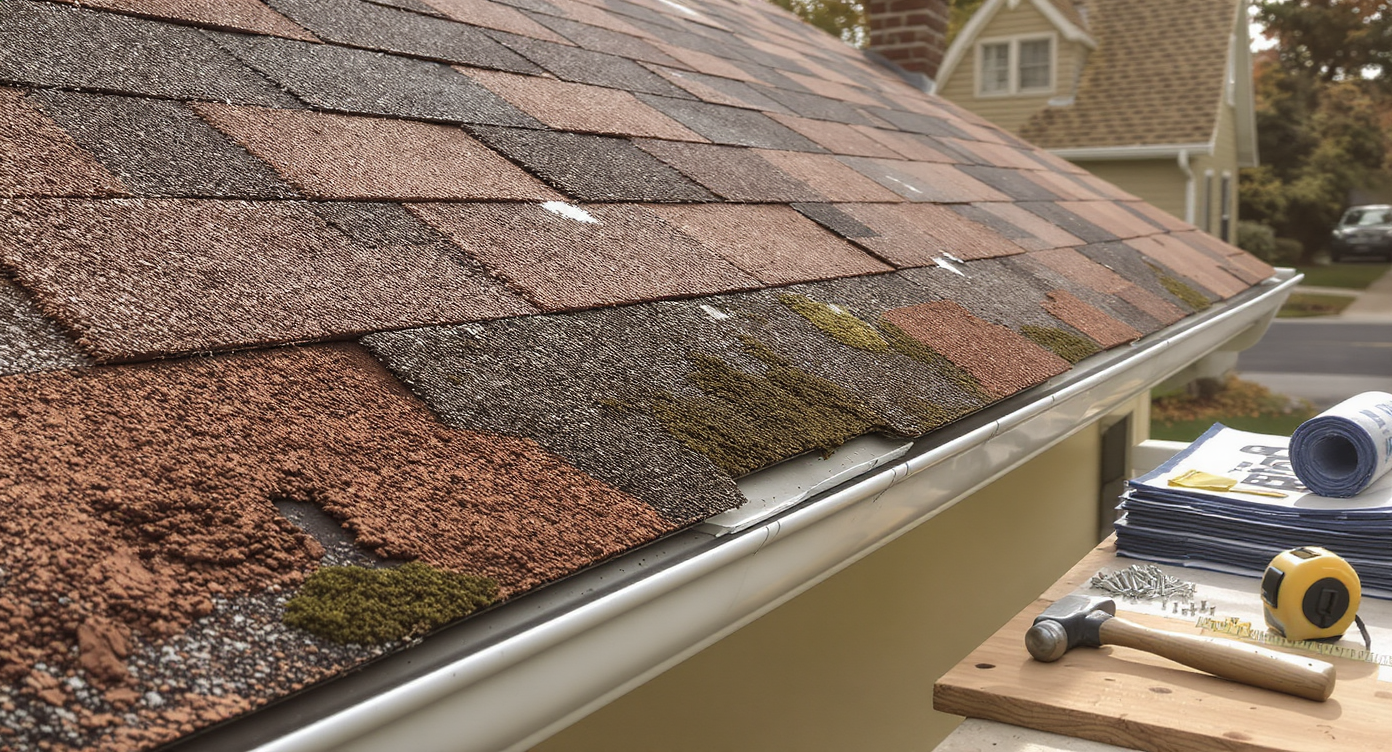
Aging roof with worn shingles and essential repair materials, illustrating the role of roof condition in price negotiation and closing.
A roof that needs immediate replacement is rarely a reason to abandon an otherwise promising home, but it is a major negotiation tool. The true cost can vary widely—materials, labor, roof complexity, and local market all play roles. Lenders and insurers often require a functional, insurable roof as a precondition for closing. If you uncover major roof issues, request a seller credit, price reduction, or repair performed before closing. Learn more about how DIY renovations and negotiations impact resale.
-
3. Does the Basement Leak—or Could It?
Even an occasionally damp basement can signal larger water management problems. Many buyers underestimate the cost and complexity of true waterproofing, mistaking a "small leak during heavy rain" for a minor fix. Real professionals often recommend inspecting basements in different weather conditions and seeking multiple quotes from experienced waterproofing contractors to avoid escalating moisture problems. Proper assessment protects both structural integrity and future resale value.
-
4. Should You Trust a Home Inspector, a Handyman, or a Contractor?
Home inspectors provide a generalist's view, while a qualified contractor or tradesperson offers deeper, trade-specific expertise. When inspectors recommend "further review by a qualified contractor," do not ignore this advice. Reputable third-party experts are crucial, especially for roofing and foundation concerns. Relying solely on a seller’s or realtor’s preferred providers can introduce bias; always source your own pros for critical issues.
-
5. How Do Insurance and Lender Rules Affect Your Decision?
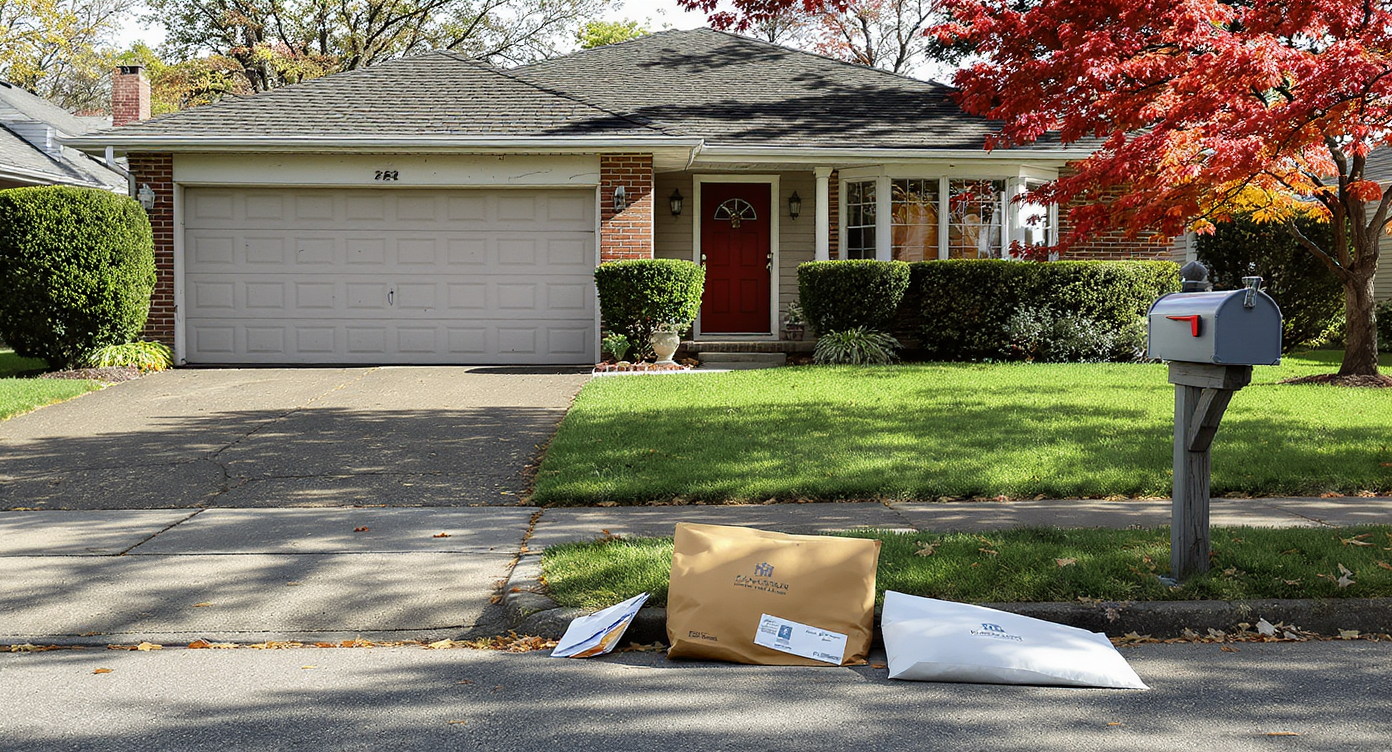
A home with visible exterior defects flagged by insurance and lender notices, highlighting the risks of missed repairs.
Many buyers are surprised when lenders or insurers flag issues missed by a basic inspection. Insurance companies often do their own drive-by assessments after closing and may demand urgent repairs—or even threaten to cancel coverage if conditions like an aged roof are not addressed. In some cases, lenders will refuse final approval for homes with significant defects. Reading up on lender and insurer expectations, as well as consulting your own insurance agent before closing, helps avoid last-minute surprises and gives you leverage to negotiate repairs upfront.
-
6. DIY vs Pro: Which Repairs Can You Realistically Handle?

Comparing minor DIY repairs to complex professional renovations highlights which fixes first-time buyers can handle safely.
Underestimating the scope or complexity of repairs creates real risk, especially for first-time buyers. DIY can make sense for minor cosmetic work, but larger issues like roofing, waterproofing, or structural modifications almost always require professional intervention due to safety, permit, and warranty requirements. As discussed in the guide about remodel projects and DIY value, poorly executed do-it-yourself jobs typically add little to resale value and can even reduce appeal.
-
7. What Are Realistic Repair Costs in Your Region?
A roof that costs $3,000 in one area could cost $10,000 or more elsewhere, depending on size, material, labor, and local regulations. Always obtain multiple quotes for any large repair to avoid being blindsided by regional price differences. Remember that old houses may have code or material requirements that drive up costs, and specialized labor (for example, historic barrel tile in hurricane zones) can be several times more expensive than standard asphalt shingles.
-
8. Are You Overlooking Other "Invisible" Issues?
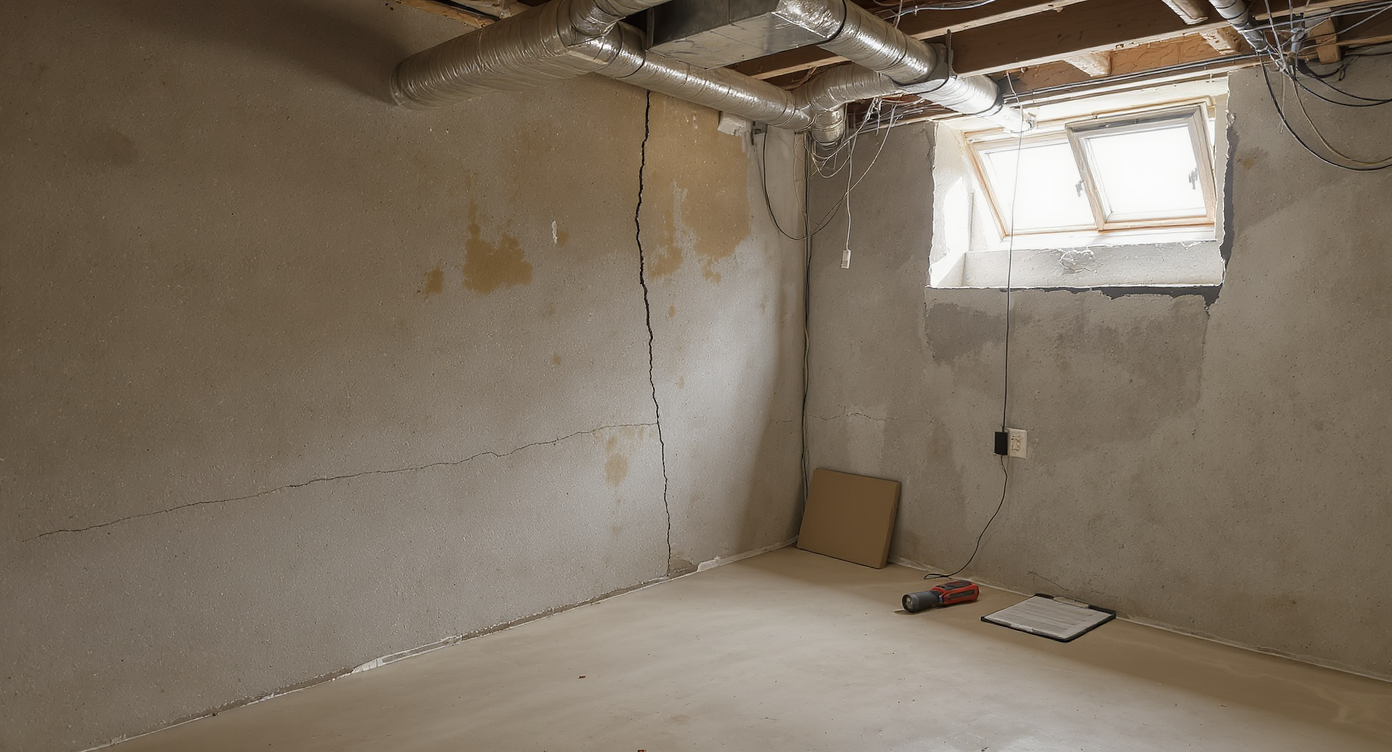
A detailed basement scene reveals a hairline foundation crack, exposed electrical wires, HVAC ducts, and inspection tools—reminding buyers to check for hidden home issues.
While a roof or basement may dominate discussions, many homes hide less visible but equally serious flaws. Electrical safety, foundation cracks, HVAC lifespan, and attic ventilation are all common culprits behind future expenses. For instance, undetected foundation settling can cause cracks that escalate into major projects. Inspect thoroughly and, for high-risk elements like basements, sometimes a small up-front fee for an engineer or specialist can prevent catastrophic costs, as shown by the value of a professional foundation assessment.
-
9. Can You Negotiate Seller Credits or Repairs?
In a competitive market, buyers sometimes feel pressured to accept homes "as is." However, major repair needs—like a failing roof or water-damaged basement—can still be leveraged for credits or price reductions, even late in the process. Insist on real quotes and written confirmation of needed work. Sometimes, structuring the deal with an escrow account for repairs allows you to finance urgent work as part of the mortgage, easing out-of-pocket expenses and providing immediate protection for your investment.
-
10. Is Your Dream Home Actually Worth the Renovation?
Emotionally charged decisions can cloud judgment, particularly in fast-paced markets or when unique architectural features are involved. Take a step back to compare the total cost of purchase and renovation against the value of comparable move-in-ready homes. Sometimes, the right choice is to walk away if projected repairs push total costs too high. Read up on old versus new home value analysis to better understand your options.
-
11. How Will Your Plans Impact Future Resale and Personal Value?
Consider both your own comfort and how future buyers will view the work you do. Some remodel projects boost use or enjoyment without adding resale value, while others—like proper roof replacements or professionally waterproofed basements—pay dividends at sale time. Tools such as REimagineHome.ai can help you model layout changes or visualize finished spaces, supporting smarter decisions about where to invest your time and money.
FAQ: Homebuying Risks, Repairs, and Negotiations
Visible roof or foundation issues, persistent dampness, undocumented repairs, and hidden defects in major systems all suggest expensive repairs may be ahead. Always ask for specialist inspections where warranted.
Can I rely on a general home inspection for major renovation decisions?
General inspections are only a starting point. Always seek specialized evaluations for critical areas such as roofs or structural elements, and use digital planning tools like REimagineHome.ai to explore potential layouts or renovations before deciding.
If a roof needs to be replaced, should I still buy the house?
It depends on your budget, timeline, and whether you can negotiate a satisfactory price reduction, seller credit, or repair. Sometimes, as our research on DIY renovation value for resale shows, cosmetic fixes are achievable, but large repairs should not be taken lightly.
How can I avoid errors when deciding on DIY vs pro repairs?
Be honest about your abilities and review zoning or permitting requirements. For anything critical to the home’s structure or water-tightness, professional advice is crucial. Explore your options with visual tools and get real estimates before committing.
Can I back out of a purchase if new issues are discovered?
Most contracts include contingencies for major defects discovered before closing. However, the timing and terms matter. Consult with your real estate agent, and if possible, negotiate for repair credits or escrow solutions if you wish to proceed despite new findings.
Key Takeaways on Avoiding Money Pit Mistakes
Every home, old or new, comes with maintenance needs and moments of doubt—especially when family members or friends expect disaster. The difference between a smart investment and a true money pit lies in your willingness to ask tough questions and confirm answers with reliable, independent experts. Thorough inspections, careful budgeting for professional renovations, negotiation with sellers, and tools like REimagineHome.ai for testing design ideas all reduce risk and support lasting satisfaction. Informed buyers turn potential pitfalls into opportunities for custom homes that match their vision and resources.