7 Telling Raspberry Variety Lessons from Home Garden Trials
TL;DR
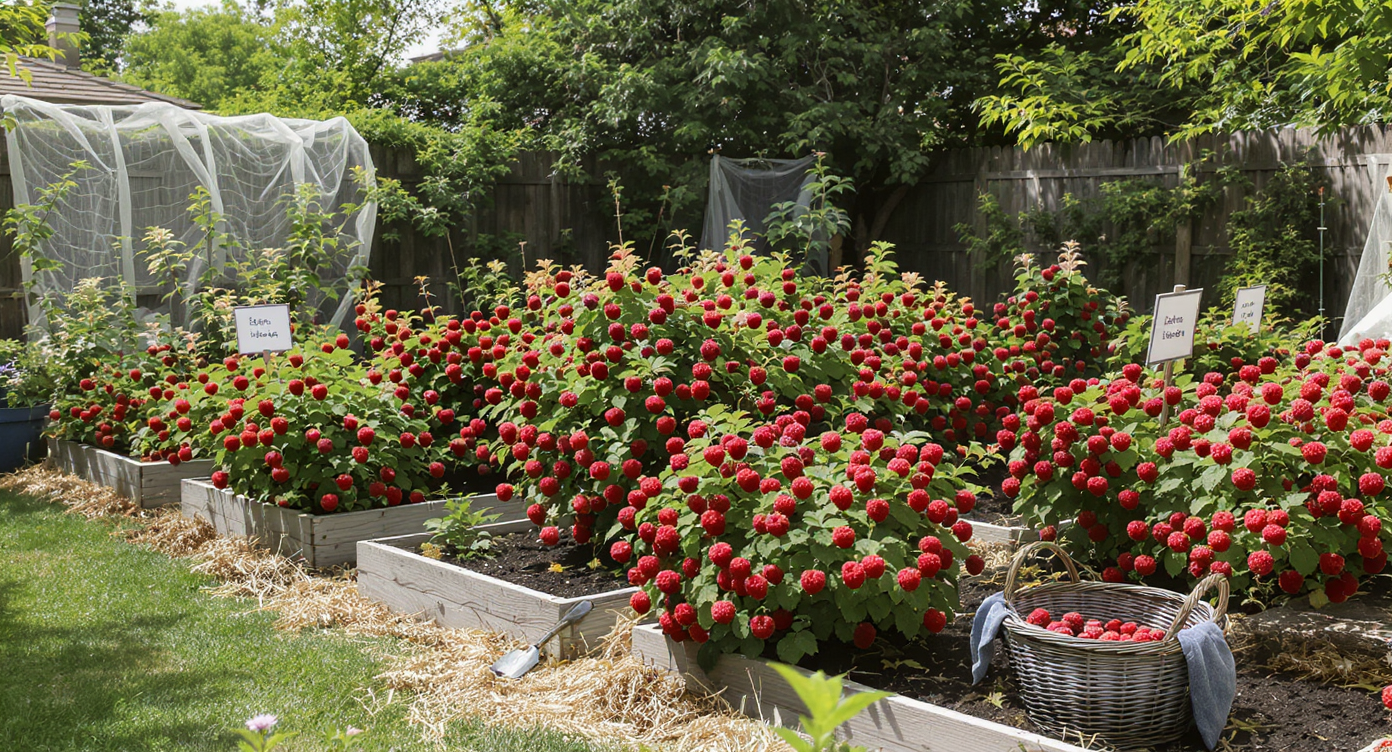
Choosing the right raspberry varieties means balancing taste, yield, and adaptability to local climate. Firsthand trials show that not all berries perform the same, even in similar gardens. Understanding their differences and care needs can help home gardeners create a productive, enjoyable berry patch.
Why Raspberry Variety Selection Matters for Home Gardens
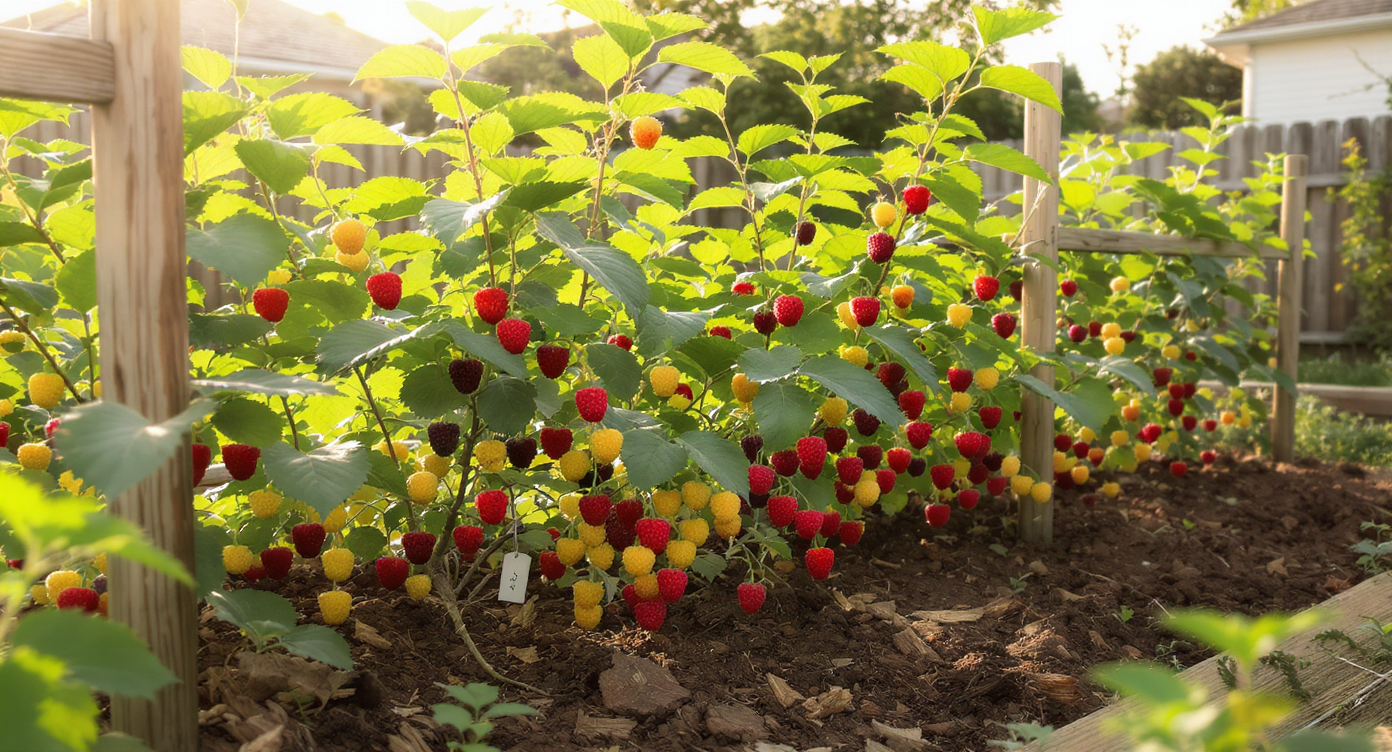
A home garden raspberry patch displays different colored berry varieties, natural mulched soil, and supporting trellis for thriving canes.
The abundance and quality of raspberries you harvest depend not just on diligent care or good soil, but on choosing varieties that thrive in your local conditions. While store-bought berries often disappoint with bland flavor, homegrown raspberries can be surprisingly sweet, rich, and rewarding if you pick cultivars suited to your garden’s microclimate. Whether you are planning with ai landscaping design for homeowners or selecting plants for your green spaces, the differences between red, yellow, and even purple varieties can be dramatic. Productivity, flavor profile, thorniness, and climate resilience all play key roles not only in harvests, but also in how much maintenance your patch demands. The following seven lessons reflect real-world decisions and outcomes from gardeners who experimented widely—offering practical advice for anyone wanting better berries at home.
-
1. Cultivar Matters Most for Productivity Year One
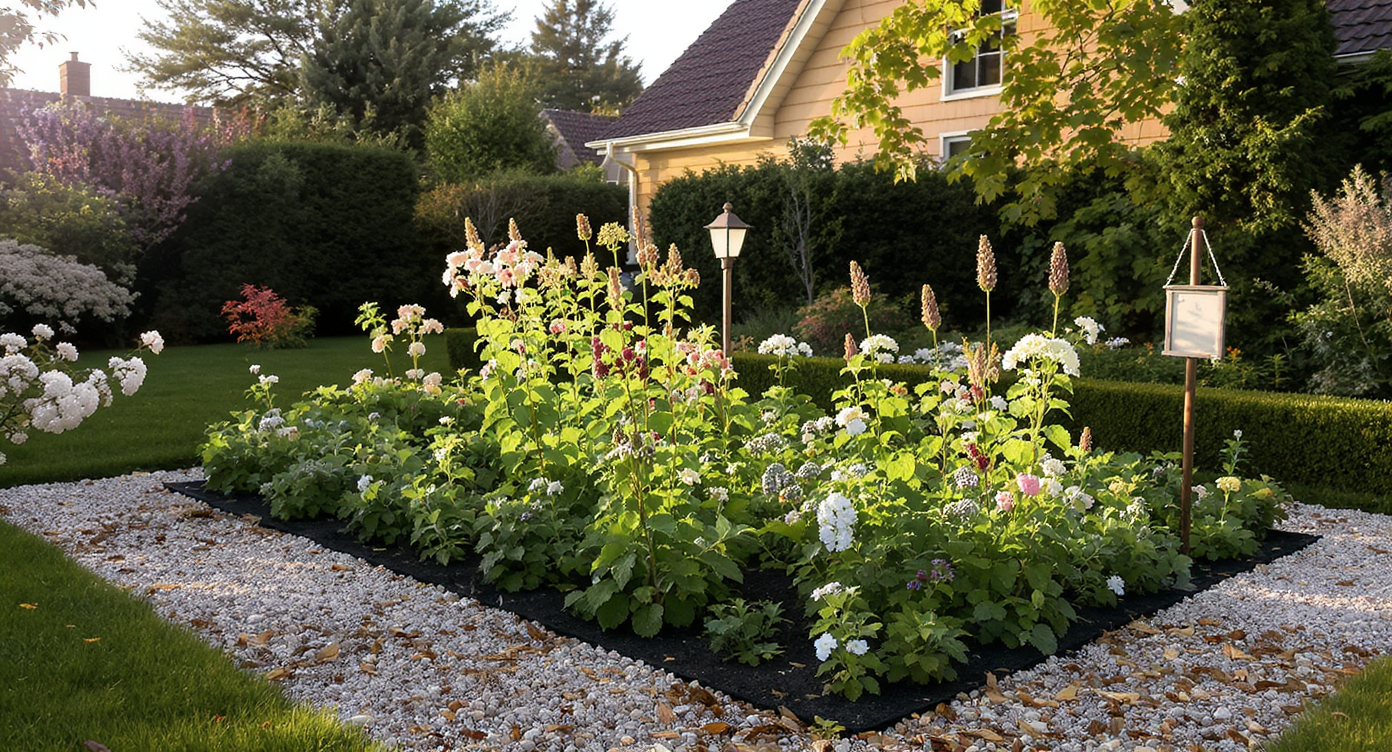
Raspberry bed with contrasting variety markers—abundant fruit on 'Himbo Top' canes versus sparse fruit on another—highlighting cultivar impact year one.
When establishing a berry patch, many gardeners discover that choice of variety is the biggest predictor of yield in the very first year. For example, Himbo Top—a red primocane cultivar—produced abundant, inch-long fruit from a bare root start, while others lagged behind even with similar care. This trend mirrors advice found in vegetable gardening guides, where variety selection is often as important as soil or pruning technique. For high-yield planting, start by researching which raspberry types consistently deliver for gardeners in your climate.
-
2. Flavor Quality Trumps Store-Bought Berries
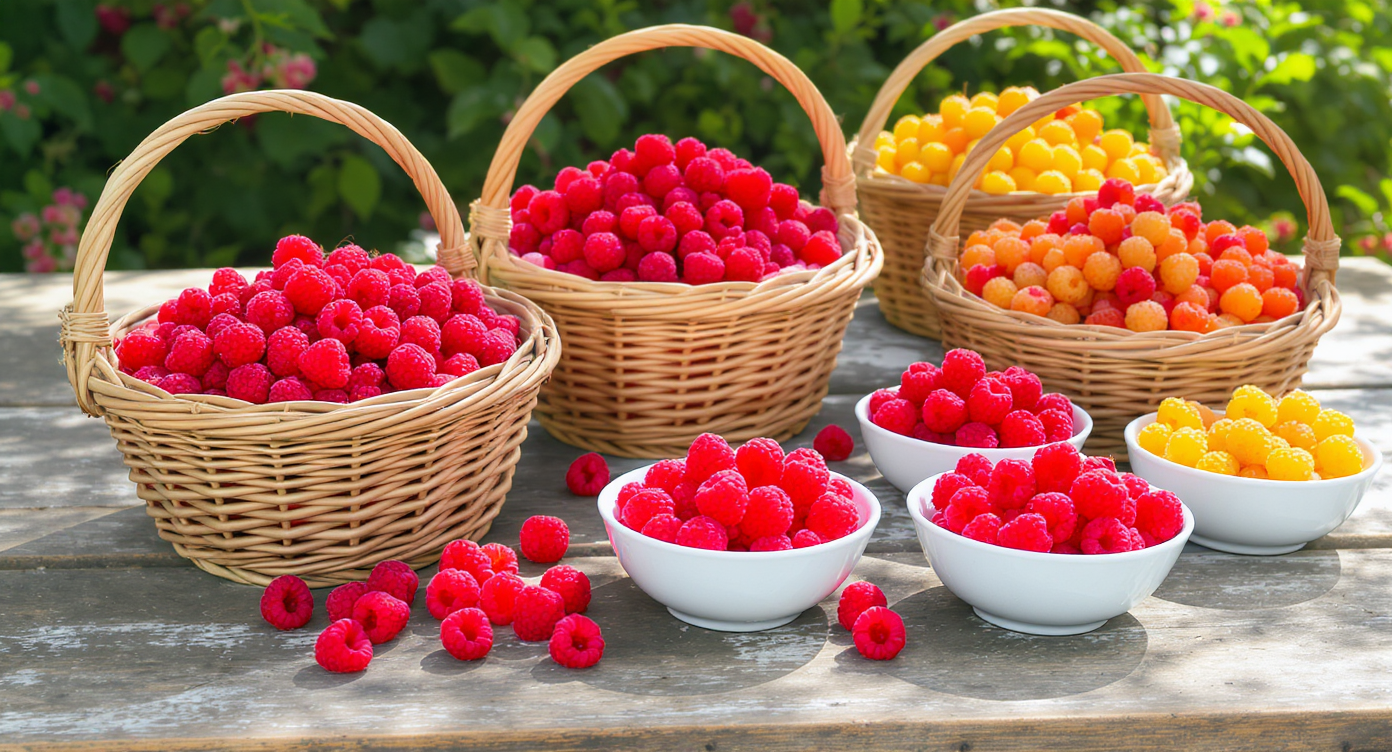
Home-harvested Joan J, Nantahala, and Anne Yellow raspberries showcase richer flavors and variety than typical store-bought berries.
Home-grown raspberries routinely provide far richer flavor than conventional store-bought options. For instance, gardeners frequently report that Joan J and Nantahala varieties taste sweeter, with the latter described as “candy-like” even when under-ripe. Anne Yellow stands out with a unique apricot note rarely found in supermarkets. While some cultivars impress with pure productivity, flavor-driven choices tend to create a more memorable home garden harvest—key for those designing gardens around the enjoyment of fresh-picked produce.
-
3. Climate Adaptation Is the Real Secret to Success
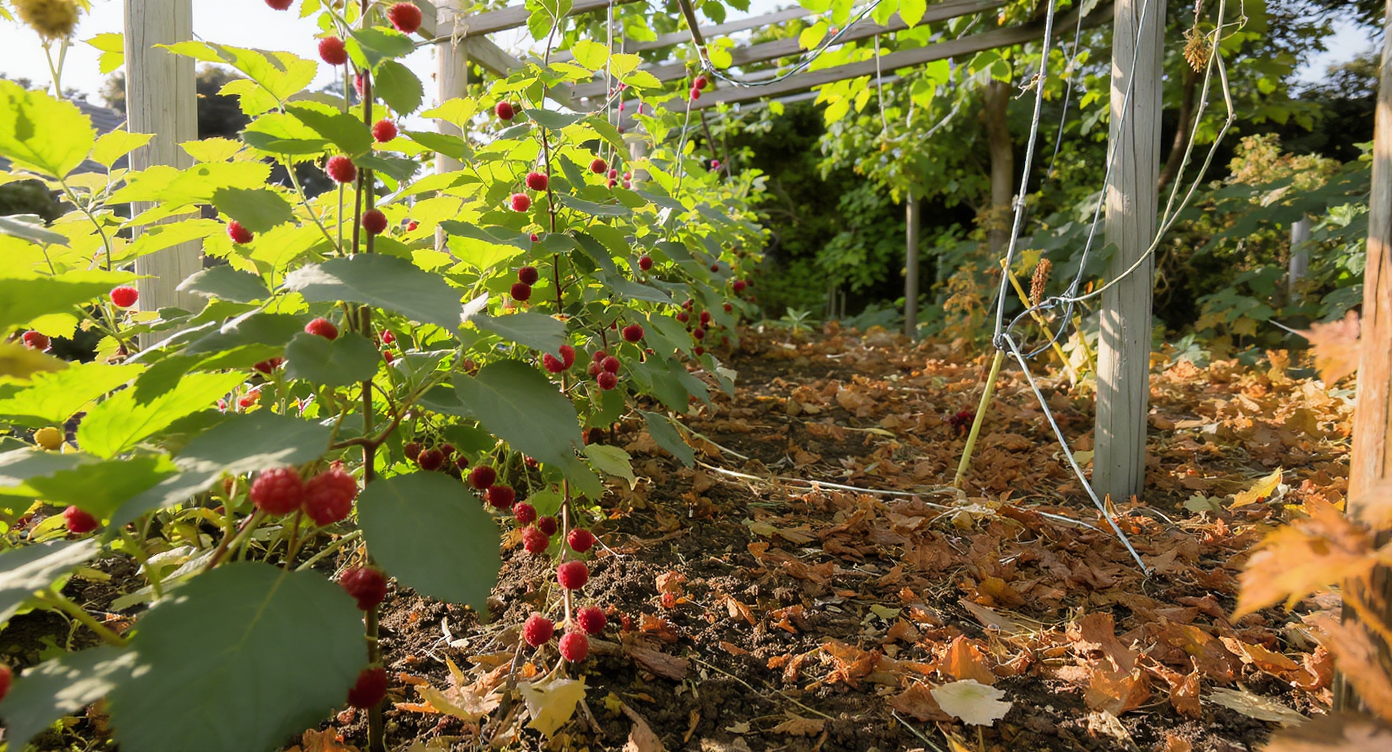
A raspberry bed set up in a warm climate, showing how partial afternoon shade from a pergola helps plants thrive compared to those exposed to full sun.
Success with raspberry varieties isn’t only about labels—local climate shapes results as much as genetics. Some types, like Heritage, may underperform or even fail in hot or drought-prone regions. Gardeners in warm locations such as southern California’s zone 10B have noted that partial afternoon shade is crucial for preventing plants from wilting or fruit from drying out. Choosing cultivars adapted for your temperature range and adjusting site placement based on sun exposure will almost always outperform generic advice. These strategies echo the need for climate-appropriate choices discussed in low-maintenance landscaping guides.
-
4. Thornlessness and Manageability Make a Difference
The presence of thorns impacts how enjoyable berry picking and pruning are, especially for families with children. Joan J, nearly thornless, stands out for convenience, and Glencoe, which is fully thornless but less productive in the trial period, gets high marks for ease of maintenance. Conversely, highly productive types with severe thorns, like Nantahala, require more caution and maintenance. For green spaces built to encourage gathering and snacking, looking for thornless or nearly thornless cultivars can transform the experience.
-
5. Unique Colors and Tastes Add Diversity
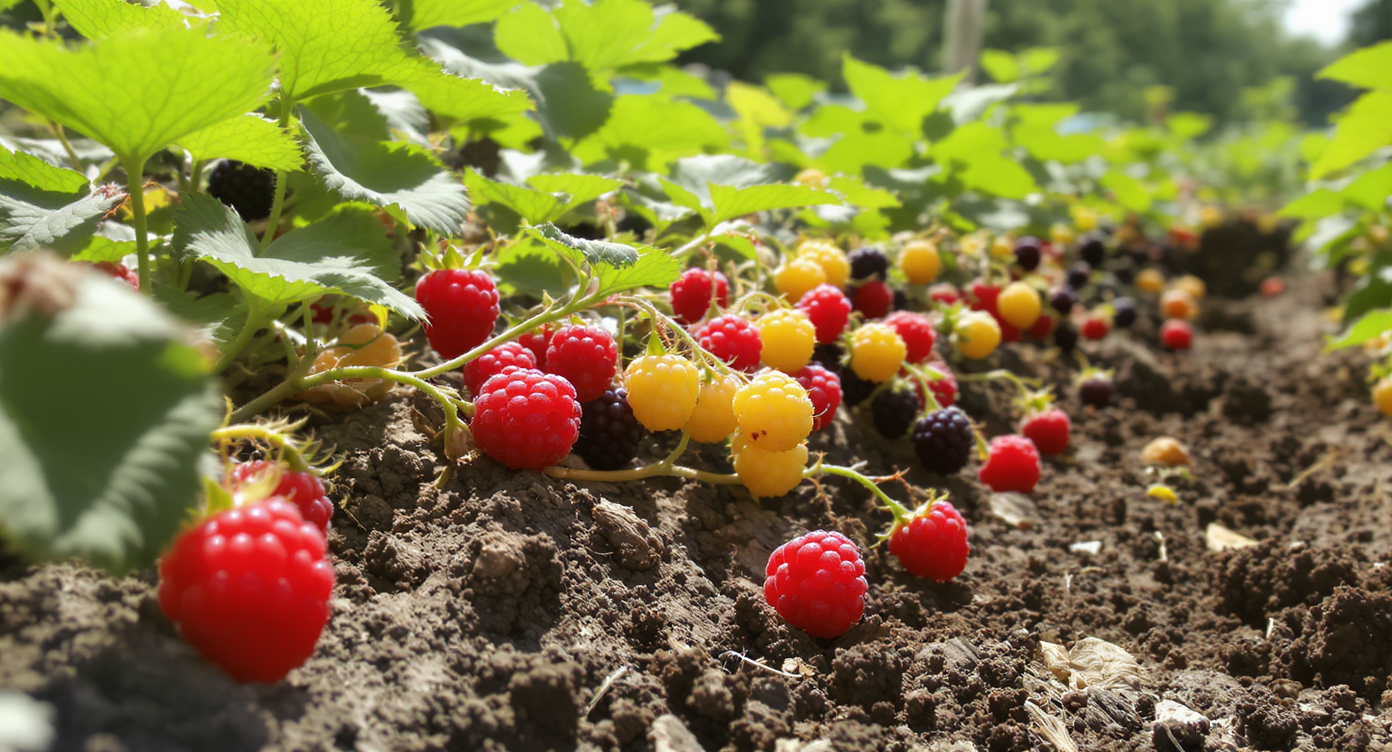
A home garden raspberry bed featuring red, Anne Yellow, and Glencoe purple raspberries, showcasing diverse berry colors and flavors.
Red isn’t always best—yellow and purple raspberries can deliver unique flavors and visual variety for home landscapes. Anne Yellow, with its mild apricot sweetness, brings both color and taste diversity, while Glencoe provides a rare purple hue. While yields may be lower for such cultivars compared to top red types, the added interest enriches both the garden’s look and its culinary offerings. For anyone using garden design ai to plan vibrant or edible landscapes, mixing colors and berry types fosters appealing contrasts and resilience.
-
6. Soil Preparation and Planting Method Set the Stage
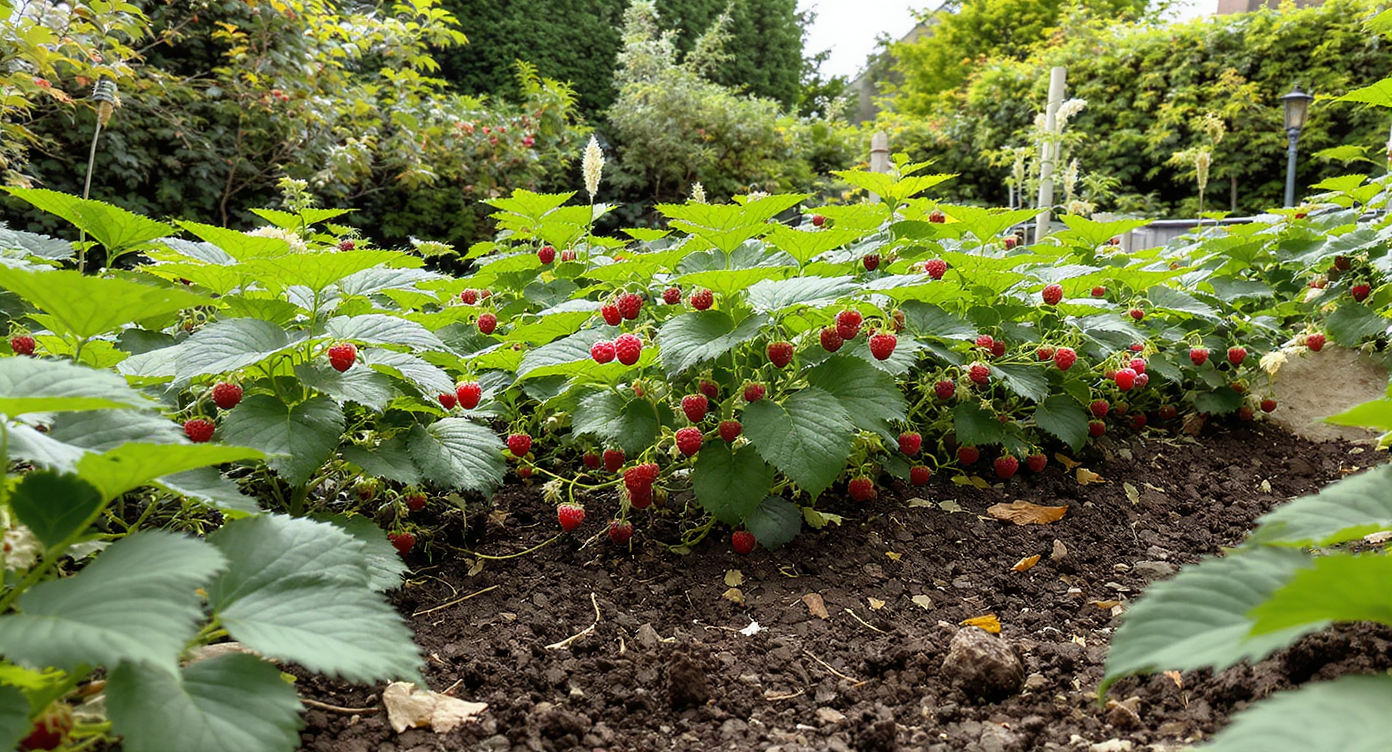
Amended raised garden bed with bare root raspberry canes, soil additives, and tools arranged for optimal planting success.
Success with fruiting canes hinges on healthy roots and the right foundation. Gardeners report best results when planting bare roots with generous amendments—such as garden mix, peat moss, perlite, organic fertilizers, or mycorrhizae—mimicking strategies advocated in professional guides for vegetable gardening. Several growers also recommended container-grown canes to help control vigor and placement, especially in hotter climates or smaller backyards. Good soil prep remains a universal principle, crucial whether you’re starting berries or other calorie-dense crops as explored in the beginner survival garden guide.
-
7. Patience and Adaptation Bring Long-Term Rewards
Not every variety flourishes from the start. Some, like Bababerry or Glencoe, may produce little the first year but show dramatic growth in cane length or future promise. Environmental tweaks—like relocation to a cooler spot or improved afternoon shade—can revitalize underperformers. Pruning old canes and supporting new growth with trellising ensures patches stay productive and manageable year after year. Flexibility, experimentation, and regular observation are as vital for raspberry success as for any other homegrown crop.
Raspberry Variety Selection FAQ
Many primocane or everbearing types, like Himbo Top and Joan J, can yield fruit the same year they are planted from bare root stock. Floricane types usually bear in the second year.
Which raspberry variety tastes best to most gardeners?
Taste is subjective, but Anne Yellow, Nantahala, and Joan J frequently receive high praise for their rich flavors beyond standard red options.
How do I keep raspberries productive in hot or dry climates?
Providing afternoon shade, consistent soil moisture, and good organic soil amendments helps, along with choosing heat-tolerant varieties. Evaluating garden layout and microclimate with tools from REimagineHome.ai can support better planning.
Do I need to plant raspberries with trellising?
Most types benefit from support structures to keep canes upright and encourage airflow, which leads to cleaner, healthier fruit.
What Home Gardeners Gain from Varietal Raspberry Trials
Variety selection shapes every aspect of the home raspberry harvest, from ease of picking to flavor and annual yield. Gardeners who compare multiple cultivars develop a nuanced understanding of how climate, soil, and care interact with plant genetics. Experimentation also ensures taste and enjoyment remain central to garden design. Homeowners can use tools like REimagineHome.ai to visualize berry patches and optimize placement according to sun, shade, or design preferences, supporting greener outdoor spaces with purpose and charm.