Does Offering a Branded Moving Truck Actually Help Your Real Estate Business?
TL;DR
Providing a branded moving truck or trailer to clients can boost visibility and client goodwill in real estate, but it’s a decision filled with nuanced tradeoffs. While clients remember the extra service, real-world challenges like insurance, scheduling, and maintenance can outweigh the marketing benefits. The strategy succeeds when it aligns with brand values, client expectations, and your business operations.
The Allure of an Unexpected Client Perk

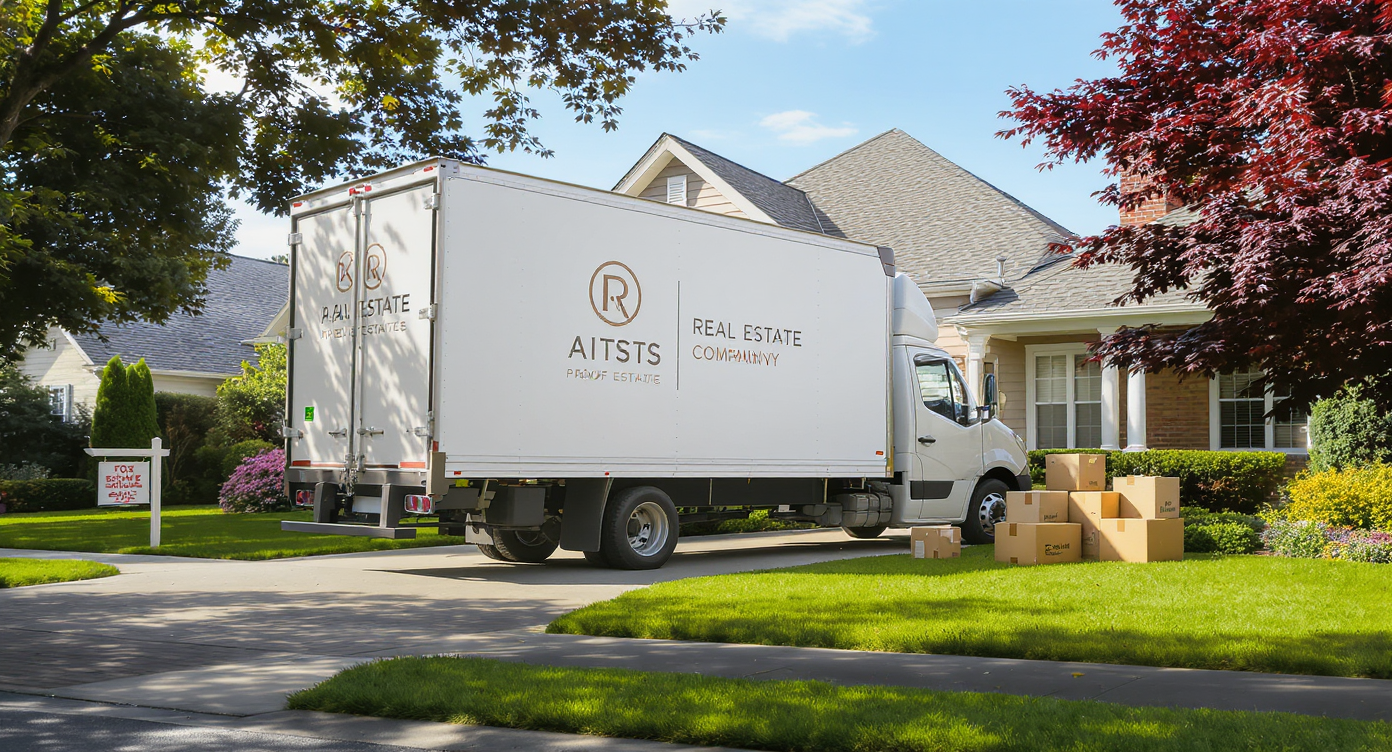
A professionally branded moving truck parked at a residential curb, rear door open and loaded with boxes, illustrating a real-life moving day.
Almost every real estate agent is looking for that extra edge—a memorable service, a distinctive flair, or a branding play that genuinely stands out. In recent years, the idea of providing a branded truck or van for clients to use during their move has gained traction. At first glance, it offers irresistible appeal: clever marketing, a useful perk, and a rolling billboard around neighborhoods you want to work in. But is the payoff real? As agents constantly search for meaningful ways to enhance the buying and selling experience, this strategy sits at the crossroads of utility and image. Enthusiastic stories swirl around social media and industry groups, but for every glowing anecdote, there is an equal share of cautionary tales. The deeper you dig, the more you realize that the moving truck, like any marketing tool, is far from one-size-fits-all.
-
More Than a Gimmick: When Value and Visibility Align
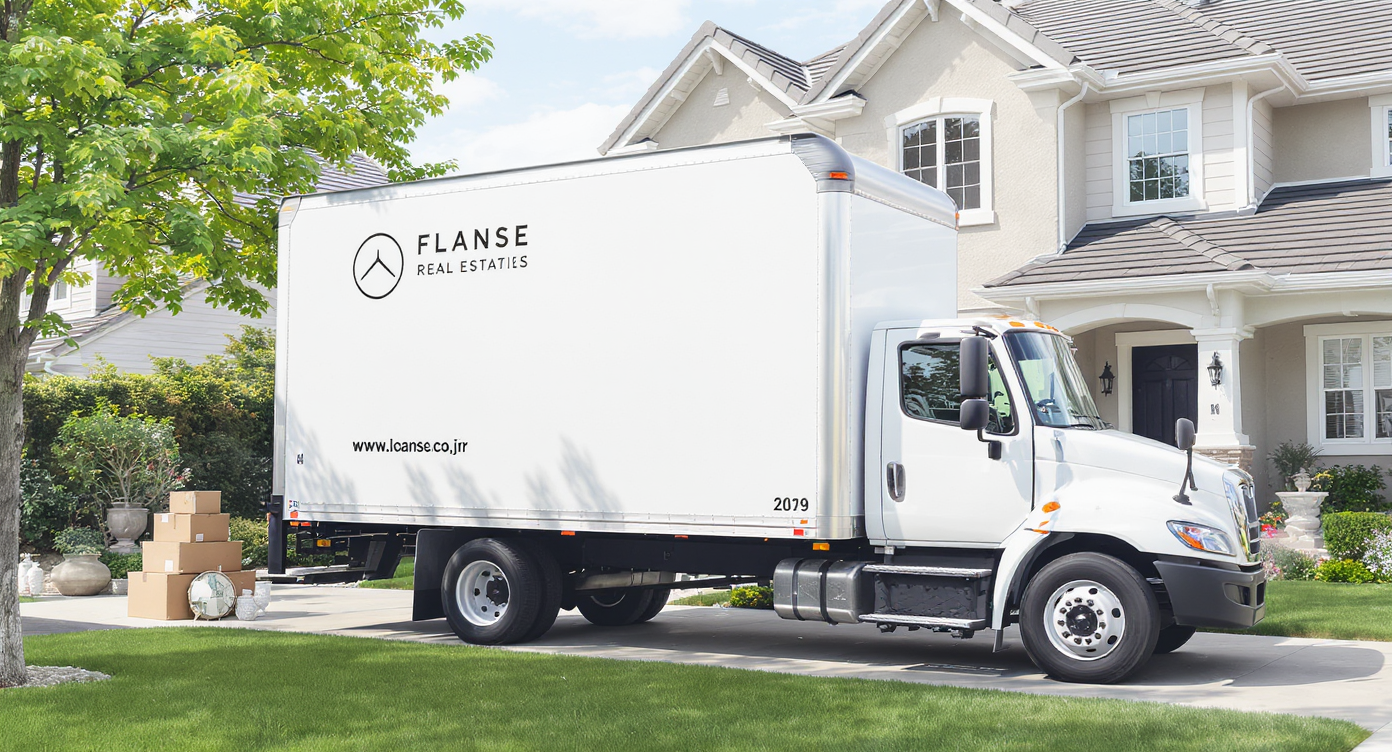
A freshly wrapped, minimalist branded moving truck adds discreet value and visibility at a professionally staged suburban real estate listing.
The visual of a freshly wrapped box truck or trailer—emblazoned with a smart logo and a succinct offer—can make a powerful impression. It’s a compelling asset for listing visuals and opens up opportunities for organic marketing. Clients remember the experience, and the truck’s presence at open houses and in local neighborhoods contributes to a sense of established credibility. Many agents find it doubles as a utility vehicle for staging flow, hauling décor, delivering signage, or setting up community events, adding quiet efficiency behind the scenes. Branding needs, however, require careful attention. Subtle, tastefully designed wraps often attract more admiration than a loud, cluttered approach. Some successful agents opt for minimalist branding—favoring just a company name and website—to avoid alienating clients who prefer discretion. Others let happy clients spread the word, relying less on billboard-style advertising and more on quiet referrals and word-of-mouth.
Expert Insight
A midwestern agent, inspired by community-first real estate strategies, provided a low-key, branded trailer for her clients. It quickly became a staple at open houses and charity events. Clients appreciated the gesture, and neighborhood awareness quietly increased. However, after a season marked by back-to-back scheduling hiccups and escalating repair bills, she realized that scaling the service required either a dedicated operations team or a pivot to gift cards and moving partnerships.
-
The Practical Realities: Logistics, Cost, and Risk
A worn branded moving truck in a secured lot, with maintenance tools, cleaning gear, and insurance documents highlighting frequent logistical challenges.
Owning and lending out a moving vehicle is not as simple as it first sounds. Insurance quickly emerges as a prime challenge—commercial liability policies designed for vehicle sharing can be expensive, with coverage nuances that leave many agents surprised. Maintenance is another recurring concern. Vehicles used by amateur movers inevitably endure heavier wear and tear, sometimes requiring frequent cleaning, repairs, or even early replacement. Scheduling can become complex as clients' moving timelines overlap, and issues around deposits, vehicle cleanliness, and damages occasionally become sources of friction. Agents who have tried the strategy for years sometimes cite the steady march of unforeseen headaches, from misused fuel types to traffic violations incurred by clients. Finding secure and accessible storage space for larger trucks or trailers adds yet another logistical layer. For some, alternative solutions like offering rental credits or partnering with local moving companies provide a cleaner, less fraught path to delivering extra value.
-
Brand Experience: Knowing Your Audience and Market
The effectiveness of this moving truck strategy depends heavily on neighborhood norms and client profiles. In luxury markets, high-end clients may bypass the offer entirely, preferring full-service moving crews. In contrast, first-time buyers or mid-market sellers often find the service a pleasant, practical perk. It pays to assess the typical client journey in your area. Savvy agents use the service as both a branding device and an opportunity to create deeper client connections, often accompanying clients during the move, or hosting block parties where the truck is present. This demonstrates approachability and builds a sense of community, especially in tight-knit neighborhoods. The shared experience reinforces the agent’s reputation for thoughtful service—a business asset just as valuable as any clever advertising strategy.
-
Anecdote
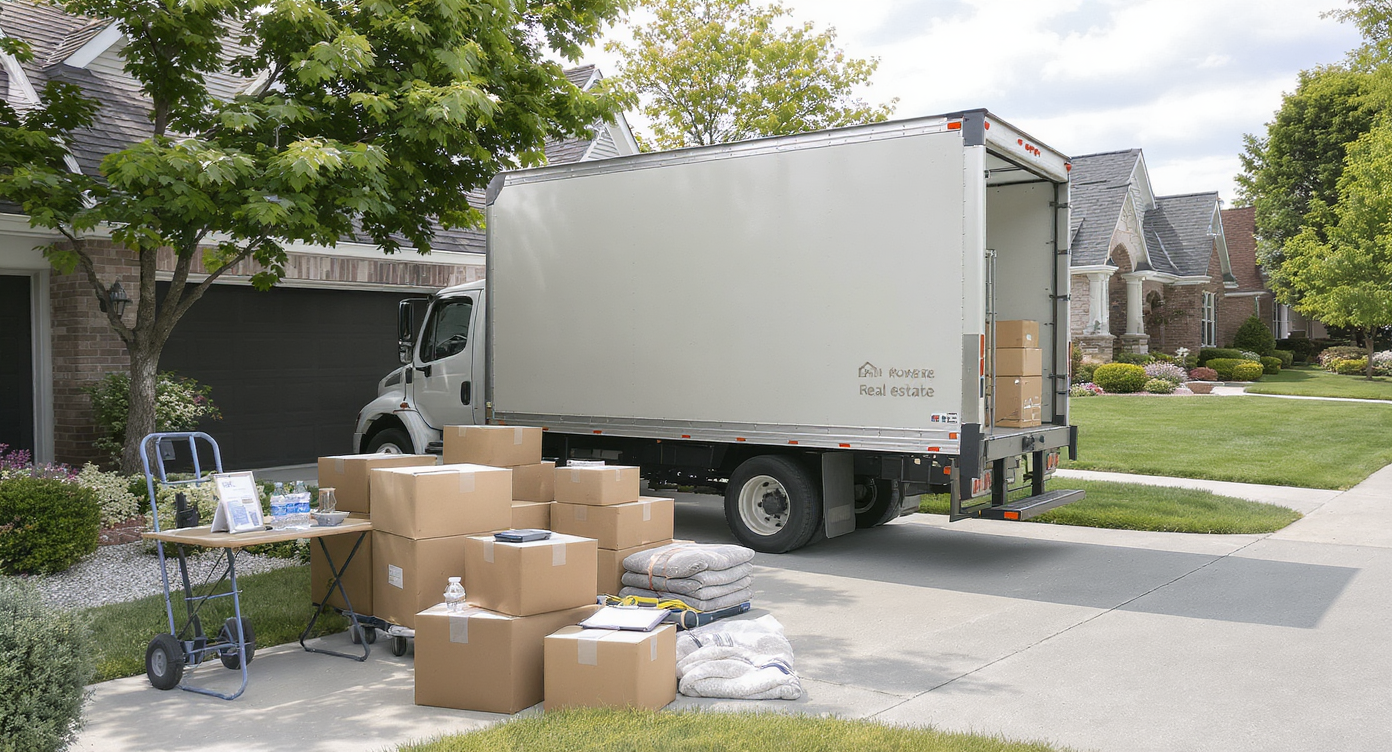
A modest, branded moving truck prepared for client use sits in a suburban driveway, surrounded by moving supplies and subtle signs of community involvement.
Consider the experience of a seasoned agent in a suburban market. For five years, they offered a modest, tastefully branded box truck for clients to use. In practice, it worked wonders for staging flow—helping sellers clear clutter before listing and giving buyers an added boost on move-in day. It also appeared at local charity drives and neighborhood festivals, quietly underscoring their connection to the community. But after a few years, challenges became increasingly time-consuming: scheduling mishaps, unexpected repair bills, and insurance claims mounted. Eventually, the agent pivoted to partnering with a local moving company—still offering real help to clients, but with far less exposure to logistical headaches.
-
Common Mistakes to Avoid
One of the most frequent pitfalls is underestimating ongoing costs. It’s easy to focus on the initial vehicle purchase without factoring in maintenance, higher commercial insurance, and branding upkeep. Some agents let branding needs overpower design sensibilities, leading to cluttered wraps that don’t resonate with target clients. Others offer the service in markets where it adds little genuine value, missing their audience entirely. Ignoring compliance or failing to secure proper waivers and legal documentation can also spell trouble. Agents sometimes overlook local regulations that may restrict such inducements or forget to tailor their messaging within fair housing rules. Overestimating the impact on referrals or return business, without tracking real client feedback, is another trap.
-
Tips or Expert Insights
Top producers suggest approaching this strategy with clear-eyed realism. Begin by assessing your true branding needs and the kinds of clients you typically serve. If pursuing a branded vehicle, invest in tasteful, minimalistic wrapping and ensure your legal and insurance requirements are fully addressed. Instead of defaulting to a truck or van purchase, some recommend offering a moving expense credit, partnering with rental companies, or negotiating bulk discounts for your clients—methods that can minimize hassle while maximizing perceived value. Subtle branding, well-designed listing visuals, and meaningful follow-up communication often convert more referrals than a flashy fleet. According to our insights on real estate agent soft skills, authentic, visible service often matters more to clients than overt self-promotion.
-
How to Use This in Your Next Designs
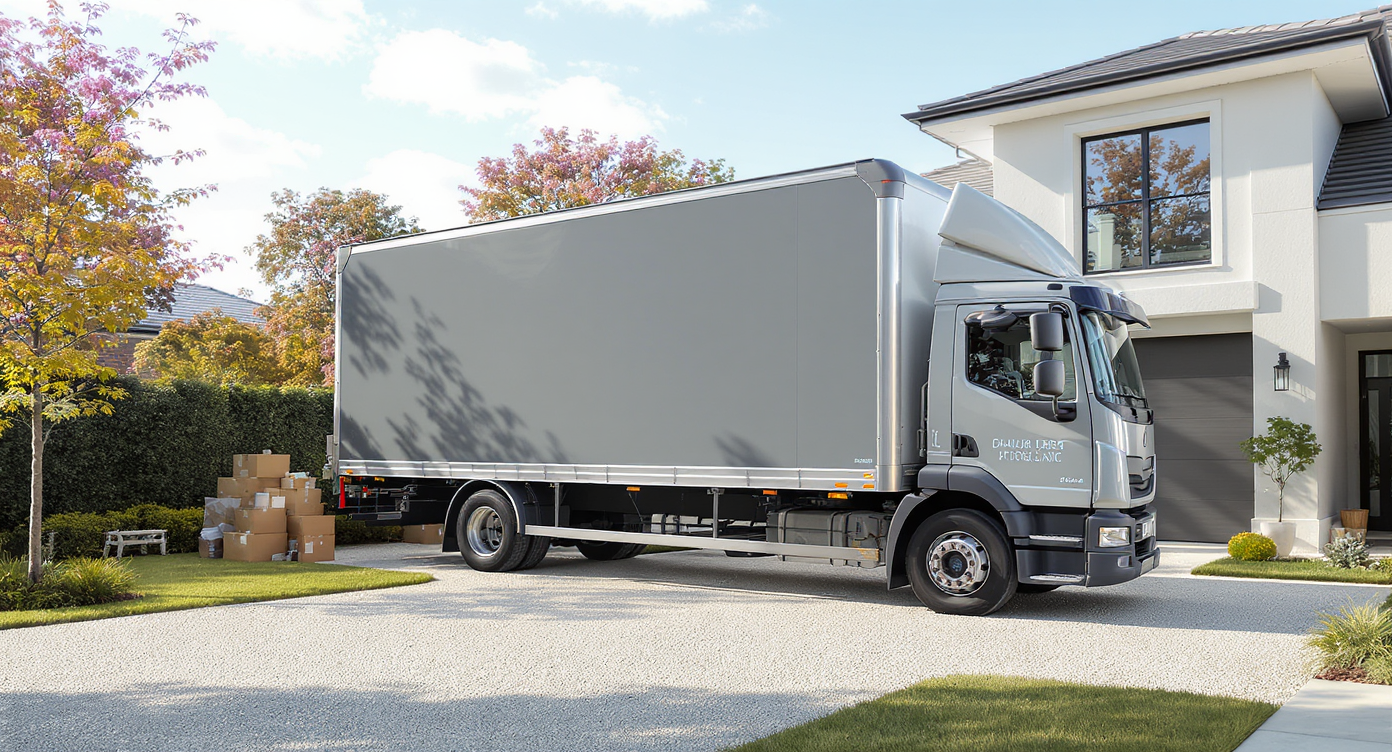
A branded moving truck staged in a pristine driveway beside an elegant home, enhancing real estate listing photography and visual storytelling.
For design-minded professionals, the concept goes beyond buying a truck. Think about how the visual story of your service unfolds across every touchpoint. Listing visuals are enhanced by thoughtfully staged scenes—whether it’s the presence of a branded vehicle in a driveway or curated images of move-in day. Staging flow is improved when clients can quickly declutter, and this enables more emotionally engaging home photography. If you adopt this approach, ensure the vehicle’s appearance aligns seamlessly with your overall branding: clean, understated, and reflecting the lifestyle aspirations of your ideal clients. Consider producing social content or testimonials featuring satisfied clients using—or simply appreciating—the extra service. Not every real estate brand needs a truck, but every brand benefits from well-integrated, client-centered storytelling.
-
Visualization Section
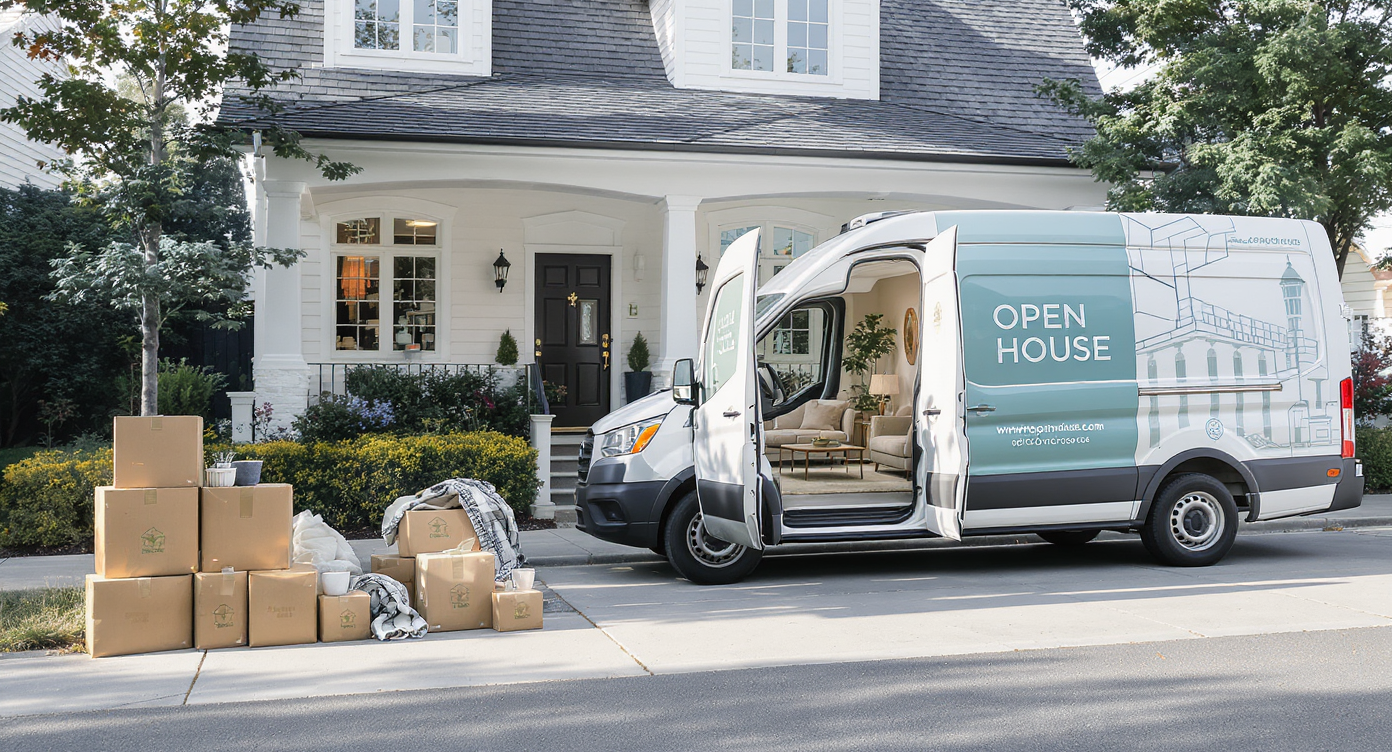
A branded moving van at an open house, with inviting staging inside the home and moving kits displayed curbside—showcasing real estate service and marketing.
Picture a neighborhood open house: a tastefully wrapped van parked outside welcomes guests. Inside, the seller’s furniture has been smartly rearranged with help from the agent, highlighting spacious staging flow for each room. Later, a happy buyer poses beside the vehicle, keys in hand, snapping a quick photo for social media. In another scenario, the agent’s team uses the truck to transport staging accessories and deliver branded moving kits—a subtle reminder that service extends long past the closing table. Each visual moment becomes both a marketing asset and a tangible benefit for the client.
Visualization Scenario
Imagine preparing for a listing photoshoot: your staging inventory loads smoothly into a sleek box van bearing subtle branding. When clients move, they snap smiling photos with the vehicle and share them online, reinforcing your brand’s presence in the neighborhood. Over your career, neighbors start greeting you as the go-to agent, not just for your market knowledge, but for thoughtful touches that ease moving day.
Frequently Asked Questions
Not necessarily. Evaluate whether the service genuinely adds value for your target demographic. In some markets, a moving credit or rental partnership may be more meaningful.
Does vehicle branding actually help with real estate referrals?
Branding provides visibility, but the quality of your service and authentic connections usually have the strongest impact. Tasteful branding can reinforce positive experiences, especially if integrated with community events and listing visuals.
How can I minimize my risk if I lend a vehicle?
Work with an attorney to draft clear waivers and invest in commercial insurance. Some agents prefer partnering with rental providers to avoid direct liability.
Are there alternatives to owning a truck for marketing?
Yes. Consider offering moving expense credits, arranging partnerships with rental companies, or creating bespoke moving kits—options that often cost less and are less risky.
Where can I find more ideas for creative marketing in real estate?
Explore more strategies and insights at ReimagineHome.ai.
Finding the Right Fit for Your Brand
A branded truck, van, or trailer can indeed serve as a powerful addition to a real estate marketing toolkit, but only when it’s shaped by business realities, client preferences, and thoughtful branding. Before investing, weigh the true impact on your workflow, risk profile, and reputation. For most agents, success is less about owning a truck and more about offering thoughtful, memorable service in every interaction. When those moments are captured in listing visuals, woven into staging flow, and reinforced through consistent branding, word-of-mouth follows. For additional inspiration on creative community marketing strategies and the business side of real estate, visit ReimagineHome.ai.