9 Realities Homeowners Face with Impossible Neighbors
TL;DR
Persistent conflicts with neighbors can snowball into major disruptions, affecting everything from sleep and safety to property value. Disagreements over noise, lighting, parking, and the limits of HOA support go far beyond minor annoyances. This list explores common issues and why they often push even reasonable homeowners to make drastic decisions.
Why Neighbor Disputes Can Make or Break a Home
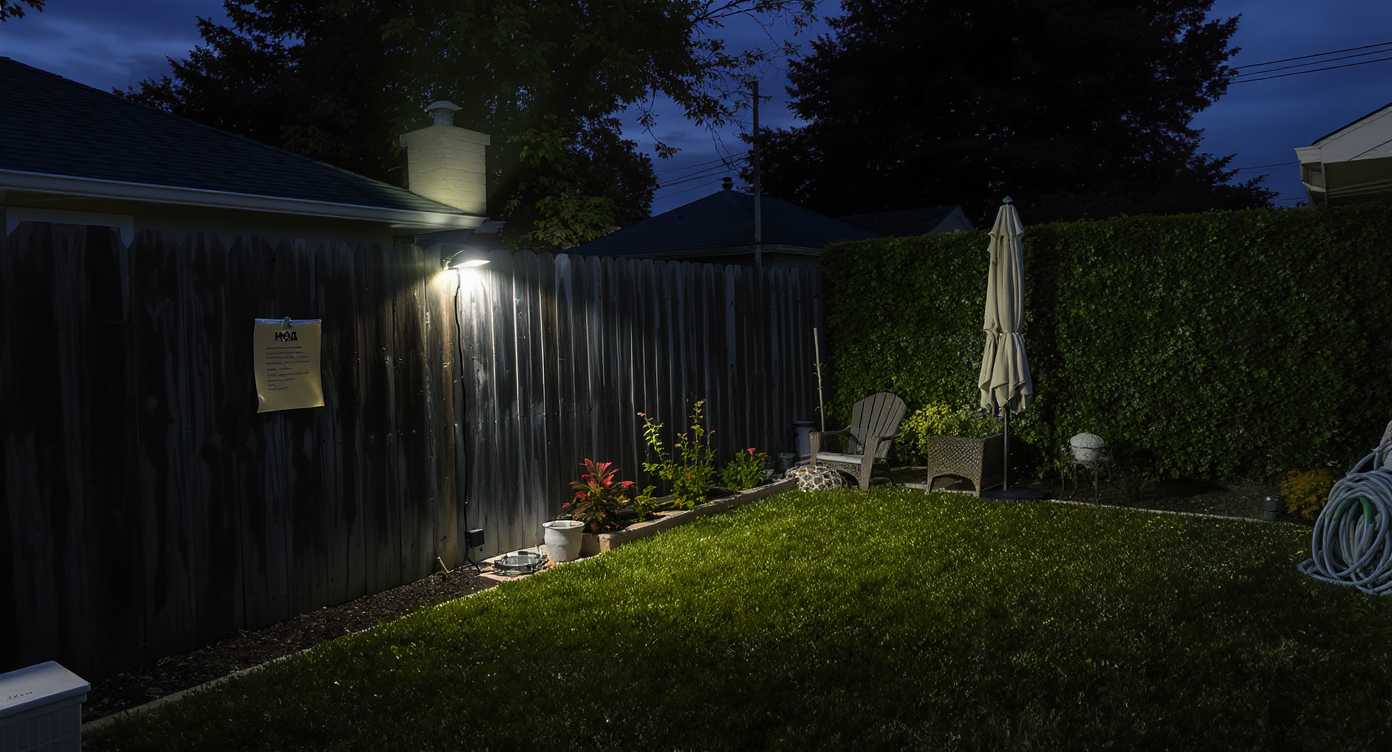
A realistic scene of neighborhood tension: intrusive floodlight, visible HOA notice, and contrasting maintenance highlight homeowner challenges.
Living next to a difficult neighbor can turn homeownership from a dream into a daily challenge. While many expect routine annoyances, ongoing conflicts about noise, lighting, or boundaries can undermine comfort, investment, and sanity. For prospective buyers and current residents alike, understanding these conflicts is crucial. Neighborhood disputes rarely end with a single conversation or an easily solved request. Instead, patterns of disrespect or ongoing violations—especially when they escalate to repeated HOA issues or prolonged lighting issues—can cause homeowners to rethink their entire living situation. This realities-focused list spells out the consequences that often go unspoken and offers concrete examples to guide your own next steps.
-
1. Negative Impact of Persistent Noise and Clutter
A tidy suburban yard sits alongside a cluttered neighboring property littered with tools and a drum set, highlighting noise and mess issues.
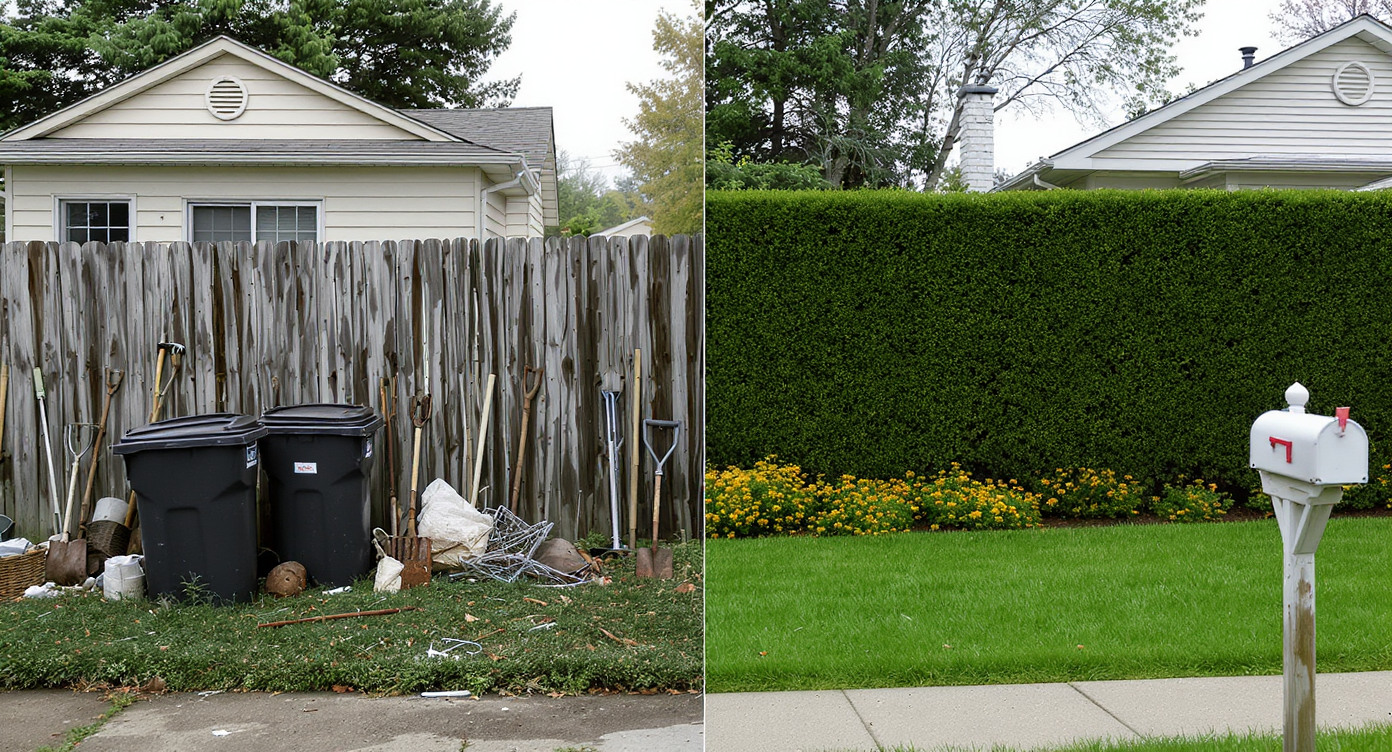
Noise and clutter are among the top triggers for ongoing homeowner frustration. Early morning lawn mowers, nighttime leaf blowers, or erratic drum practice can disrupt routines, sleep, and peace of mind. The effect is more acute where homes are close or sound insulation is poor. Legal options such as city noise complaints might bring short-term relief, but enforcement is often inconsistent. As many residents discover, these disruptions not only fray nerves—they can also prompt decisions as drastic as selling a beloved home to escape the soundscape. Addressing yard mess and visual clutter is just as critical; a tidy exterior, as shown in our coverage of low-budget lawn repair, can reduce points of tension before they escalate.
-
2. When Lighting Becomes a Battle
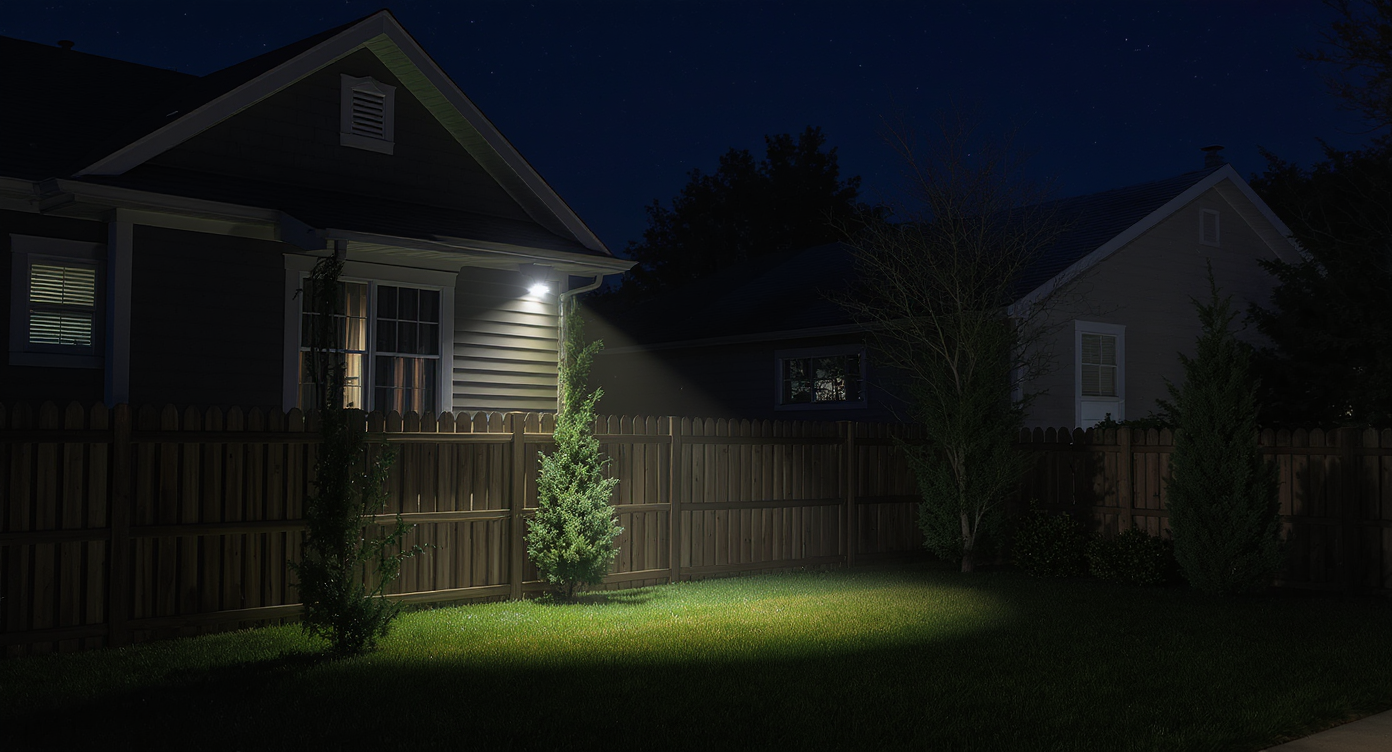
One house's floodlight directly illuminates a neighbor’s curtained window as new shrubbery is planted to reduce unwanted nighttime light.
Lighting issues, such as floodlights pointed directly into bedrooms or floodlit yards at night, frequently arise in suburban neighborhoods. The intent—security or convenience—often becomes a major intrusion. Homeowners frequently struggle to find compromises, experimenting with blackout curtains, new window treatments, or even creative solutions such as reflective barriers. In practice, persistent lighting disputes tend to fuel resentment and retaliation. When residents repeatedly file complaints or adjust their outdoor lighting in response, the focus shifts from shared enjoyment of the neighborhood to an ongoing standoff. Sometimes, as evident in our landscape planning guides, professionals recommend strategic plantings or fencing to diffuse light naturally, but these solutions are rarely simple to implement.
-
3. HOA Issues: Limits and Loopholes
Homeowners associations (HOAs) are often envisioned as safeguards against disruptive neighbors, but reality may differ sharply. Many HOAs enforce rules unevenly or lack the authority to intervene in noise or lighting disputes. Residents in some communities find the board reluctant or unable to take effective action. This gap between homeowner expectations and HOA limitations often leads to ongoing frustration. In certain cases, pushing for stronger enforcement or joining the board can help, but as documented in many accounts, even well-intentioned boards may become entangled in personal politics or budget priorities. For homeowners dealing with persistent neighbor problems, understanding the nuances of their HOA’s policies—and their own recourse through municipal bylaws—becomes a survival skill.
-
4. The Escalating War Over Parking
Parking is a surprisingly common source of friction, especially on streets with limited space or overlapping driveways. Longtime residents may treat street parking as their own private territory, igniting feuds with newcomers. Some homeowners pursue creative legal remedies, such as securing exclusive parking permits or pressing for stricter enforcement. Others discover that confrontations can escalate to aggressive behavior or even involve towing or reporting to authorities. As one example, parking disputes layered atop broader tension—such as intrusive landscaping or property line debates—can create a cycle in which grievances stack rather than resolve. Over time, this can dramatically impact neighborhood cohesion.
-
5. How Noise and Lighting Issues Lower Property Values
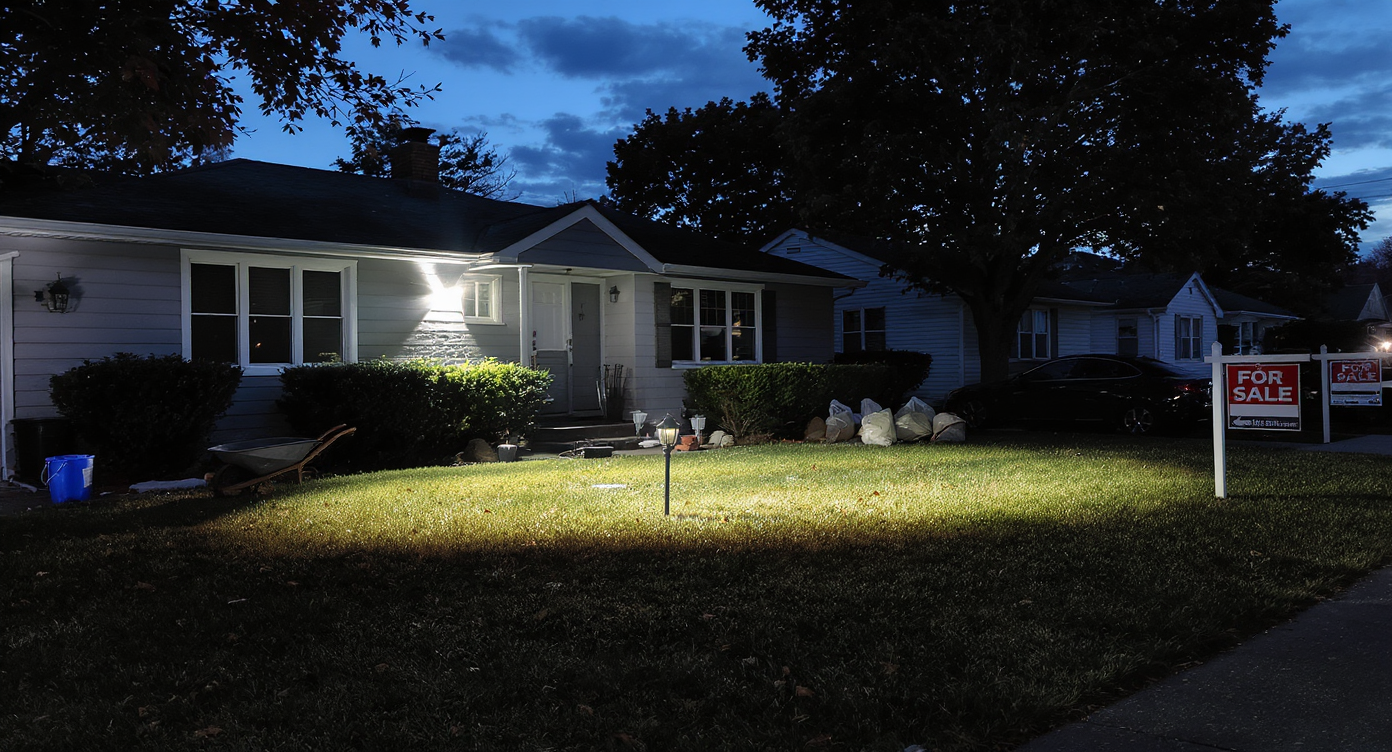
A patchy lawn with overbearing security lighting and outdated fixtures demonstrates how visible neglect and lighting issues can reduce home value.
Repeat complaints about noise and excessive lighting can affect home value, sometimes without the seller or buyer even realizing it at first. In neighborhoods known for blaring security lights, dawn-to-dusk yardwork, or chronic parties, real estate agents may quietly shift listings elsewhere. In some markets, sellers must disclose ongoing neighbor conflicts during a sale, which can depress price or lengthen time on the market. Even when not disclosed, visible HOA issues or a trashed exterior can send warning signals. Homeowners considering a sale should address visible and audible trouble—such as cleaning up the yard or updating fixtures—before listing, as described in this actionable lawn replacement plan that demonstrates quick curb-appeal fixes.
-
6. Emotional Exhaustion and the Limits of Tolerance
Living with chronic hostility or nightly disturbances has proven mental and physical health consequences. Fatigue, anxiety, and irritability regularly arise when homeowners cannot relax on their own property. This emotional toll often pushes people to their breaking point—sometimes much faster than the financial or legal roadblocks. For many, a sense of dread at home leads to seeking out new neighborhoods, and difficult moves. Even the prospect of confrontation can deter some from addressing complaints directly, leading to a slow withdrawal from everyday enjoyment and participation in the community.
-
7. Attempts at Retaliation Rarely Deliver Peace
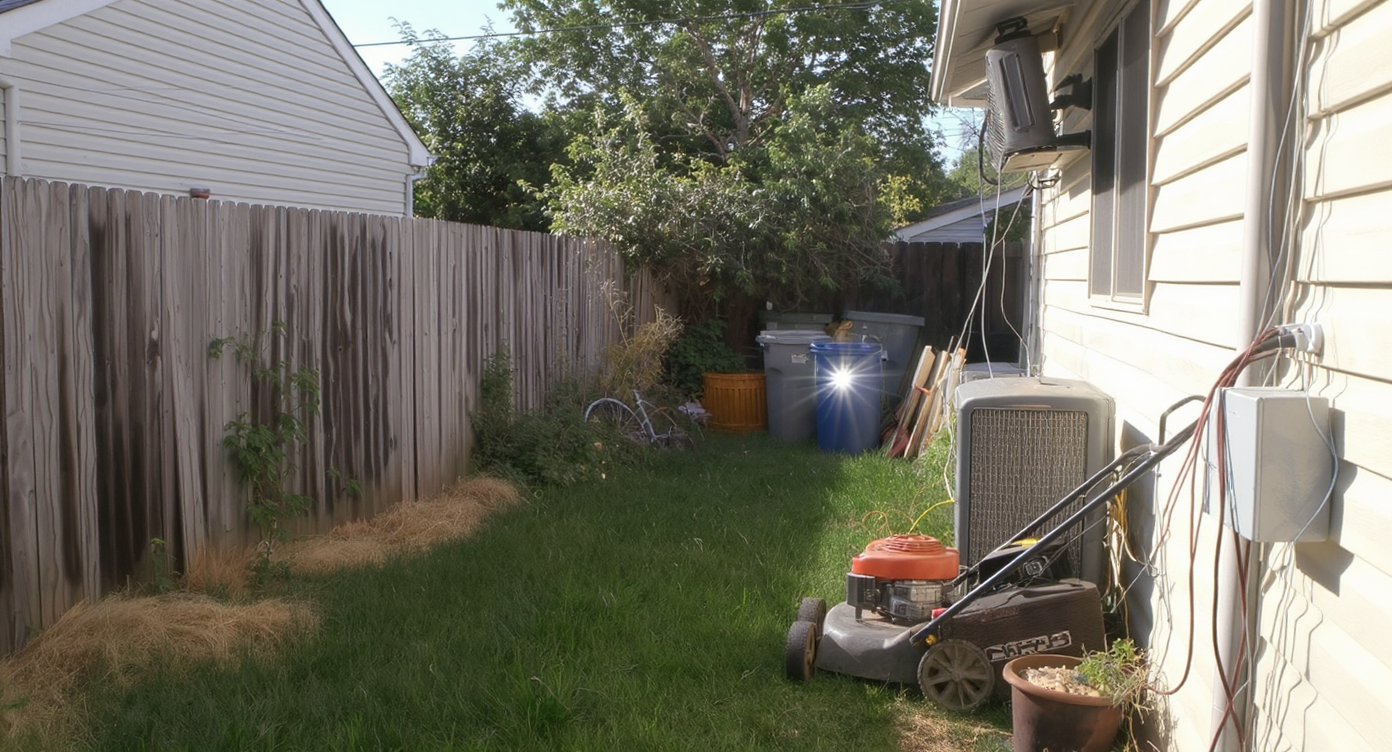
Retaliatory actions escalate between neighbors: loud speakers, odd-hour mowing, angled mirrors, and cluttered bins create an ongoing standoff.
Confrontations with neighbors can inspire equally disruptive responses: cranking up music late at night, strategic mowing at odd hours, installing mirrors to reflect floodlights, or finding ways to clutter a rival’s yard. These tit-for-tat tactics can escalate quickly, making things worse for everyone involved. While some homeowners feel these responses serve as fair warning to particularly stubborn neighbors, more often the result is a neighborhood standoff that leaves no one satisfied. Instead of providing resolution, retaliation can contribute to a spiral of pettiness and, at its worst, involvement of authorities or legal action that extends the misery.
-
8. Navigating Roadblocks with City Ordinances and Enforcement
Most cities have ordinances covering noise, lighting, and property maintenance, but the reality of enforcement often disappoints. A complaint may prompt a warning, but chronic violators may simply ignore citations. Some municipalities only enforce when multiple neighbors log formal complaints, and city departments often struggle with limited capacity. As a result, homeowners must be persistent, document repeated offenses, and rally others for coordinated action. Ultimately, resolving neighbor disputes can require a mixture of documentation, diplomacy, and some willingness to navigate bureaucracy. Consulting with city authorities to understand options, thresholds, and enforcement patterns is essential before pursuing drastic measures.
-
9. Last Resorts: Moving, Redesign, or Major Change
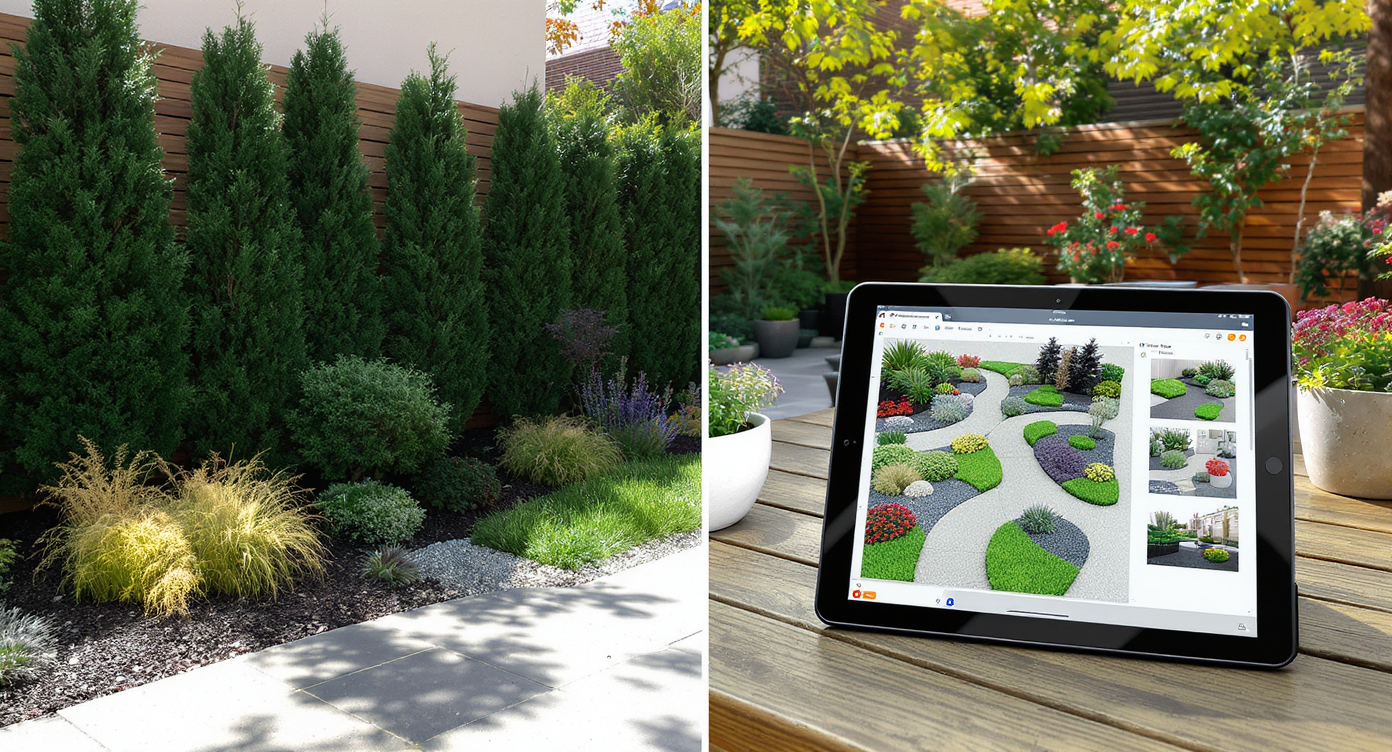
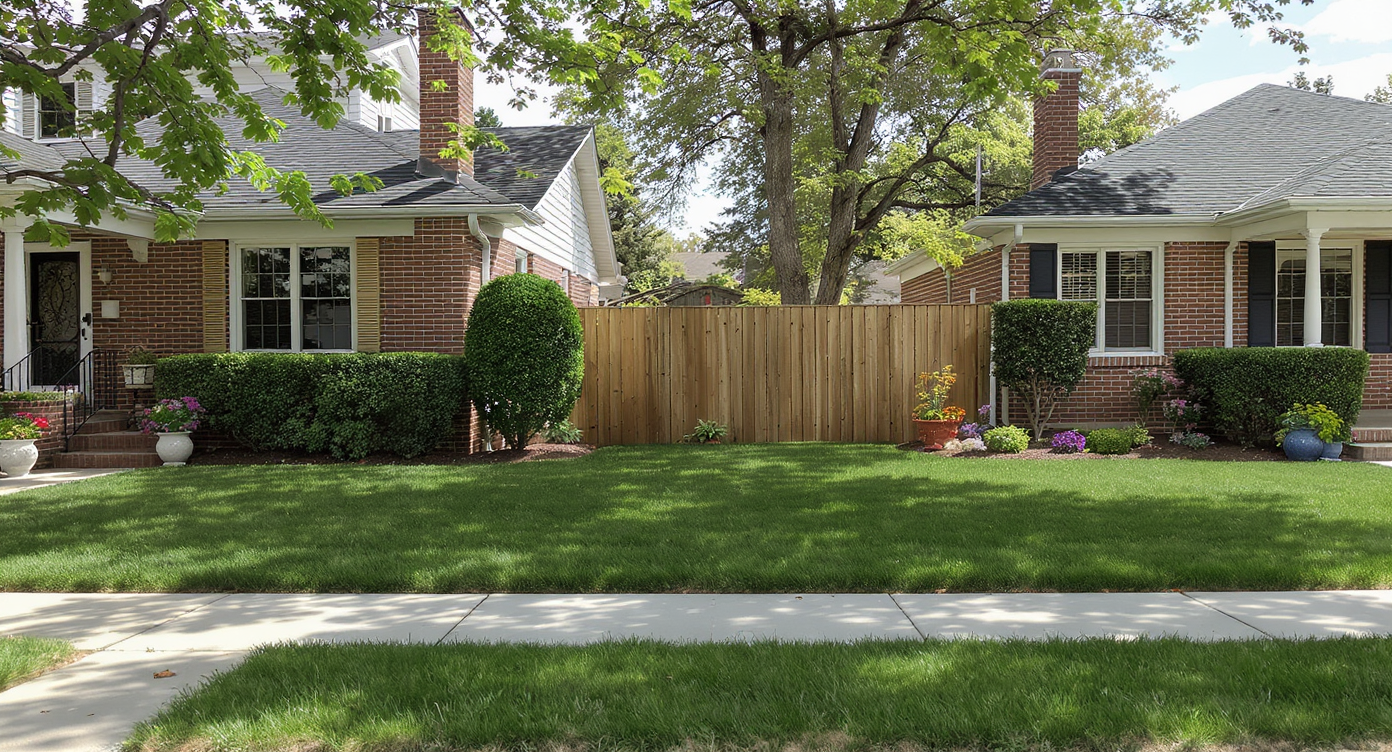
A backyard shows new privacy features and active use of a tablet for visually planning a low-maintenance landscape transformation.
When conflict wears down the last reserves of patience, many homeowners embrace more drastic solutions. One path is physically relocating—often after months or years of fruitless negotiation and mounting stress. More strategically, some choose to redesign outdoor spaces, add barriers, or overhaul landscaping to reclaim comfort and privacy. Leveraging advanced planning and visualization tools such as REimagineHome.ai can help test different layouts or simulate privacy screens before investing. Creating a practical, low-maintenance design, as highlighted in our review of low-maintenance yard planning, can reduce hot spots for conflict and boost quality of life for the long term.
FAQ: Surviving Tough Neighbor Situations
Most cities or HOAs have quiet hours, typically prohibiting noisy activity before 7 or 8 am and late at night. Variations exist, so it's important to check local ordinances.
Can an HOA enforce rules about lighting or noise?
Some HOAs can regulate exterior lighting or chronic disturbances, but limits exist and enforcement is often inconsistent. Carefully review your own HOA’s covenants before relying on their intervention.
What steps actually help resolve parking disputes?
Open dialogue, involving city parking authorities, or securing a residential permit are practical first steps. Towing and escalation should be last resorts, used when non-confrontational options fail.
Are lighting issues really a reason to sell a house?
For some homeowners, unresolved lighting conflicts can be a substantial enough quality-of-life issue to influence a sale, particularly when combined with other neighbor problems.
How can technology help deal with problematic neighbor relations?
Virtual design tools like REimagineHome.ai allow homeowners to experiment with landscape changes, privacy barriers, and yard redesign before investing in major changes.
Neighborhood Dynamics Demand Vigilance and Adaptability
Homeownership brings with it the rewards of control and stability—but only when neighbors respect the boundaries necessary for restful, safe, and comfortable living. When disputes turn chronic, they reveal just how fragile those rewards can be. The consequences outlined here should help prospective and current homeowners move beyond wishful thinking toward proactive management—whether that means pursuing formal remedies, thoughtful landscape design, or leveraging preview tools like REimagineHome.ai to envision less confrontational spaces. Recognizing the warning signs early can help prevent a dream home from becoming a source of daily dread.