Why Rethinking DIY Instructions Prevents Costly Interior Design Mistakes
TL;DR
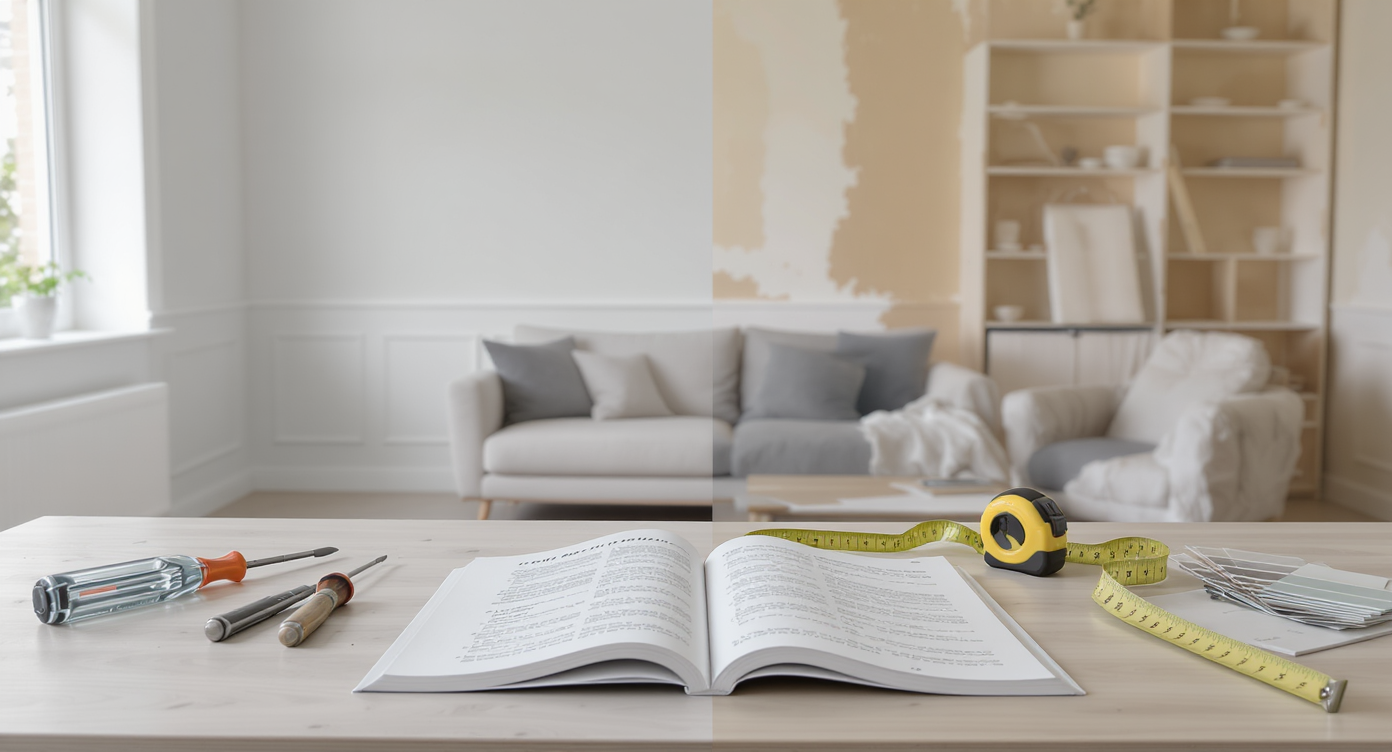
Following DIY instructions precisely doesn’t guarantee great results, especially in interior design. Adapting directions to your space, questioning assumptions, and using common sense can prevent the most common and expensive home project mistakes.
The Lure—and Limits—of DIY Instructions
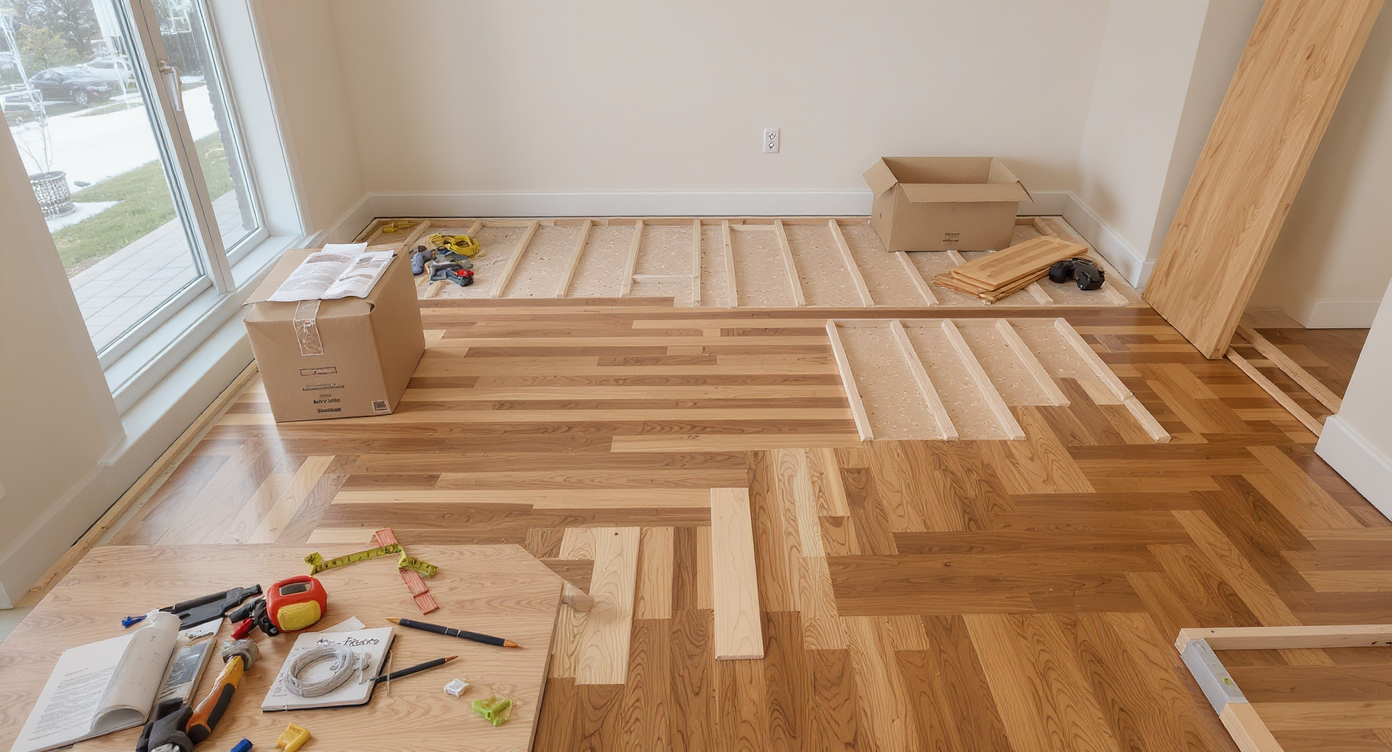
A real living room mid-DIY makeover: instructions and tools laid out, partially installed floor, and a new door ready for careful installation.
DIY home projects offer empowerment, savings, and a sense of creative accomplishment. From laying new floors to installing interior doors, tutorials flood the internet with step-by-step encouragement for nearly every design dilemma. But the promise of simple directions can lull even savvy enthusiasts into costly errors rarely covered in a how-to playlist. Instructions are invaluable, but homes and lifestyles are too varied for any one-size-fits-all approach to remodeling. Many first-time renovators learn—sometimes painfully—that averting disaster means looking beyond the script, adapting in real time, and trusting their own observations. As designers and real estate advisors suggest, understanding the balance of DIY vs pro work begins with knowing when to question directions and when to apply practical judgement.
-
What Happens When You Just Follow Directions
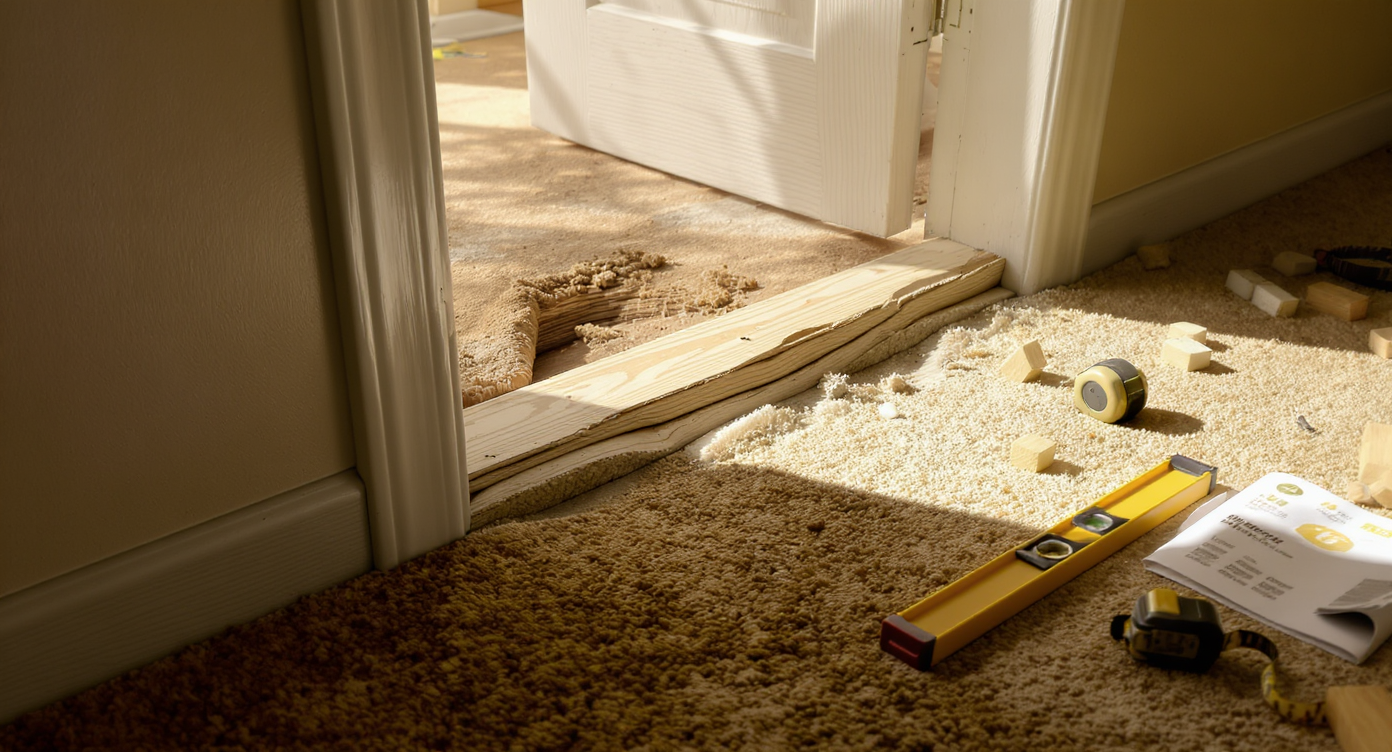
A newly installed interior door shows gaps and alignment issues after following standard instructions in a room with uneven flooring.
The appeal of a clear, start-to-finish process is undeniable. Online tutorials break down intimidating projects into manageable steps, which helps new DIYers gain confidence. However, even the most detailed list can’t account for unique room layouts, older walls, unpredictable flooring heights, or the quirks hidden behind decades of paint and trim. Consider a classic example: replacing an interior door. Instructions may specify shimming the jamb a standard half inch above the floor, but those numbers were likely measured in a different space under very different conditions. If your house has uneven carpet, sloping subfloors, or walls that aren’t quite square, following the script precisely may leave visible gaps or prevent the door from closing at all. These real-world variables reveal the importance of observation. Stubbornly adhering to universal instructions, instead of adapting to your actual measurements and materials, turns a simple weekend upgrade into a prolonged repair. As seen in many home improvement stories, the easiest DIY projects can spiral when judgment is replaced by blind compliance. It’s not unusual to lose an afternoon—and sometimes a new door—by missing the signals that your space is different from the demo.
Expert Insight
On a recent weekend, a homeowner confidently started a door installation project after viewing several online guides. By following each instruction without considering their home’s slightly uneven floors, they ended up with a door that hovered awkwardly above the carpet and refused to close properly. Hours spent undoing the mistake highlighted the true lesson: even perfect instructions can go astray if not tempered with careful measurement and ongoing attention.
-
Every Project Has Its Own Landscape
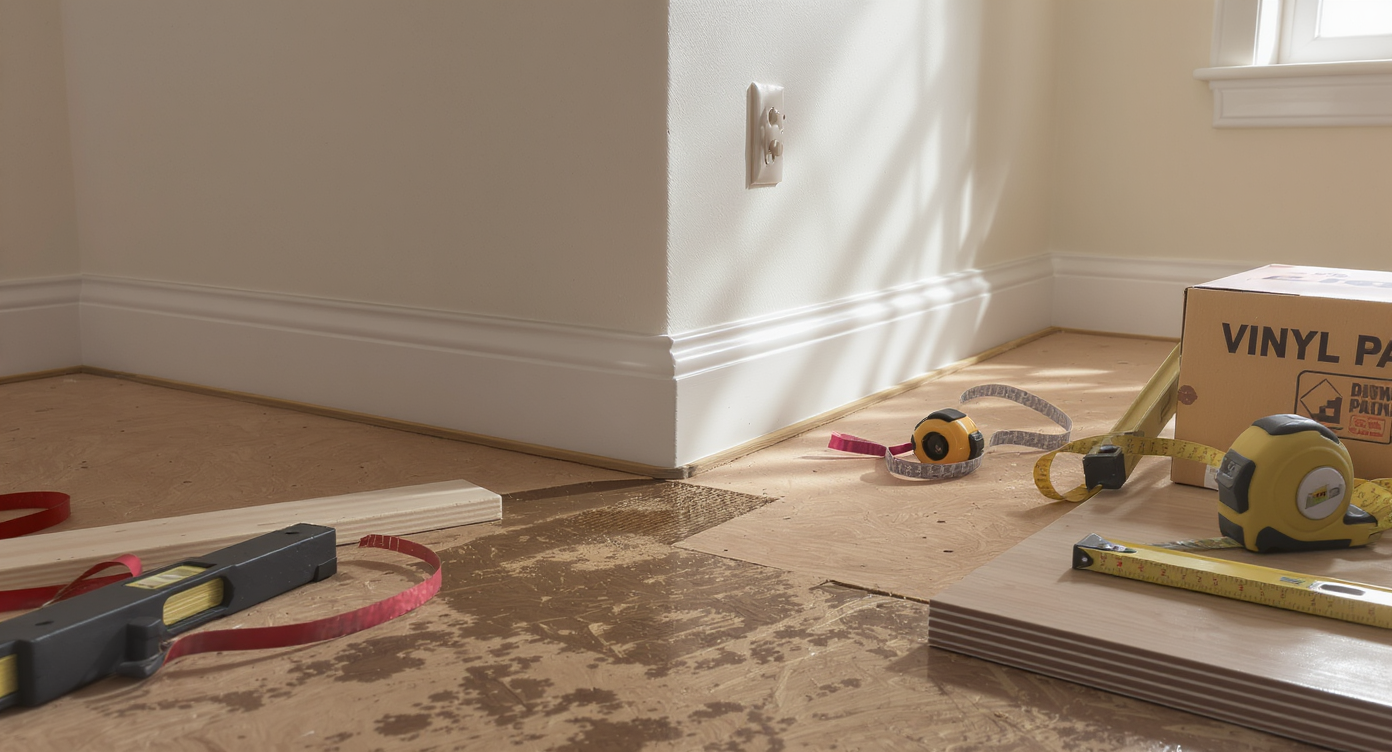
Adjacent rooms with mismatched floors and ceilings illustrate why every project needs individual measurement and assessment before starting.
No two homes present exactly the same starting line. Even adjacent rooms often differ in ceiling height, floor thickness, or frame placement. For instance, when installing flooring, manufacturers’ instructions may omit the realities of vinyl plank or laminate warping over uneven surfaces. With each project, the critical skill is learning to assess what makes your scenario different. Designers often recommend a deliberate pause at the beginning of each job: measure, evaluate, and mentally walk through the steps—no matter how tempting it is to begin. Even a well-researched plan, like adding new flooring, can require subtle on-the-fly judgment. Homeowners have learned that prep, such as leveling a subfloor, often saves far more time than it costs, as underlined by guidance in the discussion of DIY flooring in pet-friendly homes.
-
When to Stop, Assess, and Adapt
Self-questioning at key moments can prevent irreversible mistakes. Before you drive a single nail or lay the first tile, double confirm all measurements in context. Ask, 'Does this make sense in this exact spot?' or 'How will this connect to the next element of the room?' If you sense a mismatch, pause and investigate rather than power through. It’s a habit that distinguishes successful DIYers from those who spend weekends fixing errors instead of enjoying finished spaces. Learning from other homeowners, there is a clear correlation between flexibility and project satisfaction. Whether it’s door placement or choosing paint colors, being willing to step back, reevaluate, and sometimes undo work pays off. The economics of this mindset can be significant, according to insights on DIY costs versus real savings: mistakes compound expenses quickly, so careful adaptation is more than just smart, it’s affordable.
-
Anecdote: The Case of the Misplaced Door Jamb
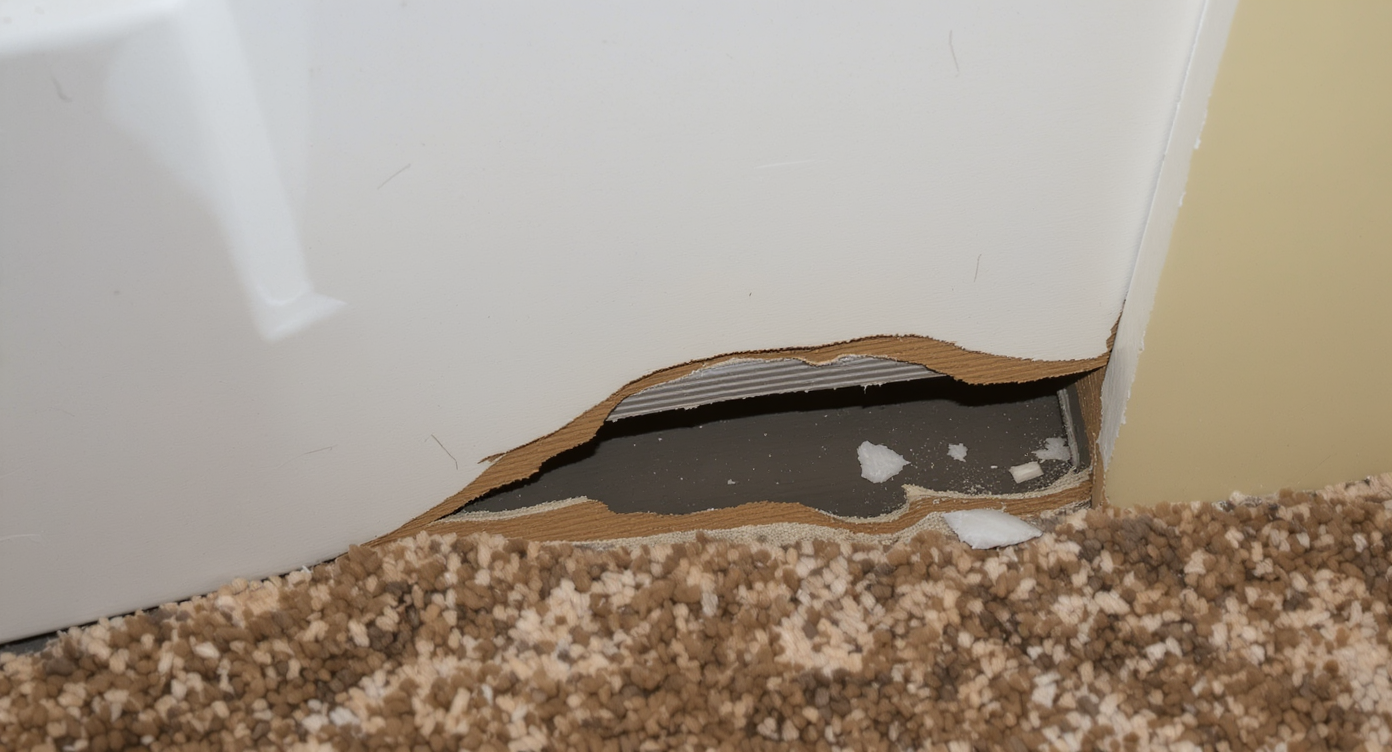
A misaligned door jamb installed over carpet reveals a gap and cosmetic damage—an example of a common DIY installation mistake.
An eager do-it-yourselfer set out to replace a bathroom door, armed with a stack of online tutorials. Following every step meticulously, the installer raised the jamb over the old carpet, nailed it into place, and quickly discovered a glaring gap at the bottom. Realizing the error too late, they were forced to rip out and reinstall the entire assembly, causing cosmetic damage and deep frustration. Had they paused to compare the prescribed clearance with their own flooring, a long day of repairs could have been a short and satisfying upgrade.
-
Common Mistakes to Avoid
Among the most frequent missteps is treating instructions as an infallible playbook. Common errors include neglecting a room’s unique measurements, skipping careful planning, and overestimating the universality of any method. Skipping the preliminary evaluation stage often leads to dramatic results, from doors that won’t close to floors that creak or feel uneven. These lapses can quickly overshadow any budget savings anticipated from do-it-yourself approaches. Many homeowners fall into the trap of rushing, especially when a tutorial promises fast transformations. According to recommendations on DIY renovations and resale value, careful planning and attention to detail are critical, particularly if the goal is to boost home value or appeal to future buyers.
-
Tips and Expert Insights
Professional designers and seasoned renovators share a few recurring pieces of wisdom. Always start with a comprehensive measurement session, and keep a healthy skepticism about universal instructions. When tackling a new material or product, create a mockup or dry-fit before fastening anything. If your plans are driven by budget, remember that some mistakes can erase anticipated savings. Visual mapping, test placements, and contingency time for surprises are invaluable tools, supported by budgeting strategies in affordable renovation planning.
-
How to Use This in Your Next Designs
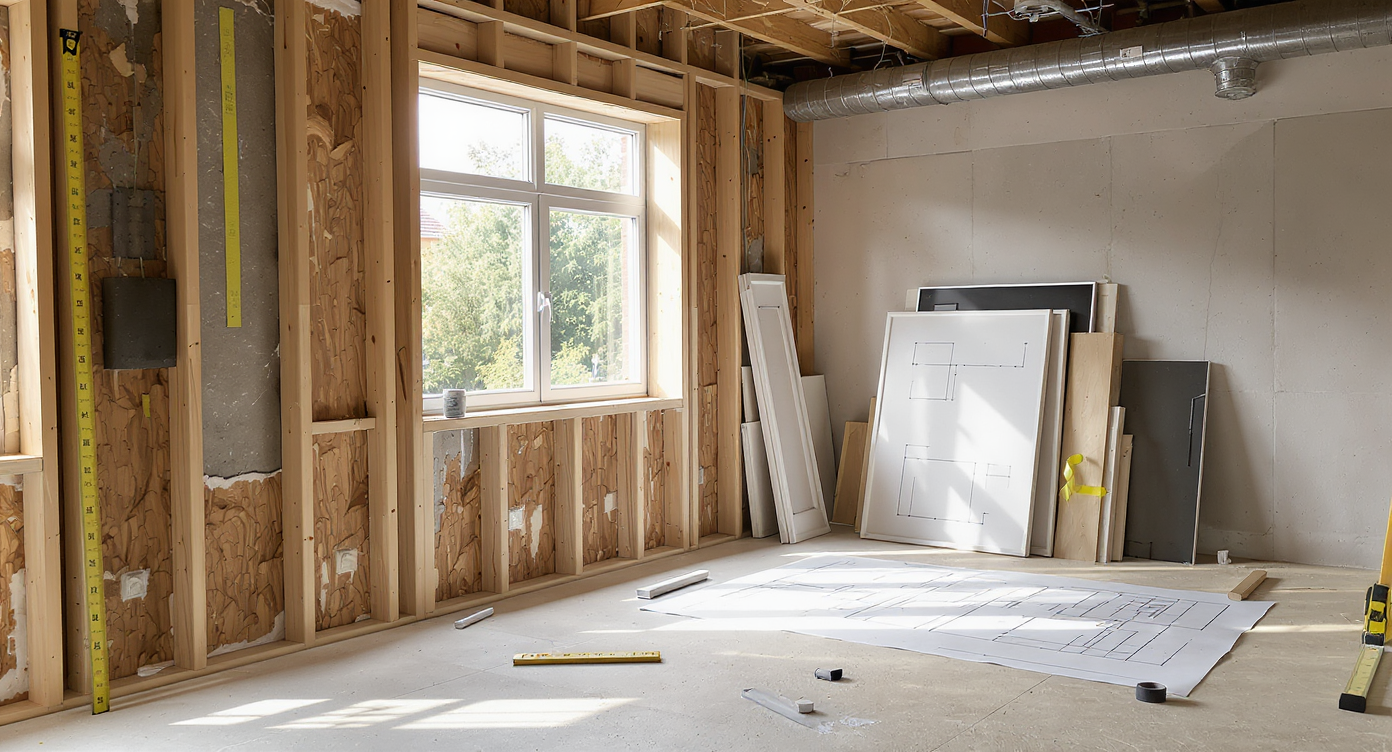
A renovation workspace displays trim measuring, wall alignment to sightlines, and floor taping—custom planning to adapt instructions to real spaces.
Begin every project with questions, not just a checklist. Observe and document your home’s specific quirks—the hidden pipe, the bowed wall, the odd door swing. Adapt tutorials as reference points, not mandates. Make decisions with your end-goal in mind, and measure the impact of each step on adjacent elements. This independent mindset allows your unique space—and not generic instructions—to dictate your approach. Three practical scenarios show this in action. When retrofitting trim around windows, measure and cut against your actual frame even if stock pieces suggest shortcuts. In open-plan renovations, align new walls to visual sightlines rather than legacy blueprints. During furniture placement, sketch the layout at real-life scale before moving heavy objects, saving both effort and your freshly painted walls.
-
Visualization: See Before You Commit
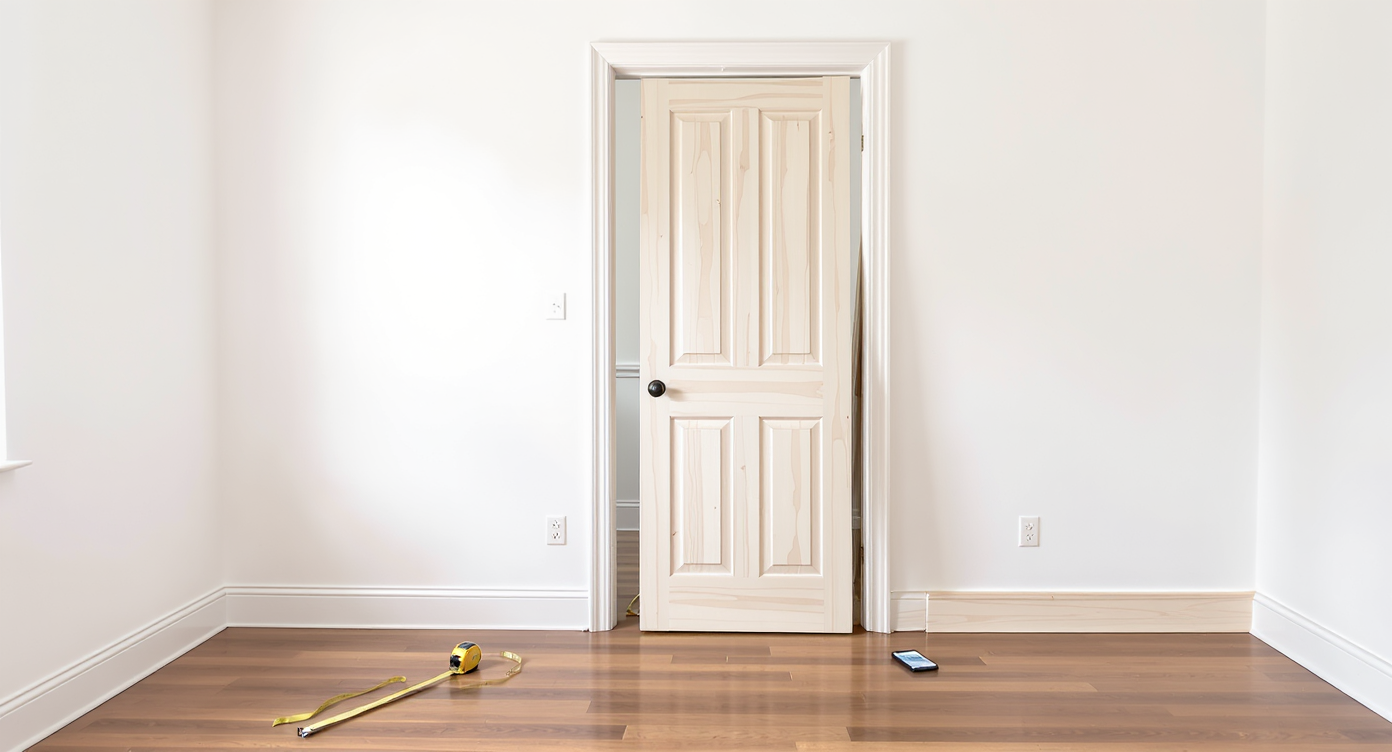
Room prepped for installation: door and trim are held up for visual checks, with measurement tools and a smartphone aiding pre-commitment review.
Imagine standing in a freshly prepped room, holding the door up to the frame. Instead of immediately reaching for nails or screws, you pause to check the gap to your own flooring, scan for irregularities, and compare angles. You hold up the new trim, test how it aligns, and even take a quick photo to visualize before securing anything. This pause, these critical checks, are the difference between a satisfying reveal and a frustrating redo. They transform instruction-bound tasks into truly custom solutions, inspired by your own observations.
Visualization Scenario
Picture yourself preparing to lay new laminate flooring. Instead of simply unboxing the planks and following a manufacturer’s timeline, you spend a few extra minutes with a level and tape measure, checking every corner of the room. You discover a subtle dip along one wall and use compound to even it out. When friends visit weeks later, they marvel at how seamless and quiet the floor feels—never knowing the difference came from one extra round of thoughtful prep.
Frequently Asked Questions
Evaluate your comfort with both the technical skills required and the unpredictability of your specific home. When safety, code compliance, or resale value are at stake, bringing in an expert may offer better returns.
What if a tutorial doesn’t match my room?
Pause and question any steps that do not align with your actual measurements or visible features. Adapt, seek expert guidance, or blend methods as needed.
Can DIY really save money if mistakes happen?
DIY projects offer savings but only when executed carefully. Mistakes that require costly repairs can diminish or eliminate those savings, as detailed in our advice on planning for real savings versus unexpected DIY costs.
How do I budget for the unexpected?
Always reserve a contingency fund of at least 10 to 20 percent for surprises. Use visual tools and preplanning hacks to spot issues before you purchase materials.
What’s the best way to preview design changes?
Leverage visualization tools like ReimagineHome.ai to test room layouts, finishes, and color schemes virtually before committing to long-term decisions.
Embracing Adaptability in Home Projects
Success in home design rarely comes from rote repetition. The best interiors feel intentional because their creators paused, adjusted, and sometimes challenged the directions in front of them. Whether you’re pursuing value, comfort, or a signature style, the ability to adapt will serve you far longer than any single set of instructions could. For deeper planning tools and visual previews, ReimagineHome.ai brings personalized technology into your renovation process.