7 Situations Where Sewer Line Scoping Makes or Breaks an Old House Sale
TL;DR
Sewer line scoping in old house transactions is a hot topic, often leading to negotiation breakdowns when expectations are misaligned. Understanding the real-world risks, costs, and responsibilities can help both buyers and sellers avoid renovation regrets and streamline the sales process. Clarity about inspections is essential to prevent unexpected expenses and deal fallout.
Why Sewer Line Scopes Spark Debate in Old House Deals
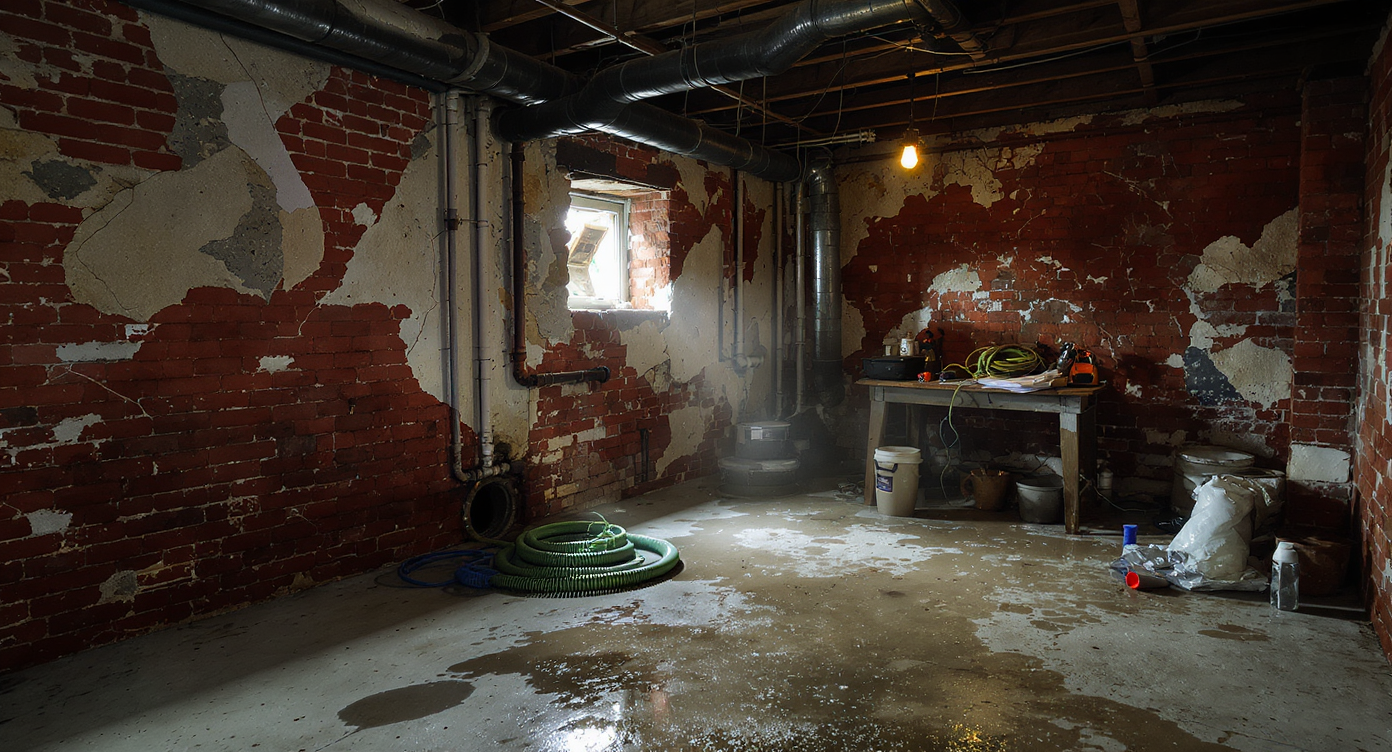
An old house's basement prepped for a sewer line scope inspection—aged pipes, inspection equipment, and key paperwork set the scene.
In the purchase or sale of older homes, the question of sewer line scoping often surfaces—with high stakes for both parties. As aging infrastructure lurks out of sight, a seemingly simple plumbing check can escalate into major concerns about cost, disclosure, and closing timelines. This list delves into real-world scenarios where sewer line scoping has influenced negotiations, budgets, and even buyer-seller relationships. It is essential reading for homeowners, real estate professionals, and buyers involved in old house renovation ai projects or anyone wary of potential renovation regrets. Properly navigating who arranges and pays for a sewer scope inspection can determine the fate of a sale and minimize costly surprises.
-
Scope Inspections Are a Buyer’s Responsibility—Most of the Time
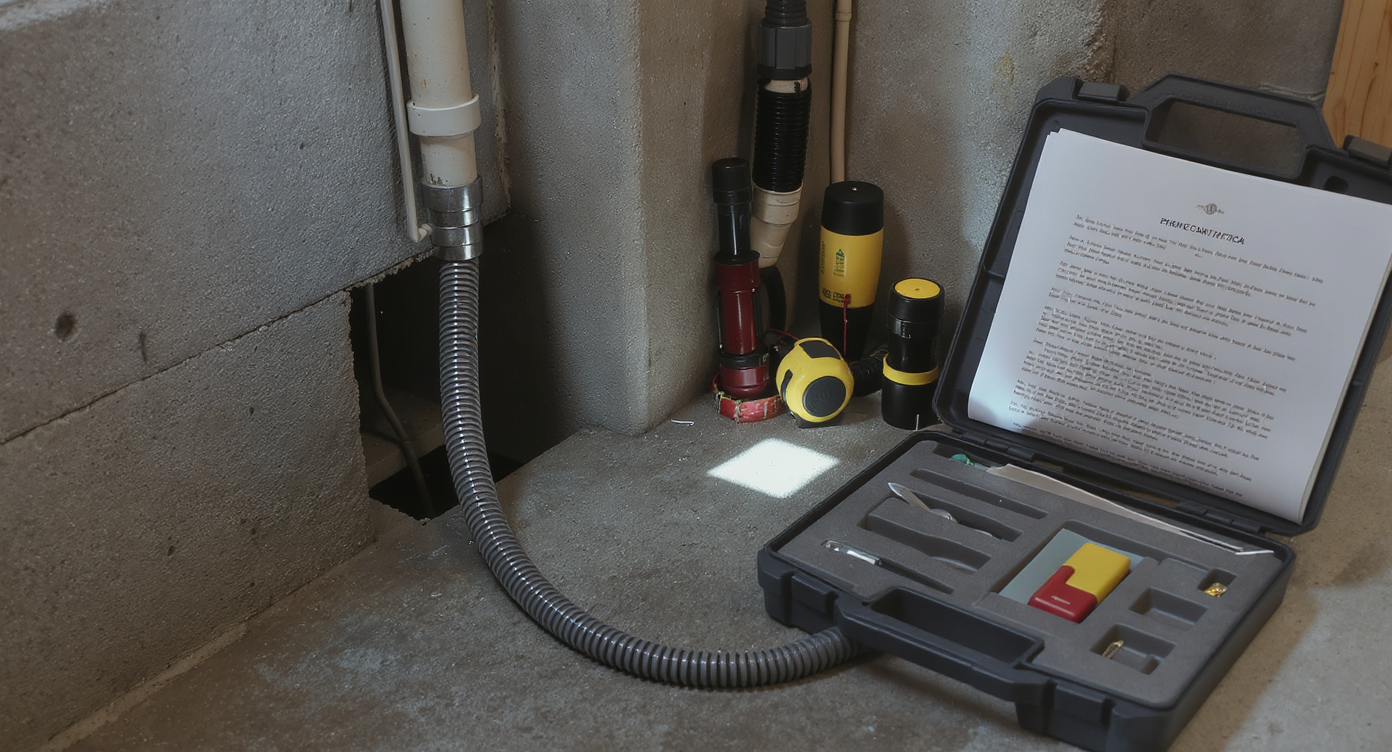
A basement sewer scope setup: inspection camera inserted into a cleanout pipe, with tools and contract paperwork arranged nearby.
Across much of the industry, the default assumption is that sewer line scoping, like any home inspection, falls on the buyer during the due diligence period. This approach grants buyers full control over the inspection process and ownership of the findings. For sellers, this means they are not automatically on the hook for uncovering potentially expensive problems hidden beneath the surface. Professionals often urge buyers to schedule and pay for scoping during their inspection window, shielding sellers from liability and unwanted repair negotiations unless a specific contract term states otherwise.
-
When Old Pipes Mean Major Headaches for Buyers
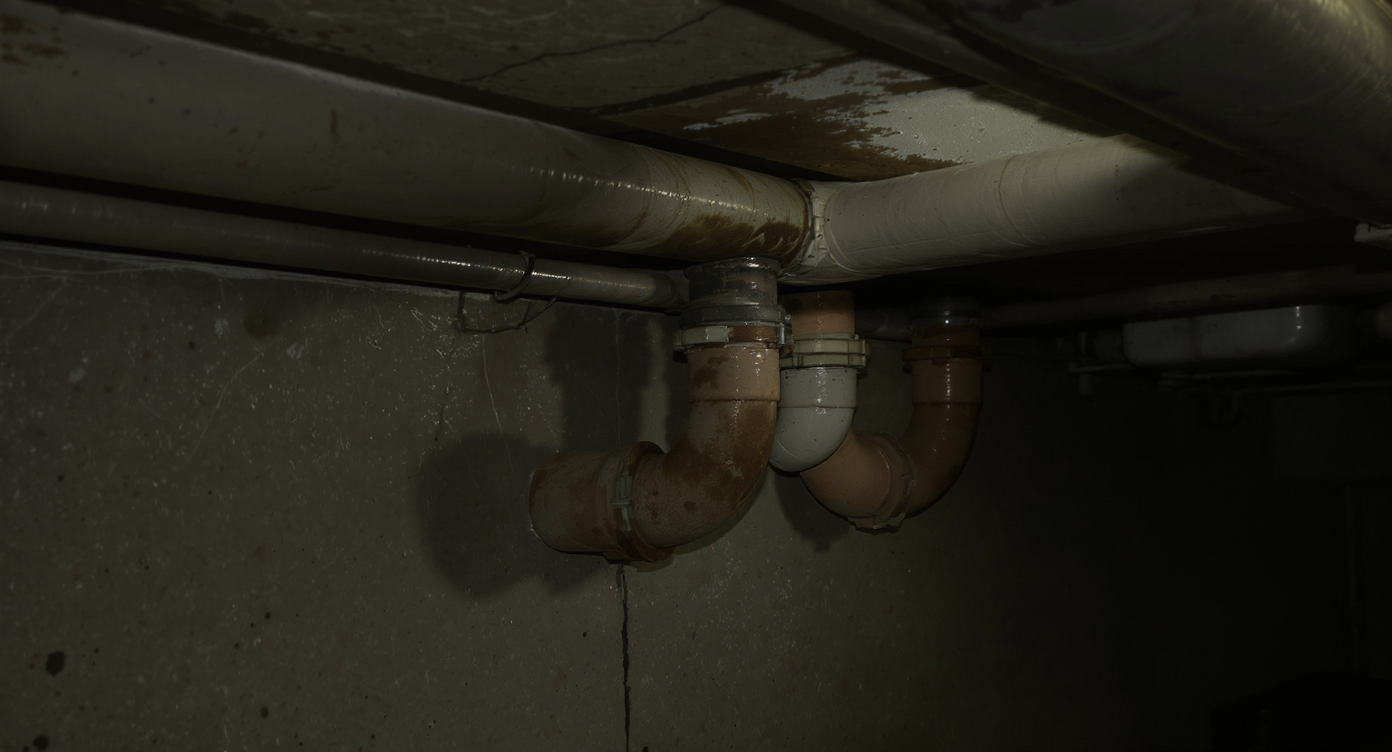
Old house basement pipes with root intrusion and corrosion, showing why sewer scoping is crucial before renovations or a home purchase.
Aging homes—particularly those built before the 1970s—frequently feature terra-cotta, cast iron, or even tar paper pipes. Over decades, these materials degrade: tree roots intrude, lines sag or collapse, or corrosion creates blockages. A minor scope can reveal lurking disaster, sometimes mere months from a basement backup. In tightly bid markets, buyers who overlook the sewer line scope risk tens of thousands in emergency repairs later. Pros routinely see massive discounts negotiated, or even entire deals lost, when camera results catch severe issues just before closing. For anyone contemplating an old house renovation ai plan, skipping this step is one of the most cited renovation regrets.
-
Sellers Face Disclosure Dilemmas with Scoping Requests
When a seller agrees to pay for sewer scoping mid-deal, it introduces legal and ethical complexity. If issues come to light, disclosure laws in many states require sellers to inform all future buyers of those findings, even if the initial deal falls through. This can mean lowering the asking price or making costly repairs. For many sellers, paying for the scope is less about saving a few hundred dollars than about protecting their negotiation stance and future liability. Owners of older homes are especially wary, as a single inspection can turn a straightforward sale into a renovation saga with enduring consequences.
-
Negotiation Leverage: How Scope Results Shift the Power
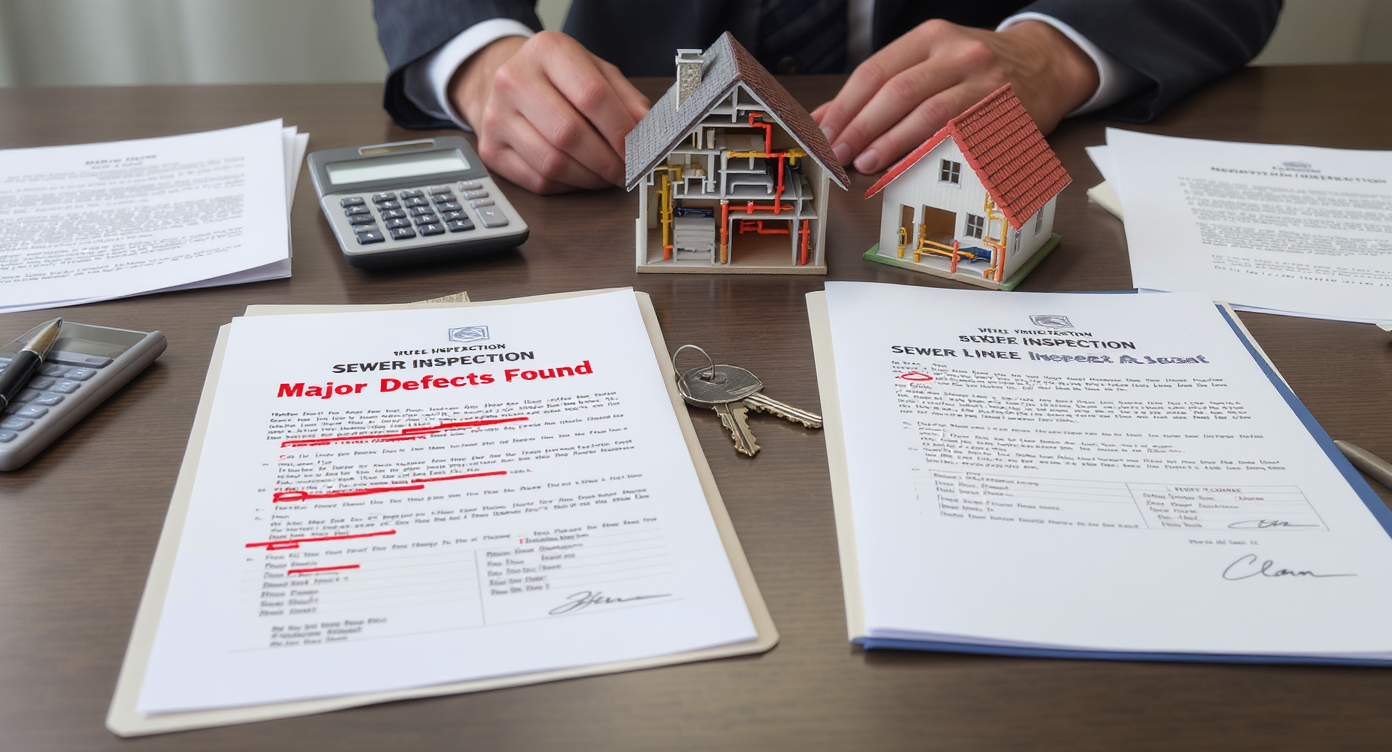
A real estate table contrasts sewer scope results: one report shows major defects and repair costs, the other confirms a clean inspection, demonstrating negotiation leverage.
The outcome of a sewer scope can dramatically swing negotiations. If defects are found, buyers routinely request price concessions, repair stipends, or complete replacements before closing. In certain competitive sales, buyers may uncover a $20,000 problem and use it as leverage for a significant discount—a practice so common that some buyers make sewer scope findings a strategic part of their offer tactics. Conversely, if a scope is clean, buyers gain peace of mind and sellers may close deals faster. The dynamic emphasizes why due diligence and inspection timing are critical, and why sellers should avoid commissioning inspections that could backfire during sensitive negotiations.
-
Insurance, Warranties, and Modern AI Tools for Due Diligence

Modern desktop workspace illustrating digital sewer line assessment, warranty documents, and insurance materials for home risk management.
Homeowners and buyers have broadened their risk management tools beyond just scoping. Some insurers now offer limited service line coverage for a relatively low premium. Others consider home warranties that include sewer lines in their protection. Increasingly, tools like REimagineHome.ai assist homeowners in testing out renovation scenarios, budgeting for potential repairs, and prioritizing areas most susceptible to hidden defects—providing a virtual assessment layer to supplement traditional inspections. This multi-pronged approach is becoming standard, especially for buyers wary of old house renovation ai surprises.
-
Deadlines and the Perils of Missed Due Diligence Windows
Timing is everything in a home transaction. Most contracts specify a limited inspection period. If buyers fail to arrange a sewer scope before this window closes, their opportunity to request repairs or concessions vanishes. For sellers, strict adherence to these deadlines guards against drawn-out negotiations and post-contract demands. Agents and attorneys stress that the contingency clauses should be understood and enforced, as missing the scope (or any key inspection) is one of the classic causes of buyer and seller frustration. This is particularly acute for old houses, where every delay can mean rising costs and mounting renovation regrets.
-
Communication Breakdown Can Sink an Otherwise Strong Deal

Photorealistic scene of a real estate closing table set with home inspection reports and contracts, visually representing miscommunication in sewer scope negotiations.
Disagreements over who pays for or arranges sewer scopes frequently escalate into larger conflicts. Sellers can feel unfairly targeted when buyers layer on inspections late in the game, while buyers may interpret resistance as a sign that something is being hidden. These misunderstandings sometimes end deals outright, regardless of the house’s intrinsic value. Industry professionals recommend clear, written communication and strict adherence to contract terms to avoid these pitfalls. In some cases, deals have recovered when both sides step back, clarify their roles, and proceed based on local norms. A collaborative approach is especially critical in older homes, which already present enough unpredictability without avoidable disputes.
Frequently Asked Questions About Sewer Scope Inspections in Old Houses
In most regions, the buyer is responsible for arranging and paying for a sewer scope during the inspection period as part of their due diligence.
Should sellers agree to pay for a sewer line inspection?
Sellers rarely benefit from paying for scopes unless negotiating a unique contract. Doing so can increase disclosure requirements and future liability.
What are the risks of not scoping an older home’s sewer line?
Unscoped lines can fail catastrophically, leading to severe repairs or post-sale disputes. This is one of the top old house renovation ai regrets cited by both buyers and sellers.
How can modern technology help assess risk before purchase?
AI-powered tools such as REimagineHome.ai allow buyers and sellers to test renovation scenarios and prioritize areas based on hidden risk.
What happens if inspection deadlines are missed?
If buyers do not complete their inspections within the agreed period, their ability to negotiate repairs or price adjustments is usually forfeited.
Key Takeaways for Buyers and Sellers of Older Homes
Sewer line scoping is a minor upfront expense with the potential to reveal huge downstream risks in old house transactions. Knowing who should pay for inspections, the liability implications, and the negotiation strategies can prevent many renovation regrets. Sellers in particular should consider whether agreeing to a scope genuinely benefits their sale or simply exposes them to further hurdles. Buyers, on the other hand, should always pursue due diligence using every tool available, including REimagineHome.ai for scenario planning and repair forecasting. Ultimately, transparency, timing, and a clear understanding of responsibilities can keep deals on track and budgets intact.