7 Smart Ways to Create Shade and Comfort for Outdoor Vegetable Gardens
TL;DR
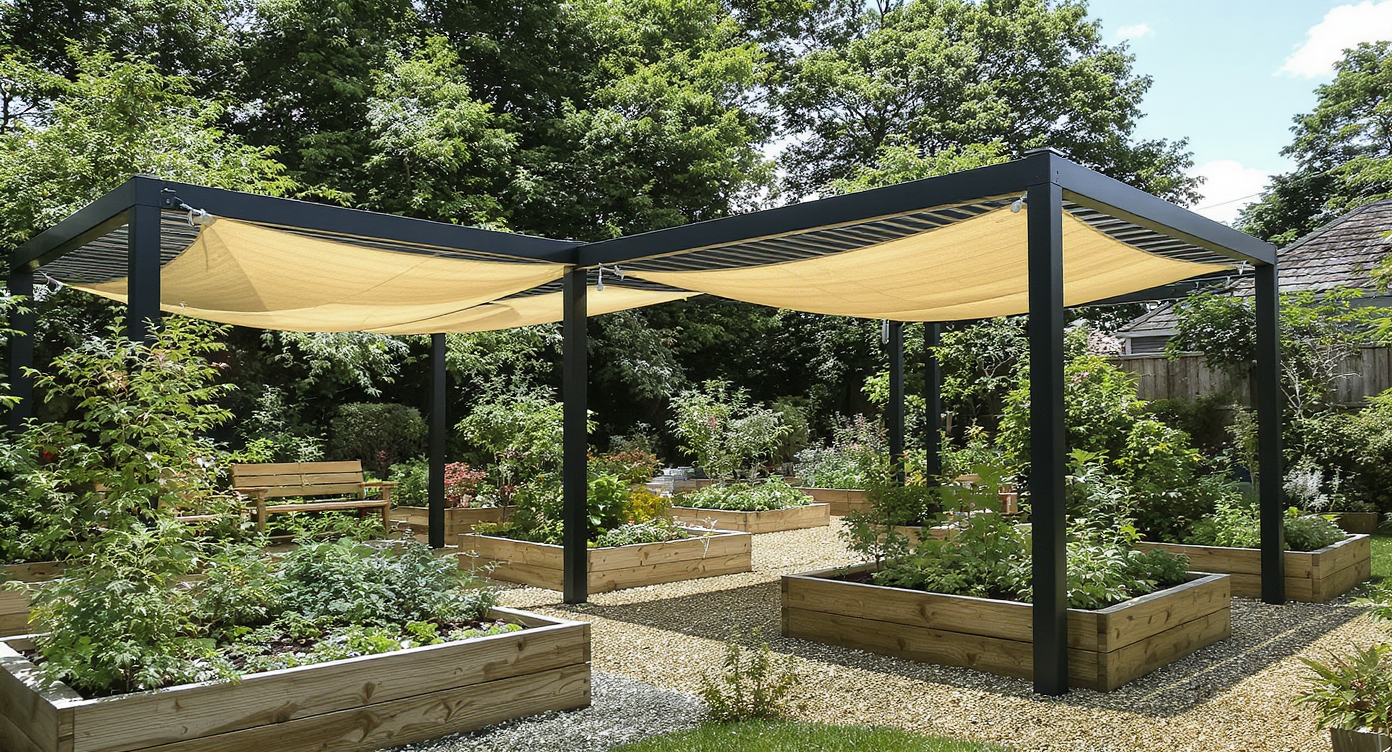
Designing comfortable outdoor leisure zones for vegetable gardening in hot climates takes more than a one-size-fits-all approach. This list explores practical shade structures, layout strategies, and container recommendations to help maximize yields while minimizing plant stress. Renters and new gardeners in sun-drenched regions will discover solutions that fit both evolving needs and challenging microclimates.
Cultivating Shade and Success in Challenging Climates
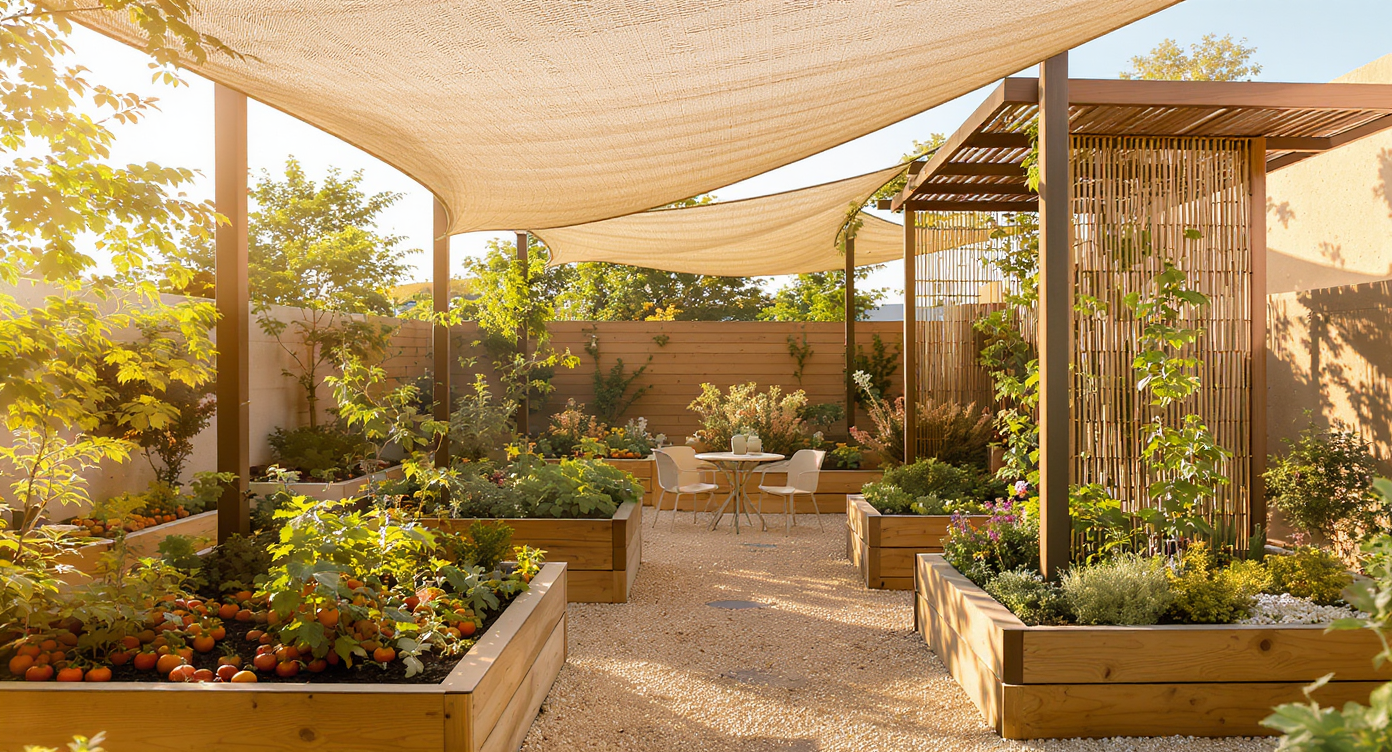
Flexible shade structures and inviting seating make this practical vegetable garden a cool, comfortable refuge in harsh sun.
Growing food in regions with harsh sun, like the high desert of southern California, means reconsidering both garden design and comfort. Intense sunlight and prolonged heat can quickly spell trouble for vegetables such as tomatoes and peppers. Many gardeners underestimate how essential thoughtful shade structures and cooling strategies are for successful harvests and relaxing outdoor spaces. Drawing on practical experience, this guide covers creative ways to establish shade where you need it—without major construction or permanent changes. Gardeners using containers, raised beds, or rental spaces will find each method flexible, scalable, and geared towards outdoor leisure as much as plant health. Whether testing a first-year plot or planning ahead for raised beds, these approaches help ensure every square foot is useable, beautiful, and productive.
-
1. Utilizing Removable Shade Cloths for Adaptable Coverage
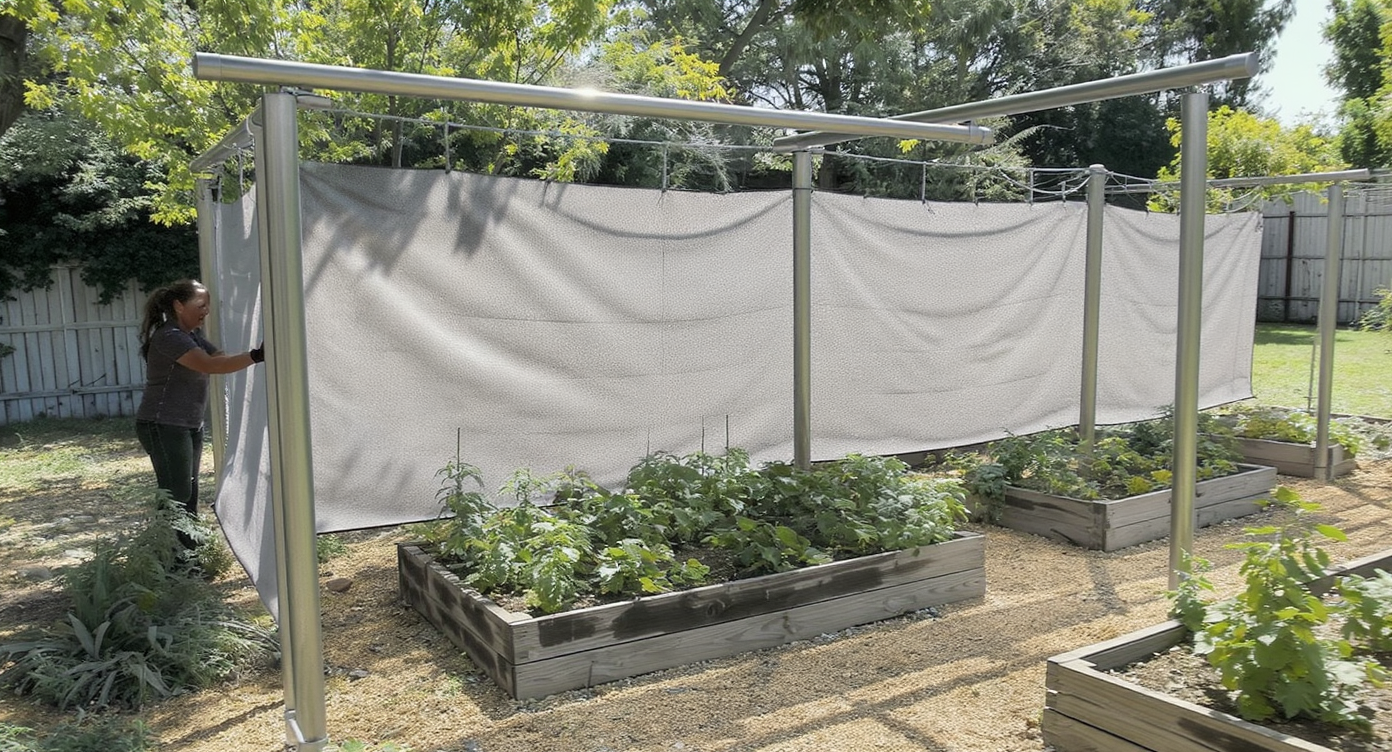
Removable shade cloths on simple frames shield vegetables and gardeners, ensuring adaptable sun protection through changing seasons.
Flexible shade cloth is a foundational tool for vegetable gardening in hot climates. Gardeners often install it atop existing pergolas, carport frames, or custom-built T-post structures. The degree of protection depends on your region and crops, but for areas with multiple months of 100-degree days, a 50 percent shade cloth typically performs better than lighter options. This strikes a critical balance—limiting leaf scorch and heat stress while still allowing enough sunlight for robust fruiting. The beauty of removable shade cloths lies in their adaptability: remove or reposition them as the season shifts, boosting sun exposure for cool-season greens in early spring or fall. Practical details like secure fastening and side drapes increase wind protection, making the whole leisure zone more comfortable on scorching days.
-
2. Framing Spaces with Temporary Structures
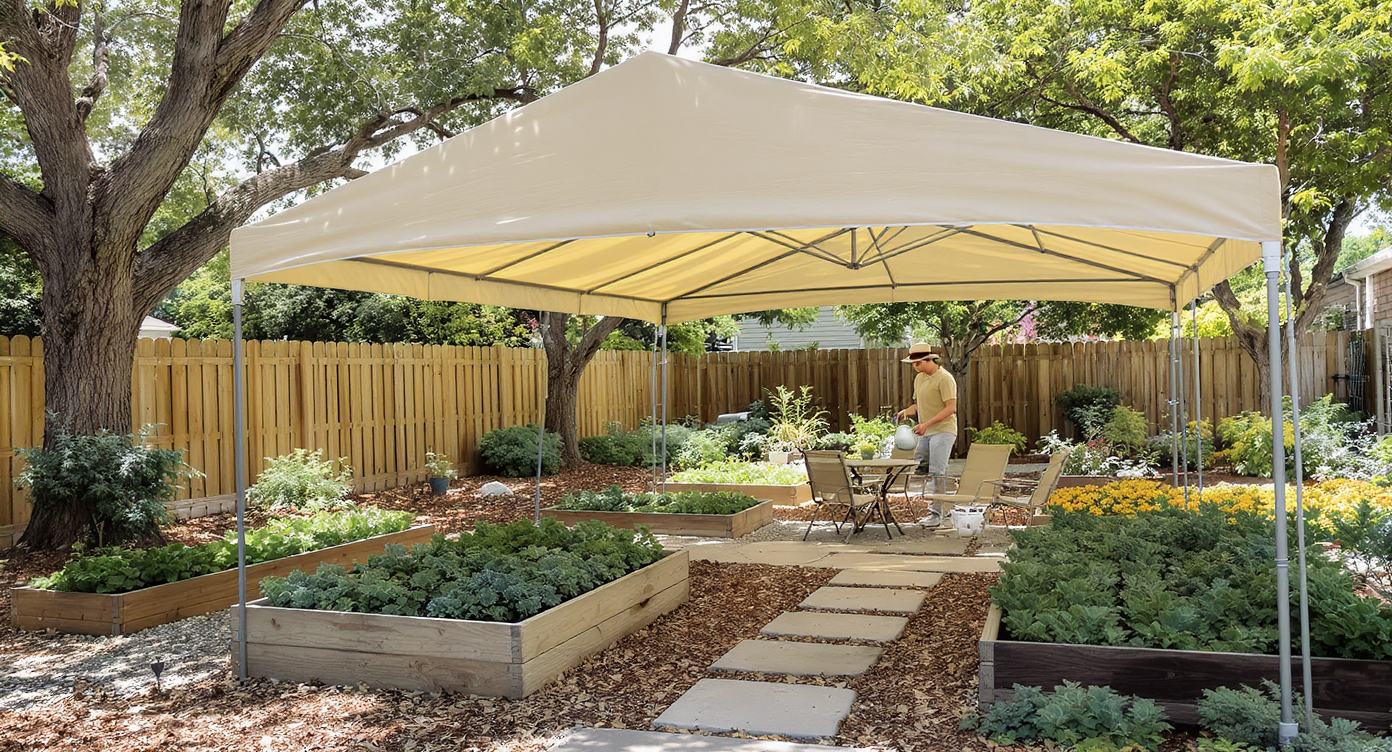
A repurposed carport frame with shade fabric turns any garden into a flexible, renter-friendly retreat for growing and relaxing outdoors.
Temporary and lightweight structures open up shade options in places where permanent pergolas are not possible. Repurposing a soft-sided carport frame is an excellent example—its size (often 12 by 20 feet) provides ample space for growing a selection of vegetables while still accommodating pathways or a seating nook. Add a UV-resistant shade fabric over the top and you achieve both temperature moderation and filtered light. These frames can double as seasonal outdoor leisure zones: bring in a bistro table or collapsible chairs for midday breaks. This is especially beneficial for renters or anyone experimenting before making long-term commitments. For more ideas on seasonal, rental-friendly landscaping that minimizes maintenance, refer to low-effort hardscaping layouts.
-
3. Creating Microclimates with Container Gardens
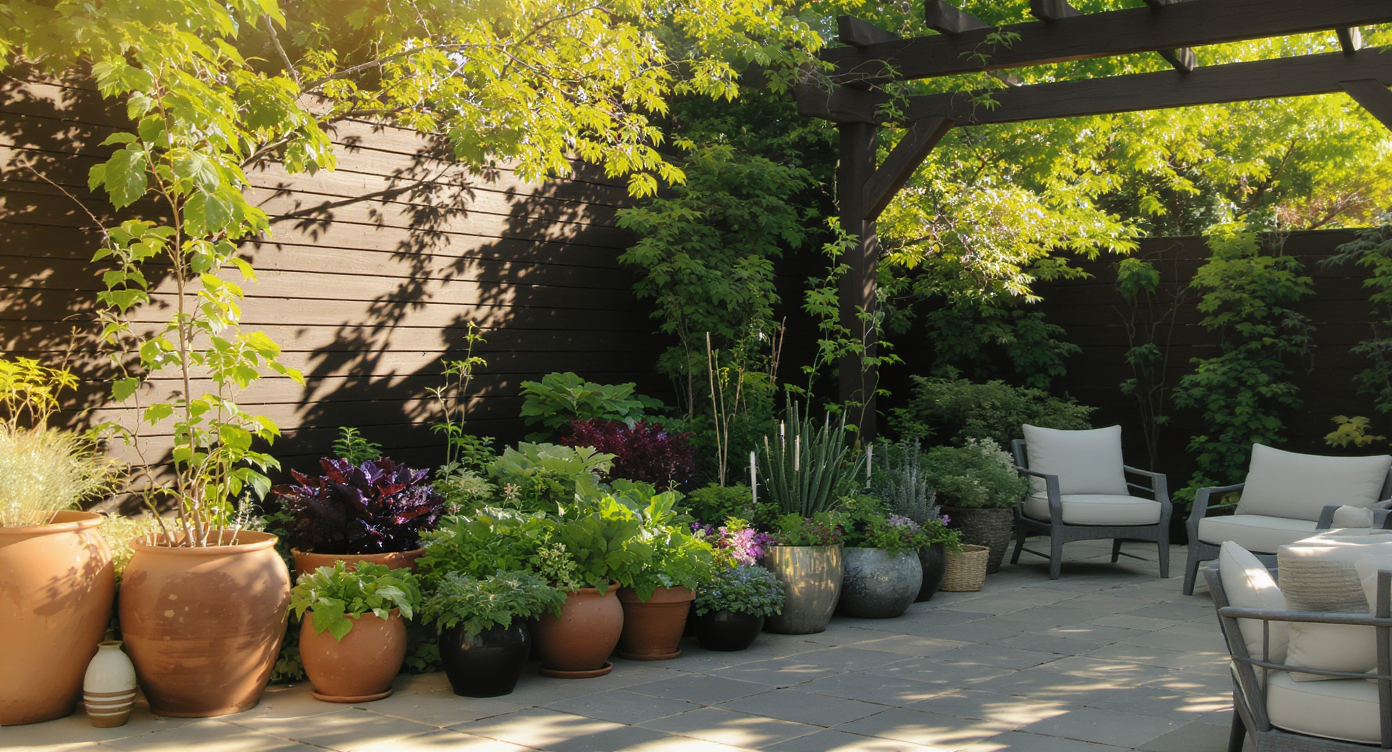
Grouped vegetable containers positioned for shade help cool plant roots and support thriving gardens, even in hot, sunny regions.
Container gardening provides much-needed flexibility in sun-baked regions. Containers can be strategically relocated beneath eaves, next to taller structures, or along the north side of a home to capitalize on afternoon shade. This movable approach allows for responsive microclimates, crucial for plants like chard or runner beans that may wilt in all-day sun but thrive in filtered light. Group containers in clusters to enable shared shade, cooling the root zone and lowering ambient temperatures within your leisure zone. As your confidence grows, these groups can become the launching point for a more permanent raised bed setup, as explored in our features on beginner raised-bed landscaping.
-
4. Layering Vertical Elements for Dappled Shade
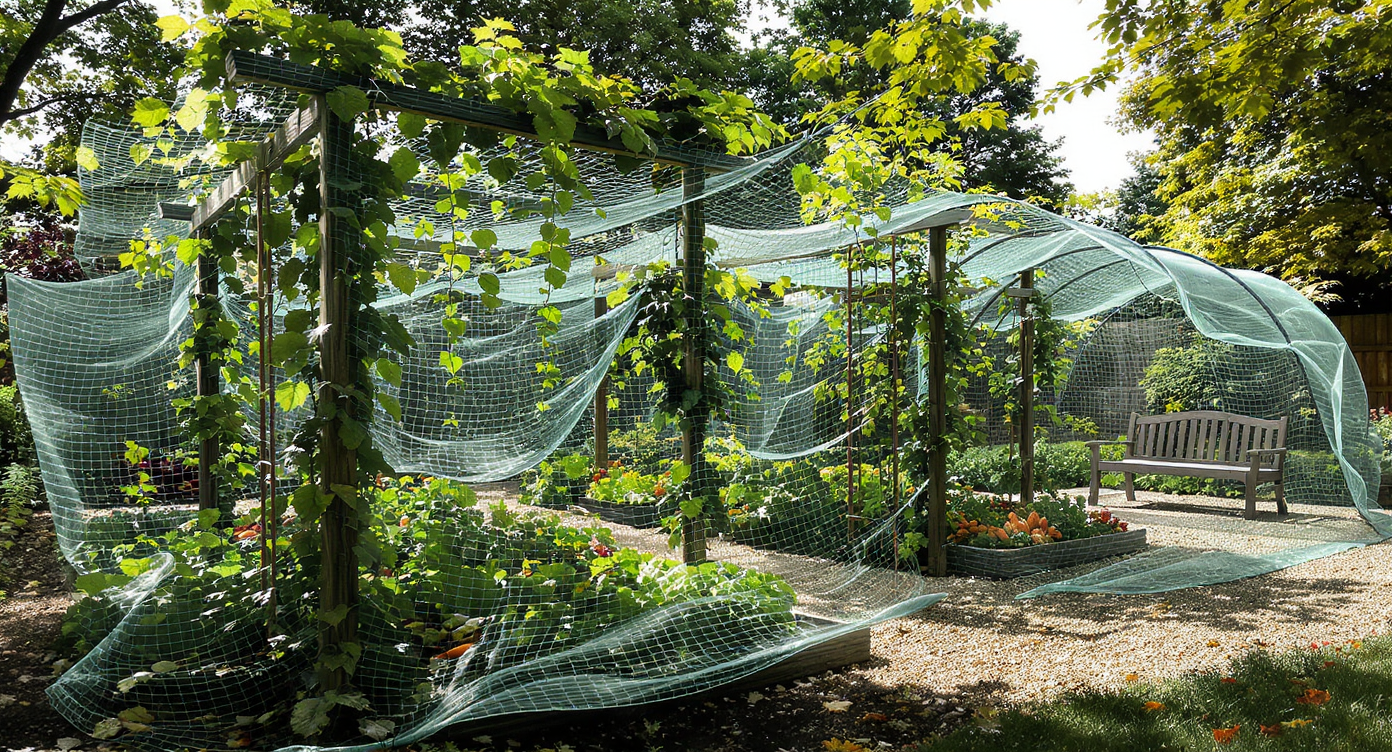
Layering trellises and vertical structures creates dappled shade for vegetables, protecting sensitive crops and cooling garden spaces.
Incorporating trellises, netting, or bean arches introduces vertical shade into your garden as well as places for edible climbers. Positioning a trellis to the south or west of a leisure zone means it will catch the harshest rays, scattering light for lower-growing heat-sensitive crops behind it. This approach has dual benefits: it cools the ground and lets you experiment with vertical crops like pole beans or vining tomatoes. Layering structures in succession gives you finer control over intensity of shade throughout the day—a tactic often used by professionals crafting container gardens for variable light.
-
5. Planting for Purpose with Living Shade Canopies
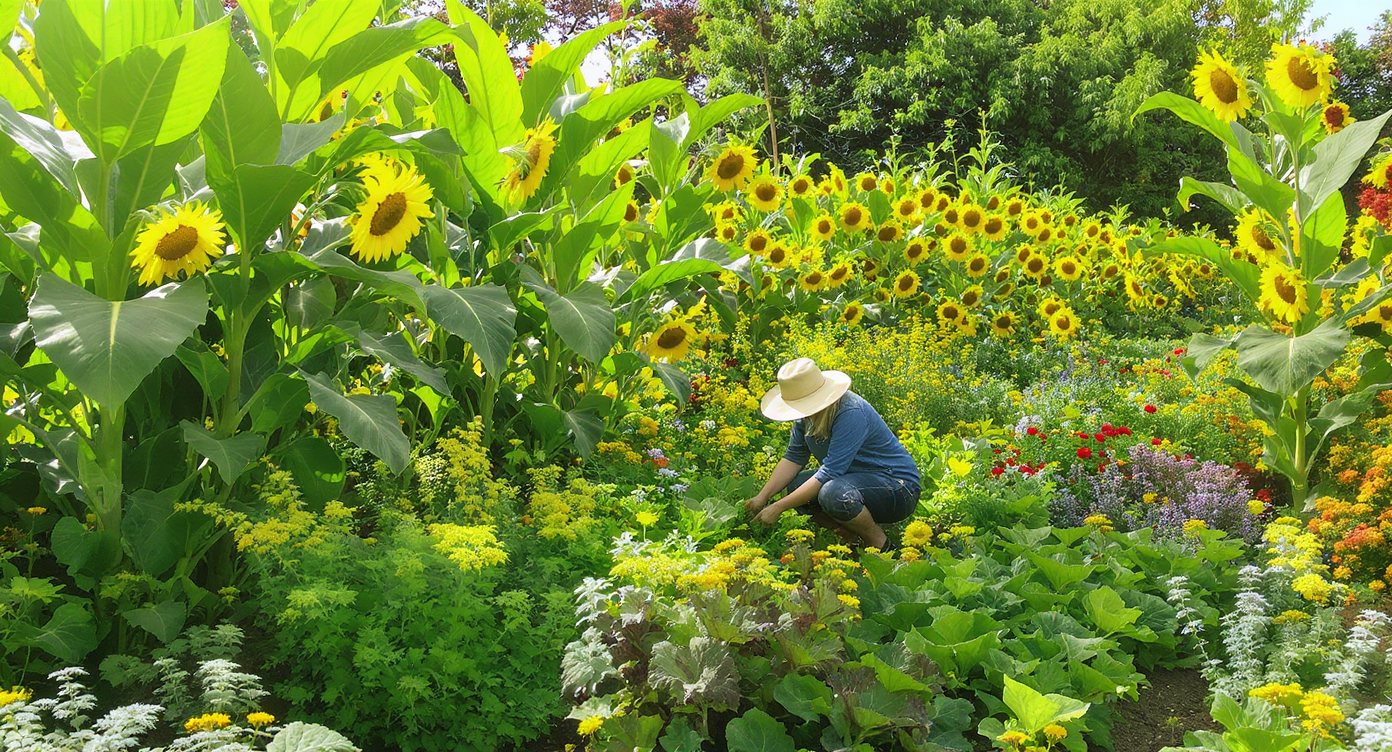
Sunflowers and corn create living canopies, providing shade for leafy greens and boosting resilience in your vegetable garden design.
Sometimes, the best shade structure is alive. Fast-growing sunflowers or tall corn create natural canopies for more delicate vegetables. Plant these companions in strategic rows to block direct sunlight in the afternoons, while supporting biodiversity and attracting pollinators. Experienced gardeners frequently mix cool-tolerant leafy greens beneath these living umbrellas, enhancing resilience and boosting variety. Integrating living shade into your design follows principles seen in high-output edible plots, like those recommended in our article on high-calorie survival gardens.
-
6. Maximizing Comfort with Mulch and Cooling Hardscape
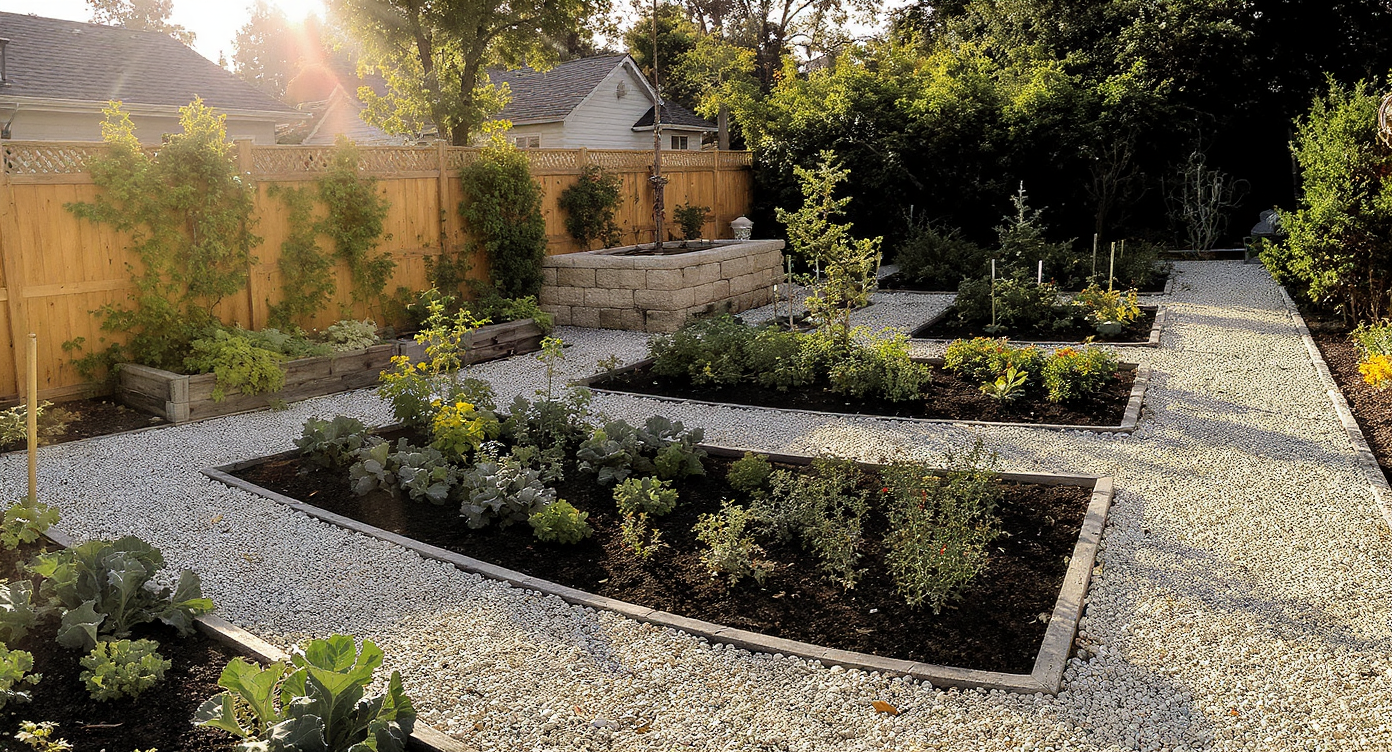
A mulch-covered vegetable garden paired with light hardscape creates a cooler, more comfortable space for growing and outdoor relaxation.
Hardscape elements and thick mulch layers do more than control weeds—they also moderate surface temperatures, reduce glare, and make the space more comfortable for both gardener and plants. Light-colored gravel or decomposed granite pathways reflect less heat into plant canopies, while organic mulch (applied two to four inches deep) insulates soil in both beds and containers. By optimizing surfaces, you transform a basic growing area into a functional leisure zone for outdoor relaxation and seasonal gatherings. For practical guidance on mulch types and hardscape, consult advice on living soil and deep mulching.
-
7. Making Every Layout Work with Digital Planning Tools
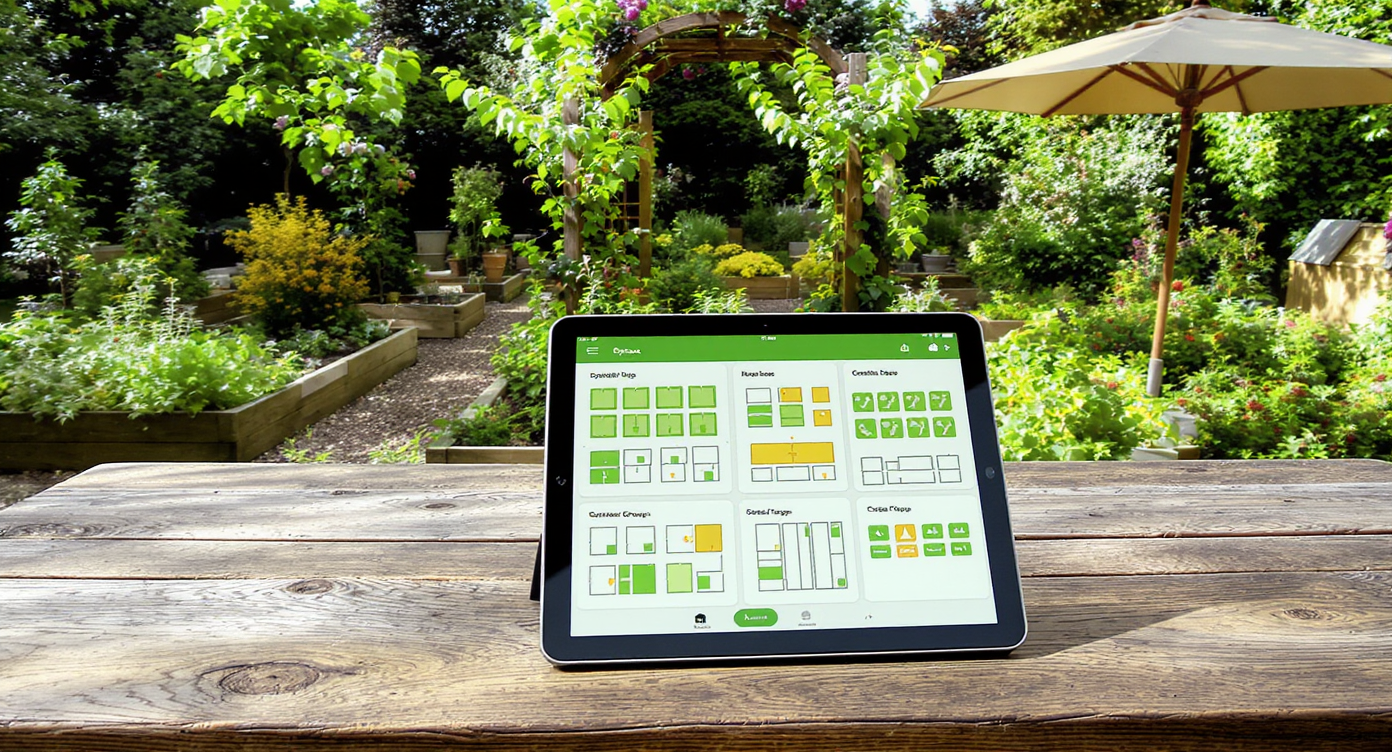
Digital planning tools help gardeners create efficient layouts by previewing shade, pathways, and plant beds before installing anything.
Technology opens up new opportunities for tailoring shade and comfort to your unique property. Digital planning tools like REimagineHome.ai allow you to visualize different layouts, try alternative shade structures, and preview how container groupings or raised beds might shape your leisure zones. Adjust the placement of shade cloth, seating, and pathways before you commit, ensuring you maximize both productivity and usability of every corner—especially vital for renters and first-year gardeners. As with all things design, testing visually before investing is a strategic move.
FAQ: Shade, Containers, and Outdoor Leisure Zones
For consistently hot and sunny regions, a 50 percent shade cloth generally offers sufficient protection while still enabling healthy vegetable growth.
Can container gardens really beat the heat?
Yes. By moving containers into partial shade or clustering them, you improve root-zone cooling and make better use of microclimates, as shown in digital planning platforms like REimagineHome.ai.
What are some renter-friendly ways to create shade?
Repurposed carport frames, portable canopies, and removable netting all provide effective shade without permanent installation or major cost.
How important is mulch in hot gardens?
Mulch is essential. It stabilizes soil temperatures, conserves moisture, and reduces surface burn, which is a key point highlighted in our review of vegetable gardening tips.
Is it worth using digital tools for garden design?
If you want to compare shade configurations or test new layouts without guesswork, planning platforms like REimagineHome.ai can be invaluable.
Turn Harsh Sun Into a Productive, Enjoyable Retreat
Establishing functional shade structures and cooling strategies is crucial for any outdoor vegetable garden, particularly in demanding climates. Flexibility—whether through removable cloths, temporary frames, or strategic containers—empowers gardeners to adapt as the seasons or living situations change. Innovative digital platforms like REimagineHome.ai can help you plan and perfect these spaces, blending productivity and relaxation in every redesigned leisure zone.