7 Smart Gardening Strategies for Starting Fresh in a New Space
TL;DR
Starting a new garden at a fresh address can be both exciting and challenging. A successful first season depends on understanding your site, managing pests, and selecting the right crops. This list highlights practical tactics for new homeowners or anyone refreshing their outdoor growing space.
A New Plot, A Blank Canvas: Getting It Right From Day One
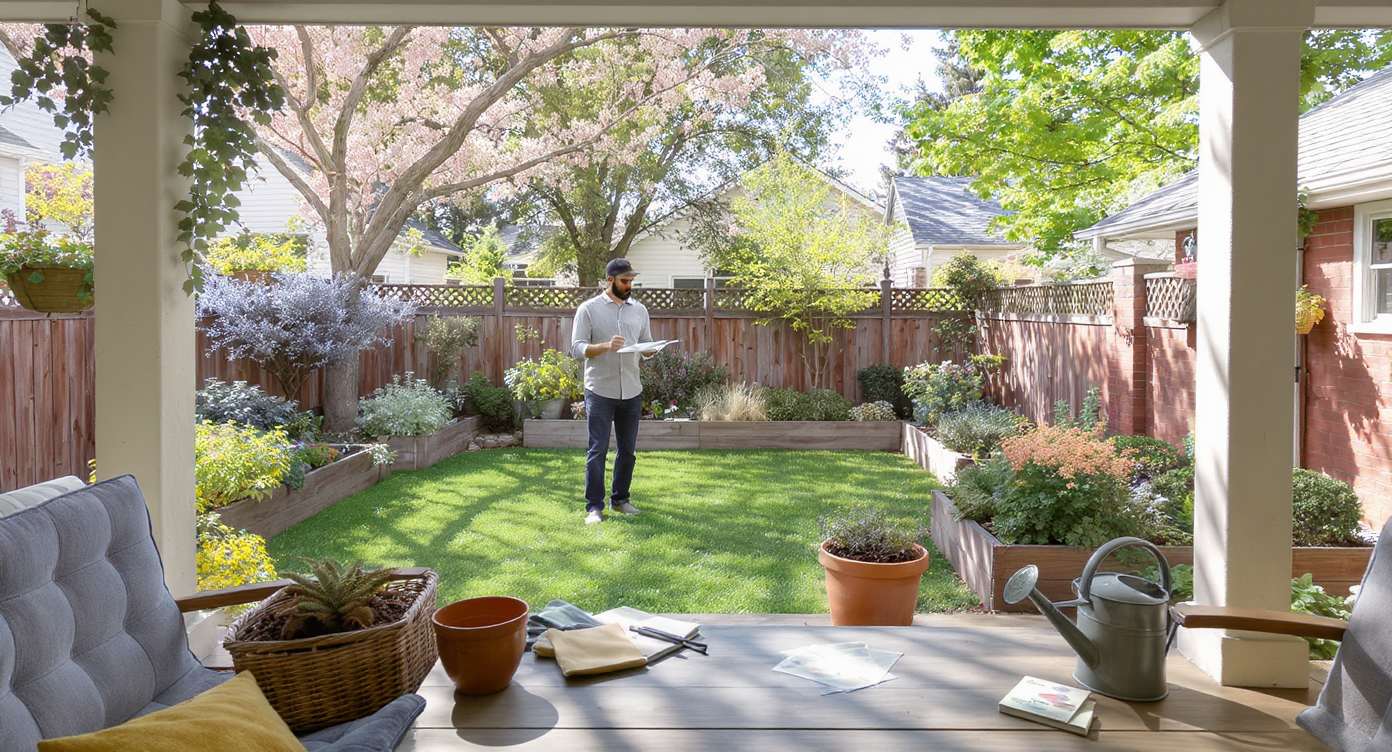
Starting fresh in a new home, gardeners observe and plan their outdoor space—key to a successful first growing season.
Moving into a new home with an unfamiliar yard brings a unique opportunity—and a few challenges—for gardeners. Regardless of prior experience, adapting your approach to a new site can accelerate your garden’s progress and success. The first year is all about observation and experimentation, as you learn how sunlight, soil, and local conditions play out in real time, far beyond what internet charts and regional guides can predict. This list compiles tried-and-true techniques that allow new homeowners, apartment dwellers, and urban gardeners alike to maximize all the potential of their new outdoor (or indoor) spaces. Whether you’re eager to set up raised beds, start germinating seeds indoors, or tackle overlooked pest issues, these strategies will help you lay the groundwork for thriving beds and edible yields from season one.
-
1. Study Sun and Shade Before Planting Anything
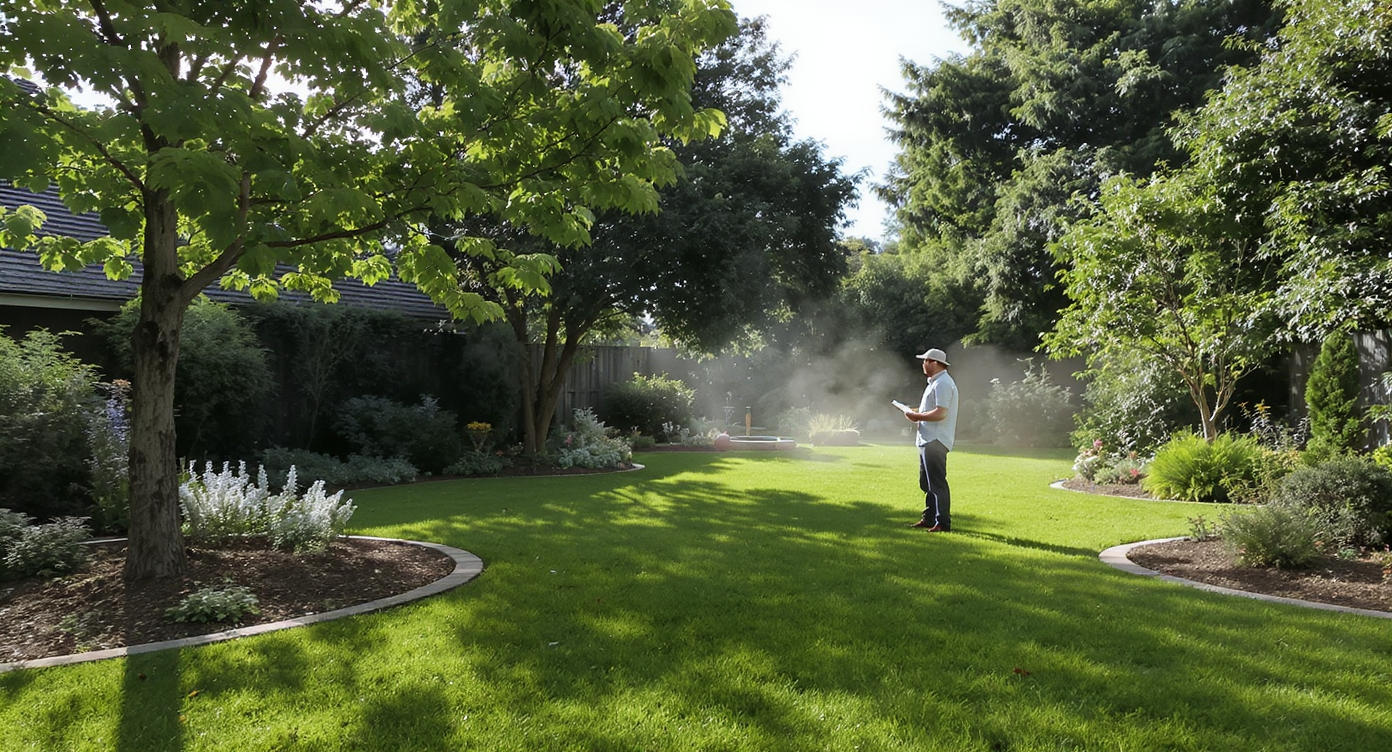
Mapping sunlight in a new garden helps match each plant’s needs, leading to healthier growth and smarter planting choices from day one.
Every garden’s personality starts with its light pattern. Spend at least a week observing which areas get direct morning or afternoon sun, how shadows move from neighboring buildings or trees, and if any zones stay persistently damp or dry. This site-specific knowledge will help you group plants according to need—sun-hungry vegetables like corn and watermelon will always outperform in the brightest spaces, while leafy greens or indoor starts may thrive where light is limited. Designers often emphasize mapping sunlight early to avoid stunted growth or disappointing yields.
-
2. Conduct a Simple Soil Assessment
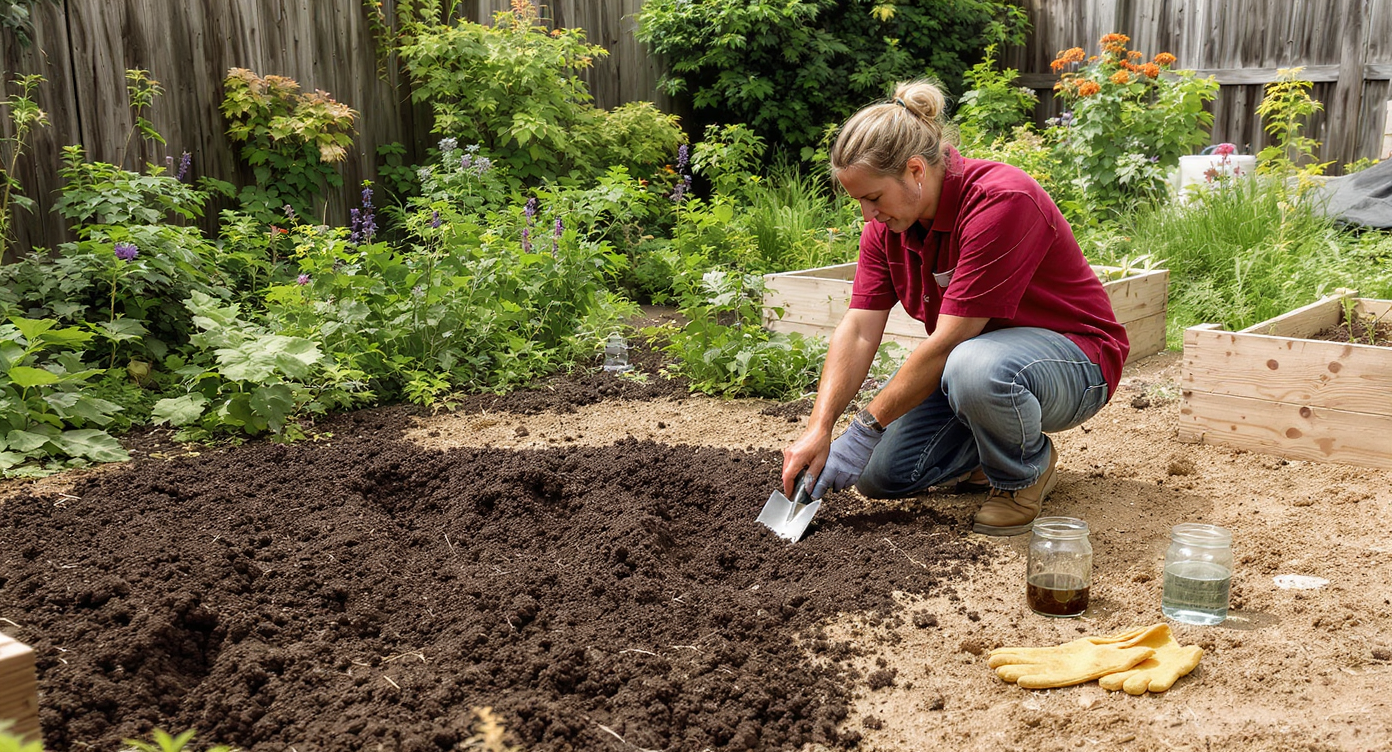
A gardener assesses soil texture and drainage with simple tools—an essential first step for successful planting in a fresh garden space.
Understanding your soil from the outset saves time and frustration down the road. Use a trowel to dig and inspect the texture—are you dealing with dense clay, fluffy loam, or sandy, quick-drying ground? A basic at-home test with water can help you check for drainage. Most vegetables prefer a rich, loose medium, so be prepared to amend with compost or organic matter. This foundational step is echoed in expert advice, as highlighted in our guide to vegetable gardening tips for successful harvests.
-
3. Grow From Seed for Adaptability and Choice
Starting plants from seed indoors opens up a spectrum of crop options and allows gardeners to bypass some limitations of retail seedlings. Once outdoor temperatures stabilize, transitioning robust starts—such as tomatoes, cucumbers, and broccoli—into the ground can jump-start your growing season. For those wanting to take advantage of a new home's microclimate, germinating seeds provides maximum flexibility, especially for unique varieties like tomatillo or Brussels sprouts. Consider using an ai garden design from photo tool to visualize layout and sun exposure for various crops as they mature.
-
4. Address Pests Promptly, Indoors and Out
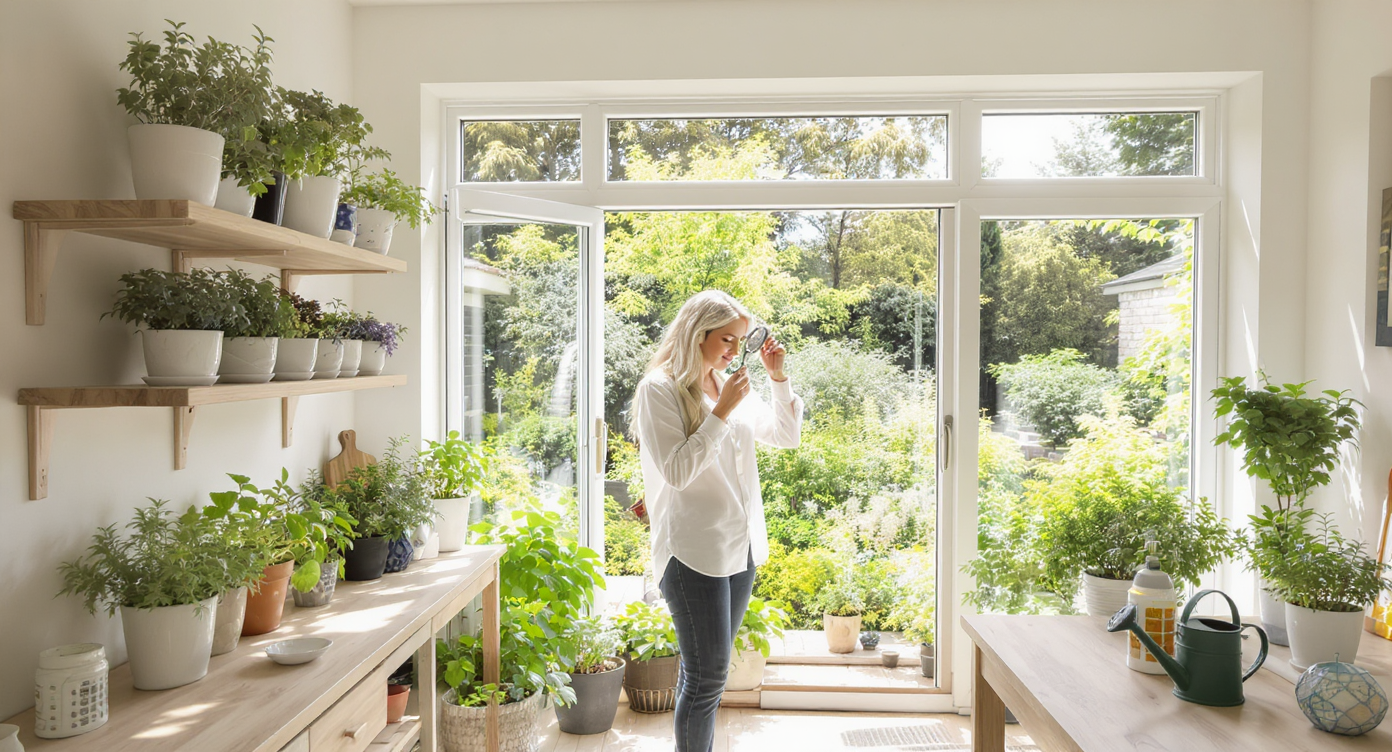
Promptly inspecting new indoor plants for pests, like spider mites, helps maintain healthy gardens right from the start.
Pest issues can surface quickly in a new setting, especially when moving existing plants or seeds indoors or out. Spider mites, for example, often hitch rides on herbs like catnip or pepper plants. Practically, isolating new arrivals and monitoring with a magnifying glass will catch outbreaks early, before they spread. If growing an indoor garden with supplemental lighting, keep an eye out for fungus gnats or aphids as well. Eliminating pests at first sight preserves plant vigor and avoids headaches later in the season.
-
5. Use Raised Beds and Defined Paths for Better Organization
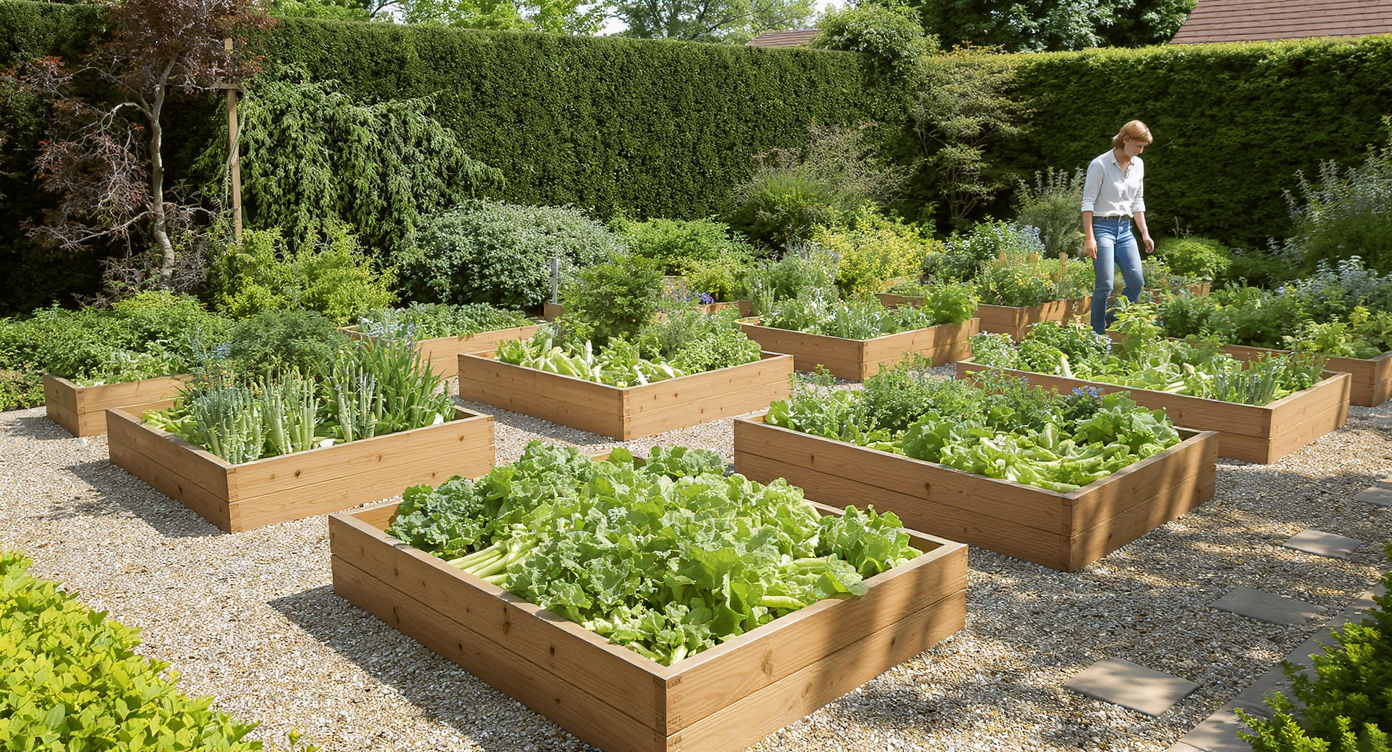
Strategically arranged raised beds with defined gravel paths make every part of the garden accessible and easy to maintain from day one.
First-year gardens benefit from clear infrastructure. Raised beds help concentrate nutrients, control weeds, and simplify watering, especially in spaces with marginal native soil. Defined pathways—using mulch, gravel, or stepping stones—make every part of the garden accessible and reduce soil compaction from repeated foot traffic. Insights from our exploration of beginner raised-bed landscaping layouts can help inspire practical and beautiful arrangements for any space.
-
6. Choose Reliable and High-Reward Crops for Year One
Not all vegetables or annuals offer equal rewards for first-time plots. Reliable performers like broccoli, sunflowers, beans, and even potatoes provide a higher chance of success while teaching valuable lessons about crop growth. For those interested in maximizing yields with minimal stress, foundational advice is available in our exploration of the beginner survival garden. Testing a small selection across categories also reduces risk and spreads harvest dates for longer enjoyment.
-
7. Leverage AI Tools for Visualization and Planning
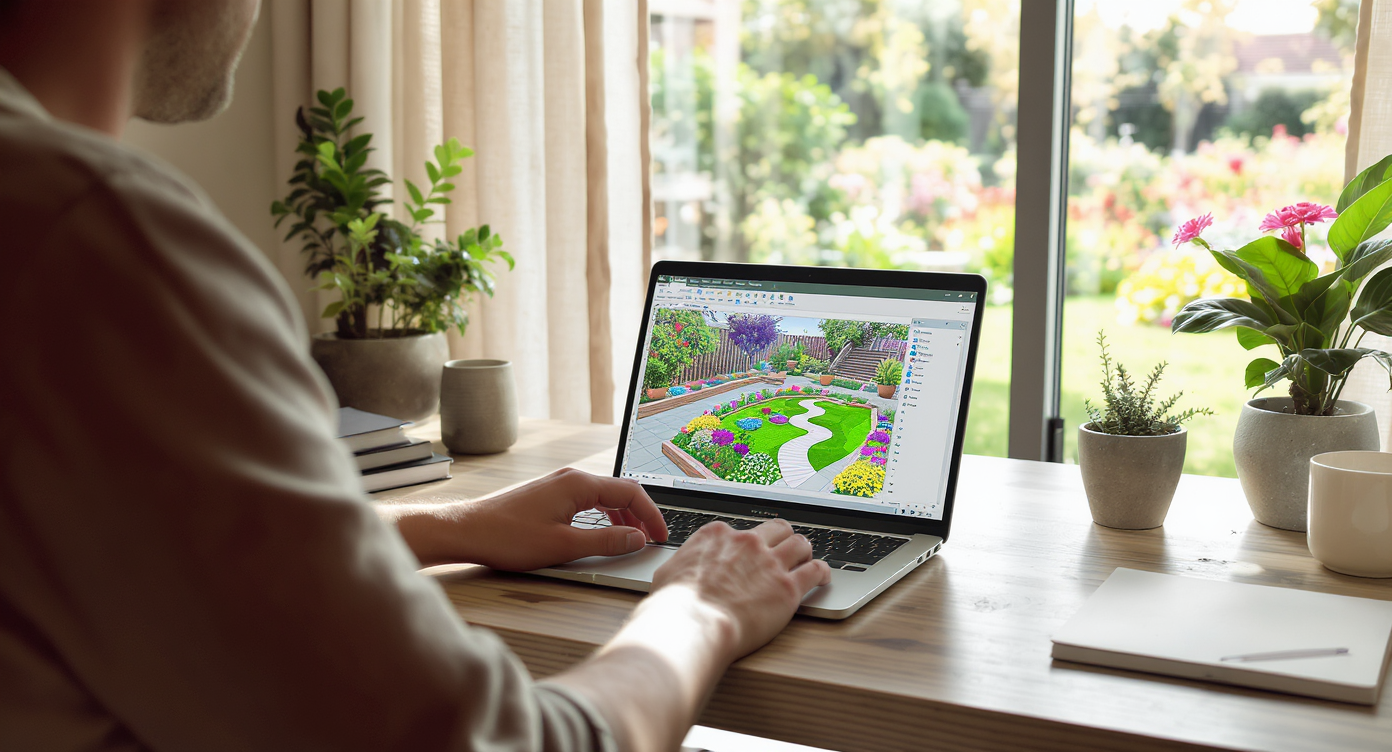
Digital visualization tools help homeowners confidently plan garden layouts, test ideas, and create thriving outdoor spaces from season one.
Modern garden design increasingly benefits from digital tools that allow homeowners to simulate layouts, sun patterns, and planting choices. Using an ai landscaping tool for backyard design or platforms that let you visualize landscaping with photos can help you avoid costly layout mistakes, refine spacing, and even test aesthetic ideas before breaking ground. According to professionals, these visualization tools support faster decision-making and minimize new-garden anxiety.
New Garden, New Questions: FAQ
Begin by tracking the sunlight in your yard for a full day, noting potential obstructions. Most vegetables thrive with 6 to 8 hours of direct sun, so prioritize sunny spots and group plants by similar requirements. Tools such as REimagineHome.ai can help you digitally test placement before building.
What is the best way to transition indoor seedlings to the outdoors?
Harden off seedlings by gradually introducing them to outdoor temperatures and sunlight over a week. Monitor them closely for pests and adjust watering as needed.
Can I reuse soil from indoor plants in my new outdoor garden?
It’s possible, but exercise caution—indoor soil can harbor pests like spider mites. Sterilize if possible or use it only in ornamental beds.
How can I visualize landscaping with photos before committing to a layout?
Platforms that let you upload site photos and overlay bed arrangements or pathways use artificial intelligence to offer realistic visualizations. This approach, available with solutions like REimagineHome.ai, can help you explore different schemes and avoid placement errors.
What if my soil drains poorly?
Add organic matter and consider building raised beds to lift planting areas above slow-draining ground. For more on working with less-than-ideal soil, see the vegetable gardening tips article.
Maximizing the First Season’s Promise
Smart foundational choices can transform a brand-new growing space into a source of beauty and productivity within just a year. Observing sun and soil, starting seeds indoors, setting up infrastructure, and experimenting with reliable crops creates a learning-rich environment. Using modern visualization tools such as REimagineHome.ai brings clarity and confidence to those decisions, especially when adapting to an unfamiliar garden environment.