7 Smart Insights for Choosing Between Free Virtual Staging, Budget Apps, and Real Staging in Modern Homes
TL;DR
Weighing virtual staging versus traditional staging comes down to more than budget. This list dissects real pros and pitfalls of going with free apps, affordable staging services, or physical staging—so sellers can set honest expectations for buyers and achieve the strongest online presence without crossing ethical lines.
Understanding the Modern Staging Landscape

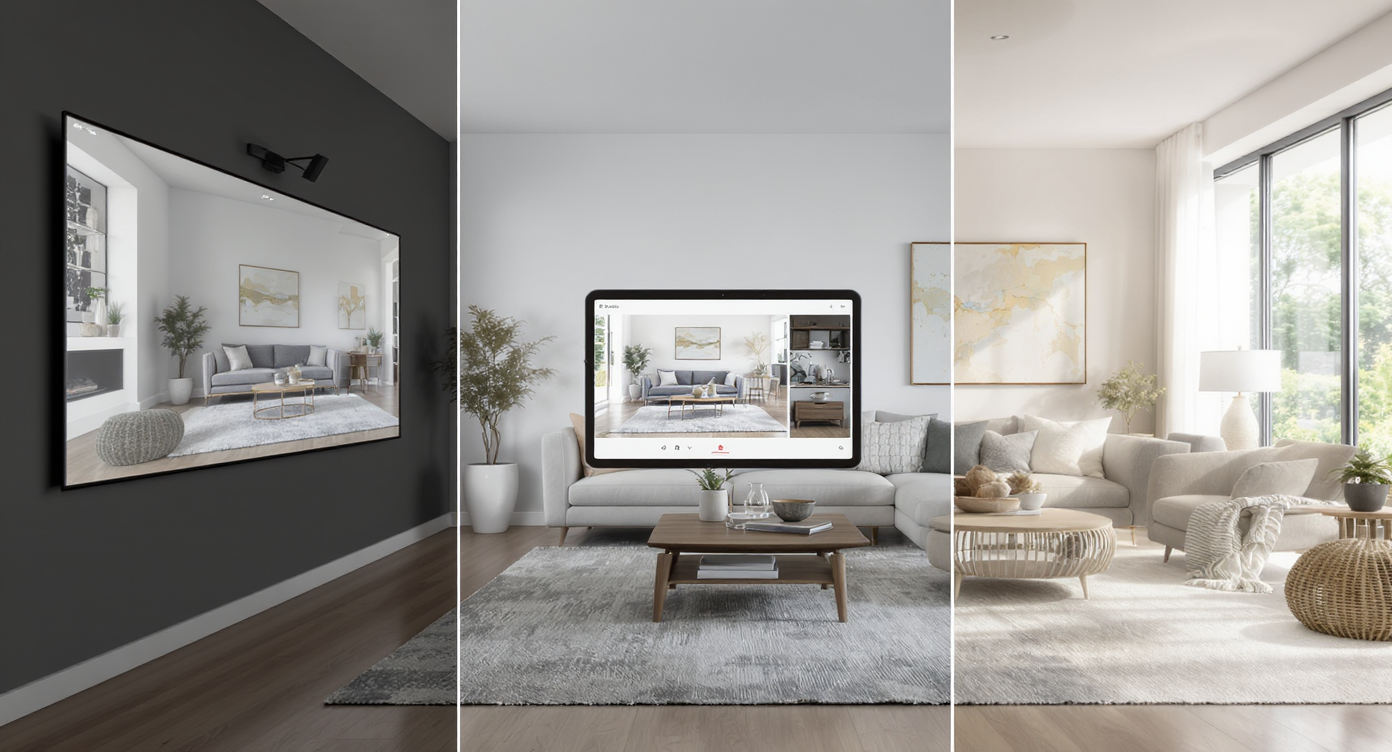
Scene showing a vacant modern living room, a laptop with virtual staging options, and a phone with a budget staging app open.
For home sellers, especially with contemporary properties, the staging dilemma now includes cost-friendly virtual options alongside traditional, hands-on staging. With most buyers starting their search online, sellers feel pressure to enhance vacant homes with furniture and décor, yet face confusing tradeoffs about price, believability, and impact. The appeal of free or low-cost virtual staging apps is undeniable, but their effectiveness can vary widely—and their use requires strategic thought. This guide breaks down crucial considerations for anyone debating free virtual staging apps versus budget-friendly staging services or in-person staging. Whether you’re a homeowner hoping to maximize perceived value or a real estate professional determined to build trust, these insights will help you assess the right approach for your sale.
-
1. The Real Cost Gaps Between Virtual and Traditional Staging
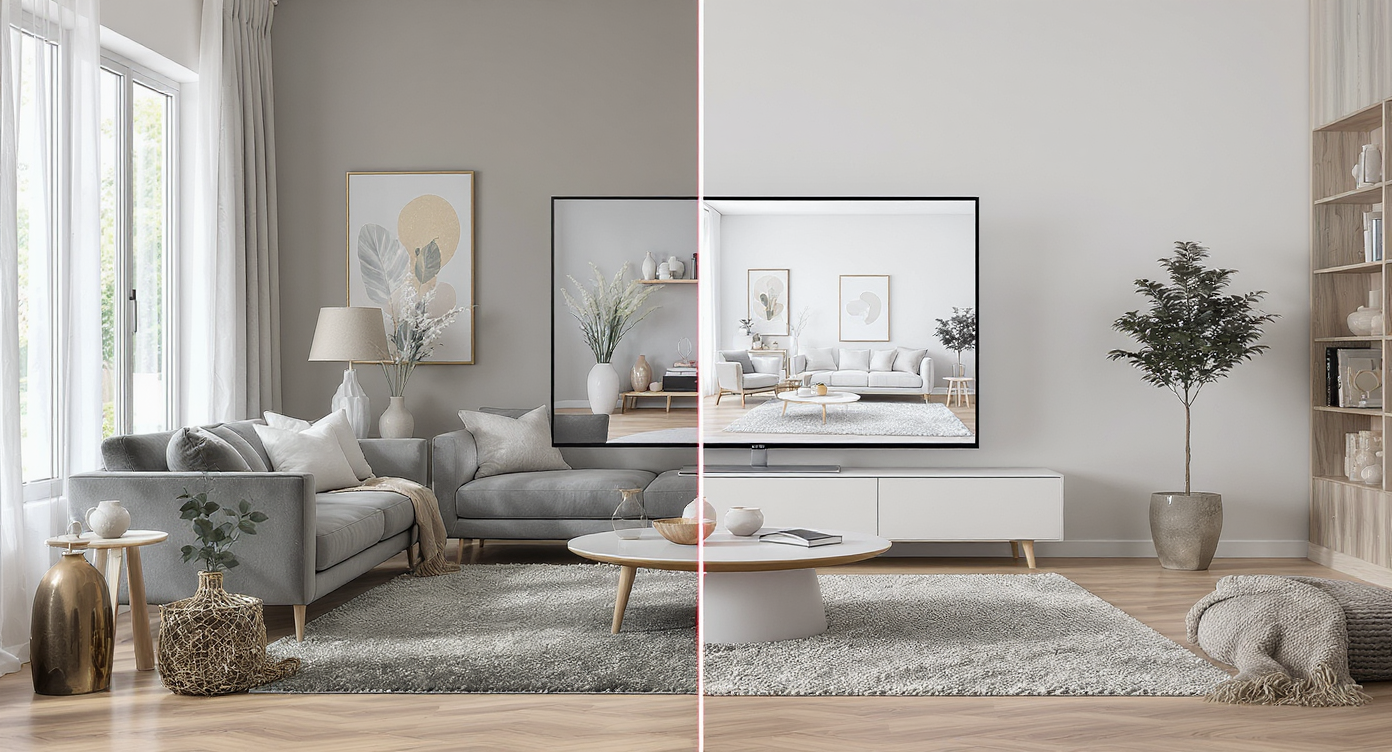
A living room visually comparing physical staging versus virtual staging costs: real furniture setup next to virtually staged images on a laptop.
Physical staging commands a premium, regularly imposing costs from $2,000 to $3,000 for a multi-room property, depending on square footage and local rates. By contrast, budget virtual staging services typically range from $30 to $50 per image, and some platforms even provide entry-level free tools. However, while virtual staging cuts upfront spending dramatically, it lacks the tactile impact and lived-in feel that traditional staging creates during in-person showings. Sellers should weigh how much value is truly lost or retained when prospective buyers view a vacant property after being drawn in by visually appealing online photos. According to our guide on virtual staging versus real staging, combining both strategies can sometimes bring the best of both worlds.
-
2. Free Virtual Staging Apps: Flexibility with Notable Limits
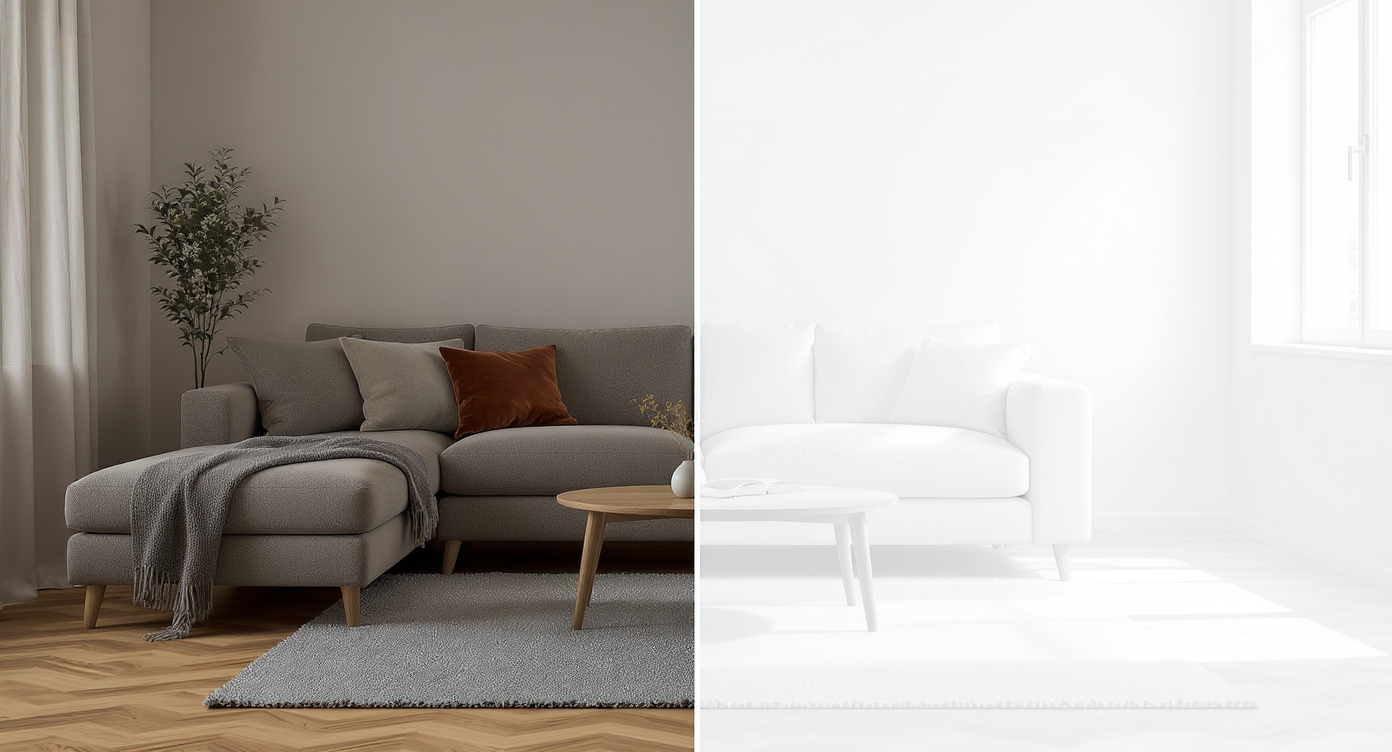
Comparison of a modern living room staged with free virtual furniture overlays versus the same space left empty, revealing quality limits.
Many sellers seek out free virtual staging apps with the hope of saving money and time, but these solutions often fall short on realism, design flexibility, and rendering quality. Free apps may offer basic furniture overlays and limited customization, making it challenging to achieve a cohesive look that suits high-end, modern residences. When relying on free or low-cost tools, consider how the limitations might leave your photos feeling generic or visually cluttered rather than inspiring. For those with a finer design eye or specialized staging needs, more robust, professional tools or expert help may ultimately pay off in presentation value.
-
3. Budget-Friendly Staging Services: A Middle Ground
Affordable virtual staging services bridge the gap between DIY apps and high-end in-person staging. Providers like BoxBrownie are cited frequently for offering quality edits at roughly $30 to $50 per room, furnishing a home’s photos with more realism than most free alternatives. These services typically allow iterative feedback, better furniture libraries, and often higher-quality end results. When choosing such platforms, vet their portfolios for style match and realism, ensuring that the final images enhance—not exaggerate—the property’s appeal. As we explored in our analysis of where virtual staging goes too far, keeping edits believable is key to maintaining buyer trust.
-
4. Ethical Boundaries: Disclose and Pair with Original Images
Virtual staging’s power is undeniable for giving buyers a sense of how empty rooms might look, but it also demands full transparency. Sellers should always pair staged photos with original, unedited images and clearly label which images are virtually enhanced. Failing to do so risks misleading buyers, potentially undermining trust and even violating MLS rules. Our resource on the legal and ethical use of edited listing photos details these disclosure best practices. Transparency ensures buyers are inspired, not deceived, by the listing.
-
5. Match Your Staging Strategy to Market Conditions and Home Type

A luxury modern home split between elegant physical staging and digital virtual staging displayed on a tablet, highlighting staging strategy choices.
The success of any staging investment, virtual or physical, hinges on your local real estate environment and the character of your property. In fast-moving markets, homes may sell quickly whether staged or empty, making expensive staging less necessary. In slower or luxury markets, thoughtful presentation—physical or virtual—often carries more weight. Modern, high-end homes benefit from virtual staging that mirrors contemporary interior trends and accurately reflects the home’s scale and finishes. In all cases, consider buyer demographics and browsing habits, leveraging digital tools such as REimagineHome.ai to model various furniture arrangements or style choices before making a commitment.
-
6. Set Realistic Expectations for Buyer Experience

A modern living and dining area are fully staged for a realistic showing, while a connected secondary room is left empty to illustrate staging strategies.
Buyers growing ever-savvier often arrive at showings expecting to see at least some resemblance to the enticing photos they saw online. When a home is empty but digitally staged in photos, some disappointment—or confusion—is inevitable. To mitigate this, consider staging select rooms physically (such as the living and dining areas), as one experienced agent suggested, while using virtual staging for secondary spaces. This compromise supports emotional connection in key gathering areas and leverages cost savings elsewhere. As experts recommend, always offer toggles or comparisons between staged and empty versions to help buyers visualize possibilities without creating false expectations.
-
7. Future-Proofing: Evolving Tech and Buyer Savvy
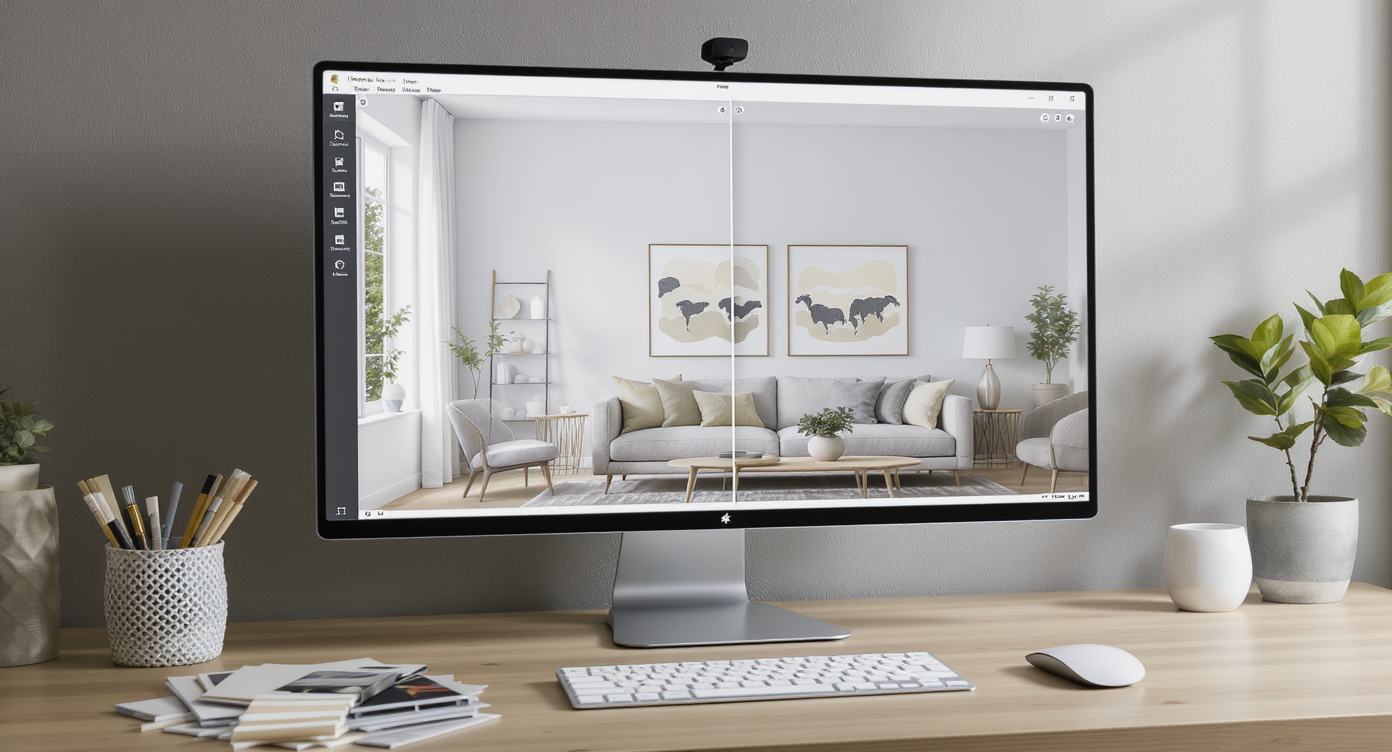
A computer monitor displays a side-by-side comparison of basic and premium virtual staging for a modern living room, illustrating evolving tech.
As virtual staging technology matures, the gap between affordable and premium results continues to narrow. Recent innovations let sellers preview different layouts, experiment with finishes, or even stage 360-degree images. Yet for now, there remains a noticeable quality difference between free tools and professional services, especially for upscale homes. Buyers expect accuracy and honesty, so investing in tools that support transparency and flexibility—such as platforms where you control style or see side-by-side comparisons—will likely remain best practice as both regulations and buyer awareness continue to evolve.
FAQ: Virtual and Physical Staging Choices Deciphered
MLS rules generally require original, unedited images alongside virtually staged versions and clear disclosure. Check your local requirements to avoid compliance issues, as discussed in our guide to ethical photo editing.
Can virtual staging backfire with buyers?
If edits are unrealistic or undisclosed, buyers may feel misled, risking trust and prolonging your sale. Learn effective staging strategies here.
When should I invest in physical staging?
Physical staging is ideal for show-ready homes or high-end properties that rely on creating an in-person wow factor. For faster sales online, virtual staging can be enough—especially if paired with a platform like REimagineHome.ai to preview multiple options.
Do free virtual staging apps really help sell modern homes?
They can improve online appearance, but limitations in design variety and realism may be noticeable, especially to sophisticated buyers. Investing in budget professional services or well-chosen virtual staging is often more effective for high-end homes.
Are buyers aware of virtual staging?
Increasingly, yes. With buyer awareness rising, transparency and clear labeling are essential for building trust and avoiding disappointment during tours.
Balancing Budget, Impact, and Ethics for Confident Staging Decisions
Free and affordable virtual staging tools offer sellers new agility to compete visually and cost-effectively, especially in digital-first home searches. Yet every tool comes with ethical and practical considerations. The most effective approaches blend cost awareness, buyer expectations, and a commitment to honest marketing. Leveraging platforms like REimagineHome.ai for previews and planning can refine your staging strategy, helping your listing stand out for the right reasons.