7 Practical Ways to Afford Home Renovations in 2026, Without Regret or Debt Stress
TL;DR
In 2026, affording a home renovation means combining cash savings, phased upgrades, equity-based borrowing, and focused DIY. Use the right financing for project size, maintain a 10–20% buffer, and prioritize improvements with solid long-term value. Avoid long-term debt for short-lived trends to dodge regret.
Why Smarter Planning Is Essential for Renovation Affordability in 2026
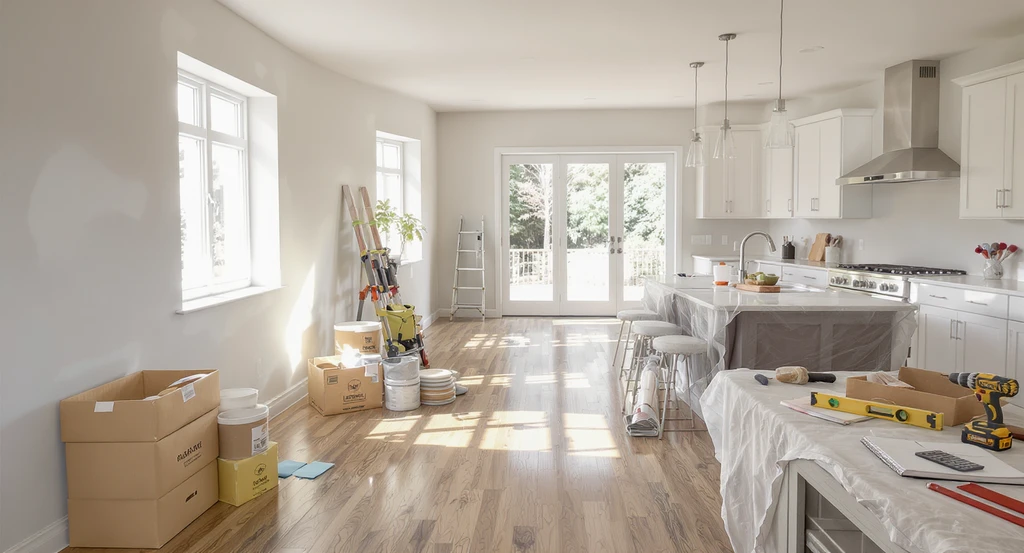
How to afford home renovations in 2026: a lived-in kitchen mid-renovation highlights phased renovation strategies for homeowners, renovation cost buffer planning, and practical steps to avoid regret in remodeling projects.
Home renovations in 2026 pose unique financial challenges. Persistently high interest rates and elevated material costs demand more discipline than ever. Regret in renovation often follows from mismatched funding, underestimated expenses, or using the wrong loan type for a particular project. Rather than avoiding all upgrades, the smartest homeowners apply phased renovation strategies, maintain significant buffers, and fund each project with the right blend of equity, cash, or short-term credit. Using these principles helps avoid renovation regret and costly debt stress, and aligns with proven approaches such as those outlined in our advice on DIY costs vs. savings and affordable renovation tips. Below are seven practical ways to confidently finance home upgrades in 2026, with layout logic and risk controls you can put to work.
-
01. Rely on Cash Savings for Small, Controlled Projects
01. Rely on Cash Savings for Small, Controlled Projects Image
Using cash remains the safest method for funding minor renovations such as painting, fixture swaps, small bathroom updates, staging, or budget-conscious decor changes.
Financial stress happens when emergency savings are used for upgrades, leaving you vulnerable to unforeseen expenses. Homeowners often overlook the need for a contingency buffer, assuming their estimates will cover everything.
- Keep 3–6 months’ essential reserves untouched by creating a separate renovation fund.
- Add a 10–20% cost buffer on top of your base estimate for surprises.
- Set a strict spending ceiling. If your available cash isn't enough, reduce project scope or phase the work to keep your financial safety net intact.
To see more about balancing DIY and cash-funded renovations, review our discussion of real savings.
-
02. Use HELOCs for Flexible, Ongoing Renovations

02. Use HELOCs for Flexible, Ongoing Renovations Image
A Home Equity Line of Credit (HELOC) provides flexible funding, ideal for projects completed in phases, such as kitchen remodels or staggered layout improvements.
The main mistake occurs when HELOCs are used for loosely scoped or trend-based projects. Variable rates (7.5%–9.5% in 2026) can lead to payment drift and overspending.
- Break larger renovations into well-defined phases with itemized price caps for each stage.
- Draw funds only for specific segments and monitor rate fluctuations.
- Reserve HELOC spending for upgrades with measurable functional or resale value, not short-lived trends.
Effective phasing and timeline creation is explained in our step-by-step timeline planning guide.
-
03. Choose Home Equity Loans for Predictable, Single-Scope Renovations
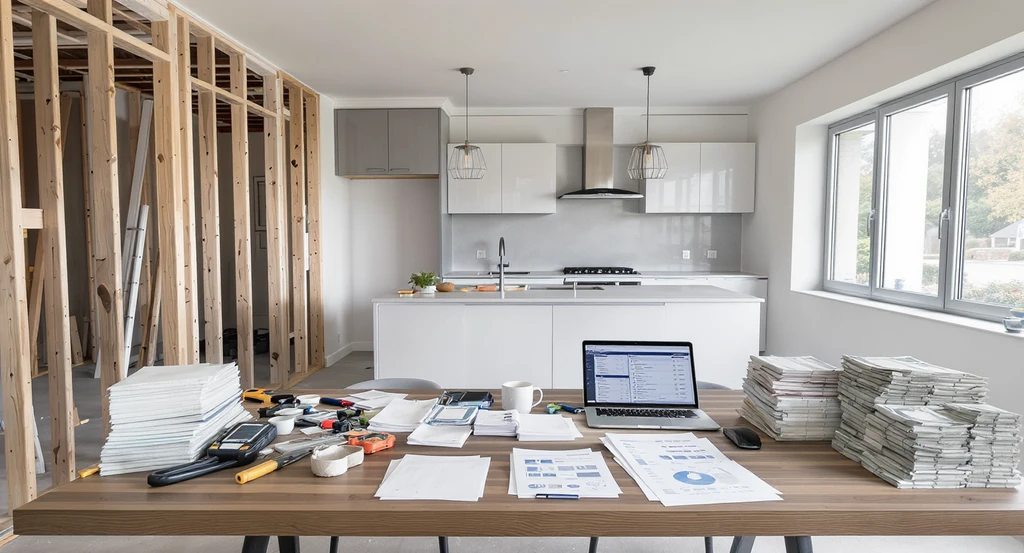
03. Choose Home Equity Loans for Predictable, Single-Scope Renovations Image
Fixed-rate home equity loans work best for defined, single-scope projects, such as a full bathroom remodel or new window installation, where you need a lump sum and want predictable payments.
Mistakes often happen when costs are underestimated or quotes aren’t locked in before borrowing. This can leave you short on funds partway through the project.
- Require written, itemized contractor estimates including permit and finish allowances.
- Add a 10–15% buffer for possible extras.
- Apply for the loan only after prices are fixed to avoid mid-project funding gaps and last-minute expensive top-ups.
-
04. Refinance or Mortgage Top-Ups for Structural, High-ROI Upgrades
04. Refinance or Mortgage Top-Ups for Structural, High-ROI Upgrades Image
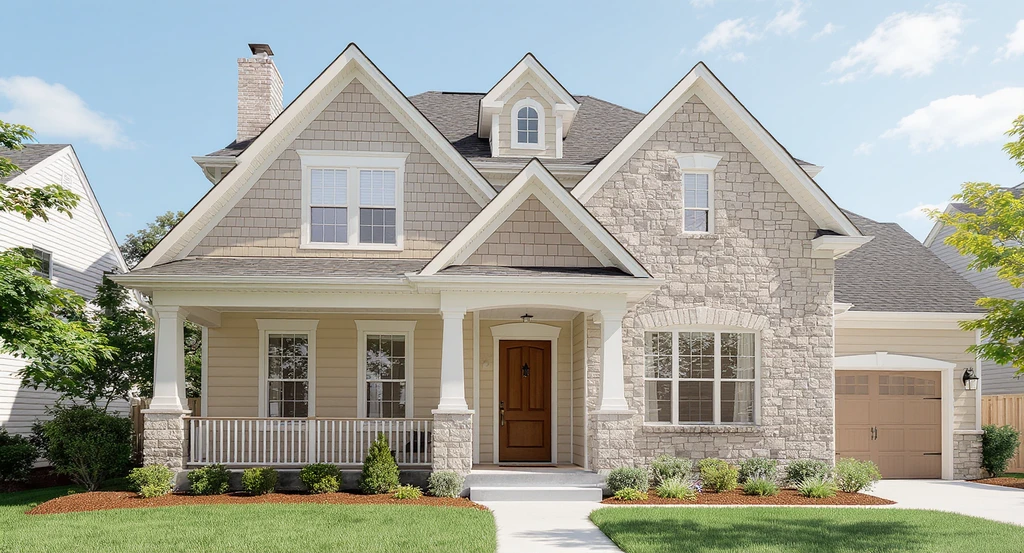
Refinancing or mortgage increases can offer the lowest long-term rates for essential structural work, such as new roofing, foundation repairs, or HVAC overhauls.
The biggest mistake is borrowing against your home for cosmetic, trend-based renovations that won’t provide benefits over the life of the loan. This results in paying back interest over 20+ years for upgrades that last only 5–10.
- Use these funds only for projects with proven ROI (like major systems or energy improvements).
- Calculate the full cost including monthly payments and closing fees, not just the project cost.
- Don’t bundle “wish list” items into a refinance; focus strictly on the most critical structural needs.
As we explored in our resale value analysis, midrange kitchen and bathroom remodels often recoup 60–75% of costs, focus financing on these kinds of upgrades.
-
05. Use 0% APR Credit or Personal Loans Only for Small, Fast Repairs
05. Use 0% APR Credit or Personal Loans Only for Small, Fast Repairs Image
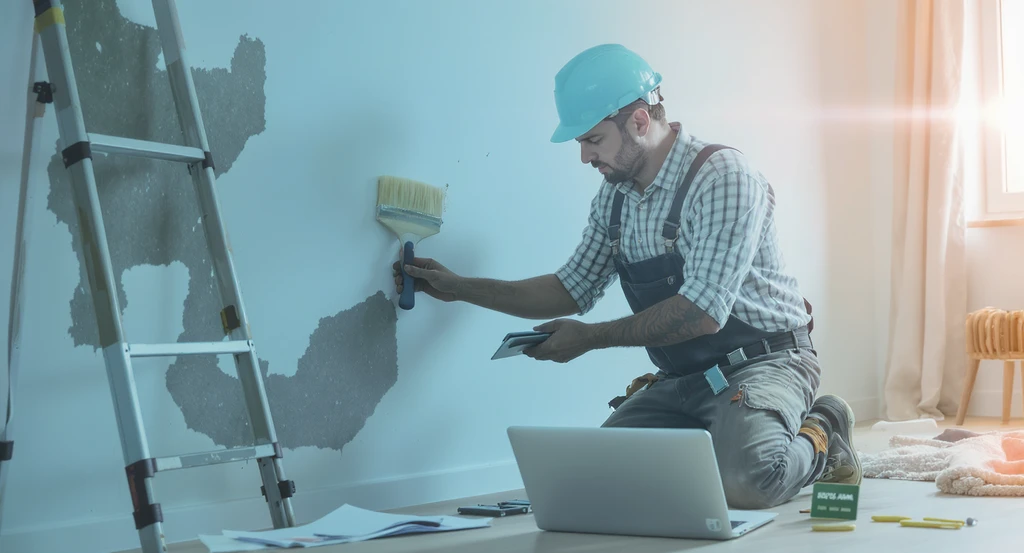
Credit cards with introductory 0% APR and short-term personal loans can work for quick, emergency upgrades, like appliance replacements or urgent plumbing fixes, if you repay the balance before fees spike.
Major regret occurs when these tools are used for larger or slower jobs, allowing promotional rates to expire and stacking up expensive balances.
- Only use for repairs under $15,000 and have a payoff plan set before you start.
- Automate payments and do not stack balances across multiple cards.
- Never use unsecured credit for multi-phase or structural remodels.
-
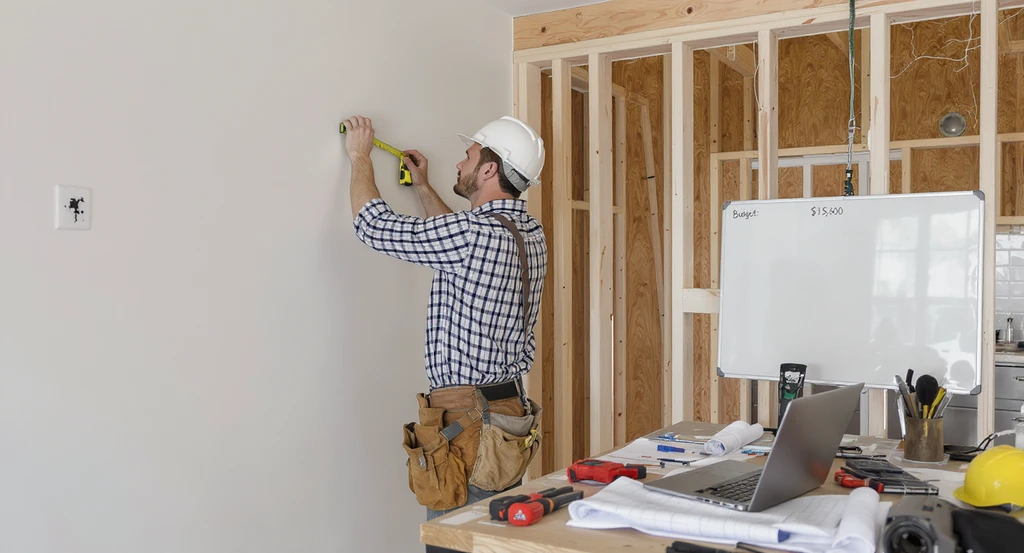
06. Phase Renovations to Spread Costs and Minimize Regret
06. Phase Renovations to Spread Costs and Minimize Regret Image
Tackling entire-home upgrades at once can overwhelm your budget and schedule, leading to stalled progress and cost overruns.
The correction is to divide large projects into clear, manageable phases. This improves financial control and lets you adjust your approach as needs or budgets change.
- Create a renovation cost buffer plan by mapping each phase (structural, layout, finishes) and budget individually.
- Set a start and end date for every segment and only move forward as each phase completes on budget.
For practical phasing and budget templates, see our affordable renovation planning advice.
-
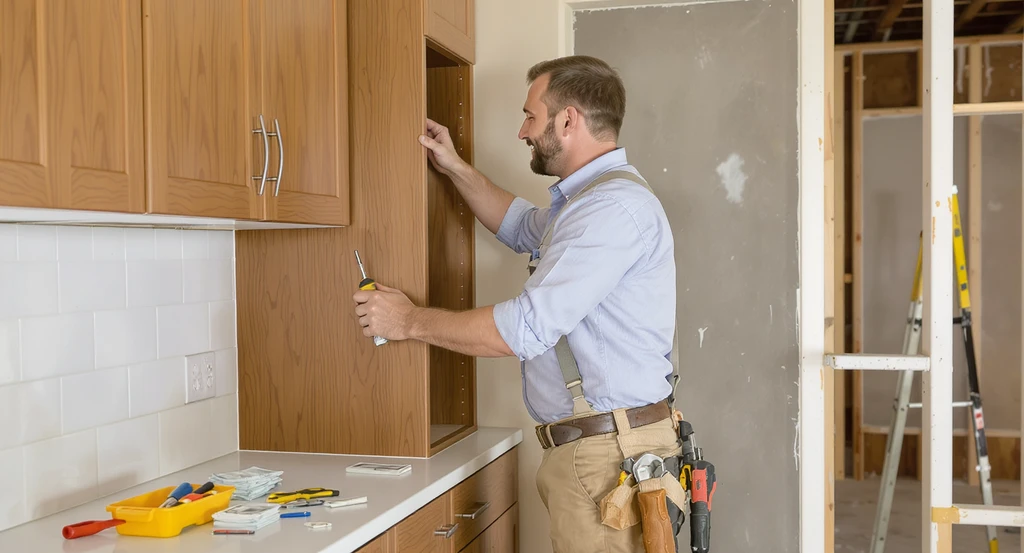
07. Combine DIY Labor With Licensed Professional Help
07. Combine DIY Labor With Licensed Professional Help Image
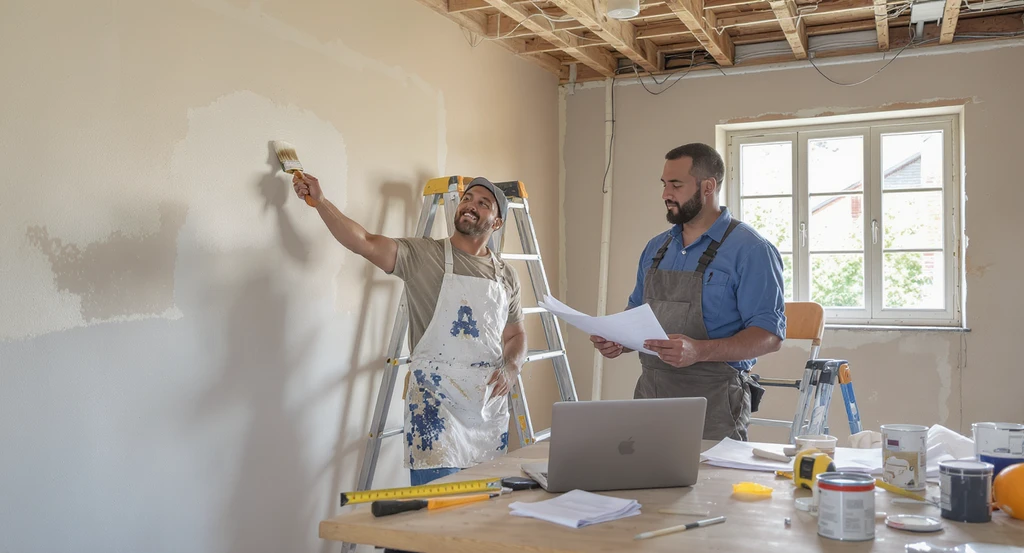
Smart DIY can lower project costs by 30–50%, but only when you stick to safe, manageable tasks such as painting, light demolition, or basic tiling.
Many homeowners make the mistake of attempting electrical, plumbing, or structural work without the right skills or legal permits, risking safety and higher long-term costs.
- Be realistic about your skills, time, and willingness to learn.
- Always hire licensed professionals for regulated trades.
- Factor in the cost of tools and potential do-overs when calculating savings.
Not sure when to tackle a job yourself? Read our expert breakdown of DIY vs hiring decisions.
Renovation Affordability FAQs
- What is the safest way to fund a renovation?
- Cash savings are safest for small projects, while well-planned home equity loans or HELOCs (with a 10–20% buffer) work for larger ones. Learn more in our DIY cost and savings guide.
- How do phased renovations help affordability?
- Phased approaches split projects into manageable parts, letting you rebalance as you go and avoid overcommitting. See more in our budget renovation tips.
- Should I DIY or hire a professional?
- DIY for straightforward, safe labor; always hire a licensed pro for electrical, plumbing, or structural work, as outlined in our analysis of resale impacts.
- How can I keep my renovation on schedule?
- Start planning early, lock in material selections, and phase projects in logical sequence. Our step-by-step guide covers the process in detail.
- How do I avoid cost overruns?
- Always budget a 10–20% buffer above estimates and insist on fixed-price contracts where possible.
Customize Your Renovation Plan for Lasting Affordability
Affording a renovation in 2026 isn’t about leaning on a single funding source or chasing trends, real success depends on matching each upgrade to its best-fit financing method, planning with solid buffers, and updating your home in strategic, measured phases. By using disciplined cash, staged equity loans, prioritized phasing, and targeted DIY, you reduce the risk of debt stress or regret. For even more actionable guidance, explore our resources on budget strategies and timeline planning.