Making Sense of New Carpet Smells: Off-Gassing, Odors, and Healthier Bedroom Choices
TL;DR
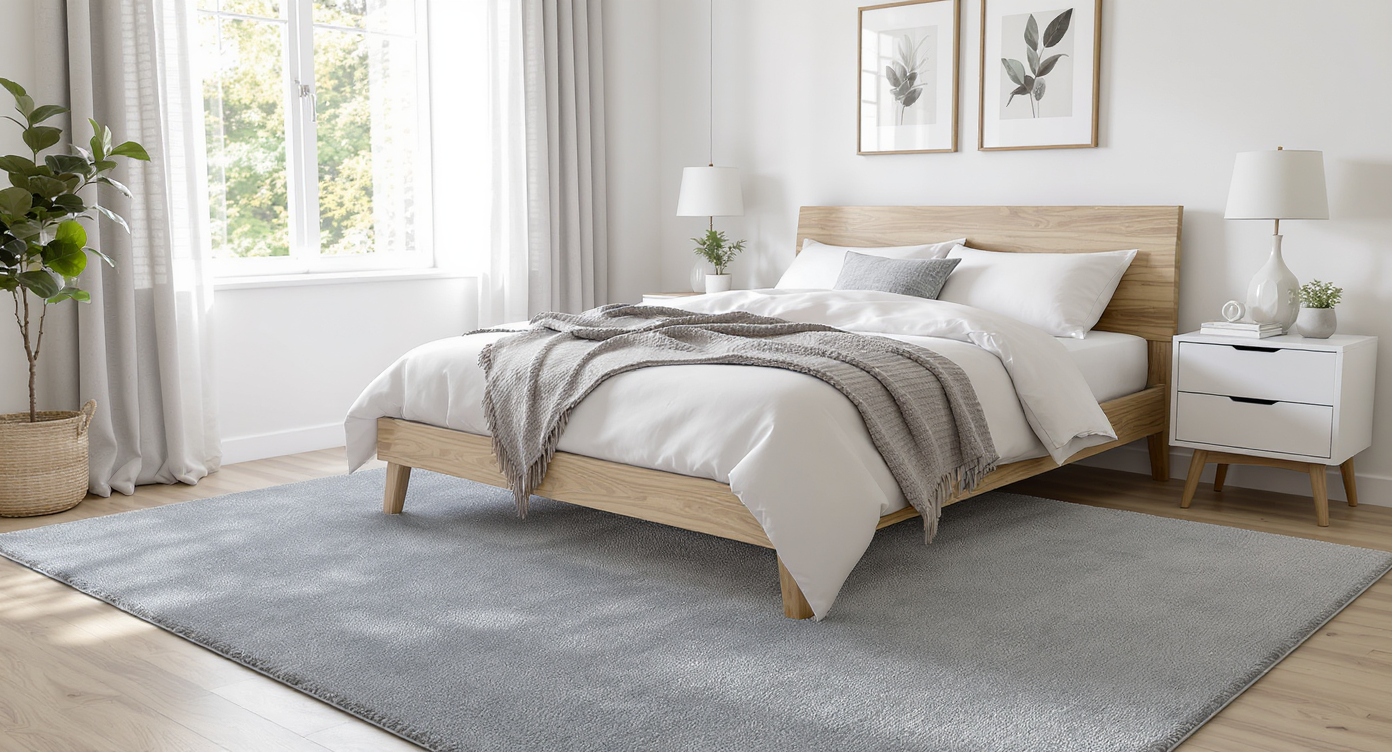
New carpet installations often bring a distinct 'new' odor to bedrooms, which is caused by off-gassing of volatile organic compounds (VOCs) from synthetic materials. For most modern carpets, this process is short-lived and not dangerous, yet proper ventilation and material selection can make a noticeable difference in comfort. Thoughtful choices around surfaces, cleaning routines, and air flow remain central to a healthier bedroom environment.
A Fresh Floor, a Distinct Scent: Understanding the 'New Carpet' Experience
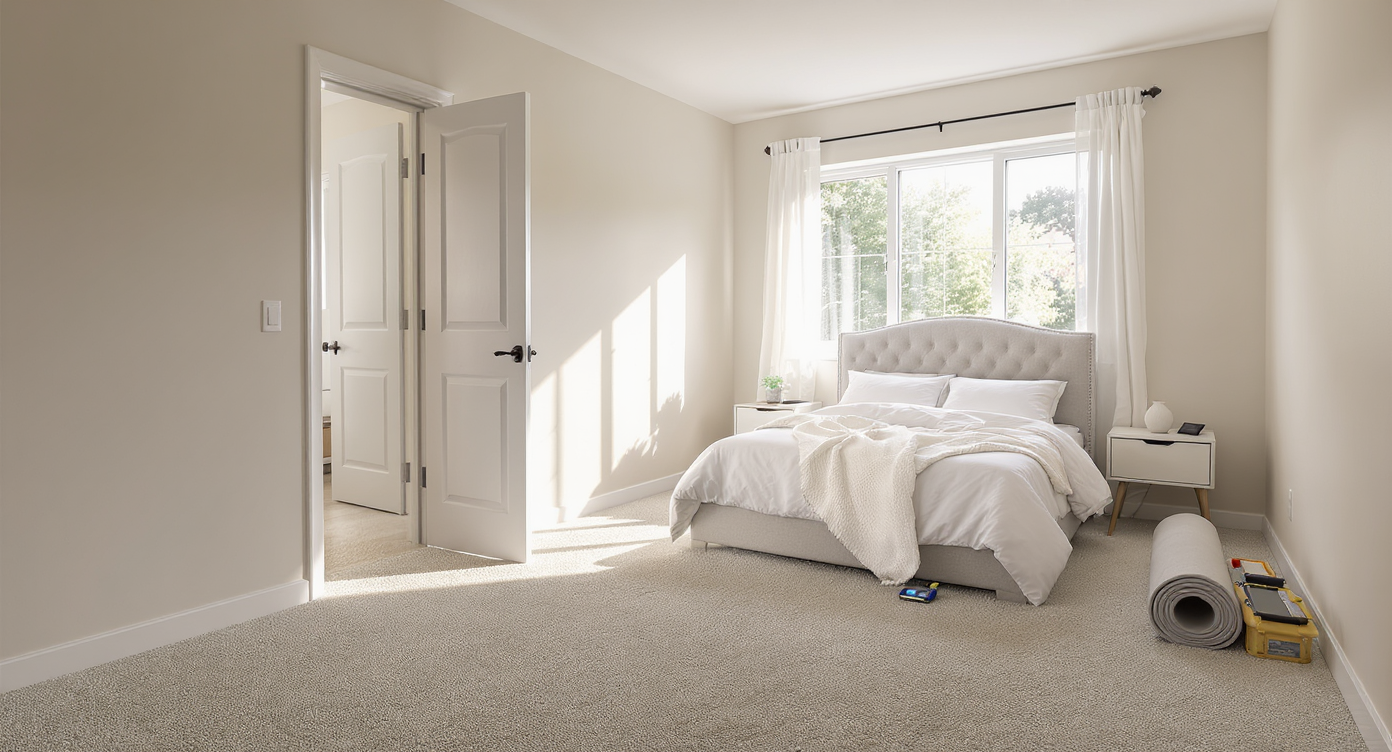
A just-renovated bedroom features fresh carpet, unpacked installation tools, and an air quality monitor, capturing the essence of new carpet smell.
Anyone who has stepped into a freshly carpeted bedroom is familiar with that immediate and unmistakable scent. The so-called 'new carpet smell' is hard to ignore—sometimes intriguing, often divisive, and very much a part of the renovation ritual. For some, it signals a major upgrade in comfort and style; for others, it sparks concern about what exactly lingers in the air. These reactions are not just about personal preference. They reflect evolving conversations about indoor air quality, chemical exposure, and smarter choices for living spaces. Modern interiors are sealed better than ever, with advancements in insulation and energy efficiency keeping us comfortable year-round. Yet this airtight approach can also trap airborne compounds indoors. As a result, what was once dismissed as a trivial odor after a room revamp now prompts questions about health, materials, and sensible practices—especially in the private sanctuaries of our homes like bedrooms. Bedrooms serve as retreats for rest and recovery, making it especially important to weigh how choices in materials, ventilation, and cleaning impact the environment where we spend so much of our time.
-
What Is Carpet Off-Gassing and Why Does It Occur?
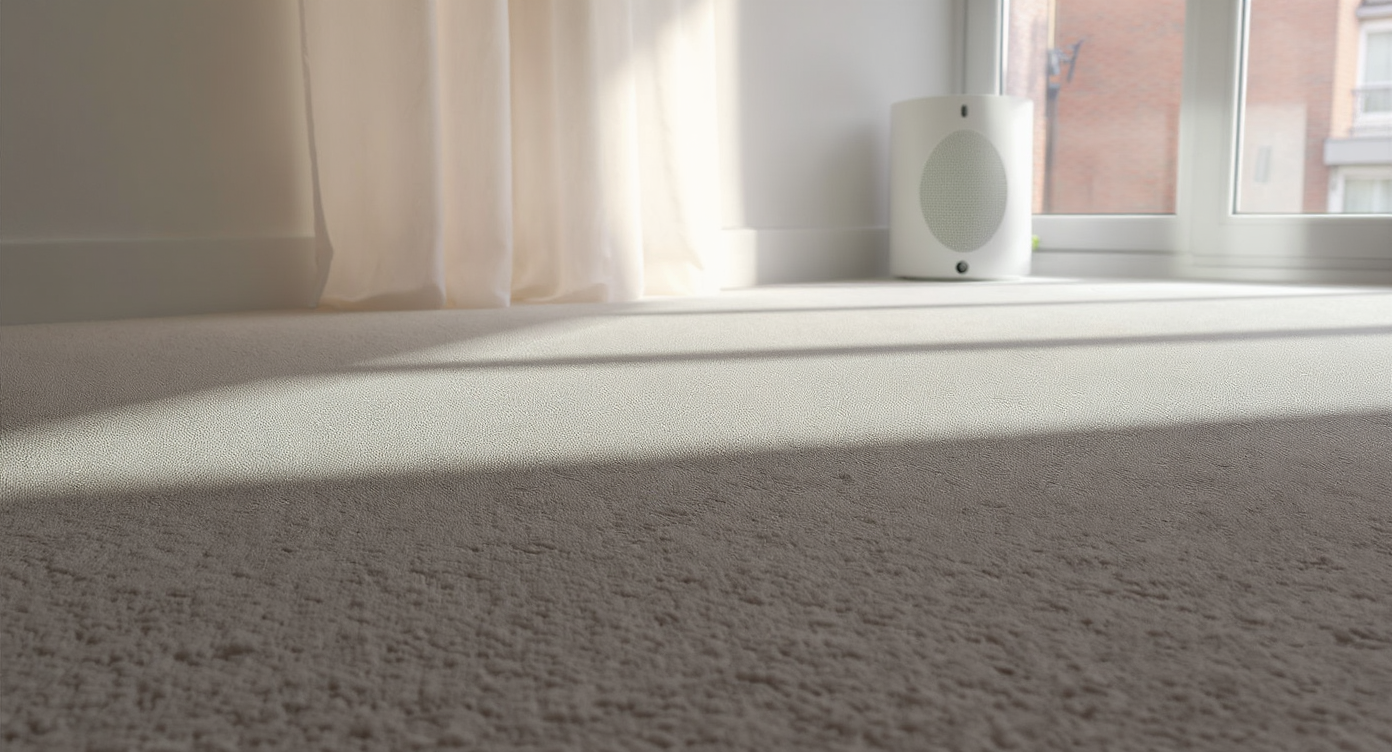
New bedroom carpet airing out with open windows and an air purifier, a realistic scene illustrating carpet off-gassing and ventilation.
At its core, off-gassing refers to the release of volatile organic compounds (VOCs) from new materials—carpet included—into the indoor environment. These VOCs are byproducts of manufacturing; they evaporate from synthetic fibers, adhesives, and backing materials after installation. The resulting scent is a marker of their presence, but not all VOCs are created equal. While some, like benzene and formaldehyde, have reputations for potential health hazards in high concentrations, many others (such as the ingredients behind citrus or vanilla essence) are innocuous at typical household levels. The primary difference comes down to the specific chemical makeup of the material and the degree of ventilation a space receives. The noticeable, sometimes sharp, odor from new carpet usually diminishes within 24 to 72 hours—often just a matter of airing out the space. The experience can resemble what you notice from a newly purchased car or even a freshly painted wall. Awareness of these emissions has driven manufacturers to reformulate products and adhere to stricter guidelines; many new carpets are labeled as 'low-VOC' or 'Green Label Plus' to ease concerns for consumers. That said, for those highly sensitive to airborne compounds, proper planning remains essential—especially in bedrooms where people and pets spend long, uninterrupted periods.
Expert Insight
A few years ago, after a long-awaited renovation, a couple installed soft carpet in their main bedroom right before summer. Their first night, the chemical smell was so strong they camped out in the living room. By day three, after running fans and letting the breeze in, their bedroom was ready. What stuck was not the scent, but the reminder that a little patience and fresh air can smooth the transition between new and familiar spaces.
-
Material Matters: Selecting Smarter Surfaces for Bedrooms
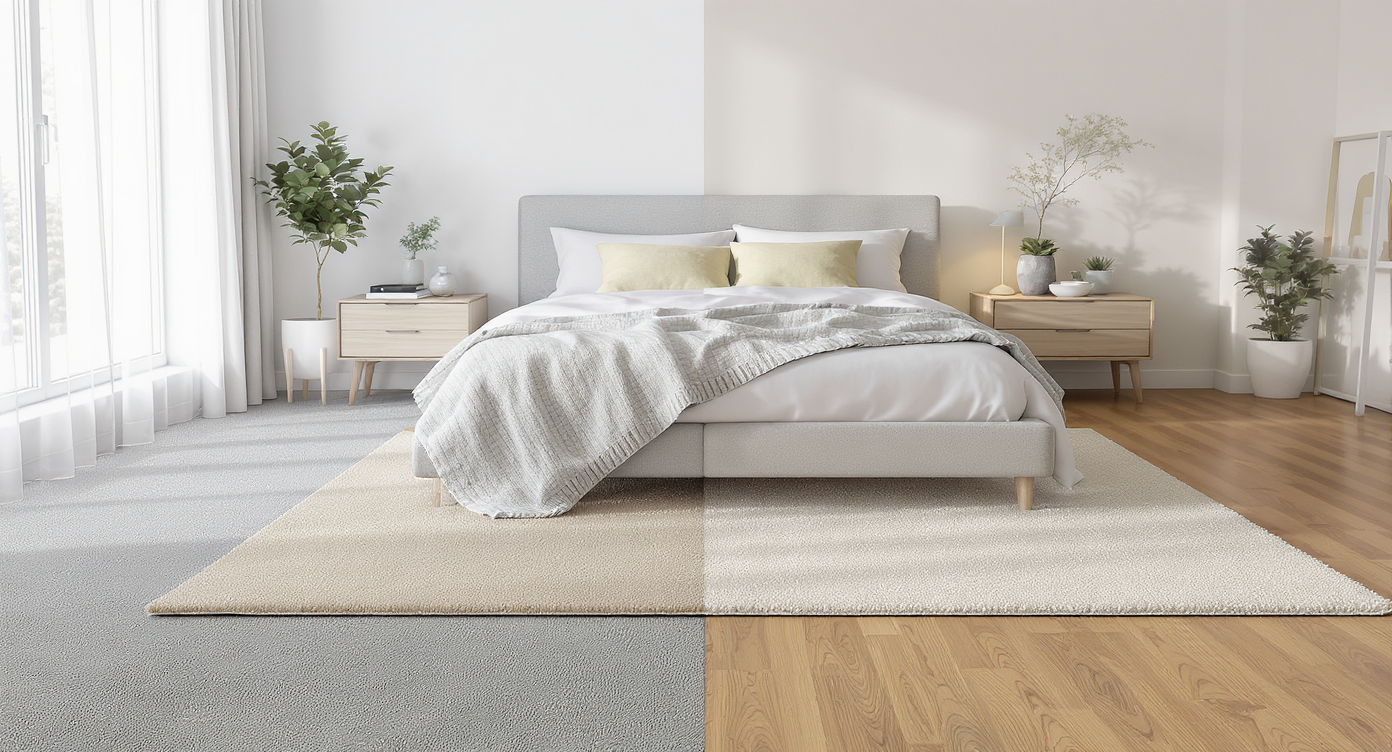
Comparing bedroom surfaces: a photorealistic room with both synthetic carpet and hardwood plus natural fiber rugs, illustrating material selection.
Debating the virtues of carpet versus hard flooring in the bedroom is a longstanding homeowner discussion, one often shaped by personal comfort, noise considerations, and style goals. Material selection, though, also plays a vital role in shaping air quality and daily upkeep. Synthetic carpets, especially value-driven options, tend to off-gas more noticeably—though this effect continues to diminish across the industry. Wool and natural-fiber carpets emit less odor, albeit with a different suite of considerations such as susceptibility to stains and price. As many designers suggest, prioritizing materials rated for low emissions is a wise starting point. California’s strict VOC compliance standards now inform much of the national market, making it easier to identify healthier products. In some rooms, homeowners opt for solid-surface floors—such as wood, luxury vinyl, or tile—for easier cleaning and less dust retention. Area rugs made from natural fibers can layer in warmth, color, and comfort without committing entirely to wall-to-wall carpet. This blend of thoughtful material choice and routine maintenance minimizes both odors and the build-up of allergens, responding to a growing awareness that design decisions are as much about wellbeing as style. You can learn more about how certain surfaces balance comfort and environmental impact in our analysis of outdated interior design trends and modern alternatives.
-
Odor, Allergens, and the Reality of Sealed Homes

A freshly carpeted child’s bedroom with open window, air purifier, and HEPA vacuum, illustrating strategies for odor and allergen reduction.
Today’s homes are marvels of efficiency, but the same features that keep our climate-controlled air inside also prevent odors and other compounds from venting quickly. After installing new flooring, these characteristics turn even mild emissions into something more noticeable. This effect is magnified in bedrooms, where closed doors and windows further restrict airflow during sleep hours. A practical scenario plays out when new carpets are installed in a child’s bedroom. Parents are often alerted by a chemical scent on the first night. In well-ventilated spaces, these odors will typically dissipate within a day or two; in less ventilated homes, they may linger. Routine airing out—by simply opening windows or running exhaust fans—can substantially reduce perceived odors. In households with allergy sufferers or respiratory sensitivities, opting for frequent vacuuming with HEPA filters, and occasional deep cleaning with allergy-friendly products, forms part of a proactive strategy. Even among advocates for hard flooring, the tradeoff often revolves around dust removal versus the tactile pleasure and warmth underfoot that carpeting offers. As observed in community discussions and regret lists, smart material choice can spare homeowners later frustration with persistent smells or cleaning burdens—as detailed in our review of regretted interior design trends.
-
Anecdote: A Night With New Carpet
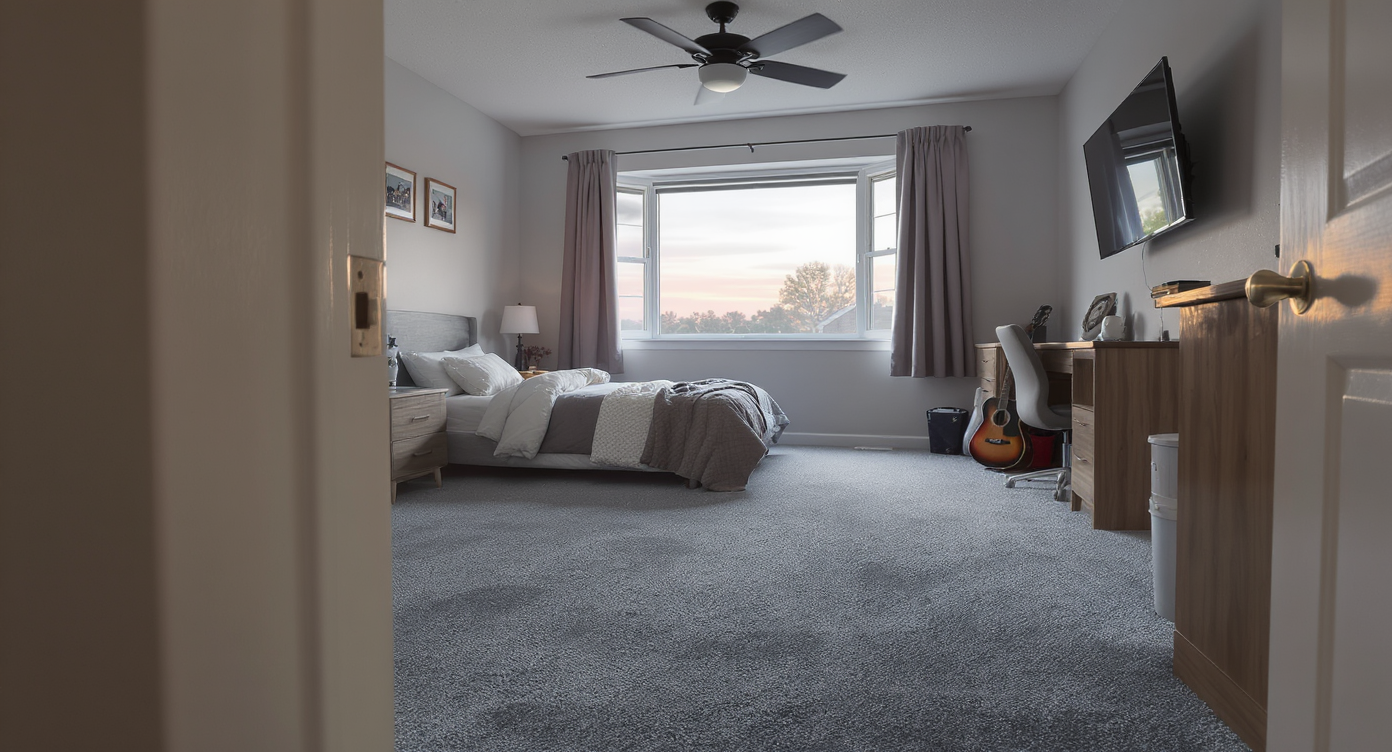
A newly carpeted teenage bedroom airing out overnight—window open and ceiling fan circulating air to minimize lingering carpet odor.
Last spring, a family decided to refresh their teenage son’s bedroom with a plush new carpet. The installer finished late in the afternoon, and the parents hoped the transformation would be a special surprise. By evening, the distinctive smell of new carpet greeted everyone who entered. Despite reassurances about the product’s low-VOC certification, the family made a quick decision to run the ceiling fan overnight and open a window the next morning. Within two days, the scent faded considerably, leaving only the softness and warmth underfoot. The experience reinforced a simple truth. Even with low-emission options, new surfaces can change the environment in unexpected ways. With a bit of planning, something as simple as improved airflow can make all the difference in comfort and confidence.
-
Common Mistakes to Avoid
Hurrying to use a newly carpeted bedroom before proper airing is the most frequent misstep. Many homeowners underestimate how much of an impact even mild odors can have on sleep quality or sensitive airways. Others neglect to research material options, missing the chance to pick low-VOC products that better suit their lifestyle. Occasionally, people seal off rooms after installation to 'trap the smell outside', when actually the opposite—encouraging airflow—will help clear the air more quickly. Another common oversight is skipping regular vacuuming with efficient filtration, which helps manage dust and keeps both material and air in better shape. A few still fall for outdated advice or myths passed down through word of mouth or the internet; real improvement usually comes from combining observation, modern product standards, and practical steps.
-
Tips and Expert Insights
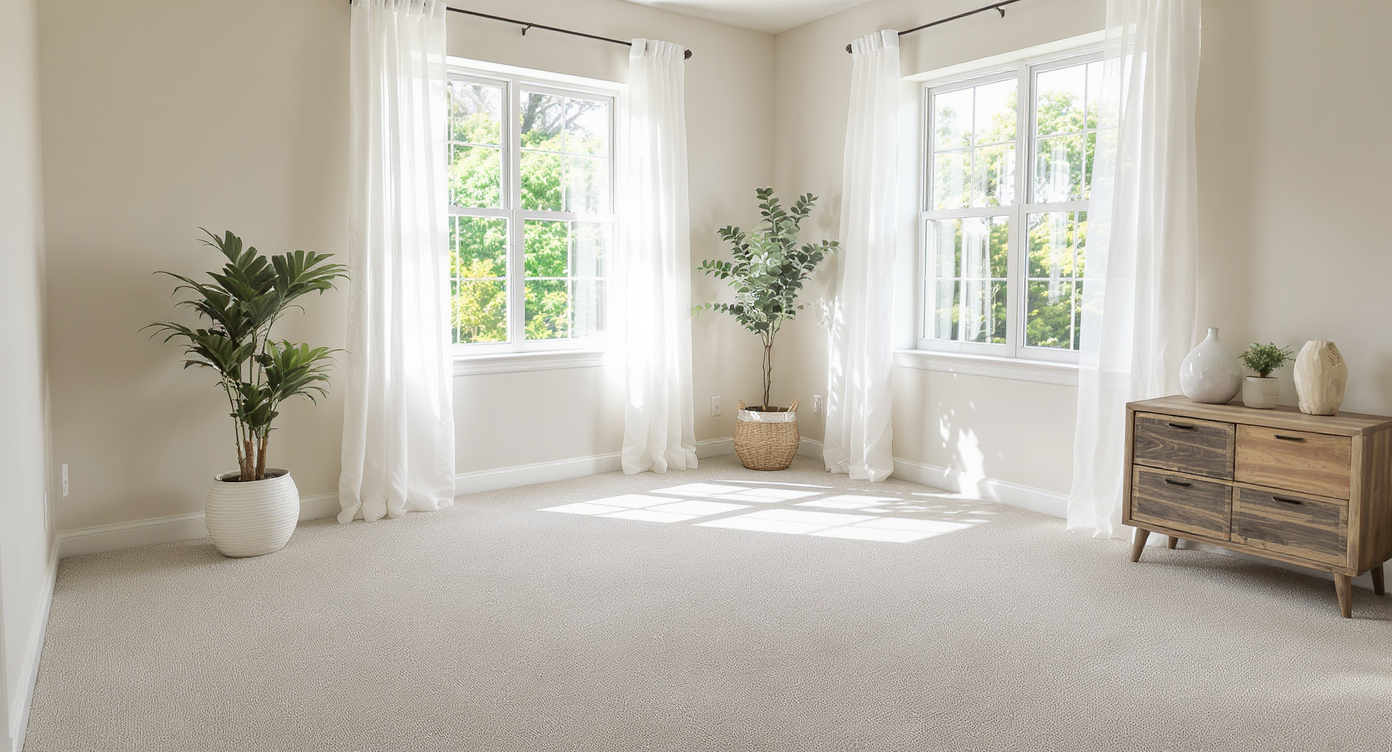
Sunlit bedroom with new carpet airing out, open windows, modular rug, and HEPA vacuum for maintaining cleaner indoor air quality.
Designers and indoor air quality consultants consistently recommend planning ahead for any major change in flooring. For those especially sensitive to odors, scheduling installations ahead of vacations or weekends away offers extra time for off-gassing. If possible, install new carpet during warmer months to allow windows to remain open longer. Prioritize products certified by reputable standards, such as the Carpet and Rug Institute’s ‘Green Label Plus.’ If you live with pets or young children, keeping them out of rooms with new carpet until the smell fades is prudent. Regular vacuuming with a HEPA-filter model helps reduce particulates stirred up by foot traffic. For those interested in blending comfort and air quality, consider modular or removable rugs that can be easily cleaned or replaced, and opt for frequent fresh-air cycles in everyday routines. When in doubt, taking cues from product labels and industry trends can guide you away from surface choices you might regret later. In today’s market, it is easier than ever to sidestep the worst pitfalls. Manufacturers have made notable progress limiting hazardous emissions, meaning the initial scent is often less dramatic and shorter lasting than in decades past. Still, user experience and comfort should lead the decision—especially in bedrooms where indoor air matters most.
-
How to Use This in Your Next Designs
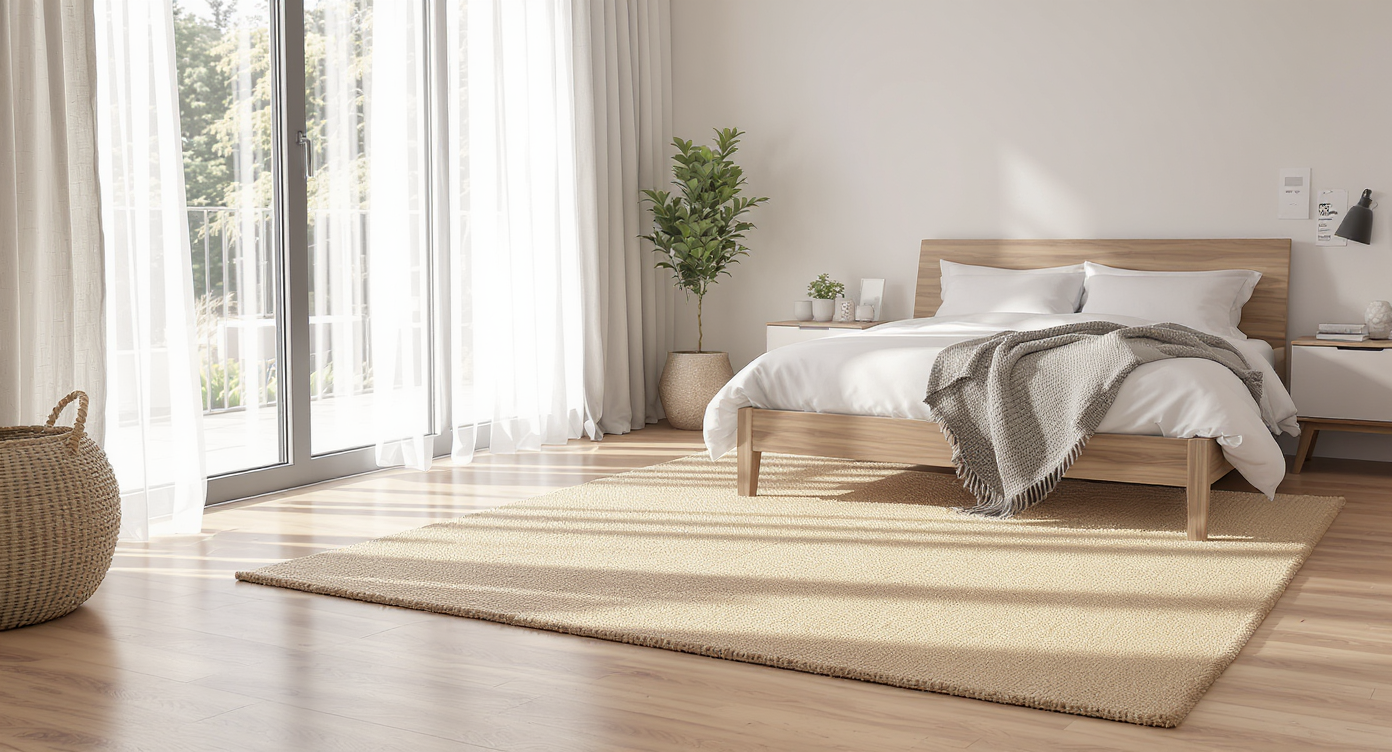
A newly renovated bedroom with hard flooring and a natural-fiber rug, open windows for ventilation, and emissions certification samples displayed.
Bringing this awareness into your next bedroom upgrade is as much about supporting health as it is about style. Before selecting carpet (or any floor covering), ask about its emissions certifications and cleaning requirements. Visualize the finished effect by considering combinations of hard floors with natural-fiber rugs, allowing flexibility in both look and upkeep. When renovating, dedicate time for new surfaces to acclimate and off-gas with good airflow before settling in—especially if the space is used for sleep or by vulnerable family members. For designers and renovators, these objectives dovetail with broader trends of sustainability and resilience in interiors. Whether you value the softness of a carpeted floor or the simplicity of tile, understanding how materials interact with indoor air and comfort means every choice is more intentional—and less likely to land on the regret list years on.
-
Visualization Section: Real-Life Scenarios in Modern Bedrooms
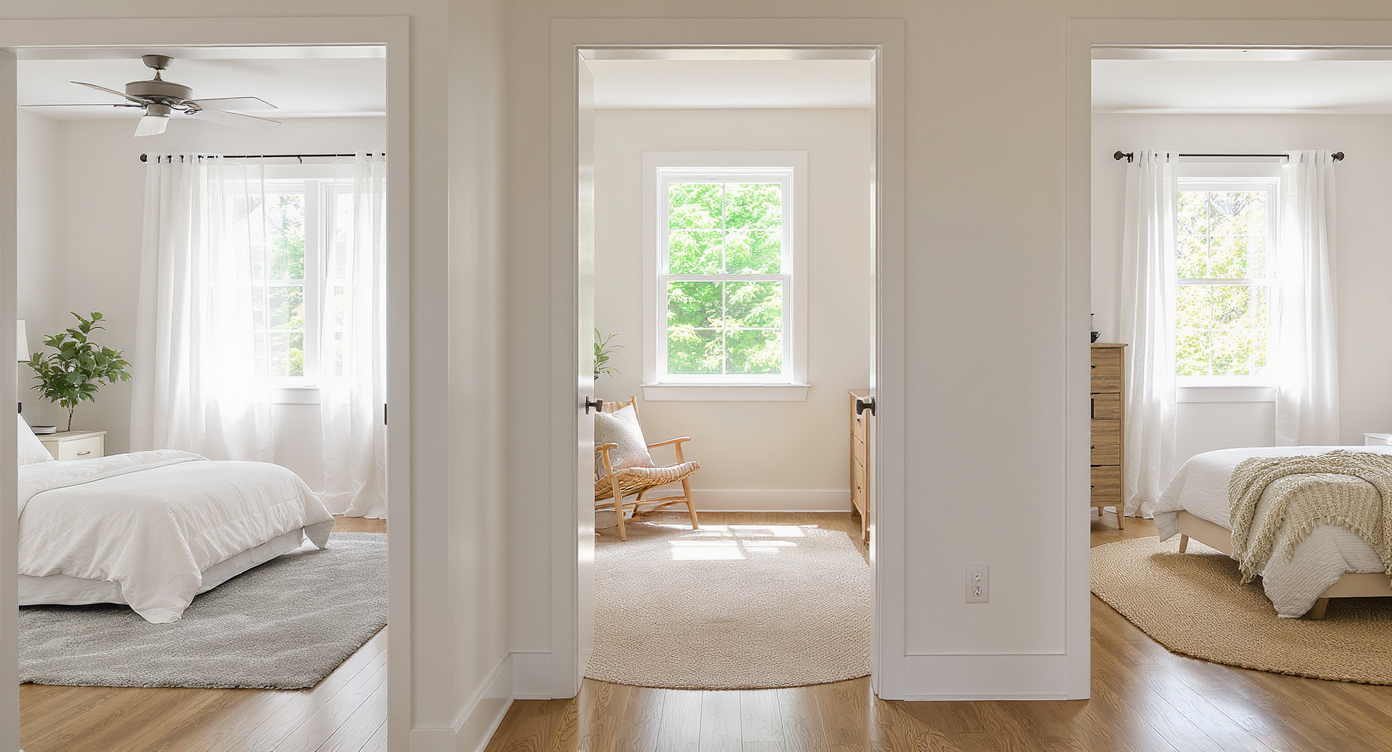
A trio of connected bedrooms demonstrates real-life flooring choices: muted wool rug, ventilated synthetic carpet, and handwoven textiles on oak floors.
Imagine stepping into a sunlit, freshly renovated bedroom at mid-morning. Light filters through sheers onto a muted wool rug, while an overhead fan circulates gentle air. In another room down the hall, a more budget-friendly synthetic carpet was installed two days ago; the window remains ajar, diffusing early traces of off-gassing compounds and leaving only a bouquet of soft newness by evening. Elsewhere, a guest room fitted with solid oak floors gets its comfort from scattered handwoven textiles, each easily vacuumed or laundered as needed. These vignettes show how intentional choice, patient timing, and modern product options work together for an environment that feels as fresh as it looks.
Visualization Scenario
Picture a serene, minimalist bedroom with a low-profile platform bed, a textured wool rug in natural hues, and an open window letting in a gentle breeze. A side table holds a small potted fern, and sunlight warms the patterned surface of the recently installed flooring. In this setting, there's no lingering chemical scent—just the subtle freshness of new beginnings.
FAQ: Common Questions About Carpet Odors and Bedroom Materials
Most new carpet odors will diminish within 24 to 72 hours, especially when the room is properly ventilated. Opening windows, running fans, or using air purifiers can further speed up the process.
Are all carpet odors unsafe to breathe?
Not all odors are harmful. The scent mostly comes from VOCs released as the material settles. Today’s carpets are often formulated to emit much lower levels, and only a small subset of chemicals are considered hazardous at typical exposure rates.
Should I avoid putting carpet in bedrooms entirely?
Carpet brings comfort and warmth but does require more maintenance compared to hard floors. Choosing low-VOC options and committing to regular cleaning can significantly reduce any risks, making carpet a viable choice for those without strong allergy concerns.
Can I preview flooring choices before installation?
Absolutely—tools such as ReimagineHome.ai allow you to virtually try out carpet, wood, or tile styles using photos of your own rooms. This helps you test the look and even consider how various materials might affect airing out and cleaning.
What about pets and small children?
As a precaution, it is wise to keep pets and young children out of bedrooms with new carpet for the first couple of days. Vacuuming regularly with a HEPA filter and wiping hard surfaces nearby helps ensure a healthier environment.
Key Takeaways on Odor, Off-Gassing, and Bedroom Material Choices
A new bedroom carpet, with its hopeful sense of renewal, brings both comfort and complexity. The aromas of freshly installed material are mostly a feature of modern manufacturing, and in most cases, the scent subsides in a matter of days—especially if you choose low-emission products and encourage airflow. For truly restful bedrooms, smart selections and routines combine to keep both feet and air refreshed over time. When planning your next material upgrade or a project where indoor air quality matters, consider previewing styles, materials, and layout strategies virtually before you commit to purchase. Tools like ReimagineHome.ai can help you visualize outcomes, making the decision-making process even simpler.