7 Editorial Lessons from Coffee Shop Inspired Dining Layouts
TL;DR
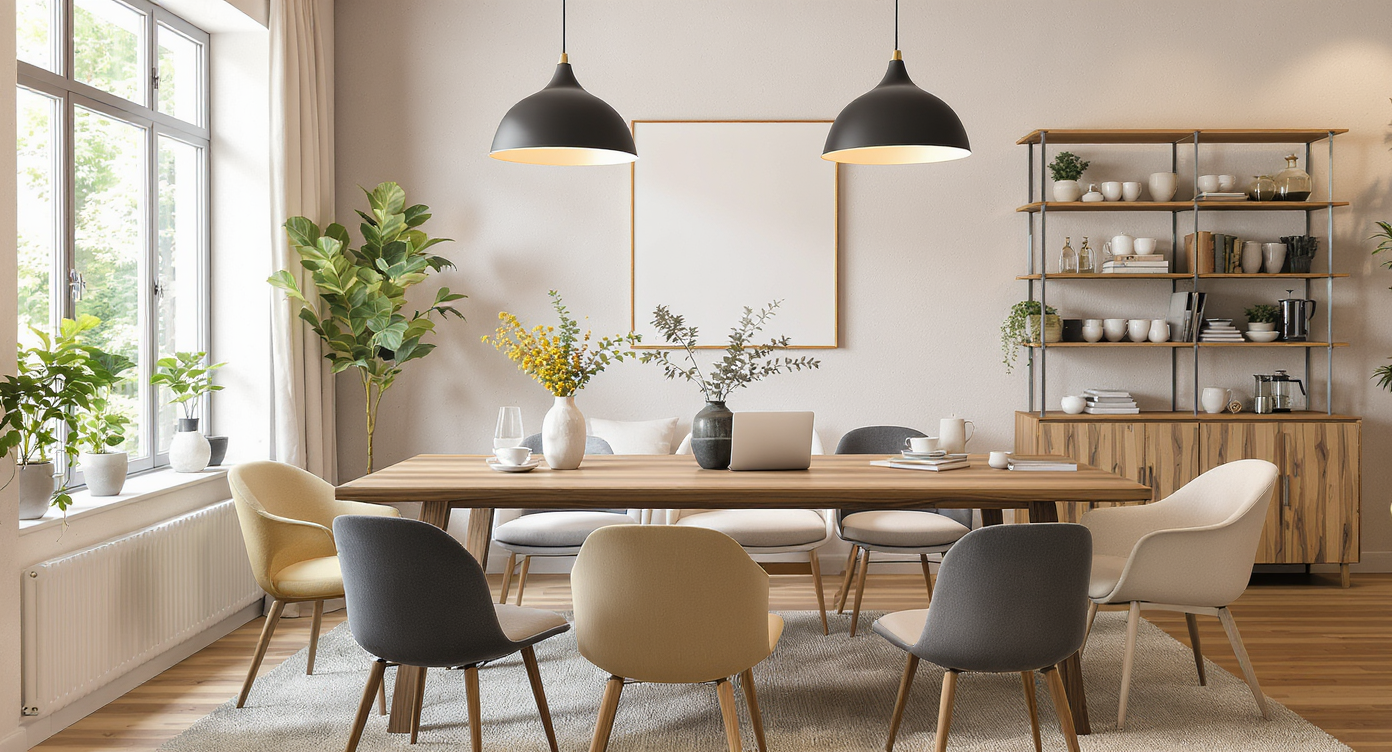
Dining layouts influenced by coffee shop study sessions combine cozy communal tables, intentional lighting choices, and subtle biophilic elements. Designers find that blending functionality with ambiance, layering textures, and clarifying focal points results in welcoming yet productive spaces that serve both everyday living and occasional gatherings.
Why Coffee Shop Aesthetics Make Sense at Home
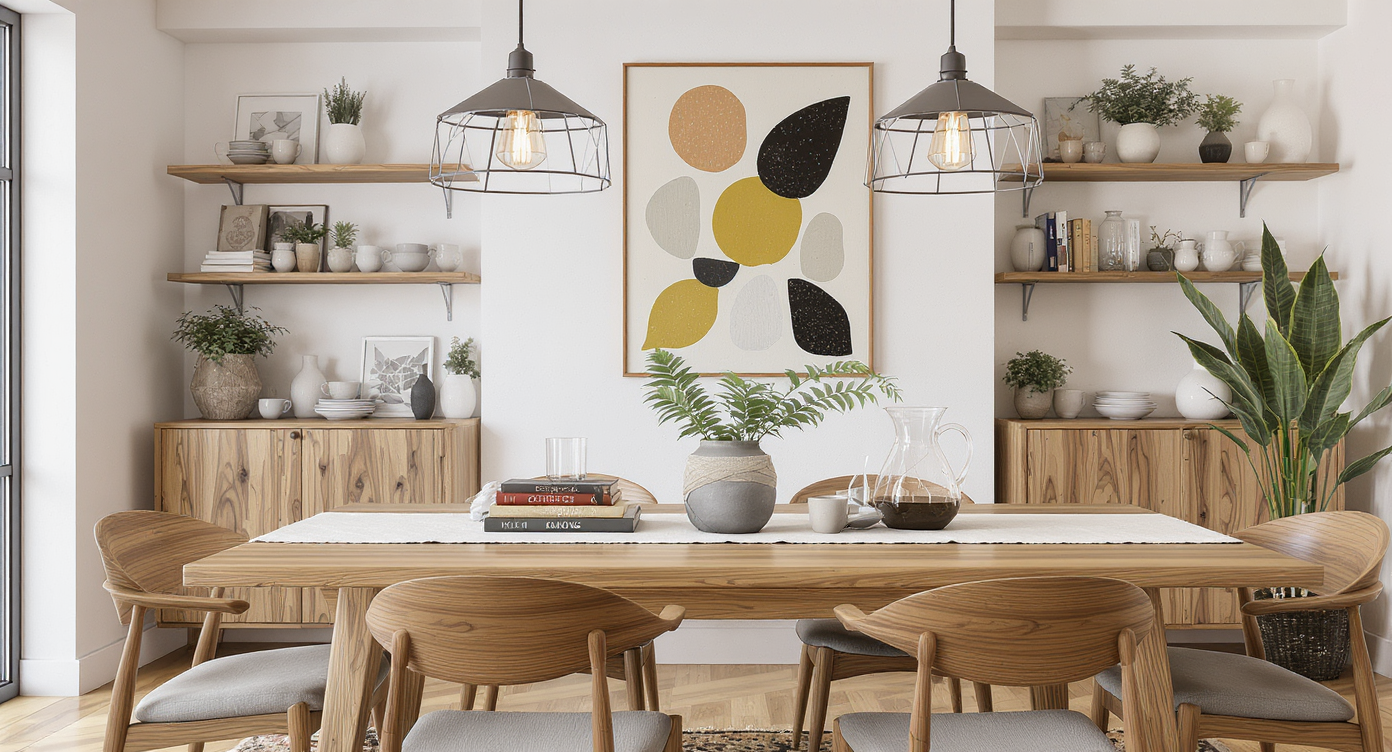
A home dining room styled with comfortable, coffee shop-inspired elements that encourage both relaxation and focused study sessions.
Translating the inviting energy of coffee shop study sessions into residential dining layouts yields a warm, functional design language. The café look provides more than just nostalgia for third-wave roasters — it offers proven cues for creating rooms that encourage comfort, focus, and connection. Homeowners, designers, and anyone reshaping a dining or study area can borrow distinct inspiration and concepts from these commercial spaces. This editorial unpacks seven key editorial lessons for adapting coffee shop sensibilities to modern, minimalist, boho, or luxury homes. Along the way, it considers how furniture choices, lighting, and subtle greenery form adaptable foundations for dynamic everyday living.
-
1. Choose Large, Communal Dining Tables for Social Flexibility
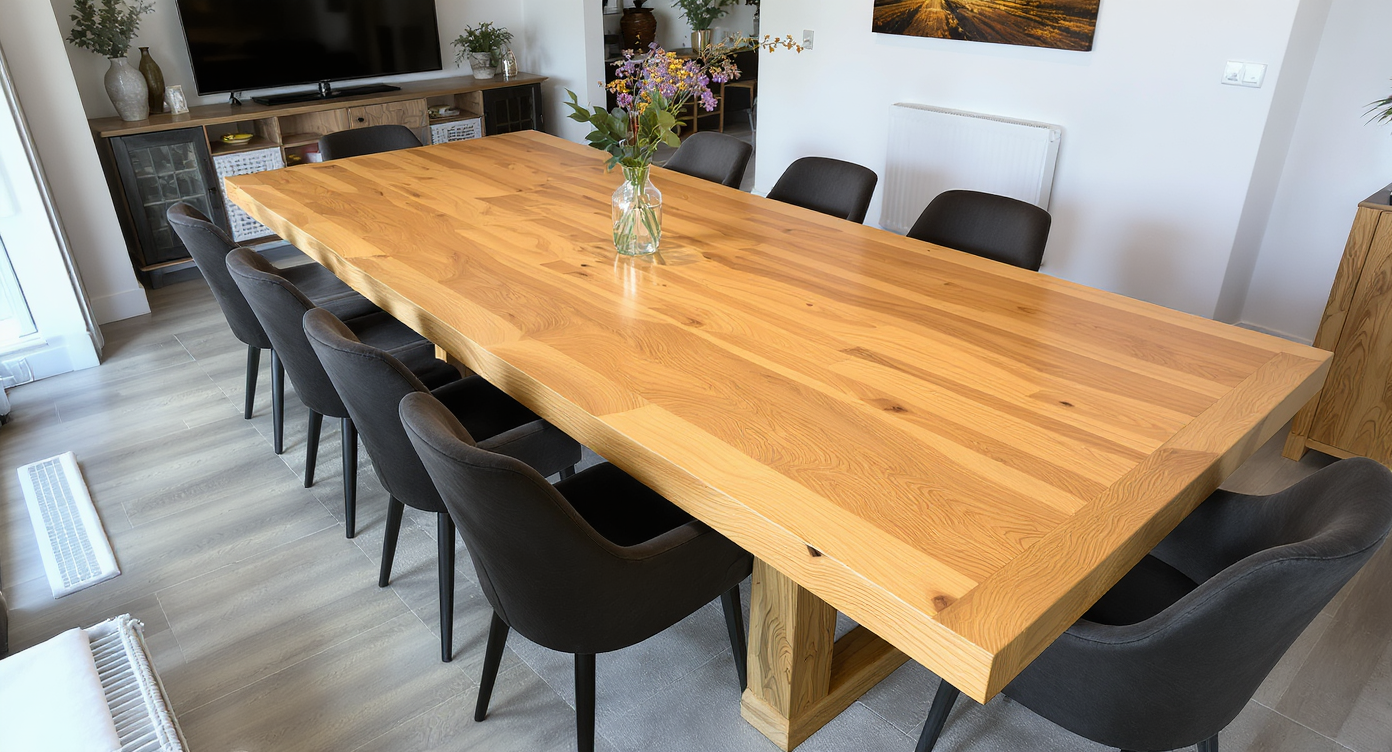
Large oak communal dining table with minimalist chairs, styled for both group meals and solo work in a modern, sunlit home dining space.
A hallmark of coffee shop study zones is the long communal table, typically made from robust wood like oak. These tables encourage gathering, collaborative work, and casual dining all in the same zone. Designers recognize that a generously sized dining surface supports both group meals and solitary productivity. When bringing this element home, opt for a table that easily seats six or more. Wide tabletops not only accommodate books and laptops but also serve as display stages for artful arrangements. Warm oak or walnut finishes suit modern and minimalist interiors particularly well, promoting both durability and an inviting feel.
-
2. Install Linear Pendant Lighting for Focus and Ambience
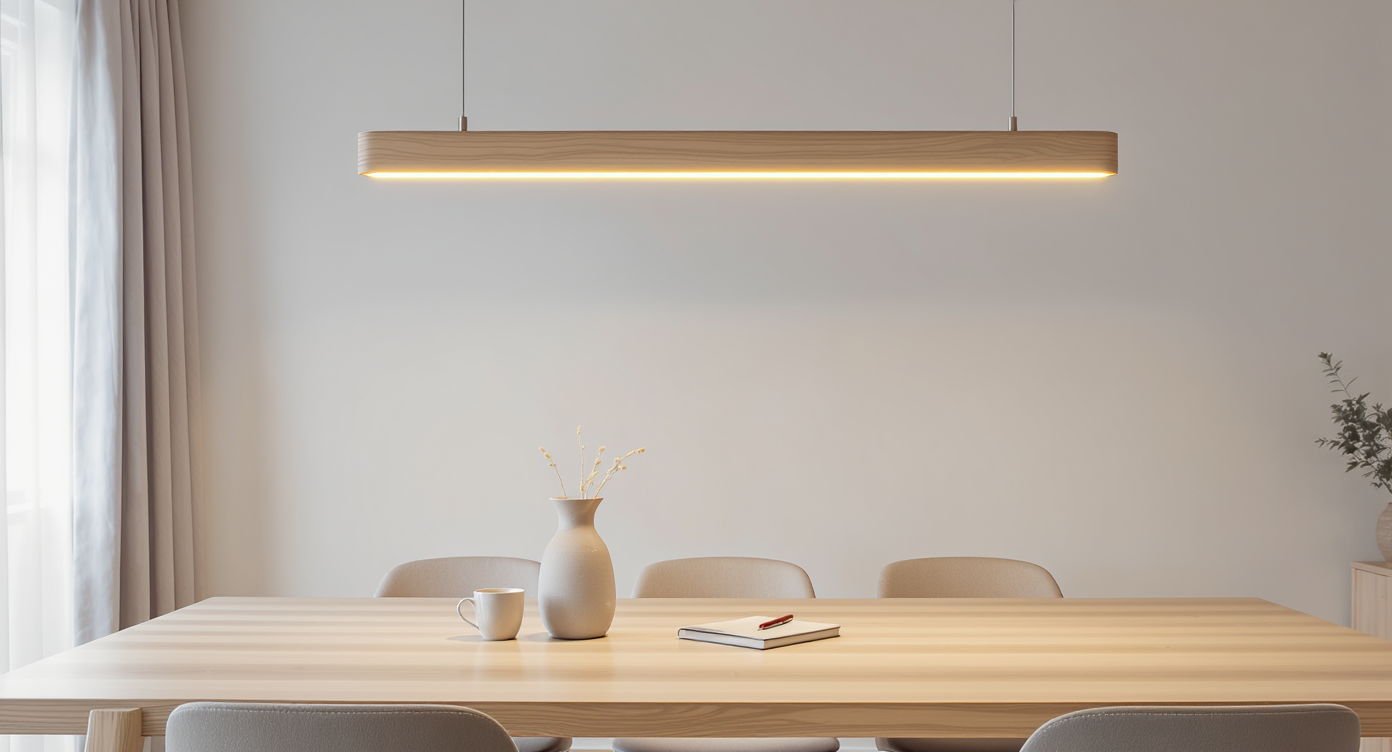
A dining room showing a sleek wooden table and chairs under a linear wood LED pendant light, exemplifying focus and café-style ambience.
Distinctive, directed lighting reminiscent of a café's focused luminaires elevates dining layouts instantly. Linear wood LED pendants, hung directly above the table, provide even, flattering illumination for both meals and study sessions. Interior experts often recommend lights with dimming capability so the atmosphere can shift from bright and alert in the daytime to soft and relaxed at night. Following guidelines on smart LED accent lighting ensures both comfort and functional visibility without strain. Thoughtful positioning and the right temperature prevent glare while delivering the signature warmth of a favorite café corner.
-
3. Layer Texture with Wood, Plants, and Soft Furnishings
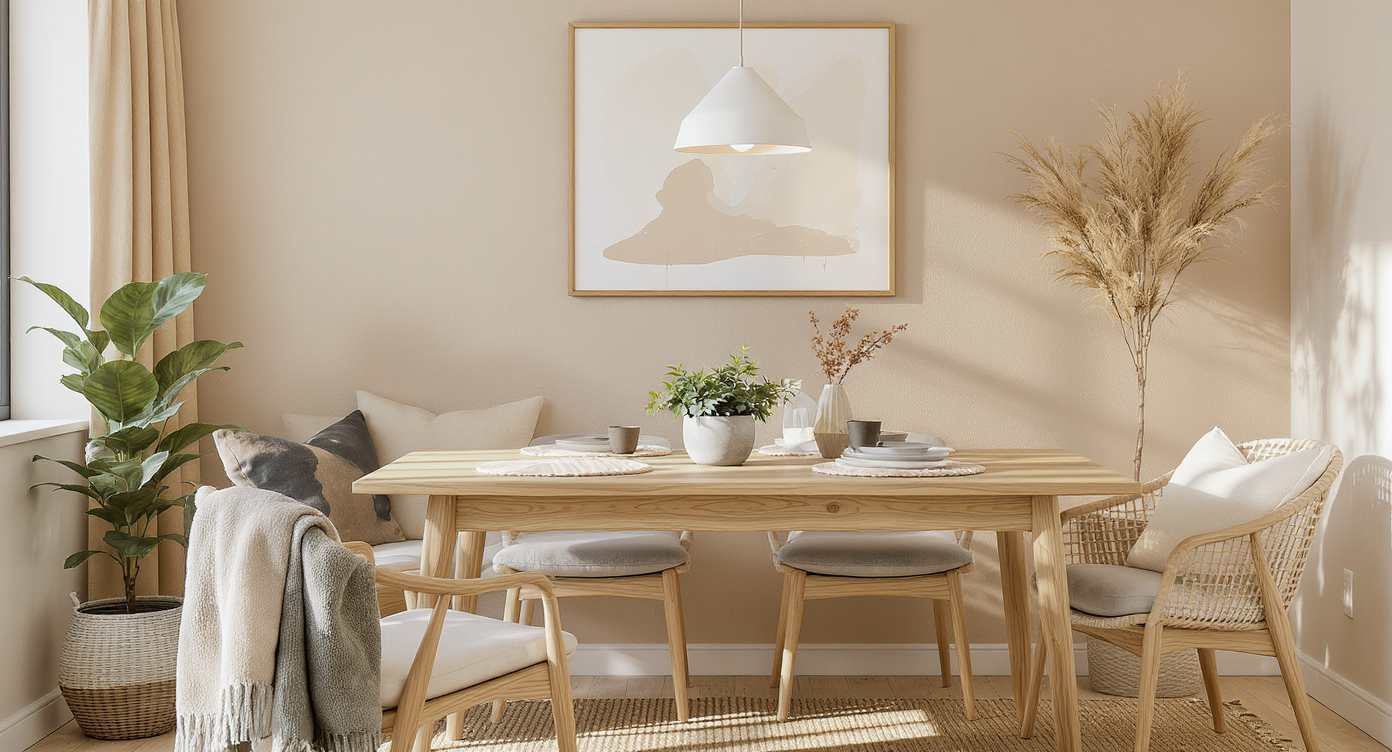
Organic textures combine: white oak table, potted greenery, felt placemats, plush cushions, and a soft throw in a cozy-modern dining space.
The interplay of tactile surfaces anchors the cozy-modern mood. Beyond the main table, successful designs incorporate exposed wood grains, occasional greenery, and soft textiles to create an organic, lived-in atmosphere. A simple potted plant at the table's center or leafy foliage in the corner introduces biophilic energy. According to the organic modern trend, combining warm neutrals and natural materials like white oak brings calm vibrance into the room. Cushion upholstery, felt placemats, and gentle throws enrich the space without clutter.
-
4. Maintain a Minimalist Palette for Serenity and Versatility
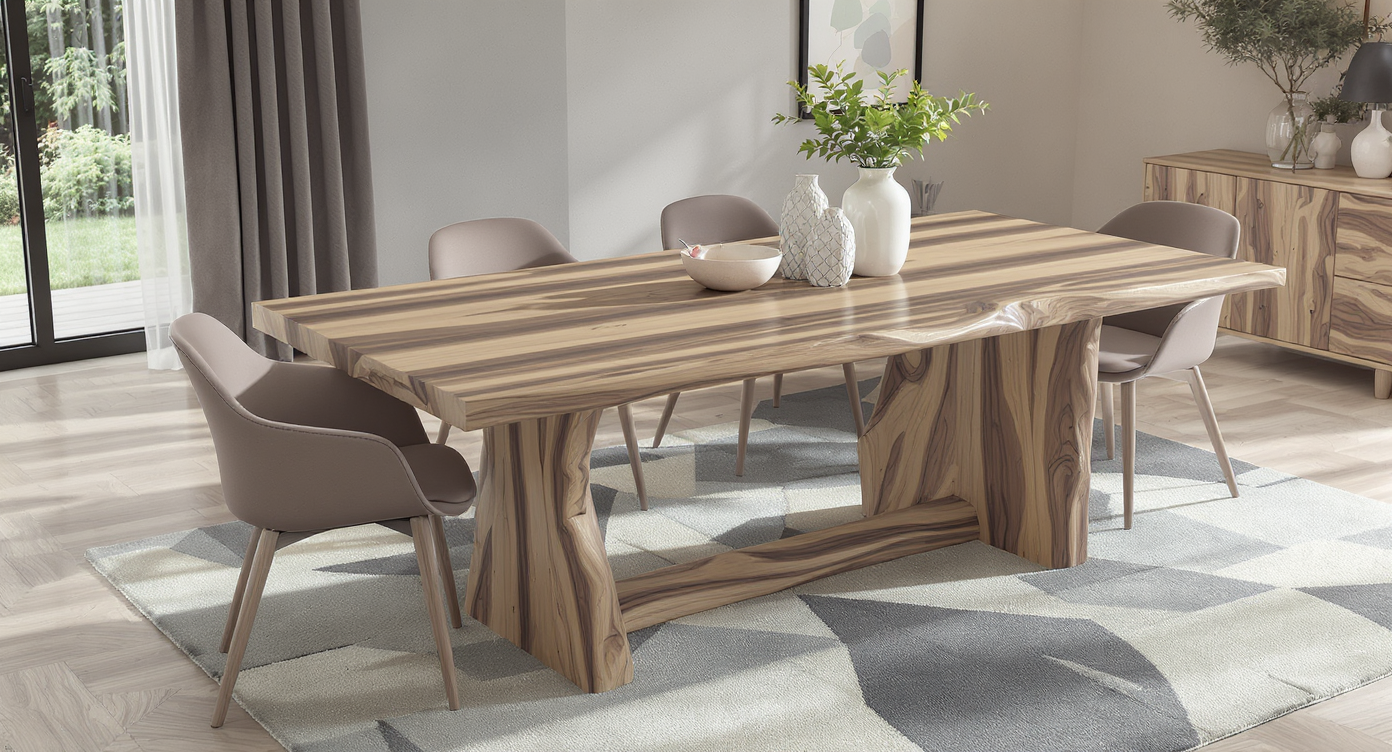
Minimalist dining area with neutral tones, wood accents, and greenery, showcasing serenity and versatility through a restrained palette.
Iconic coffee shop interiors often leverage a neutral palette with the occasional pop of color. In residential settings, a restrained palette lets wood tones and greenery take center stage while minimizing visual noise. Modern minimalist, boho, and luxury homes can all benefit from limiting the number of competing pigments. Professionals point out that a simple color story makes it easier to swap seasonal accents or introduce art without disrupting the atmosphere. Those seeking the serenity often attributed to minimalist design will find layering texture over color far more effective, as highlighted in our reflection on making a minimalist living room feel warm.
-
5. Define the Zone with a Well-Sized Rug
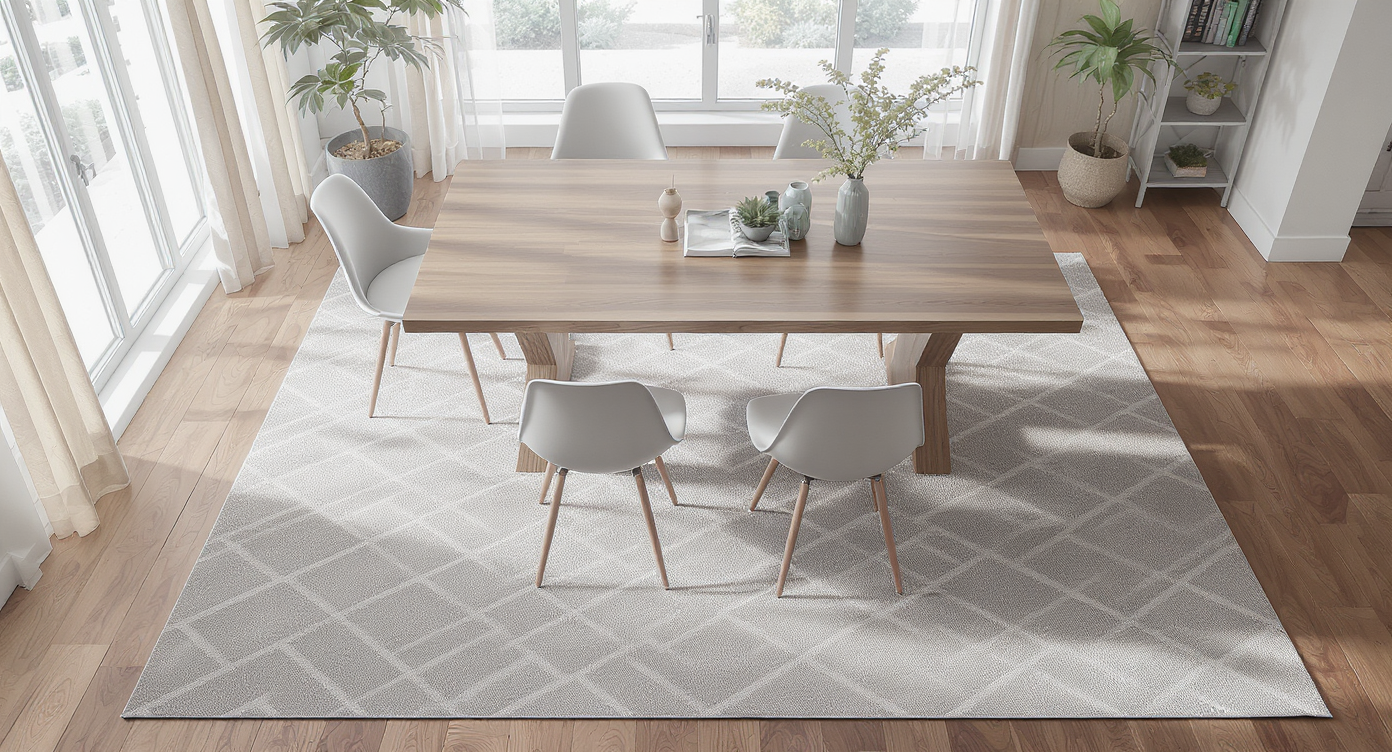
A well-sized low-pile rug beneath the dining table keeps all chairs on the rug even when pulled out, defining the space clearly.
A rug beneath the dining table carves out a sense of place and adds acoustic comfort, much like the carpeted corners of a relaxed café. Experts recommend choosing a low-pile option large enough that chairs remain on the rug, even when pulled out. Graphic yet subtle patterns or a solid, textural weave can suit modern or boho directions. For practical advice on selecting dimensions, placement, and layering with hard flooring, consider our guide to rug size and placement. This detail anchors the room in a way that is both practical and visually compelling.
-
6. Anchor the Vignette with Statement Art or Wall Features
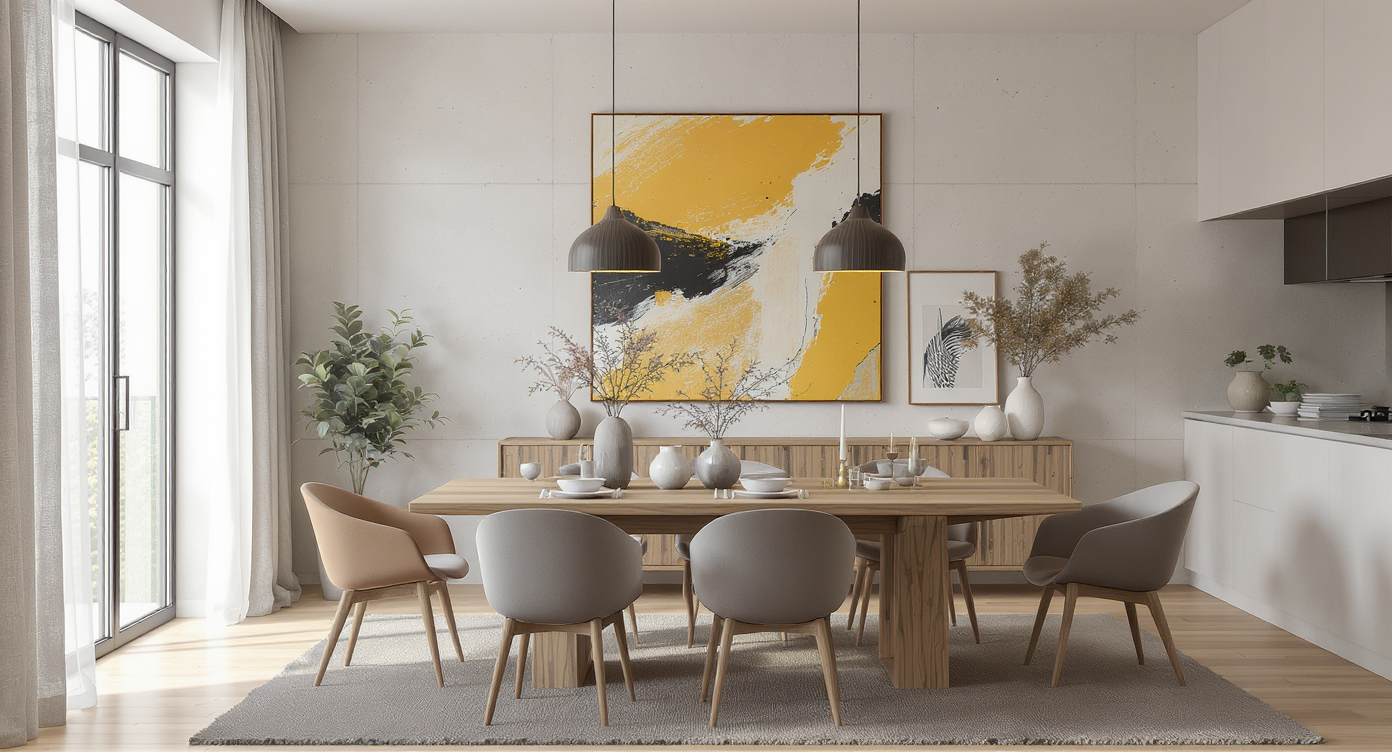
A modern dining space anchored by a large statement art piece and curated gallery wall, creating a focal point full of personality.
Inspired by the eclectic displays of independent cafés, many designers advocate for a focal point on the dining room wall. A statement piece — a large-scale canvas, mural, sculptural wall object, or curated gallery — brings personality and makes the area feel considered. This strategy can introduce a sense of creative energy or serve as a conversation starter during meals and gatherings without overwhelming the layout.
-
7. Blend Quiet Utility with Sensory Appeal
Perhaps the most transferable lesson from study-oriented coffee shops is the balance of function and ambiance. Every element — from seating and lighting to storage — should serve daily routines while enhancing comfort. Designers favor multipurpose furniture and dimmable lighting systems that can adapt from focused work sessions to leisurely dinners. Tools like REimagineHome.ai allow homeowners to visualize changes, test furniture configurations, or preview new colorways before making commitments, streamlining the journey from inspiration to lived-in reality.
Frequently Asked Questions: Café-Inspired Dining Layouts
Choose a large, solid wood or wood-look table with enough space for six or more. Oak and walnut are popular materials.
Which lighting works best for a study and dining area?
Linear LED pendants above the table offer focused, dimmable illumination suited for both meals and reading. Learn more from our overview of LED accent lighting best practices.
How do I keep the space uncluttered but cozy?
Layer neutral colors with tactile materials and restraint. Use two to three anchors, such as a textured rug and a potted plant.
How should I lay out furniture for flexibility?
A central table and lightweight, movable chairs maximize adaptability for group work, dining, or independent study.
Can I preview my design ideas before buying?
Digital resources such as REimagineHome.ai help visualize layouts, color palettes, and finishing options efficiently.
Editorial Takeaway: Café-Inspired Dining Rooms Deliver Everyday Comfort
Café study session aesthetics teach that blending tactile surfaces, grounded palettes, and adaptable lighting fosters a versatile dining room fit for both productivity and relaxation. Whether embracing modern, minimalist, or boho cues, integrating communal tables, layered textures, and simple statement features results in a home that feels inviting at any hour. For those navigating layout tweaks or starting from scratch, leveraging digital platforms like REimagineHome.ai can clarify options before committing to new pieces or finishes.