4 Common Kitchen Layouts: Pros, Cons, and Best Uses
TL;DR
Explore the benefits and drawbacks of the four most common kitchen layouts to make an informed decision for your next remodel. Whether optimizing for space, style, or functionality, understanding these layout types can transform your kitchen into an efficient, inviting space.
Understanding the Heart of Your Home
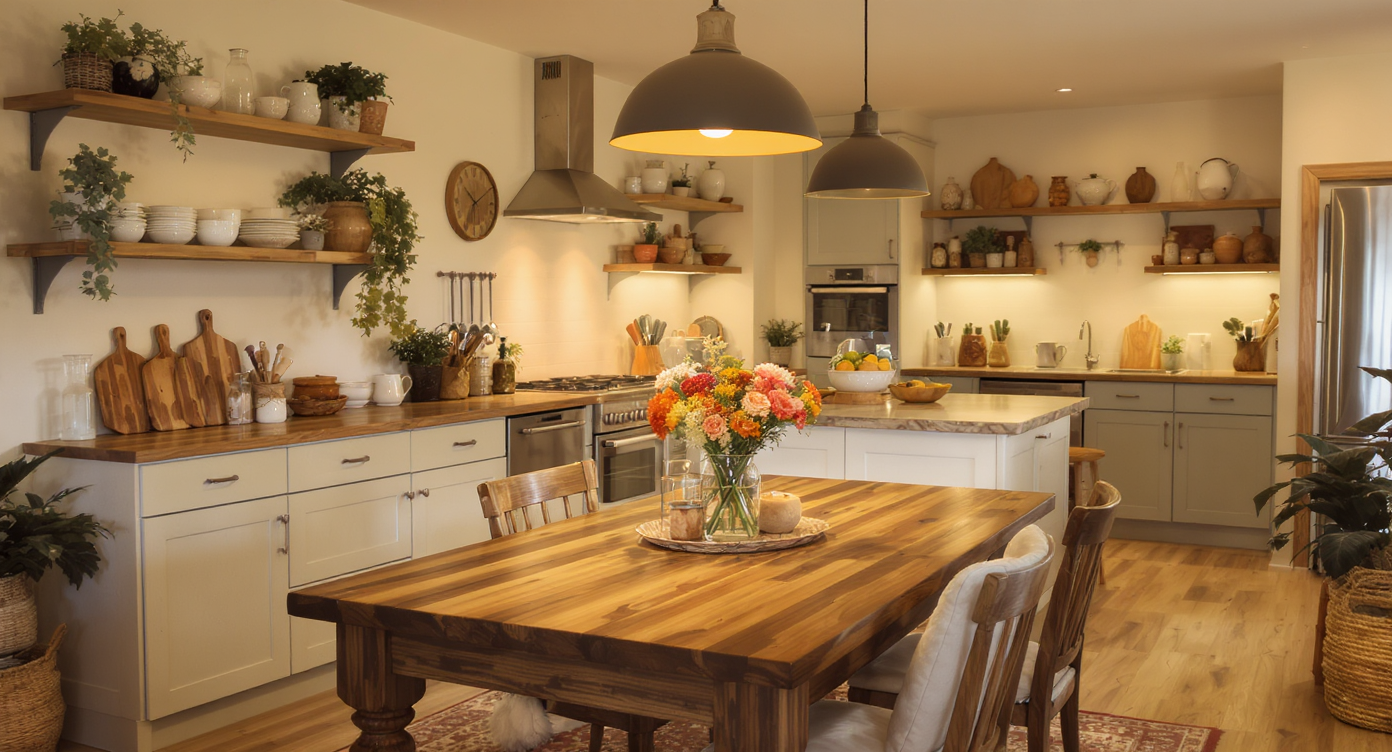
The kitchen is the heart of the home, designed for both functionality and connection.
The kitchen is undeniably the heart of any home, often setting the tone for daily routines and family interactions. As a frequently used space, it must balance aesthetics with practicality. A successful kitchen design not only optimizes the area for cooking but also makes everyday life easier. Choosing the right layout is crucial; it impacts ease of use, space management, and even how your kitchen feels as a part of your home's flow. Whether you're reimagining a compact kitchen or expanding a large one, selecting the best configuration from popular layouts can make all the difference.
-
01. One-Wall Kitchen Layout: Simplicity in Space
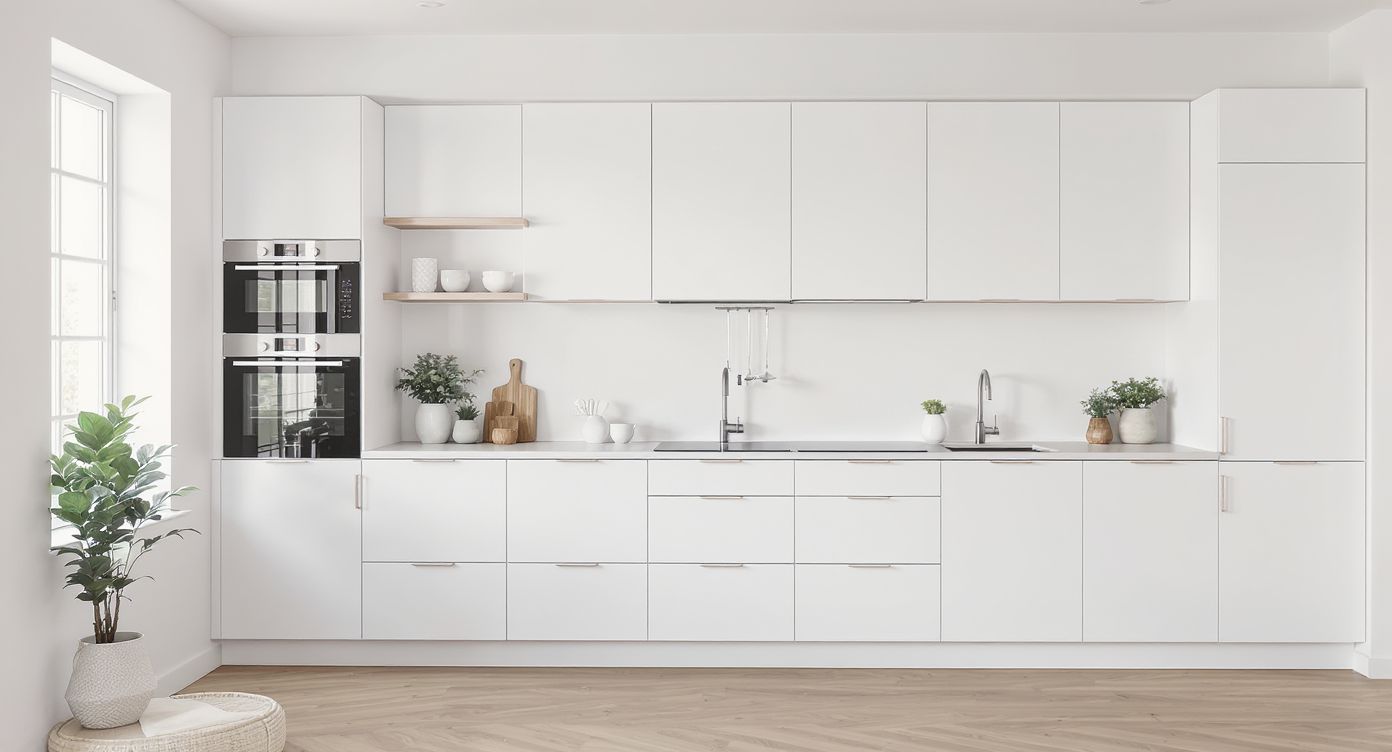
Simplicity meets efficiency in a one-wall kitchen design, perfect for smaller spaces.
The one-wall kitchen layout, where all major components are placed along a single wall, is a minimalist's dream. Perfect for both extremely large and small kitchens, it offers unparalleled openness and streamlined design. However, it doesn't leverage the efficient work triangle and can limit counter space, making it less suitable for avid cooks.
For renters and homes with space constraints, the one-wall layout can maximize utility without major alterations. As our guide on renting smartly suggests, utilizing modular and compact designs can make even compact kitchens feel spacious and functional. -
02. Galley Kitchen Layout: Efficiency Unmatched
The galley kitchen, inspired by ship kitchens, is ideal for narrow spaces, boasting efficiency and workflow optimization. Its layout involves two parallel walls housing the main kitchen facilities. While this setup is extremely functional, as noted in our 2025 kitchen trends, the galley can feel restricted and lacks room for social interaction, which may not suit family-centric cooking or entertaining.
To enhance your galley kitchen's practicality, consider integrating functional storage solutions such as vertical shelving and overhead racks, effectively utilizing every inch of space. -
03. L-Shaped Kitchen Layout: Open Yet Intimate
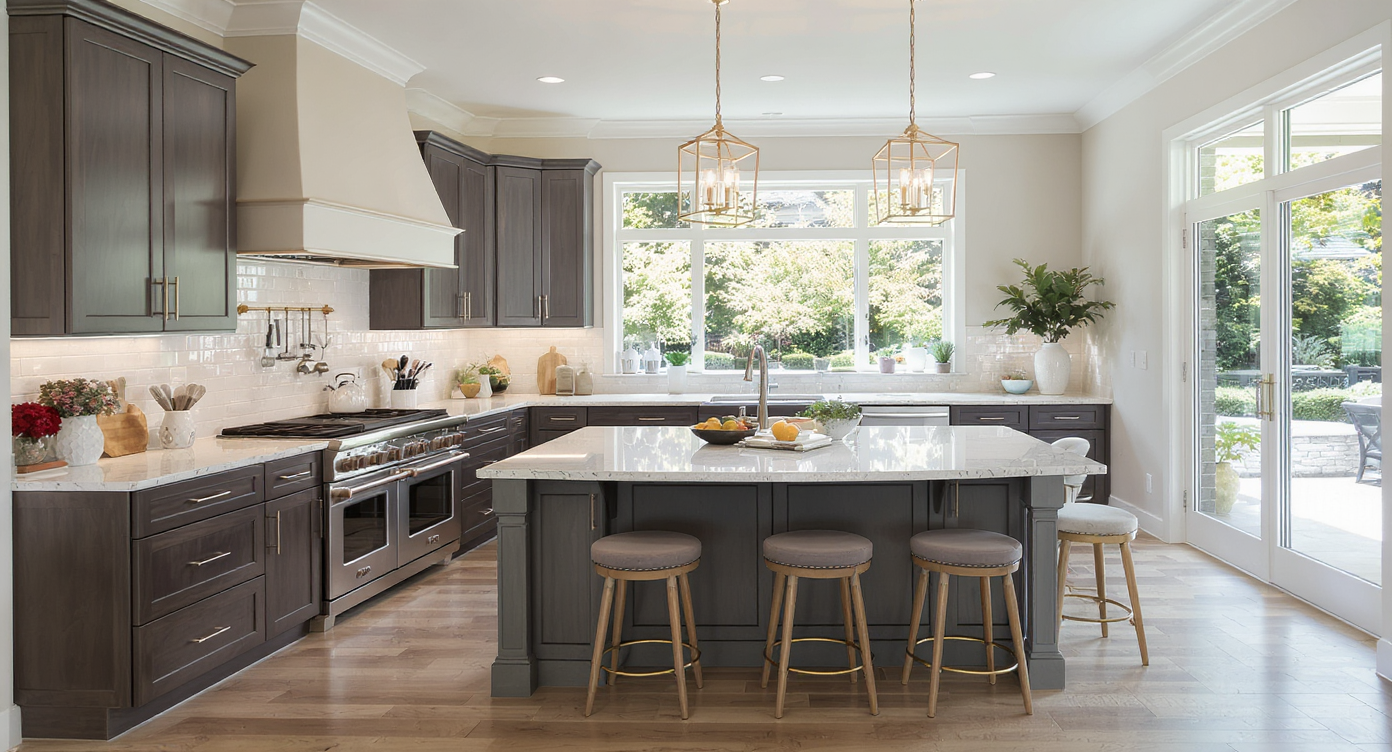
The L-shaped kitchen layout combines openness with intimate cooking and dining spaces.
The L-shaped layout is a favorite among homeowners for its adaptability and efficient use of space. Occupying two adjoining walls, it supports an ideal work triangle, allows for open movement, and is well-suited for entertaining due to additional space for a kitchen island or dining table.
However, corner spaces can be tricky, often requiring custom solutions. To overcome this, innovative cabinetry solutions, as explored in timeless kitchen designs, can make these areas more accessible and functional. Additionally, the L-shape supports a variety of styles, from traditional to modern, ensuring it fits seamlessly into any home aesthetic. -
04. U-Shaped Kitchen Layout: A Chef’s Paradise
Often seen in larger kitchens, the U-shaped layout maximizes storage and work surfaces, making it a preferred choice for serious cooks. It encloses three walls with cabinetry and appliances, promoting an efficient workflow conducive to preparing elaborate meals.
Its closed design, however, can make adding an island challenging unless the room is quite large. As mentioned in our advice on kitchen remodeling, a U-shape supports extensive cabinetry and innovative storage approaches that can keep the kitchen uncluttered while inviting multiple cooks to operate simultaneously. If island installation seems elusive, a central prep station might still be achieved through a mobile island or cart.
Frequently Asked Questions
- What are the key considerations when choosing a kitchen layout?
Consider the space available, your cooking habits, and your lifestyle needs. Each layout offers distinct benefits that suit different prioritizations, be it maximizing storage or promoting social cooking. - How can I visualize my ideal kitchen layout?
Use a design tool like ReimagineHome to explore various layouts within your space, test new styles, and ensure practicality before committing. - Which layout is best for small kitchens?
Galley and one-wall kitchens are exceptional for small areas, providing organized and functional environments with minimal space usage. - Can I incorporate an island in a U-shaped kitchen?
Yes, but sufficient space is essential to facilitate movement around the island; consider a movable island if space constraints are an issue.
Choosing the Right Layout for Your Kitchen
Selecting the ideal kitchen layout hinges on more than space considerations—your cooking style, family needs, and aesthetic preferences all play significant roles. By understanding the strengths and limitations of each design—such as how a one-wall setup encourages openness or how a U-shape maximizes workspace—you can tailor your kitchen to meet your unique requirements. Embrace tools like ReimagineHome to visualize potential layouts in your own space, ensuring your kitchen not only functions beautifully but also serves as a welcoming hub for your home.