How to Cover an Interior Cutout Without Tools: A Structured Guide to Cleaner, Safer Spaces
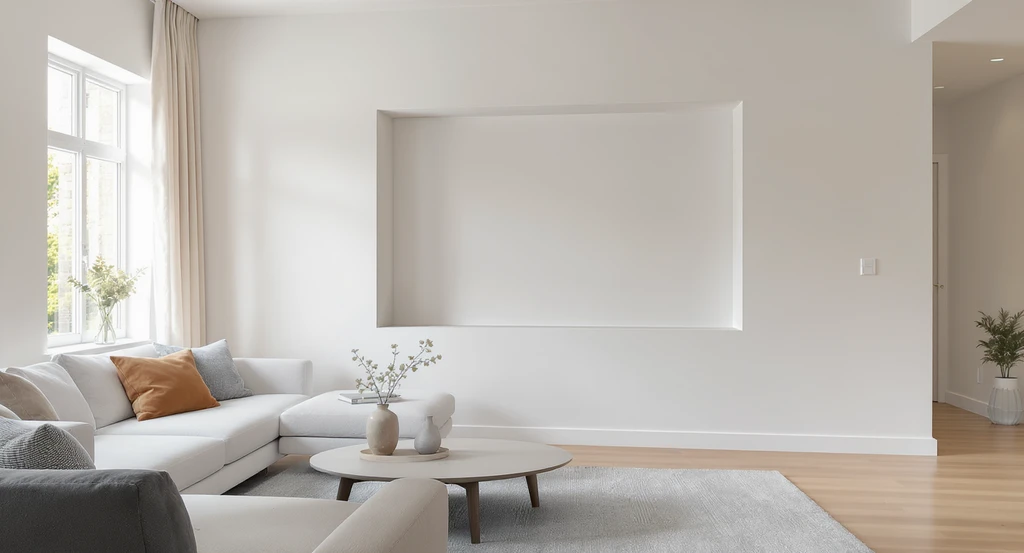
Understanding the Cutout Challenge: Privacy, Light, and Safety Without a Toolbox
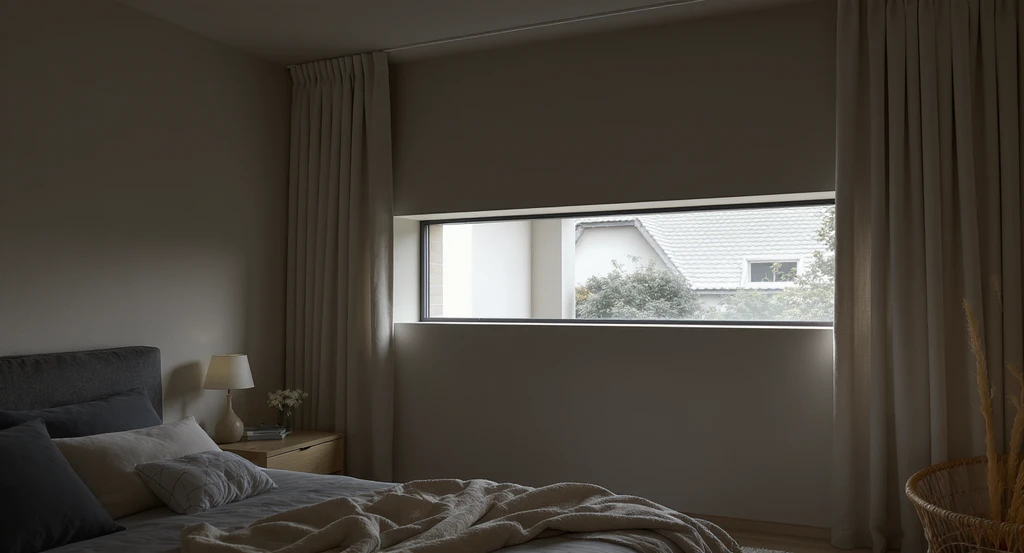
How to visualize covering interior cutouts: A photorealistic bedroom highlights visualization tools for interior renovations and aphantasia-friendly home design solutions, showing ways to picture room modifications before building for safe, private living spaces.
If your bedroom has an interior cutout overlooking another room, you’re likely balancing three competing priorities: privacy (especially with a new baby), safety for pets or children, and preserving natural light. Add rental restrictions or temporary living situations, and permanent renovations may not be an option. Unlike standard window treatments, interior pass-throughs and overlook openings are often odd-sized, wider than expected, or structurally awkward. Many quick DIY hacks fail when spans are too large or when stability matters for households with babies and pets. This guide breaks the problem down into clear decision points helping you choose a tool-less solution that aligns with your timeline, safety needs, and lighting goals.
-
The Underlying Mechanism: Why Cover an Interior Cutout?
Interior cutouts sometimes called pass-throughs or overlook windows—were designed for light-sharing, open layouts, or architectural interest. But in bedrooms, they often clash with privacy needs and become risky for young children or curious pets. Sound transmission, unwanted sightlines, and light control are real trade-offs. Bedrooms adjacent to living spaces (especially in multi-level, lofted, or open-plan homes) are most prone to these dilemmas. If you rent or plan to move, fully permanent or tool-heavy solutions may not be feasible (learn more about renter-friendly strategies in our guide to renter-friendly DIY projects).
Expert Insight
A family with a cat and baby faced a similar cutout dilemma. Their solution? They friction-fit foam boards, wrapped them in playful fabric, and hung lightweight art on top using removable strips allowing privacy for naps and safety for their adventurous feline, without risking their rental deposit. The project took a single afternoon, required no tools, and let them change covers as their style evolved.
-
The PRESS Evaluation Framework for Tool-less Cutout Covers
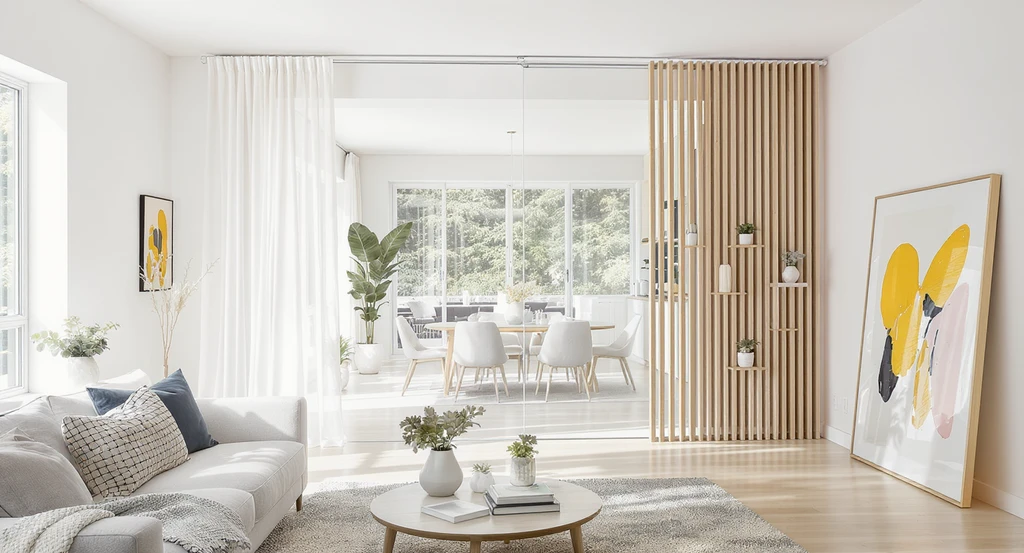
Explore how to visualize covering interior cutouts with PRESS: this scene highlights aphantasia-friendly home design solutions and visualization tools for interior renovations, helping you picture room modifications before choosing a covering method without tools.
To bring clarity, we introduce the PRESS Evaluation Framework:
- Protection: Does it prevent falls, block cats, or deter little climbers?
- Removability: Is it easy to put up and take down, leaving no marks?
- Effect on Light/Sound: Does it preserve daylight, or provide meaningful sound/privacy control?
- Size Adaptability: Will it span your opening (e.g., 59.6”+), especially if tension rods are limited?
- Style Integration: Will it look intentional from both sides and suit your décor?
Every practical solution must be measured against all five PRESS factors. For instance, a tension rod with curtains scores high on removability but may need customization for wide spans and may not deter a determined cat. Large art panels are visual and adaptable but may sacrifice light. Shelving, slat walls, or acrylic panels offer balance but can be harder to source without tools or custom work. -
Tool-less and Low-Tool Options: Decision Matrix
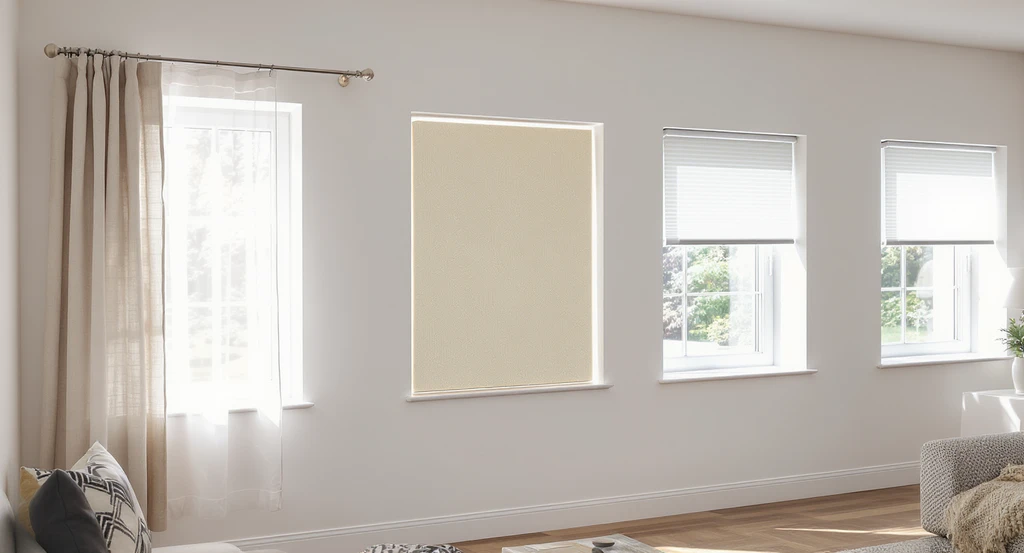
See how to visualize covering interior cutouts with real solutions—curtains, art, foam, shades, and panels—using these visualization tools for interior renovations. Ideal for aphantasia-friendly home design solutions and exploring ways to picture room modifications before building.
Solution P R E S S Notable Trade-offs Extra-Long Tension Rod + Curtain/Fabric Modest (will not block cats) Excellent Blocks visuals, preserves some light/sound Custom rod may be needed Flexible on style, fabric choice Weight limit; some sag risk on wide spans Large Canvas Art (both sides) Excellent (blocks cats/kids) Great (hung with picture strips or leaning) Full privacy, blocks most light/noise Easy to size up (art, foam board, etc.) Good—can customize look Reduces daylight; more visual bulk Foam Insulation Board (fit & friction) Strong (if tight fit) Excellent Sound absorption; full block Works for custom shapes Can paint/wrap for style Not attractive without effort Command Strip–Mounted Shades Modest Easy to remove Filter light, some privacy Ready shades may not fit all widths Discreet if well aligned Lightweight panels only Acrylic Panel (friction fit or with adhesive strips) Strong if thick Removable (edge trim optional) Lets light through, blocks visuals Can have custom cut made Modern, minimal look More costly to custom order Macrame, Tapestry, Textile Panel Low (not pet/kid barrier) Very easy Some privacy, diffused light Can use rods/adhesives Bohemian/artisan options No real sound/animal barrier
Use this decision matrix to quickly compare options, considering both current life stage and future flexibility. If you want ideas for combining practical and expressive solutions, see our 2025 designer DIY idea guide. -
Spatial, Visual, & Safety Reasoning
Three physical factors determine what works:
- Opening Width & Height: Measure to the nearest 1/8” for press-fit panels or tension rods; standard rods typically max out at 60–72”, so custom/extendable options may be necessary.
- Alignment & Depth: Panels/art must clear any trim or ledge and, ideally, overlap at least 1/2” to block gaps. Too much overhang can look awkward or become unstable.
- Load Requirements: Any barrier designed for child or pet safety must withstand pressure. Friction-fit foam or acrylic, well-anchored art, or shelving units filling the opening generally perform best. Fabric panels and tapestries don’t stop determined climbers or jumpers.
-
Practical Application: Stepwise Approach to Covering Your Cutout
- Clarify Priorities: List whether privacy, daylight, pet/kid safety, or aesthetics matter most. Also, note rental restrictions for holes or marks.
- Measure Carefully: Note both width and depth. This will determine if retail solutions (like long tension rods) even apply.
- Choose Materials: Compare PRESS matrix scores for your shortlist: e.g., ready shades, friction-fit foam, or stretched fabric.
- If Using Fabric: For spans over 60", look for extendable shower rods, cable track systems, or dual-rod setups with lightweight sheers. Custom sewing may be needed.
- If Using Panels: For sound or visual block, foam or acrylic can be cut to size and simply wedged in; finish with peel-and-stick wallpaper or fabric wrap for aesthetics.
- For Extra Safety: Combine two solutions (e.g., friction-fit board behind a tapestry) to block pet access and maintain move-out flexibility.
-
Visualization Impact: Why Previewing Matters
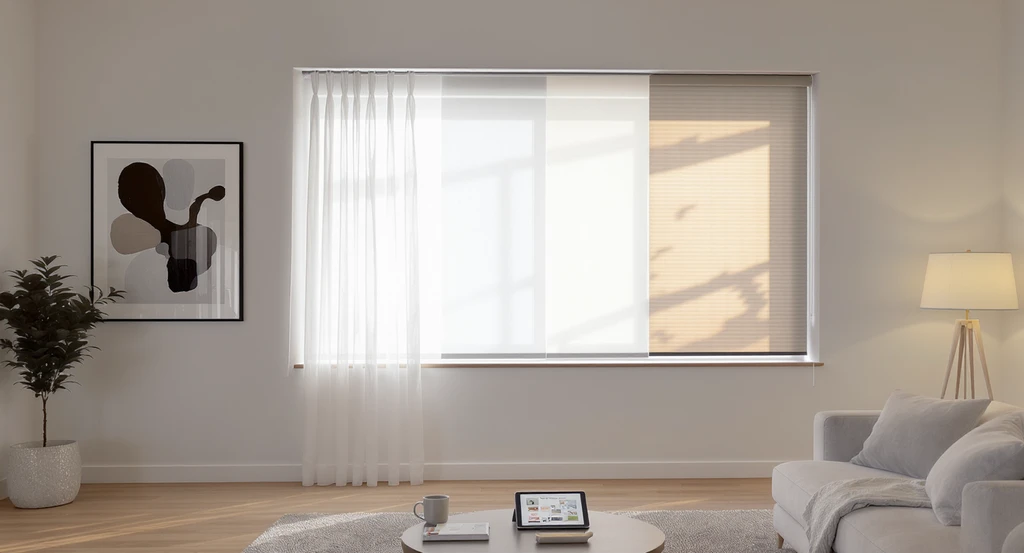
Use visualization tools for interior renovations to preview how different coverings—art, fabric, acrylic, shades—transform cutouts. Aphantasia-friendly home design solutions show ways to picture room modifications before building, helping you choose coverings when you can't visualize.
Visualizing tool-less cutout covers goes beyond just picking a style it prevents costly mistakes and disappointment. With open concept spaces, sightlines and lighting can change dramatically with different covers. Using REimagineHome AI or other visualization tools, you can see exactly how art, fabric, shades, or acrylic panels will affect your actual room, gauge how they interact with existing colors/materials, and decide if they meet your needs for privacy, light, and safety. This reduces hesitation and regret especially when juggling trade-offs between practical constraints (such as renting or pet-proofing) and personal taste.
-
Integrating Temporary Upgrades With Broader Home Plans
Tool-less cutout covers, much like other renter-smart upgrades, offer flexibility for uncertain timelines. If you’re waiting out a lease, expecting household changes (like a new baby), or experimenting with DIY before committing to permanent remodels, these solutions provide peace of mind with minimal risk (see more ideas for adaptable decor in our post on low-commitment projects). If you later choose to enclose the space permanently, you’ll have already tested how privacy and light affect your daily routines, making professional renovations more predictable and rewarding.
Frequently Asked Questions: Tool-less Interior Cutout Covers
- How can I cover a wide interior cutout with no tools?
- Options include extra-long friction-fit tension rods with fabric, press-fit foam or acrylic panels, clip-mounted shades, or large lightweight art panels hung with removable picture strips. Each has trade-offs in privacy, safety, and light transmission as outlined in the PRESS Framework above.
- Will temporary covers affect my rental deposit?
- Most tool-less solutions, such as tension rods or adhesive-mounted panels, leave no holes and remove cleanly. Always test adhesives on inconspicuous areas first and follow your lease guidelines, as discussed in our renter-friendly DIY guide.
- Can I use art or tapestries to cover a bedroom cutout?
- Yes, large canvases or tapestries can be hung with removable adhesive strips or set on a supporting ledge. They work well for visual privacy but do not block sound or deter pets. Ensure they are well-secured, especially with children or animals present.
- Are there tool-free sound-dampening options?
- Yes—press-fit foam insulation boards or acoustic felt panels help absorb noise, though they rarely block sound entirely. Combining these with visual barriers can provide more comfort, especially in shared or open-concept homes.
- How do I decide which cover is best for my needs?
- Apply the PRESS Framework: assess your top priorities (protection, removability, effect on light/sound, size adaptability, style), measure the cutout precisely, and use visualization tools like REimagineHome AI to trial options before committing.