How to Decorate a Lofted Studio Apartment Stage: Creative Uses & Confident Choices
TL;DR
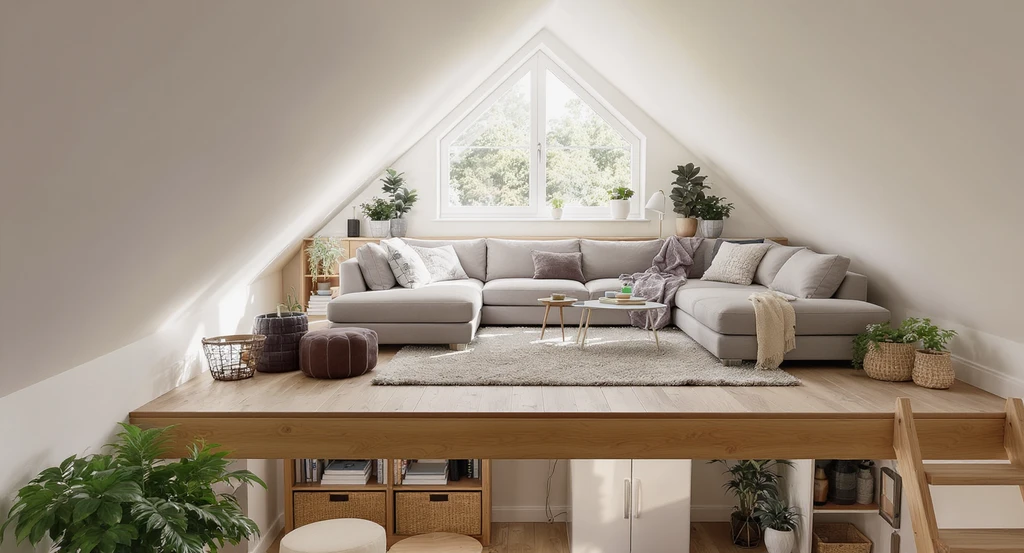
A lofted stage in a studio apartment can become a reading nook, lounge, bedroom, home office, creative zone, display, or smart storage hub. The key is assessing height, comfort, and function, then layering intentional seating, soft lighting, and vertical storage to suit your daily needs, not trends.
What Can You Really Do With a Lofted Stage in a Studio?
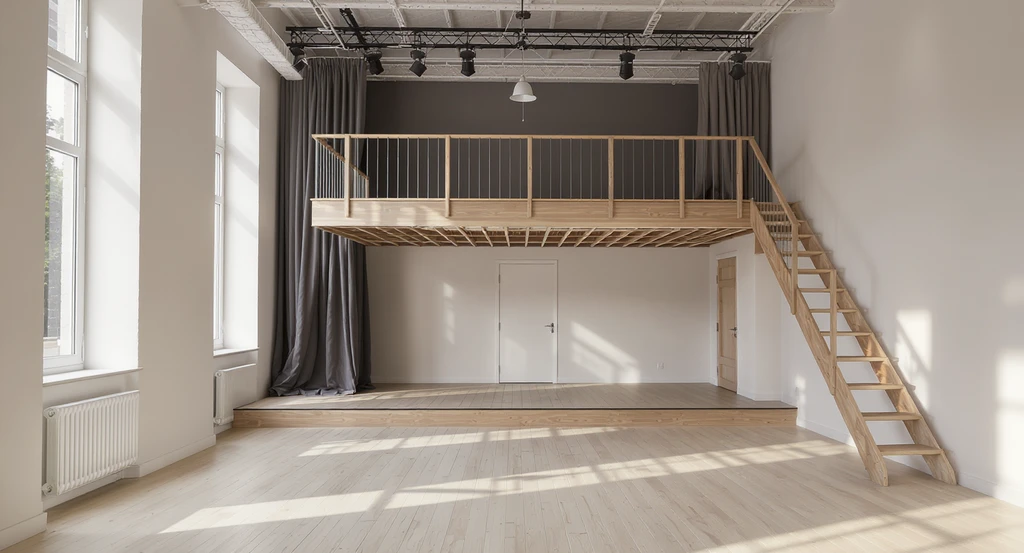
An empty studio apartment showcases a well-lit, elevated hardwood platform—perfect for exploring how to decorate a lofted studio apartment stage and plan creative loft stage seating ideas for small spaces.
Moving into a studio with an elevated platform, sometimes called a 'stage', invites both excitement and confusion. Is it wasted space, a quirky hazard, or an opportunity waiting to be claimed? Many residents feel unsure where to begin: should the platform define the apartment, or quietly serve a function? At REimagineHome AI, we see this feature as a canvas. The right approach transforms a lofted section from a novelty into your favorite corner, extending your lifestyle rather than complicating it. The secret is seeing how this raised area fits your real needs, before buying a single pillow, plant, or lamp.
-
The Best Ways to Use Elevated Apartment Platforms
The Best Ways to Use Elevated Apartment Platforms Image
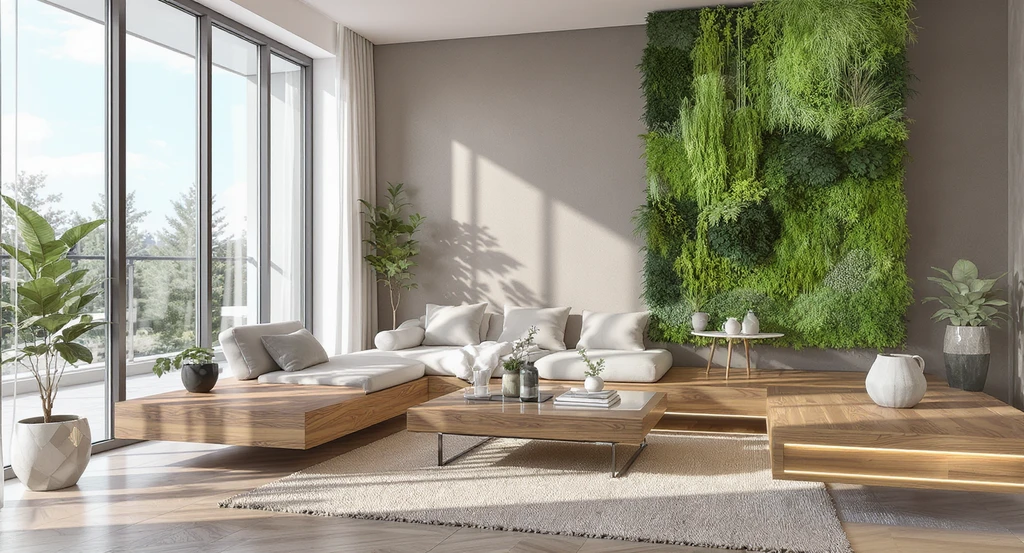
The most successful platforms solve a specific need. Popular and effective options include:
- Reading Nook/Lounge: A soft rug, low cushions or mattress, plush throw pillows, and a small table create an inviting escape from the main living area. Add a few well-placed plants for comfort and acoustic softness.
- Home Office Zone: Place a compact desk and ergonomic chair to visually and physically separate focus work from relaxation areas. For more on balancing small-space productivity, see our advice on home office design in tight quarters.
- Minimalist Bedroom: Use a futon or thin mattress with soft edges and low-profile steps. Add curtains, room dividers, or open shelving for privacy and storage. This frees up the main area for living and entertaining.
- Creative Studio or Gallery: Install picture rails, adjustable lighting, and display your art or plant collection without intruding on the living space. For more on dual-function creative spaces, consult our sunroom design strategies.
- Storage Headquarters: Large platforms can conceal labeled bins, built-in drawers, or lift-top panels. Combine utility with style through integrated shelving or modular furniture.
Expert Insight
A recent client wanted to use their platform for storage but could never keep it tidy. After visualizing both a reading nook and a home office in their own apartment layout, they saw how setting real boundaries, and adding lighting and simple steps, transformed daily habits. The platform became a favorite reading and journaling corner, proving that clarity beats guesswork every time.
-
Lighting, Boundaries, and Comfort: Details That Decide Success
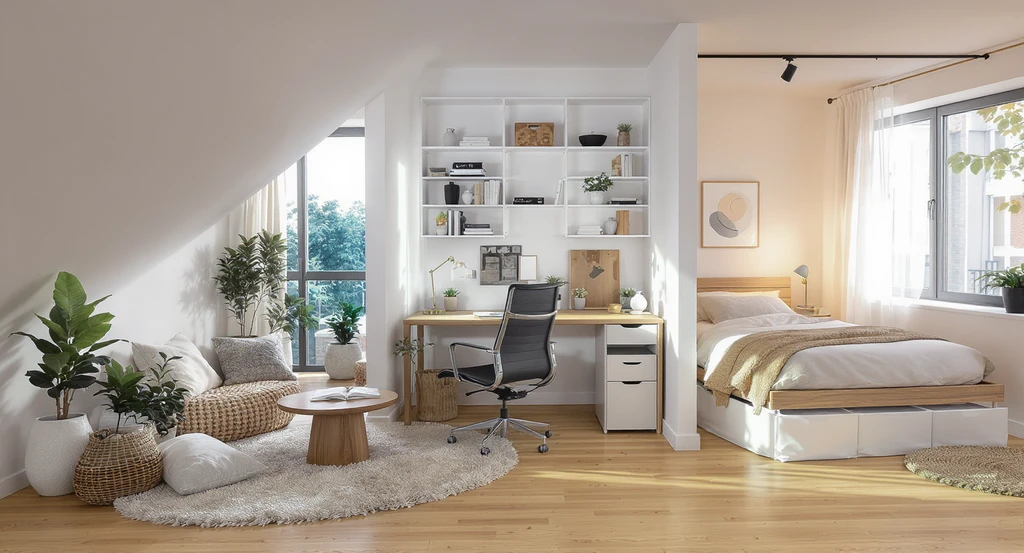
Explore how to decorate a lofted studio apartment stage with creative loft stage seating ideas for small spaces. This image illustrates the best ways to use elevated apartment platforms by showcasing a reading nook, home office zone, minimalist bedroom, and built-in storage working together in one functional, photorealistic studio setup.
Good lighting elevates any choice, try flexible task lamps, LED strips, or spotlights for work or cozy reading. Add fairy lights, solar accents, or dimmers to set mood without cluttering the space. Soft area rugs, slip-proof mats, and generous throws or curtains increase warmth and privacy. For platforms above seating height, plan low-profile steps or a slim ladder for safe, daily access. The safest way to avoid missteps is treating the stage as a distinct 'room,' even if it lacks walls.
-
Common Mistakes to Avoid When Decorating a Lofted Stage
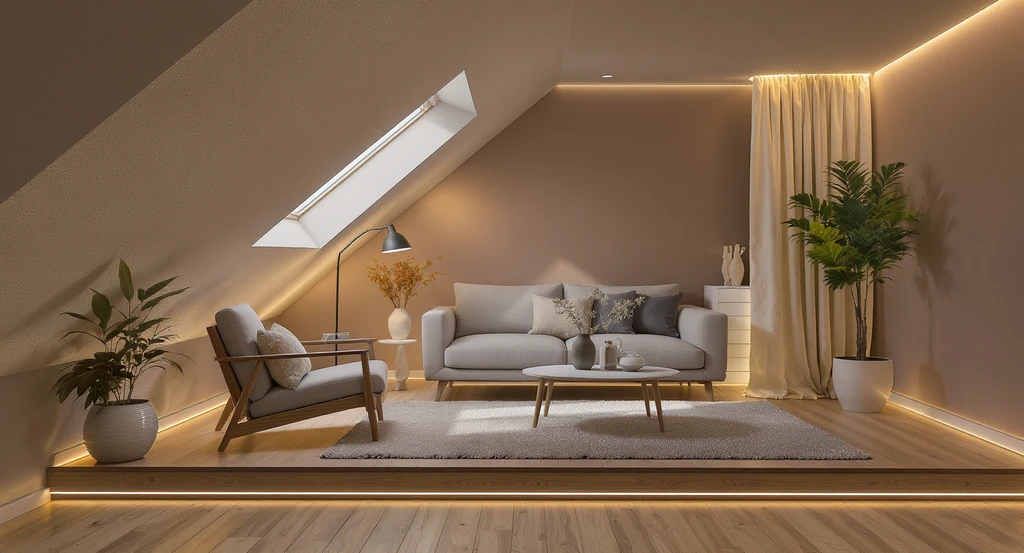
Discover how to decorate a lofted studio apartment stage with LED strip lighting, cozy rugs, and creative loft stage seating ideas for small spaces. Using best ways to use elevated apartment platforms, this setup blends comfort, safety, and stylish boundaries.
- Oversizing furniture that overwhelms the platform or blocks light and movement.
- Using it as generic storage—inviting clutter and visual chaos instead of function.
- Skipping basics like task lighting or steps, which discourages use and comfort.
- Choosing decor for appearances rather than daily routine or real needs.
- Ignoring the vertical—forgetting to use wall space for shelving, lighting, or art.
-
Multifunctional Loft Ideas for Studio Apartments
Multifunctional Loft Ideas for Studio Apartments Image
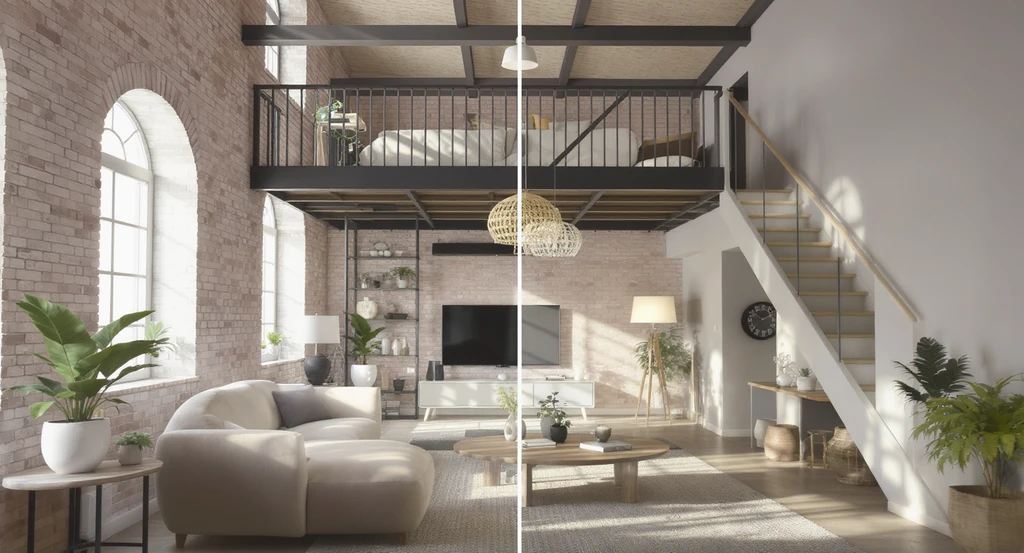
A lofted platform can easily shift roles throughout the day, serving as a cozy reading or napping corner and transforming into a focused workspace with a pull-out table when needed. Using flexible furniture, movable elements, and layered lighting allows the space to adapt quickly while maintaining comfort and visual balance. As we covered in our home office solutions for small spaces, even the most compact apartments gain usability and comfort from zones that serve two clear purposes, if each remains visually defined.
-
How Visualization Changes the Decision
How Visualization Changes the Decision Image
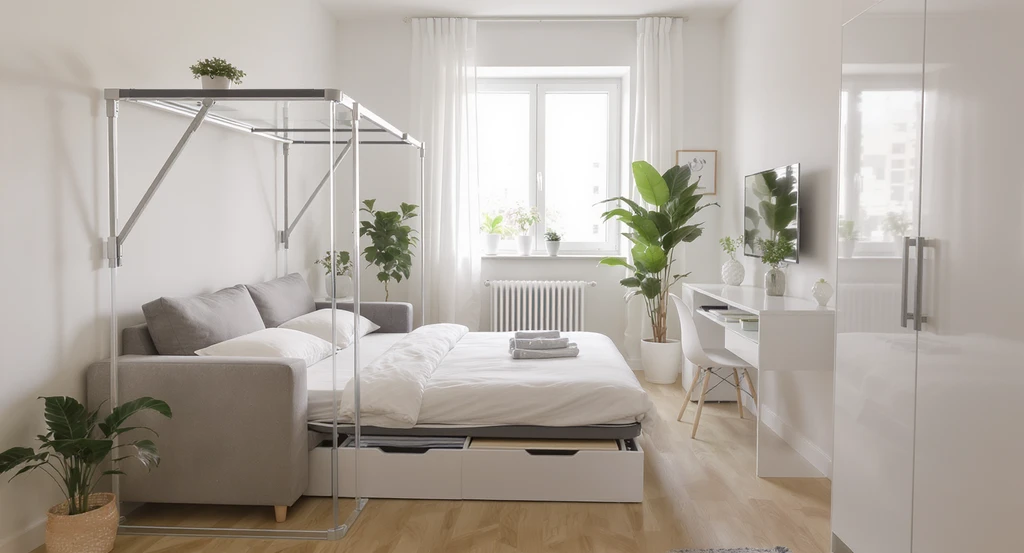
Many residents struggle to translate inspiration photos into real, workable solutions for their own unique platforms. Digital visualization prevents costly purchases and regret, before you buy or commit, you can see the colors, furniture arrangements, and lighting in your actual apartment. That difference, as we reinforce across all of REimagineHome AI, is visualization accuracy. Seeing it in your own context drives confident choices and eliminates hesitation, a process explored deeply in our budget design guide.
Visualization Scenario
Imagine uploading your studio’s photos into REimagineHome AI, testing a floor cushion layout versus a compact sofa with wall shelving. Seeing which style expands walking space, maximizes sun exposure, and organizes belongings before committing provides instant clarity. It’s the shortcut from indecision to your perfect lofted nook.
Frequently Asked Questions
What are the best ways to use elevated apartment platforms?
The most effective uses are cozy lounge or reading nooks, minimalist bedrooms, compact home offices, creative studios, or integrated storage. Choosing based on platform height and your habits is critical.
How do I know if my platform should be for seating or sleeping?
Measure height—platforms at or just above seating height are suited for lounges or offices. Higher platforms, if safely accessible, can serve as sleeping lofts or display zones.
What lighting works best for a lofted studio stage?
Layer ambient (fairy lights, LED strips), task (adjustable desk lamps), and accent lighting for specific tasks or moods. Lighting should enhance usability, safety, and comfort without creating clutter.
How do I prevent clutter and wasted space?
Define a single purpose or two compatible uses. Use built-in, under-platform, or modular storage to keep the area organized and visually open.
Can I use my lofted platform as a home office?
Yes, provided there is enough comfortable headroom. Prioritize ergonomic seating, a compact desk, and layered lighting. For proven tips, see our small-space home office guide.
How can digital visualization help with loft decorating?
Visualization lets you test colors, furniture, and layouts in a digital model of your actual space. This reduces costly mistakes and gives decision confidence. Learn more at REimagineHome AI.
What mistakes do people make with elevated platforms?
Common mistakes include overcrowding, lack of theme, ignoring lighting, or treating the space as storage rather than an intentional zone.
Are multipurpose zones with platforms really practical?
Yes, when each function is clearly defined—by lighting, rug, or storage—and selected for your real-life routines. Flexible setups prevent the space from feeling chaotic or underused.
Turn an Unused Stage Into Your Signature Space
A lofted platform isn’t just a conversation starter—it’s a multi-purpose asset ready to expand your lifestyle. With intentional design, clear boundaries, effective lighting, and context-driven visualization, you can turn confusion into clarity. Always measure, visualize, and design for real-life comfort and function—not just inspiration.