How to Furnish an Awkward Octagonal Room: From Empty Space to Functional Retreat
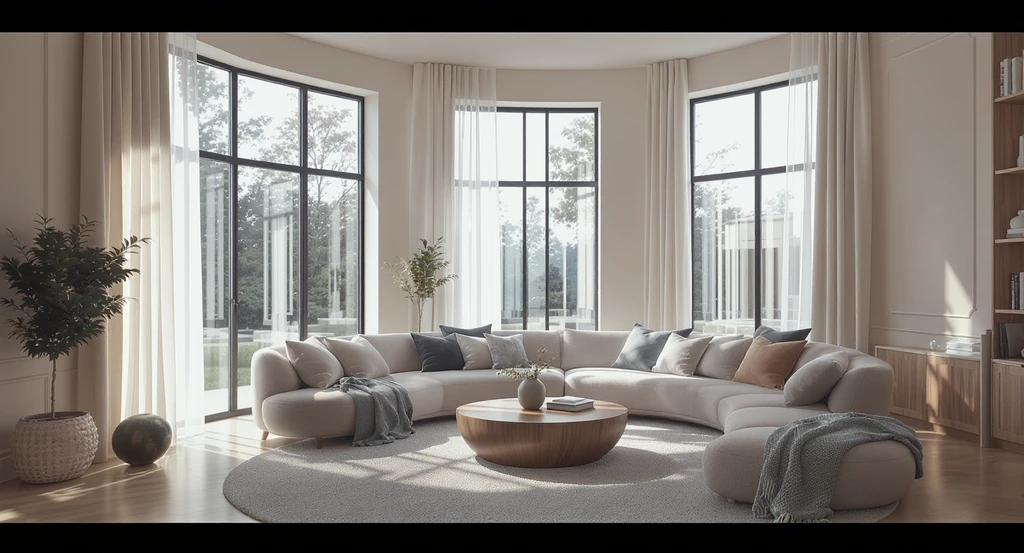
Understanding the Octagonal Room Dilemma
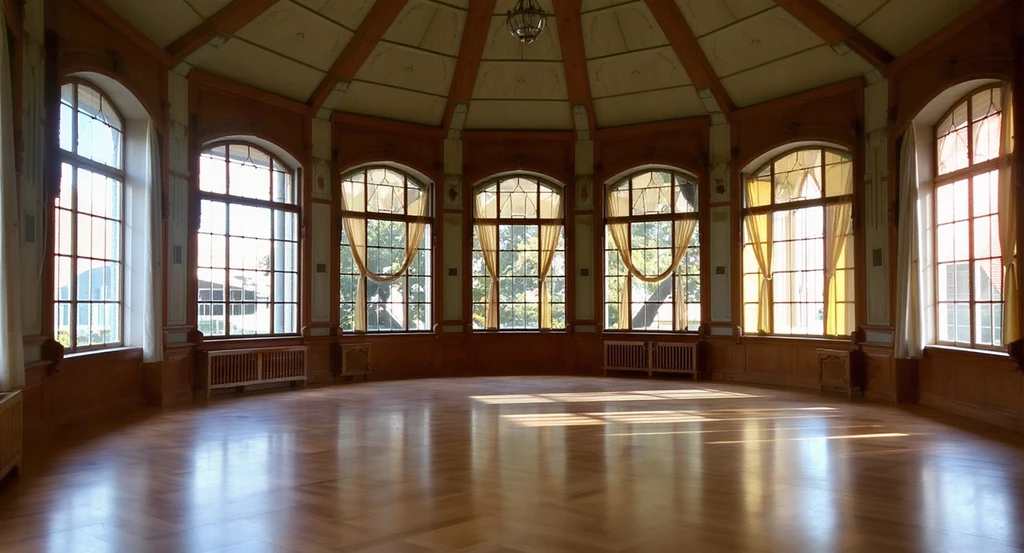
This photorealistic scene illustrates how to furnish an awkward octagonal room using creative ideas for unused living spaces. Abundant daylight, minimal furniture, and a strategic layout highlight the challenges and possibilities of transforming empty octagon rooms—such as those in converted churches—into inviting, purposeful spaces.
Rooms with unconventional geometry such as perfect octagons often remain underused, even years after move-in. Their symmetry, abundant glazing, and lack of obvious focal walls can induce decision paralysis: how to furnish, where to anchor seating, and how to leverage the architecture without overcrowding or visual clutter. This topic is increasingly relevant as repurposed church spaces, turrets, and converted sunrooms reintroduce non-rectilinear plans into residential contexts. The core challenge is to balance the room’s panoramic potential with practical function, while preserving architectural intent and personal comfort.
-
Underlying Mechanism: Axial Ambiguity and Engagement Freeze
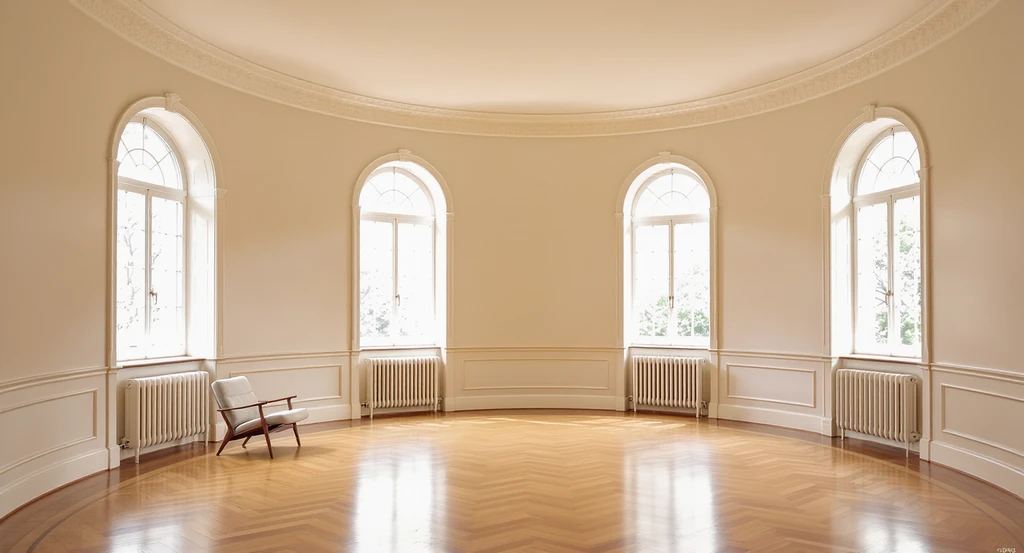
This image shows how to furnish an awkward octagonal room, highlighting creative ideas for unused living spaces and the challenge of defining layout and function in high-ceilinged octagon rooms with multiple windows. Lighting tips for rooms with tall windows enhance the space despite spatial ambiguity.
Octagonal rooms disrupt the default cues that guide furniture placement namely, parallel walls and a singular focal point. With nearly equal wall lengths and a surplus of windowed surfaces, the eye lacks a spatial anchor, causing users to hesitate in committing to layouts or even to the room’s function. Sightlines are dispersed, privacy is minimal, and the result is often prolonged vacancy or cluttered improvisations. High ceilings further amplify the sense of emptiness. This spatial ambiguity leads to what REimagineHome AI defines as Engagement Freeze: the learned inertia that develops when no obvious arrangement or usage pattern arises from the geometry itself.
Expert Insight
A client moved into a former church with a pristine octagonal turret room, intending to turn it into a reading lounge but left it empty for a year. Applying the Octagon Activation Model, they selected a 9’ round rug, three vintage lounge chairs spaced radially, and a custom built-in shelf echoing the sill height. The room transformed into the most used space in the house, inviting both solitude and small group conversations.
-
How to Structure an Octagonal Room Without Overfilling It
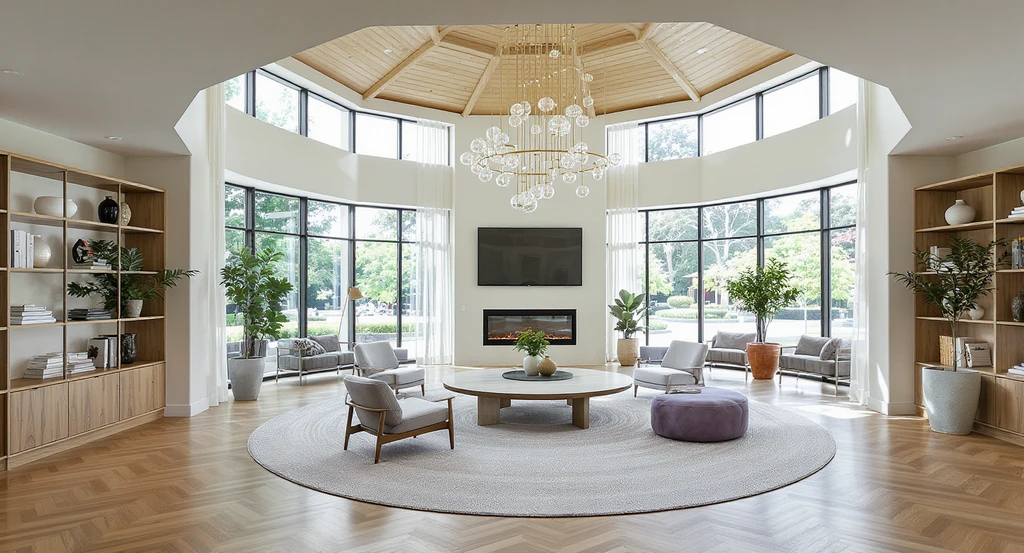
Best furniture layout for empty octagon rooms: Layering a round rug, off-center anchoring, and lighting transform unused living spaces with tall windows.
Definition: Using REimagineHome’s AI visualization tools, this three-step framework helps organize octagonal rooms through function clarity, visual anchoring, and flexible layering.
- Function Vector Selection: Identify the intended core use reading, music, art studio, conversation, plant-filled sunroom, dining based on lifestyle gaps rather than just filling space. Refer to our guidance on making dual-function sunrooms work for layered, non-exclusive uses.
- Zone Anchor Placement: Use either a single major rug (round, 8–10' diameter) or an axial furniture piece (desk, grand piano, circular table) to ground the space. Place this anchor slightly off the true center to avoid spatial monotony unless the function demands true symmetry (e.g., table for collective activities).
- Perimeter Layering and Permeability: Build concentric or radial layers outward from your anchor—low shelving, lounge chairs, plant stands—with open sightlines to the windows. Avoid blocking window bays or crowding with too-tall elements. Layer lighting at both ceiling and human scale (floor or table lamps) for evening use, following the guidelines from our lighting and scale analysis.
REimagineHome AI constrains the urge to overfill the room, transforming axial ambiguity into structured opportunity. -
Practical Application: Zone Definition, Rug Logic, and Seating Principle
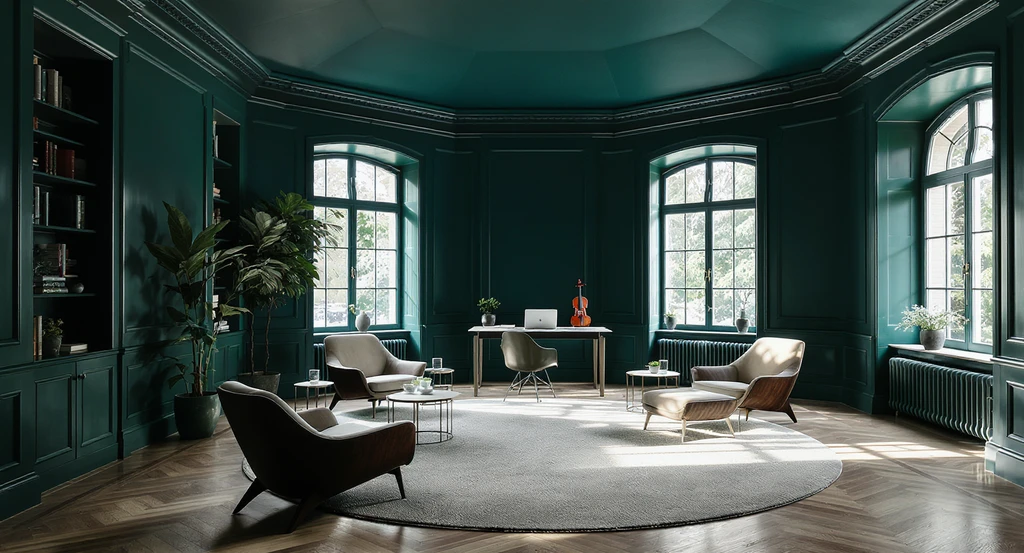
How to furnish an awkward octagonal room: creative ideas for unused living spaces include a jewel-tone color-drenched design, round rug, radial lounge seating, built-in shelves below tall windows, and a well-lit focal point—transforming a challenging room into a practical and stylish reading or music nook.
Begin by color-drenching the walls, trim, and ceiling for architectural cohesiveness or using a saturated jewel tone for drama. A large, round rug offers geometric harmony while demarcating central activity zones, as discussed in our living room rug trend analysis. For seating, avoid wall-hugging: arrange 2–4 lounge chairs, a small sofa, or a loveseat radially around the rug with tables for books, drinks, or plants. This preserves sightlines and allows light flow. If selecting bookshelves, limit to one or two non-windowed walls; opt for low-slung or built-in shelving beneath the window sills to avoid interrupting the fenestration pattern.
For creative or musical use, position a desk or instrument midway between the center and a solid wall, keeping clear pathways for circulation. Plants and focal art can occupy the junctions where walls meet, capitalizing on unique reflections and light angles. -
Visualization Impact: Regret-Proofing With Spatial Previews
The importance of previewing potential layouts cannot be overstated in irregular spaces. The ability to visualize furniture scale, circulation patterns, and lighting effects in advance reduces both acquisition error and design regret. Tools like REimagineHome AI allow users to swap rug shapes, furniture groupings, or plant clusters, providing confidence before major investments. In practice, visualization tempers impulse decisions to over-furnish or underuse the room and reveals counterintuitive options such as diagonal seating groupings or placing a grand piano off-axis that cannot be deduced from floor plans alone.
-
Material and Light Interaction Guide
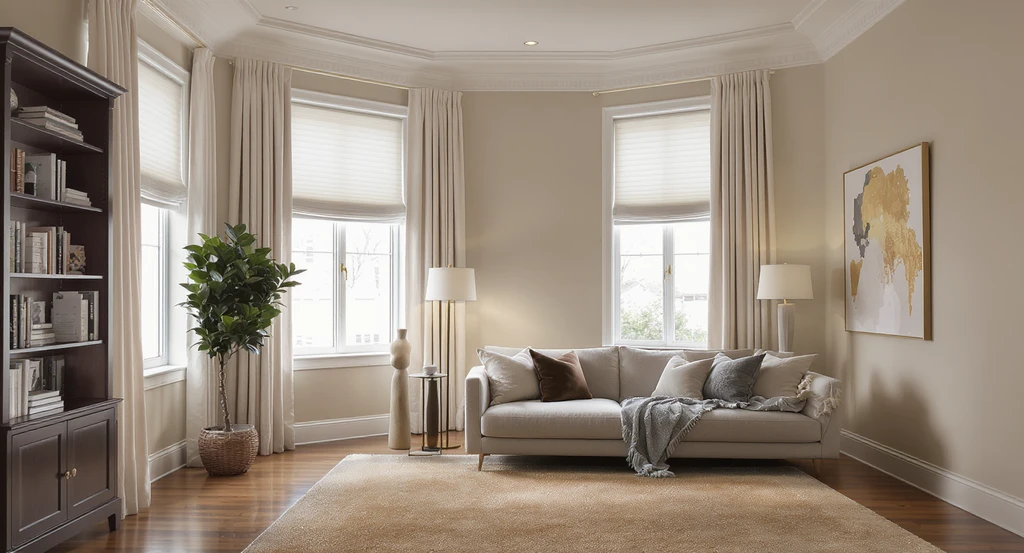
Explore creative ideas for unused living spaces with this octagonal room layout, showcasing best furniture placement and expert lighting tips for tall windows.
For northeast to south-facing windows, manage glare and UV exposure with lined drapery, translucent shades, or custom UV film especially if you choose to display books or art. Tall windows demand vertical lighting solutions; use up-lighting or slim floor lamps to accentuate height at night. Where floors are cold or visually fragmented, a thick, warm-toned area rug grounds the palette and improves acoustics. Avoid ultra-gloss or highly patterned flooring, as these reflect and scatter light unevenly, contributing to visual noise. When introducing greenery, favor taller, airy plants placed near window junctions never fully obstructing glass. Contrast tactile softness (wool, velvet) against architectural hard edges to build comfort without visual clutter.
-
Comparative Evaluation: The Octagon Versus Standard Rectilinear Rooms
Unlike square or rectangular rooms, the octagon distributes visual weight equally, eliminating the conventional 'main wall' or natural television zone. Symmetry is inherent but static if left unbroken with identical furniture arrangements. The risk is both underfurnishing (due to fear of blocking windows) and overfurnishing (attempting to balance all sides). The Octagon Activation Model uses a single dominant zone anchor and flexible, non-linear layering to resolve this tension. For multifunction use, mobile furnishings swivel chairs, nested tables enable quick reconfiguration for reading, music, art, or conversation, a strategy explored in our guide on creating hybrid zones in small sunrooms.
Visualization Scenario
Imagine previewing three different layouts: a grand piano on an angle, a central round table with sculptural chairs, or an art easel by the windows. Visual overlays reveal how each zoning scenario affects circulation, light reach, and social dynamics. This spatial foresight—before any purchases—lets you tailor the room for both aesthetic coherence and daily life.
Frequently Asked Questions
A round rug between 8 and 10 feet in diameter typically balances an octagonal room with a diameter near 14 feet, preserving floor clearance and supporting radial seating without visual crowding. Square rugs may also fit, but can disrupt geometric harmony.
How do I avoid overcrowding in a small octagonal space?
Begin with one functional anchor—rug, table, or piano—and layer additional pieces outward, leaving clear pathways and views to windows. Limit furnishings to essential use cases, favoring floating furniture over wall-lined arrangements.
Can I use bookshelves in a room with many windows?
Yes, but restrict shelving to walls with minimal glazing. Opt for low-height shelves to avoid blocking light and consider integrated storage beneath windows. Protect books from direct sunlight with UV coatings or lined shades.
What lighting should I choose for a room with tall windows?
Combine overhead fixtures with up-lighting and human-scale lamps to accentuate height and provide layered illumination. For creative uses, supplement with high-CRI task lighting similar to recommendations in our sunroom art studio guide.
Should all seating face the windows?
Not necessarily. Orient primary seating toward broad window views for light and atmosphere, but balance with at least one seat anchored to a solid wall to reduce exposure and provide a sense of grounding.
Transforming Potential Into Purpose
Addressing octagonal rooms is not a matter of filling space, but of activating potential through functional centering, layered flexibility, and preview-based planning. By applying the Octagon Activation Model, homeowners resolve Engagement Freeze and achieve a room that is not just architecturally unique, but truly lived-in. The process minimizes regret, maximizes adaptability, and enables the octagonal room to become a destination within the home whether as a reading refuge, art studio, or light-soaked sanctuary.